رفع الجيوب الأنفية للنافذة الجانبية في تايلاند — احصل على 3 عيادات مطابقة مع التكاليف


تمت مراجعة المقالة طبيا من قبل
فهد مولود
ما هي تكلفة رفع الجيوب الأنفية للنافذة الجانبية في تايلاند؟ اكتشف الآن
من $1,000 / 34,000฿. تعتمد التكلفة النهائية على مواد التطعيم المستخدمة، والتصوير التشخيصي كأشعة CT، وموقع العيادة المختار. تشمل معظم عروض الأسعار التخدير الموضعي والأدوية ما بعد الجراحة.
- تقنية الإجراء: ترتفع تكلفة النافذة الجانبية غالباً مقارنة بالطرق الأخرى نظراً لتعقيدها.
- مواد التطعيم: يؤثر نوع تطعيم العظام (سواء كان اصطناعياً أو حيواني المنشأ) بشكل كبير على السعر الإجمالي.
- التصوير التشخيصي: تضيف فحوصات 3D CT المتخصصة عادةً ما بين 150 $ و 200 $ إلى الميزانية.
- المراكز الطبية الرئيسية: تشمل الوجهات الأساسية لهذه الجراحة بانكوك، وفوكيت، وتشيانغ ماي.
رأي خبراء Bookimed: تقدم تايلاند قيمة استثنائية بفضل دمج الخبرات المدربة في الولايات المتحدة مع مواد ممتازة. على سبيل المثال، تعد عيادة Kitcha للأسنان في تشيانغ ماي عضواً في ADA وتستخدم مواد Straumann®. تخدم هذه العيادة ما يصل إلى 10,000 مريض سنوياً، وتتمتع بسجل خبرة يمتد لـ 30 عاماً. في بانكوك، تقدم عيادة SOL للأسنان رعاية حديثة باستخدام تقنية Dentsply Sirona. تضمن تكاليف هذه العيادات الرائدة الوصول إلى متخصصين مثل الدكتور باواك تونغثانغثوم، الحاصل على شهادات أمريكية متقدمة.
المزايا الرئيسية
- أحصل على رفع الجيب الجانبي في تايلاند بأقل بنسبة 40-60% مقارنة بالسعودية وألمانيا.
- خيارات رفع الجيب الجانبي: Zimmer®, Straumann®, و Nobel Biocare®.
- مراجعة الصور مجانًا من قبل طبيب خبير لتحديد الخيار الأفضل لك.
- ضمان حماية البيانات والسرية بنسبة 100%.
- صفقات حصرية من عيادات موثوقة في تايلاند من $1,000.
| تركيا | تايلاند | كوريا الجنوبية | |
|---|---|---|---|
| رفع الجيوب الأنفية للنافذة الجانبية | من $330 / 11,200฿ | من $1,000 / 34,000฿ | ≈ $900 / 30,600฿ |
مزاياك وضماناتك مع Bookimed
أسعار مباشرة
Bookimed لا يضيف رسوماً إضافية على أسعار رفع الجيوب الأنفية للنافذة الجانبية. الأسعار مأخوذة من قوائم الأسعار الرسمية للعيادات. تدفع مباشرة في العيادة مقابل رفع الجيوب الأنفية للنافذة الجانبية عند وصولك.
عيادات وأطباء معتمدون فقط
Bookimed ملتزم بسلامتك. نحن نعمل فقط مع المؤسسات الطبية التي تحافظ على معايير دولية عالية في رفع الجيوب الأنفية للنافذة الجانبية ولديها التراخيص اللازمة لخدمة المرضى الدوليين في جميع أنحاء العالم.
مساعدة مجانية على مدار الساعة
Bookimed يقدم مساعدة خبراء مجانية. منسق طبي شخصي يدعمك قبل وأثناء وبعد العلاج، ويحل أي مشاكل. لن تكون وحيداً أبداً في رحلة رفع الجيوب الأنفية للنافذة الجانبية.

منسقك الطبي الشخصي في Bookimed
- يدعمك في كل مرحلة
- المساعدة في اختيار العيادة الطبية المناسبة والطبيب المناسب
- يضمن الوصول السريع والمريح إلى المعلومات
اكتشف أفضل رفع الجيوب الأنفية للنافذة الجانبية العيادات في تايلاند: 4 خيارات معتمدة والأسعار
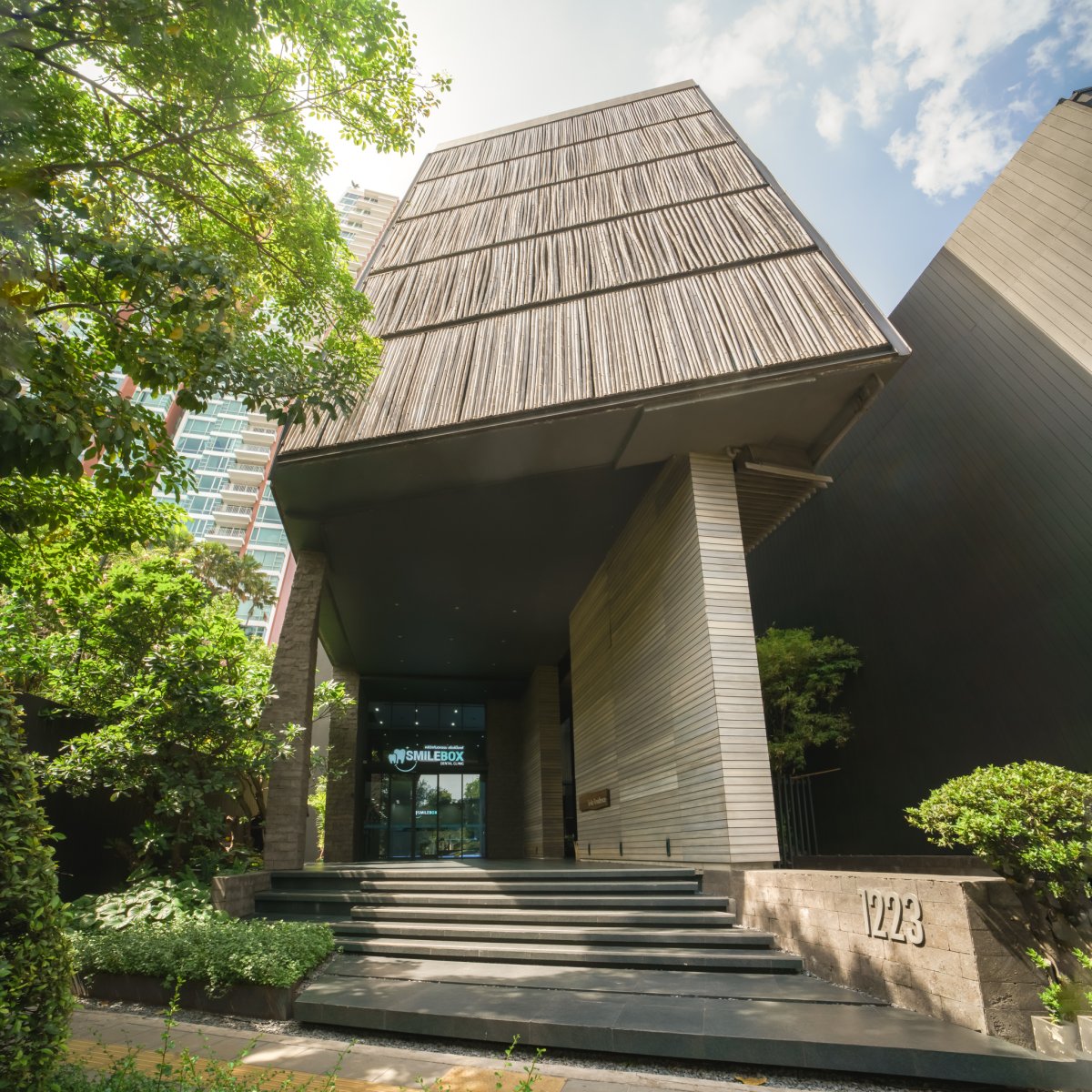





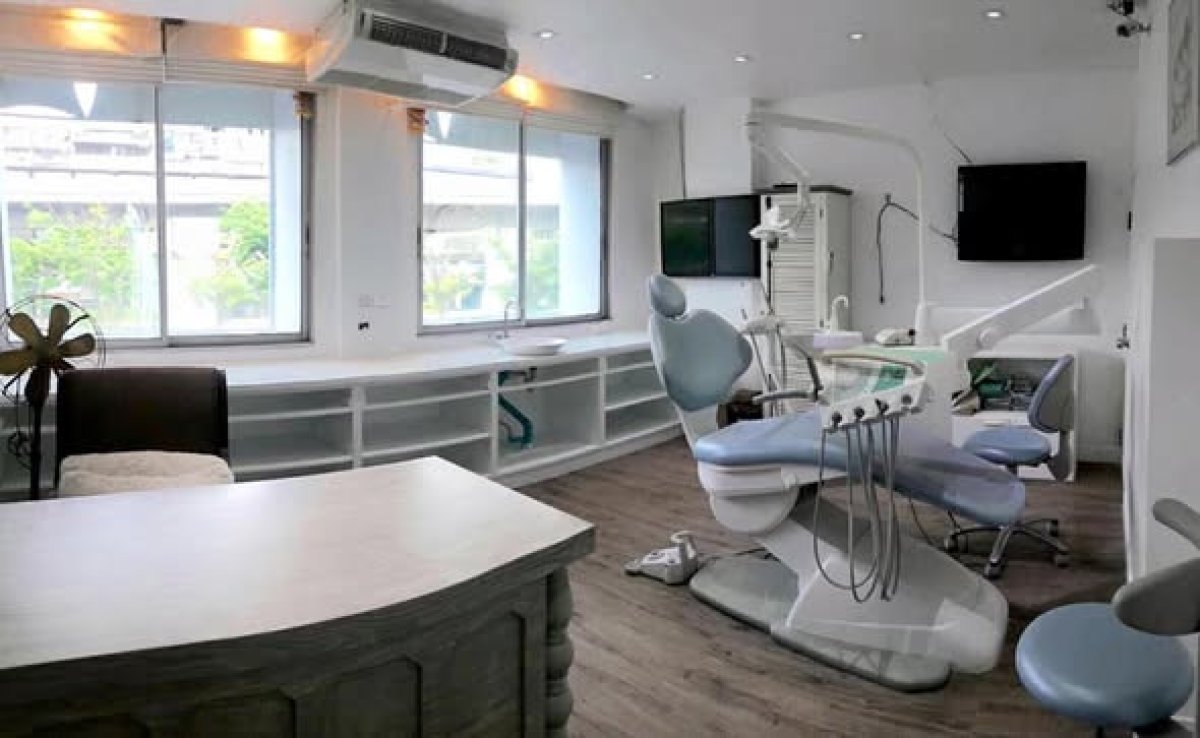
Bangkok Dental Hospital (Silom Dental Building) / Bangkok Dental Hospital Co., Ltd



نظرة عامة على رفع الجيوب الأنفية للنافذة الجانبية في تايلاند
- الجيوب الأنفية رفع - من $500
ترفع العملية قاع الجيوب الأنفية ، وتعزز كمية العظام اللازمة لزراعة الأسنان ، وتحسن صحة الفم ومظهره.
- رفع الجيوب الأنفية - من $580
يرفع هذا الإجراء بطانة الجيوب الأنفية من خلال فتحات صغيرة ، مما يعزز ارتفاع العظام بالنسبة لزراعة الأسنان ، ويكون أقل توغلاً مع التعافي السريع.
- رفع الجيوب الأنفية للنافذة الجانبية - من $1,000
يرفع هذا الإجراء غشاء الجيوب الأنفية للسماح بتطعيم العظام لزرع الأسنان ، وتحسين وظيفة الفم وجمالياته.
اليوم 1
- الوصول إلى العيادة.
- تسجيل الوصول واستكمال الأوراق اللازمة.
اليوم الثاني
- استشارة أخصائي الفم والوجه والفكين.
- الخضوع للفحوصات الطبية اللازمة.
يوم 3
- راجع نتائج الاختبار مع المختص.
- الحصول على شرح مفصل للإجراء.
اليوم الرابع
- اخضع لعملية رفع الجيوب الأنفية للنافذة الجانبية.
- تستغرق العملية حوالي ساعة إلى ساعتين.
- يتم إعطاء التخدير الموضعي للراحة.
- يتم رفع غشاء الجيوب الأنفية ووضع مادة طعم العظام.
يوم 5
- فحص ما بعد الجراحة مع الأخصائي.
- تلقي تعليمات الرعاية بعد الجراحة.
الأسبوع 1
- الراحة والتعافي في المنزل ، وتجنب الأنشطة الشاقة.
- اتبع نظام الدواء الموصوف.
الأسبوع 2-4
- استمر في الأنشطة اليومية الخفيفة.
- قم بإجراء فحوصات روتينية لشفاء التطعيم.
الأسبوع 5-8
- استئناف العمل والأنشطة العادية.
- تواصل مع الفحوصات الروتينية.
الأسبوع 9-12
- شفاء كامل وتكامل لمواد الكسب غير المشروع.
- الفحص النهائي بعد الجراحة مع الأخصائي.
يرجى ملاحظة أن عملية الشفاء لكل مريض فريدة وقد تختلف عن هذا الجدول الزمني.
- إيداع Bookimed: 200 دولار أو 200 يورو.
- وديعة العيادة: ادفع نسبة محددة مقدمًا.
احصل على تقييم طبي لـ رفع الجيوب الأنفية للنافذة الجانبية في تايلاند: اختر أخصائيك من بين الأفضل في هذا المجال
عرض جميع الأطباء
Kanokporn Lramaneerat
تتخصص الدكتورة كانوكبورن لرامانييرات في علاجات تقويم الأسنان، بما في ذلك رفع الجيب الفكي عبر النافذة الجانبية، مما يضمن رعاية دقيقة وفعالة.
- تخرجت بمرتبة الشرف من جامعة شولالونغكورن
- حاصلة على درجة الدكتوراه في تقويم الأسنان من جامعة طوكيو للطب وطب الأسنان
- تعمل حالياً كأخصائية تقويم أسنان في مستشفى إنتارارات

Pawak Tungthangthum
يتمتع الدكتور باواك تونغثانغثوم بخبرة تزيد عن _doctor_2034_ عاماً في طب الأسنان، مع تدريب متخصص في زراعة الأسنان المتقدمة من الولايات المتحدة الأمريكية.
- رئيس قسم طب الأسنان في مستشفى بانكوك تشيانغ ماي
- تلقى تدريبه في كلية طب الأسنان بلوس أنجلوس وجامعة شولالونغكورن
- عضو في الكونغرس الدولي لزراعة الأسنان
- خبير في طب الأسنان التجميلي والترميمي وزراعة الأسنان

Akarapat Rattananon
يتخصص الدكتور راتانانون في زراعة الأسنان المتقدمة، وهو حاصل على العديد من الشهادات، بما في ذلك دورة الماجستير في جراحة زراعة الأسنان من Osstem AIC.
- تدرب على تقنيات All-on-4 و All-on-6 من قبل شركة Neodent
- أكمل دورة متقدمة في جراحة زراعة الأسنان في جامعة تاماسات
- خبير في جراحة الأنسجة الرخوة لتحقيق أفضل نتائج الزراعة
- حاصل على شهادة في إجراءات التعويضات السنية طفيفة التوغل من Fradeani Masterclass
قصص فيديو من مرضى Bookimed
المراجعات
جميع المراجعات

مشاركة المحتوى
 Anna Leonova
أسئلة متكررة حول رفع الجيوب الأنفية للنافذة الجانبية في تايلاند
ما هي المخاطر الرئيسية لعملية رفع الجيب الأنفي عبر النافذة الجانبية؟
تعتبر عمليات رفع الجيب الأنفي عبر النافذة الجانبية إجراءات يمكن التنبؤ بها بدرجة عالية، على الرغم من حدوث ثقب في غشاء شنايدر في 20% إلى 25% من الحالات. تشمل المخاطر الأولية النزيف الوعائي من الشريان السنخي الغاري، والتهاب الجيوب الأنفية الفكي بعد الجراحة، وفشل الطعم. يتضمن التعافي القياسي تورمًا مؤقتًا، وكدمات، ونزيفًا طفيفًا في الأنف لمدة أسبوع إلى أسبوعين.
- ثقب الغشاء: المضاعفة الأكثر شيوعًا، خاصة عند وجود حواجز جيبية أو أغشية رقيقة أقل من 1.5 مم.
- خطر التهاب الجيوب الأنفية: قد تحدث عدوى بكتيرية في تجويف الجيب إذا لم يتم التعامل مع تمزقات الغشاء.
- استقرار الطعم: التدخين وزوايا الجيب الضيقة تزيد بشكل كبير من فرص امتصاص الطعم أو هجرته.
- سلامة الأعصاب: إصابة العصب تحت الحجاج النادرة يمكن أن تسبب تنميلًا مؤقتًا في الخد أو الشفة.
رؤية خبير Bookimed: غالبًا ما تخفف العيادات التايلاندية مثل عيادة Kitcha للأسنان المخاطر من خلال طول عمرها؛ حيث يوفر تاريخهم الممتد لـ 30 عامًا قاعدة بيانات ضخمة للاختلافات التشريحية. يجمع الدكتور باواك تونغثانغثوم بين التدريب في الولايات المتحدة وتايلاند للتعامل مع الحالات المعقدة. عادةً ما تُظهر المراكز ذات الحجم الكبير التي تجري 10,000 إجراء سنويًا بروتوكولات أكثر دقة لإدارة النزيف أثناء الجراحة.
إجماع المرضى: يؤكد المرضى أنه على الرغم من شيوع تمزقات الغشاء، إلا أن الجراحين ذوي الخبرة يتعاملون معها بفعالية أثناء الجراحة الأولية. يقترح الكثيرون تخصيص ميزانية لرعاية المتابعة المحلية لمراقبة ال
ما هي الرعاية المطلوبة بعد الجراحة بعد رفع الجيوب الأنفية بالنافذة الجانبية؟
يتطلب التعافي بعد رفع الجيوب الأنفية بالنافذة الجانبية تحكماً صارماً في الضغط لحماية الطعم العظمي وغشاء الجيوب الأنفية. يجب على المرضى تجنب تنظيف الأنف، أو استخدام الماصات، أو السفر جواً لمدة تتراوح بين أسبوعين إلى 4 أسابيع. يعتمد النجاح على اتباع بروتوكولات السلامة غير القابلة للتفاوض هذه خلال مرحلة الشفاء الأولية.
- احتياطات الجيوب الأنفية: اعطس وفمك مفتوح وتجنب تنظيف أنفك لمدة 4 أسابيع.
- قيود النشاط: تجنب السفر الجوي، والغوص، والتمارين الشاقة لمدة 14 يوماً على الأقل.
- القواعد الغذائية: التزم بالأطعمة اللينة ذات درجة حرارة الغرفة وتجنب استخدام الماصات لمدة أسبوعين.
- إدارة التورم: ضع كمادات ثلج على فترات زمنية مدتها 20 دقيقة خلال أول 48 ساعة بعد الجراحة.
رؤية خبير Bookimed: غالباً ما تتطلب العيادات الرائدة في تايلاند، مثل عيادة Kitcha للأسنان، إجراء فحص متابعة بعد 6 أشهر قبل وضع الغرسات. بينما يستغرق التعافي الأولي من 7 إلى 10 أيام، يحتاج الطعم العظمي إلى هذا الوقت الإضافي لينضج. اختيار عيادة حاصلة على اعتماد الجمعية الأمريكية لطب الأسنان (ADA) يضمن اتباع بروتوكولات المراقبة عالية المستوى هذه لضمان استقرار الغرسة على المدى الطويل.
إجماع المرضى: يجد العديد من المرضى أن السيطرة على الألم مسبقاً باستخدام المضادات الحيوية الموصوفة والأدوية التي لا تستلزم وصفة طبية أسهل من محاولة اللحاق به لاحقاً. يساعد تأكيد جميع التعليمات كتابياً في تجاوز حواجز اللغة المحتملة ويضمن عملية تعافي سلسة في مناخ تايلاند الرطب.
ما هو الجدول الزمني للتعافي بعد عملية رفع الجيوب الأنفية بالنافذة الجانبية؟
يتطلب التعافي من عملية رفع الجيوب الأنفية بالنافذة الجانبية من 7 إلى 21 يوماً للشفاء الأولي، على الرغم من أن الاندماج العظمي الكامل يستغرق من 4 إلى 9 أشهر قبل وضع زراعة الأسنان. يخضع المرضى في تايلاند عادةً لفحص الأشعة المقطعية (CBCT) للمتابعة في الشهر الرابع لمراقبة نضج الطعم والاندماج الهيكلي الداخلي.
- التعافي المبكر: عادة ما ينحسر التورم والكدمات في غضون 3 إلى 7 أيام.
- إزالة الغرز: يقوم أطباء الأسنان عادةً بإزالة أو إذابة الغرز بحلول نهاية الأسبوع الثاني.
- احتياطات الجيوب الأنفية: تجنب تنظيف الأنف والنشاط الشاق لمدة 2 إلى 4 أسابيع.
- الاندماج النهائي: يستغرق نضج العظام الكامل من 6 إلى 12 شهراً لمعظم المرضى.
رؤية خبير Bookimed: في حين أن التورم الأولي غالباً ما يزول بشكل أسرع في العيادات التايلاندية - أحياناً في أقل من 7 أيام - يظل الجدول الزمني الداخلي صارماً. تؤكد عيادات مثل Kitcha Dental و SOL Dental على إجراء فحص CBCT في الشهر الرابع. يعد هذا التصوير حيوياً قبل السفر إلى الوطن لضمان أن الطعم مستقر بما يكفي للزراعة المستقبلية.
إجماع المرضى: توقع تورماً كبيراً، غالباً ما يوصف بأنه مظهر يشبه السنجاب، والذي يصل إلى ذروته في اليوم الخامس. في حين يعود معظم المرضى إلى العمل الخفيف في غضون أسبوع، فإن الشعور المستمر بضغط الجيوب الأنفية أمر شائع لمدة تصل إلى شهر.
متى يكون من الآمن السفر جوًا بعد إجراء رفع الجيوب الأنفية في تايلاند؟
يجب على المرضى الانتظار لمدة لا تقل عن 10 إلى 14 يومًا قبل السفر جوًا بعد إجراء رفع الجيوب الأنفية عبر النافذة الجانبية في تايلاند. يسمح هذا الإطار الزمني للطعم العظمي بالاستقرار ويمنع تغيرات ضغط المقصورة من إزاحة غشاء الجيوب الأنفية الحساس أو التسبب في رضح ضغطي مؤلم أثناء الإقلاع والهبوط.
- الجدول الزمني للسفر: الحد الأدنى للانتظار هو 7 أيام، ولكن 14 يومًا هو المعيار الذهبي السريري.
- مخاطر الضغط: يمكن أن تؤدي التحولات الجوية السريعة إلى إزاحة الطعم، أو ألم شديد، أو التهاب الجيوب الأنفية الضغطي الحاد.
- العناية بعد العملية: تجنب تنظيف أنفك أو العطس وفمك مغلق لمدة 4 أسابيع.
- التحضير قبل الرحلة: استخدم بخاخات المحلول الملحي ومزيلات الاحتقان الفموية للتحكم في ضغط الجيوب الأنفية الداخلي بفعالية.
رؤية خبراء Bookimed: غالبًا ما تعالج العيادات التايلاندية مثل عيادة Kitcha للأسنان أكثر من 6000 مريض سنويًا، والعديد منهم مسافرون دوليون. في حين أن بعض المراكز تقدم إزالة الغرز في اليوم السابع، فإن البقاء حتى اليوم الرابع عشر أكثر أمانًا لأن إجراءات النافذة الجانبية تتضمن نقطة وصول أكبر من عمليات الرفع الداخلية. يقلل هذا الأسبوع الإضافي بشكل كبير من خطر انهيار تجويف الجيوب الأنفية المملوء بالهواء أو إصابة مادة الطعم الجديدة بالعدوى.
إجماع المرضى: يؤكد المسافرون على استخدام السودوإيفيدرين والحفاظ على رطوبة الجسم لمكافحة هواء المقصورة الجاف. يتفق معظمهم على أنه على الرغم من أن السفر في اليوم الخامس ممكن بموافقة الجراح، إلا أن الانتظا
كيف يختلف رفع الجيوب الأنفية عبر النافذة الجانبية عن الرفع القمي (غير المباشر)؟
يصل رفع الجيوب الأنفية عبر النافذة الجانبية إلى تجويف الجيوب الأنفية من جانب الفك العلوي، بينما يستخدم الرفع القمي فتحة دخول الغرسة في الأسفل. النهج الجانبي ضروري لفقدان العظام الشديد، في حين أن الطريقة القمية تناسب المرضى الذين لديهم عظام متبقية أكثر.
- نقطة الوصول: مداخل جانبية عبر الجدار الجانبي؛ مداخل قمية عبر الحافة السنخية.
- ارتفاع العظم: تضيف الرفعات الجانبية 8 مم أو أكثر؛ تضيف الرفعات القمية عادةً ما يصل إلى 4 مم.
- العظم المتبقي: استخدم الجانبي للعظام الأقل من 5 مم؛ تتطلب القمية من 5 مم إلى 9 مم.
- توقيت الغرسة: غالباً ما يتطلب الجانبي مرحلتين؛ يسمح القمي بوضع غرسة الأسنان في نفس الوقت.
رؤية خبير Bookimed: على الرغم من أن الرفعات القمية أسرع، إلا أن العيادات التايلاندية مثل عيادة Kitcha للأسنان غالباً ما توصي بنهج النافذة الجانبية للحالات المعقدة. يستخدم أطباء مثل باواك تونغثانثوم خبرتهم المدربة في الولايات المتحدة لإدارة الضمور الشديد. توفر هذه التقنية `المعيار الذهبي` رؤية مباشرة، مما يقلل بشكل كبير من خطر ثقوب الغشاء غير المكتشفة مقارنة بالطرق القمية العمياء.
إجماع المرضى: يذكر المرضى أنه على الرغم من أن التقنية الجانبية تسبب تورماً أولياً أكثر، إلا أنها الطريقة الموثوقة الوحيدة لإصلاح فقدان العظام الشديد. الخبرة هي الأهم، لذا يوصي الكثيرون بإجراء فحص CBCT مسبقاً لتأكيد نوع الرفع الضروري طبياً.