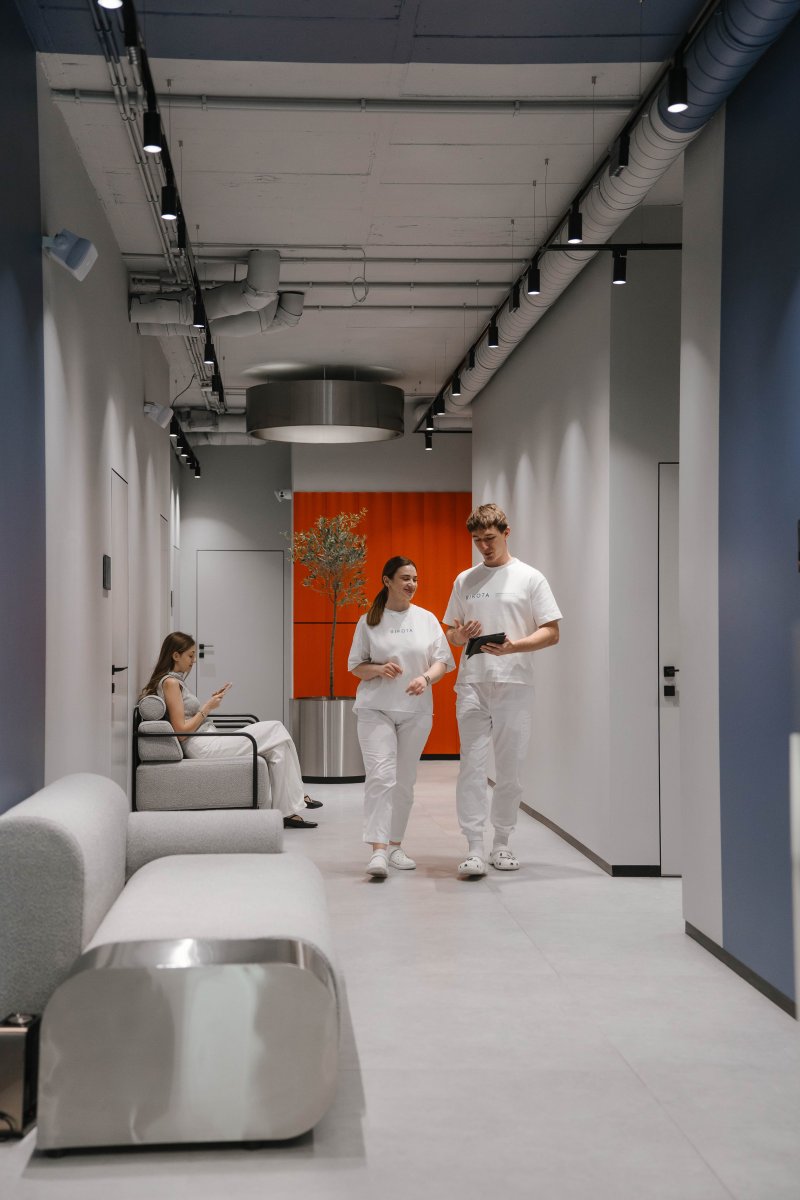
RIKOTA Dental Clinic
بولندا, وارسو


تمت مراجعة المقالة طبيا من قبل
فهد مولود
من $2,100. تختلف الأسعار حسب العيادة، وخبرة الجراح، وما إذا كانت تُستخدم مواد ترقيع عظمية صناعية أو ذاتية.
عادةً ما تشمل العيادات البولندية الاستشارة الأولية، وفحوصات الدم قبل العملية، والأدوية بعد العملية، وزيارات المتابعة، وطاقم يتحدث الإنجليزية، ودعم على مدار الساعة. غالبًا ما تكون الوجبات أثناء زيارات العيادة وخطط الرعاية الشخصية جزءًا من الباقة. في ألمانيا، غالبًا ما تغطي الأسعار الجراحة فقط، مع رسوم منفصلة للاستشارات والتخدير والمتابعة. يجب دائمًا التأكد بدقة مما هو مشمول في العيادة التي تم اختيارها.
| بولندا | تركيا | تايلاند | |
|---|---|---|---|
| رفع الجيوب الأنفية للنافذة الجانبية | من $2,100 | من $350 | من $1,000 |
Bookimed لا يضيف رسوماً إضافية على أسعار رفع الجيوب الأنفية للنافذة الجانبية. الأسعار مأخوذة من قوائم الأسعار الرسمية للعيادات. تدفع مباشرة في العيادة مقابل رفع الجيوب الأنفية للنافذة الجانبية عند وصولك.
Bookimed ملتزم بسلامتك. نحن نعمل فقط مع المؤسسات الطبية التي تحافظ على معايير دولية عالية في رفع الجيوب الأنفية للنافذة الجانبية ولديها التراخيص اللازمة لخدمة المرضى الدوليين في جميع أنحاء العالم.
Bookimed يقدم مساعدة خبراء مجانية. منسق طبي شخصي يدعمك قبل وأثناء وبعد العلاج، ويحل أي مشاكل. لن تكون وحيداً أبداً في رحلة رفع الجيوب الأنفية للنافذة الجانبية.

ترفع العملية قاع الجيوب الأنفية ، وتعزز كمية العظام اللازمة لزراعة الأسنان ، وتحسن صحة الفم ومظهره.
يرفع هذا الإجراء بطانة الجيوب الأنفية من خلال فتحات صغيرة ، مما يعزز ارتفاع العظام بالنسبة لزراعة الأسنان ، ويكون أقل توغلاً مع التعافي السريع.
يرفع هذا الإجراء غشاء الجيوب الأنفية للسماح بتطعيم العظام لزرع الأسنان ، وتحسين وظيفة الفم وجمالياته.
اليوم 1
اليوم الثاني
يوم 3
اليوم الرابع
يوم 5
الأسبوع 1
الأسبوع 2-4
الأسبوع 5-8
الأسبوع 9-12
يرجى ملاحظة أن عملية الشفاء لكل مريض فريدة وقد تختلف عن هذا الجدول الزمني.
يتخصص الدكتور فوديانيكي في إجراءات طب الأسنان المتقدمة، ويركز على الدقة في تقنيات رفع الجيوب الأنفية بالنافذة الجانبية.

طور تقنية FLY-SAFE لإجراءات رفع الجيوب الأنفية - وهو نهج معدل للحصول على نتائج أكثر أمانًا وفعالية. كما ابتكر طريقة 'BUTTERFLY' لحماية الغشاء المخاطي.


 Anna Leonova
تُفضل تقنية النافذة الجانبية على النهج القمي عندما يكون ارتفاع العظم المتبقي أقل من 5 مم. يختار الجراحون هذه الطريقة في حالات نقص العظام الشديد أو تشريح الجيوب الأنفية المعقد الذي يتطلب رؤية مباشرة. وتظل المعيار الذهبي لتحقيق مكاسب عظمية عمودية كبيرة تتجاوز 9 مم.
رؤية خبير Bookimed: بينما تعتبر عمليات الرفع الجانبي القياسية شائعة، يستخدم متخصصون في بولندا مثل الدكتور دانيال سيابينسكي في عيادة Dentrum تعديلات متقدمة. تعطي تقنيات مثل FLY-SAFE وBUTTERFLY الأولوية لحماية الغشاء أثناء إنشاء النافذة. تهدف هذه الأساليب المحسنة إلى تقليل خطر تمزق الغشاء بنسبة 20% المعتاد في النهج الجانبي التقليدي.
إجماع المرضى: غالباً ما يخضع المرضى الذين لديهم أقل من 4 مم من العظم لعملية النافذة الجانبية من أجل الموثوقية على المدى الطويل. على الرغم من وجود شق أكبر، يرى الكثيرون أنها أكثر موثوقية من الرفع القمي للحالات المعقدة.
تركز الاحتياطات الجراحية الإلزامية بعد عملية رفع الجيب الفكي عبر النافذة الجانبية على منع تغيرات الضغط التي قد تؤدي إلى تمزق غشاء شنايدر أو إزاحة مادة تطعيم العظام. يجب على المرضى تجنب تنظيف الأنف، والشرب باستخدام المصاصات، ورفع الأثقال لمدة لا تقل عن 4 أسابيع لضمان استقرار الطعم.
رؤية خبير Bookimed: يستخدم المتخصصون البولنديون مثل الدكتور دانيال سيابينسكي في عيادة Dentrum تقنيات FLY-SAFE و BUTTERFLY المتقدمة المصممة خصيصاً لحماية الغشاء. يمكن لهذه الأساليب المعدلة أن تقلل من خطر ثقب الغشاء مقارنة بطرق النافذة الجانبية التقليدية. اختيار جراح يعلم بروتوكولات السلامة المحددة هذه يؤدي غالباً إلى استقرار أكثر قابلية للتنبؤ به للزرعات على المدى الطويل.
إجماع المرضى: يؤكد المرضى أن الشعور الأكثر غرابة هو القيد المفروض على تنظيف الأنف. يوصي الكثيرون بتجهيز بخاخ ملحي أو مناديل للتعامل مع الاحتقان دون التسبب في ضغط خطير.
عادةً ما تتطلب عملية رفع الجيوب الأنفية بالنافذة الجانبية في بولندا من 4 إلى 9 أشهر لاندماج العظام قبل وضع غرسات الأسنان. يصل معظم المرضى إلى النضج الكامل في غضون 6 أشهر. تسمح هذه الفترة الزمنية لمادة التطعيم بإعادة التشكيل إلى عظم حي عبر الاندماج العظمي داخل الجيب الفكي العلوي.
رؤية خبير Bookimed: غالبًا ما تستخدم العيادات البولندية معززات بيولوجية متقدمة لتحسين التعافي. على سبيل المثال، يتخصص الدكتور دانيال سيابينسكي في عيادة Dentrum في أبحاث الشفاء باستخدام الفيبرين الغني بالصفائح الدموية (PRF) المدعومة بشهادات الدكتوراه. إن اختيار متخصص يستخدم تقنية PRF أو تقنية FLY-SAFE يمكن أن يحسن بشكل كبير من استقرار الطعم مقارنة بالطرق التقليدية وحدها.
إجماع المرضى: يؤكد المرضى أن 6 أشهر هي فترة الانتظار القياسية. يوصي الكثيرون بطلب فحص كثافة العظام قبل حجز رحلة العودة للتأكد من نضج الطعم.
جراحة رفع الجيوب الأنفية عبر النافذة الجانبية ليست مؤلمة أثناء الإجراء بفضل الجمع بين التخدير الموضعي والتخدير الوريدي. على الرغم من أنها أكثر توغلاً من عمليات الرفع العمودي، يستخدم الجراحون في بولندا تقنيات متخصصة لتقليل الصدمات وضمان راحة المريض طوال العملية.
رؤية خبير Bookimed: تخدم عيادات الأسنان الرائدة في بولندا، مثل RIKOTA، 60,000 مريض سنوياً وغالباً ما تستخدم أنظمة ملاحة متقدمة. الدكتور دانيال تشيابينسكي هو رائد في استخدام الملاحة الكاملة لنظام زراعة Thommen Medical. اختيار عيادات ذات حجم خبرة عالٍ وطرق حماية غشائية خاصة يقلل بشكل كبير من خطر حدوث مضاعفات ما بعد الجراحة.
إجماع المرضى: يشعر المرضى عادةً بالضغط أو الاهتزاز بدلاً من الألم الحاد أثناء الجراحة. غالباً ما يتم الإبلاغ عن التورم والشعور بامتلاء الجيوب الأنفية كأمر أكثر إزعاجاً من الألم الفعلي خلال الأسبوع الأول.
يتضمن رفع الجيوب الأنفية عبر النافذة الجانبية إنشاء فتحة صغيرة في جانب عظم الفك العلوي للوصول إلى الجيب الأنفي. يقوم الجراحون برفع غشاء شنايدر بعناية وإدخال مادة ترقيع العظام. تبني هذه العملية كثافة عظمية كافية لدعم استقرار زراعة الأسنان على المدى الطويل في الفك العلوي.
رؤية خبير Bookimed: تستخدم العيادات البولندية المتقدمة طرقاً خاصة مثل تقنيات FLY-SAFE و BUTTERFLY لتعزيز السلامة. كان الدكتور دانييل سيابينسكي في عيادة Dentrum رائداً في هذه الأساليب. وهي تركز على حماية غشاء الجيب الحساس أثناء الرفع. كما أن استخدام أنظمة الملاحة الكاملة يزيد من الدقة أثناء وضع الغرسة اللاحق.
تُقدم جراحة الأعصاب في بولندا رعاية عالية الجودة في مرافق معتمدة من قبل اللجنة الدولية المشتركة (JCI) والمنظمة الدولية للمعايير (ISO). يلتزم جراحو الأعصاب البولنديون بمعايير تدريب صارمة معتمدة من قبل الاتحاد الأوروبي. وقد أكمل العديد منهم زمالات في الولايات المتحدة أو ألمانيا. وتتوفر التقنيات المتقدمة، مثل جهاز سايبر نايف وجهاز جاما نايف والأنظمة الروبوتية، على نطاق واسع في المراكز الخاصة.
رأي خبراء بوكيمد: تُظهر البيانات وجود علاقة وثيقة بين تخصص العيادة وأصول مرضاها. تعالج عيادة KCM أكثر من 700 مريض دولي سنويًا، وهي متخصصة في جراحة العمود الفقري طفيفة التوغل. يُمكّنها هذا الحجم من العمل من تقديم باقات خدمات متخصصة، تشمل غالبًا حواجز تشخيصية وزرعات محددة،
يُعدّ جراحو الأعصاب البولنديون متخصصين ذوي كفاءة عالية، إذ أتموا ما لا يقل عن 13 عامًا من التدريب الطبي المكثف. يشمل ذلك ست سنوات من الدراسة في كلية الطب، و13 شهرًا من التدريب العملي، وست سنوات من الإقامة. ويجب عليهم اجتياز امتحان التخصص الحكومي (PES)، وغالبًا ما يحصلون على شهادة من الجمعية الأوروبية لجمعيات جراحة الأعصاب (EANS).
رأي خبراء بوكيميد: تشير البيانات إلى أن جراحي الأعصاب البولنديين غالبًا ما يتخصصون في تقنيات بالغة التخصص، مثل نظام ApiFix أو نظام SED-YESS لتنظير الفقرات القطنية. ويجمع أخصائيون مثل الدكتور ستانيسواف كويك من عيادة KCM بين أبحاث ما بعد الدكتوراه والممارسة الجراحية النشطة. هذا المزيج من المعرفة الأكاديمية المتعمقة والخبرة الجراحية الوا
من بين أفضل عيادات جراحة الأعصاب في بولندا مستشفى كارولينا، وعيادة KCM، ومراكز أكاديمية رائدة مثل مستشفى جامعة كراكوف. تقدم هذه المؤسسات علاجات متطورة لأمراض العمود الفقري والدماغ، مطابقة لمعايير الجودة ISO، وتضم أخصائيين أعضاء في منظمات دولية مثل AO Spine.
رأي خبراء بوكيمد: بينما يتجه الكثيرون إلى أكبر المستشفيات، تُظهر البيانات أن عيادات مثل مستشفى كارولينا تُقدم كفاءة أعلى في العمليات الجراحية الاختيارية. فمع وجود أكثر من 40 طبيباً متخصصاً في هذه المنشأة التي تضم 30 سريراً، تكون نسبة الأطباء إلى المرضى أعلى بكثير مما هي عليه في المراكز الجامعية الحكومية. وهذا يعني رعاية ما بعد الجراحة أكثر عناية، وجدولة أسرع بكثير لإجراءات مثل علاج الانزلاق الغضروفي
في بولندا، يركز طب جراحة الأعصاب بشكل أساسي على جراحات العمود الفقري واستئصال أورام الدماغ. وتُجري المستشفيات بشكل متكرر عمليات استئصال القرص المجهرية، ودمج الفقرات، وتحفيز الدماغ العميق. وتستخدم مراكز مثل مستشفى كارولينا وعيادة كي سي إم تقنيات طفيفة التوغل لعلاج الانزلاق الغضروفي، وإصابات العمود الفقري، والاضطرابات العصبية المعقدة.
رأي خبراء بوكيميد: أصبحت بولندا مركزًا متخصصًا في تثبيت العمود الفقري. تتعاون عيادات مثل مستشفى كارولينا مع الفرق الرياضية الوطنية، مما يعكس خبرتها العالية في علاج إصابات العمود الفقري المعقدة. تُظهر بياناتنا أن هذه المؤسسات غالبًا ما تُدمج إعادة التأهيل مباشرةً في العلاج الجراحي. هذا الدمج يقلل من خطر الم
تتوفر خدمات إعادة التأهيل العصبي على نطاق واسع في بولندا من خلال مراكز متخصصة ومستشفيات متعددة التخصصات. وتشمل هذه البرامج التعافي بعد السكتة الدماغية، وإصابات الحبل الشوكي، والأمراض التنكسية. وتقدم مؤسسات مثل مستشفى كارولينا في وارسو وعيادة KCM علاجًا تحت إشراف طبي. وتتضمن معظم برامج جراحة الأعصاب تقييمًا أوليًا لإعادة التأهيل بعد العملية.
رأي خبراء بوكيمد: تشير البيانات إلى أن العيادات التي تستقبل أعدادًا كبيرة من المرضى الدوليين، مثل عيادة KCM، غالبًا ما تُدرج إعادة التأهيل الأساسية ضمن برامجها الجراحية. تُعد هذه ميزة هامة، إذ قد يكون تنسيق إعادة التأهيل العصبي بشكل مستقل في بولندا أمرًا صعبًا. يضمن اختيار عيادة تضم أخصائي إعادة تأهيل متواجدًا فيها بدء التعافي في غضون 24 ساعة بعد الجراحة، وهو