علاج آلام العمود الفقري في المكسيك — احصل على 3 عيادات مختارة خصيصاً لك


تمت مراجعة المقالة طبيا من قبل
فهد مولود
كيف نعمل؟
ما هي تكلفة آلام العمود الفقري إجراءات التشخيص والعلاج في المكسيك؟ اعرف الآن
| المكسيك | تركيا | إسبانيا | |
|---|---|---|---|
| الكي بالترددات الراديوية للعمود الفقري | ≈ $1,800 | ≈ $1,500 | ≈ $1,400 |
اكتشف أفضل آلام العمود الفقري العيادات في المكسيك: 6 خيارات معتمدة والأسعار



Stem Solutions

Giostar Stem Cell Therapy | Playa del Carmen Clinic

Giostar Stem Cell Therapy | Playa del Carmen Clinic




احصل على تقييم طبي لـ في المكسيك. استشر الآن 6 أطباء ذوي الخبرة.
عرض جميع الأطباء
Marco Tulio Marroquin Batres
الطبيب هو جراح تجميل حائز على جوائز ومتخصص في إجراءات الوجه والجسم. معتمد من قبل المجلس المكسيكي لجراحة التجميل والترميم، يُعترف بالطبيب كواحد من أفضل الجراحين في مكسيكو سيتي، ومعروف بشكل خاص بخبرته في شفط الدهون، وتجميل الأنف، وجراحات رفع المؤخرة البرازيلية (BBL).<\/p>
يمارس حاليًا في مركز سالوتاريس الطبي، يحمل الطبيب درجة في الطب العام من جامعة فرانسيسكو ماروكين، وتخصصًا في الجراحة العامة من جامعة سان كارلوس في غواتيمالا، وتخصصًا في جراحة التجميل والترميم من معهد جراحة الترميم ف

Daniel Guerrero
الطبيب متخصص في إعادة التأهيل والعلاج الطبيعي مع التركيز على التدخلات الموجهة بالموجات فوق الصوتية للجهاز العضلي الهيكلي لأغراض تشخيصية وعلاجية. بفضل خبرته الواسعة في الطب التجديدي، يقدم الطبيب رعاية شاملة للمرضى الذين يبحثون عن حلول متقدمة لإدارة الألم.
تتمحور الممارسة السريرية حول استخدام تقنيات دقيقة موجهة بالموجات فوق الصوتية لمعالجة حالات الجهاز العضلي الهيكلي، مما يوفر مسارات علاجية مبتكرة لتحسين حركة المرضى وجودة حياتهم.
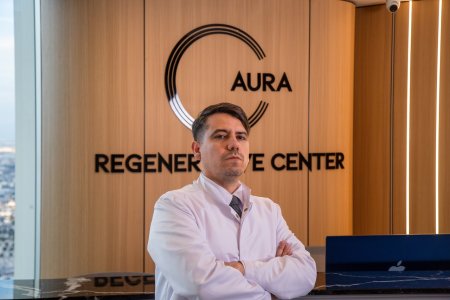
Fernando Antonio Hernández Martínez
الدكتور Fernando Antonio Hernández Martínez طبيب مرخّص في المكسيك. يمتلك خلفية قوية في طب الطوارئ تشمل الرعاية الحادة، واتخاذ القرارات الحرجة، والتقييم السريري السريع. يقدّم تقييمات دقيقة وآمنة للحالات المعقّدة.
يشغل منصب الطبيب المشرف في Aura Regenerative Center في مونتيري. يقيّم المرشحين للعلاجات الخلوية المتقدمة، بما في ذلك الخلايا الجذعية الميزنكيمية من هلام وارتون والبروتوكولات المعتمدة على الإكسوسومات. يجري مراجعات طبية شاملة ويخصّص خطط العلاج.
يتعاون مع مختبرات معتمَدة تو
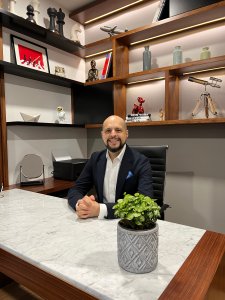
Alexandro Aguilera
أجرى الدكتور أليخاندرو أغيليرا أكثر من 3000 عملية جراحية في عيادته في مكسيكو سيتي. وهو حاصل على منحة السفر الدولية من الجمعية الأمريكية للجراحة المجهرية الترميمية. يتخصص الدكتور أغيليرا في الجراحة الترميمية، وشلل الوجه، وحالات الأعصاب الطرفية. ويعالج حوالي 2000 مريض كل عام.
- معتمد من المجلس المكسيكي للجراحة التجميلية (CMCPER).
- عضو في الجمعية الدولية للجراحة التجميلية (ISAPS).
- يرأس لجنة التعليم الطبي المستمر في AMCPER.
- حائز على المركز الأول في مسابقة FILACP ال
مشاركة المحتوى
قصص فيديو من مرضى Bookimed
 Anna Leonova
أسئلة متكررة حول علاج آلام العمود الفقري في المكسيك
هل من الآمن إجراء جراحة العمود الفقري في المكسيك؟
تعتبر جراحة العمود الفقري في المكسيك آمنة عند إجرائها في منشآت معتمدة من قبل أخصائيين معتمدين. تمتلك أفضل المستشفيات في مدن مثل ميكسيكالي ومونتيري اعتماد CSG من المجلس العام للصحة. تستخدم هذه المراكز غرسات معتمدة من إدارة الغذاء والدواء (FDA) وتحافظ على بروتوكولات تعقيم صارمة لضمان معدلات نجاح عالية.
- اعتماد المستشفيات: تلبي المنشآت المعتمدة من قبل CSG معايير الصحة الفيدرالية الصارمة لسلامة المرضى.
- خبرة الجراحين: غالباً ما يتلقى كبار جراحي الأعصاب مثل الدكتور روبرتو هيرنانديز تدريبهم في الولايات المتحدة.
- حجم العمليات الجراحية: تتعامل الفرق عالية الأداء في ميكسيكالي مع 30 إلى 60 جراحة عصبية كل شهر.
- التكنولوجيا الحديثة: تستخدم العيادات استئصال الترددات الراديوية والحقن الموجه بالموجات فوق الصوتية لإدارة الألم بدقة.
رؤية خبير Bookimed: يعتمد النجاح في رعاية العمود الفقري المكسيكية غالباً على البنية التحتية المحددة للمستشفى وليس الجراح فقط. تعمل المنشآت الكبيرة مثل مستشفى دي لا فاميليا (Hospital de la Familia) في مدن حدودية مثل ميكسيكالي للسماح بسهولة الوصول للمرضى من أمريكا الشمالية. يبسط هذا القرب الخدمات اللوجستية مع توفير الوصول إلى فرق تجري أكثر من 300 جراحة سنوياً، مما يضمن كفاءة فنية متسقة.
إجماع المرضى: يؤكد المرضى أن السلامة تعتمد على فحص قدرة وحدة العناية المركزة وبنك الدم في المستشفى المحدد بدلاً من البلد. يلاحظ الكثيرون أنه من الضروري وضع خطة مكتوبة للرعاية اللاحقة بمجرد عودتهم إلى المنزل.
ما مدى تأهيل جراحي العمود الفقري المكسيكيين للمرضى الدوليين؟
يلبي جراحو العمود الفقري المكسيكيون معايير دولية عالية من خلال شهادة المجلس المكسيكي لتقويم العظام والصدمات. يحمل العديد من الأخصائيين زمالات من مؤسسات مرموقة في الولايات المتحدة وكندا. تحافظ المنشآت الرائدة على اعتماد JCI وشهادات ISO لضمان السلامة أثناء إجراءات العمود الفقري المعقدة.
- مؤهلات الجراحين: غالباً ما يكون الأخصائيون أعضاء في الأكاديمية الأمريكية لجراحي العظام.
- سلامة المستشفى: تحمل العديد من العيادات اعتماد CSG وتتبع معايير تنظيمية صارمة من COFEPRIS.
- الخبرة المتخصصة: غالباً ما يجري كبار جراحي الأعصاب من 30 إلى 60 جراحة عصبية كل شهر.
- التكنولوجيا المتقدمة: تستخدم المنشآت حقناً موجهة بالموجات فوق الصوتية وأحدث معدات الجراحة العصبية.
رؤية خبير Bookimed: تظهر بياناتنا أن الأخصائيين رفيعي المستوى في المكسيك نادرون للغاية، حيث يحمل 50 طبيباً فقط على مستوى البلاد شهادات محددة في المجالات التجديدية المتقدمة. بالنسبة لمرضى العمود الفقري، يعد التركيز على عيادات مثل مستشفى دي لا فاميليا (Hospital de la Familia) في ميكسيكالي خياراً لوجستياً ذكياً. يسمح موقعه بتلقي رعاية بمعايير أمريكية على بعد خطوات من حدود كاليفورنيا مع الحفاظ على خبرة كبيرة في جراحة الأعصاب.
إجماع المرضى: يلاحظ المرضى أن المستشفيات المكسيكية الخاصة تقدم جودة من الطراز العالمي حيث تهم مهارة الجراح الفردية أكثر من تسويق المنشأة. يوصي الكثيرون بالتحقق من العلامات التجارية الدقيقة للغرسات وضمان خطة اتصال واضحة بعد الجراحة قبل العودة إلى الوطن.
ما هي إجراءات العمود الفقري المتاحة للسياح الطبيين في المكسيك؟
يتمتع السياح الطبيون في المكسيك بإمكانية الوصول إلى إجراءات العمود الفقري المتقدمة، بما في ذلك استبدال القرص الاصطناعي، ودمج الفقرات، واستئصال القرص المجهري. يستخدم الجراحون تقنيات طفيفة التوغل لعلاج الانزلاق الغضروفي وتضيق العمود الفقري. تمتلك المرافق الرائدة في تيخوانا وكانكون ومكسيكالي اعتمادات CSG و JCI للسلامة.
- جراحة إزالة الضغط: تعمل استئصال الصفيحة الفقرية واستئصال القرص المجهري على تخفيف ضغط العصب الناتج عن الانزلاق الغضروفي.
- إجراءات التثبيت: تشمل تقنيات دمج الفقرات PLIF و TLIF و ALIF للأمراض التنكسية.
- الحفاظ على الحركة: يحافظ استبدال القرص الاصطناعي على حركة العمود الفقري كبديل للدمج.
- الخيارات التجديدية: توفر المراكز المتخصصة استئصال العصب بالترددات الراديوية للعمود الفقري وعلاجات متقدمة بالخلايا الجذعية.
رؤية خبير Bookimed: توفر فرق جراحة الأعصاب ذات الحجم الكبير في المكسيك خبرة سريرية كبيرة. تُظهر البيانات أن الفرق في مستشفى دي لا فاميليا تجري 30–60 جراحة أعصاب شهرياً. يساعد هذا الحجم الثابت في الحفاظ على الدقة الجراحية. بعض المتخصصين مثل الدكتور إدواردو فرنانديز هم من بين 50 خبيراً معتمداً فقط في مجالهم على مستوى البلاد.
إجماع المرضى: يشير المرضى إلى أن استئصال القرص المجهري غالباً ما يكون الخيار الأكثر موثوقية عندما يفشل العلاج الطبيعي. ويؤكدون على ضرورة تأكيد خطط المتابعة بعد العملية قبل السفر إلى الوطن.
ما هي المعايير التي يجب أن أستخدمها لاختيار جراح عمود فقري في المكسيك؟
اختر جراح عمود فقري في المكسيك من خلال التحقق من شهادة المجلس من Consejo Mexicano de Cirugía Neurológica أو Ortopedia. أعط الأولوية للمتخصصين الحاصلين على تدريب الزمالة في المستشفيات المعتمدة من JCI أو CSG. تأكد من أن الجراح يجري أكثر من 20 عملية مماثلة شهرياً ويستخدم تكنولوجيا حديثة طفيفة التوغل.
- اعتمادات المتخصص: تأكد من الشهادة الصادرة عن المجلس المكسيكي لجراحة الأعصاب أو جراحة العظام.
- حجم العمليات السريرية: اختر جراحين مثل الدكتور روبرتو هيرنانديز الذين يجرون 30–60 جراحة أعصاب شهرياً.
- معايير المنشأة: اختر العيادات المتخصصة أو المستشفيات الحاصلة على اعتماد CSG لضمان سلامة المريض.
- الوصول إلى التكنولوجيا: تأكد من أن المنشأة تستخدم الحقن الموجه بالموجات فوق الصوتية أو أحدث أجنحة العناية المركزة العصبية.
رؤية خبير Bookimed: غالبًا ما تتخصص العيادات ذات الحجم الكبير في مونتيري ومكسيكالي حسب نوع المريض بدلاً من مجرد نوع الإجراء. على سبيل المثال، تركز بعض المراكز على نخبة الرياضيين وتقدم بروتوكولات تجديدية مكثفة. وفي الوقت نفسه، تعمل العيادات في المدن الحدودية مثل مستشفى دي لا فاميليا على تحسين الخدمات اللوجستية لأمريكا الشمالية، وغالبًا ما يتم توفير جراحين ينسقون باللغة الإنجليزية.
إجماع المرضى: يؤكد المرضى على أهمية العثور على متخصص يركز فقط على العمود الفقري بدلاً من طبيب عام. يقترح الكثيرون التحقق مما إذا كان لدى الجراح خطة واضحة لإدارة التعافي بمجرد عودتك إلى المنزل.
كيف سأحصل على الدعم أثناء التعافي في المكسيك؟
يشمل الدعم أثناء التعافي من جراحة العمود الفقري في المكسيك رعاية ما بعد الجراحة في مستشفيات خاصة معتمدة وعيادات تركز على العلاج التجديدي. يتلقى المرضى متابعة من جراحي أعصاب مدربين في الولايات المتحدة أو خبراء معتمدين في الخلايا الجذعية. توفر العديد من المرافق مراقبة متخصصة خلال الـ 72 ساعة الحرجة الأولى بعد الإجراءات طفيفة التوغل أو العلاجات التجديدية.
- الإشراف السريري: توفر المستشفيات المعتمدة من JCI إشرافاً طبياً مباشراً للتعافي من جراحات الأعصاب المعقدة.
- خبرة متخصصة: يقوم جراحون مثل الدكتور روبرتو هيرنانديز بإجراء ما يصل إلى 60 إجراءً عصبياً شهرياً.
- التنسيق ثنائي اللغة: يساعد الأخصائيون الناطقون بالإنجليزية المرضى من أمريكا الشمالية في إدارة تعليمات الخروج والأدوية.
- مرافق البوتيك: توفر مراكز مثل Hospital de la Familia 32 غرفة خاصة بالقرب من الحدود.
رؤية خبير Bookimed: تظهر بياناتنا أن العيادات الرائدة التي تركز على التجديد غالباً ما تعالج أكثر من 5,000 مريض دولي سنوياً. على الرغم من أن الرعاية السريرية عالية المستوى، إلا أن الخدمات اللوجستية غير الطبية مثل التنقلات ليست دائماً تلقائية. اختيار مركز يضم فرقاً شريكة متخصصة، مثل ثنائي الدكتور روبرتو هيرنانديز والدكتور نيستور رودريغيز، يضمن توفر منسق مخصص للمكالمات الافتراضية وأسئلة التعافي.
إجماع المرضى: يلاحظ المرضى أنه من الضروري ترتيب وجود مرافق مخصص أو مقدم رعاية مدفوع الأجر لأول 48 ساعة بعد الخروج من المستشفى. يعد الدعم العملي في الحركة والوجبات والعناية بالجر
ما هي المدة التي أحتاجها للبقاء في المكسيك بعد جراحة العمود الفقري؟
عادة ما يبقى المرضى في المكسيك لمدة 7 إلى 10 أيام بعد جراحة العمود الفقري. تتطلب الإجراءات البسيطة مثل استئصال القرص المجهري من 5 إلى 7 أيام. أما العمليات المعقدة مثل دمج الفقرات فتتطلب غالباً 14 يوماً. تسمح هذه الجداول الزمنية للجراحين بمراقبة التئام الجروح وضمان القدرة على الحركة للسفر بأمان.
- استبدال القرص الصناعي: توقع إقامة تتراوح بين 7 إلى 14 يوماً للمراقبة.
- التعافي من استئصال القرص المجهري: يبقى معظم المرضى في المكسيك لمدة 5 إلى 10 أيام.
- إقامة دمج الفقرات: تتطلب عمليات التثبيت الكبرى غالباً من 2 إلى 6 أسابيع.
- إدارة الجروح: يقوم الجراحون عادة بإزالة الغرز أو الدبابيس بعد 7 إلى 10 أيام من العملية.
رؤية خبير Bookimed: تحافظ فرق جراحة الأعصاب عالية الحجم في المدن الحدودية مثل مكسيكالي غالباً على ترددات جراحية أعلى. يقوم الدكتور روبرتو هيرنانديز في Hospital de la Familia بإجراء 30 إلى 60 جراحة أعصاب شهرياً. يؤدي هذا العبء الكبير من الحالات غالباً إلى بروتوكولات تعافي أكثر توحيداً وجداول زمنية متوقعة للخروج من المستشفى.
إجماع المرضى: يؤكد المرضى أن السماح بالسفر جواً يعتمد على التحكم في الألم والقدرة على المشي. يلاحظ الكثيرون أن البقاء بالقرب من العيادة لإجراء فحص نهائي للجرح يوفر راحة البال قبل السفر.
ماذا يحدث إذا ظهرت مضاعفات بعد عودتي إلى المنزل؟
إذا ظهرت مضاعفات بعد علاج العمود الفقري في المكسيك، يجب عليك الاتصال بجراحك على الفور. يوفر معظم الأخصائيين المكسيكيين قنوات اتصال مباشرة للمتابعة بعد العملية الجراحية. بالنسبة للأعراض الشديدة مثل ارتفاع درجة الحرارة أو التغيرات العصبية المفاجئة، اطلب الرعاية الطارئة في مستشفاك المحلي فوراً.
- الاتصال بالجراح: تواصل مع فريقك الطبي المكسيكي للحصول على إرشادات إجرائية متخصصة.
- الرعاية الطارئة المحلية: قم بزيارة غرفة الطوارئ المحلية في حالة وجود مشاكل تهدد الحياة أو التهابات.
- الوثائق الطبية: قدم ملاحظات الجراحة وصور الأشعة الخاصة بك للأطباء المحليين للحصول على تشخيص دقيق.
- جدولة المتابعة: تأكد مما إذا كانت هناك حاجة لزيارة عودة أو استشارة متخصص محلي.
رؤية خبير Bookimed: تظهر البيانات أن عيادات محددة مثل Hospital de la Familia تقدم فرق جراحة أعصاب متخصصة، حيث يقوم بعض الجراحين بإجراء ما يصل إلى 60 عملية شهرياً. يعد اختيار مركز عالي الحجم أمراً حيوياً لأن هذه الفرق ذات الخبرة لديها عادةً بروتوكولات ثابتة لتنسيق رعاية المتابعة طويلة المدى للمرضى الدوليين.
إجماع المرضى: يؤكد المرضى على ضرورة تأمين خطة طوارئ مكتوبة واتصال مباشر بالجراح قبل مغادرة المكسيك. كما يقترحون تحديد طبيب محلي في الوطن يكون على استعداد لإدارة فحوصات الجروح الأساسية أو المختبرات إذا ظهرت أي أعراض.