سرطان الغدد الليمفاوية العلاج في تايلاند - التكاليف 2026


تمت مراجعة المقالة طبيا من قبل
فهد مولود
ما هي تكلفة سرطان الغدد الليمفاوية إجراءات التشخيص والعلاج في تايلاند؟ اعرف الآن
تعكس تكلفة علاج الأورام اللمفاوية في تايلاند بشكل عام مدى تعقيد الرعاية، حيث تتراوح تكلفة التشخيصات الأساسية مثل فحص PET/CT من $1,100 / 37,400฿ إلى $1,500 / 51,000฿. من $1,000 / 34,000฿. تعتمد النفقات الإجمالية على نوع الورم اللمفاوي، ومرحلة المرض، واختيار المستشفى. يوفر المرضى الدوليون عادةً ما بين 50 إلى 80% مقارنة بالولايات المتحدة. تقع أفضل مراكز العلاج في بانكوك، وفوكيت، وتشيانغ ماي.
تكاليف علاج الأورام اللمفاوية النموذجية في تايلاند
- فحص PET/CT: $1,100 / 37,400฿ – $1,500 / 51,000฿
- خزعة نخاع العظم: $550 / 18,700฿ – $1,300 / 44,200฿
- استشارة طبيب أورام الدم: $130 / 4,400฿ – $270 / 9,200฿
- التشخيص الشامل للأورام اللمفاوية: السعر عند الطلب
- العلاج الكيميائي: من $1,000 / 34,000฿
- علاج الخلايا التائية CAR T-cell: السعر عند الطلب
- زراعة نخاع العظم الذاتية: $26,000 / 884,000฿ – $42,000 / 1,428,000฿
- زراعة نخاع العظم الخيفي من متبرع قريب: $95,000 / 3,230,000฿ – $135,000 / 4,590,000฿
- العلاج البيولوجي: $6,500 / 221,000฿ – $12,500 / 425,000฿
- زراعة نخاع العظم: من $70,000 / 2,380,000฿
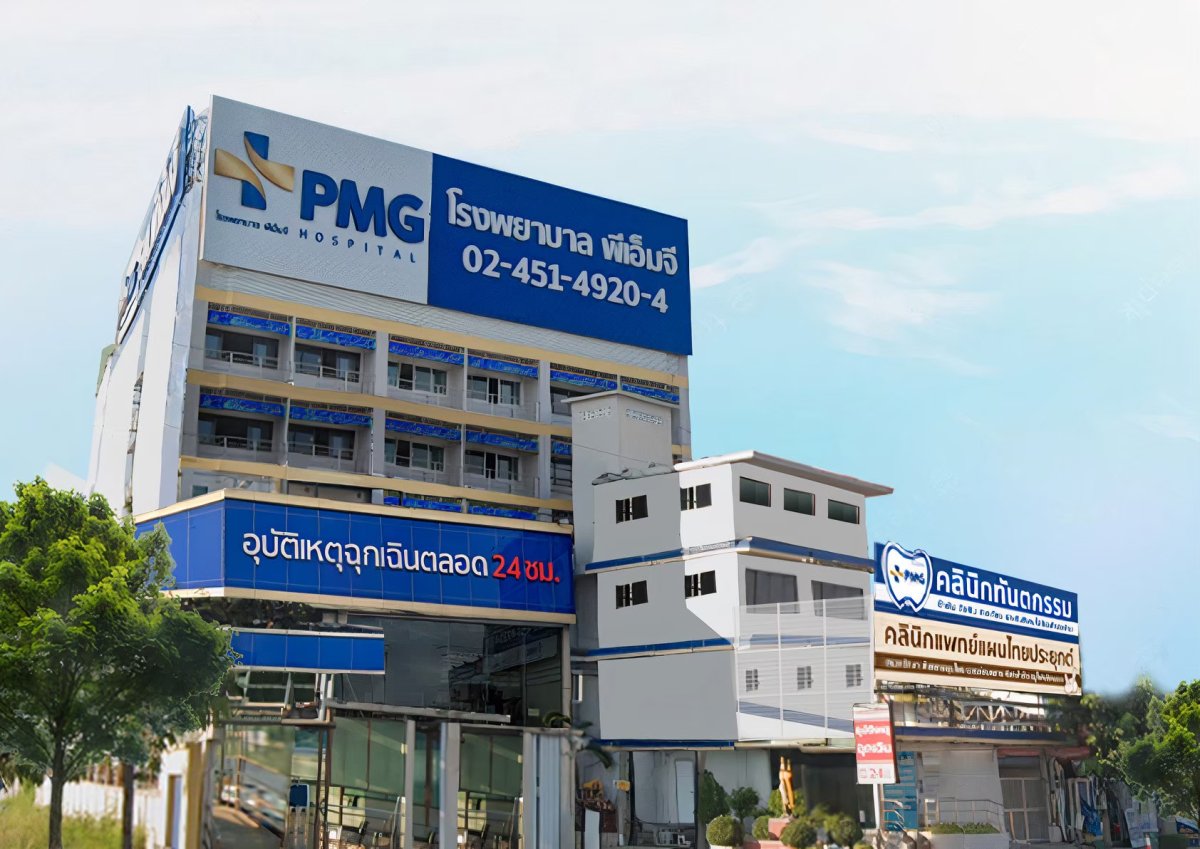
رؤية خبراء Bookimed: يُفضل إدارة الحالات عالية التعقيد التي تتطلب علاجات خلوية متقدمة أو عمليات زراعة في المرافق الحاصلة على اعتماد اللجنة الدولية المشتركة (JCI). يُعد مستشفى بامرونجراد الدولي خياراً أول للمرضى الدوليين، حيث يُصنف كواحد من أكثر العيادات تقدماً من الناحية التكنولوجية في العالم. بالنسبة لأولئك الذين يبحثون عن خبرة متخصصة في أمراض الدم، يضم مستشفى إنتارارات متخصصين حاصلين على البورد التايلاندي، ويشمل فريقهم خبراء مثل الدكتورة كودشانوت ليتليونجديج المتخصصة في أورام الدم.
| تايلاند | تركيا | إسبانيا | |
|---|---|---|---|
| زرع نخاع العظم | من $70,000 / 2,380,000฿ | من $30,000 / 1,020,000฿ | من $100,800 / 3,427,200฿ |
| زراعة نخاع العظم الذاتي | ≈ $26,000 / 884,000฿ | من $25,000 / 850,000฿ | ≈ $48,000 / 1,632,000฿ |
| زراعة النخاع العظمي من متبرع قريب | ≈ $95,000 / 3,230,000฿ | من $55,000 / 1,870,000฿ | من $130,000 / 4,420,000฿ |
| زراعة النخاع العظمي من متبرع غير قريب | ≈ $70,000 / 2,380,000฿ | من $65,000 / 2,210,000฿ | من $170,000 / 5,780,000฿ |
| العلاج الكيميائي لسرطان الثدي | ≈ $5,000 / 170,000฿ | من $3,000 / 102,000฿ | من $1,700 / 57,800฿ |
مزاياك وضماناتك مع Bookimed
أسعار مباشرة
Bookimed لا يضيف رسوماً إضافية على أسعار علاج سرطان الغدد الليمفاوية. الأسعار مأخوذة من قوائم الأسعار الرسمية للعيادات. تدفع مباشرة في العيادة مقابل علاجك عند وصولك إلى البلد.
عيادات وأطباء معتمدون فقط
Bookimed ملتزم بسلامتك. نحن نعمل فقط مع المؤسسات الطبية التي تحافظ على معايير دولية عالية في علاج سرطان الغدد الليمفاوية ولديها التراخيص اللازمة لخدمة المرضى الدوليين في جميع أنحاء العالم.
مساعدة مجانية على مدار الساعة
Bookimed يقدم مساعدة خبراء مجانية. منسق طبي شخصي يدعمك قبل وأثناء وبعد العلاج، ويحل أي مشاكل. لن تكون وحيداً أبداً في رحلة علاج سرطان الغدد الليمفاوية.

منسقك الطبي الشخصي في Bookimed
- يدعمك في كل مرحلة
- المساعدة في اختيار العيادة الطبية المناسبة والطبيب المناسب
- يضمن الوصول السريع والمريح إلى المعلومات
اكتشف أفضل سرطان الغدد الليمفاوية العيادات في تايلاند: 2 خيارات معتمدة والأسعار




احصلوا على تقييم طبي لـ سرطان الغدد الليمفاوية في تايلاند: استشيروا أطباء ذوي خبرة الآن
عرض جميع الأطباء
Kodchanut Litleaungdej Md
الدكتور كودشانوت ليتلياونجديج هو أخصائي أمراض دم متخصص في رعاية الأورام اللمفاوية، ويجلب خبرة سريرية وأكاديمية إلى ممارسته في مستشفى إنتارات.
- تخرج بمرتبة الشرف في الطب من جامعة ناريسوان
- أكمل زمالة أمراض الدم في مستشفى جامعة ثاماسات
- مؤلف مشارك لأبحاث حول الانصمام الخثاري الوريدي المرتبط بالسرطان
- أخصائي أمراض دم رائد في مستشفى هواهين مع خبرة عملية
- عضو في لجنة الصيدلة والعلاجات، مما يضمن خطط علاج مثالية
مواد ذات صلة

كم تكلفة علاج سرطان الغدد الليمفاوية؟
كتب بواسطة Halina Shubala

قصة الناجين من سرطان الغدد الليمفاوية: كيف تغلبت ليتل كارولينا على سرطان الغدد الليمفاوية بيركيت
كتب بواسطة Anna Leonova
مشاركة المحتوى
قصص فيديو من مرضى Bookimed
 Anna Leonova
أسئلة متكررة حول علاج سرطان الغدد الليمفاوية في تايلاند
ما هي أنواع علاج الأورام اللمفاوية المتاحة في تايلاند؟
تقدم تايلاند علاجات متقدمة للأورام اللمفاوية بما في ذلك العلاج الكيميائي، والعلاج المناعي، وزراعة نخاع العظم. توفر المرافق المعتمدة من قبل اللجنة الدولية المشتركة (JCI) في بانكوك علاج الخلايا التائية CAR-T والعلاجات البيولوجية الموجهة. تستخدم المستشفيات الأكاديمية والخاصة تصوير PET/CT وخزعات العقدة الليمفاوية الخافرة لتحديد مرحلة السرطان ومراقبته بدقة.
- العلاج الجهازي: تتوفر أنظمة العلاج الكيميائي القياسية والأجسام المضادة وحيدة النسيلة مثل ريتوكسيماب.
- العلاج الخلوي: تجري المراكز الرائدة عمليات زراعة نخاع العظم الذاتية والخيفية لحالات الانتكاس.
- التشخيص المتقدم: تضمن خزعة نخاع العظم والتحليل الخلوي الجيني تحديد النوع الفرعي للورم اللمفاوي بدقة.
- المعايير الدولية: تحتفظ مرافق مثل مستشفى بامرونجراد الدولي بشهادات الجودة GHA و ISO.
رؤية خبير Bookimed: بينما يختار الكثيرون بانكوك بسبب وجود أكثر من 140 مركزاً طبياً فيها، فإن الحجم الكبير للمرضى الدوليين يخلق بيئة تنافسية للرعاية المتخصصة. على سبيل المثال، يخدم مستشفى بامرونجراد الدولي أكثر من مليون مريض سنوياً بطاقم عمل يضم 1300 طبيب. يسمح هذا النطاق للمستشفيات الخاصة بالحفاظ على معدات تشخيصية تنافس كبرى المؤسسات الأكاديمية الغربية.
إجماع المرضى: يؤكد المرضى على ضرورة التحقق من إتقان اللغة الإنجليزية واعتمادات JCI عند اختيار قسم الأورام. من المفيد الحصول على عروض أسعار مفصلة مسبقاً لفهم ما تتضمنه حزم العلاج الكيميائي أو العلاج المناعي بالضبط.
هل جودة رعاية الأورام اللمفاوية في تايلاند قابلة للمقارنة بالمراكز الغربية الكبرى؟
تلبي رعاية الأورام اللمفاوية في تايلاند المعايير الغربية من خلال التشخيص عالي التقنية والأخصائيين الخبراء. تحمل المراكز الرائدة في بانكوك اعتمادات JCI و GHA. وهي تستخدم فحوصات PET-CT وزراعة نخاع العظم المتقدمة. معظم أطباء الأورام لديهم تدريب سريري غربي. تضع التصنيفات العالمية المستشفيات التايلاندية الكبرى بين الأكثر تقدمًا من الناحية التكنولوجية.
- التدريب المتخصص: غالبًا ما يحمل الأطباء شهادة المجلس التايلاندي لأمراض الدم وزمالات غربية.
- أدوات التشخيص: تستخدم المرافق PET-CT، والتحليل الخلوي الجيني، وخزعة العقدة اللمفاوية الحارسة.
- العلاجات المتقدمة: توفر المراكز علاج الخلايا التائية CAR-T وزراعة نخاع العظم الخيفي.
- الاعتراف العالمي: يُصنف مستشفى بامرونجراد الدولي كواحد من أفضل المستشفيات في العالم وفقًا لمجلة نيوزويك.
رؤية خبير Bookimed: بينما يركز العديد من المرضى على العلامات التجارية الغربية، فإن القوة الفريدة لتايلاند هي حجمها المذهل. يعالج مستشفى بامرونجراد الدولي وحده مليون مريض سنويًا بوجود 1300 طبيب. هذا الحجم الكبير عبر 70 قسمًا يعني أن أخصائيين مثل الدكتورة كودشانوت ليتليونجديج يرون أنواعًا فرعية نادرة من الأورام اللمفاوية بشكل متكرر أكثر من المراكز الإقليمية الغربية النموذجية. هذا يخلق خبرة عملية عميقة لا يمكن للكتب المدرسية السريرية تكرارها.
ما هو الهدف المعتاد من علاج الليمفوما، وكيف يتم قياس النجاح؟
الهدف الأساسي من علاج الليمفوما هو تحقيق الشفاء الدائم أو الهجوع طويل الأمد. يتم قياس النجاح من خلال تتبع تقلص الورم عبر فحوصات PET/CT وتحليل علامات الدم. يهدف الأطباء إلى القضاء على جميع الخلايا السرطانية القابلة للكشف مع الحفاظ على جودة حياة المريض على المدى الطويل.
- استجابة كاملة: اختفت جميع العلامات الجسدية والأدلة التصويرية للليمفوما تماماً.
- استجابة جزئية: تقلصت الأورام بنسبة 50% على الأقل ولكن لا تزال هناك بعض الخلايا السرطانية.
- البقاء على قيد الحياة بدون مرض: يتم تتبع النجاح من خلال المدة التي يظل فيها المريض بدون انتكاسة.
- المرض المتبقي الأدنى: تكشف اختبارات الدم الحساسة عن آثار دقيقة للسرطان تفوتها الفحوصات القياسية.
رؤية خبير Bookimed: تخدم المرافق الرائدة في تايلاند مثل مستشفى بامرونجراد الدولي أكثر من مليون مريض سنوياً. يسمح حجمهم الكبير بوجود وحدات فرعية متخصصة. نرى أن النجاح لا يُقاس بالهجوع فحسب، بل بدقة المتابعة. تدمج المراكز التي تستخدم بروتوكولات معتمدة من JCI فحوصات PET/CT وخزعات نخاع العظم في جداول مراقبة صارمة. غالباً ما تكتشف هذه المراقبة الدقيقة التغيرات المبكرة قبل ظهور الأعراض مرة أخرى، مما يحسن بشكل كبير نتائج البقاء على قيد الحياة على المدى الطويل.
إجماع المرضى: غالباً ما يركز المرضى على الوصول إلى حالة "عدم وجود دليل على المرض" (NED). ويؤكدون أن النجاح الحقيقي يشمل إدارة سمية العلاج لتجنب الأضرار الجسدية الدائمة.
ما مدى سرعة بدء المرضى الدوليين الوافدين حديثاً في علاج الليمفوما؟
يبدأ المرضى الدوليون عادةً علاج الليمفوما في تايلاند في غضون 7 إلى 14 يوماً بعد الوصول. تتطلب المراكز الكبرى مثل مستشفى بامرونجراد الدولي من 3 إلى 5 أيام عمل للتقييمات الأولية. تعتمد الجداول الزمنية بشكل كبير على نوع الليمفوما الفرعي وإعداد السجلات الطبية قبل الوصول.
- التقييم الأولي: تنتهي المراجعات التشخيصية الشاملة عادةً في غضون 3 إلى 5 أيام عمل.
- الأنواع الفرعية العدوانية: غالباً ما يبدأ العلاج الجهازي للحالات العدوانية في غضون أسبوع واحد من الوصول.
- طرق التشخيص: تستخدم العيادات التصوير المقطعي بالإصدار البوزيتروني (PET/CT)، وخزعة نخاع العظم، والتحليل الخلوي الجيني لتحديد المرحلة.
- التحضير قبل الوصول: يمكن أن يؤدي إرسال شرائح علم الأمراض قبل 4 إلى 6 أسابيع إلى تقصير الجدول الزمني.
رؤية خبير Bookimed: تدير المرافق التايلاندية أحجاماً كبيرة، حيث يعالج مستشفى بامرونجراد الدولي 1,000,000 مريض سنوياً. تظهر بياناتنا أنه على الرغم من سرعة تحديد المرحلة السريرية، فإن الخدمات اللوجستية مثل التحقق من التأمين والتسجيل في المستشفى تستغرق غالباً من 5 إلى 10 أيام. يجب على المرضى تنسيق هذه الخطوات الإدارية قبل السفر لضمان بدء العلاج فوراً بعد نافذة التشخيص التي تستغرق 3 أيام.
إجماع المرضى: يؤكد المرضى أن تجهيز تقارير التصوير وعلم الأمراض قبل الوصول يمكن أن يقلل فترة التقييم إلى أقل من أسبوع. يلاحظ الكثيرون أن مراجعة المجلس متعدد التخصصات تستغرق وقتاً أطول من الجدولة الفعلية لجلسة العلاج الكيميائي الأولى.
أين تقع المراكز الرئيسية التي تقدم علاجاً عالي التعقيد لسرطان الغدد الليمفاوية؟
تشمل المراكز الرئيسية لعلاج سرطان الغدد الليمفاوية عالي التعقيد المؤسسات المعتمدة من قبل اللجنة الدولية المشتركة (JCI) مثل مستشفى بامرونجراد الدولي والمستشفيات الجامعية الكبرى. تقدم هذه المرافق بروتوكولات متقدمة. وتشمل هذه زراعة نخاع العظم الخيفي وعلاج الخلايا التائية CAR-T. يتخصص كبار أطباء أمراض الدم في إدارة الأورام الدموية الخبيثة المعقدة داخل أقسام الأورام متعددة التخصصات.
- العلاجات المتاحة: توفر المراكز خيارات زراعة نخاع العظم الذاتي والخيفي.
- دقة التشخيص: تشمل التشخيصات المتقدمة تصوير PET-CT وبزل نخاع العظم مع التحليل الخلوي الجيني.
- الخبرة السريرية: يحمل متخصصون مثل الدكتورة كودشانوت ليتليونجديج شهادات من المجلس التايلاندي لأمراض الدم.
- معايير المرافق: تحافظ أفضل المستشفيات على اعتماد اللجنة الدولية المشتركة (JCI) والاعتماد العالمي للرعاية الصحية.
رؤية خبير Bookimed: بينما تظل بانكوك المركز الرئيسي، فإن كثافة الخبراء كبيرة. يستضيف مستشفى بامرونجراد الدولي وحده 1300 طبيب ويخدم 1,000,000 مريض سنوياً. تظهر بياناتنا أنه بالنسبة لسرطانات الدم المعقدة، فإن اختيار مركز له روابط أكاديمية أمر حيوي. غالباً ما يقدم مستشفى إنتارات أو المعاهد الجامعية زمالات متخصصة في أمراض الدم والأورام. وهذا يضمن الوصول إلى أحدث بروتوكولات البحث التي يقودها الأطباء.
إجماع المرضى: يشير المرضى إلى أن مستشفيات بانكوك تدير حالات الأورام المعقدة من خلال فرق متعددة التخصصات. ينصح البعض بالتحقق من المشاركة في شبكات سرطان الغدد الليمفاوية الدول
هل ستكون اللغة عائقاً أثناء الاستشارات والرعاية الداخلية؟
اللغة ليست عائقاً أمام علاج الأورام اللمفاوية في المستشفيات الدولية في تايلاند. توفر المرافق الرائدة مترجمين طبيين معتمدين لأكثر من 20 لغة. غالباً ما يحمل الأطباء شهادات البورد من الولايات المتحدة أو المملكة المتحدة. وهم يتواصلون بطلاقة باللغة الإنجليزية أثناء الاستشارات وجولات الرعاية الداخلية.
- طلاقة المتخصصين: يحمل العديد من أطباء أمراض الدم والأورام شهادات ودرجات علمية من مجالس دولية.
- خدمات الترجمة: يوفر الموظفون ترجمة فورية للمناقشات الطبية المعقدة والموافقة.
- الأقسام الدولية: تدير فرق متخصصة الخدمات اللوجستية والتواصل لآلاف المرضى العالميين.
- الوثائق المترجمة: يتم توفير تعليمات الخروج وبروتوكولات العلاج الكيميائي بلغة إنجليزية واضحة.
رؤية خبير Bookimed: ترتبط الكفاءة اللغوية ارتباطاً وثيقاً بحجم المرضى الدوليين في العيادة. يعالج مستشفى بامرونجراد الدولي أكثر من 500,000 مريض أجنبي سنوياً من 190 دولة. في المرافق ذات الحركة العالمية العالية، تعد اللغة الإنجليزية هي لغة التشغيل الأساسية. وهذا يضمن أن طاقم التمريض والإداريين يمكنهم مساعدتك دون تأخير في الترجمة.
ما هو النوع الفرعي لسرطان الغدد الليمفاوية الأكثر شيوعاً في المراكز التايلاندية؟
يعد سرطان الغدد الليمفاوية المنتشر من الخلايا البائية الكبيرة (DLBCL) هو النوع الفرعي الأكثر علاجاً في تايلاند. وهو يمثل ما يصل إلى 67% من حالات سرطان الغدد الليمفاوية غير هودجكين محلياً. كما تدير المراكز التايلاندية أحجاماً كبيرة من سرطان الغدد الليمفاوية في المنطقة الهامشية. تمتلك العديد من المرافق المتخصصة اعتماد اللجنة الدولية المشتركة (JCI) لسلامة الأورام.
- النوع الفرعي السائد: يمثل DLBCL من 58% إلى 67% من حالات غير هودجكين في السجلات الوطنية.
- الأنواع الفرعية الثانوية: يعد سرطان الغدد الليمفاوية في المنطقة الهامشية ثاني أكثر الحالات شيوعاً التي يتم علاجها محلياً.
- الأنواع الفرعية النادرة: معدل الإصابة بسرطان الغدد الليمفاوية الجريبي أقل من المتوسطات الغربية، حيث يبلغ حوالي 6% من الإجمالي.
- سعة المستشفى: يخدم مستشفى بامرونجراد الدولي أكثر من 1,000,000 مريض سنوياً في مجال الأورام المتقدم.
- خبراء متخصصون: الدكتورة كودشانوت ليتليونجديج هي أخصائية معتمدة من المجلس التايلاندي لأمراض الدم.
رؤية خبير Bookimed: بينما يركز العديد من المرضى فقط على مراكز السرطان الكبرى، فإن الخبرة التايلاندية في أمراض الدم عميقة. يحمل كبار المتخصصين مثل الدكتورة كودشانوت ليتليونجديج شهادات محددة من المجلس التايلاندي لأمراض الدم. وهذا يضمن أن المراكز ذات الحجم الكبير تحافظ على معايير تشخيصية مخصصة لاضطرابات الدم المعقدة.
إجماع المرضى: يؤكد المرضى على أهمية إحضار شرائح علم الأمراض الأصلية إلى بانكوك. يساعد هذا في تج