علاج الاضطراب ثنائي القطب في إسبانيا — احصل على 3 عيادات مختارة خصيصاً لك


تمت مراجعة المقالة طبيا من قبل
فهد مولود
كيف نعمل؟
ما هي تكلفة الاضطراب ثنائي القطب إجراءات التشخيص والعلاج في إسبانيا؟ اعرف الآن
اكتشف أفضل الاضطراب ثنائي القطب العيادات في إسبانيا: 5 خيارات معتمدة والأسعار



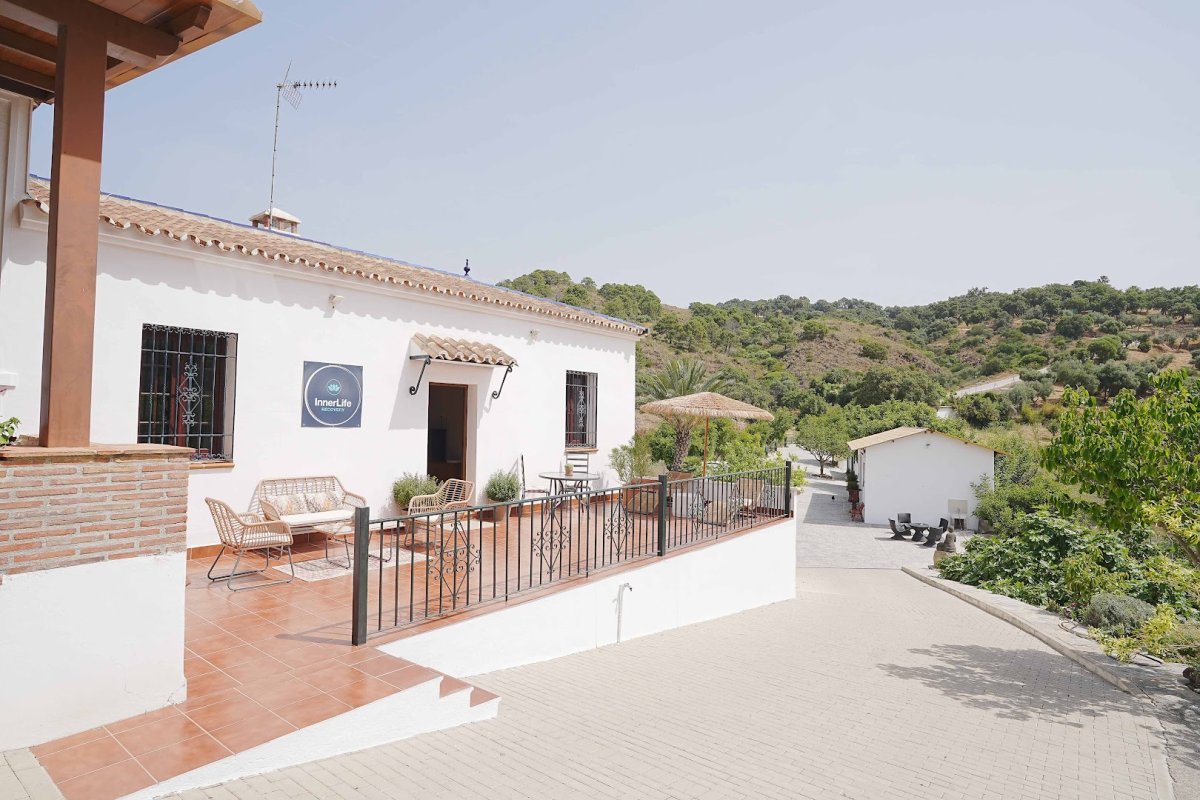
InnerLife Recovery Rehab Spain
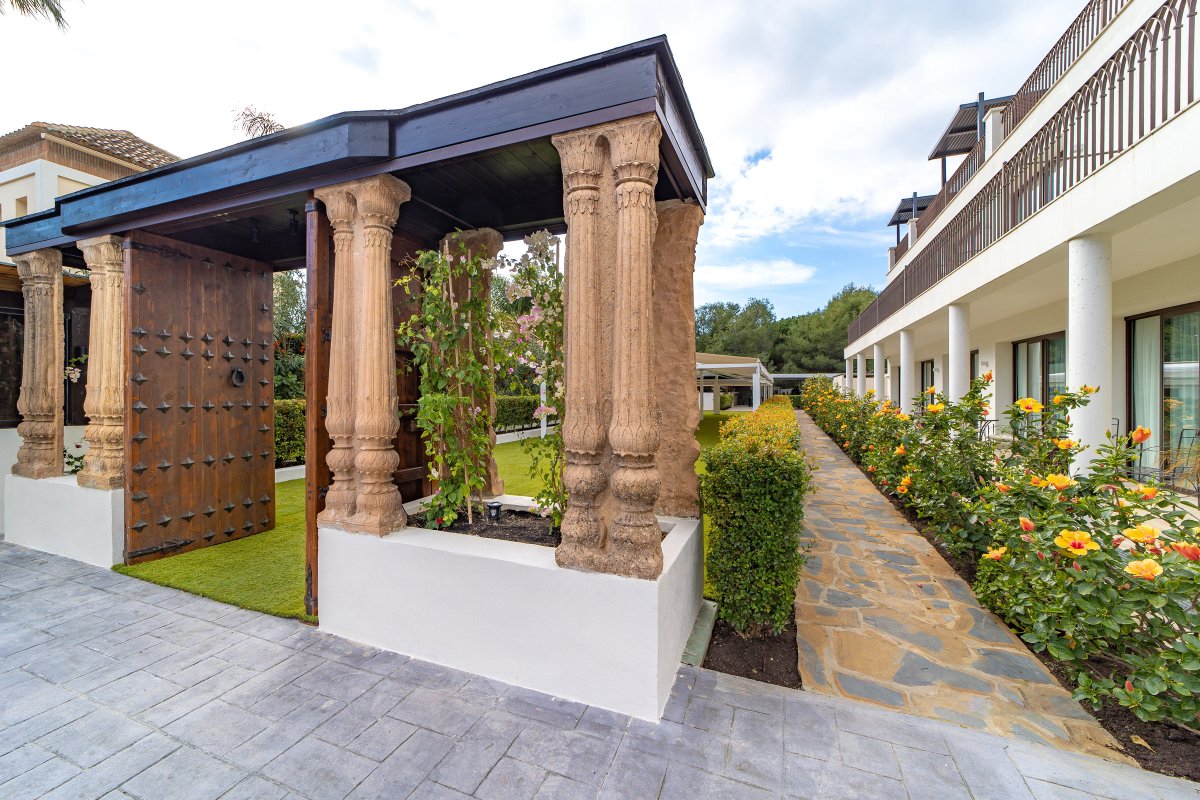
Oasis Premium Recovery



احصلوا على تقييم طبي لـ الاضطراب ثنائي القطب في إسبانيا: استشيروا أطباء ذوي خبرة الآن
عرض جميع الأطباء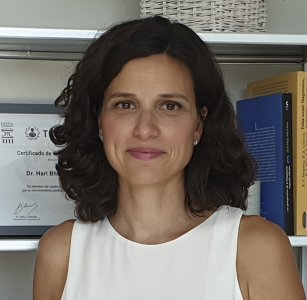
Anna Belmonte
الدكتورة Anna Belmonte Ibáñez متخصصة في الطب النفسي للبالغين في مركز تيكنون الطبي (برشلونة). وهي عضوة في PsiquiaTEK. لديها أكثر من 10 سنوات من الخبرة في الصحة النفسية العامة، والعيادات الخارجية، والاستشفاء النفسي دون الحاد.
الاعتمادات: درجة في الطب والجراحة (UAB، 1999–2005). اختصاصية في الطب النفسي عبر MIR (Parc de Salut Mar، 2007–2011). شغلت منصب رئيسة خدمة وحدة الاستشفاء النفسي دون الحاد في CAM (2016–2019). في تيكنون منذ 03/2020.
النطاق السريري: القلق، الاكتئاب، اضطرابات تنظيم
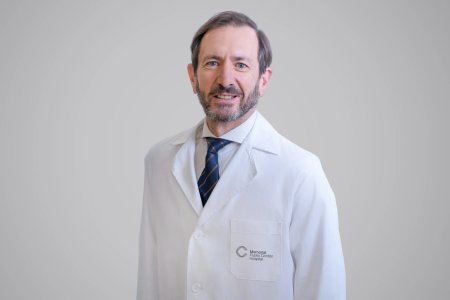
José Manuel Montes Rodríguez
الدكتور خوسيه مانويل مونتيس رودريغيز هو طبيب نفسي في مستشفى بوبليو كوردون التذكاري في مدريد. يعالج اضطراب الوجدان ثنائي القطب والاكتئاب. يعمل الدكتور مونتيس رودريغيز في منشأة معتمدة من قبل اللجنة الدولية المشتركة (Joint Commission International)، والتي تتبع معايير السلامة والجودة المعمول بها في الولايات المتحدة.
يضم المستشفى أكثر من 110 أطباء في مختلف المجالات الطبية. ويستفيد المرضى من خدمات الطب النفسي وعلم النفس المتكاملة للصحة العقلية. تعمل المنشأة في إسبانيا منذ عام 2005، حيث تعالج
المراجعات
جميع المراجعاتمشاركة المحتوى
قصص فيديو من مرضى Bookimed
 Anna Leonova
أسئلة متكررة حول علاج الاضطراب ثنائي القطب في إسبانيا
هل علاج الاضطراب الوجداني ثنائي القطب في إسبانيا آمن للمرضى الدوليين؟
يعد علاج الاضطراب ثنائي القطب في إسبانيا آمنًا للمرضى الدوليين نظرًا للوائح الطبية الصارمة والخيارات الخاصة عالية الجودة. تلبي المرافق المعتمدة الإرشادات السريرية الدولية. يستخدم مقدمو الخدمة بروتوكولات قياسية قائمة على الأدلة. يضمن الدعم متعدد اللغات في المراكز الخاصة الكبيرة تواصلًا واضحًا أثناء الرعاية النفسية المعقدة.
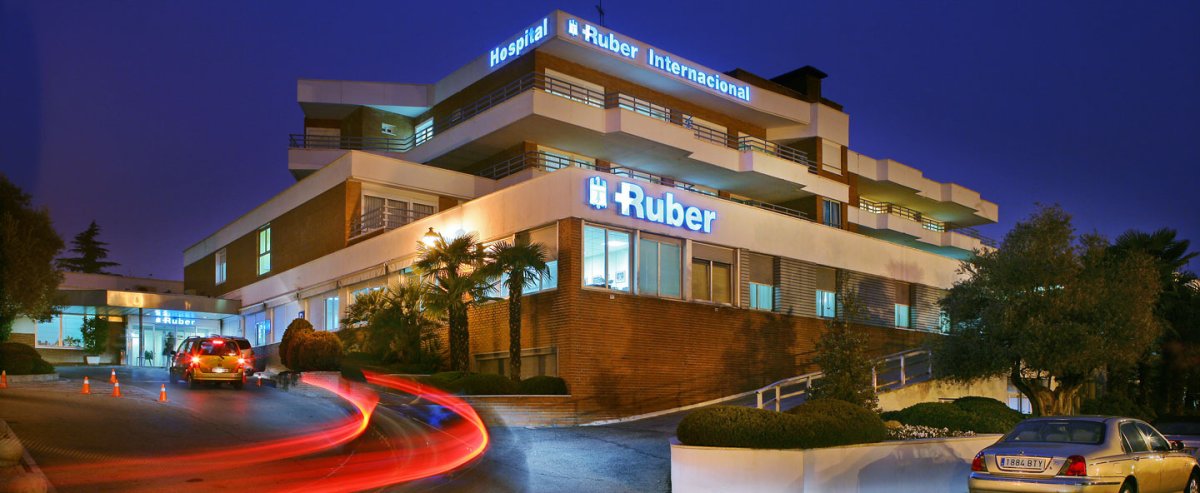
- معايير الاعتماد: تحتفظ مستشفيات مثل Ruber Internacional بشهادات اللجنة الدولية المشتركة (JCI) وISO.
- الخبرة السريرية: تمثل الدكتورة باولا مورينو مجموعات متخصصة مثل مجموعة دراسة الاضطراب ثنائي القطب.
- المراكز ذات الحجم الكبير: يعالج مركز Quironsalud Torrevieja 120,000 مريض سنويًا مع وصول سريع للأجانب.
- الرقابة التنظيمية: يجب أن يحمل جميع الأطباء النفسيين تراخيص ويجب أن يكون الأخصائيون النفسيون مسجلين في النقابات المهنية.
رؤية خبير Bookimed: تحتل إسبانيا المرتبة السادسة عالميًا في الطلبات الطبية، مما يعكس ثقة دولية عالية في رعايتها النفسية. تدير عيادات مثل Quironsalud Torrevieja في أليكانتي بنجاح أحجامًا هائلة من المرضى تصل إلى 120,000 سنويًا. يسمح هذا التردد العالي للمراكز الخاصة بتقديم خدمات دولية متخصصة غير متوفرة عادةً في النظام العام.
إجماع المرضى: يجد المرضى أن العلاجات القياسية مثل الليثيوم والعلاج بالصدمات الكهربائية (ECT) أكثر سهولة في الوصول إليها في إسبانيا مقارنة بالمملكة المتحدة أو الولايات المتحدة. يوصون بالحصول على خطاب استمرارية علاجية لضمان سهولة نقل الوصفات الطبية عند العودة إلى الو
ما هي مؤهلات الأطباء النفسيين الإسبان الذين يعالجون الاضطراب ثنائي القطب؟
الأطباء النفسيون الإسبان الذين يعالجون الاضطراب ثنائي القطب هم أطباء أكملوا درجة علمية مدتها ست سنوات. يجب عليهم أيضًا إكمال برنامج إقامة مدته أربع سنوات يُعرف باسم MIR. يتضمن هذا التدريب المتخصص دورات سريرية مكثفة في الاضطرابات العاطفية. يجب على جميع الممارسين التسجيل في جمعية الأطباء.
- الترخيص الطبي: يتطلب درجة جامعية متبوعة بإقامة MIR الوطنية.
- الوحدات المتخصصة: غالبًا ما يتدرب الخبراء في مراكز مخصصة للاضطرابات ثنائية القطب والاكتئاب.
- الرقابة التنظيمية: يجب على الأطباء التسجيل في هيئة Organization Medica Colegial (OMC).
- المؤهلات المتقدمة: يحمل الكثيرون دبلومات دراسات عليا في الذهان العاطفي أو علوم الأعصاب.
رؤية خبير Bookimed: تظهر مراجعة للمتخصصين أن كبار الأطباء النفسيين في إسبانيا غالبًا ما يحملون مؤهلات مزدوجة. على سبيل المثال، تنتمي الدكتورة باولا مورينو إلى مجموعة دراسة الاضطراب ثنائي القطب في الأندلس (GETBA). هذا التركيز المتخصص حيوي لأن هؤلاء المزودين غالبًا ما ينسقون فرقًا متعددة التخصصات. إنهم يديرون كل شيء بدءًا من الاستقرار الطبي وحتى إعادة التأهيل المعقدة للتشخيص المزدوج.
إجماع المرضى: يشير المرضى إلى أنه من المهم التأكد من أن الطبيب متخصص رسمي من خلال رقم تسجيله. يجد الكثير من الناس أنه على الرغم من أن خبراء النظام العام مدربون تدريباً عالياً، إلا أن المتخصصين في القطاع الخاص يوفرون وصولاً أسرع إلى العلاج المخصص.
ما الذي يتضمنه برنامج علاج الاضطراب ثنائي القطب النموذجي للمرضى الداخليين في إسبانيا؟
يوفر علاج الاضطراب ثنائي القطب للمرضى الداخليين في إسبانيا استقراراً مكثفاً من خلال رعاية متعددة التخصصات في مرافق معتمدة من قبل اللجنة الدولية المشتركة (JCI). تشمل البرامج عادةً الإدارة الدوائية، والتثقيف النفسي، وإعادة التأهيل الوظيفي. تستمر معظم الإقامات من 15 إلى 28 يوماً. تهدف هذه التدخلات إلى إدارة النوبات الحادة مع ضمان انتقالات آمنة إلى الرعاية طويلة الأمد.
- الاستقرار الطبي: التركيز الأولي على مثبتات المزاج مثل الليثيوم ومضادات الذهان المستهدفة.
- التركيز على التثقيف النفسي: تعلم الجلسات المنظمة المرضى التعرف على علامات التحذير المبكرة للنوبات.
- العلاجات المتقدمة: توفر العلاج بالصدمات الكهربائية (ECT) والتحفيز المغناطيسي عبر الجمجمة (TMS).
- دعم الانتقال: تسهل البرامج التحول من الإقامة المكثفة إلى رعاية المستشفى النهاري.
رؤية خبير Bookimed: تحتل إسبانيا المرتبة السادسة عالمياً في السياحة العلاجية على Bookimed، ويرجع ذلك إلى حد كبير إلى كثافة العيادات الخاصة مثل Quironsalud Torrevieja. تظهر بياناتنا أن المراكز الإسبانية الرائدة توفر وصولاً أسرع من القطاع العام. الخبرة التخصصية عالية؛ على سبيل المثال، تشغل الدكتورة باولا مورينو مناصب قيادية في مجموعات دراسة الاضطراب ثنائي القطب الإقليمية. غالباً ما يؤدي اختيار بيئة خاصة إلى تمديد فترة الاستقرار إلى ما بعد المتوسط العام المعتاد لمدة أسبوعين.
إجماع المرضى: يؤكد المرضى أن الترطيب حيوي أثناء فحوصات الدم المستمرة لمستويات الليثيوم. ويشيرون إلى أن العيادات الخاصة توفر
كم من الوقت سأحتاج للبقاء في إسبانيا لتحقيق استقرار كامل للاضطراب ثنائي القطب؟
يتطلب استقرار الاضطراب ثنائي القطب في إسبانيا عادةً من 14 إلى 30 يومًا للتحكم في الأعراض الحادة. غالبًا ما يتطلب الاستقرار العاطفي الكامل مرحلة استمرارية إضافية تتراوح من ثلاثة إلى ستة أشهر. توصي المرافق السكنية الخاصة عادةً ببرامج مدتها أربعة أسابيع لتحديد فعالية وسلامة الأدوية.
- المرحلة الحادة: تركز الإقامات التي تتراوح بين 14 و 30 يومًا على التحكم العاجل في الأعراض.
- مرحلة الاستمرارية: تستمر هذه المرحلة من ثلاثة إلى ستة أشهر لتحقيق الشفاء الكامل.
- نافذة الدواء: غالبًا ما تحتاج مثبتات المزاج الأساسية إلى 4 إلى 6 أسابيع للحصول على التأثير الكامل.
- رعاية الصيانة: يوصي الأطباء بالعلاج المستمر لمدة ستة أشهر على الأقل بعد الاستقرار.
رؤية خبير Bookimed: إسبانيا وجهة ذات حجم كبير حيث تم تلبية أكثر من 730 طلبًا، وتحتل المرتبة السادسة عالميًا في السياحة العلاجية. بينما تتعامل المراكز الكبيرة المعتمدة من JCI مثل Quironsalud Torrevieja مع 120,000 مريض سنويًا، غالبًا ما تأتي الرعاية المتخصصة من أطباء مثل الدكتورة باولا مورينو. تشير عضويتها في GETBA (مجموعة دراسة الاضطراب ثنائي القطب في الأندلس) إلى أن الخبرة الإقليمية في إسبانيا متخصصة للغاية. عند اختيار موقع، ضع في اعتبارك العيادات في الأندلس أو ماربيا حيث يركز الأطباء بشكل خاص على اضطرابات المزاج بدلاً من طب الأعصاب العام.
إجماع المرضى: يؤكد المرضى على التخطيط لما لا يقل عن 6 إلى 12 أسبوعًا من الرعاية الإجمالية لتجنب الانتكاسات بعد العودة. يلاحظ الكثيرون أن تتبع التعرض لأشعة
هل سيتم توفير سجلاتي الطبية باللغة الإنجليزية وهل سيقبلها طبيبي في الوطن؟
عادةً ما توفر المستشفيات الإسبانية السجلات الطبية باللغة الإسبانية. وغالباً ما تقدم المراكز الدولية ملخصات باللغة الإنجليزية عند الطلب. من المرجح أن يحتاج طبيبك في الوطن إلى ترجمة معتمدة للقبول القانوني والسريري. وهذا يضمن استمرارية دقيقة لعلاج الاضطراب ثنائي القطب وإدارة الأدوية.
- تنسيق السجل: الإسبانية هي اللغة الافتراضية للتقارير والنتائج.
- ملخصات باللغة الإنجليزية: اطلب `informe clínico en inglés` أثناء استشارتك الأولية.
- ترجمة معتمدة: غالباً ما يكون التحقق مطلوباً لأغراض التأمين والسلامة القانونية.
- قبول الطبيب: يحتاج الأطباء في الوطن إلى ترجمات دقيقة لتجنب أخطاء الأدوية.
رؤية خبير Bookimed: من المرجح أن تستوعب مجموعات المستشفيات الخاصة مثل Quironsalud طلبات التوثيق باللغة الإنجليزية أكثر من المرافق العامة. يعني اعتماد JCI الخاص بهم أنهم يحافظون على معايير أعلى لمسارات المرضى الدوليين. ومع ذلك، يجب عليك طلب ملخصات باللغة الإنجليزية تحديداً قبل بدء العلاج لتجنب التأخير بعد الخروج أو رسوم الترجمة.
إجماع المرضى: يشير المرضى إلى أنه على الرغم من مرونة العيادات الإسبانية الخاصة، يجب عليك تخصيص ميزانية لرسوم الترجمة المهنية. يؤكد الكثيرون على أهمية الحصول على نسخ رقمية على الفور لمشاركتها مع طبيبك في الوطن من أجل انتقالات رعاية أسرع.
ما هي المدن الإسبانية التي تقدم أكثر البرامج الدولية رسوخاً لاضطراب ثنائي القطب؟
تعد برشلونة ومدريد المركزين الرئيسيين للبرامج الدولية الراسخة لاضطراب ثنائي القطب في إسبانيا. برشلونة هي رائدة عالمية في الأبحاث وبروتوكولات العلاج المتخصصة. توفر مدريد بنية تحتية خاصة واسعة ومستشفيات جامعية. توفر هذه المدن الدعم باللغة الإنجليزية وتتبع المبادئ التوجيهية الدولية للرعاية.
- ريادة برشلونة: يعمل مستشفى كلينيك برشلونة كمركز مرجعي عالمي لأبحاث الاضطراب ثنائي القطب.
- الخبرة المتخصصة: الدكتورة باولا مورينو في ملقة متخصصة في التشخيص المزدوج ورعاية الاضطراب ثنائي القطب.
- المرافق المعتمدة: يحمل مستشفى روبر الدولي في مدريد شهادات المعايير الدولية JCI و ISO.
- خيارات الساحل: تقدم المراكز الخاصة في ماربيا وأليكانتي رعاية نفسية داخلية للمرضى الدوليين.
رؤية خبير Bookimed: بينما تعد برشلونة ومدريد مراكز الأبحاث، فإن منطقة ملقة تعد خياراً استراتيجياً لرعاية الاضطراب ثنائي القطب المتخصصة. تعمل الدكتورة باولا مورينو هناك وتشغل دوراً قيادياً في مجموعة دراسة الاضطراب ثنائي القطب في الأندلس. تسمح هذه الخبرة للمرضى بالوصول إلى طب نفسي عالي المستوى خارج العواصم الأكثر ازدحاماً. غالباً ما يكون من الأسهل تأمين خطط إعادة تأهيل مخصصة في هذه الممارسات السريرية المتخصصة.
إجماع المرضى: يشير المرضى إلى أن العيادات الخاصة في برشلونة ومدريد توفر وصولاً أسرع بكثير من البرامج العامة. ويؤكدون أنه على الرغم من أن الرعاية الطبية عالمية المستوى، فإن وجود مترجم أو طبيب يتحدث الإنجليزية يجعل عملية التشخيص أكثر سلاسة.
هل الوحدات النفسية في إسبانيا مغلقة، وهل يُسمح بالزوار أثناء العلاج؟
تستخدم الوحدات النفسية في إسبانيا سياسات الأبواب المغلقة في الرعاية الحادة لضمان سلامة المرضى. يحتفظ المرضى بحقوقهم القانونية في استقبال زوار يوميين ما لم تمنع مخاطر السلامة الاتصال. غالبًا ما تتجه المرافق الخاصة والمراكز الحديثة في مدريد أو برشلونة نحو نماذج الوحدات المفتوحة للتعافي.
- الوصول إلى الوحدة: تظل أجنحة الرعاية الحادة مغلقة لإدارة مخاطر السلامة ومنع الخروج غير المصرح به.
- الرقابة القانونية: يتطلب العلاج غير الطوعي تصريحًا قضائيًا وإشرافًا لحماية حقوق المريض.
- تكرار الزيارات: تسمح معظم المستشفيات العامة بزيارات يومية خلال فترات زمنية محددة بعد الظهر أو في المساء.
- حدود الضيوف: قد تقيد الوحدات الزوار بشخصين محددين خلال أول 15 يومًا.
رؤية خبير Bookimed: بينما تتبع المستشفيات العامة بروتوكولات إقليمية صارمة، غالبًا ما توفر الشبكات الخاصة مثل Quironsalud ساعات زيارة أكثر مرونة. تظهر البيانات أن خبرة الأطباء النفسيين المتخصصين، مثل أكثر من 20 عامًا من الخبرة التي يتمتع بها خبراء مثل الدكتورة أنجيلينا يو، غالبًا ما ترتبط بخطط استقرار مخصصة للغاية توازن بين الأمن والمشاركة العائلية.
إجماع المرضى: يشير المرضى إلى أن زيارات العائلة تحسن التعافي ولكنهم يحذرون من أن الأيام القليلة الأولى من الاستقرار غالبًا ما تكون الأكثر تقييدًا للاتصال. يقترح الكثيرون إحضار مدافع لتوضيح جداول الزيارة وحقوق المريض مباشرة مع الطاقم الطبي عند القبول.