زراعة الأسنان على مرحلتين في إسبانيا — احصل على 3 عيادات مطابقة مع التكاليف


تمت مراجعة المقالة طبيا من قبل
فهد مولود
ما هي تكلفة زراعة الأسنان على مرحلتين في إسبانيا؟ اكتشف الآن
تتراوح تكلفة زراعة الأسنان ذات المرحلتين في إسبانيا عادةً من _price_from_ إلى _price_to_. تعتمد الأسعار على العيادة، خبرة الجراح، علامة الزرعة (مثل Nobel Biocare, Straumann, Astra Tech)، وما إذا كان هناك حاجة لتطعيم عظمي.
عادةً ما تشمل العيادات الإسبانية الاستشارة الأولية، التصوير ثلاثي الأبعاد (فحص CBCT)، المرحلة الجراحية الأولى (زرع الزرعة)، الدعامة المؤقتة، المرحلة الثانية (الدعامة والتاج)، وزيارات المتابعة. في ألمانيا، غالبًا ما تغطي الأسعار الجراحة والزرعة فقط، مع رسوم منفصلة للتاج، التخدير، والتصوير. يجب دائمًا التأكد مما إذا كان تطعيم العظم، التخدير أو التيجان الفاخرة مشمولة في العرض.
مزاياك وضماناتك مع Bookimed
أسعار مباشرة
Bookimed لا يضيف رسوماً إضافية على أسعار زراعة الأسنان على مرحلتين. الأسعار مأخوذة من قوائم الأسعار الرسمية للعيادات. تدفع مباشرة في العيادة مقابل زراعة الأسنان على مرحلتين عند وصولك.
عيادات وأطباء معتمدون فقط
Bookimed ملتزم بسلامتك. نحن نعمل فقط مع المؤسسات الطبية التي تحافظ على معايير دولية عالية في زراعة الأسنان على مرحلتين ولديها التراخيص اللازمة لخدمة المرضى الدوليين في جميع أنحاء العالم.
مساعدة مجانية على مدار الساعة
Bookimed يقدم مساعدة خبراء مجانية. منسق طبي شخصي يدعمك قبل وأثناء وبعد العلاج، ويحل أي مشاكل. لن تكون وحيداً أبداً في رحلة زراعة الأسنان على مرحلتين.

منسقك الطبي الشخصي في Bookimed
- يدعمك في كل مرحلة
- المساعدة في اختيار العيادة الطبية المناسبة والطبيب المناسب
- يضمن الوصول السريع والمريح إلى المعلومات
اكتشف أفضل زراعة الأسنان على مرحلتين العيادات في إسبانيا: 3 خيارات معتمدة والأسعار



نظرة عامة على زراعة الأسنان على مرحلتين في إسبانيا
- زراعة الأسنان برنامج شامل - 4 - من $6,300
يعيد هذا العلاج مجموعة كاملة من الأسنان باستخدام أربع عمليات زرع في الفك ، مما يوفر المتانة والراحة والمظهر الطبيعي.
- زراعة الأسنان برنامج شامل - 6 - من $8,000
يستبدل هذا العلاج أقواس الأسنان بالكامل باستخدام ستة غرسات فقط ، مما يوفر للمرضى الاستقرار والراحة.
- زراعة الأسنان المصغرة - من $1,700
يستبدل هذا العلاج الأسنان المفقودة باستخدام دعامات معدنية صغيرة ، مما يضمن مظهرًا طبيعيًا وسهل المضغ.
- زرع سن مع التاج - من $2,200
يتضمن هذا العلاج وضع جذر وغطاء للأسنان الاصطناعية لاستعادة السن المفقودة ، وتوفير المتانة والمظهر الطبيعي.
- زرع الأسنان - من $900
يقوم هذا العلاج بتثبيت جذور الأسنان الاصطناعية لاستعادة الوظيفة والمظهر ، مما يوفر المتانة والراحة والشعور الطبيعي.
- زراعة الأسنان مع دعامة الأسنان - من $890
يقوم الإجراء بتثبيت جذر سن اصطناعي وموصل لسن اصطناعي ، مما يعزز صحة الفم والابتسامة.
- زراعة الأسنان الكل على 2 على 2 - من $6,200
يستبدل هذا العلاج الأسنان المفقودة بغرستين وجسر أسنان كامل لتحسين نوعية الحياة.
اليوم 1
- الوصول إلى البلاد والانتقال إلى فندق 4 نجوم.
- الراحة والتأقلم مع البيئة الجديدة.
اليوم الثاني
- قم بزيارة عيادة الأسنان للاستشارة الأولية.
- قابل الأخصائي وناقش تاريخك الطبي.
- اخضع للفحوصات الطبية ذات الصلة مثل الأشعة السينية.
يوم 3
- القيام بإجراءات ما قبل الجراحة إذا لزم الأمر.
- الحصول على شرح مفصل عن عملية زراعة الأسنان على مرحلتين.
اليوم الرابع
- الخضوع للمرحلة الأولى من عملية زراعة الأسنان.
- يتم إعطاء التخدير الموضعي أثناء العملية.
- مدة الإجراء حوالي ساعة إلى ساعتين.
يوم 5-7
- استرح في الفندق وتعافى من المرحلة الأولى من الإجراء.
الأسبوع 2-6
- فترة الشفاء قبل المرحلة الثانية من عملية الزرع.
الأسبوع السابع
- الخضوع للمرحلة الثانية من عملية زراعة الأسنان.
- البقاء في العيادة بعد العملية لبضع ساعات للمراقبة.
الأسبوع 8-12
- ابدأ عملية إعادة التأهيل ، وتجنب الأنشطة الشاقة.
- زيارات المتابعة المنتظمة للعيادة لإجراء الفحوصات.
الأسبوع 13
- العودة إلى العمل والأنشطة العادية.
- ابدأ في الاستمتاع بفوائد زراعة الأسنان الجديدة.
يرجى ملاحظة: كل مريض فريد وقد يختلف هذا الجدول الزمني قليلاً حسب الظروف الفردية.
- إيداع Bookimed: 200 دولار أو 200 يورو.
- وديعة العيادة: ادفع نسبة محددة مقدمًا.
احصل على تقييم طبي لـ زراعة الأسنان على مرحلتين في إسبانيا: اختر أخصائيك من بين الأفضل في هذا المجال
عرض جميع الأطباء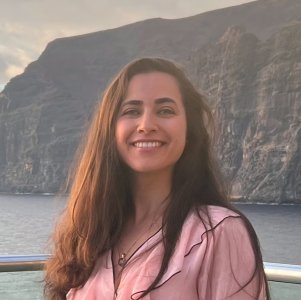
Dr Alaa Ghuzlan
الدكتورة آلاء غزلان طبيبة أسنان بخبرة تزيد على عشر سنوات. عالجت آلاف المرضى في عدة بلدان. حاصلة على تخصص في زراعة الأسنان من جامعة برشلونة، وتواصل تدريبها لتقديم علاجات حديثة.
تستخدم عيادتها الأشعة ثنائية وثلاثية الأبعاد وماسح داخل الفم ثلاثي الأبعاد. تُحسّن هذه الأدوات تجربة المريض وتُسهّل سير العمل، كما تُسهم في تقديم الرعاية بسرعة أكبر.
قصص فيديو من مرضى Bookimed
المراجعات
جميع المراجعاتمشاركة المحتوى
 Anna Leonova
أسئلة متكررة حول زراعة الأسنان على مرحلتين في إسبانيا
هل إجراء زراعة الأسنان على مرحلتين آمن وما هي عملية التعافي؟
تعتبر زراعة الأسنان على مرحلتين آمنة للغاية مع معدلات نجاح تتجاوز 95% في العيادات الإسبانية المعتمدة. تحمي هذه الطريقة القياسية الغرسات تحت خط اللثة، مما يقلل من خطر العدوى. تتضمن عملية التعافي مرحلتين متميزتين، وتتطلب عادةً من 3 إلى 12 شهرًا للاندماج العظمي الكامل والترميم.
- الجدول الزمني للشفاء: يتطلب الاندماج العظمي عادةً 3-4 أشهر من الشفاء لكل مرحلة جراحية.
- إدارة الأعراض: التورم الطفيف وعدم الراحة أمر شائع لمدة 48 ساعة بعد الجراحة.
- العناية الغذائية: يجب على المرضى اتباع نظام غذائي لين مباشرة بعد المرحلة الأولى.
- إزالة الغرز: عادةً ما يتم إزالة الغرز غير القابلة للامتصاص في غضون 7 إلى 14 يومًا بعد العملية.
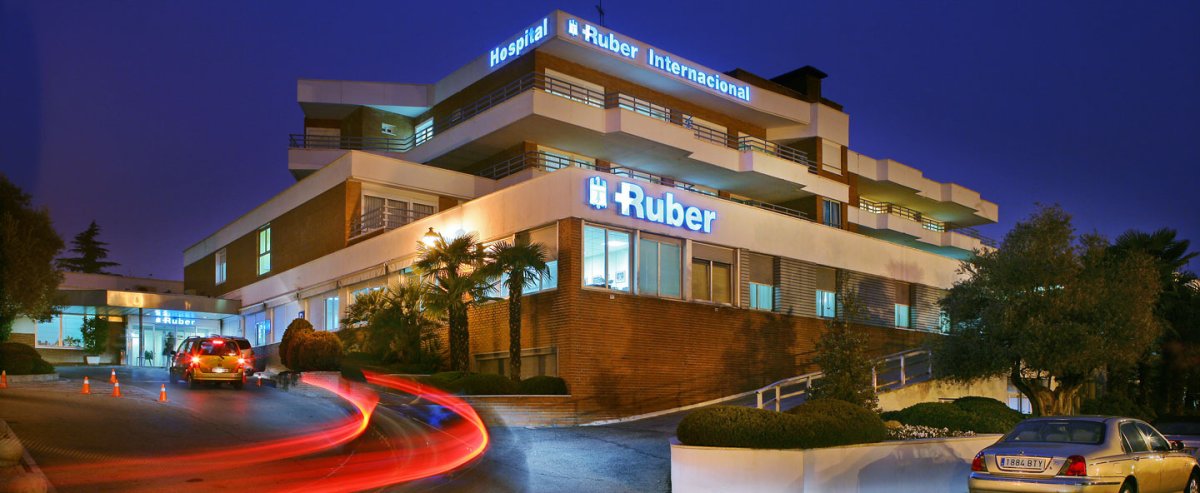
رؤية خبير Bookimed: غالبًا ما يدمج النهج المكون من مرحلتين في إسبانيا الأشعة ثلاثية الأبعاد المتقدمة للتخطيط. يستخدم الدكتور علاء غزلان في عيادة Clinica Dental Raices ماسحات ضوئية داخل الفم لضمان الدقة. تقلل هذه التكنولوجيا من الصدمات الجراحية، مما يساعد في الحفاظ على معدلات النجاح العالية التي تظهر في المرافق من الدرجة الأولى مثل مستشفى Hospital Ruber Internacional المعتمد من قبل JCI.
إجماع المرضى: غالبًا ما يؤكد المرضى على أهمية التخطيط لرحلتين دوليتين منفصلتين على الأقل. ويحذرون من العيادات التي تعد بنتائج في زيارة واحدة، حيث أن التئام العظام بشكل صحيح يستغرق أشهرًا.
ما هي فوائد عملية زراعة الأسنان على مرحلتين مقارنة بتقنيات المرحلة الواحدة؟
توفر عملية زراعة الأسنان على مرحلتين استقراراً فائقاً من خلال حماية الغرسة تحت أنسجة اللثة خلال مرحلة الاندماج العظمي التي تستغرق 6 أشهر. يمنع هذا النهج المغمور العدوى البكتيرية والاضطراب الميكانيكي الناتج عن المضغ. وهو المعيار الذهبي لإعادة التأهيل المعقدة التي تتضمن تطعيم العظام أو انخفاض كثافة العظام.
- تعزيز الاندماج العظمي: حماية الغرسة المغمورة من ضغط اللسان وقوى المضغ.
- السيطرة على العدوى: تعمل أنسجة اللثة المغلقة كحاجز ضد البكتيريا أثناء الشفاء المبكر.
- نجاح تطعيم العظام: ضروري عند إجراء رفع الجيوب الأنفية أو تجديد العظام لضمان نضج الطعم.
- نتائج يمكن التنبؤ بها: مفضل للمرضى الذين لديهم تاريخ في التدخين، أو مرض السكري، أو جودة عظام أقل.
رؤية خبير Bookimed: على الرغم من أن الغرسات ذات المرحلة الواحدة تحظى بشعبية بسبب سرعتها، إلا أن بياناتنا تظهر أن عيادات مثل Hospital Ruber Internacional تستخدم بروتوكولات المرحلتين للحالات المعقدة. غالباً ما يجمع الدكتور علاء غزلان في Clinica Dental Raices بين هذا النهج المرحلي والأشعة ثلاثية الأبعاد. يضمن هذا المزيج اندماجاً عظمياً دقيقاً قبل التحميل، مما يزيد بشكل كبير من بقاء الغرسة على المدى الطويل لدى المرضى المعرضين لمخاطر عالية.
إجماع المرضى: أفاد المرضى أن المرحلة الثانية أسرع وأسهل بكثير من الجراحة الأولية. يتفق معظمهم على أن انتظار 6 أشهر يستحق الأمان الإضافي للحصول على نتائج أكثر متانة وموثوقية.
كم يستغرق إجراء زراعة الأسنان على مرحلتين من البداية إلى النهاية؟
تستغرق عملية زراعة الأسنان على مرحلتين عادةً من 6 إلى 12 شهرًا من البداية إلى النهاية. يسمح هذا الإطار الزمني بالشفاء الضروري للاندماج العظمي، حيث يندمج برغي التيتانيوم مع عظم الفك. يمكن للإجراءات المتقدمة مثل تطعيم العظام أو رفع الجيوب الأنفية أن تزيد المدة الإجمالية عن عام واحد.
- فترة الاندماج العظمي: يتطلب اندماج عظم الفك مع الغرسة عادةً من 3 إلى 6 أشهر للشفاء.
- مواقع الخلع: غالبًا ما تحتاج مواقع خلع الأسنان السابقة من 3 إلى 5 أشهر للشفاء بأمان.
- تجديد العظام: تضيف إجراءات التطعيم من 4 إلى 6 أشهر قبل مرحلة وضع الغرسة.
- متطلبات السفر: تتطلب العيادات الإسبانية رحلتين منفصلتين تفصل بينهما فجوة من 4 إلى 6 أشهر.
رؤية خبير Bookimed: بينما يركز المرضى غالبًا على الجراحة، فإن النافذة البيولوجية لنمو العظام هي المحرك الحقيقي للجدول الزمني. تستخدم مراكز مثل مستشفى روبر الدولي (Hospital Ruber Internacional) ماسحات ضوئية ثلاثية الأبعاد داخل الفم لتحسين دقة الوضع، ومع ذلك فهي تلتزم بصرامة بفاصل الشفاء من 4 إلى 6 أشهر. هذا الالتزام بالحدود البيولوجية هو السبب في أن هذه البروتوكولات متعددة المراحل توفر معدلات نجاح أعلى من البدائل المتسرعة.
إجماع المرضى: يؤكد المرضى أن عملية الشفاء البيولوجي لا يمكن تسريعها دون المخاطرة بالفشل. يوصي معظمهم بالتخطيط لسنة كاملة من العلاج لضمان بقاء الغرسة آمنة مدى الحياة.
ما الذي يجب أن أبحث عنه عند اختيار عيادة أسنان في إسبانيا لزراعة الأسنان؟
عند اختيار عيادة أسنان في إسبانيا لزراعة الأسنان، أعط الأولوية للمراكز الحاصلة على اعتماد اللجنة الدولية المشتركة (JCI) وللجراحين المتخصصين في جراحة الفم أو أمراض اللثة. تأكد من أن المنشأة تستخدم طب الأسنان الرقمي ثلاثي الأبعاد للوضع الدقيق وتوفر خطط علاج شفافة ومتعددة المراحل تشمل مراقبة الاندماج العظمي.
- مؤهلات المتخصصين: ابحث عن جراحين حاصلين على درجات علمية متقدمة في زراعة الأسنان من مؤسسات مثل جامعة برشلونة.
- معايير الاعتماد: أعط الأولوية للمنشآت مثل مستشفى روبر الدولي (Hospital Ruber Internacional) الحاصل على شهادات ISO 9001 وJCI.
- تكنولوجيا التشخيص: اختر العيادات التي تستخدم الماسحات الضوئية ثلاثية الأبعاد داخل الفم والأشعة ثلاثية الأبعاد لتقييم دقيق للعظام.
- نطاق الجراحة: تأكد من أن العيادة تجري إجراءات متقدمة مثل رفع الجيوب الأنفية وتجديد العظام داخلياً.
رؤية خبير Bookimed: بينما يبحث الكثيرون عن عيادات أسنان مستقلة، فإن اختيار قسم داخل مستشفى خاص كبير غالباً ما يضمن معايير سلامة أعلى. تحتفظ المستشفيات الكبيرة في مدريد وبرشلونة بشهادات واسعة النطاق مثل ISO 14001، والتي تفتقر إليها العيادات الصغيرة عادةً. هذه البنية التحتية حيوية لعمليات الزرع على مرحلتين التي تتطلب زيارات متعددة على مدار 12 شهراً.
إجماع المرضى: يقترح المرضى ذوو الخبرة التحقق من العلامة التجارية المحددة للزرعة لضمان التوافق المستقبلي. كما يوصون بتخصيص ميزانية لثلاث رحلات منفصلة على الأقل لإكمال عملية الشفاء المكونة من مرحلتين.
لماذا يختار المرضى إسبانيا لزراعة الأسنان على مرحلتين؟
يختار المرضى إسبانيا لزراعة الأسنان على مرحلتين للوصول إلى معايير السلامة الأوروبية وتحقيق وفورات كبيرة في التكاليف. يستخدم الجراحون الخبراء في مدريد وتينيريفي طب الأسنان الرقمي ثلاثي الأبعاد لتحقيق معدلات نجاح عالية.
- التكنولوجيا المتقدمة: تستخدم العيادات ماسحات ضوئية داخل الفم ثلاثية الأبعاد وأشعة ثلاثية الأبعاد لوضع الغرسات بدقة.
- المرافق المعتمدة: تمتلك أفضل المستشفيات مثل Hospital Ruber Internacional شهادات JCI و ISO 9001.
- الجراحون الخبراء: يتمتع متخصصون مثل الدكتور علاء غزلان بدرجات علمية متقدمة من جامعة برشلونة.
رؤية خبير Bookimed: بينما تسوق العديد من الدول للسرعة، تعطي العيادات الإسبانية الأولوية للشفاء الفسيولوجي. تظهر البيانات أنها تلتزم بصرامة بفترة التئام العظام التي تتراوح من 3 إلى 4 أشهر بين المرحلتين. يقلل هذا النهج من مخاطر الفشل على المدى الطويل للمرضى الدوليين الذين لا يستطيعون العودة بسهولة للمراجعات. اختيار عيادة متخصصة تعالج أكثر من 1000 مريض سنوياً يضمن الاهتمام الشخصي خلال هذا الالتزام الطويل الذي يستمر عاماً.
إجماع المرضى: ينظر العديد من المسافرين إلى إسبانيا كبديل أوروبي متميز بمعايير