زراعة الأسنان على مرحلتين في بولندا — احصل على أفضل 3 عيادات مع التكاليف


تمت مراجعة المقالة طبيا من قبل
فهد مولود
كيف نعمل؟
ما هي تكلفة زراعة الأسنان على مرحلتين في بولندا؟ اكتشف الآن
تتراوح تكلفة زراعة الأسنان ثنائية المرحلة في بولندا عادةً بين السعر عند الطلب و السعر عند الطلب. تعتمد الأسعار النهائية على نوع الغرسة ومادة التاج المختارين. تشمل التكلفة الإجمالية في معظم العيادات البولندية مسمار التيتانيوم، والدعامة، والتاج الدائم. تشمل مراكز طب الأسنان الرئيسية كراكوف، ووارسو، وجيلينيا غورا.
- أنظمة الغرسات المتميزة: تضيف العلامات التجارية مثل Straumann أو Nobel Biocare رسوماً إضافية بنسبة 20-30%.
- تيجان الزيركون المخصصة: تكون عادةً أعلى تكلفة من الخيارات القياسية المكونة من البورسلين المدمج بالمعدن.
- تطعيم العظام: إجراء ضروري عند انخفاض كثافة العظم، مما يزيد من إجمالي تكلفة العلاج.
- التشخيص ثلاثي الأبعاد: تُضاف غالباً رسوم بسيطة مقابل أشعة CBCT الأولية والتخطيط الرقمي.
رأي خبراء Bookimed: توفر العيادات في كراكوف قيمة عالية بفضل استقبالها أعداداً كبيرة من المرضى. تخدم عيادة Smile Dentica نحو 7,000 مريض سنوياً، مما يضمن خبرة سريرية واسعة. تقدم عيادة HALDENT Dental Clinic رعاية متخصصة للأطفال والبالغين منذ عام 2014. توفر هذه العيادات تقنيات تشخيص حديثة تسرع عملية العلاج ثنائية المرحلة. وتضمن المنافسة القوية في كراكوف أسعاراً معقولة مع الحفاظ على تقييمات تتراوح بين 4.8 و 4.9 نجوم.
المزايا الرئيسية
- احصل على زراعة الأسنان على مرحلتين في بولندا بأقل بنسبة 40-60% من السعودية وألمانيا.
- أبرز أنواع الزرعات المتاحة: Nobel Biocare®، Straumann®، وDentsply Sirona®.
- مراجعة مجانية للصور من قبل طبيب لتحديد أفضل خيار لك.
- ضمان متاح على عروض محددة.
- عروض حصرية من عيادات موثوقة في بولندا .
اكتشف أفضل زراعة الأسنان على مرحلتين العيادات في بولندا: 3 خيارات معتمدة والأسعار


نظرة عامة على زراعة الأسنان على مرحلتين في بولندا
- زراعة الأسنان برنامج شامل - 4 - من $4,900
يعيد هذا العلاج مجموعة كاملة من الأسنان باستخدام أربع عمليات زرع في الفك ، مما يوفر المتانة والراحة والمظهر الطبيعي.
- زراعة الأسنان برنامج شامل - 6 - من $6,300
يستبدل هذا العلاج أقواس الأسنان بالكامل باستخدام ستة غرسات فقط ، مما يوفر للمرضى الاستقرار والراحة.
- زراعة الأسنان المصغرة - من $230
يستبدل هذا العلاج الأسنان المفقودة باستخدام دعامات معدنية صغيرة ، مما يضمن مظهرًا طبيعيًا وسهل المضغ.
- زرع سن مع التاج - من $1,000
يتضمن هذا العلاج وضع جذر وغطاء للأسنان الاصطناعية لاستعادة السن المفقودة ، وتوفير المتانة والمظهر الطبيعي.
- زرع الأسنان - من $830
يقوم هذا العلاج بتثبيت جذور الأسنان الاصطناعية لاستعادة الوظيفة والمظهر ، مما يوفر المتانة والراحة والشعور الطبيعي.
- زراعة الأسنان مع دعامة الأسنان - من $1,000
يقوم الإجراء بتثبيت جذر سن اصطناعي وموصل لسن اصطناعي ، مما يعزز صحة الفم والابتسامة.
- زراعة الأسنان الكل على 2 على 2 - من $7,000
يستبدل هذا العلاج الأسنان المفقودة بغرستين وجسر أسنان كامل لتحسين نوعية الحياة.
اليوم 1
- الوصول إلى البلاد والانتقال إلى فندق 4 نجوم.
- الراحة والتأقلم مع البيئة الجديدة.
اليوم الثاني
- قم بزيارة عيادة الأسنان للاستشارة الأولية.
- قابل الأخصائي وناقش تاريخك الطبي.
- اخضع للفحوصات الطبية ذات الصلة مثل الأشعة السينية.
يوم 3
- القيام بإجراءات ما قبل الجراحة إذا لزم الأمر.
- الحصول على شرح مفصل عن عملية زراعة الأسنان على مرحلتين.
اليوم الرابع
- الخضوع للمرحلة الأولى من عملية زراعة الأسنان.
- يتم إعطاء التخدير الموضعي أثناء العملية.
- مدة الإجراء حوالي ساعة إلى ساعتين.
يوم 5-7
- استرح في الفندق وتعافى من المرحلة الأولى من الإجراء.
الأسبوع 2-6
- فترة الشفاء قبل المرحلة الثانية من عملية الزرع.
الأسبوع السابع
- الخضوع للمرحلة الثانية من عملية زراعة الأسنان.
- البقاء في العيادة بعد العملية لبضع ساعات للمراقبة.
الأسبوع 8-12
- ابدأ عملية إعادة التأهيل ، وتجنب الأنشطة الشاقة.
- زيارات المتابعة المنتظمة للعيادة لإجراء الفحوصات.
الأسبوع 13
- العودة إلى العمل والأنشطة العادية.
- ابدأ في الاستمتاع بفوائد زراعة الأسنان الجديدة.
يرجى ملاحظة: كل مريض فريد وقد يختلف هذا الجدول الزمني قليلاً حسب الظروف الفردية.
- إيداع Bookimed: 200 دولار أو 200 يورو.
- وديعة العيادة: ادفع نسبة محددة مقدمًا.
احصل على تقييم طبي لـ زراعة الأسنان على مرحلتين في بولندا: اختر أخصائيك من بين الأفضل في هذا المجال
عرض جميع الأطباء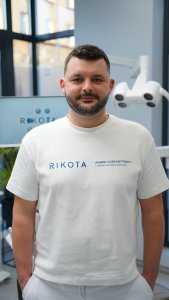
Andrii Vodianytski
خبرة في إجراءات زراعة الأسنان على مرحلتين في عيادة RIKOTA للأسنان.
- مهارة في التعامل مع حالات زراعة الأسنان المعقدة
- يستخدم تقنيات متقدمة في زراعة الأسنان
- يركز على راحة المريض ونتائج ذات مظهر طبيعي
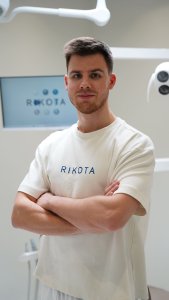
Vadym Shemiakov
يتخصص فاديم شيمياكوف في زراعة الأسنان على مرحلتين في عيادة ريكوتا لطب الأسنان، مما يضمن دقة التثبيت والاستقرار طويل الأمد.
- خبرة في حالات زراعة الأسنان المعقدة التي تتطلب تطعيم العظام
- التركيز على خطط علاج مخصصة للمريض للحصول على أفضل النتائج
- استخدام تقنيات متقدمة لتقليل وقت التعافي
قصص فيديو من مرضى Bookimed
المراجعات
جميع المراجعات


مشاركة المحتوى
 Anna Leonova
أسئلة متكررة حول زراعة الأسنان على مرحلتين في بولندا
ما هو ملف تعريف السلامة والمؤهلات التي يجب البحث عنها في بولندا؟
تحافظ بولندا على ملف تعريف عالٍ للسلامة في طب الأسنان من خلال المعايير الطبية الإلزامية للاتحاد الأوروبي والترخيص الوطني. يجب أن يحمل المتخصصون المؤهلون دبلومًا طبيًا، ويكملوا تدريبًا داخليًا لمدة 13 شهرًا، ويجتازوا الامتحان الطبي الوطني (LEK) قبل البدء في التدريب المتخصص في زراعة الأسنان في الجامعات الطبية الكبرى.
- ترخيص المتخصصين: يجب أن يكون الجراحون مسجلين في السجل المركزي لمهنيي الرعاية الصحية.
- بروتوكولات الشفاء: تفرض العيادات بصرامة مرحلة شفاء مدتها 3 أشهر بين المراحل من أجل الاندماج العظمي.
- المعايير السريرية: غالبًا ما تحصل المراكز الخاصة على شهادات ISO أو TEMOS لبروتوكولات النظافة.
- التشخيص المتقدم: تستخدم العيادات ذات السمعة الطيبة فحوصات CBCT ومواد Nobel Biocare أو Straumann.
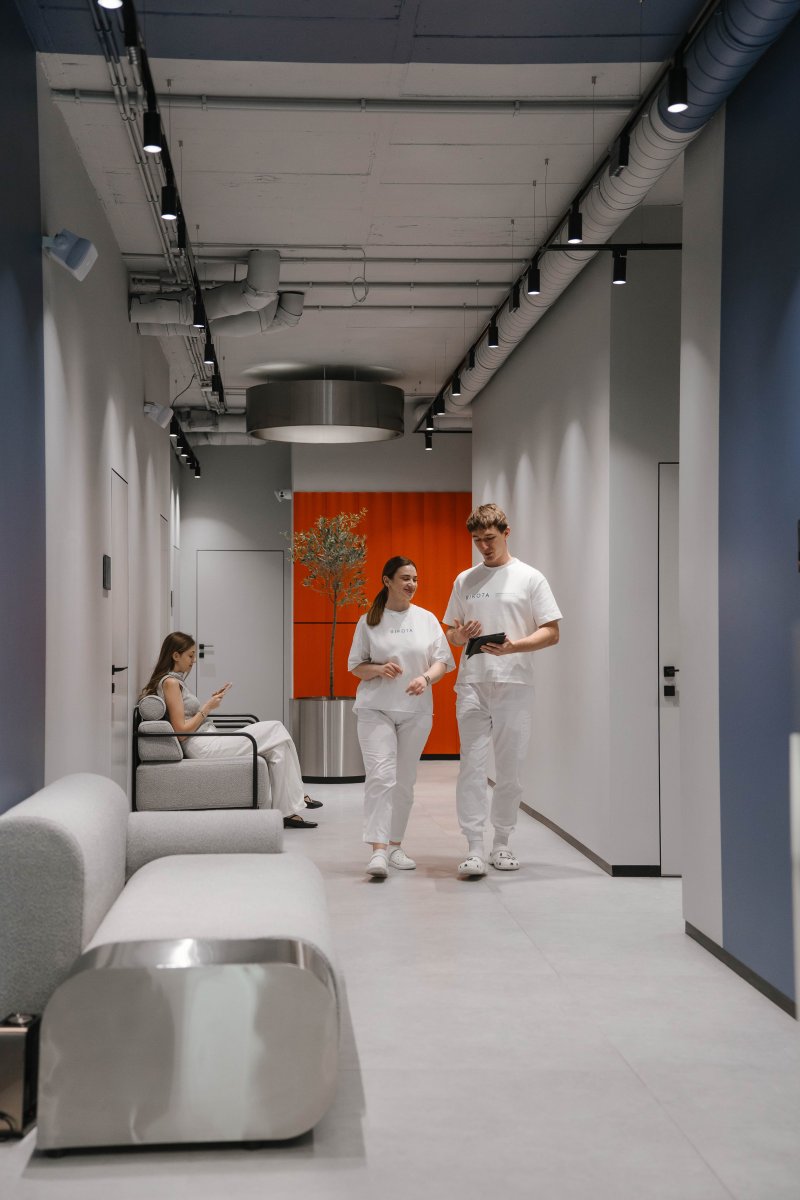
رؤية خبير Bookimed: تختلف الجودة بشكل كبير حسب الحجم السريري والتخصص. بينما تمتلك المراكز الإقليمية مثل كراكوف عيادات تخدم 1500 مريض سنويًا، تضم وارسو مراكز ضخمة مثل RIKOTA مع 60 متخصصًا و60 ألف مريض سنويًا. غالبًا ما يضمن اختيار هذه المرافق ذات الحجم الكبير الوصول إلى جراحين لديهم أكثر من 1000 حالة ناجحة موثقة.
إجماع المرضى: يؤكد المرضى على أهمية التحقق من عضويات الفريق الدولي لزراعة الأسنان (ITI) وطلب ضمانات المواد. يبلغ معظمهم عن بيئات معقمة وحديثة مع معدلات نجاح تطابق المعايير الأمريكية عند اتباع فترة التعافي الصارمة التي تبلغ 3 أشهر.
من هو المرشح المناسب لزراعة الأسنان على مرحلتين؟
يحتاج المرشح المناسب لزراعة الأسنان على مرحلتين إلى حماية إضافية خلال مرحلة الشفاء المبكرة. هذا البروتوكول الكلاسيكي مثالي للمرضى الذين يعانون من انخفاض كثافة العظام، أو التهابات حديثة، أو أولئك الذين يخضعون لعمليات تطعيم العظام لضمان اندماج الزرعة بنجاح دون ضغط خارجي أو حركة.
- صحة العظام: ضرورية للمرضى الذين يعانون من عدم كفاية حجم عظم الفك أو ضعف كثافة العظام.
- تعقيد الجراحة: يوصى به عند إجراء عمليات رفع الجيوب الأنفية أو زيادة العظام في وقت واحد.
- الحالات الصحية: مفضل للمدخنين أو مرضى السكري الذين يحتاجون إلى جدول زمني أكثر تحفظاً للشفاء.
- العوامل الميكانيكية: مثالي للمرضى الذين يعانون من صرير الأسنان لمنع التحميل الزائد العرضي أثناء الاندماج العظمي.
رؤية خبير Bookimed: على الرغم من أن العديد من العيادات الحديثة تروج للتحميل الفوري، إلا أن بياناتنا من مراكز ذات حجم كبير مثل عيادة RIKOTA للأسنان تظهر أن النهج المكون من مرحلتين يظل معيار الأمان للترميمات المعقدة. مع علاج أكثر من 60,000 مريض سنوياً عبر شبكتهم، غالباً ما يعطي المتخصصون الأولوية لهذه الطريقة التقليدية لاستبدال الأضراس حيث تكون قوى العض هي الأعلى. تقلل هذه الاستراتيجية بشكل كبير من مخاطر الفشل في المناطق ذات التحميل العالي مقارنة بالبدائل المتسرعة ذات المرحلة الواحدة.
إجماع المرضى: يؤكد المرضى على أهمية الحصول على فحص CBCT قبل اتخاذ القرار. يتفق معظمهم على أن اختيار الشفاء على مراحل بدلاً من إجراء متسرع يؤدي إلى نتائج طويلة المدى أكثر قابلية للتنبؤ.
ماذا يحدث خلال المرحلة الجراحية الأولى؟
خلال المرحلة الجراحية الأولى، يقوم الجراح بخلع أي أسنان تالفة وتنظيف منطقة عظم الفك المستهدفة. ثم يقوم جراحيًا بوضع دعامة زرع التيتانيوم بعمق في العظم تحت التخدير الموضعي أو التخدير العام، وعادة ما يكتمل الإجراء في غضون ساعة إلى ساعتين.
- الوضع الجراحي: يتم تثبيت دعامات التيتانيوم في عظم الفك خلال زيارة خارجية تستغرق 1-2 ساعة.
- إدارة الراحة: يتلقى معظم المرضى تخديرًا موضعيًا أو تخديرًا لضمان تجربة خالية من الألم.
- التعافي الأولي: توقع الشعور بالألم لمدة 3 إلى 7 أيام، ويمكن إدارته بمسكنات الألم القياسية التي لا تستلزم وصفة طبية.
- مرحلة الشفاء: يحتاج العظم من 3 إلى 6 أشهر للاندماج مع زرعة التيتانيوم.
رؤية خبير Bookimed: تدير عيادات مثل عيادة RIKOTA للأسنان في وارسو أكثر من 60,000 مريض سنويًا لأنها تستخدم فرقًا كبيرة ومتخصصة. في بولندا، غالبًا ما تقدم المراكز ذات الحجم الكبير أطقم أسنان مؤقتة مباشرة بعد المرحلة الأولى. وهذا يحافظ على الجماليات خلال فترة الشفاء الطويلة التي تستغرق 6 أشهر قبل تركيب التاج الدائم.
إجماع المرضى: توقع ألمًا بعد الجراحة يشبه ألم الأسنان والتزم بالأطعمة اللينة لحماية غرزك. التوقف عن التدخين قبل أسبوعين أمر حيوي لمنع الالتهابات التي قد تؤخر شفاءك.
كم من الوقت يجب أن يلتئم الزرع قبل المرحلة الثانية؟
يتطلب التئام زراعة الأسنان على مرحلتين عادةً من 3 إلى 6 أشهر للاندماج العظمي. تسمح هذه العملية البيولوجية الحيوية لعظم الفك بالاندماج مع دعامة التيتانيوم. يؤكد الجراحون الاستقرار من خلال الأشعة السينية قبل ربط الدعامة والتاج النهائي أثناء إجراء ثانٍ بسيط.
- موقع الفك: يستغرق التئام الفك السفلي عادةً من 3 إلى 4 أشهر بسبب كثافة العظام العالية.
- توقيت الفك العلوي: يتطلب الفك العلوي من 4 إلى 6 أشهر لأن العظم أكثر ليونة.
- تطعيم العظام: تضيف الطعوم الأولية أو رفع الجيوب الأنفية من 3 إلى 6 أشهر إلى جدولك الزمني الإجمالي.
- تعافي اللثة: يلتئم النسيج السطحي في غضون أسبوع إلى أسبوعين بعد كل مرحلة جراحية.
رؤية خبير Bookimed: بينما يركز الكثيرون على الحد الأقصى البالغ 6 أشهر، تخدم العيادات عالية الكفاءة مثل عيادة RIKOTA للأسنان 60,000 مريض سنويًا باستخدام 60 متخصصًا متميزًا. غالبًا ما يرتبط هذا الحجم الكبير ببروتوكولات محسنة. تستخدم الفرق الكبيرة في كراكوف ووارسو عادةً اختبارات الاستقرار لنقل المرضى إلى المرحلة الثانية في أقرب نافذة آمنة بدلاً من انتظار الـ 6 أشهر القياسية.
ما الذي تتضمنه المرحلة الثانية من الجراحة والترميم النهائي؟
تتضمن المرحلة الثانية من زراعة الأسنان كشف دعامة التيتانيوم المدمجة بعد 3 إلى 6 أشهر من الاندماج العظمي. يقوم الجراحون بتركيب دعامة شفاء مؤقتة لتشكيل أنسجة اللثة قبل وضع التاج أو الجسر المخصص النهائي للترميم الدائم.
- كشف الزرعة: يقوم الجراحون بعمل شق صغير تحت التخدير الموضعي للكشف عن الدعامة المغمورة.
- وضع الدعامة: يتم تركيب غطاء شفاء معدني لتحديد شكل اللثة لمدة 2-4 أسابيع.
- الطبعات الرقمية: يأخذ أطباء الأسنان مسحاً دقيقاً لإنشاء سنك الاصطناعي المخصص في المختبر.
- الترميم النهائي: يتم تثبيت تاجك الدائم على الدعامة النهائية باستخدام الأسمنت أو البراغي.
رؤية خبير Bookimed: برزت بولندا كمركز لطب الأسنان ذو حجم كبير، حيث تخدم عيادة RIKOTA لطب الأسنان وحدها 60,000 مريض سنوياً. هذا النطاق الهائل غالباً ما يسمح للعيادات بالحفاظ على مختبرات رقمية داخلية متطورة، مما يمكن أن يقلل بشكل كبير من وقت إنجاز تاجك المخصص النهائي.
كم عدد زيارات طبيب الأسنان وإجمالي الأيام المطلوبة عادةً في بولندا؟
تتطلب زراعة الأسنان على مرحلتين في بولندا رحلتين منفصلتين بإجمالي 10 إلى 14 يوماً. يبقى معظم المرضى من 3 إلى 5 أيام للجراحة الأولية ويعودون بعد 3 إلى 4 أشهر لمدة 5 إلى 7 أيام لتركيب التاج النهائي.
- مدة الزيارة الأولى: توقع من 3 إلى 5 أيام للاستشارة والتصوير ووضع الغرسة الجراحية.
- فترة الاندماج العظمي: انتظر من 3 إلى 4 أشهر حتى يندمج العظم مع الغرسة.
- مدة الزيارة الثانية: ابقَ من 5 إلى 7 أيام لتركيب الدعامة وأخذ الطبعات ووضع التاج النهائي.
- إجمالي الوقت المطلوب: خطط لما مجموعه 10 إلى 14 يوماً في بولندا عبر كلتا الزيارتين.
رؤية خبير Bookimed: بينما تخدم العديد من العيادات مثل عيادة RIKOTA لطب الأسنان عدداً هائلاً من المرضى، تظل الفجوة التي تتراوح بين 3 إلى 4 أشهر غير قابلة للتفاوض من أجل السلامة. تظهر بياناتنا أن التعجل في المرحلة الثانية قبل اندماج العظم يزيد من مخاطر الفشل. حجز رحلة ثانية لمدة 7 أيام أكثر أماناً من رحلة لمدة 5 أيام. وهذا يتيح وقتاً إضافياً لمختبر الأسنان لإتقان ملاءمة التاج الخاص بك.
إجماع المرضى: يوصي العديد من المرضى بحجز رحلات طيران مرنة للزيارة الثانية. وغالباً ما يقترحون ترك يومين إضافيين لإدارة التورم بعد الجراحة أو إجراء تعديلات طفيفة على الأطراف الصناعية قبل العودة إلى الوطن.
ما مدى جودة جراحة الأعصاب في بولندا؟
تُقدم جراحة الأعصاب في بولندا رعاية عالية الجودة في مرافق معتمدة من قبل اللجنة الدولية المشتركة (JCI) والمنظمة الدولية للمعايير (ISO). يلتزم جراحو الأعصاب البولنديون بمعايير تدريب صارمة معتمدة من قبل الاتحاد الأوروبي. وقد أكمل العديد منهم زمالات في الولايات المتحدة أو ألمانيا. وتتوفر التقنيات المتقدمة، مثل جهاز سايبر نايف وجهاز جاما نايف والأنظمة الروبوتية، على نطاق واسع في المراكز الخاصة.
- المؤهلات التخصصية: غالباً ما يكون الأطباء أعضاء في الرابطة الأوروبية لجمعيات جراحة الأعصاب.
- التقنيات المتقدمة: تستخدم العيادات أنظمة CyberKnife والموجات فوق الصوتية المركزة الموجهة بالرنين المغناطيسي لعلاج الدماغ غير الجراحي.
- الحجم السريري: تعالج المراكز الرائدة مثل مستشفى الجامعة في كراكوف أكثر من 455000 مريض سنوياً.
- جراحون ذوو خبرة: أجرى الدكتور ماسيج بوجكو من مستشفى كارولينا أكثر من 2500 عملية جراحية بمفرده.
رأي خبراء بوكيمد: تُظهر البيانات وجود علاقة وثيقة بين تخصص العيادة وأصول مرضاها. تعالج عيادة KCM أكثر من 700 مريض دولي سنويًا، وهي متخصصة في جراحة العمود الفقري طفيفة التوغل. يُمكّنها هذا الحجم من العمل من تقديم باقات خدمات متخصصة، تشمل غالبًا حواجز تشخيصية وزرعات محددة،
ما هي مؤهلات جراحي الأعصاب البولنديين؟
يُعدّ جراحو الأعصاب البولنديون متخصصين ذوي كفاءة عالية، إذ أتموا ما لا يقل عن 13 عامًا من التدريب الطبي المكثف. يشمل ذلك ست سنوات من الدراسة في كلية الطب، و13 شهرًا من التدريب العملي، وست سنوات من الإقامة. ويجب عليهم اجتياز امتحان التخصص الحكومي (PES)، وغالبًا ما يحصلون على شهادة من الجمعية الأوروبية لجمعيات جراحة الأعصاب (EANS).
- التعليم: يتلقى الأطباء تعليمهم الطبي (الطب) بعد 6 سنوات من الدراسة في الجامعة.
- التخصص: تشمل الإقامة 6 سنوات من التدريب المعياري في جراحة الأعصاب السريرية وعلم الأشعة العصبية.
- حجم العمليات الجراحية: غالبًا ما يقوم الأطباء المقيمون بإجراء أكثر من 1000 عملية جراحية، وهو ما يتجاوز متوسط حجم التدريب في المناطق الأخرى.
- الشهادات: العديد من المتخصصين أعضاء في منظمة AO Spine أو الجمعية البولندية لجراحة العمود الفقري.
رأي خبراء بوكيميد: تشير البيانات إلى أن جراحي الأعصاب البولنديين غالبًا ما يتخصصون في تقنيات بالغة التخصص، مثل نظام ApiFix أو نظام SED-YESS لتنظير الفقرات القطنية. ويجمع أخصائيون مثل الدكتور ستانيسواف كويك من عيادة KCM بين أبحاث ما بعد الدكتوراه والممارسة الجراحية النشطة. هذا المزيج من المعرفة الأكاديمية المتعمقة والخبرة الجراحية الوا
ما هي أفضل عيادات جراحة الأعصاب في بولندا؟
من بين أفضل عيادات جراحة الأعصاب في بولندا مستشفى كارولينا، وعيادة KCM، ومراكز أكاديمية رائدة مثل مستشفى جامعة كراكوف. تقدم هذه المؤسسات علاجات متطورة لأمراض العمود الفقري والدماغ، مطابقة لمعايير الجودة ISO، وتضم أخصائيين أعضاء في منظمات دولية مثل AO Spine.
- مستشفى كارولينا: مركز التميز الطبي التابع للفيفا، والمتخصص في جراحات العمود الفقري المعقدة ذات التدخل الجراحي المحدود.
- عيادة KCM: معترف بها دوليًا لجودة إجراءات تنظير العمود الفقري، وتخدم أكثر من 700 مريض دولي سنويًا.
- مستشفى جامعة كراكوف: مركز متعدد التخصصات كبير يقوم بإجراء أكثر من 800 عملية جراحية عصبية سنوياً منذ عام 1788.
- لوكسميد: مركز طبي خاص مرموق في وارسو متخصص في جراحة العمود الفقري المتقدمة للمرضى الدوليين.
رأي خبراء بوكيمد: بينما يتجه الكثيرون إلى أكبر المستشفيات، تُظهر البيانات أن عيادات مثل مستشفى كارولينا تُقدم كفاءة أعلى في العمليات الجراحية الاختيارية. فمع وجود أكثر من 40 طبيباً متخصصاً في هذه المنشأة التي تضم 30 سريراً، تكون نسبة الأطباء إلى المرضى أعلى بكثير مما هي عليه في المراكز الجامعية الحكومية. وهذا يعني رعاية ما بعد الجراحة أكثر عناية، وجدولة أسرع بكثير لإجراءات مثل علاج الانزلاق الغضروفي
ما هي أكثر العمليات الجراحية العصبية شيوعاً في بولندا؟
في بولندا، يركز طب جراحة الأعصاب بشكل أساسي على جراحات العمود الفقري واستئصال أورام الدماغ. وتُجري المستشفيات بشكل متكرر عمليات استئصال القرص المجهرية، ودمج الفقرات، وتحفيز الدماغ العميق. وتستخدم مراكز مثل مستشفى كارولينا وعيادة كي سي إم تقنيات طفيفة التوغل لعلاج الانزلاق الغضروفي، وإصابات العمود الفقري، والاضطرابات العصبية المعقدة.
- جراحة العمود الفقري: يعتبر استئصال القرص واستئصال الصفيحة الفقرية من العلاجات الشائعة لانزلاق القرص.
- علم الأورام العصبية: يقوم الأخصائيون بإجراء عمليات جراحية لإزالة أورام الدماغ باستخدام معدات حديثة مثل تقنية سايبر نايف.
- جراحة الأعصاب الوظيفية: يستخدم التحفيز العميق للدماغ (DBS) على نطاق واسع لعلاج اضطرابات الحركة.
- التقنيات طفيفة التوغل: يستخدم الجراحون تقنيات التنظير الداخلي لتخفيف الضغط عن العمود الفقري وعلاج أورام الغدة النخامية.
رأي خبراء بوكيميد: أصبحت بولندا مركزًا متخصصًا في تثبيت العمود الفقري. تتعاون عيادات مثل مستشفى كارولينا مع الفرق الرياضية الوطنية، مما يعكس خبرتها العالية في علاج إصابات العمود الفقري المعقدة. تُظهر بياناتنا أن هذه المؤسسات غالبًا ما تُدمج إعادة التأهيل مباشرةً في العلاج الجراحي. هذا الدمج يقلل من خطر الم