عيادات زرع الصمام الأبهري عبر القثطار (TAVI) في إيطاليا


تمت مراجعة المقالة طبيا من قبل
فهد مولود
ما هي تكلفة زرع الصمام الأبهري عبر القثطار (TAVI) في إيطاليا؟ اكتشف الآن
يتراوح متوسط تكلفة عملية TAVI في إيطاليا بين $30,000 و $42,000. يعتمد السعر النهائي على الأسلوب الجراحي، ونوع الصمام، وموقع المستشفى. تشمل التكاليف عادةً الصمام التعويضي، والمواد الطبية، والإقامة في مراكز كبرى مثل ميلانو وروما.
- النهج عبر الفخذ: يُعد الأكثر توفيراً لأنه يُجرى عبر الساق.
- النهج عبر القمة: تزيد تكلفته عادة بنسبة 10-15% لصعوبة الوصول عبر جدار الصدر.
- موقع المستشفى: تفرض مراكز القلب الخاصة في ميلانو أسعاراً أعلى مقارنة بجنوب إيطاليا.
- الصمام التعويضي للقلب: تمثل الصمامات المتخصصة المكون الأغلى في هذا الإجراء قليل البضع.
رأي خبراء Bookimed: يوفر اختيار فرق القلب متعددة التخصصات في مراكز معتمدة من JCI، مثل مستشفى ماريا سيسيليا، قيمة ممتازة. تشارك هذه المراكز في تجارب سريرية، مثل دراسة Protected TAVR بقيادة الدكتور فاوستو كاستريوتا. يضمن الوصول لمراكز عالية الكفاءة، التي تتولى 15% من جراحات القلب في إيطاليا، الخبرة المتميزة دون تكاليف مرتفعة.
| إيطاليا | تركيا | إسبانيا | |
|---|---|---|---|
| زرع الصمام الأبهري عبر القثطار (TAVI) | ≈ $30,000 | من $19,000 | من $50,500 |
مزاياك وضماناتك مع Bookimed
أسعار مباشرة
Bookimed لا يضيف رسوماً إضافية على أسعار زرع الصمام الأبهري عبر القثطار (TAVI). الأسعار مأخوذة من قوائم الأسعار الرسمية للعيادات. تدفع مباشرة في العيادة مقابل زرع الصمام الأبهري عبر القثطار (TAVI) عند وصولك.
عيادات وأطباء معتمدون فقط
Bookimed ملتزم بسلامتك. نحن نعمل فقط مع المؤسسات الطبية التي تحافظ على معايير دولية عالية في زرع الصمام الأبهري عبر القثطار (TAVI) ولديها التراخيص اللازمة لخدمة المرضى الدوليين في جميع أنحاء العالم.
مساعدة مجانية على مدار الساعة
Bookimed يقدم مساعدة خبراء مجانية. منسق طبي شخصي يدعمك قبل وأثناء وبعد العلاج، ويحل أي مشاكل. لن تكون وحيداً أبداً في رحلة زرع الصمام الأبهري عبر القثطار (TAVI).

منسقك الطبي الشخصي في Bookimed
- يدعمك في كل مرحلة
- المساعدة في اختيار العيادة الطبية المناسبة والطبيب المناسب
- يضمن الوصول السريع والمريح إلى المعلومات
اكتشف أفضل زرع الصمام الأبهري عبر القثطار (TAVI) العيادات في إيطاليا: 4 خيارات معتمدة والأسعار














نظرة عامة على زرع الصمام الأبهري عبر القثطار (TAVI) في إيطاليا
- استبدال صمام القلب - من $35,000
تستبدل هذه الجراحة صمامات القلب التالفة ، وتحسن تدفق الدم ووظيفة القلب لحياة أكثر صحة.
- الجراحة التجميلية لصمام القلب - من $35,000
تعدل العملية صمامات القلب لتحسين تدفق الدم ، باستخدام تقنيات طفيفة التوغل للتعافي السريع.
- زرع الصمام الأبهري عبر القثطار (TAVI) - من $30,000
يستبدل الإجراء صمام القلب الفاشل باستخدام قسطرة ، مما يقلل من وقت الغزو والتعافي.
- استبدال الصمام الأبهري - من $32,500
تستبدل العملية صمام قلب معطل بصمام صحي ، مما يعزز تدفق الدم ووظيفة القلب.
- استبدال الصمام التاجي للأطفال - من $38,000
تهدف العملية التي تستهدف صحة القلب إلى استبدال الصمام التاجي المعيب للطفل ، وتحسين تدفق الدم.
- استبدال الصمام الأورطي للأطفال - من $38,000
تحل هذه العملية محل صمام قلب الطفل التالف ، مما يحسن تدفق الدم ووظيفة القلب بشكل عام.
- رأب الصمام - من $18,000
هذا العلاج يصلح صمامات القلب ، ويعزز تدفق الدم. إنها طفيفة التوغل وأقل خطورة وتنطوي على تعافي أسرع.
اليوم 1
- الوصول إلى مطار البلد.
- نقل من المطار إلى فندق 4 نجوم.
- الراحة والتأقلم في الفندق.
اليوم الثاني
- الانتقال من الفندق إلى العيادة.
- التشاور مع طبيب القلب.
- اختبارات ما قبل الجراحة بما في ذلك اختبارات الدم ، تخطيط القلب.
يوم 3
- اختبارات إضافية إذا لزم الأمر مثل الأشعة المقطعية ، مخطط صدى القلب.
- التحضير لإجراء TAVI.
اليوم الرابع
- اخضع لعملية TAVI تحت تأثير التخدير العام.
- مدة الإجراء حوالي 2-4 ساعات.
- مراقبة ما بعد العملية في وحدة العناية المركزة.
يوم 5-7
- التعافي في العيادة تحت إشراف طبي.
- جلسات العلاج الطبيعي إذا لزم الأمر.
الأسبوع 2
- الخروج من العيادة.
- الانتقال إلى الفندق.
الأسبوع 3-6
- العودة التدريجية للأنشطة الخفيفة.
- تجنب النشاط الشاق ورفع الأشياء الثقيلة.
الأسبوع السابع
- العودة إلى العمل حسب طبيعة العمل.
الأسبوع 8-12
- العودة التدريجية لممارسة الرياضة والأنشطة الأخرى.
- النتيجة النهائية المتوقعة للإجراء.
يرجى ملاحظة أن هذا الجدول الزمني قد يختلف بناءً على احتياجات المريض الفردية ومعدلات الشفاء.
- إيداع Bookimed: 200 دولار أو 200 يورو.
- وديعة العيادة: ادفع نسبة محددة مقدمًا.
احصل على تقييم طبي لـ زرع الصمام الأبهري عبر القثطار (TAVI) في إيطاليا: اختر أخصائيك من بين الأفضل في هذا المجال
عرض جميع الأطباء
Fausto Castriota
الباحث الرئيسي في دراسة Protected TAVR – يتخصص الدكتور كاستريوتا في حماية الدماغ أثناء إجراءات TAVI في مستشفى ماريا سيسيليا.
- _doctor_8608_سنوات_ من الخبرة في أمراض القلب والأشعة
- زميل الجمعية الأوروبية لأمراض القلب و EAPCI
- مؤلف لأكثر من 150 منشوراً و 20 فصلاً في كتب
- تدرب في معهد أريزونا للقلب تحت إشراف البروفيسور ديتريش

Prof Giuseppe Speziale
يترأس البروفيسور جوزيبي سبيزيالي اللجنة العلمية لأكاديمية Mitral Academy، حيث يعزز التميز في جراحة صمامات القلب طفيفة التوغل. يعمل في مستشفى سانتا ماريا وغيرها من مراكز القلب الإيطالية الرائدة.
- متخصص في إصلاح الصمام التاجي والأبهري طفيف التوغل
- نائب رئيس GVM Care & Research – إحدى المجموعات الصحية الرائدة في إيطاليا
- شارك في تأليف كتاب 'Advances in Treatments for Aortic Valve and Root Diseases'
- عضو في الجمعية الأمريكية لجراحة الصدر (AATS) والجمعية الدولية لجراحة القلب والصدر طفيفة التوغل
قصص فيديو من مرضى Bookimed
المراجعات
جميع المراجعات


مشاركة المحتوى
 Anna Leonova
حقائق سريعة عن زرع الصمام الأبهري عبر القثطار (TAVI)
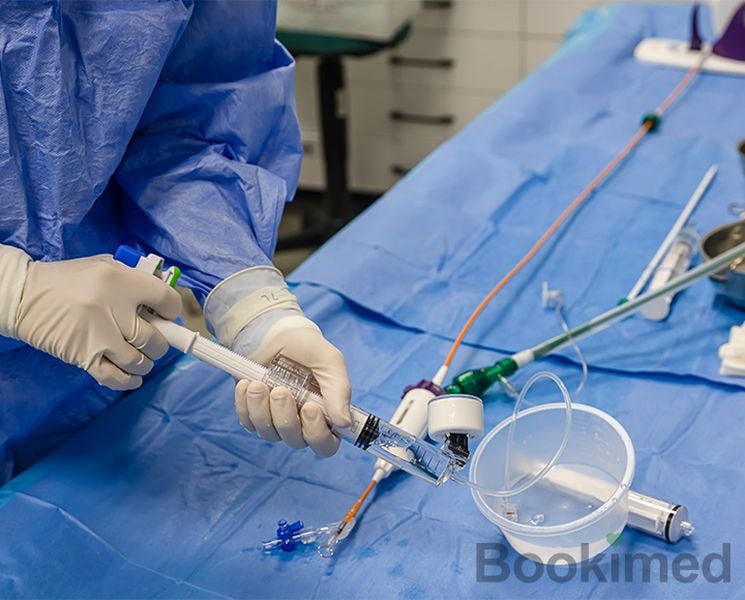
زراعة الصمام الأبهري عبر القسطرة (TAVI)
إجراء جراحي طفيف التوغل لاستبدال الصمام الأبهري الضيق الذي يفشل في الفتح بشكل صحيح.
أسئلة متكررة حول زرع الصمام الأبهري عبر القثطار (TAVI) في إيطاليا
من هو المؤهل لإجراء TAVI في إيطاليا؟
في إيطاليا، تركز الأهلية لإجراء TAVI على المرضى الذين يعانون من تضيق الأبهر الشديد المصحوب بأعراض والذين يواجهون مخاطر جراحية عالية. عادة ما يكون المرشحون في سن 75 عاماً أو أكثر. ومع ذلك، تأخذ الفرق السريرية الآن في الاعتبار المرضى الذين تبلغ أعمارهم 70 عاماً اعتماداً على ملفهم الصحي المحدد وملاءمتهم التشريحية.
- معايير العمر: قياسية للمرضى الذين تزيد أعمارهم عن 75 عاماً. تشمل المبادئ التوجيهية الجديدة أولئك الذين تبلغ أعمارهم 70 عاماً فما فوق.
- المخاطر الجراحية: مخصصة بشكل أساسي للمرضى الذين لديهم EuroSCORE II مرتفع أو مخاطر جراحية مفتوحة باهظة.
- الجدوى التشريحية: تتطلب وصولاً وعائياً مناسباً للنهج عبر الفخذ من خلال الساق.
- متوسط العمر المتوقع: يجب أن يكون لدى المرضى ما لا يقل عن عام واحد من العمر المتوقع مع جودة حياة أفضل.
رؤية خبير Bookimed: تدير المراكز الإيطالية مثل مستشفى ماريا سيسيليا أكثر من 15% من جراحات القلب الوطنية. تعطي فرق القلب لديهم الأولوية لـ TAVI للمرضى الذين خضعوا لجراحة مجازة سابقة أو لديهم قدرة محدودة على الحركة. يقود جراحون متخصصون مثل الدكتور فاوستو كاستريوتا تجارب سريرية لتوسيع الأهلية بأمان. يضمن هذا الحجم الكبير نتائج أفضل للحالات المعقدة ذات المخاطر المتوسطة.
إجماع المرضى: غالباً ما يحصل المرضى المعرضون لمخاطر عالية والذين تزيد أعمارهم عن 80 عاماً على الموافقة بسرعة في النظام العام. غالباً ما يسعى المرشحون الأصغر سناً أو أولئك الذين خضعوا لجراحات سابقة للحصول على آراء ثانية في المستشفيات ال
ما هو معدل نجاح إجراء TAVI في إيطاليا؟
يحافظ إجراء TAVI في إيطاليا على معدل نجاح إجرائي يتراوح بين 93.5% و95%. ويصل المرضى ذوو المخاطر المنخفضة تحديداً إلى مستويات فعالية تبلغ 95%. يُعد هذا الإجراء طفيف التوغل معياراً عالياً في 97 مختبر قسطرة متخصصاً، حيث يُستخدم الوصول الفخذي في 90% من الحالات الإيطالية لضمان أفضل النتائج.
- البقاء على قيد الحياة على المدى القصير: يظل معدل الوفيات لجميع الأسباب خلال 30 يوماً منخفضاً عند حوالي 2.0%.
- طريقة الوصول: ترتبط المداخل الفخذية بنجاح أعلى ومعدل وفيات أقل بكثير خلال 30 يوماً.
- القادة الإقليميون: تُظهر المراكز ذات الحجم الكبير في لومبارديا وتوسكانا وفينيتو النتائج الأكثر اتساقاً.
- معايير السلامة: تؤكد بيانات السجل الحديثة أن معدل الوفيات داخل المستشفى غالباً ما يظل أقل من 2%.
رؤية خبير Bookimed: تُظهر المراكز الإيطالية مثل مستشفى ماريا سيسيليا خبرة فائقة من خلال التعامل مع أكثر من 15% من إجمالي جراحات القلب في البلاد. غالباً ما تشرك العيادات المتخصصة باحثين رئيسيين مثل الدكتور فاوستو كاستريوتا، الذي يركز على حماية الدماغ أثناء إجراء TAVI. إن اختيار منشأة ذات حجم كبير ومعتمدة من JCI أو IRCCS يضمن دعم الإجراء بأبحاث نشطة وبروتوكولات حماية متقدمة.
إجماع المرضى: يبلغ معظم المرضى عن العودة إلى النشاط الطبيعي في غضون أسابيع، على الرغم من أن الكثيرين يؤكدون على السؤال عن حجم الصمام مسبقاً لتجنب التعب الناتج عن التسريبات حول الصمام. ويسلط آخرون الضوء على أهمية فحوصات الصدى للمتابعة بعد شهر واحد لمراقبة أي تسريبات دقيقة.
ما هي المخاطر الشائعة لعملية TAVI في إيطاليا؟
تشمل المخاطر الشائعة لعملية TAVI في إيطاليا اضطرابات التوصيل التي تتطلب أجهزة تنظيم ضربات القلب الدائمة في 13% إلى 23% من الحالات، والمضاعفات الوعائية لدى 13% من المرضى. تقوم فرق القلب المتخصصة في المرافق المعتمدة من JCI بمراقبة التسرب حول الصمام، والسكتة الدماغية، والنزيف الحاد لضمان معدلات نجاح تقنية عالية.
- مشاكل التوصيل: تتطلب حوالي 13% إلى 23% من الحالات زرع جهاز تنظيم ضربات القلب الدائم.
- الأحداث الوعائية: تحدث مضاعفات وعائية لدى 13% من المرضى، منها 5% تعتبر رئيسية.
- السلامة العصبية: يتم الإبلاغ عن السكتة الدماغية أو النوبات الإقفارية العابرة في حوالي 3% من الحالات.
- التسرب حول الصمام: يحدث تسرب كبير حول الصمام الجديد لدى حوالي 4% من المرضى.
رؤية خبراء Bookimed: تدير مراكز القلب الإيطالية مثل مستشفى ماريا سيسيليا أكثر من 15% من جراحات القلب في البلاد. يسمح هذا الحجم الكبير لفرق القلب متعددة التخصصات بتحسين اختيار المرضى. تظهر البيانات أن مخاطر الوفاة على المدى المتوسط غالباً ما ترتبط بحالات موجودة مسبقاً وليس بالإجراء نفسه. اختيار مرفق IRCCS المعتمد للأبحاث يضمن الوصول إلى أحدث بروتوكولات متانة الصمامات.
إجماع المرضى: غالباً ما يؤكد المرضى على الارتياح الناتج عن الخضوع لإجراء طفيف التوغل بدلاً من جراحة القلب المفتوح. يذكر الكثيرون أن مساعدات الحركة المتخصصة وإعادة التأهيل المبكر تساعدهم على استعادة استقلاليتهم خلال الشهر الأول.
كم تستغرق فترة التعافي بعد إجراء TAVI في إيطاليا؟
يسمح التعافي بعد إجراء TAVI في إيطاليا عادةً بالخروج من المستشفى في غضون يوم إلى 3 أيام. يعود معظم المرضى إلى الأنشطة الخفيفة في غضون أسبوعين بعد هذا الإجراء القلبي طفيف التوغل. يحدث التعافي الكامل عادةً في غضون 4 إلى 6 أسابيع مع استقرار مستويات الطاقة والتئام مواقع القسطرة.
- الإقامة في المستشفى: يظل المرضى تحت المراقبة لمدة يوم إلى 3 أيام قبل الخروج المعتاد إلى المنزل.
- النشاط الفوري: يمكن البدء بالمشي في اليوم الأول للمساعدة في الدورة الدموية وتسريع التعافي.
- الروتين اليومي: الأنشطة الخفيفة والعمل المكتبي آمنة عادةً في غضون أسبوع إلى أسبوعين.
- الشفاء التام: يستغرق الاستقرار الكامل والعودة إلى الأنشطة الشاقة من 4 إلى 6 أسابيع.
رؤية خبير Bookimed: تتعامل المراكز الإيطالية مثل مستشفى ماريا سيسيليا مع أكثر من 15% من جراحات القلب في البلاد. يؤدي هذا الحجم الكبير غالبًا إلى تعافي أسرع بسبب التمريض المتخصص بعد الجراحة. تتضمن بعض العيادات تقنية حماية الدماغ أثناء إجراء TAVI، والتي يمكن أن تساعد في تقليل التعب العصبي خلال أسبوعك الأول في المنزل.
إجماع المرضى: أفاد العديد من المرضى بالمشي في نفس يوم الإجراء. على الرغم من أن كدمات الفخذ شائعة، فإن العودة السريعة إلى المهام الخفيفة في غضون أسبوع تعد مصدر ارتياح كبير.
أين توجد أفضل المراكز لإجراء عملية TAVI في إيطاليا؟
تتركز المراكز الإيطالية الرائدة لإجراء عملية TAVI في ميلانو وروما وبولونيا، وتتميز بمرافق معتمدة من قبل JCI وأحجام إجراءات عالية. تقوم المراكز الرئيسية مثل مستشفى سان رافاييل ومستشفى ماريا سيسيليا بنسبة عالية من جراحات القلب في إيطاليا، باستخدام فرق قلب متخصصة وتقنية TAVR محمية متقدمة.
- أعلى حجم لجراحات القلب: يتعامل مستشفى ماريا سيسيليا مع أكثر من 15% من جميع جراحات القلب الإيطالية سنويًا.
- الريادة المتخصصة في TAVI: يقود الدكتور فاوستو كاستريوتا دراسات TAVR مع حماية الدماغ في مستشفى ماريا سيسيليا.
- التميز الأكاديمي: يحمل مستشفى IRCCS Ospedale Galeazzi - Sant'Ambrogio في ميلانو اعتمادًا مرموقًا من وزارة الصحة الإيطالية.
- مركز جنوب إيطاليا: يقدم مستشفى سانتا ماريا في باري جراحة صمام طفيفة التوغل تحت إشراف البروفيسور جوزيبي سبيزيالي.
رؤية خبراء Bookimed: بينما تحظى ميلانو وروما بشعبية كبيرة، يبرز مستشفى ماريا سيسيليا في بولونيا بفضل السلامة المتخصصة. إنه موقع أوروبي رئيسي لأبحاث TAVR المحمية باستخدام أجهزة حماية الدماغ. هذا التركيز على منع السكتة الدماغية أثناء الإجراء يجعله خيارًا متفوقًا للمرضى المعرضين لمخاطر عالية والذين يبحثون عن أقصى درجات الأمان.
إجماع المرضى: يعطي المرضى الأولوية للمراكز ذات الحجم الكبير التي تجري أكثر من 100 إجراء سنويًا لضمان متانة أفضل للصمام. يختار الكثيرون المسارات الخاصة في ميلانو أو روما لتجنب قوائم الانتظار العامة الطويلة للجراحة.
ما مدى شيوع إجراء TAVI في إيطاليا؟
تعد إيطاليا مركزاً رئيسياً لزراعة الصمام الأبهري عبر القسطرة (TAVI)، حيث تجري ما يقرب من 19,000 إجراء سنوياً عبر 97 مركزاً متخصصاً. وتحتل البلاد المرتبة الثانية في أوروبا من حيث الحجم، حيث تتعامل مع 15% من عمليات الزرع الإقليمية، مع تركيزات عالية من الخبرة في لومبارديا وفينيتو وبيدمونت.
- الحجم الوطني: سجلت إيطاليا 18,773 إجراءً لصمام القلب عبر القسطرة سنوياً اعتباراً من عام 2022.
- البنية التحتية السريرية: توفر ما لا يقل عن 97 مختبر قسطرة خدمات TAVI في جميع أنحاء الأراضي الإيطالية.
- القادة الإقليميون: تتصدر لومبارديا بـ 144 إجراءً لكل مليون نسمة في مراكز الشمال ذات الحجم الكبير.
- الحصة الجراحية: يتعامل مستشفى ماريا سيسيليا وحده مع أكثر من 15% من جميع جراحات القلب في إيطاليا.
رؤية خبير Bookimed: في حين أن شمال إيطاليا لديه أعلى حجم، يجب على المرضى البحث عن مراكز تستخدم نهج "فريق القلب". يستخدم مستشفى ماريا سيسيليا هذه الطريقة متعددة التخصصات ويشارك في دراسات TAVR المحمية. يشير هذا التركيز على حماية الدماغ أثناء نشر الصمام إلى مستوى أعلى من الرعاية المتخصصة مقارنة بالمراكز القياسية.
ما هو مسار الوصول القياسي لعملية TAVI في إيطاليا؟
مسار الوصول القياسي لعملية TAVI في إيطاليا هو النهج عبر الفخذ، والذي يُستخدم في حوالي 90% من الحالات على الصعيد الوطني. تتضمن هذه التقنية طفيفة التوغل إدخال الصمام البديل عبر الشريان الفخذي في الأربية، وعادة ما يتم إجراؤها تحت التخدير الموضعي أو التخدير الواعي.
- المعيار الذهبي: يُفضل الوصول عبر الفخذ لطبيعته طفيفة التوغل وسرعة التعافي.
- معدل النجاح: تحقق المراكز الإيطالية ذات الحجم الكبير نجاحاً يزيد عن 95% باستخدام نهج عبر الفخذ.
- الإقامة في المستشفى: عادة ما يتم خروج المرضى في غضون يومين إلى 3 أيام بعد إجراء TAVI عبر الفخذ.
- مسارات بديلة: يستخدم الجراحون الوصول تحت الترقوة أو الأبهري المباشر إذا كانت الأوعية الفخذية متكلسة.
رؤية خبير Bookimed: تتعامل المراكز الإيطالية مثل مستشفى ماريا سيسيليا مع أكثر من 15% من جراحات القلب الوطنية، مما يركز الخبرة في الحالات المعقدة. يركز الجراحون الرائدون مثل الدكتور فاوستو كاستريوتا على دراسات الحماية لتقليل مضاعفات الدماغ أثناء TAVI. اختيار هذه المرافق ذات الحجم الكبير يضمن غالباً الوصول إلى تقنيات متطورة مثل البزل الموجه بالموجات فوق الصوتية، مما يمنع إصابات الأوعية الدموية في الشرايين المتكلسة.
إجماع المرضى: يتوقع معظم المرضى خروجاً سريعاً خلال 3 أيام ولكن يجب أن يستعدوا لألم محتمل في الكتف إذا تم استخدام مسار تحت الترقوة كبديل. تعتبر فحوصات الأشعة المقطعية الشاملة قبل الجراحة حيوية لضمان قدرة الشرايين الفخذية على استيعاب قسطرة التوصيل بأمان.