طعم عظم اصطناعي في إسبانيا — احصل على 3 عيادات مطابقة مع التكاليف


تمت مراجعة المقالة طبيا من قبل
فهد مولود
ما هي تكلفة طعم عظم اصطناعي في إسبانيا؟ اكتشف الآن
| إسبانيا | تركيا | تايلاند | |
|---|---|---|---|
| طعم عظم اصطناعي | ≈ $350 | ≈ $220 | من $200 |
مزاياك وضماناتك مع Bookimed
أسعار مباشرة
Bookimed لا يضيف رسوماً إضافية على أسعار طعم عظم اصطناعي. الأسعار مأخوذة من قوائم الأسعار الرسمية للعيادات. تدفع مباشرة في العيادة مقابل طعم عظم اصطناعي عند وصولك.
عيادات وأطباء معتمدون فقط
Bookimed ملتزم بسلامتك. نحن نعمل فقط مع المؤسسات الطبية التي تحافظ على معايير دولية عالية في طعم عظم اصطناعي ولديها التراخيص اللازمة لخدمة المرضى الدوليين في جميع أنحاء العالم.
مساعدة مجانية على مدار الساعة
Bookimed يقدم مساعدة خبراء مجانية. منسق طبي شخصي يدعمك قبل وأثناء وبعد العلاج، ويحل أي مشاكل. لن تكون وحيداً أبداً في رحلة طعم عظم اصطناعي.

منسقك الطبي الشخصي في Bookimed
- يدعمك في كل مرحلة
- المساعدة في اختيار العيادة الطبية المناسبة والطبيب المناسب
- يضمن الوصول السريع والمريح إلى المعلومات
اكتشف أفضل طعم عظم اصطناعي العيادات في إسبانيا: 1 خيار معتمدة والأسعار
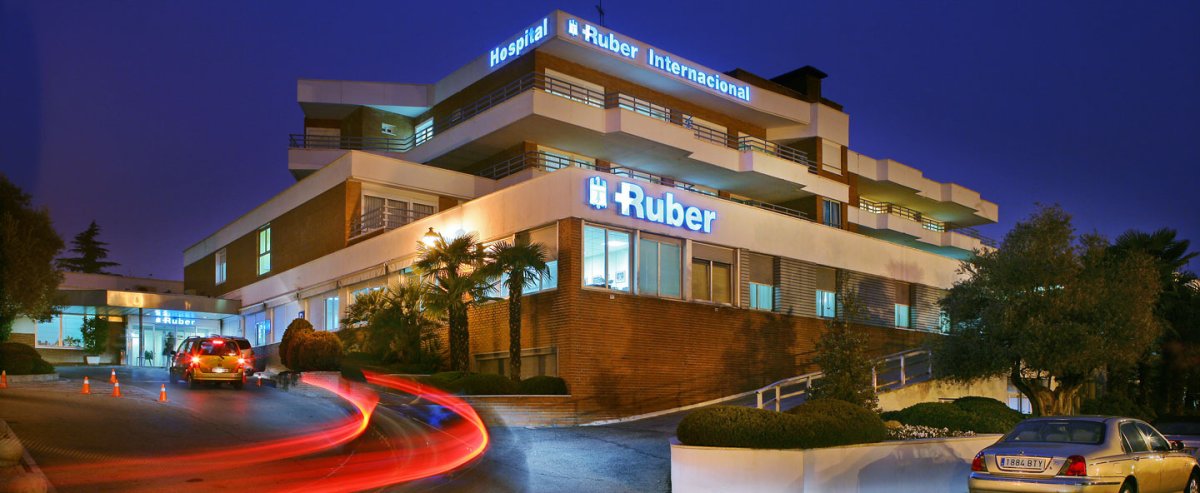


نظرة عامة على طعم عظم اصطناعي في إسبانيا
- تقويم العظام - من $450
يقوم هذا العلاج بإعادة تشكيل العظام أو إصلاحها ، بما في ذلك الهندسة الجراحية. يوفر حركة معززة وتسكين الآلام.
- تطعيم عظمي - من $300
يستبدل هذا العلاج العظام المفقودة أو يصلحها ، باستخدام مواد طبيعية أو اصطناعية ، مما يعزز الشفاء والقوة.
- طعم عظم ذاتي - من $840
يستخدم هذا العلاج عظام المريض لإصلاح أو إعادة بناء أو استبدال أنسجة العظام التالفة أو المفقودة.
- طعم عظم مزروع - من $750
يقوم هذا الإجراء بزراعة أنسجة العظام لإصلاح وإعادة بناء العظام المريضة أو التالفة.
- طعم عظم محلول - من $450
يحفز الإجراء نمو العظام باستخدام محلول قائم على البروتين ، مما يساعد في عملية الشفاء بعد العمليات الجراحية للهيكل العظمي.
- طعم عظم طبقي - من $2,500
يقوم هذا العلاج بزرع العظام لتعزيز الشفاء والاستقرار والدعم حيث يحدث فقدان العظام أو في الكسور.
- طعم عظم ترقيعي - من $280
يتضمن الإجراء استخدام قطع صغيرة من العظام للمساعدة في تجديد المناطق المتضررة ، وتعزيز الشفاء بشكل أسرع وأكثر فعالية.
- طعم عظم اصطناعي - من $350
يعيد هذا العلاج تكوين العظام التالفة باستخدام بدائل نمت في المختبر ، مما يساعد على نمو العظام الطبيعي والشفاء السريع والفعال.
اليوم الأول - الوصول
- قم بالوصول إلى البلاد وانتقل إلى فندق 4 نجوم.
- استرح واضبط المنطقة الزمنية الجديدة.
اليوم 2 - ما قبل العملية
- التشاور مع جراح العظام وطبيب التخدير.
- إجراء الفحوصات الطبية اللازمة مثل فحوصات الدم والأشعة السينية.
- ناقش الإجراء والمخاطر والفوائد مع الجراح.
اليوم الثالث - ترقيع العظام الاصطناعية
- اخضع للجراحة تحت تأثير التخدير العام.
- يستغرق الإجراء 2-3 ساعات ليكتمل.
- يستخدم الجراح طعمًا عظميًا اصطناعيًا لإصلاح عيب العظام.
اليوم 4 - بعد العملية
- البقاء في العيادة للمراقبة وإدارة الألم.
- ابدأ تمارين علاج طبيعي لطيفة تحت إشراف أخصائي العلاج الطبيعي.
الأسبوع الأول - إعادة التأهيل
- استمر في تمارين العلاج الطبيعي في الفندق.
- استشارة متابعة مع الجراح.
الأسبوع 2 - العودة إلى المنزل
- التشاور النهائي مع الجراح قبل المغادرة.
- سافر إلى المنزل واستمر في العلاج الطبيعي.
الأسبوع السادس - العودة إلى العمل
- استئناف الأعمال الخفيفة في العمل.
الأسبوع الثاني عشر - العودة إلى الرياضة
- العودة تدريجيًا إلى الأنشطة الرياضية المنتظمة.
يرجى ملاحظة أن الجدول الزمني للتعافي لكل مريض قد يختلف بناءً على عوامل فردية مثل الصحة العامة والعمر ومدى تعقيد الجراحة.
- إيداع Bookimed: 200 دولار أو 200 يورو.
- وديعة العيادة: ادفع نسبة محددة مقدمًا.
قصص فيديو من مرضى Bookimed
المراجعات
جميع المراجعاتمشاركة المحتوى
 Anna Leonova
أسئلة متكررة حول طعم عظم اصطناعي في إسبانيا
ما هو الطعم العظمي الصناعي؟
الطُعوم العظمية الصناعية هي مواد اصطناعية متوافقة حيوياً تُستخدم لإصلاح العيوب وتحفيز نمو العظام الطبيعي. تعمل هذه البدائل المصنعة، بما في ذلك السيراميك القائم على الكالسيوم والزجاج النشط حيوياً، كسقالة هيكلية. وهي قابلة للامتصاص بالكامل، وتتحول في النهاية إلى عظم طبيعي في غضون 6 أشهر.
- تركيب المادة: تستخدم الطعوم الحديثة السيراميك القائم على الكالسيوم، أو البوليمرات الحيوية، أو الزجاج الصناعي.
- الوظيفة البيولوجية: توفر سقالة هيكلية لنشاط الخلايا المكونة للعظم والتجديد.
- ملف السلامة: تقضي المواد الصناعية على مخاطر انتقال الأمراض وردود فعل الجهاز المناعي.
- التطبيق السريري: يستخدمها الجراحون لمواقع خلع الأسنان والإصلاحات العظمية.
رؤية خبير Bookimed: تحافظ المراكز المعتمدة من قبل JCI مثل مستشفى روبير الدولي (Hospital Ruber Internacional) في مدريد على معايير سلامة عالية. تظهر البيانات أن العيادات غالباً ما تعتمد على عظام الحيوانات أو المتبرعين البشر. يجب عليك طلب الخيارات الصناعية صراحةً إذا كنت تفضل المواد غير العضوية. يقدم المتخصصون الإسبان هذه الخيارات عادةً عندما يعطي المرضى الأولوية لتجنب الطعوم البيولوجية.
إجماع المرضى: يقترح العديد من المرضى التحقق من نماذج الموافقة للتحقق من مصدر الطعم. ويلاحظون أن الطعوم الصناعية غالباً ما يتم طلبها لتجنب المواد المشتقة من الحيوانات.
ما الفرق بين الطعوم العظمية الاصطناعية والطبيعية؟
تأتي الطعوم العظمية الطبيعية من مصادر بيولوجية وتوفر تجدداً فائقاً عبر عوامل نمو نشطة. أما الطعوم الاصطناعية فهي مواد سيراميكية أو فوسفات الكالسيوم المصنعة في المختبر. في حين أن الطعوم الطبيعية تندمج بشكل أسرع، توفر الخيارات الاصطناعية إمداداً ثابتاً دون خطر انتقال الأمراض أو مخاوف أخلاقية.
- الأصول الطبيعية: مشتقة من المريض نفسه، أو متبرعين بشريين، أو أنسجة حيوانية مثل أنسجة الأبقار.
- المواد الاصطناعية: مركبات غير عضوية مصنعة مثل هيدروكسيباتيت أو فوسفات ثلاثي الكالسيوم لضمان قابلية التكرار العالية.
- آليات الشفاء: تحفز الطعوم الطبيعية نمو عظام جديدة؛ بينما توفر الاصطناعية بشكل أساسي سقالة مسامية.
- الجدول الزمني للاندماج: تتطلب جميع الأنواع من 4 إلى 6 أشهر من الشفاء قبل وضع زراعات الأسنان.
رؤية خبراء Bookimed: تستخدم المرافق عالية المستوى في إسبانيا مثل مستشفى روبير الدولي (Hospital Ruber Internacional) بروتوكولات معتمدة من اللجنة الدولية المشتركة (JCI) لاختيار الطعوم. تظهر بياناتنا أن المرضى يختارون بشكل متزايد الطعوم الاصطناعية لتجنب مواقع الجراحة الثانوية. يقوم العديد من المتخصصين في مدريد الآن بدمجها مع البلازما الغنية بالصفائح الدموية (PRP) لسد فجوة الشفاء بين المواد الاصطناعية والطبيعية.
إجماع المرضى: غالباً ما يقلق المرضى بشأن مصدر الأنسجة المانحة والشفافية الأخلاقية. يفضل معظمهم الطعوم الاصطناعية لأنها توفر تعافياً أبسط دون ألم موقع الحصاد الثاني.
ما هي أنواع المواد الاصطناعية المستخدمة في إسبانيا؟
تتكون الطعوم العظمية الاصطناعية ذات الدرجة الطبية في إسبانيا عادةً من السيراميك الحيوي مثل فوسفات الكالسيوم، أو هيدروكسيباتيت، أو الزجاج النشط بيولوجيًا. تعمل هذه المواد المتوافقة حيويًا كدعامات موصلة للعظم. وهي تسمح للعظم الطبيعي بالتجدد واستبدال الطعم في النهاية خلال 6 أشهر أثناء الإجراءات العظمية أو السنية.
- تركيب المادة: تستخدم معظم الطعوم الاصطناعية سيراميك قائم على الكالسيوم لمحاكاة المكونات المعدنية الطبيعية.
- التطبيق السريري: يستخدم الجراحون هذه المواد في مراكز معتمدة من JCI مثل مستشفى روبر الدولي (Hospital Ruber Internacional).
- عملية التجديد: توفر الدعامات الاصطناعية دعمًا هيكليًا بينما تنمو أنسجة العظام الأصلية ببطء.
- معايير السلامة: تلتزم العيادات المحلية بمعايير ISO لضمان جودة عالية ومواد طعم معقمة.
رؤية خبير Bookimed: على الرغم من تزايد شعبية المواد الاصطناعية، غالبًا ما تعطي مراكز العظام الإسبانية ذات الحجم الكبير الأولوية للطعوم المغايرة أو الطعوم الخيفية. غالبًا ما يتم تفضيل هذه المواد البيولوجية المعالجة على الخيارات الاصطناعية البحتة لأنها توفر إشارات بيولوجية متفوقة لشفاء العظام. إذا كنت تفضل خيارًا اصطناعيًا غير حيواني، فيجب عليك طلبه تحديدًا أثناء استشارتك الأولية.
إجماع المرضى: يؤكد المرضى على ضرورة التأكد من أصول الطعم مسبقًا. يوصي الكثيرون بالتحقق المزدوج من أن نوع المادة المحدد مدرج بوضوح في جميع نماذج الموافقة الطبية.
ما هي التطبيقات الشائعة لترقيع العظام الصناعي في إسبانيا؟
تُستخدم ترقيعات العظام الصناعية في إسبانيا بشكل أساسي في زراعة الأسنان وإعادة البناء العظمي. تشمل حالات الاستخدام رفع الجيوب الأنفية، والحفاظ على الحافة السنخية، ودمج الفقرات، وملء فجوات العظام الناتجة عن الصدمات. توفر هذه المواد المتوافقة حيوياً، مثل هيدروكسيباتيت وفوسفات الكالسيوم، دعماً هيكلياً مع تعزيز نمو العظام الطبيعي.
- ترميم الأسنان: يستخدم الجراحون جزيئات صناعية لإعادة بناء عظم الفك بعد خلع الأسنان.
- رفع الجيوب الأنفية: ترفع المواد قاع الجيب الأنفي لإنشاء أساس مستقر لزراعة الأسنان.
- دمج الفقرات: تعمل الحشوات أو الأقفاص الصناعية على تثبيت الفقرات لدى المرضى الذين يعانون من اضطرابات العمود الفقري التنكسية.
- جراحة العظام: تعمل الحشوات القابلة للامتصاص على إصلاح الكسور المعقدة وعيوب العظام في المفاصل الرئيسية.
رؤية خبير Bookimed: تجمع المرافق الإسبانية الرائدة مثل مستشفى روبر الدولي (Hospital Ruber Internacional) بين الطعوم الصناعية وتصوير الرنين المغناطيسي المتقدم بقوة 3 تسلا. تسمح هذه الدقة للجراحين بتخطيط عيوب العظام بدقة متناهية قبل الجراحة. يضمن استخدام معايير JCI أن المواد الصناعية تلبي أعلى متطلبات التوافق الحيوي والسلامة.
إجماع المرضى: غالباً ما يعطي المرضى الأولوية لخيارات الطعوم القابلة للامتصاص لتجنب وجود مواد غريبة دائمة في أجسامهم. وهم يقدرون أن الحشوات الصناعية تلغي الحاجة إلى موقع جراحي ثانٍ لحصاد العظام.
لماذا تختار إسبانيا لإجراءات ترقيع العظام؟
تعد إسبانيا وجهة رائدة لترقيع العظام بفضل خبرتها الطبية عالية الجودة ولوائح الرعاية الصحية الصارمة في الاتحاد الأوروبي. يستفيد المرضى من التقنيات الحديثة مثل التصوير ثلاثي الأبعاد في مرافق عالمية المستوى في مدريد وبرشلونة.
- معايير الجودة: تلتزم المرافق بلوائح الاتحاد الأوروبي الصارمة التي تضمن مواد ترقيع اصطناعية آمنة.
- أخصائيون خبراء: يتم إجراء العمليات من قبل أخصائيي لثة معتمدين ومدربين على تقنيات متقدمة لزيادة حجم العظم.
- تصنيفات المستشفيات: تحظى المراكز الرائدة مثل مستشفى روبير الدولي (Hospital Ruber Internacional) باعتراف عالمي بتميزها في جراحة العظام.
- الجدول الزمني للشفاء: يحتاج معظم المرضى إلى 3 أشهر حتى تتصلب المادة الاصطناعية المزروعة بالكامل.
رؤية خبير Bookimed: بينما تخدم عيادات مثل مستشفى روبير الدولي 25,000 مريض سنوياً، لا يدرك الكثيرون أن أفضل مستشفيات إسبانيا غالباً ما تقدم اعتماداً أعلى من عيادات الأسنان المحلية. اختيار مستشفى متعدد التخصصات معتمد من اللجنة الدولية المشتركة (JCI) لترقيع العظام يضمن الوصول إلى تقنيات تصوير معقدة مثل التصوير بالرنين المغناطيسي 3-تسلا، والتي غالباً ما تكون غير متوفرة في العيادات العادية.
إجماع المرضى: يجد الكثيرون في إسبانيا بديلاً موثوقاً في الاتحاد الأوروبي حيث تبدو الرعاية عالية الجودة في متناول اليد. ويؤكدون أن اختيار أخصائي مثل أخصائي الل