عيادة الأسنان Clínica Dental Raíces
إسبانيا, تنريفي


تمت مراجعة المقالة طبيا من قبل
فهد مولود
من $840. يمكن أن تختلف الأسعار حسب العيادة، خبرة الجراح، تعقيد الزراعة، وموقع العظم المعني.
عادةً ما تشمل العيادات الإسبانية الاستشارة الأولية، اختبارات الدم قبل العملية، الأدوية بعد العملية، زيارات المتابعة، وخطط رعاية شخصية. وجود طاقم يتحدث الإنجليزية ودعم المرضى على مدار الساعة هو أمر معتاد. في ألمانيا، غالبًا ما يتم احتساب هذه الخدمات – خاصة الأدوية والمتابعات – بشكل منفصل. يجب دائمًا التأكد مما هو مشمول في العيادة المختارة.
| إسبانيا | تركيا | تايلاند | |
|---|---|---|---|
| طعم عظم ذاتي | من $840 | من $550 | من $300 |
يقوم هذا العلاج بإعادة تشكيل العظام أو إصلاحها ، بما في ذلك الهندسة الجراحية. يوفر حركة معززة وتسكين الآلام.
يستبدل هذا العلاج العظام المفقودة أو يصلحها ، باستخدام مواد طبيعية أو اصطناعية ، مما يعزز الشفاء والقوة.
يستخدم هذا العلاج عظام المريض لإصلاح أو إعادة بناء أو استبدال أنسجة العظام التالفة أو المفقودة.
يقوم هذا الإجراء بزراعة أنسجة العظام لإصلاح وإعادة بناء العظام المريضة أو التالفة.
يحفز الإجراء نمو العظام باستخدام محلول قائم على البروتين ، مما يساعد في عملية الشفاء بعد العمليات الجراحية للهيكل العظمي.
يقوم هذا العلاج بزرع العظام لتعزيز الشفاء والاستقرار والدعم حيث يحدث فقدان العظام أو في الكسور.
يتضمن الإجراء استخدام قطع صغيرة من العظام للمساعدة في تجديد المناطق المتضررة ، وتعزيز الشفاء بشكل أسرع وأكثر فعالية.
يعيد هذا العلاج تكوين العظام التالفة باستخدام بدائل نمت في المختبر ، مما يساعد على نمو العظام الطبيعي والشفاء السريع والفعال.
اليوم الأول - الوصول
اليوم 2 - ما قبل العملية
اليوم الثالث - جراحة ترقيع العظام الذاتية
اليوم 4 - بعد العملية
الأسبوع الأول - إعادة التأهيل
الأسبوع الثاني - إعادة التأهيل
الأسبوع الثالث - إعادة التأهيل
الأسبوع السادس - إعادة التأهيل
يرجى ملاحظة أن حالة كل مريض فريدة من نوعها وقد يختلف الجدول الزمني حسب الحالة الصحية للفرد وسرعة الشفاء.
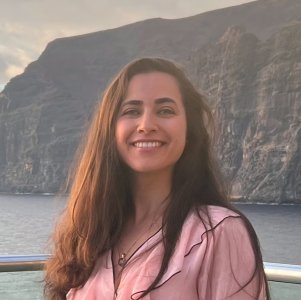
الدكتورة آلاء غزلان طبيبة أسنان بخبرة تزيد على عشر سنوات. عالجت آلاف المرضى في عدة بلدان. حاصلة على تخصص في زراعة الأسنان من جامعة برشلونة، وتواصل تدريبها لتقديم علاجات حديثة.
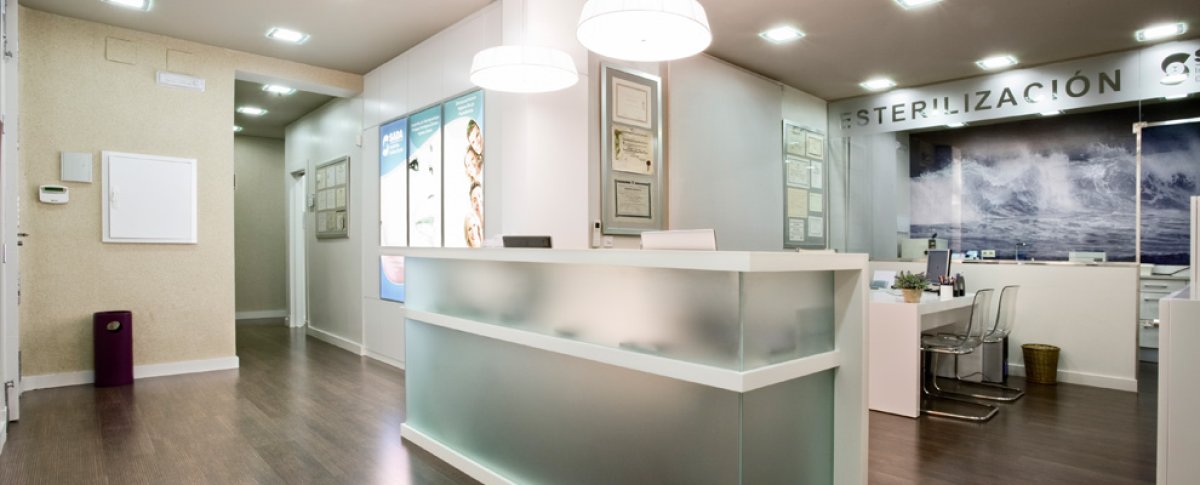
تستخدم عيادتها الأشعة ثنائية وثلاثية الأبعاد وماسح داخل الفم ثلاثي الأبعاد. تُحسّن هذه الأدوات تجربة المريض وتُسهّل سير العمل، كما تُسهم في تقديم الرعاية بسرعة أكبر.
 Anna Leonova
تزيل الطعوم العظمية الذاتية مخاطر الرفض وانتقال الأمراض ولكنها تحمل مخاطر كبيرة تتعلق بمراضة موقع المتبرع. يؤدي حصاد العظام من الورك أو الفك أو الذقن إلى إنشاء جرح جراحي ثانٍ، مما يزيد من فرص الإصابة بالعدوى وتلف الأعصاب وفقدان الإحساس المزمن.
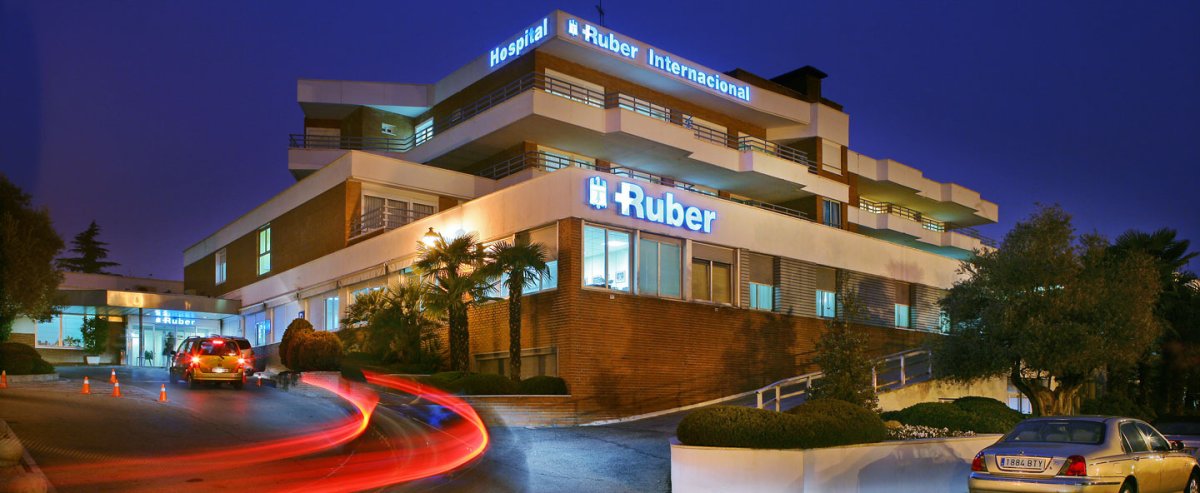
رؤية خبير Bookimed: تجمع المراكز الإسبانية مثل مستشفى روبر الدولي (Hospital Ruber Internacional) بين السلامة المعتمدة من JCI والأشعة ثلاثية الأبعاد المتقدمة. تظهر البيانات أن اختيار حصاد الفك أو الذقن بدلاً من عرف الحرقفة يقلل من ألم التعافي بشكل كبير. يركز الدكتور علاء غزلان في عيادة Clinica Dental Raices على هذه المواقع الموضعية لتقليل العبء الجراحي.
إجماع المرضى: غالبًا ما يسبب موقع المتبرع انزعاجًا أكثر من منطقة الطعم الفعلية. يؤكد العديد من المرضى على مراقبة أعراض العدوى لمدة خمسة أيام بعد العملية لضمان نجاح تصلب العظام على المدى الطويل.
الطعم العظمي الذاتي هو إجراء جراحي يتم فيه أخذ عظم من جسم المريض نفسه لإصلاح أو تعزيز موقع آخر. ولأنه يحتوي على عناصر خلوية حية وعوامل نمو، فإن هذه الطريقة التي تعتبر المعيار الذهبي توفر توافقاً مناعياً بنسبة 100% وتلغي خطر رفض الأنسجة.
رؤية خبراء Bookimed: تستخدم العيادات الإسبانية المتقدمة مثل Hospital Ruber Internacional تقنيات التصوير بالرنين المغناطيسي 3T والأشعة ثلاثية الأبعاد لتحديد مواقع التبرع بدقة متناهية. غالباً ما يفضل المرضى عيادات تينيريفي مثل Clinica Dental Raices لتجديد العظام المتخصص. هذا النهج عالي التقنية يقلل بشكل كبير من صدمة الحصاد مقارنة بالطرق اليدوية التقليدية.
إجماع المرضى: على الرغم من أن أخذ عظمك الخاص قد يسبب انزعاجاً أولياً أكثر من البدائل الاصطناعية، إلا أن المرضى يعتبرونه الخيار الأفضل للسلامة على المدى الطويل. يوصي معظمهم بتفريغ جدولك الزمني للأسبوع الأول لإدارة مرحلة التعافي النشطة.
تكون زراعة العظام الذاتية ضرورية عندما يفتقر المريض إلى حجم كافٍ من عظم الفك لتثبيت غرسات الأسنان بشكل مستقر. تستخدم هذه التقنية عظم المريض نفسه، الذي يتم حصاده من الفك أو الذقن أو الورك، لضمان توافق حيوي بنسبة 100% وتحفيز تجدد العظام الطبيعي من خلال الخلايا الحية.
رؤية خبير Bookimed: على الرغم من أن الطعوم الذاتية توفر أعلى معدلات نجاح، إلا أن العديد من العيادات الإسبانية تستخدم الآن الأشعة ثلاثية الأبعاد لتقليل صدمة موقع الحصاد. في عيادة Clinica Dental Raices في تينيريفي، يستخدم الدكتور علاء غزلان ماسحات ضوئية ثلاثية الأبعاد لتحديد كمية العظام المطلوبة بدقة، مما يقلل غالباً من حجم الجراحة مقارنة بالطرق التقليدية.
إجماع المرضى: يوصي المرضى بطلب فحوصات ثلاثية الأبعاد لتأكيد وجود نقص حقيقي في العظام قبل الإجراء. يقترح الكثيرون السؤال عن البدائل الاصطناعية لتجنب الانزعاج الناتج عن موقع جراحي ثانٍ للحصاد.
لإجراء طعم عظمي ذاتي في إسبانيا، يقوم الجراحون عادةً بأخذ العظم من العرف الحرقفي (عظم الورك). يُعد هذا الموقع هو المعيار الذهبي لأنه يوفر أكبر حجم من نخاع العظم والخلايا الحية. تشمل مواقع التبرع الأخرى عظمة الساق أو الأضلاع.
رؤية خبير Bookimed: تجمع المراكز الإسبانية مثل مستشفى روبر الدولي (Hospital Ruber Internacional) بين التصوير المتقدم وعمليات الحصاد. غالبًا ما تستخدم المرافق المعتمدة من قبل اللجنة الدولية المشتركة (JCI) الأشعة ثلاثية الأبعاد لتحديد مواقع التبرع بدقة. يساعد هذا الجراحين على تقليل حجم الشق ويقلل من الانزعاج بعد الجراحة في موقع الحصاد. اختيار مستشفى ذو حجم كبير يضمن أن الفريق الجراحي لديه خبرة واسعة في هذه الاستخراجات الدقيقة.
إجماع المرضى: توقع بعض الانزعاج المؤقت في موقع حصاد الورك. يجد معظم المرضى أن الشقوق الصغيرة أو الثقوب تلتئم بسرعة مع الرعاية المناسبة بعد الجراحة.
يستغرق التعافي الأولي من تطعيم العظام الذاتي في إسبانيا من أسبوع إلى أسبوعين لالتئام الجروح الجراحية. يتطلب الاندماج الكامل لأنسجة العظام المزروعة والتعافي الوظيفي التام عمومًا ما بين 6 أشهر وسنة ونصف لمعظم المرضى.
رؤية خبير Bookimed: غالبًا ما تتماشى مؤشرات الجودة في إسبانيا مع تكنولوجيا التشخيص المتقدمة بدلاً من حجم المستشفى. تستخدم مراكز مثل Clinica Dental Raices الأشعة ثلاثية الأبعاد والماسحات الضوئية داخل الفم لتحديد كثافة العظام بدقة. تساعد هذه الدقة الجراحين على التنبؤ بمعدلات اندماج الطعم بشكل أكثر موثوقية خلال مرحلة التعافي الأولية التي تستغرق أسبوعين.
إجماع المرضى: يبلغ العديد من المرضى عن شعور بألم خفيف لمدة 14 يومًا ويؤكدون على اتباع قواعد صارمة لتحمل الوزن. تعد الجداول الزمنية الواضحة للعلاج الطبيعي والتصوير المتابعة ضرورية لإدارة التوقعات خلال فترة الاندماج الطويلة.
يوفر اختيار إسبانيا لإجراء تطعيم العظام الذاتي إمكانية الوصول إلى مستشفيات معتمدة من قبل اللجنة الدولية المشتركة (JCI) وجراحين بارعين في تقنيات تجديد العظام المتقدمة.
رؤية خبير Bookimed: تصنف إسبانيا ضمن أفضل 5 وجهات عالمية على Bookimed. تعالج المستشفيات ذات الحجم الكبير مثل مستشفى روبير الدولي 25,000 مريض سنوياً. يشير هذا الحجم إلى أن فرق جراحة العظام الإسبانية تتعامل مع حالات تطعيم العظام النادرة بشكل متكرر أكثر من العيادات الغربية العامة. يجب على المرضى إعطاء الأولوية للمرافق في مدريد أو برشلونة لإعادة البناء الهيكلي المعقد بدلاً من مراكز الأسنان المحلية.
إجماع المرضى: يؤكد المرضى على أهمية اختيار جراحين متخصصين في أجزاء معينة من الجسم، مثل إعادة بناء الكاحل أو القدم. يقترح الكثيرون ال