قلع السن/الجذر الجراحي في إسبانيا — احصل على 3 عيادات مطابقة مع التكاليف


تمت مراجعة المقالة طبيا من قبل
فهد مولود
ما هي تكلفة قلع السن/الجذر الجراحي في إسبانيا؟ اكتشف الآن
تتراوح تكلفة خلع الأسنان أو الجذور الجراحية في إسبانيا عادةً من $130 إلى $260. يمكن أن تختلف الأسعار حسب موقع السن، وتعقيد الخلع (الجذور المنطمرة أو المكسورة)، والعيادة، وخبرة طبيب الأسنان.
عادةً ما تشمل عيادات الأسنان الإسبانية الاستشارة، والتخدير الموضعي، والخلع الجراحي نفسه، والأدوية الأساسية بعد العملية، وزيارة المتابعة. في ألمانيا، غالبًا ما يغطي السعر المعلن الخلع فقط، مع رسوم منفصلة للتخدير، والأشعة السينية، والمتابعة. يجب دائمًا التأكد مع العيادة مما هو مشمول في السعر المقدم.
مزاياك وضماناتك مع Bookimed
أسعار مباشرة
Bookimed لا يضيف رسوماً إضافية على أسعار قلع السن/الجذر الجراحي. الأسعار مأخوذة من قوائم الأسعار الرسمية للعيادات. تدفع مباشرة في العيادة مقابل قلع السن/الجذر الجراحي عند وصولك.
عيادات وأطباء معتمدون فقط
Bookimed ملتزم بسلامتك. نحن نعمل فقط مع المؤسسات الطبية التي تحافظ على معايير دولية عالية في قلع السن/الجذر الجراحي ولديها التراخيص اللازمة لخدمة المرضى الدوليين في جميع أنحاء العالم.
مساعدة مجانية على مدار الساعة
Bookimed يقدم مساعدة خبراء مجانية. منسق طبي شخصي يدعمك قبل وأثناء وبعد العلاج، ويحل أي مشاكل. لن تكون وحيداً أبداً في رحلة قلع السن/الجذر الجراحي.

منسقك الطبي الشخصي في Bookimed
- يدعمك في كل مرحلة
- المساعدة في اختيار العيادة الطبية المناسبة والطبيب المناسب
- يضمن الوصول السريع والمريح إلى المعلومات
اكتشف أفضل قلع السن/الجذر الجراحي العيادات في إسبانيا: 1 خيار معتمدة والأسعار


نظرة عامة على قلع السن/الجذر الجراحي في إسبانيا
- قلع الأسنان - من $95
يزيل هذا الإجراء مشكلة الأسنان ، ويخفف الألم ويمنع المزيد من الضرر بالأسنان ، مع وقت شفاء سريع.
- إزالة الحكمة الأسنان - من $150
يزيل هذا الإجراء مشكلة الأضراس الثالثة ، ويمنع مشاكل الأسنان ، ويتم إجراؤه تحت التخدير الموضعي أو التخدير العام.
- قلع السن/الجذر الجراحي - من $130
يزيل هذا الإجراء الأسنان / الجذور التي بها مشاكل ، بما في ذلك الشقوق وإزالة العظام ، مما يوفر الراحة من الألم والعدوى.
اليوم الأول: الوصول
- الوصول إلى العيادة للاستشارة.
- قابل جراح الفم لمناقشة الإجراء.
اليوم الثاني: ما قبل العملية
- اخضع للفحوصات الطبية اللازمة مثل الأشعة السينية.
- ناقش مع طبيب التخدير خيارات التخدير.
- تلقي تعليمات التحضير للجراحة.
اليوم الثالث: خلع جراحي
- الوصول إلى العيادة بعد الصيام إذا طلب منك ذلك.
- الحصول على تخدير موضعي أو مهدئ عادة.
- اخضع لعملية قلع جراحية ، وعادة ما تستمر من ساعة إلى ساعتين.
- تعافى في العيادة تحت الملاحظة.
اليوم الرابع: ما بعد العملية
- ابق في العيادة إذا لزم الأمر ، عادة لبضع ساعات.
- تلقي تعليمات الرعاية بعد الجراحة.
- اجمع الوصفات الطبية لتسكين الآلام والمضادات الحيوية.
الأسبوع 1-2: إعادة التأهيل
- الراحة والتعافي في المنزل ، وتجنب الأنشطة الشاقة.
- اتبع نظامًا غذائيًا ناعمًا وحافظ على نظافة الفم.
- احضر موعدًا للمتابعة للتحقق من عملية الشفاء.
الأسبوع 3-4: العودة إلى الأنشطة العادية
- استأنف الأنشطة الخفيفة والعمل ، إذا كان ذلك مريحًا.
- العودة تدريجيًا إلى نظام غذائي منتظم.
الأسبوع الخامس: النتيجة النهائية
- يجب أن يكون الشفاء كاملاً ، مع القليل من الانزعاج أو عدم الراحة.
- العودة إلى جميع الأنشطة العادية ، بما في ذلك الرياضة.
يرجى ملاحظة أن التجارب الفردية قد تختلف بناءً على الصحة العامة ، وتعقيد الاستخراج ، وقدرات الشفاء الشخصية.
- إيداع Bookimed: 200 دولار أو 200 يورو.
- وديعة العيادة: ادفع نسبة محددة مقدمًا.
احصل على تقييم طبي لـ قلع السن/الجذر الجراحي في إسبانيا: اختر أخصائيك من بين الأفضل في هذا المجال
عرض جميع الأطباء
Dr Alaa Ghuzlan
الدكتورة آلاء غزلان طبيبة أسنان بخبرة تزيد على عشر سنوات. عالجت آلاف المرضى في عدة بلدان. حاصلة على تخصص في زراعة الأسنان من جامعة برشلونة، وتواصل تدريبها لتقديم علاجات حديثة.
تستخدم عيادتها الأشعة ثنائية وثلاثية الأبعاد وماسح داخل الفم ثلاثي الأبعاد. تُحسّن هذه الأدوات تجربة المريض وتُسهّل سير العمل، كما تُسهم في تقديم الرعاية بسرعة أكبر.
قصص فيديو من مرضى Bookimed
المراجعات
جميع المراجعاتمشاركة المحتوى
 Anna Leonova
أسئلة متكررة حول قلع السن/الجذر الجراحي في إسبانيا
ما الفرق بين خلع الأسنان/الجذور البسيط والجراحي في إسبانيا؟
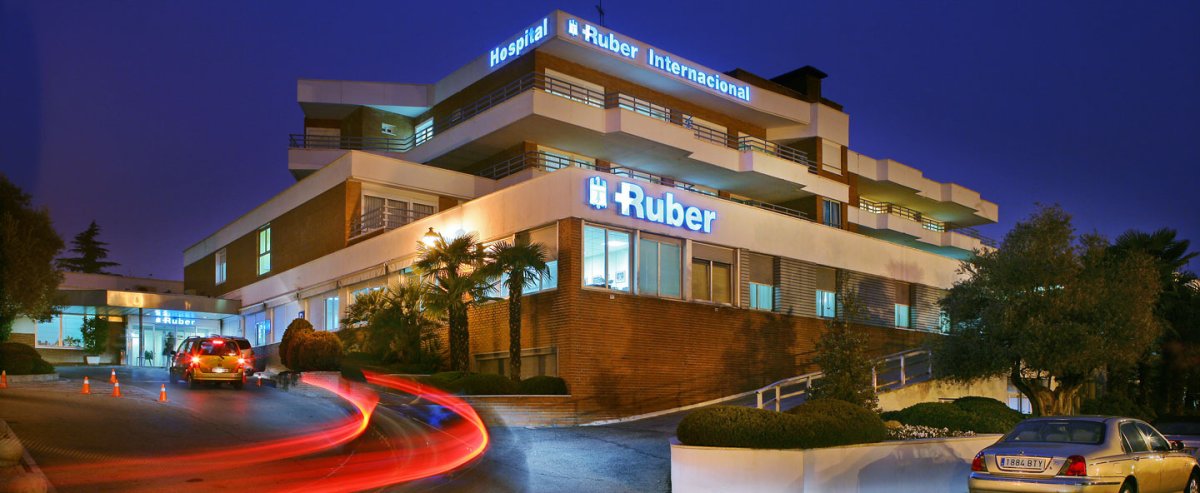
الخلع البسيط يزيل الأسنان المرئية باستخدام أدوات طب الأسنان الأساسية دون الحاجة إلى شقوق. أما الخلع الجراحي فيتعامل مع الأسنان المطمورة أو المكسورة عن طريق عمل شق في اللثة، أو إزالة العظام، أو تقسيم السن إلى أجزاء. تقوم العيادات المتخصصة مثل مستشفى روبر الدولي (Hospital Ruber Internacional) في مدريد بإجراء هذه العمليات المعقدة وفقاً لبروتوكولات السلامة المعتمدة من قبل JCI.
- تقنية الإجراء: يستخدم الخلع البسيط الرافعات والملقط؛ بينما يتطلب الخلع الجراحي شقوقاً، وإزالة العظام، وتقسيم السن.
- البيئة السريرية: يقوم أطباء الأسنان العامون بإجراء الخلع البسيط؛ بينما يتولى جراحو الفم عادةً الحالات الجراحية المعقدة.
- الحاجة إلى الغرز: نادراً ما يتطلب الخلع البسيط غرزاً؛ بينما يحتاج الخلع الجراحي دائماً تقريباً إلى غرز قابلة للامتصاص.
- وقت التعافي: يستغرق الشفاء من الخلع البسيط أياماً؛ بينما يتضمن الخلع الجراحي أسبوعاً أو أسبوعين من التورم وتقييد النشاط.
رؤية خبير Bookimed: يستخدم أخصائيو الأسنان الإسبان مثل الدكتور علاء غزلان في عيادة Clinica Dental Raices التصوير الرقمي ثلاثي الأبعاد لتجنب المفاجآت. إذا ظهر الجذر منحنياً أو مطموراً بعمق في المسح ثلاثي الأبعاد، يخطط الجراحون مسبقاً للنهج الجراحي. هذا التخطيط الاستباقي في العيادات عالية التقنية غالباً ما يقلل من الوقت الإجمالي الذي يقضيه المريض على كرسي الأسنان.
إجماع المرضى: يجد العديد من المرضى أن أطباء الأسنان يستعدون للخلع البسيط ولكن قد يتحولون إلى الجراحي إذا انكسر السن. ت
هل إجراء الخلع الجراحي مؤلم؟
عادةً ما يكون الخلع الجراحي في إسبانيا غير مؤلم بفضل بروتوكولات التخدير الموضعي المتقدمة. يشعر المرضى بضغط شديد أو أحاسيس سحب بدلاً من الألم الحاد. يحدث الانزعاج فقط بعد زوال مفعول التخدير، وعادة ما يتم التعامل معه بمسكنات الألم القياسية في غضون 3 إلى 7 أيام.
- معيار التخدير: يستخدم جراحو الفم التخدير الموضعي لحجب جميع إشارات الألم العصبية.
- الأحاسيس أثناء العملية: يشعر المرضى بضغط ميكانيكي ودفع وسحب أثناء خلع السن.
- فترة التعافي: عادة ما يحدث ذروة الألم في غضون 48 ساعة ويتلاشى بحلول اليوم السابع.
- تحذير من المضاعفات: قد يشير تفاقم الألم في اليوم الثالث أو الرابع إلى الإصابة بالتهاب السنخ الجاف.
رؤية خبير Bookimed: بينما يعد التخدير الموضعي هو الأساس في إسبانيا، تستخدم العيادات الكبرى مثل مستشفى روبر الدولي (Hospital Ruber Internacional) معايير سلامة معتمدة من JCI. تظهر بياناتنا أن متخصصين مثل الدكتور علاء غزلان في عيادة Clinica Dental Raices يستخدمون ماسحات ضوئية ثلاثية الأبعاد داخل الفم. هذا التخطيط الدقيق يقلل من الصدمة الجراحية، مما يقلل بشكل مباشر من التورم بعد العملية ومدة الألم.
إجماع المرضى: أفاد معظم المرضى أن حقنة التخدير الأولية كانت الوخزة الوحيدة التي شعروا بها. وغالباً ما يذكرون أن سماع أصوات الطقطقة كان أكثر توتراً من أي إحساس جسدي فعلي أثناء الجراحة.
كيف تبدو عملية التعافي بعد الجراحة؟
يستغرق التعافي من جراحة خلع الأسنان أو الجذور في إسبانيا عادةً من أسبوع إلى أسبوعين للشفاء التام. يشعر المرضى بأكبر قدر من الانزعاج خلال أول 24 إلى 72 ساعة. يعود معظم الأفراد إلى ممارسة الأنشطة الخفيفة في غضون يومين، بينما يتلاشى تورم الوجه عادةً بحلول اليوم العاشر.
- العناية الفورية: اضغط على الشاش لمدة 30 دقيقة لضمان تكون جلطة دموية مستقرة.
- حدود النشاط: تجنب التمارين الشاقة والتدخين واستخدام القش (الشفاطات) لمنع حدوث حالة "السنخ الجاف" المؤلمة.
- القيود الغذائية: التزم بالأطعمة اللينة مثل الزبادي أو البطاطس المهروسة خلال الأيام القليلة الأولى.
- إدارة الأعراض: استخدم كمادات الثلج والأدوية الموصوفة للسيطرة على التورم وتيبس الفك.
رؤية خبير Bookimed: بينما يركز العديد من المرضى على المستشفيات الكبيرة مثل مستشفى روبر الدولي (Hospital Ruber Internacional)، غالبًا ما توفر مراكز طب الأسنان المتخصصة في تينيريفي أو برشلونة مراقبة أكثر دقة بعد الجراحة. تظهر البيانات أن العيادات التي تستخدم الأشعة ثلاثية الأبعاد للتخطيط، مثل تلك التي يمارس فيها الدكتور علاء غزلان، غالبًا ما تبلغ عن تعافٍ أكثر سلاسة بسبب دقة نقاط الدخول الجراحية.
إجماع المرضى: توقع أن تكون الأيام الثلاثة الأولى هي الأكثر صعوبة مع وجود تورم وألم ملحوظ. يساعد تحضير الأطعمة اللينة وكمادات الثلج مسبقًا في إدارة مرحلة الالتهاب الأولية بفعالية.
هل يمكنني استخدام الرعاية الصحية العامة أو التأمين الخاص لعملية خلع جراحي في إسبانيا؟
تغطي الرعاية الصحية العامة في إسبانيا عمليات الخلع الجراحي فقط في حالات الطوارئ، أو العدوى الشديدة، أو الإصابات الحادة. بالنسبة للإجراءات المجدولة مثل خلع ضرس العقل المطمور، عادة ما يستخدم المقيمون التأمين الخاص أو يدفعون التكاليف بأنفسهم. غالبًا ما تشمل بوالص التأمين الخاص التصوير التشخيصي ورسوم الجراحة، مما يوفر وصولاً أسرع بكثير من قوائم الانتظار العامة.
- حدود التغطية العامة: تغطي فقط عمليات الخلع الطارئة والعلاجات التثبيتية.
- فوائد التأمين الخاص: تشمل الخطط القياسية الاستشارات، والأشعة ثنائية/ثلاثية الأبعاد، وعمليات الخلع.
- فترات الانتظار: يفرض معظم شركات التأمين الخاص فترات انتظار تتراوح بين 3 إلى 6 أشهر للجراحات المعقدة.
- الإحالات إلى المتخصصين: قد تحيل الأنظمة العامة الحالات المعقدة إلى جراحي الوجه والفكين في المستشفيات.
- نطاق التكلفة الخاصة: تتراوح تكلفة عمليات الخلع الجراحي في إسبانيا من $130 إلى $260.
رأي خبير Bookimed: تحافظ المرافق الطبية الرائدة في إسبانيا مثل مستشفى روبير الدولي (Hospital Ruber Internacional) على اعتماد اللجنة الدولية المشتركة (JCI) مع بقائها ميسورة التكلفة. اختيار عيادة خاصة في تينيريفي أو مدريد يضمن الوصول إلى ماسحات ضوئية ثلاثية الأبعاد متطورة غالبًا ما تكون مفقودة في المراكز العامة الأساسية.
إجماع المرضى: توقع ال