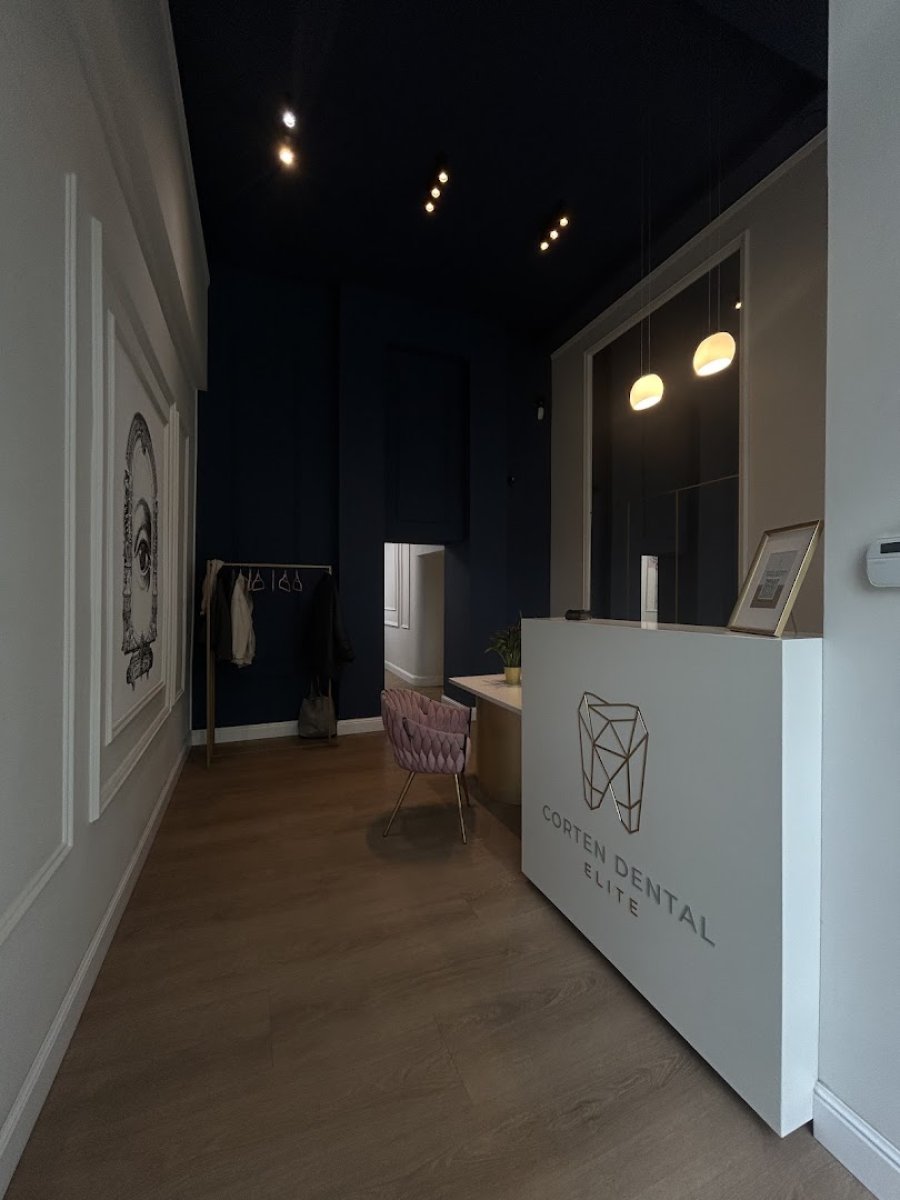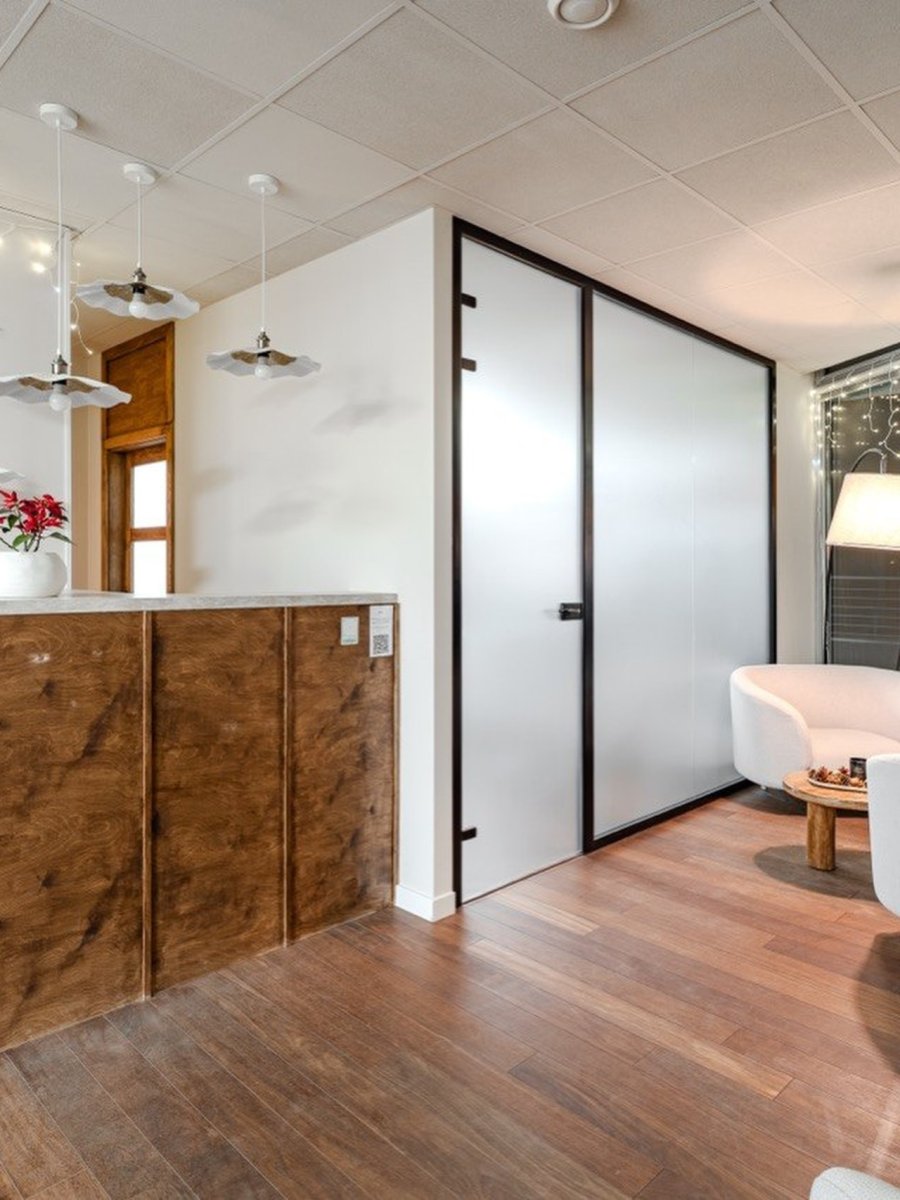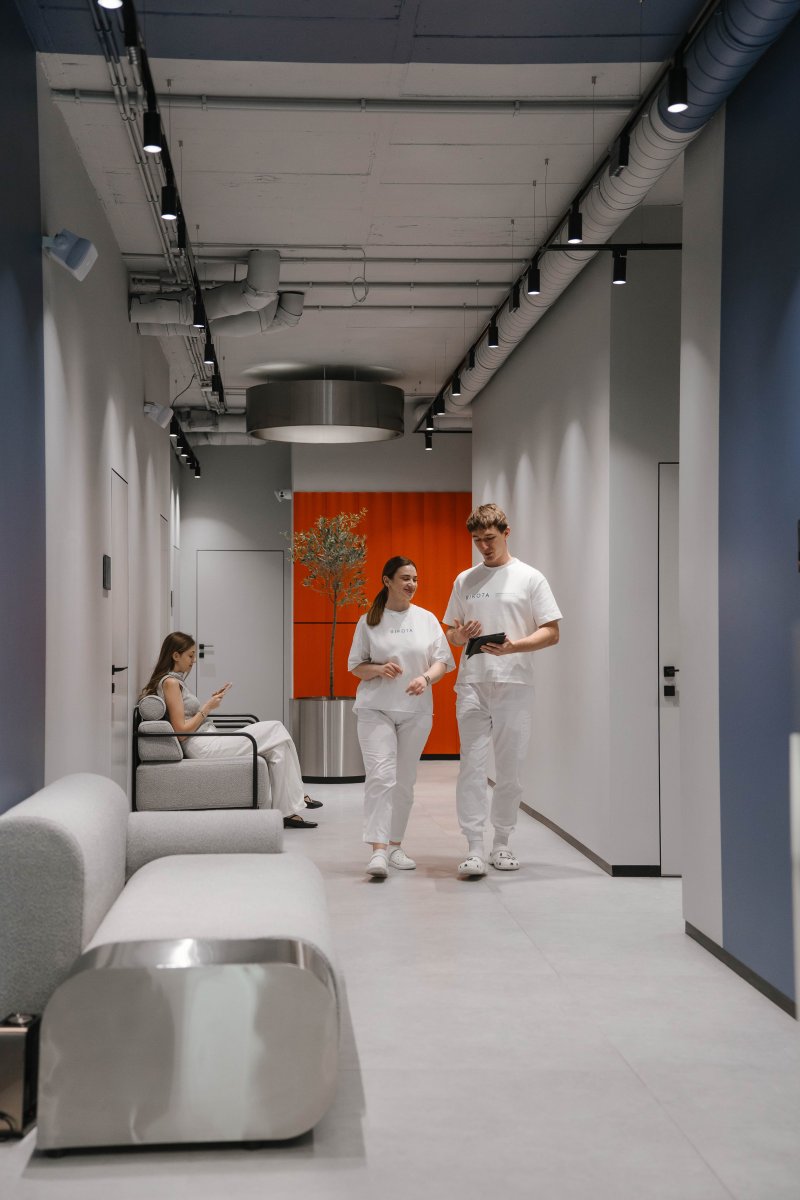
RIKOTA Dental Clinic
بولندا, وارسو


تمت مراجعة المقالة طبيا من قبل
فهد مولود
من $190. تختلف الأسعار حسب موقع السن، وتعقيد الخلع، وخبرة طبيب الأسنان.
عادةً ما تشمل العيادات السنية البولندية في السعر المعلن الاستشارة، والتخدير الموضعي، والإجراء الجراحي، والغرز اللازمة، وزيارة المتابعة. في ألمانيا، غالبًا ما يغطي السعر المعلن الخلع فقط، بينما يتم احتساب التخدير، والأشعة السينية، والرعاية اللاحقة بشكل منفصل. يجب دائمًا التأكد مسبقًا مما هو مشمول في السعر مع العيادة المختارة.
| بولندا | تركيا | تايلاند | |
|---|---|---|---|
| قلع السن/الجذر الجراحي | من $190 | من $80 | من $150 |
Bookimed لا يضيف رسوماً إضافية على أسعار قلع السن/الجذر الجراحي. الأسعار مأخوذة من قوائم الأسعار الرسمية للعيادات. تدفع مباشرة في العيادة مقابل قلع السن/الجذر الجراحي عند وصولك.
Bookimed ملتزم بسلامتك. نحن نعمل فقط مع المؤسسات الطبية التي تحافظ على معايير دولية عالية في قلع السن/الجذر الجراحي ولديها التراخيص اللازمة لخدمة المرضى الدوليين في جميع أنحاء العالم.
Bookimed يقدم مساعدة خبراء مجانية. منسق طبي شخصي يدعمك قبل وأثناء وبعد العلاج، ويحل أي مشاكل. لن تكون وحيداً أبداً في رحلة قلع السن/الجذر الجراحي.

يزيل هذا الإجراء مشكلة الأسنان ، ويخفف الألم ويمنع المزيد من الضرر بالأسنان ، مع وقت شفاء سريع.
يزيل هذا الإجراء مشكلة الأضراس الثالثة ، ويمنع مشاكل الأسنان ، ويتم إجراؤه تحت التخدير الموضعي أو التخدير العام.
يزيل هذا الإجراء الأسنان / الجذور التي بها مشاكل ، بما في ذلك الشقوق وإزالة العظام ، مما يوفر الراحة من الألم والعدوى.
اليوم الأول: الوصول
اليوم الثاني: ما قبل العملية
اليوم الثالث: خلع جراحي
اليوم الرابع: ما بعد العملية
الأسبوع 1-2: إعادة التأهيل
الأسبوع 3-4: العودة إلى الأنشطة العادية
الأسبوع الخامس: النتيجة النهائية
يرجى ملاحظة أن التجارب الفردية قد تختلف بناءً على الصحة العامة ، وتعقيد الاستخراج ، وقدرات الشفاء الشخصية.
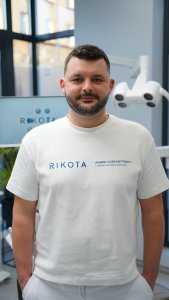
متخصص في خلع الأسنان المعقد مع التركيز على الحفاظ على سلامة عظم الفك.
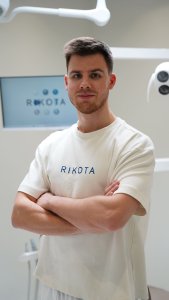
يتخصص الدكتور فاديم شيمياكوف في عمليات خلع الأسنان الجراحية في عيادة RIKOTA للأسنان، مع التركيز على الإجراءات الدقيقة والفعالة.


 Anna Leonova
تتضمن عمليات الخلع البسيطة إزالة الأسنان المرئية بالكامل باستخدام أدوات طب الأسنان الأساسية. أما عمليات الخلع الجراحي فهي أكثر تعقيداً، حيث تتطلب إجراء شقوق في اللثة أو إزالة العظام للأسنان المكسورة عند خط اللثة أو ضروس العقل المطمورة. كلا الإجراءين متاحان بسهولة في عيادات الأسنان البولندية المتخصصة.
رؤية خبراء Bookimed: في حين أن عمليات الخلع البسيطة شائعة، فإن الحالات الجراحية في بولندا غالباً ما تتضمن إزالة الجذور فقط. في عيادات مثل عيادة RIKOTA للأسنان في وارسو، يتعامل المتخصصون مع 60,000 مريض سنوياً. هذا الحجم الكبير يجعل من قطع الجذور المعقد روتيناً لفريقهم المكون من 60 عضواً. اختيار منشأة بها أطباء متخصصون في علاج جذور الأسنان يضمن الحفاظ على العظام أثناء الخلع.
إجماع المرضى: يؤكد المرضى على أهمية الحصول على صور أشعة سينية كاملة قبل الإجراء. هذا يؤكد التقنية المستخدمة مبكراً ويمنع تغييرات الخطة غير المتوقعة أثناء الجراحة. اتباع تعليمات ما بعد الجراحة أمر حيوي لتجنب الإصابة بالتها
يستغرق التعافي الأولي بعد خلع السن أو الجذر جراحيًا من 3 إلى 7 أيام حتى يزول الألم والتورم. يعود معظم المرضى إلى العمل في غضون 48 إلى 72 ساعة. بينما تغلق أنسجة اللثة في غضون 3 إلى 4 أسابيع، يتطلب تجدد عظم الفك من 3 إلى 6 أشهر.
رؤية خبير Bookimed: أصبحت بولندا وجهة رائدة لطب الأسنان، حيث تلبي أكثر من 688 طلبًا سنويًا من خلال منصتنا. توظف عيادات مثل عيادة RIKOTA للأسنان في وارسو 60 متخصصًا للتعامل مع الحالات الجراحية المعقدة. غالبًا ما يؤدي العدد الكبير من الجراحين في هذه المراكز إلى أوقات إجراء أسرع تقل عن 60 دقيقة.
إجماع المرضى: أفاد المرضى أن تجنب استخدام الماصات (الشفاطات) والتدخين هو العامل الأكثر أهمية لمرور الأسبوع الأول بسلاسة. يشعر الكثيرون بأنهم عادوا إلى طبيعتهم بنسبة 80% بحلول اليوم الرابع، لكنهم يحذرون من أن التسرع في ممارسة الرياضة قد يسبب انتكاسات سريرية مؤلمة.
الخلع الجراحي في بولندا ليس مؤلمًا بفضل التخدير الموضعي المتقدم الذي يمنع جميع الأحاسيس الحادة. لا يشعر المرضى سوى بالضغط أو الشد أثناء الإجراء. تستخدم العيادات البولندية بروتوكولات تخدير منظمة لضمان التنميل الكامل قبل أن يبدأ الجراح في عملية الخلع.
رؤية خبراء Bookimed: تظل بولندا وجهة من الدرجة الأولى لجراحة الأسنان المعقدة. تظهر بياناتنا أن 86 عيادة تخدم مئات المرضى الدوليين سنويًا. يتعامل خبراء مثل أولئك الموجودين في عيادة RIKOTA للأسنان مع 60,000 مريض كل عام. هذا الحجم الهائل يعني أن الجراحين سريعون بشكل استثنائي. تؤدي أوقات الجراحة الأقصر عادةً إلى تورم أقل بكثير بعد العملية وشفاء أسرع للمرضى.
إجماع المرضى: أفاد المرضى أن تقنية التخدير ممتازة. يصف معظمهم الشعور بأنه 2 من 10 من حيث الانزعاج بعد الجراحة. أشار الكثيرون إلى أن اتباع قواعد الرعاية اللاحقة، مثل تجنب التدخين، أمر بالغ الأهمية لمنع الخفقان الشديد.
تتضمن الرعاية اللاحقة الأساسية للخلع الجراحي حماية جلطة الدم لمنع حدوث التهاب السنخ الجاف. يجب على المرضى تجنب المص أو استخدام القش أو التدخين لمدة 7 أيام. ضع الثلج لمدة 48 ساعة لتقليل التورم. التزم بالأطعمة اللينة وحافظ على نظافة الفم بلطف.
رؤية خبير Bookimed: تظهر البيانات من العيادات البولندية مثل عيادة RIKOTA للأسنان أنها تخدم أكثر من 60,000 مريض سنوياً. إنهم يعطون الأولوية للتعافي من خلال توفير أوراق رعاية لاحقة مطبوعة وتذكيرات رقمية. يجب على المرضى اتباعها بدقة لأن تجاهل القواعد يضاعف وقت التعافي بسبب المضاعفات.
إجماع المرضى: يؤكد المرضى على أهمية تخزين الملح والأطعمة اللينة قبل الجراحة. ويشيرون إلى أنه على الرغم من صعوبة تجنب عادات مثل التدخين، إلا أنها حيوية للشفاء بدون ألم.
يمكن لأطباء الأسنان العامين في بولندا إجراء عمليات الخلع الجراحي إذا كان السن أو الجذر في متناول اليد. ومع ذلك، فإن جراح الفم ضروري للحالات المعقدة مثل الأسنان المطمورة، أو قرب الأعصاب، أو المخاطر الطبية التي تتطلب تخديرًا عميقًا أو خبرة جراحية متخصصة.
رؤية خبير Bookimed: توظف العديد من العيادات البولندية مثل عيادة RIKOTA للأسنان فرقًا كبيرة تصل إلى 60 متخصصًا. يسمح هذا الإعداد لأطباء الأسنان العامين باستشارة الجراحين الداخليين على الفور إذا أصبحت عملية الخلع صعبة. غالبًا لا تحتاج إلى حجز موعد منفصل مع متخصص للحالات الجراحية المتوسطة.
إجماع المرضى: يقترح معظم المرضى إجراء صورة أشعة بانورامية أولاً للتحقق من أشكال الجذور المعقدة. وغالبًا ما يوفرون الكثير من المال من خلال البدء بطبيب أسنان عام يستخدم أدوات عالية التقنية مثل جراحة بيزو.
تعد وارسو وكراكوف وغدانسك المراكز الرائدة في بولندا لعيادات الخلع الجراحي المرموقة. تتميز هذه المدن بمرافق مجهزة بتقنية التصوير المقطعي المحوسب ثلاثي الأبعاد وجراحة بيزو (Piezosurgery). يقوم جراحو الأسنان الخبراء هناك بإدارة الحالات المعقدة التي تنطوي على ضرس العقل المطمور وإزالة الجذور العميقة للمرضى الدوليين.
رؤية خبير Bookimed: برزت وارسو كوجهة أساسية لجراحات الأسنان المعقدة في بولندا. توفر المدينة أعلى تركيز للعيادات متعددة التخصصات. على سبيل المثال، تعمل عيادة RIKOTA للأسنان بـ 7 أقسام متميزة. وهذا يسمح لجراحي الفم بالتعاون الفوري مع أخصائيي التعويضات السنية إذا كانت عملية الخلع تتطلب ترميماً فورياً.
يمكن لمعظم المرضى السفر بالطائرة بعد 3 إلى 7 أيام من إجراء خلع جراحي للأسنان في بولندا. الانتظار لمدة 72 ساعة على الأقل يسمح للجلطة الدموية بالاستقرار. هذه الفترة تقلل من مخاطر الإصابة بالتهاب العظم السنخي (dry socket) وآلام ضغط الجيوب الأنفية الشديدة الناتجة عن تقلبات ضغط مقصورة الطائرة أثناء الإقلاع.
رؤية خبير Bookimed: تظل بولندا وجهة من الدرجة الأولى لطب الأسنان المعقد مع أكثر من 86 عيادة متخصصة. تخدم عيادات مثل عيادة RIKOTA للأسنان في وارسو 60,000 مريض سنوياً. يشير حجم عملهم الكبير إلى أن الجراحين يتعاملون مع عمليات خلع معقدة يومياً. غالباً ما تؤدي هذه الخبرة إلى شفاء أولي أكثر استقراراً للمسافرين الدوليين.
إجماع المرضى: يؤكد المرضى على ضرورة الانتظار لمدة 48 إلى 72 ساعة على الأقل لتجنب الألم النابض الناتج عن الضغط. يوصي الكثيرون بحمل تقرير طبي وسدادات أذن مصممة لتغيرات الارتفاع لتحسين الراحة.
تُقدم جراحة الأعصاب في بولندا رعاية عالية الجودة في مرافق معتمدة من قبل اللجنة الدولية المشتركة (JCI) والمنظمة الدولية للمعايير (ISO). يلتزم جراحو الأعصاب البولنديون بمعايير تدريب صارمة معتمدة من قبل الاتحاد الأوروبي. وقد أكمل العديد منهم زمالات في الولايات المتحدة أو ألمانيا. وتتوفر التقنيات المتقدمة، مثل جهاز سايبر نايف وجهاز جاما نايف والأنظمة الروبوتية، على نطاق واسع في المراكز الخاصة.
رأي خبراء بوكيمد: تُظهر البيانات وجود علاقة وثيقة بين تخصص العيادة وأصول مرضاها. تعالج عيادة KCM أكثر من 700 مريض دولي سنويًا، وهي متخصصة في جراحة العمود الفقري طفيفة التوغل. يُمكّنها هذا الحجم من العمل من تقديم باقات خدمات متخصصة، تشمل غالبًا حواجز تشخيصية وزرعات محددة،
يُعدّ جراحو الأعصاب البولنديون متخصصين ذوي كفاءة عالية، إذ أتموا ما لا يقل عن 13 عامًا من التدريب الطبي المكثف. يشمل ذلك ست سنوات من الدراسة في كلية الطب، و13 شهرًا من التدريب العملي، وست سنوات من الإقامة. ويجب عليهم اجتياز امتحان التخصص الحكومي (PES)، وغالبًا ما يحصلون على شهادة من الجمعية الأوروبية لجمعيات جراحة الأعصاب (EANS).
رأي خبراء بوكيميد: تشير البيانات إلى أن جراحي الأعصاب البولنديين غالبًا ما يتخصصون في تقنيات بالغة التخصص، مثل نظام ApiFix أو نظام SED-YESS لتنظير الفقرات القطنية. ويجمع أخصائيون مثل الدكتور ستانيسواف كويك من عيادة KCM بين أبحاث ما بعد الدكتوراه والممارسة الجراحية النشطة. هذا المزيج من المعرفة الأكاديمية المتعمقة والخبرة الجراحية الوا
من بين أفضل عيادات جراحة الأعصاب في بولندا مستشفى كارولينا، وعيادة KCM، ومراكز أكاديمية رائدة مثل مستشفى جامعة كراكوف. تقدم هذه المؤسسات علاجات متطورة لأمراض العمود الفقري والدماغ، مطابقة لمعايير الجودة ISO، وتضم أخصائيين أعضاء في منظمات دولية مثل AO Spine.
رأي خبراء بوكيمد: بينما يتجه الكثيرون إلى أكبر المستشفيات، تُظهر البيانات أن عيادات مثل مستشفى كارولينا تُقدم كفاءة أعلى في العمليات الجراحية الاختيارية. فمع وجود أكثر من 40 طبيباً متخصصاً في هذه المنشأة التي تضم 30 سريراً، تكون نسبة الأطباء إلى المرضى أعلى بكثير مما هي عليه في المراكز الجامعية الحكومية. وهذا يعني رعاية ما بعد الجراحة أكثر عناية، وجدولة أسرع بكثير لإجراءات مثل علاج الانزلاق الغضروفي