العلاج بالخلايا الجذعية لمرض التصلب الجانبي الضموري (ALS) في إسبانيا: 1 عيادة


تمت مراجعة المقالة طبيا من قبل
فهد مولود
ما هي تكلفة العلاج بالخلايا الجذعية لمرض التصلب الجانبي الضموري (ALS) في إسبانيا؟ اكتشف الآن
تتراوح تكلفة علاج التصلب الجانبي الضموري بالخلايا الجذعية في إسبانيا عادةً من _price_from_ إلى _price_to_. يمكن أن تختلف الأسعار حسب العيادة، وخبرة الأخصائي، ونوع الخلايا الجذعية المستخدمة (ذاتية أو خيفية)، وعدد دورات العلاج المطلوبة.
عادةً ما تشمل العيادات الإسبانية الاستشارة الأولية، وفحوصات الدم قبل العلاج، وجمع أو تحضير الخلايا الجذعية، وإجراء الحقن، والمواعيد القياسية للمتابعة. في ألمانيا، غالبًا ما يغطي السعر المعلن الإجراء نفسه فقط، مع رسوم منفصلة للتشخيص، والإقامة في المستشفى، والرعاية اللاحقة. يجب دائمًا التأكد بدقة مما يتضمنه برنامج العلاج في كل عيادة.
مزاياك وضماناتك مع Bookimed
أسعار مباشرة
Bookimed لا يضيف رسوماً إضافية على أسعار العلاج بالخلايا الجذعية لمرض التصلب الجانبي الضموري (ALS). الأسعار مأخوذة من قوائم الأسعار الرسمية للعيادات. تدفع مباشرة في العيادة مقابل العلاج بالخلايا الجذعية لمرض التصلب الجانبي الضموري (ALS) عند وصولك.
عيادات وأطباء معتمدون فقط
Bookimed ملتزم بسلامتك. نحن نعمل فقط مع المؤسسات الطبية التي تحافظ على معايير دولية عالية في العلاج بالخلايا الجذعية لمرض التصلب الجانبي الضموري (ALS) ولديها التراخيص اللازمة لخدمة المرضى الدوليين في جميع أنحاء العالم.
مساعدة مجانية على مدار الساعة
Bookimed يقدم مساعدة خبراء مجانية. منسق طبي شخصي يدعمك قبل وأثناء وبعد العلاج، ويحل أي مشاكل. لن تكون وحيداً أبداً في رحلة العلاج بالخلايا الجذعية لمرض التصلب الجانبي الضموري (ALS).

منسقك الطبي الشخصي في Bookimed
- يدعمك في كل مرحلة
- المساعدة في اختيار العيادة الطبية المناسبة والطبيب المناسب
- يضمن الوصول السريع والمريح إلى المعلومات
اكتشف أفضل العلاج بالخلايا الجذعية لمرض التصلب الجانبي الضموري (ALS) العيادات في إسبانيا: 1 خيار معتمدة والأسعار
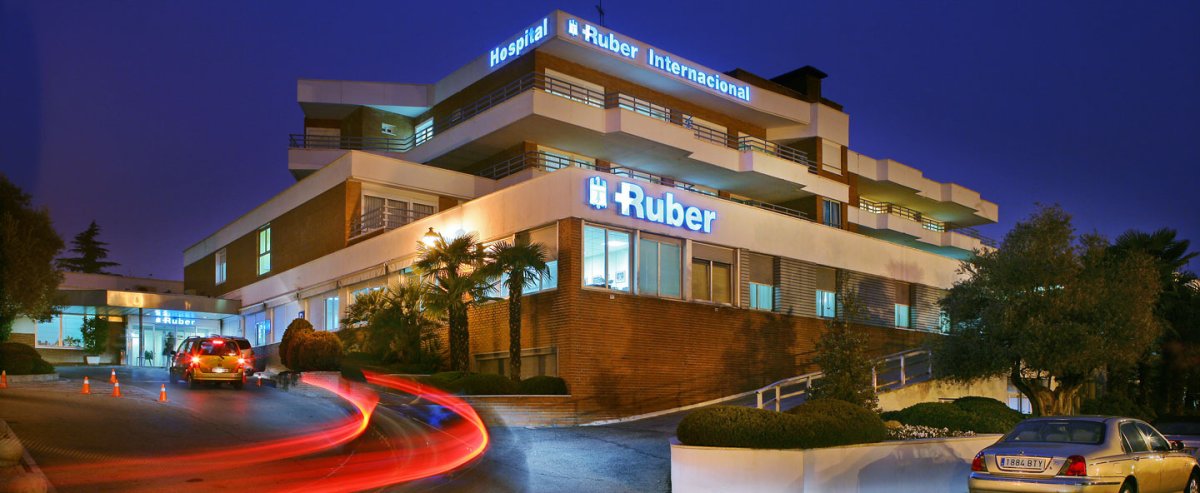


نظرة عامة على العلاج بالخلايا الجذعية لمرض التصلب الجانبي الضموري (ALS) في إسبانيا
- العلاج بالخلايا الجذعية - من $3,500
هذا العلاج هو علاج باستخدام خلايا الجسم لإصلاح الأنسجة التالفة. إنه فعال وآمن ومتعدد الاستخدامات.
- العلاج بالخلايا الجذعية لالتهاب المفاصل - من $15,000
يستخدم هذا العلاج خلايا الشخص لإصلاح المفاصل التالفة ، وتقليل الألم والالتهابات المصاحبة لالتهاب المفاصل.
- علاج التوحد بالخلايا الجذعية - من $6,000
يستخدم هذا العلاج خلايا الجسم لإصلاح تلف الدماغ المرتبط بالتوحد ، مما يوفر سلوكًا اجتماعيًا محسنًا.
- علاج الشلل الدماغي بالخلايا الجذعية - من $6,500
يستخدم هذا العلاج الخلايا المتجددة لعلاج تلف الدماغ وتحسين الوظائف الحركية لدى الأشخاص المصابين بالشلل الدماغي.
- علاج مرض باركنسون بالخلايا الجذعية - من $30,000
يستخدم هذا العلاج الخلايا التي يحافظ عليها الجسم لإبطاء تقدم مرض باركنسون ، وتعزيز وظائف المخ وقدرته على الحركة.
- علاج مرض السكري بالخلايا الجذعية - من $9,500
يستخدم هذا العلاج الخلايا الجذعية لإصلاح خلايا البنكرياس التالفة ، والسيطرة على أعراض مرض السكري.
- العلاج بالخلايا الجذعية للركبتين - من $2,800
يعتمد هذا العلاج على إمكانات الشفاء الذاتي ، عن طريق حقن الخلايا المحصودة في مفاصل الركبة لإصلاح الغضروف التالف.
- برنامج علاج بالخلايا الجذعية الخاصة - من $4,500
يستخدم هذا العلاج الخلايا الجذعية لإصلاح الخلايا والأنسجة التالفة وتحسين صحتك.
- إيداع Bookimed: 200 دولار أو 200 يورو.
- وديعة العيادة: ادفع نسبة محددة مقدمًا.
قصص فيديو من مرضى Bookimed
مشاركة المحتوى
 Anna Leonova
أسئلة متكررة حول العلاج بالخلايا الجذعية لمرض التصلب الجانبي الضموري (ALS) في إسبانيا
هل العلاج بالخلايا الجذعية علاج قياسي أو معتمد لمرض التصلب الجانبي الضموري (ALS) في إسبانيا؟
العلاج بالخلايا الجذعية ليس علاجاً قياسياً أو معتمداً لمرض التصلب الجانبي الضموري (ALS) في إسبانيا. تصنف الوكالة الإسبانية للأدوية والمنتجات الصحية (AEMPS) هذه الإجراءات على أنها تجريبية. تعتمد الرعاية الطبية الحالية في إسبانيا على خيارات دوائية معتمدة مثل ريلوزول لإبطاء تقدم المرض.
- الوضع التنظيمي: تعتبر AEMPS الخلايا الجذعية تجريبية لعلاج التصلب الجانبي الضموري.
- الوصول المصرح به: تقتصر العلاجات المشروعة بشكل صارم على التجارب السريرية الرسمية.
- المعايير الحالية: تستخدم الرعاية الصحية الإسبانية ريلوزول والعلاجات الجينية الموجهة.
- واقع المرض: يظل التصلب الجانبي الضموري مرضاً تقدمياً بدون علاج طبي معترف به عالمياً.
رؤية خبير Bookimed: بينما تستضيف إسبانيا مراكز من الدرجة الأولى معتمدة من JCI مثل مستشفى روبر الدولي في مدريد، فإنها تعطي الأولوية للبروتوكولات القائمة على الأدلة. غالباً ما يجد المرضى أن المستشفيات الإسبانية ذات السمعة الطيبة تركز على الرعاية الداعمة متعددة التخصصات. هذا النهج غالباً ما يؤدي إلى جودة حياة أفضل من العيادات التجارية غير المثبتة.
إجماع المرضى: تؤكد العديد من العائلات على الحاجة إلى التمييز بين التجارب السريرية المنظمة والعروض التجارية المدفوعة. غالباً ما تحذر النصائح العملية من الآخرين من العيادات التي تعد بعكس مسار المرض أو نتائج مضمونة.
ما هي التحذيرات التنظيمية والمتعلقة بالسلامة التي يجب على المرضى وضعها في الاعتبار فيما يتعلق بالعلاج بالخلايا الجذعية لمرض التصلب الجانبي الضموري (ALS)؟
تحذر الهيئات التنظيمية، بما في ذلك إدارة الغذاء والدواء (FDA) وجمعية التصلب الجانبي الضموري، من أنه لا يوجد حالياً علاج بالخلايا الجذعية معتمد لعلاج أو شفاء مرض التصلب الجانبي الضموري. تظل معظم الإجراءات تجريبية وتتم ضمن تجارب سريرية. يجب على المرضى التمييز بين الأبحاث المنظمة داخل المستشفيات والعيادات التجارية غير المثبتة التي تفتقر إلى الدعم العلمي.
- الوضع التنظيمي: لا توجد حالياً منتجات طب تجددي معتمدة لعلاج الاضطرابات العصبية.
- مخاطر الحقن: قد يؤدي الحقن في النخاع الشوكي إلى حدوث نزيف أو عدوى أو تلف في العمود الفقري.
- المخاطر البيولوجية: تحمل الخلايا التي يتم استنباتها بشكل غير صحيح مخاطر تكوين أورام أو نمو غير منظم للأنسجة.
- التحذيرات التجارية: غالباً ما تشير المدفوعات المقدمة العالية واللغة التسويقية حول "الاختراقات الطبية" إلى نماذج طبية غير مثبتة ومدفوعة بالمبيعات.
رؤية خبير Bookimed: على الرغم من أن إسبانيا تضم مراكز معتمدة من قبل اللجنة الدولية المشتركة (JCI) مثل مستشفى روبير الدولي (Hospital Ruber Internacional)، يجب على المرضى ملاحظة أن البنية التحتية عالية التقنية لا تعادل وجود علاجات معتمدة لمرض التصلب الجانبي الضموري. عادة ما تتم الأبحاث الموثوقة في إسبانيا ضمن بيئات المستشفيات متعددة التخصصات وليس في العيادات التجارية المستقلة. تحقق دائماً مما إذا كان البروتوكول مسجلاً لدى السلطات الصحية الوطنية قبل المتابعة.
إجماع المرضى: تحذر العديد من العائلات من الإرهاق الجسدي والمالي الناجم عن السعي وراء علاجات غ
كيف تساعد الخلايا الجذعية نظرياً المرضى المصابين بالتصلب الجانبي الضموري (ALS)؟
يعمل العلاج بالخلايا الجذعية لمرض التصلب الجانبي الضموري نظرياً عن طريق تعديل بيئة الجهاز العصبي المركزي السامة لحماية الخلايا العصبية الحركية المتبقية. وبدلاً من استبدال الأعصاب، تطلق هذه الخلايا عوامل غذائية عصبية وسيتوكينات مضادة للالتهابات تقلل من الإجهاد الخلوي، وتبطئ الالتهاب العصبي، وتدعم الوصلات العصبية العضلية الموجودة.
- الدعم الغذائي: تفرز الخلايا الجذعية بروتينات البقاء مثل BDNF لحماية الأنسجة العصبية التالفة.
- تعديل المناعة: تعمل الخلايا الجذعية الوسيطة (MSCs) على تهدئة الخلايا المناعية العدوانية لتقليل الالتهاب المزمن.
- استعادة الخلايا الدبقية: قد تحل الخلايا السليمة محل الخلايا النجمية المختلة وظيفياً لتحقيق التوازن في المواد الكيميائية السامة مثل الغلوتامات.
- نمذجة الأمراض: تسمح الخلايا الجذعية المستحثة متعددة القدرات (iPSCs) الخاصة بالمريض للباحثين بفحص الأدوية التجريبية.
رأي خبير Bookimed: بينما تقدم إسبانيا رعاية عالية الجودة في مرافق معتمدة من اللجنة الدولية المشتركة (JCI) مثل مستشفى روبر الدولي (Hospital Ruber Internacional)، يجب على المرضى التمييز بين الدعم الخلوي واستبدال الأعصاب.
إجماع المرضى: يعطي المرضى الأولوية لإبطاء تطور المرض وحماية الخلايا العصبية ا
أين تتوفر العلاجات القائمة على الخلايا أو التقييمات ذات الصلة لمرض التصلب الجانبي الضموري (ALS) في إسبانيا؟
تقدم إسبانيا تقييمات وتجارب سريرية لعلاجات التصلب الجانبي الضموري القائمة على الخلايا في مدريد وبرشلونة وبامبلونا. تجري الأبحاث بشكل أساسي في مراكز أكاديمية مثل مستشفى لا برينسيسا الجامعي، ومستشفى بويرتا دي هيرو، وعيادة جامعة نافارا بموجب أطر تنظيمية أوروبية صارمة وتفويض من الوكالة الإسبانية للأدوية والمنتجات الصحية (AEMPS).
- مراكز مدريد: يجري مستشفى لا برينسيسا ومستشفى روبر الدولي أبحاثاً سريرية معتمدة حول الأمراض التنكسية العصبية.
- مراكز برشلونة: يدير مستشفى كيرونسالود ومركز تكنون الطبي تجارب متعددة التخصصات ودراسات تجريبية.
- مرافق بامبلونا: تدير عيادة جامعة نافارا أقساماً متخصصة في العلاج بالخلايا تلبي معايير عالية.
- الرقابة التنظيمية: يجب أن تتم جميع التدخلات القائمة على الخلايا من خلال تجارب بحثية مستشفيات أخلاقية وخاضعة لرقابة صارمة.
رؤية خبير Bookimed: على الرغم من وجود عيادات خاصة، إلا أن الأبحاث رفيعة المستوى في إسبانيا تتركز في المستشفيات الحاصلة على شهادات JCI وISO. يخدم مستشفى روبر الدولي، المصنف ضمن أفضل 6 مستشفيات في إسبانيا وفقاً لمجلة فوربس، 25,000 مريض سنوياً. يضمن هذا الحجم الكبير عبر 42 قسماً بنية تحتية قوية للتقييمات العصبية المعقدة.
إجماع المرضى: يؤكد المرضى على إعطاء الأولوية للتجارب القائمة على المستشفيات بدلاً من الباقات التجارية الخاصة. يحذر الكثيرون من أن علاجات الخلايا الحالية تجريبية وتفتقر إلى فوائد مثبتة في تحسين معدلات البقاء على قيد الحياة لمرضى التصلب الجانبي الضموري.