إزالة الجسم الغريب في القنوات الجذرية باستخدام المجهر في إسبانيا — احصل على 3 عيادات مطابقة مع التكاليف


تمت مراجعة المقالة طبيا من قبل
فهد مولود
ما هي تكلفة إزالة الجسم الغريب في القنوات الجذرية باستخدام المجهر في إسبانيا؟ اكتشف الآن
تتراوح تكلفة إزالة جسم غريب من قنوات الجذر باستخدام المجهر في إسبانيا عادةً من $180 إلى $380. تختلف الأسعار اعتماداً على العيادة، وخبرة طبيب الأسنان، ومدى تعقيد الحالة، وما إذا كانت هناك قنوات متعددة متضمنة.
عادةً ما تشمل عيادات الأسنان الإسبانية الاستشارة الأولية، والأشعة السينية قبل العملية، والتخدير الموضعي، واستخدام مجهر جراحي، وأدوية ما بعد العملية، وزيارات المتابعة في السعر. غالباً ما يكون الموظفون الذين يتحدثون الإنجليزية وخطط العلاج الشخصية معياراً أساسياً. في الولايات المتحدة، غالباً ما يغطي السعر الأساسي الإجراء نفسه فقط، مع رسوم منفصلة للتصوير، والتخدير، ورعاية المتابعة. تأكد دائماً مما هو مشمول في السعر مع العيادة التي اخترتها.
| إسبانيا | تركيا | تايلاند | |
|---|---|---|---|
| إزالة الجسم الغريب في القنوات الجذرية باستخدام المجهر | ≈ $180 | ≈ $280 | ≈ $200 |
مزاياك وضماناتك مع Bookimed
أسعار مباشرة
Bookimed لا يضيف رسوماً إضافية على أسعار إزالة الجسم الغريب في القنوات الجذرية باستخدام المجهر. الأسعار مأخوذة من قوائم الأسعار الرسمية للعيادات. تدفع مباشرة في العيادة مقابل إزالة الجسم الغريب في القنوات الجذرية باستخدام المجهر عند وصولك.
عيادات وأطباء معتمدون فقط
Bookimed ملتزم بسلامتك. نحن نعمل فقط مع المؤسسات الطبية التي تحافظ على معايير دولية عالية في إزالة الجسم الغريب في القنوات الجذرية باستخدام المجهر ولديها التراخيص اللازمة لخدمة المرضى الدوليين في جميع أنحاء العالم.
مساعدة مجانية على مدار الساعة
Bookimed يقدم مساعدة خبراء مجانية. منسق طبي شخصي يدعمك قبل وأثناء وبعد العلاج، ويحل أي مشاكل. لن تكون وحيداً أبداً في رحلة إزالة الجسم الغريب في القنوات الجذرية باستخدام المجهر.

منسقك الطبي الشخصي في Bookimed
- يدعمك في كل مرحلة
- المساعدة في اختيار العيادة الطبية المناسبة والطبيب المناسب
- يضمن الوصول السريع والمريح إلى المعلومات
اكتشف أفضل إزالة الجسم الغريب في القنوات الجذرية باستخدام المجهر العيادات في إسبانيا: 1 خيار معتمدة والأسعار


نظرة عامة على إزالة الجسم الغريب في القنوات الجذرية باستخدام المجهر في إسبانيا
- علاج قناة الجذر - من $340
يعالج هذا الإجراء التهابات التجاويف العميقة ، وإزالة اللب من الأسنان ، وتطهيرها ، ثم إغلاقها.
- علاج التهاب اللب - من $140
يهدف هذا العلاج إلى التحكم في التهاب الأسنان ، بما في ذلك التنظيف والتطهير والحشو ، وبالتالي تخفيف الألم.
- إزالة كيس الأسنان - من $1,100
يقوم هذا الإجراء باستخراج كيس مملوء بسائل من الأسنان ، مما يعزز صحة الفم ويمنع المضاعفات.
- إزالة الجسم الغريب في القنوات الجذرية باستخدام المجهر - من $180
يقوم هذا الإجراء بإزالة الحطام غير المرئي من جذور الأسنان ، مما يعزز الدقة والتعافي من خلال التصور المكبر.
اليوم الأول - الوصول
- الوصول إلى العيادة وإتمام عملية التسجيل.
- قابل جراح الأسنان للاستشارة الأولية.
- الخضوع للفحوصات الطبية اللازمة ، بما في ذلك الأشعة السينية.
اليوم 2 - ما قبل العملية
- راجع تاريخك الطبي مع جراح الأسنان.
- ناقش الإجراء والنتيجة المتوقعة.
- تلقي تعليمات حول التحضير قبل العملية.
اليوم الثالث - إزالة الجسم الغريب في قنوات الجذور
- الوصول إلى العيادة في الصباح الباكر.
- يتم إجراء العملية تحت تأثير التخدير الموضعي.
- تستغرق العملية حوالي 1-3 ساعات حتى تكتمل.
- يعمل جراح الأسنان باستخدام المجهر.
اليوم 4 - بعد العملية
- البقاء في العيادة للمراقبة بعد الجراحة.
- تلقي تعليمات حول رعاية ما بعد العملية.
- يتم توفير دواء إدارة الألم إذا لزم الأمر.
الأسبوع الأول - إعادة التأهيل
- استرح واتبع تعليمات العناية بعد العملية.
- حضور موعد المتابعة مع جراح الأسنان.
- استئناف الأنشطة الخفيفة كما هو مسموح به.
الأسبوع الثاني - إعادة التأهيل
- استمر في الراحة والتعافي.
- استئناف العمل والأنشطة العادية كما هو موصى به.
- الفحص النهائي مع جراح الأسنان.
يرجى ملاحظة: كل حالة فردية ، وقد يختلف الجدول الزمني للشفاء بناءً على عوامل محددة للمريض ومدى تعقيد الإجراء.
- إيداع Bookimed: 200 دولار أو 200 يورو.
- وديعة العيادة: ادفع نسبة محددة مقدمًا.
قصص فيديو من مرضى Bookimed
المراجعات
جميع المراجعاتمشاركة المحتوى
 Anna Leonova
أسئلة متكررة حول إزالة الجسم الغريب في القنوات الجذرية باستخدام المجهر في إسبانيا
ما هو الجسم الغريب في قناة الجذر ولماذا يجب إزالته؟
الجسم الغريب هو جسم غير مقصود مثل مبرد معدني مكسور أو قطن أو بقايا طعام محتجزة داخل السن. الإزالة ضرورية للقضاء على البكتيريا ومنع الالتهابات المزمنة حول الذروة والسماح بإغلاق شامل لنظام قناة الجذر لإنقاذ السن الطبيعي.
- الاسترجاع المجهري: تمكن الرؤية عالية الدقة من استخراج الشظايا غير المرئية للعين المجردة.
- الوقاية من العدوى: إزالة المواد العضوية المحتجزة تمنع البكتيريا من الوصول إلى أنسجة العظام المحيطة.
- البدائل الجراحية: استئصال الذروة الموجه يزيل طرف الجذر إذا كان الاسترجاع غير الجراحي مستحيلاً.
- السلامة طويلة الأمد: الإزالة في الوقت المناسب تمنع الأجسام من الانتقال إلى تجويف الجيوب الأنفية أو العظام.
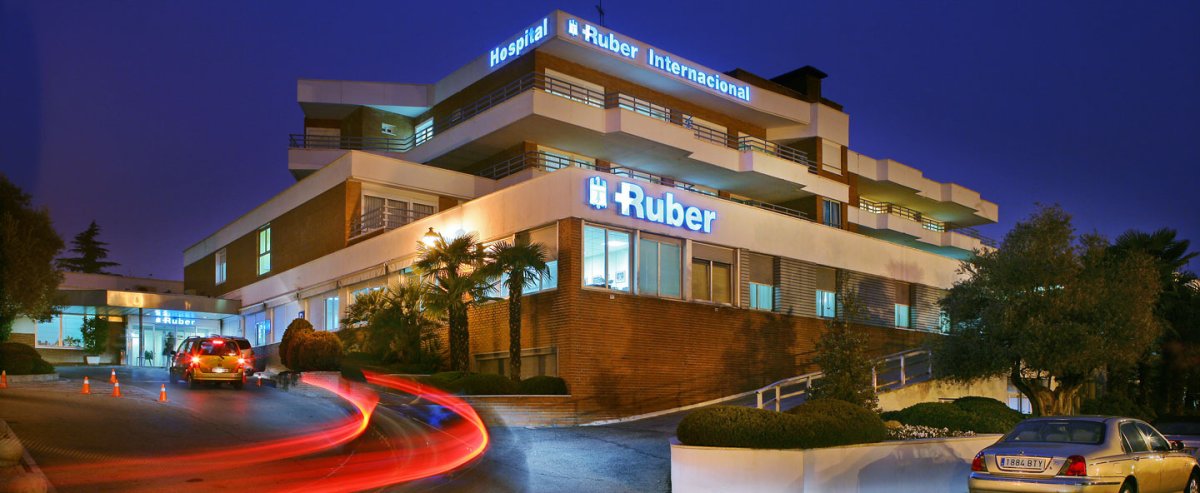
رؤية خبير Bookimed: تستضيف إسبانيا أكثر من 80 عيادة بما في ذلك مرافق عالمية المستوى مثل مستشفى روبير الدولي (Hospital Ruber Internacional). يحمل هذا المستشفى اعتماد اللجنة الدولية المشتركة (JCI) ويخدم 25,000 مريض سنوياً. في حين أن الإزالة غير الجراحية باستخدام المجهر هي الخيار الأول، توفر هذه المراكز المتقدمة بدائل جراحية لضمان الحفاظ على السن.
إجماع المرضى: يجد العديد من المرضى الراحة في معرفة أن المتخصصين يستخدمون المجاهر والتصوير عالي الدقة لتحديد حتى الشظايا المعدنية الصغيرة. غالباً ما تكون اتخاذ خطوات لإزالة العائق هي الطريقة الوحيدة لحل الألم المزمن وتجن
كيف يساعد المجهر في استرجاع الملفات المكسورة؟
يساعد مجهر الأسنان في استرجاع الملفات المكسورة من خلال توفير تكبير عالي القوة وإضاءة محورية لتصور قنوات الجذر المظلمة. تسمح هذه الرؤية للمتخصصين بإنشاء منصة عمل، مما يكشف عن 2 إلى 3 مم من الجزء المكسور. كما يتيح التنقل الدقيق برأس الموجات فوق الصوتية مع الحفاظ على بنية السن السليمة.
- التقييم البصري: يحدد طبيب الأسنان موقع الجزء المكسور بالنسبة لانحناء قناة الجذر.
- الإزالة التحفظية: يمنع التكبير العالي الإزالة المفرطة للعاج ويتجنب مخاطر ثقب الجذر.
- التوجيه بالموجات فوق الصوتية: يستخدم المتخصصون رؤوس الموجات فوق الصوتية لاهتزاز رأس الملف دون إتلاف الجدران.
- معدلات النجاح: تزيد الرؤية المحسنة من احتمالية الاسترجاع مقارنة بمجرد تجاوز الأداة.
رؤية خبير Bookimed: يضمن اختيار المرافق المعتمدة من JCI مثل مستشفى روبر الدولي الوصول إلى تكنولوجيا علاج الجذور المتقدمة. تظهر بياناتنا أن العيادات الإسبانية التي تقدم هذه الإجراءات تحافظ على معايير عالية من خلال التصوير بالرنين المغناطيسي 3-تسلا وشهادات ISO.
إجماع المرضى: يعتمد استرجاع الأجزاء المكسورة بشكل كبير على الأدوات المتخصصة لأخصائي علاج الجذور بدلاً من معدات طب الأسنان العامة. غالبًا ما يجد المرضى أن الألم المستمر ينبع من البكتيريا الموجودة حول الملف، وليس من المعدن نفسه.
ما هو معدل نجاح إزالة الأدوات المكسورة باستخدام المجهر؟
تتراوح معدلات نجاح إزالة الأدوات المكسورة باستخدام المجهر بين 70% و 93%. تحقق الجراحة المجهرية اللبية المتخصصة نجاحاً يصل إلى 94% مقارنة بـ 59% فقط للطرق التقليدية. يسمح التصوير المتقدم للمتخصصين بتجاوز أو استرجاع الملفات المكسورة مع الحفاظ على السلامة الهيكلية لقناة الجذر.
- الوصول البصري: تصل معدلات النجاح إلى 85% عندما يكون الجزء المكسور مرئياً تحت تكبير عالي الطاقة.
- انحناء القناة: تظهر القنوات المستقيمة نجاحاً بنسبة 95%، وتنخفض إلى 42% في الانحناءات التي تزيد عن 30 درجة.
- موقع الجزء المكسور: يبلغ متوسط نجاح الاسترجاع من منتصف الجذر 83% بينما يبلغ متوسط الإزالة من الذروة 61%.
- المعيار الذهبي: يوفر الجمع بين مجاهر الأسنان ورؤوس الموجات فوق الصوتية أعلى مستويات النجاح السريري عالمياً.
رؤية خبير Bookimed: بينما تقدم العيادات الصغيرة علاجات لبية أساسية، يعتمد نجاح الاسترجاع على التكنولوجيا المتقدمة الموجودة في المراكز الإسبانية الكبيرة. يستخدم مستشفى روبير الدولي (Hospital Ruber Internacional) تصويراً عالي الجودة ورنيناً مغناطيسياً بقوة 3 تسلا للتشخيصات المعقدة. يضمن اختيار منشأة حاصلة على اعتماد JCI أن الجراحين يتبعون أعلى بروتوكولات السلامة الدولية لإدارة الأدوات.
إجماع المرضى: غالباً ما يشعر المرضى بالارتياح لمعرفة أن كسر الملفات هو خطر إجرائي متأصل وليس إهمالاً. يختار الكثيرون مراقبة الأجزاء المعقمة التي لا تسبب ألماً بدلاً من الخضوع لعملية استرجاع معقدة.
هل توجد بدائل إذا تعذر إزالة الجسم الغريب؟
عندما تفشل عملية الإزالة المجهرية القياسية لجسم غريب في قناة الجذر، تشمل العلاجات البديلة جراحة ذروة الجذر (استئصال الذروة)، أو خلع السن، أو المراقبة طويلة الأمد. عادةً ما يعطي الجراحون في مرافق مثل مستشفى روبر الدولي (Hospital Ruber Internacional) في مدريد الأولوية للحفاظ على السن من خلال تدخلات جراحية متخصصة قبل التفكير في الإزالة الدائمة.
- استئصال ذروة الجذر: يسمح استئصال نهاية الجذر جراحيًا بالوصول إلى الجسم الغريب عبر اللثة.
- خلع السن: الملاذ الأخير الذي يتم اللجوء إليه عندما لا يمكن إنقاذ بنية السن.
- زراعة الأسنان: تحل الغرسات محل السن المخلوع لمنع فقدان العظام وتحرك الأسنان.
- المراقبة اليقظة: تتم مراقبة الأجسام الصغيرة التي لا تسبب أعراضًا إذا لم تكن تسبب عدوى.
رؤية خبير Bookimed: يُظهر تحليل الاتجاهات السريرية في إسبانيا أن التشخيص عالي التقنية غالبًا ما يغير التوقعات. نوصي بإجراء تصوير مقطعي محوسب مخروطي الأشعة (CBCT) قبل الخضوع للخلع. تستخدم المراكز المعتمدة من اللجنة الدولية المشتركة (JCI) مثل مستشفى روبر الدولي هذه الصور ثلاثية الأبعاد لتحديد موقع الأجسام بدقة، وغالبًا ما تجد مسارًا للإزالة لا تظهره الأشعة السينية ثنائية الأبعاد القياسية.
إجماع المرضى: يجد العديد من المرضى أن الحصول على رأي ثانٍ باستخدام التصوير المتقدم أمر ضروري. يؤكد معظمهم أن استبدال السن فورًا بعد الخلع أمر حيوي للحفاظ على صحة الفم على المدى الطويل.
كم تستغرق العملية؟
تستغرق عملية الإزالة المجهرية لجسم غريب من قنوات الجذر في إسبانيا عادةً ساعتين لكل زيارة. غالبًا ما يحتاج المرضى إلى جلسات متعددة لضمان التنظيف الدقيق والاستخراج الناجح. يستخدم المتخصصون مجاهر لبية عالية التكبير للتنقل في هياكل القنوات المعقدة والحفاظ على بنية السن الطبيعية.
- مدة الجلسة: يبلغ متوسط المواعيد ساعتين بسبب العمل المجهري المفصل والدقة المطلوبة.
- تكرار العلاج: غالبًا ما تمتد عمليات الاستخراج المعقدة إلى زيارتين لفصل خطوات الاستخراج والتطهير.
- الدقة السريرية: يستخدم أخصائيو علاج الجذور معدات ليزر متخصصة ومجاهر لتجنب تلف القناة.
- أولوية النجاح: يظل التركيز على الحفاظ على السن لمنع إجراءات الزرع المكلفة في المستقبل.
رؤية خبير Bookimed: تحتل إسبانيا المرتبة السادسة عالميًا من حيث الطلبات الطبية على منصتنا. تحافظ المرافق عالية المستوى مثل مستشفى روبر الدولي (Hospital Ruber Internacional) على اعتماد JCI ومعايير ISO. في حين أن إجراءات الأسنان البسيطة أسرع، فإن إزالة الأجسام الغريبة تتطلب أخصائي علاج جذور. اختيار عيادة تمتلك تقنية التصوير بالرنين المغناطيسي 3-تسلا أو سكين جاما غالبًا ما يشير إلى معايير أعلى للمعدات المتخصصة.
إجماع المرضى: توقع قضاء وقت طويل على كرسي الأسنان لهذا الإجراء. ينصح معظم المرضى بإعطاء الأولوية لأخصائيي علاج الجذور المتخصصين على أطباء الأسنان العامين لضمان أفضل نتيجة سريرية.
أين يمكنني العثور على أخصائي علاج جذور الأسنان يستخدم المجهر في إسبانيا؟
يتواجد أخصائيو علاج جذور الأسنان الذين يستخدمون المجاهر في مراكز طب الأسنان الإسبانية الراقية، وخاصة في مدريد وفالنسيا. تستخدم هذه المرافق التخصصية الخاصة مجاهر جراحية للمهام المعقدة. ويشمل ذلك إزالة الأدوات المكسورة أو الأجسام الغريبة داخل قنوات الجذر لضمان الحفاظ على السن بدقة.
- شهادة التخصص: ابحث عن الأطباء الذين يتم تحديدهم كـ endodoncista exclusivo للحصول على وصول فائق لتكنولوجيا المجهر.
- التكنولوجيا المطلوبة: تأكد من وجود microscopía endodontica قبل حجز عمليات الاسترجاع المعقدة.
- مراكز الموقع: توفر مراكز مدريد مثل Hospital Ruber Internacional بنية تحتية جراحية وتصويرية متقدمة.
- عملية الإحالة: غالبًا ما يحيل أطباء الأسنان العامون حالات الأجسام الغريبة إلى هذه العيادات الخاصة المتخصصة.
رؤية خبير Bookimed: على الرغم من انتشار طب الأسنان العام في إسبانيا، يظل الاسترجاع المجهري خدمة متخصصة. تعالج المرافق المعتمدة من JCI مثل Hospital Ruber Internacional 25,000 مريض سنويًا. وهي توفر التصوير عالي المستوى اللازم لهذه الحالات. إن اختيار أخصائي متفرغ بدلاً من طبيب عام يزيد بشكل كبير من فرصة إنقاذ سنك الطبيعي.
إجماع المرضى: يؤكد المرضى أن تكنولوجيا المجهر ضرورية للوصول إلى الجذور العميقة. ويوصون بدفع تكاليف استشارة قصيرة مع أخصائي لتأمين خطة علاج واضحة قبل المتابعة.