ساق اصطناعية للاطفال في إسبانيا — احصل على 3 عيادات مطابقة مع التكاليف


تمت مراجعة المقالة طبيا من قبل
فهد مولود
ما هي تكلفة ساق اصطناعية للاطفال في إسبانيا؟ اكتشف الآن
تتراوح تكلفة الطرف الاصطناعي للأطفال في إسبانيا عادةً من _price_from_ إلى _price_to_. تختلف الأسعار حسب نوع الطرف الاصطناعي (تحت الركبة، فوق الركبة، أو نماذج رياضية عالية النشاط)، والعيادة، وخبرة فني الأطراف الاصطناعية.
في إسبانيا، يشمل السعر عادةً الاستشارة الأولية، والقياس والتركيب، والطرف الاصطناعي (بمكونات للأطفال)، وجلسات التركيب، والتعديلات الأساسية للمتابعة. في ألمانيا، قد تقوم بعض العيادات بفوترة التصاميم المتقدمة للسوكت، أو التركيبات الإضافية، أو بطانات الاستبدال بشكل منفصل. يجب دائمًا التأكد مما هو مشمول مع كل مقدم خدمة، خاصةً للأطفال الذين ينمون ويحتاجون إلى تعديلات متكررة.
المزايا الرئيسية
لماذا تختار إسبانيا لحلول الأطراف الاصطناعية للأطفال؟
- عيادات معتمدة: المستشفيات المعتمدة من JCI تقدم رعاية عالمية المستوى وتلتزم بمعايير السلامة الصارمة.
- أحدث التقنيات: الأجهزة مثل Ottobock C-Leg 4 وÖssur's Pro-Flex XC مشهورة بقدرتها على التكيف وراحتها. توفر للأطفال حركة محسنة ونوعية حياة أفضل.
- نسب نجاح عالية: تدخلات الأطراف الاصطناعية في إسبانيا تتمتع بفعالية 95%. تحسن بشكل كبير الحركة والوظيفة اليومية في ظل ظروف مرضى متنوعة.
- جراحون خبراء: يقوم جراحو العظام الرائدون، المعتمدون من الجمعية الإسبانية لجراحة العظام والرضوض، بأكثر من 500 تركيب للأطراف الاصطناعية للأطفال سنويًا. يضمنون خطط علاج شخصية وفعالة.
احصل على حلول متقدمة للأطراف الاصطناعية للأطفال في عيادات موثوقة .
مزاياك وضماناتك مع Bookimed
أسعار مباشرة
Bookimed لا يضيف رسوماً إضافية على أسعار ساق اصطناعية للاطفال. الأسعار مأخوذة من قوائم الأسعار الرسمية للعيادات. تدفع مباشرة في العيادة مقابل ساق اصطناعية للاطفال عند وصولك.
عيادات وأطباء معتمدون فقط
Bookimed ملتزم بسلامتك. نحن نعمل فقط مع المؤسسات الطبية التي تحافظ على معايير دولية عالية في ساق اصطناعية للاطفال ولديها التراخيص اللازمة لخدمة المرضى الدوليين في جميع أنحاء العالم.
مساعدة مجانية على مدار الساعة
Bookimed يقدم مساعدة خبراء مجانية. منسق طبي شخصي يدعمك قبل وأثناء وبعد العلاج، ويحل أي مشاكل. لن تكون وحيداً أبداً في رحلة ساق اصطناعية للاطفال.

منسقك الطبي الشخصي في Bookimed
- يدعمك في كل مرحلة
- المساعدة في اختيار العيادة الطبية المناسبة والطبيب المناسب
- يضمن الوصول السريع والمريح إلى المعلومات
اكتشف أفضل ساق اصطناعية للاطفال العيادات في إسبانيا: 1 خيار معتمدة والأسعار
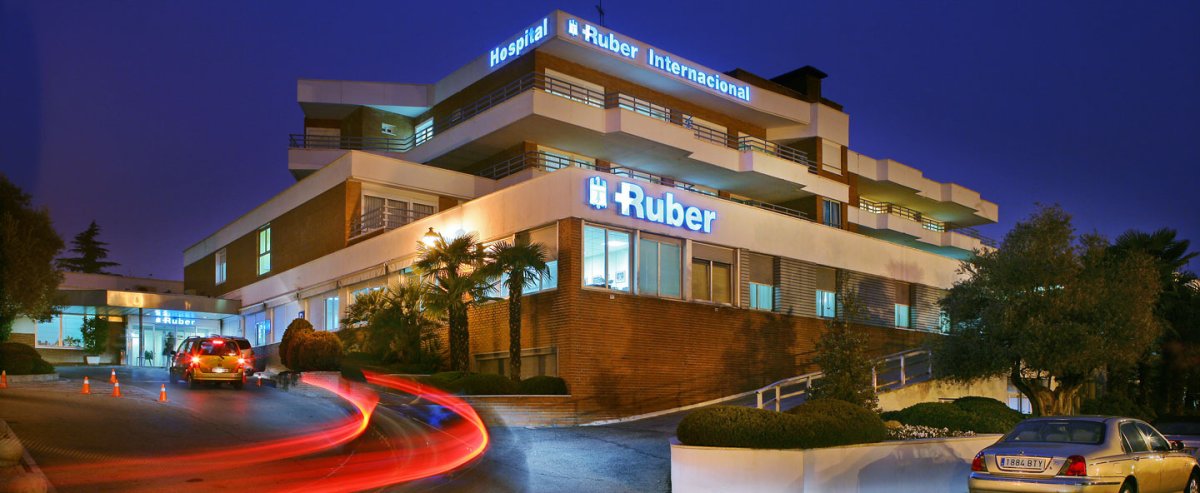


نظرة عامة على ساق اصطناعية للاطفال في إسبانيا
- الأطراف الاصطناعية - من $5,400
يتضمن الإجراء استبدال الأطراف المفقودة ، وتحسين الحركة ، واستخدام الأطراف الاصطناعية المصممة لأنشطة مختلفة.
- طرف اصطناعي تحت الركبة - من $5,500
يستبدل هذا العلاج الجزء السفلي من الساق ويحسن الحركة ويعزز نوعية الحياة بعد البتر.
- قدم اصطناعية - من $4,500
يتضمن الإجراء ربط قدم صناعية لتمكين الحركة وتحسين نوعية الحياة.
- ساق آلية - من $40,000
تُركب العملية طرفًا اصطناعيًا عالي التقنية ، مما يحسن التنقل والتوازن للأشخاص الذين يعانون من فقدان الساق.
- ساق اصطناعية الكترونية - من $14,000
يزود هذا الإجراء المرضى بأرجل صناعية متطورة وقابلة للبرمجة ، مما يعزز الحركة والدقة والراحة.
- ذراع اصطناعية - من $4,500
يستبدل هذا العلاج الذراع المفقودة ، مما يحسن الحركة والوظائف من خلال طرف اصطناعي.
- ذراع اصطناعية تجميلية - من $4,200
يوفر الإجراء استبدالًا جماليًا للذراع المفقودة مما يضمن المظهر الطبيعي ويعزز الثقة بالنفس.
- إصبع اصطناعي - من $3,800
يساعد هذا الإجراء في استبدال الأرقام المفقودة ، وتحسين وظيفة اليد والمظهر باستبدال قابل للتخصيص ومتحرك.
اليوم 1
- الوصول إلى العيادة ، عملية تسجيل الوصول.
- التشاور مع أخصائي الأطراف الصناعية.
- الفحص البدني من قبل طبيب الأطفال.
- يتم إجراء اختبارات التصوير الشعاعي.
اليوم الثاني
- التخطيط قبل الجراحة للساق الاصطناعية.
- يتم أخذ قياسات الجهاز التعويضي.
- البدء في تصميم وتصنيع الساق الاصطناعية.
يوم 3
- يتم إجراء التركيبات والتعديلات النهائية على الساق الاصطناعية.
- يتم إجراء المحاولة الأولية للساق الاصطناعية.
الأسبوع 1
- يبدأ المرضى بجلسات العلاج الطبيعي.
- تعلم التوازن والمشي بالساق الصناعية.
- المتابعة المنتظمة مع أخصائي الأطراف الصناعية لإجراء التعديلات.
الأسبوع 2-4
- استمرار جلسات العلاج الطبيعي.
- زيادة تدريجية في الاستخدام اليومي للساق الاصطناعية.
- يبدأ المريض في أداء الأنشطة اليومية.
الأسبوع 5-8
- يتم تشجيع المرضى على العودة إلى المدرسة.
- يتم إدخال أنشطة أكثر تعقيدًا في العلاج.
- يتم إجراء التعديلات النهائية على الساق الاصطناعية.
الأسبوع 9-12
- يمكن للمرضى البدء في ممارسة الرياضة والأنشطة البدنية الأخرى.
- تظهر النتائج النهائية للساق الاصطناعية.
شفاء كل مريض فريد والجدول الزمني أعلاه هو تقدير. قد تختلف التجارب الفردية.
- إيداع Bookimed: 200 دولار أو 200 يورو.
- وديعة العيادة: ادفع نسبة محددة مقدمًا.
احصل على تقييم طبي لـ ساق اصطناعية للاطفال في إسبانيا: اختر أخصائيك من بين الأفضل في هذا المجال
عرض جميع الأطباء
Pablo De La Cuadra
يقود الدكتور بابلو دي لا كوادرا فريقاً متعدد التخصصات في مستشفى روبر الدولي (Hospital Ruber Internacional)، متخصصاً في التقنيات العظمية المتقدمة لتحقيق أفضل النتائج الوظيفية.
- أكثر من 25 عاماً من الخبرة في جراحة العظام والرضوض
- خبير في تقنيات تنظير المفاصل طفيفة التوغل
- متخصص في بروتوكولات التعافي الموجهة للرياضيين
- أستاذ مشارك في جامعة مدريد المستقلة
- قائد فريق متخصص في الرضوض

Inmaculada Gómez Arrayás
تُعد الدكتورة إنماكولادا غوميز أراياس واحدة من أفضل 100 طبيب في إسبانيا وفقاً لمجلة فوربس. تشغل منصب رئيس قسم جراحة العظام في مستشفى روبر الدولي في مدريد. تُعتبر الدكتورة أراياس رائدة في استخدام أنظمة الملاحة لإجراء جراحات دقيقة لاستبدال المفاصل. وهي متخصصة في الإجراءات طفيفة التوغل للورك والركبة وبروتوكولات التعافي السريع.
- حاصلة على شهادة ISO 9001 للجودة في جراحات استبدال الورك والركبة.
- تُجري عمليات تنظير الركبة والورك بالإضافة إلى عمليات إعادة بناء المفاصل المعقدة والمراج

Javier Albiñana
كرس الدكتور ألبينيانا 41 سنة لطب عظام الأطفال، متخصصاً في الحالات المعقدة مثل خلل التنسج الوركي ومرض بيرثيس في مستشفى كيرون سالود مدريد.
- رئيس سابق لقسم عظام الأطفال في مستشفى لا باز
- حاصل على زمالة من جامعة أيوا وجامعة أكسفورد
- نشر أبحاثاً حول خلل التنسج الحقي ونتائج استخدام حزام بافليك
- أستاذ مشارك في جامعة مدريد المستقلة
المراجعات
جميع المراجعات
مشاركة المحتوى
قصص فيديو من مرضى Bookimed
 Anna Leonova
أسئلة متكررة حول ساق اصطناعية للاطفال في إسبانيا
ما هي المخاطر والمضاعفات الرئيسية المرتبطة بالأطراف الصناعية للأطفال؟
تشمل مضاعفات الأطراف الصناعية للأطفال بشكل أساسي مشاكل سلامة الجلد، واختلال المحاذاة العضلية الهيكلية، وتحديات الملاءمة المتكررة الناتجة عن النمو السريع. تتطلب مخاطر مثل قرح الضغط، والألم الوهمي، وإجهاد المفاصل مراقبة مستمرة من قبل جراحي العظام المتخصصين في مرافق معتمدة لضمان الحركة والراحة على المدى الطويل.
- صحة الجلد: غالبًا ما يسبب احتكاك المقبس تقرحات مؤلمة وقرح ضغط وبثور.
- تعديلات النمو: تتطلب التغيرات السريعة في الأطراف استبدال المقبس بشكل متكرر لمنع ضمور العضلات.
- عدم الراحة الحراري: يمكن للبطانات السيليكونية أن تحبس الحرارة، مما يسبب طفحًا جلديًا ناتجًا عن العرق أو ردود فعل تحسسية.
- إجهاد المفاصل: قد تؤدي الأجهزة غير المحاذية بشكل صحيح إلى خلع الورك أو آلام الظهر المزمنة.
- الوقاية من السقوط: تزيد المساحة المحدودة للمكونات في الأطراف الصغيرة من خطر عدم الاستقرار.
رؤية خبير Bookimed: تستضيف إسبانيا مراكز تقويم عظام عالمية المستوى مثل مستشفى روبير الدولي (Hospital Ruber Internacional)، حيث غالبًا ما يتعامل الجراحون مع المضاعفات المتعلقة بالنمو باستخدام تقنيات متقدمة. تظهر البيانات أن إشراك رواد مثل الدكتورة إنماكولادا غوميز أراياس يضمن الوصول إلى تقنيات الملاحة التي تحسن محاذاة الأطراف الصناعية. يساعد اختيار عيادة ذات قدرات تصوير بالرنين المغناطيسي 3 تسلا في مراقبة صحة العظام ونقاط التثبيت بدقة أكبر.
إجماع المرضى: يؤكد الآباء أن مشاكل الملاءمة المتعلقة بالنمو هي التحدي الأكثر استمرارًا.
ما هي المؤهلات والشهادات التي يجب أن أبحث عنها في أخصائي الأطراف الصناعية للأطفال في إسبانيا؟
يجب أن يحمل أخصائيو الأطراف الصناعية للأطفال في إسبانيا لقب «فني عالي في تقويم العظام والأطراف الصناعية» (Tecnico Superior en Ortoprotesis) لممارسة المهنة. ابحث عن الممارسين المسجلين في الاتحاد الإسباني لأخصائيي تقويم العظام والأطراف الصناعية (FEDOP) وأولئك الذين يعملون في مراكز متعددة التخصصات ومعتمدة من قبل اللجنة الدولية المشتركة (JCI) مثل مستشفى روبر الدولي (Hospital Ruber Internacional).
- اللقب المهني الإسباني: شهادة Tecnico Superior en Ortoprotesis مطلوبة لجميع أخصائيي الأطراف الصناعية الممارسين.
- التسجيل في FEDOP: العضوية في الاتحاد الإسباني تؤكد الامتثال للمعايير المهنية الوطنية.
- اعتماد ISPO: تشير شهادة الجمعية الدولية للأطراف الصناعية وتقويم العظام إلى معايير تعليمية متميزة.
- الخبرة متعددة التخصصات: التعاون مع جراحي العظام مثل الدكتور خافيير ألبينارا يضمن تركيب أطراف تتناسب مع نمو الطفل.
رؤية خبير Bookimed: غالبًا ما تكمن مؤشرات الجودة في ارتباطات المنشأة بالمستشفيات. في حين توجد متاجر تقويم عظام صغيرة، فإن اختيار أخصائي أطراف صناعية يعمل داخل منشأة معتمدة من JCI مثل مستشفى روبر الدولي يضمن الوصول إلى تقنية إعادة البناء ثلاثية الأبعاد المتقدمة. يعد هذا التكامل حيويًا لحالات الأطفال حيث يجب مراقبة نمو العظام ومحاذاة الأطراف الصناعية في وقت واحد من قبل الفرق الجراحية وفرق الأطراف الصناعية.
إجماع المرضى: يؤكد الآباء على أهمية التحقق من خبرة الأخصائي في الميكانيكا الحيوية للأطفال. ويوصون بالعمل من خلال جراح عظا
في أي عمر يمكن للطفل الحصول على أول طرف صناعي للساق، وكيف يتم تحديد الأهلية؟
عادةً ما يحصل الأطفال على أول طرف صناعي للساق بين عمر 6 و 12 شهراً. يتزامن هذا التوقيت مع مراحل النمو مثل الجلوس والوقوف. يشجع التركيب المبكر على دمج الطرف في الدماغ ويدعم التوازن الطبيعي أثناء النمو.
- الاستعداد التنموي: يبدأ التركيب عندما يظهر الرضع اهتماماً بالزحف أو الوقوف.
- تصميم مخصص: يقدم متخصصون مثل الدكتور خافيير ألبينانيا تصميمات تتكيف مع النمو للتشوهات الخلقية.
- التقييم المهني: يتطلب التقييم فريقاً متعدد التخصصات يضم جراحي العظام وأخصائيي إعادة التأهيل.
- تعديلات متكررة: يحتاج الرضع إلى قوالب أو أجهزة جديدة سنوياً حتى سن 5 سنوات بسبب النمو.
رؤية خبير Bookimed: توفر إسبانيا ميزة سريرية فريدة من خلال مراكز معتمدة من JCI مثل مستشفى روبر الدولي (Hospital Ruber Internacional). تجمع هذه المرافق بين جراحة العظام المتقدمة للأطفال والخبرة الجراحية المصنفة من قبل فوربس. يضمن اختيار مركز يعالج الأطفال والبالغين انتقالاً سلساً للرعاية طويلة الأمد. هذا أمر حيوي لأن تغيير القوالب يظل متكرراً طوال فترة نمو الطفل.
إجماع المرضى: يؤكد الآباء أن الأهلية تعتمد على الاستقرار البدني أكثر من أي عمر محدد. غالباً ما يساعد وصف الطرف الصناعي بأنه «ساق روبوت» الأطفال على الشعور براحة أكبر وتفاعل أكثر.
ما هي أنواع الأطراف الصناعية للساق المتاحة للأطفال، وكيف تختلف؟
تتراوح الأطراف الصناعية للساق للأطفال من النماذج السلبية للأطفال الصغار إلى الشفرات المصنوعة من ألياف الكربون عالية الأداء والأنظمة القابلة للتكيف مع النمو. تختلف هذه الأجهزة حسب المستوى الوظيفي، ومتطلبات النشاط، والمكونات المتخصصة مثل الأقدام التي تعيد الطاقة أو المواد المقاومة للماء المصممة لتحمل اللعب عالي التأثير والنمو البدني السريع.
- الأنواع الوظيفية: النماذج القياسية ذات الطول الثابت، والقابلة للتكيف مع النمو، والمطبوعة ثلاثية الأبعاد، والنماذج البيونية تناسب احتياجات التنقل المختلفة.
- التكيف مع النمو: تستوعب الأطراف الصناعية القابلة للتعديل النمو لمدة 12-15 شهرًا قبل الحاجة إلى استبدال كامل للقالب (socket).
- مستوى النشاط: توفر الشفرات الرياضية مثل Cheetah Junior عودة للطاقة للجري والقفز.
- متانة المواد: تضمن ألياف الكربون والفولاذ المقاوم للصدأ السلامة أثناء الأنشطة المدرسية والرياضية عالية التأثير.
رؤية خبير Bookimed: لا تدع تسويق قابلية التعديل يطغى على اختيارك للمتخصص. على الرغم من وجود أطراف صناعية قابلة للتكيف مع النمو، يحتاج الأطفال عادةً إلى جهاز جديد تمامًا كل 12 إلى 18 شهرًا. تركز المراكز الإسبانية الرائدة مثل مستشفى روبر الدولي (Hospital Ruber Internacional) على فرق متخصصة في إصابات الأطفال للحفاظ على محاذاة الورك. تظهر الأدلة أن النماذج ذات الطول الثابت غالبًا ما تتعامل مع إجهاد النشاط العالي بشكل أفضل من المكونات القابلة للتعديل المعقدة. أعط الأولوية لعيادة ذات أحجام جراحية واستشارية عالية لضمان ملاءمة دقيقة للقالب أثناء
ما الذي يتضمنه عملية التأهيل والتكيف للطفل الذي يرتدي طرفاً صناعياً جديداً للساق؟
يتضمن تأهيل الطفل الذي يرتدي طرفاً صناعياً للساق رعاية متعددة التخصصات تركز على التدريب على المشي والتعديلات اللازمة للنمو السريع. تدمج العملية العلاج الطبيعي، وتجهيز المقبس (socket)، وتقوية عضلات الجذع لتحقيق القدرة على الحركة اليومية في غضون شهرين والعودة إلى ممارسة الرياضة في غضون 6 أشهر.
- التدريب على المشي: يساعد العلاج الطبيعي المتخصص الأطفال على إتقان المشي وصعود الدرج بأمان.
- تعديلات النمو: تسمح التعديلات المتكررة للمقبس بالتكيف مع التغيرات الجسدية السريعة لدى الأطفال النامين.
- حماية الجلد: استخدام الجوارب الهلامية أو البطانات يمنع التهيج ويحسن مستويات الراحة اليومية.
- دعم الفريق: يتعاون جراحو العظام مثل خافيير ألبينانا مع فنيي الأطراف الصناعية لضمان أفضل ملاءمة.
رؤية خبير Bookimed: تعتمد جودة الحياة على ملاءمة المقبس أكثر من العلامة التجارية للجهاز. ركز على المراكز التي تقدم خدمات جراحة العظام المعتمدة من ISO لضمان المحاذاة الدقيقة لصحة العمود الفقري.
إجماع المرضى: يحدث الإتقان بخطوات صغيرة، مثل التخلي عن العكازات في المنزل قبل بناء الثقة في الخارج. يجد الكثيرون أن المقبس الجيد يجب أن يكون مريحاً مثل حذاء الجري.
كم من الوقت يبقى الطفل عادةً في إسبانيا لتركيب الأطراف الصناعية وإعادة التأهيل الأولي؟
عادةً ما يبقى الأطفال في إسبانيا لمدة تتراوح بين شهر إلى شهرين للحصول على خدمات تركيب الأطراف الصناعية وإعادة التأهيل الأولي في القطاع الخاص. يشمل هذا الإطار الزمني التقييم الشخصي، والتصنيع المخصص، والتدريب المكثف على الحركة. غالبًا ما تدمج العملية تقنيات متقدمة مثل تقييم المفاصل الموجه بالحاسوب لضمان وضع الغرسة بدقة للأطراف النامية.
- الالتئام الأولي: يتطلب تقليل التورم وإزالة الدبابيس من 4 إلى 5 أسابيع بعد الجراحة قبل أخذ القياسات.
- التصنيع المخصص: يمكن لتقنيات الطباعة ثلاثية الأبعاد المتقدمة تقليل وقت إنتاج المقبس إلى بضعة أيام فقط.
- التدريب على الحركة: عادةً ما يتم دمج إعادة التأهيل المكثف في الأسابيع من 2 إلى 4 الأخيرة.
- الجدول الزمني الإجمالي: يتم تسليم الجهاز الوظيفي عادةً بعد 6 إلى 12 أسبوعًا من الإجراء الجراحي.
رؤية خبير Bookimed: تستخدم مرافق مدريد الرائدة مثل مستشفى روبر الدولي (Hospital Ruber Internacional) تقنيات الملاحة وخبراء الجراحة الروبوتية. بينما قد تستغرق الأنظمة العامة 6 أشهر، تقوم المراكز الخاصة بتنسيق جهود جراحي العظام المتخصصين للأطفال مع التصنيع عالي التقنية. تضمن هذه الخبرة المحددة تكيف الطرف الصناعي مع نمو الطفل السريع مع تقليل تشوهات الهيكل العظمي على المدى الطويل.
إجماع المرضى: يؤكد الآباء أن استعجال إعادة التأهيل يأتي بنتائج عكسية للأطفال. يعتمد النجاح على السماح للطفل بالتأقلم مع الجهاز وفقًا لوتيرة نموه الخاصة.
هل توجد مراكز متخصصة في الأطراف الصناعية للأطفال أو توصيات إقليمية في إسبانيا؟
تستضيف إسبانيا مراكز عالمية المستوى للأطراف الصناعية للأطفال في مدريد وبرشلونة، متخصصة في الأطراف الإلكترونية (البايونية) والأجهزة التي تتكيف مع النمو. تجمع مرافق مثل مستشفى روبير الدولي (Hospital Ruber Internacional) والوحدات المتخصصة في برشلونة بين المسح ثلاثي الأبعاد وإعادة التأهيل متعدد التخصصات للأطفال الذين يعانون من نقص في الأطراف أو تشوهات العظام.
- مركز مدريد: يقدم مستشفى روبير الدولي رعاية تقويم العظام المعتمدة من قبل اللجنة الدولية المشتركة (JCI).
- تميز برشلونة: يوفر القادة الإقليميون تقنيات ألياف الكربون المخصصة وجراحة العظام المتخصصة للأطفال.
- جراحون متخصصون: يركز خبراء مثل خافيير ألبينيانا على إطالة الأطراف المعقدة وتثبيتها.
- التركيز التكنولوجي: تستخدم المراكز أنظمة المفاصل الروبوتية والجراحة الموجهة بالملاحة للحصول على تركيبات دقيقة.
رؤية خبير Bookimed: تقدم إسبانيا ميزة سريرية فريدة للحالات المعقدة من خلال الجمع بين تصحيح تشوه العظام وتركيب الأطراف الصناعية. يعمل جراحون مثل خافيير ألبينيانا، الذي تدرب في أكسفورد وأيوا، على سد الفجوة بين إعادة البناء الجراحي والتنقل البايوني. في حين أن سعر طرف صناعي للساق للأطفال في إسبانيا يتراوح بين السعر عند الطلب و السعر عند الطلب، فإن هذا غالباً ما يشمل علاجات تجديدية متقدمة مثل البلازما الغنية بالصفائح الدموية لدعم الطرف المتبقي.
إجماع المرضى: يُنصح العائلات ببدء الاستفسارات في مستشفيات الأطفال الكبرى في مدريد أو برشلونة للتنقل بين الإحالات العامة ومراكز ت