ذراع اصطناعية في إسبانيا: 1 عيادة


تمت مراجعة المقالة طبيا من قبل
فهد مولود
ما هي تكلفة ذراع اصطناعية في إسبانيا؟ اكتشف الآن
تتراوح تكلفة الطرف الصناعي للذراع في إسبانيا عادةً من $4,500 إلى $11,000. يختلف السعر اعتماداً على نوع الطرف الصناعي (كهربائي عضلي، أو يعمل بحركة الجسم، أو تجميلي)، والمواد المستخدمة (ألياف الكربون، السيليكون، التيتانيوم)، وخبرة العيادة.
عادةً ما تشمل العيادات الإسبانية التقييم الأولي، والقياسات المخصصة، والجهاز التعويضي، وجلسات التركيب، وتعديلات المتابعة. غالباً ما يكون العلاج الطبيعي والتدريب على استخدام الجهاز جزءاً من الباقة. في الولايات المتحدة، غالباً ما يتم دفع تكاليف القياسات الأولية، وترقيات الجهاز، وجلسات العلاج بشكل منفصل. تأكد دائماً مما هو مشمول بالضبط مع العيادة التي اخترتها.
| تركيا | إسبانيا | ألمانيا | |
|---|---|---|---|
| ذراع اصطناعية | ≈ $4,500 | ≈ $4,500 | ≈ $9,000 |
مزاياك وضماناتك مع Bookimed
أسعار مباشرة
Bookimed لا يضيف رسوماً إضافية على أسعار ذراع اصطناعية. الأسعار مأخوذة من قوائم الأسعار الرسمية للعيادات. تدفع مباشرة في العيادة مقابل ذراع اصطناعية عند وصولك.
عيادات وأطباء معتمدون فقط
Bookimed ملتزم بسلامتك. نحن نعمل فقط مع المؤسسات الطبية التي تحافظ على معايير دولية عالية في ذراع اصطناعية ولديها التراخيص اللازمة لخدمة المرضى الدوليين في جميع أنحاء العالم.
مساعدة مجانية على مدار الساعة
Bookimed يقدم مساعدة خبراء مجانية. منسق طبي شخصي يدعمك قبل وأثناء وبعد العلاج، ويحل أي مشاكل. لن تكون وحيداً أبداً في رحلة ذراع اصطناعية.

منسقك الطبي الشخصي في Bookimed
- يدعمك في كل مرحلة
- المساعدة في اختيار العيادة الطبية المناسبة والطبيب المناسب
- يضمن الوصول السريع والمريح إلى المعلومات
اكتشف أفضل ذراع اصطناعية العيادات في إسبانيا: 1 خيار معتمدة والأسعار
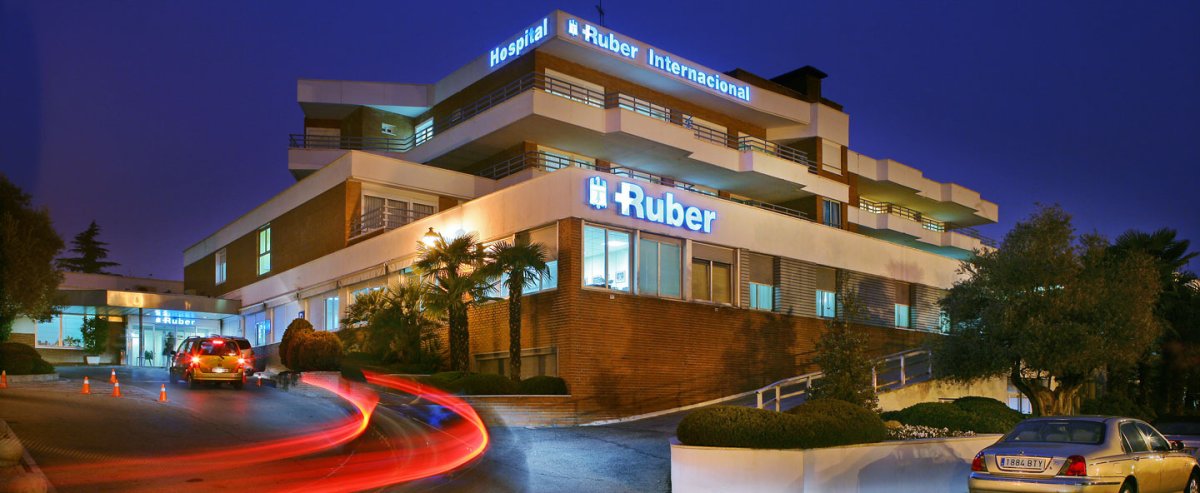


نظرة عامة على ذراع اصطناعية في إسبانيا
- الأطراف الاصطناعية - من $5,400
يتضمن الإجراء استبدال الأطراف المفقودة ، وتحسين الحركة ، واستخدام الأطراف الاصطناعية المصممة لأنشطة مختلفة.
- طرف اصطناعي تحت الركبة - من $5,500
يستبدل هذا العلاج الجزء السفلي من الساق ويحسن الحركة ويعزز نوعية الحياة بعد البتر.
- قدم اصطناعية - من $4,500
يتضمن الإجراء ربط قدم صناعية لتمكين الحركة وتحسين نوعية الحياة.
- ساق آلية - من $40,000
تُركب العملية طرفًا اصطناعيًا عالي التقنية ، مما يحسن التنقل والتوازن للأشخاص الذين يعانون من فقدان الساق.
- ساق اصطناعية الكترونية - من $14,000
يزود هذا الإجراء المرضى بأرجل صناعية متطورة وقابلة للبرمجة ، مما يعزز الحركة والدقة والراحة.
- ذراع اصطناعية - من $4,500
يستبدل هذا العلاج الذراع المفقودة ، مما يحسن الحركة والوظائف من خلال طرف اصطناعي.
- ذراع اصطناعية تجميلية - من $4,200
يوفر الإجراء استبدالًا جماليًا للذراع المفقودة مما يضمن المظهر الطبيعي ويعزز الثقة بالنفس.
- إصبع اصطناعي - من $3,800
يساعد هذا الإجراء في استبدال الأرقام المفقودة ، وتحسين وظيفة اليد والمظهر باستبدال قابل للتخصيص ومتحرك.
اليوم 1
- الوصول إلى البلاد وتسجيل الوصول في العيادة.
- استشارة مع أخصائي الأطراف الصناعية.
- مناقشة خيارات الذراع التعويضية.
اليوم الثاني
- فحوصات طبية شاملة.
- تم أخذ قياسات الذراع التعويضية.
- مناقشة الإجراء وخيارات التخدير.
يوم 3
- التحضير للإجراء إذا لزم الأمر.
- تركيب ذراع اصطناعية ، والتي تستمر من 2-3 ساعات.
- تم إجراء التعديلات الأولية على الذراع الاصطناعية.
اليوم الرابع
- الراحة والتعافي من العملية.
- فحص ما بعد الجراحة من قبل فني الأطراف الصناعية.
- تعديلات طفيفة إذا لزم الأمر.
الأسبوع 1-2
- بدء العلاج الطبيعي لتعلم استخدام الذراع.
- عمليات الضبط المنتظمة للأطراف الاصطناعية من أجل الراحة.
- زيارات المتابعة مع فني الأطراف الاصطناعية.
الأسبوع 3-6
- استمرار العلاج الطبيعي.
- زيادة تدريجية في استخدام الذراع التعويضية.
- العودة إلى العمل الخفيف إذا وافق عليه فني الأطراف الاصطناعية.
الأسبوع 7-12
- تم إجراء التعديلات النهائية على الذراع الاصطناعية.
- العودة إلى الأنشطة والرياضة المعتادة.
- النتيجة النهائية ، استخدام كامل ومستقل للذراع التعويضية.
يرجى ملاحظة أن الأطر الزمنية والأنشطة قد تختلف حسب الظروف الفردية وسرعة الاسترداد.
- إيداع Bookimed: 200 دولار أو 200 يورو.
- وديعة العيادة: ادفع نسبة محددة مقدمًا.
احصل على تقييم طبي لـ ذراع اصطناعية في إسبانيا: اختر أخصائيك من بين الأفضل في هذا المجال
عرض جميع الأطباء
Joaquim Casañas
الدكتور جواكيم كاسانياس هو رائد في جراحة الأعصاب والضفائر الخاضعة للمراقبة الفيزيولوجية الكهربائية، ويتمتع بخبرة 33 سنة في مركز تيكنون الطبي (Centro Médico Teknon).
- مدير وحدة Traumaunit – مشهور بإعادة بناء الأطراف العلوية المعقدة
- متخصص في جراحة الضفيرة العضدية وعلاج الألم العصبي
- أول من طبق تقنيات تخطيط الأعصاب أثناء الجراحة في إسبانيا
- تدرب في عيادة مايو (Mayo Clinic) وأفضل المستشفيات الفرنسية
- رئيس الجمعية الإسبانية لجراحة اليد
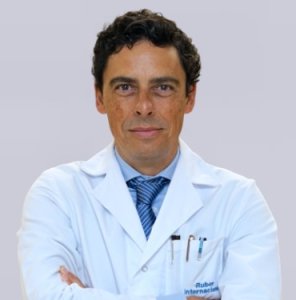
Pablo De La Cuadra
الدكتور بابلو دي لا كوادره (Pablo Cuadra de la Virgili) جرّاح عظام واختصاصي طب الرضوح في مدريد. يختص بإصابات الرياضيين وجراحة الكتف في Hospital Ruber Internacional، حيث يعمل منذ عام 1999. لديه خبرة تفوق 25 عامًا. يقود وحدة متعددة التخصصات ويرأس فريقًا متخصصًا في طب الرضوح. يُعد خبيرًا معترفًا به في اضطرابات الكتف المعقدة. يستخدم تقنيات تنظير مفصلي وترميم متقدمة لعلاج عدم الاستقرار وإصابات الكفة المدورة.
المؤهلات: دكتور في الطب (1993) ودكتوراه في الطب (2001) من جامعة مدريد المستقلة. اخت

Inmaculada Gómez Arrayás
تُعد الدكتورة إنماكولادا غوميز أراياس واحدة من أفضل 100 طبيب في إسبانيا وفقاً لمجلة فوربس. تشغل منصب رئيس قسم جراحة العظام في مستشفى روبر الدولي في مدريد. تُعتبر الدكتورة أراياس رائدة في استخدام أنظمة الملاحة لإجراء جراحات دقيقة لاستبدال المفاصل. وهي متخصصة في الإجراءات طفيفة التوغل للورك والركبة وبروتوكولات التعافي السريع.
- حاصلة على شهادة ISO 9001 للجودة في جراحات استبدال الورك والركبة.
- تُجري عمليات تنظير الركبة والورك بالإضافة إلى عمليات إعادة بناء المفاصل المعقدة والمراج

Javier Albiñana
41 سنة متخصص في جراحة العظام للأطفال – يركز الدكتور ألبينانا على الحالات المعقدة مثل خلل التنسج الوركي وتشوهات العظام في مستشفى كيرونسالود مدريد.
- رئيس سابق لقسم جراحة عظام الأطفال في مستشفى لا باز
- حاصل على زمالة من جامعة أيوا وجامعة أكسفورد
- نشر أبحاثاً حول علاجات خلل التنسج الوركي
- أستاذ مشارك في جامعة مدريد المستقلة
المراجعات
جميع المراجعات
مشاركة المحتوى
قصص فيديو من مرضى Bookimed
 Anna Leonova
حقائق سريعة عن ذراع اصطناعية
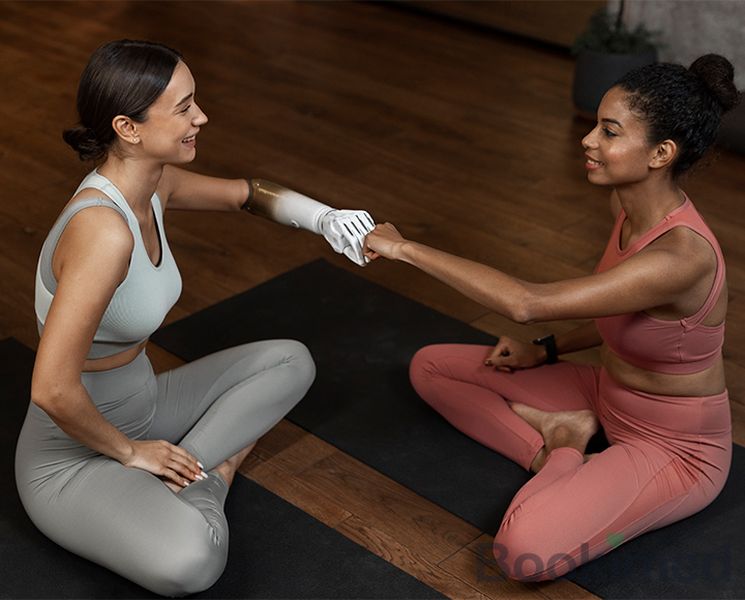
الذراع التعويضية
الذراع الاصطناعية عبارة عن جهاز بديل للأطراف مصمم للأفراد الذين فقدوا ذراعًا بسبب البتر أو الحالات الخلقية، مما يعزز قدرتهم على أداء المهام اليومية.
أسئلة متكررة حول ذراع اصطناعية في إسبانيا
ما هي الأنواع المختلفة للأطراف الصناعية للذراع المتاحة؟
تتراوح الأطراف الصناعية المفصلية للطرف العلوي من الأطراف التجميلية السلبية إلى الأنظمة الإلكترونية المتقدمة التي يتم التحكم فيها عن طريق إشارات العضلات. تشمل هذه الأجهزة نماذج ميكانيكية تعمل بحركة الجسم باستخدام أنظمة الأحزمة، وأذرعاً كهربائية عضلية بمحركات لوظائف القبضة المتعددة، والتحام العظم الجراحي الذي يربط الطرف الصناعي مباشرة بالعظم.
- الأطراف الصناعية السلبية: مصممة للتناظر التشريحي والمظهر دون وظيفة قبضة نشطة.
- الأنظمة التي تعمل بحركة الجسم: تستخدم كابلات وأحزمة يتم التحكم فيها عن طريق الكتف للتحكم في الخطافات أو الأيدي الميكانيكية.
- الأذرع الكهربائية العضلية: تستخدم أقطاباً جلدية لاكتشاف تقلصات العضلات لحركات اليد الآلية.
- التحام العظم: إجراء جراحي يثبت الجهاز مباشرة في العظم لتجنب استخدام القوالب (Sockets).
رؤية خبير Bookimed: تُصنف إسبانيا ضمن أفضل وجهتين عالميتين للرعاية العظمية المعقدة. يتخصص جراحون مثل الدكتور جواكيم كاسانياس في مركز Centro Médico Teknon في الجراحة المجهرية للأعصاب الطرفية. هذه الخبرة حاسمة لأن الاستخدام الناجح للأطراف الصناعية الإلكترونية يعتمد غالباً على رسم خرائط الأعصاب وإعادة بنائها بدقة لتحسين اكتشاف الإشارات.
إجماع المرضى: غالباً ما يفضل المستخدمون النشطون الخطافات الميكانيكية لموثوقيتها اليومية. وعلى الرغم من أن الأذرع الإلكترونية توفر جاذبية تكنولوجية عالية، يجدها الكثيرون ثقيلة أو صعبة الصيانة في الظروف الرطبة.
هل جميع الأطراف الصناعية مصنوعة حسب الطلب؟
ليست كل الأطراف الصناعية مصنوعة حسب الطلب، ولكن الأجهزة الوظيفية الرئيسية مثل أطراف الذراع الصناعية تتطلب عادةً تخصيصاً محدداً. على الرغم من وجود أنظمة معيارية جاهزة للمقاسات العامة، تستخدم العيادات في إسبانيا المسح الضوئي ثلاثي الأبعاد والقوالب المخصصة لضمان المحاذاة الطبية الصحيحة ووضع المستشعرات الكهرومغناطيسية العضلية لكل فرد.
- مصنوعة حسب الطلب: يستخدم المتخصصون مسحاً ضوئياً ثلاثي الأبعاد أو قوالب جبسية للحصول على دقة في المقبس والملاءمة الوظيفية.
- الأنظمة المعيارية: تجمع هذه الحلول الهجينة بين المكونات القياسية والواجهات المكيّفة خصيصاً لتسريع عملية التسليم.
- النماذج الجاهزة: غالباً ما تُستخدم الأجهزة المنتجة بكميات كبيرة كأدوات تحضيرية مؤقتة خلال مراحل التعافي المبكرة.
- الطباعة ثلاثية الأبعاد: تسمح هذه التقنية بتصميمات تجميلية ووظيفية مخصصة بتكلفة أقل.
رؤية خبراء Bookimed: تحتل إسبانيا مرتبة عالية في جراحة العظام المعقدة لأن المراكز الرائدة مثل مستشفى روبر الدولي (Hospital Ruber Internacional) تجمع بين معايير السلامة المعتمدة من JCI وتقنيات ثلاثية الأبعاد. على الرغم من وجود مكونات قياسية، تُظهر بياناتنا أن الجراحين المتخصصين مثل الدكتور جواكيم كاسانياس يركزون على التركيبات المدمجة بالأعصاب. الواجهة المخصصة ضرورية لكي تعمل هذه الأذرع الكهرومغناطيسية العضلية المتقدمة بشكل صحيح.
إجماع المرضى: يؤكد المرضى أن النماذج الجاهزة نادراً ما تلبي توقعات الراحة للاستخدام طويل الأمد. يجد معظمهم أن الملاءمة المخصصة ضرورية لأن
من هم المصنعون المحليون الرئيسيون للأطراف الصناعية في إسبانيا؟
تعد إسبانيا رائدة عالمياً في ابتكار الأطراف الصناعية، وتضم مصنعين محليين مثل PRIM Ortopedia وOrtosur وBRECA HC. تتخصص هذه الشركات في الأطراف الميوإلكترونية المتقدمة، والحلول العظمية المطبوعة بتقنية ثلاثية الأبعاد، والغرسات المحاكية للحيوية. تدعم مراكز الإنتاج عالية التقنية في مدريد وبرشلونة مراكز العظام المحلية والأسواق الدولية.
- PRIM Ortopedia: تقدم 150 عاماً من الخبرة في حلول الأطراف الصناعية عالية الجودة والابتكار.
- Ortosur (خيتافي): تصنع أطرافاً ميوإلكترونية وسيليكونية متقدمة، بما في ذلك الأيدي الإلكترونية الحيوية ومفاصل الركبة الإلكترونية.
- BRECA HC (أرميلا): تتخصص في الأجهزة الطبية المطبوعة بتقنية ثلاثية الأبعاد والمخصصة للمرضى، والحلول التقويمية الابتكارية.
- Bioreplica (لاس بالماس): تركز على تطوير أطراف صناعية شوكية محاكية للحيوية باستخدام تقنيات طبية متطورة.
رأي خبير Bookimed: على الرغم من قوة التصنيع المحلي، غالباً ما تأتي النتائج الأكثر نجاحاً من العيادات التي تدمج هذه الأجهزة مع الجراحة المتخصصة. يركز كبار الجراحين مثل الدكتور جواكيم كاسانياس في مركز Centro Médico Teknon على الجراحة المجهرية للأعصاب الطرفية لتحقيق أقصى قدر من التحكم في الطرف الصناعي. هذه الخبرة الجراحية ضرورية للمرضى الذين يسعون للحصول على الوظائف التي توفرها الأطراف الروبوتية الإسبانية المتطورة.
إجماع المرضى: يوصي المرضى باستشارة أطباء العظام المتخصصين في الروبوتات وإعادة بناء الأطراف. وينصح الكثيرون بالتحقق من مقدمي الخدمة المعتمدين عبر
هل تُستخدم تقنيات متقدمة مثل الطباعة ثلاثية الأبعاد في إسبانيا؟
تُعد إسبانيا مركزاً عالمياً للطباعة ثلاثية الأبعاد في مجال تقويم العظام، حيث تستخدم هذه التقنية في مكونات الأطراف الصناعية والتخطيط الجراحي. تدمج مراكز برشلونة ومدريد المسح الضوئي ثلاثي الأبعاد مع مواد متقدمة مثل النايلون 12 وTPU لإنشاء حلول أطراف صناعية مخصصة وخفيفة الوزن ونماذج تشريحية.
- المسح الرقمي: يستخدم المرضى تقنية Lidar في هواتف iPhone أو تطبيقات iPad لرسم خرائط دقيقة للأطراف ثلاثية الأبعاد.
- مواد متقدمة: يستخدم التصنيع إطارات متينة من النايلون 12 ومقابس مرنة من TPU لتوفير الراحة.
- التحكم الميكانيكي: تدمج الأيدي المتخصصة المطبوعة ثلاثية الأبعاد مستشعرات عضلية (EMG) ووحدات تحكم Raspberry Pi.
- مكونات مخصصة: يستخدم الجراحون أغطية من حمض البولي لاكتيك (PLA) لتصميمات أطراف صناعية معيارية وقابلة للإصلاح.
رؤية خبير Bookimed: تتفوق جراحة العظام الإسبانية من خلال الجمع بين الطباعة ثلاثية الأبعاد والملاحة الجراحية المتقدمة. تستخدم الدكتورة إنماكولادا غوميز أراياس في مستشفى روبر الدولي (Hospital Ruber Internacional) أنظمة الملاحة هذه للحالات المعقدة. يضمن هذا النهج المزدوج توافق الطرف الصناعي تماماً مع الهيكل العظمي الفريد للمريض وأنماط حركته.
إجماع المرضى: يقدر المرضى كيف توفر المكونات المطبوعة ثلاثية الأبعاد بديلاً ميسور التكلفة وقابلاً للإصلاح للأطراف الصناعية الصناعية التقليدية. يوصي الكثيرون بمنظمات مثل AyudaMe3D.org للوصول إلى هذه الأجهزة الطبية المخصصة والمعيارية محلياً.
كم مرة سأحتاج إلى استبدال طرفي الصناعي؟
يستبدل معظم البالغين الطرف الصناعي كل 3 إلى 5 سنوات، بينما يحتاج الأطفال في مرحلة النمو عادةً إلى أجهزة جديدة كل 18 إلى 24 شهرًا. يعتمد العمر الافتراضي الإجمالي على مستويات النشاط، ونوع الجهاز، والتغيرات الفسيولوجية في الطرف المتبقي التي تؤثر على ملاءمة المقبس.
- استبدال المقبس: تتطلب المقابس تحديثات كل 6 إلى 24 شهرًا مع تغير حجم الطرف.
- المكونات اللينة: عادةً ما تحتاج البطانات الهلامية والأكمام إلى الاستبدال كل 8 إلى 12 شهرًا.
- نمو الأطفال: يتطلب النمو البدني السريع لدى المراهقين أطرافًا صناعية جديدة كل 12 إلى 24 شهرًا.
- جدول الصيانة: يوصى بإجراء تقييمات مهنية سنوية لإطالة عمر المكونات الميكانيكية.
رؤية خبير Bookimed: تقدم العيادات المتقدمة مثل مستشفى روبر الدولي (Hospital Ruber Internacional) الآن التكامل العظمي كبديل طويل الأمد. تلغي هذه التقنية الجراحية مقبس الطرف الصناعي تمامًا عن طريق تثبيت الجهاز في العظم. يقلل هذا المسار بشكل كبير من التكاليف المتكررة وعدم الراحة المرتبط باستبدال المقبس بشكل دوري.
إجماع المرضى: يجد الكثيرون أن مشاكل الملاءمة الطفيفة يمكن إدارتها باستخدام جوارب متخصصة، لكن الألم غالبًا ما يشير إلى أن الوقت قد حان للحصول على مقبس جديد. يوصي المستخدمون بالاحتفاظ بسجل واضح للصيانة لزيادة عمر المكونات الإلكترونية باهظة الثمن.
ما هي المكونات المستخدمة لتوفير الراحة؟
تتمحور راحة الأطراف الصناعية للذراع في إسبانيا حول مكونات هيكلية متقدمة تعمل على تحسين توزيع الوزن والتفاعل مع الطرف. تستخدم العيادات أحزمة "داكرون" صلبة لتحقيق الاستقرار، وأنظمة سحب دقيقة قابلة للتعديل للتحكم في الشد، ووسادات مصممة خصيصاً لحماية مناطق الضغط العالي ومنع تهيج الأنسجة أثناء الاستخدام اليومي.
- حزام الاستقرار: يوفر "الداكرون" الصلب أساساً غير قابل للتمدد لتوزيع وزن الطرف الصناعي بأمان.
- التحكم في الشد: يسمح الضبط الدقيق لخط السحب بإجراء تعديلات دقيقة لتقليل الإجهاد البدني.
- واجهة مضادة للاحتكاك: تستخدم المقابس شرائط جلدية تحت الحمالات المعدنية لمنع احتكاك الجلد.
- حماية الإبط: تعمل الأنابيب القماشية الناعمة حول حلقات الإبط على تقليل الضغط على مجموعات الأعصاب الحساسة.
رؤية خبير Bookimed: بينما توفر الأذرع الإلكترونية (البايونية) تكنولوجيا عالية، يختار العديد من المرضى الأنظمة التي تعمل بحركة الجسم لضمان الموثوقية. تظهر البيانات أن مراكز تقويم العظام الإسبانية مثل مستشفى "روبير إنترناشيونال" تعطي الأولوية للأحزمة المخصصة على التركيبات العامة. هذا التركيز على تصنيع الوسادات الفردية يحسن بشكل كبير من قابلية الارتداء على المدى الطويل مقارنة بالمكونات الجاهزة القياسية.
إجماع المرضى: تعد دقة تعديلات خط السحب أمراً بالغ الأهمية للراحة. حتى تغيير شد الكابل ببضعة ملليمترات يحدث فرقاً ملحوظاً في إجهاد الكتف اليومي.