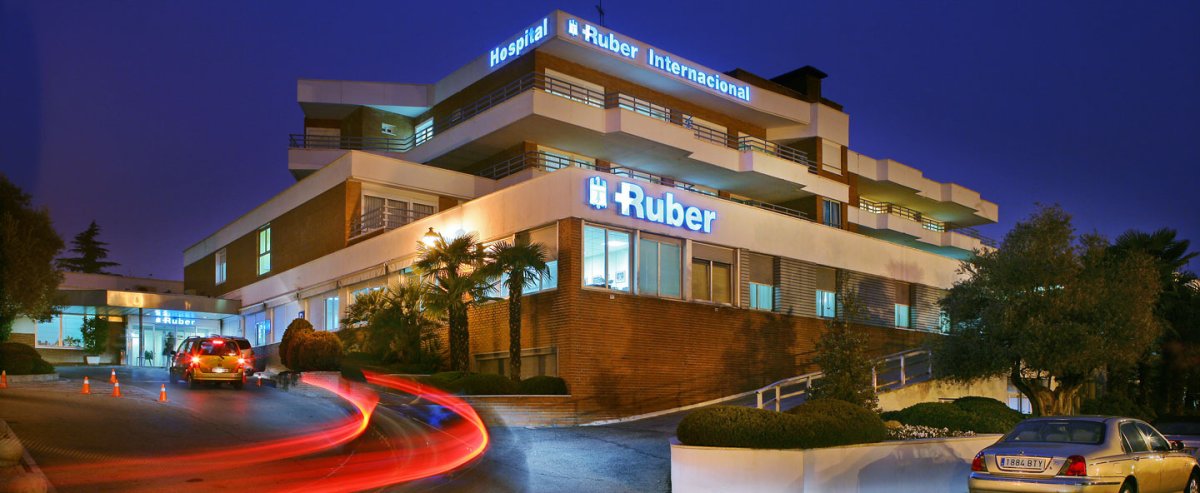
مستشفى Ruber Internacional
إسبانيا, مدريد
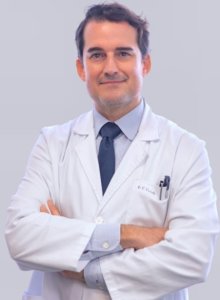
Cásar Casado Sánchez
18سنة خبره ١٦ سنة
العيادة معتمدة من قبل : 



تمت مراجعة المقالة طبيا من قبل
فهد مولود
تتراوح تكلفة عملية رأب القضيب في إسبانيا عادةً ما بين $17,000 و $33,000. تعتمد التكلفة الإجمالية على التقنية الجراحية، مثل السديلة الحرة للساعد أو السديلة الأمامية الوحشية للفخذ، إضافة إلى المركز الطبي. تشمل الباقات القياسية عادةً أتعاب الجراح، والتخدير، والإقامة في المستشفى لمدة تتراوح بين 5 إلى 14 يوماً، والمستلزمات الطبية.
رأي خبراء Bookimed: تجمع إسبانيا بين اعتمادات عالمية المستوى وأسعار تنافسية. يحمل كل من مركز تيكنون الطبي ومستشفى روبر الدولي اعتماد JCI. تستقبل هذه العيادات آلاف المرضى الدوليين والمشاهير. يتيح اختيار برشلونة أو مدريد الوصول إلى تقنيات الجراحة الروبوتية المتقدمة. في المقابل، قد توفر مراكز أصغر في فالنسيا خبرة جراحية مماثلة برسوم مرافق أقل. للحصول على أفضل قيمة، يُنصح باختيار العيادات التي تحتل مراتب متقدمة في قائمة نيوزويك لأفضل مستشفيات العالم.
| إسبانيا | تركيا | تايلاند | |
|---|---|---|---|
| رأب القضيب | ≈ $17,000 | من $3,500 | ≈ $15,500 |


تعمل العملية على تحسين حجم وشكل الأعضاء التناسلية الذكرية ، بما في ذلك التقنيات الجراحية أو غير الجراحية لتحسين الثقة بالنفس.
تخلق العملية قضيبًا من أنسجة الجسم ، مما يعزز الراحة الجسدية والتعبير عن الهوية للرجال المتحولين جنسيًا.
هذا الإجراء يصحح تقوس القضيب. يقوي الرجولة ، ويخفف الانزعاج أثناء ممارسة الجنس ، ويعزز الثقة ، والخبرة الجنسية بشكل عام.
يصحح هذا العلاج ضعف الانتصاب باستخدام الغرسات ، ويعزز الوظيفة الجنسية بنسبة نجاح عالية ورضا المريض.
تعمل العملية على شد الجلد المترهل في كيس الصفن ، مما يحسن من الراحة والجمال من خلال جراحة بسيطة في العيادات الخارجية في كثير من الأحيان.
تعمل العملية على تحسين حجم العضو الذكري باستخدام تدخلات جراحية آمنة ، مما يوفر ثقة بالنفس والرضا الجنسي.
يعزز هذا العلاج محيط الذكور باستخدام حقن حمض الهيالورونيك ، وهو إجراء غير جراحي مع أوقات شفاء سريعة.
اليوم الأول: الوصول
اليوم 2-3: ما قبل العملية
اليوم الرابع: رأب القضيب
اليوم 5-10: بعد العملية
الأسبوع 2-6: إعادة التأهيل
الأسبوع 7-12: استمرار إعادة التأهيل
الأسبوع 13 وما بعده
يرجى ملاحظة أن تعافي كل فرد فريد وقد يختلف الجدول الزمني بناءً على الصحة العامة للمريض ومدى تعقيد الجراحة.
يتمتع الدكتور خوسيه لويس مارتين ديل ييرو كوكا بعقود من الخبرة في الجراحة التجميلية والترميمية، مع تركيز قوي على جراحة تجميل الأعضاء التناسلية (فالوبلاستي) في مستشفى كيرونسالود مدريد.

يشغل الدكتور مونيوز منصب المدير المشارك لجراحة التجميل في مستشفى كيرونسالود ماربيا، وهو متخصص في تقنيات الترميم المتقدمة مثل رأب القضيب.
 Anna Leonova
يعتمد المتخصصون الإسبان على السديلة الحرة للساعد الكعبري (RFFF) وسديلة الفخذ الأمامية الوحشية (ALT) كطرق جراحية أساسية لعملية رأب القضيب. يتم إجراء هذه التقنيات المجهرية في إجراءات على مراحل في مراكز معتمدة من JCI في مدريد وبرشلونة لضمان التروية الدموية الموثوقة وإعادة بناء التشريح.
رؤية خبير Bookimed: بينما يركز العديد من المرضى على نوع السديلة، تشير البيانات الجراحية الإسبانية إلى أن استراتيجية بناء الإحليل أكثر أهمية. تعطي المراكز الكبرى مثل مستشفى كيرون برشلونة الأولوية لرأب الإحليل المرحلي لتقليل المضاعفات طويلة المدى. الخبرة تهم أكثر من التقنية، لذا ابحث عن جراحين لديهم حجم كبير من الحالات عبر أكثر من 42 قسماً متخصصاً.
إجماع المرضى: يجد العديد من المرضى أن التعافي في موقع المانح، مثل ندبات الذراع، يحمل ثقلاً عاطفياً أكبر مما كان متوقعاً. يوصى بشدة باختيار متخصص بناءً على معدل المراجعة المرحلي الخاص به للحصول على نتائج واقعية.
لا يتم تضمين الغرسات الانتصابية والخصوية في المراحل الأولية من عملية رأب القضيب في إسبانيا. عادة ما يتم وضع هذه الأجهزة التعويضية خلال عملية نهائية ثانوية. يضمن هذا التأخير أن يكون القضيب الجديد سليمًا من الناحية الهيكلية وملتئمًا تمامًا قبل إدخال مواد غريبة في الأنسجة التي تم إنشاؤها حديثًا.
رؤية خبير Bookimed: بينما يركز العديد من المرضى الدوليين على نتائج المرحلة الواحدة، تظهر بيانات Bookimed أن المراكز الرائدة في إسبانيا مثل مستشفى كيرون برشلونة تعطي الأولوية للسلامة من خلال فصل المراحل. غالبًا ما يتخصص جراحون مثل أنطونيو ريفيرا مونيوز في جراحة الأعضاء التناسلية، مع التركيز أولاً على نجاح نقل الأنسجة. يفسر هذا النهج التدريجي سبب احتفاظ العيادات الإسبانية بسجلات سلامة قوية لعمليات إعادة بناء تأكيد الجنس المعقدة.
إجماع المرضى: يؤكد المرضى أن هذه رحلة تتطلب عمليات متعددة وتتطلب الصبر. يتفق معظمهم على أن انتظار نضج الأنسجة ضروري لتحقيق حجم وتماثل ووظيفة أفضل للجهاز على المدى الطويل.
تتطلب عملية رأب القضيب في إسبانيا عادةً من 2 إلى 4 مراحل جراحية على مدى 12 إلى 24 شهرًا. تعطي البروتوكولات القياسية الأولوية للسلامة وشفاء الأنسجة من خلال فصل بناء القضيب، وإطالة الإحليل، ورأب كيس الصفن، ووضع الغرسات الانتصابية أو الخصوية في عمليات منفصلة تحت التخدير العام.
رؤية خبير Bookimed: تستفيد المراكز الإسبانية مثل Quironsalud Madrid من التكنولوجيا الروبوتية المتقدمة ومعايير السلامة المعتمدة من JCI لتبسيط هذه الرحلات المعقدة. تظهر البيانات أنه على الرغم من أن البناء الأولي يمكن التنبؤ به، فإن اختيار جراح لديه حجم كبير من حالات إعادة البناء يقلل من احتمالية حدوث مرحلة رابعة أو خامسة غير مخطط لها بسبب المضاعفات.
إجماع المرضى: غالبًا ما يؤكد المرضى أن الرحلة عبارة عن ماراثون، وليست سباقًا سريعًا. يحذر الكثيرون من التخطيط لمرحلة مراجعة إضافية واحدة على الأقل، حيث أن التعديلات الطفيفة شائعة لتحقيق النتائج المثلى.
يتطلب الحجز المسبق لعملية رأب القضيب في إسبانيا تحققًا سريريًا وإداريًا متعدد الخطوات. يجب على المرضى إكمال تقييم جراحي افتراضي، وتقديم وثائق تشخيص اضطراب الهوية الجنسية، وتأمين تأشيرة طبية من منطقة شنغن إذا لزم الأمر. يعتمد الموافقة النهائية على فحوصات صحية قبل الجراحة في الموقع وتصريح التخدير في مدريد أو برشلونة.
رؤية خبير Bookimed: تظهر البيانات السريرية أن عملية رأب القضيب في إسبانيا هي مسار مرحلي، وغالبًا ما تتطلب مراجعات متعددة. بينما يقوم جراحون مثل الدكتور أنطونيو ريفيرا مونيوز بإجراء جراحات الأعضاء التناسلية، فإن ضمان إشراف جراحك الأساسي على الخطة الكاملة متعددة المراحل أمر حيوي للحصول على نتائج متسقة في الإحليل والإحساس.
إجماع المرضى: يؤكد المرضى على أهمية البدء في التوثيق مبكرًا وتأمين مقدم رعاية محلي. التوقف عن النيكوتين قبل الجراحة بفترة طويلة أمر بالغ الأهمية، حيث يقوم الجراحون بفحص مخاطر التئام الجروح بدقة أثناء التقيي

