قطع الثرب في إسبانيا — احصل على 3 عيادات مطابقة مع التكاليف


تمت مراجعة المقالة طبيا من قبل
فهد مولود
ما هي تكلفة قطع الثرب في إسبانيا؟ اكتشف الآن
تتراوح تكلفة عملية استئصال الثرب في إسبانيا عادةً بين $9,500 و $15,500. يعتمد السعر النهائي على الأسلوب الجراحي، ومستوى العيادة، والحالة المرضية الأساسية. تشمل معظم الباقات الجراحية الفحوصات قبل العملية، والتخدير، والإقامة بالمستشفى، والرعاية اللاحقة.
- التقنية الجراحية: غالباً ما تكلف الطرق التنظيرية طفيفة التوغل أكثر من الجراحة التقليدية المفتوحة.
- الإجراء الأساسي: ترتفع التكاليف بشكل كبير عند إجرائها بالتزامن مع جراحات السرطان الكبرى مثل استئصال المعدة.
- المراكز الطبية: تقع أبرز المراكز الطبية في برشلونة، ومدريد، وفالنسيا.
- الإقامة بالمستشفى: تؤثر فترات النقاهة الطويلة في العيادات الخاصة على إجمالي سعر الباقة.
رأي خبراء Bookimed: يضمن اختيار متخصص في أورام الصفاق خبرة عالية للحالات المعقدة. يقود الدكتور ألفونسو غارسيا فادريكي في مستشفى فيثاس فالنسيا توريا الأبحاث في العلاجات المتقدمة. المراكز الرائدة مثل مستشفى إتش إم نو ديلفوس معتمدة من TÜV NORD و EFQM. تضمن هذه الشهادات جودة الإدارة وأحدث التقنيات الجراحية. هذا المزيج من الريادة الأكاديمية والاعتماد المؤسسي يوفر قيمة استثنائية للمرضى الدوليين.
| تركيا | إسبانيا | ألمانيا | |
|---|---|---|---|
| قطع الثرب | من $5,500 | ≈ $9,500 | ≈ $9,500 |
مزاياك وضماناتك مع Bookimed
أسعار مباشرة
Bookimed لا يضيف رسوماً إضافية على أسعار قطع الثرب. الأسعار مأخوذة من قوائم الأسعار الرسمية للعيادات. تدفع مباشرة في العيادة مقابل قطع الثرب عند وصولك.
عيادات وأطباء معتمدون فقط
Bookimed ملتزم بسلامتك. نحن نعمل فقط مع المؤسسات الطبية التي تحافظ على معايير دولية عالية في قطع الثرب ولديها التراخيص اللازمة لخدمة المرضى الدوليين في جميع أنحاء العالم.
مساعدة مجانية على مدار الساعة
Bookimed يقدم مساعدة خبراء مجانية. منسق طبي شخصي يدعمك قبل وأثناء وبعد العلاج، ويحل أي مشاكل. لن تكون وحيداً أبداً في رحلة قطع الثرب.

منسقك الطبي الشخصي في Bookimed
- يدعمك في كل مرحلة
- المساعدة في اختيار العيادة الطبية المناسبة والطبيب المناسب
- يضمن الوصول السريع والمريح إلى المعلومات
اكتشف أفضل قطع الثرب العيادات في إسبانيا: 2 خيارات معتمدة والأسعار





نظرة عامة على قطع الثرب في إسبانيا
- جراحة سرطان المعدة - من $28,500
تزيل هذه العملية أورام المعدة ، وتساعد في الحد من انتشار السرطان وتخفيف الأعراض ، وتساعد في البقاء على قيد الحياة والرفاهية بشكل عام.
- قطع الثرب - من $9,500
تزيل العملية الطبقة الدهنية في البطن والمعروفة باسم الثرب لعلاج أمراض البطن أو الوقاية منها.
- استئصال المريء - من $26,000
يتضمن الإجراء إزالة جزء من المريء لعلاج العديد من التشوهات ، مما يضمن تحسين القدرة على البلع.
- Gastroectomy - من $23,500
تقوم العملية بإزالة معدتك بالكامل أو جزء منها لعلاج أمراض المعدة وتحسين نوعية حياتك.
- دافنشي استئصال المعدة - من $18,000
تستهدف هذه الجراحة ، التي تتم آليًا ، مشاكل المعدة عن طريق إزالة أجزاء منها أو كلها ، مما يوفر دقة وسرعة في الشفاء.
- استئصال المريء - من $22,000
تتضمن العملية إزالة جزء من أنبوب الطعام لعلاج أمراض معينة ، مما يعود بالفائدة على صحة المريض.
اليوم الأول - الوصول
- الوصول إلى العيادة لتقييم ما قبل العملية.
- قابل الفريق الجراحي لمناقشة الإجراء.
- الخضوع لفحوصات طبية مختلفة ، بما في ذلك فحص الدم والأشعة المقطعية.
اليوم 2 - ما قبل العملية
- استشر اختصاصي تغذية للحصول على نصائح غذائية.
- قابل طبيب التخدير لمناقشة خيارات التخدير.
- اتبع تعليمات الصيام قبل الجراحة.
اليوم 3 - العملية
- عادة ما يستمر استئصال المرهم من 2 إلى 3 ساعات.
- يتم إعطاء التخدير العام.
- يزيل الجراح الثرب من خلال شق في البطن.
اليوم 4-7 - بعد العملية
- البقاء في المستشفى للمراقبة وإدارة الألم.
- ابدأ باتباع نظام غذائي سائل وانتقل تدريجيًا إلى الأطعمة الصلبة.
- ابدأ نشاطًا بدنيًا خفيفًا حسب إرشادات الطبيب.
الأسبوع 1-2 - إعادة التأهيل
- استمر في تناول المسكنات والمضادات الحيوية الموصوفة لك في المنزل.
- زيارة متابعة للعيادة لتقييم الجروح.
الأسبوع 3-6
- استأنف الأنشطة الخفيفة مثل المشي والأعمال المنزلية الخفيفة.
- العودة تدريجيًا إلى العمل اعتمادًا على تقدم الاسترداد.
الأسبوع السابع وما بعده
- استأنف المزيد من الأنشطة الشاقة مثل الرياضة ورفع الأشياء الثقيلة.
- قد تكون النتائج النهائية ، مثل فقدان الوزن ، ملحوظة.
لاحظ أن عملية التعافي لكل فرد قد تختلف ومن المهم اتباع إرشادات مقدم الرعاية الصحية الخاص بك.
- إيداع Bookimed: 200 دولار أو 200 يورو.
- وديعة العيادة: ادفع نسبة محددة مقدمًا.
قصص فيديو من مرضى Bookimed
المراجعات
جميع المراجعات


مشاركة المحتوى
 Anna Leonova
حقائق سريعة عن قطع الثرب

استئصال الثرب
يتضمن هذا الإجراء الاستئصال الجراحي للثرب، وغالباً ما يتم إجراؤه أثناء جراحات البطن لعلاج السرطان أو منع انتشاره.
أسئلة متكررة حول قطع الثرب في إسبانيا
ما هو استئصال الثرب ولماذا يتم إجراؤه؟
استئصال الثرب هو الإزالة الجراحية للثرب، وهو طبقة من الأنسجة الدهنية التي تغطي أعضاء البطن. يتم إجراؤه بشكل أساسي لعلاج أو تحديد مرحلة أو منع انتشار سرطانات البطن، وتحديداً عندما تنتقل الخلايا السرطانية من المبيضين أو المعدة إلى هذا المئزر الدهني.
- علاج السرطان: إزالة الخلايا السرطانية المنتشرة من تجويف البطن لتحسين فرص البقاء على قيد الحياة.
- التحديد الجراحي للمرحلة: التحقق من الانتشار المجهري للسرطان لتحديد مرحلة المرض بدقة.
- الوقاية من النقائل: الإزالة الاستباقية للأنسجة عالية المخاطر للحد من انتشار السرطان إلى أعضاء أخرى.
- دواعي الاستعمال الشائعة: ضروري لعلاج سرطانات المبيض والمعدة وبطانة الرحم والقولون والزائدة الدودية.
رؤية خبير بوكيميد (Bookimed): تدمج مراكز الأورام الإسبانية غالباً استئصال الثرب في إجراءات HIPEC لسرطانات الغشاء البريتوني المتقدمة. يتخصص جراحون مثل الدكتور ألفونسو غارسيا فادريكي في مستشفى فيثاس فالنسيا توريا في هذا المزيج. تؤكد الأبحاث أن تحديد مرحلة الثرب بدقة أمر حيوي لتحديد بروتوكولات العلاج الكيميائي بعد الجراحة.
إجماع المرضى: يؤكد المرضى أن هذا الإجراء غالباً ما يكون خطوة قياسية في جراحات استئصال الورم (debulking). ويلاحظون غالباً كيف يساعد الأطباء في تأكيد ما إذا كان السرطانة المصلية عالية الدرجة قد وصلت إلى بطانة البطن.
ما هي الأنواع المختلفة لإجراءات استئصال الثرب؟
تتضمن إجراءات استئصال الثرب إزالة طبقة دهون البطن وتصنف حسب الامتداد: كلي، جزئي، تحت القولون، أو فوق القولون. يجري الجراحون هذه العمليات عبر مناهج المنظار، أو الروبوت، أو بضع البطن المفتوح، وغالبًا ما يقرنونها بجراحة الاختزال الخلوي وعلاج HIPEC لعلاج أو تحديد مرحلة سرطانات المبيض والمعدة.
- استئصال الثرب الكلي: يزيل الجراح الثرب الكبير بأكمله للقضاء على جميع الخلايا السرطانية المحتملة.
- استئصال الثرب تحت القولون: يزيل الإجراء الجزء الموجود تحت القولون فقط لتحديد مرحلة السرطان المبكرة.
- نهج المنظار: تقنية طفيفة التوغل توفر أوقات تعافي أسرع تتراوح بين أسبوعين إلى 4 أسابيع.
- تكامل HIPEC: تجمع الحالات المعقدة بين استئصال الثرب والعلاج الكيميائي الحراري لعلاج سرطان الصفاق المتقدم.
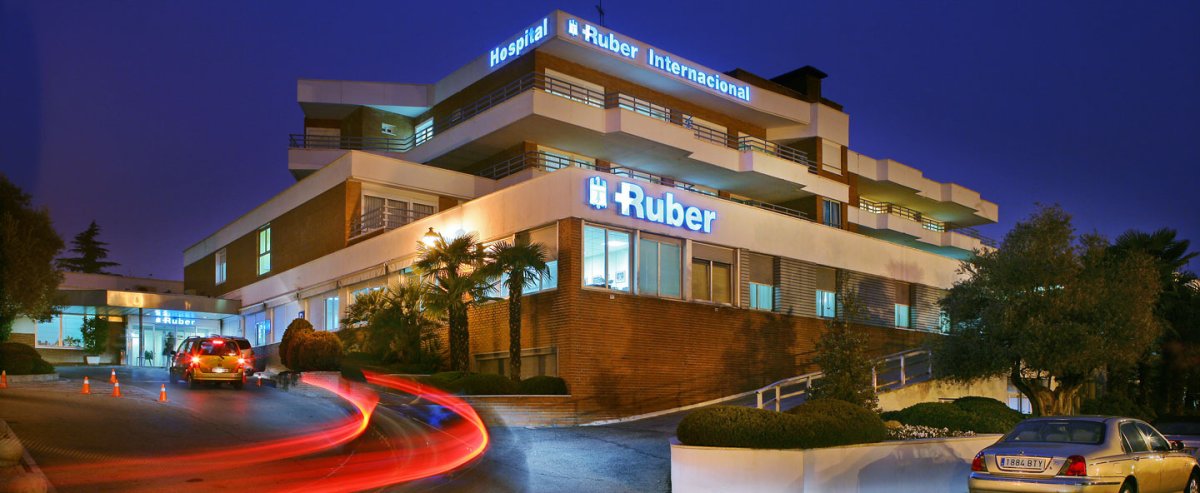
رؤية خبير Bookimed: تستخدم المراكز الإسبانية مثل مستشفى Ruber Internacional نظام Da Vinci Xi لتحويل عمليات استئصال الثرب المفتوحة التقليدية إلى إجراءات بمساعدة الروبوت. تظهر البيانات أن الجراحين قد يتحولون إلى بضع البطن المفتوح في منتصف الجراحة إذا اكتشفوا سرطانًا عسكريًا منتشرًا. هذه المرونة أمر بالغ الأهمية لمرضى الأورام الذين يحتاجون إلى استئصال كامل للورم للحصول على معدلات بقاء أفضل.
إجماع المرضى: يؤكد المرضى أن الاختيار بين جراحة المنظار والجراحة المفتوحة يعتمد كليًا على مدى انتشار السرطان. التعافي يكون أكثر سلاسة بشكل ملحوظ مع الطرق طفيفة التوغل، لكن يبقى الاستئصال الكامل للورم هو الأولوية.
ما هي أنواع السرطان التي تتطلب في أغلب الأحيان استئصال الثرب؟
تُجرى عملية استئصال الثرب بشكل أساسي لعلاج أو تحديد مرحلة انتشار سرطان المبيض والمعدة وبطانة الرحم في الصفاق. تزيل هذه العملية أنسجة الثرب الدهنية التي تهاجر إليها الخلايا السرطانية بشكل متكرر. وغالبًا ما يتم دمجها مع الاختزال الخلوي (cytoreduction) أو علاج HIPEC في حالات الأورام البطنية المتقدمة لتحسين نتائج البقاء على قيد الحياة.
- سرطان المبيض: المؤشر الأكثر شيوعًا بسبب كثرة التسلل ومتطلبات تحديد المرحلة.
- سرطان المعدة: ضروري عندما تشمل الأورام الثرب أو تتطلب استئصال العقد الليمفاوية.
- سرطان بطانة الرحم: حيوي لتحديد مرحلة الأشكال العدوانية مثل سرطان الرحم المصلي من الدرجة الثالثة.
- سرطان القولون والمستقيم: يتم إجراؤها عندما تنتشر الخلايا الخبيثة في جميع أنحاء تجويف البطن.
رؤية خبير Bookimed: غالبًا ما تدمج مراكز الأورام الإسبانية استئصال الثرب في جراحات الاختزال الخلوي المعقدة باستخدام روبوت Da Vinci Xi. يستخدم كبار المتخصصين مثل الدكتور ألفونسو غارسيا فادريك في مستشفى Vithas Valencia Turia هذا النهج طفيف التوغل لحالات القولون والمستقيم والمعدة. تسمح هذه التكنولوجيا بدقة متناهية أثناء عملية تقليل حجم الورم مع تقليل وقت تعافي المريض بشكل كبير مقارنة بالجراحة المفتوحة.
إجماع المرضى: يجد المرضى غالبًا أن استئصال الثرب نادرًا ما يكون جراحة منفصلة. عادة ما يصاحب استئصال الرحم الجذري أو استئصال الزائدة الدودية كجزء من خطة علاج شاملة لسرطانات المرحلة الثالثة.
كيف يتم إجراء الجراحة — بالمنظار أم بالجراحة المفتوحة؟
تُجرى عملية استئصال الثرب في إسبانيا باستخدام طرق بالمنظار أو طرق مفتوحة، اعتمادًا على مدى انتشار السرطان وحجم الورم. تتضمن جراحة المنظار شقوقًا صغيرة وأدوات موجهة بالكاميرا. أما الجراحة المفتوحة، أو بضع البطن (laparotomy)، فتستخدم شقًا كبيرًا واحدًا للوصول المباشر عند اكتشاف تشريح معقد أو انتشار واسع.
- تقنية المنظار: يقوم الجراحون بعمل 5 شقوق صغيرة باستخدام كاميرا للحصول على رؤية مكبرة على الشاشات.
- النهج بمساعدة الروبوت: تعمل الأنظمة عالية التقنية مثل Da Vinci Xi في مستشفى Ruber Internacional على تعزيز الدقة الجراحية.
- التحويل للجراحة المفتوحة: يتحول الجراحون إلى بضع البطن إذا كانت الأورام كبيرة جدًا أو إذا كان السرطان منتشرًا.
- بروتوكولات السلامة: تمنع أكياس الحماية المتخصصة تسرب الخلايا السرطانية أثناء إزالة الأنسجة بالمنظار.
رؤية خبير Bookimed: غالبًا ما تفضل مراكز الأورام الإسبانية مثل مستشفى HM Nou Delfos اتباع نهج أولي طفيف التوغل. ومع ذلك، تظهر البيانات أن جراحين مثل الدكتور ألفونسو غارسيا فادريك متخصصون في الاختزال الخلوي (cytoreduction) وعلاج HIPEC. تتطلب هذه الحالات المتقدمة عادةً جراحة مفتوحة لضمان الاستئصال الكامل لسرطان الصفاق.
إجماع المرضى: يجد العديد من المرضى أن التعافي من جراحة المنظار أسهل مع حد أدنى من الألم الناتج عن الشقوق الصغيرة. ينصحون بشكل متكرر باستخدام وسادات التدفئة للتحكم في الانزعاج في الكتف الناجم عن الغاز الجراحي بعد العملية.
ما هي الآثار الجانبية أو المخاطر المحتملة لعملية استئصال الثرب؟
تُعد عملية استئصال الثرب (Omentectomy) جيدة التحمل بشكل عام، ولكن تشمل المخاطر الشائعة انسداد الأمعاء بسبب الالتصاقات، والعدوى، والنزيف الموضعي. يبلغ المرضى بشكل متكرر عن تكوّن فتق وبروز في البطن. تساعد التقنيات طفيفة التوغل التي يستخدمها الجراحون الإسبان في المرافق المعتمدة من قبل اللجنة الدولية المشتركة (JCI) في تقليل هذه المضاعفات الجراحية وتسريع التعافي.
- انسداد الأمعاء: يمكن أن تؤدي التصاقات الأنسجة الندبية إلى انسداد جزئي أو كامل في القناة الهضمية.
- خطر الفتق: إزالة دعم الثرب تزيد من احتمالية بروز جدار البطن.
- إيلام البطن: غالبًا ما يعاني المرضى من ضيق موضعي أو نسيج ندبي متكتل أثناء التمدد.
- احتباس السوائل: قد يؤدي تعطيل الأوعية الليمفاوية إلى تورم مؤقت أو مستمر في البطن.
- مشاكل الشق الجراحي: يراقب الجراحون أي احمرار أو إفرازات لمنع حدوث التهابات في موقع الجراحة بعد العملية.
رؤية خبير Bookimed: تؤكد مراكز الأورام الإسبانية مثل مستشفى HM Nou Delfos على الأساليب طفيفة التوغل لتقليل مخاطر الالتصاق. تظهر البيانات أن الشقوق العمودية تحمل ملفًا تعريفياً للفتق يختلف عن الشقوق الأفقية. يجب على المرضى التأكد من تقنية الشق مسبقًا للتخطيط لدعم جدار البطن على المدى الطويل.
إجماع المرضى: يلاحظ العديد من المرضى بروزًا واضحًا على الجانب الأيمن بعد الجراحة. على الرغم من أن هذا يثير القلق في البداية، إلا أن الأطباء يؤكدون عادةً أنه نسيج ندبي ملتهب حميد وليس تكرارًا للورم.
كيف تبدو عملية التعافي بعد استئصال الثرب؟
تستغرق فترة التعافي من استئصال الثرب (omentectomy) من 2 إلى 8 أسابيع اعتمادًا على النهج الجراحي المستخدم. يعود المرضى الذين يخضعون لإجراءات بالمنظار في إسبانيا عادةً إلى وظائفهم الطبيعية في غضون 3 أسابيع. تتطلب الجراحات المفتوحة ما يصل إلى شهرين للشفاء التام ودعم محدد لجدار البطن.
- الإقامة في المستشفى: توقع قضاء 1-2 ليلة للجراحة بالمنظار أو 2-4 ليالٍ للجراحة المفتوحة.
- قيود النشاط: تجنب رفع أشياء أثقل من 4 لترات لمدة 6 أسابيع على الأقل.
- إدارة الألم: يتم إيقاف الدواء عادةً في غضون 3 إلى 7 أيام للحالات طفيفة التوغل.
- الوقاية من المضاعفات: يجب البدء بالمشي وتمارين التنفس في اليوم الثاني لمنع حدوث مشاكل.
رؤية خبير Bookimed: تستخدم المراكز الإسبانية مثل Hospital Ruber Internacional أنظمة Da Vinci Xi الروبوتية لهذه الإجراءات. تظهر البيانات أن اختيار استئصال الثرب بمساعدة الروبوت يقلل غالبًا من وقت التعافي القياسي البالغ 3 أسابيع. يتخصص الجراحون ذوو الخبرة العالية مثل الدكتور ألفونسو غارسيا فادريكي في هذه التقنيات طفيفة التوغل لتسريع الشفاء.
إجماع المرضى: غالبًا ما يشعر المرضى بأحاسيس انتقال الأعضاء حيث يتكيف الجسم مع فقدان الثرب. يُشار باستمرار إلى أهمية ارتداء حزام البطن لضمان الراحة والوقاية من الفتق.