تاج الأسنان المعدني في إسبانيا — احصل على 3 عيادات مطابقة مع التكاليف


تمت مراجعة المقالة طبيا من قبل
فهد مولود
ما هي تكلفة تاج الأسنان المعدني في إسبانيا؟ اكتشف الآن
تتراوح تكلفة تاج الأسنان المعدني في إسبانيا عادةً من $330 إلى $500. تختلف الأسعار حسب العيادة، خبرة طبيب الأسنان، ونوع المعدن المستخدم (مثل الكوبالت-كروم أو سبيكة الذهب).
عادةً ما تشمل العيادات الإسبانية الاستشارة الأولية، الأشعة السينية الرقمية، تحضير السن، أخذ الطبعة، التاج المعدني المخصص نفسه، التركيب، وزيارة المتابعة ضمن السعر. في ألمانيا، غالبًا ما يغطي السعر المعلن التاج فقط، مع رسوم منفصلة للتخدير، التصوير، والرعاية اللاحقة. يجب دائمًا التأكد مع العيادة من التفاصيل المشمولة في الباقة.
مزاياك وضماناتك مع Bookimed
أسعار مباشرة
Bookimed لا يضيف رسوماً إضافية على أسعار تاج الأسنان المعدني. الأسعار مأخوذة من قوائم الأسعار الرسمية للعيادات. تدفع مباشرة في العيادة مقابل تاج الأسنان المعدني عند وصولك.
عيادات وأطباء معتمدون فقط
Bookimed ملتزم بسلامتك. نحن نعمل فقط مع المؤسسات الطبية التي تحافظ على معايير دولية عالية في تاج الأسنان المعدني ولديها التراخيص اللازمة لخدمة المرضى الدوليين في جميع أنحاء العالم.
مساعدة مجانية على مدار الساعة
Bookimed يقدم مساعدة خبراء مجانية. منسق طبي شخصي يدعمك قبل وأثناء وبعد العلاج، ويحل أي مشاكل. لن تكون وحيداً أبداً في رحلة تاج الأسنان المعدني.

منسقك الطبي الشخصي في Bookimed
- يدعمك في كل مرحلة
- المساعدة في اختيار العيادة الطبية المناسبة والطبيب المناسب
- يضمن الوصول السريع والمريح إلى المعلومات
اكتشف أفضل تاج الأسنان المعدني العيادات في إسبانيا: 1 خيار معتمدة والأسعار


نظرة عامة على تاج الأسنان المعدني في إسبانيا
- تركيب تاج البورسلين المدعم بالمعدن PFM - من $300
يتضمن الإجراء تركيب غطاء من الخزف المصهور على المعدن لتحسين مظهر الأسنان التالفة ووظيفتها.
- تركيب تاج البورسلين - من $680
يعيد هذا الإجراء الأسنان التالفة باستخدام أغطية خزفية ، مما يوفر المتانة والمظهر الطبيعي وصحة الفم المحسنة.
- تركيب تاج الأسنان - من $300
يعيد هذا العلاج بنية الأسنان بغطاء مصمم خصيصًا من البورسلين أو السيراميك. يوفر المتانة والمظهر الطبيعي.
- تركيب تاج زركونيا - من $550
يستبدل هذا العلاج الأسنان التالفة بأغطية زركونيا متينة ذات مظهر طبيعي ، مما يحسن جماليات الفم ووظائفه.
- تحضير لتثبيت التاج - من $280
يعيد الإجراء تشكيل الأسنان التالفة ، ويقدم التعزيز بأغطية مصممة خصيصًا ، مما يوفر صحة وجماليات للفم.
- استبدال تاج الأسنان - من $510
يستبدل هذا العلاج أغطية الأسنان التالفة ويحسن المظهر ويعيد القوة من خلال غطاء مصنوع خصيصًا لضمان صحة الأسنان.
- تاج الأسنان المعدني - من $330
يستبدل هذا العلاج بنية الأسنان التالفة بغطاء معدني متين يدوم طويلاً ، مما يعزز وظائف الأسنان وجمالياتها.
- تركيب تاج بنفس اليوم - من $470
يوفر هذا الإجراء تاجًا فوريًا للأسنان ، مع إجراء التصنيع والتركيب في زيارة واحدة ، مما يوفر كفاءة في الوقت والراحة.
اليوم الأول: الوصول
- الوصول إلى البلد والتحقق من مكان إقامتك.
- الراحة والتأقلم مع المنطقة الزمنية والبيئة الجديدة.
اليوم الثاني: ما قبل العملية
- قم بزيارة عيادة الأسنان للتشاور مع أخصائي.
- اخضع لفحص الأسنان والفحوصات اللازمة.
اليوم 3: استمرت ما قبل العملية
- راجع نتائج الاختبار مع المختص.
- ناقش خطة إجراء تاج الأسنان.
اليوم الرابع: عملية تاج الأسنان المعدني
- الوصول إلى العيادة لإجراء العملية.
- يبدأ الإجراء بتطبيق التخدير الموضعي.
- يتم تحضير الأسنان لوضع التاج.
- تم تركيب التاج المعدني وتعديله.
- تستغرق العملية عادة 2-3 ساعات.
اليوم الخامس: ما بعد العملية
- العودة إلى العيادة لاستشارة المتابعة.
- يقوم أخصائي بفحص التاج وعملية الشفاء.
اليوم 6-7: الشفاء
- الراحة والتعافي في مكان إقامتك.
- اتبع تعليمات الرعاية بعد الجراحة الموصوفة.
الأسبوع الثاني: إعادة التأهيل
- استأنف تدريجيًا الأنشطة العادية بقدر ما تسمح به الراحة.
- استمر مع روتين نظافة الفم الموصوف.
الأسبوع الثالث: العودة إلى العمل
- العودة إلى العمل ، وعادة لا يكون هناك نشاط بدني ثقيل.
- استمر في اتباع تعليمات صحة الأسنان.
الأسبوع الرابع: النتيجة النهائية
- شاهد النتيجة النهائية لتاج الأسنان المعدني.
- يوصى بإجراء فحوصات منتظمة للأسنان.
يرجى ملاحظة أن تجربة كل مريض قد تختلف ، وهذا الجدول الزمني بمثابة دليل عام.
- إيداع Bookimed: 200 دولار أو 200 يورو.
- وديعة العيادة: ادفع نسبة محددة مقدمًا.
قصص فيديو من مرضى Bookimed
المراجعات
جميع المراجعاتمشاركة المحتوى
 Anna Leonova
أسئلة متكررة حول تاج الأسنان المعدني في إسبانيا
ما هي فوائد اختيار التاج المعدني؟
يوفر اختيار تاج الأسنان المعدني متانة استثنائية ويحافظ على بنية الأضراس. تتحمل هذه الترميمات قوى العض الشديدة دون أن تنكسر. كما أنها تتطلب إزالة جزء أقل بكثير من السن الطبيعي مقارنة بالبدائل الخزفية. وتوفر السبائك عالية النبل توافقاً حيوياً فائقاً داخل بيئة الفم.
- طول العمر الفائق: غالباً ما تظل التيجان المعدنية فعالة لمدة تتراوح بين 20 إلى 30 عاماً أو أكثر.
- الحفاظ على الأسنان: تسمح الجدران الرقيقة والقوية بتحضير أكثر تحفظاً للسن الطبيعي.
- حماية المينا: السبائك المعدنية أقل كشطاً للأسنان الطبيعية المقابلة مقارنة بالخزف.
- ملاءمة فائقة: تمنع الحواف الدقيقة بشكل فعال التسوس الثانوي تحت سطح التاج.
- مقاومة الكسر: لا تتشقق هذه التيجان أو تنكسر حتى تحت ضغط المضغ الشديد.
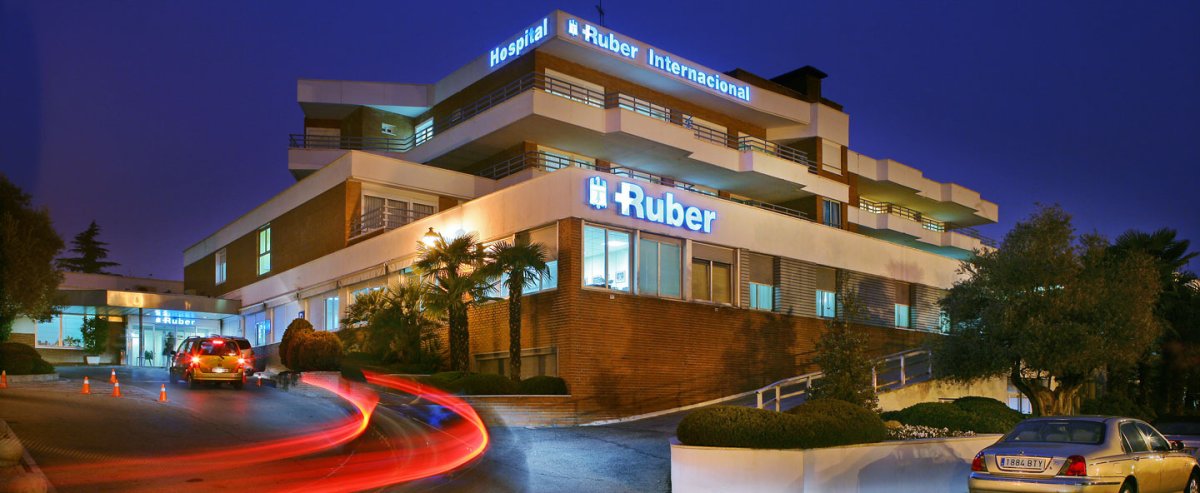
رؤية خبير Bookimed: على الرغم من أن العديد من المرضى يطلبون الزركونيوم لأسباب جمالية، تظل السبائك المعدنية هي المعيار الذهبي للأضراس. تستخدم المرافق الإسبانية الرائدة مثل مستشفى روبر الدولي (Hospital Ruber Internacional) سبائك عالية النبل للمرضى الذين يعانون من صرير الأسنان. تتحمل هذه المواد الطحن الشديد حيث قد تفشل الخيارات الخزفية في النهاية أو تسبب تآكل الأسنان المقابلة.
إجماع المرضى: يقدر المرضى راحة البال بمعرفة أن هذه التيجان لن تنكسر أثناء تناول الطعام. وغالباً ما يمنحون الأولوية لطول عمر سبائك الذهب على الرغم من وضوح رؤيتها في الفم.
ما هي المواد المستخدمة في عيادات الأسنان الإسبانية للتيجان المعدنية؟
تستخدم عيادات الأسنان الإسبانية سبائك معدنية ثمينة عالية الجودة، وصب الذهب، والكوبالت والكروم لتصنيع تيجان متينة. يستخدم الجراحون بشكل متكرر التيجان المعدنية المغطاة بالبورسلين (PFM) لتحقيق الجماليات. تتبع مرافق مثل مستشفى روبر الدولي (Hospital Ruber Internacional) معايير صارمة من ISO وJoint Commission International (JCI) للتوافق الحيوي للأسنان.
- سبائك الذهب: تستخدم ذهباً ممتازاً متوافقاً حيوياً للحصول على ملاءمة فائقة وطول عمر يصل إلى 30 عاماً.
- تيجان PFM: تجمع بين هيكل معدني داخلي وخارج من البورسلين للحصول على مظهر طبيعي.
- المعادن الأساسية: تستخدم سبائك النيكل والكروم أو الكوبالت والكروم كحلول أسنان فعالة من حيث التكلفة وعالية القوة.
- الفولاذ المقاوم للصدأ: يعمل كمادة موثوقة للحماية المؤقتة أثناء تصنيع التاج الدائم.
رؤية خبير Bookimed: على الرغم من أن المعادن الأساسية توفر قوة عالية، إلا أن العيادات الإسبانية المتميزة غالباً ما توصي بسبائك الذهب للمرضى الذين يعانون من صرير الأسنان. يتمدد الذهب بشكل مشابه لمينا الأسنان الطبيعية. وهذا يمنع التشققات في الأسنان المقابلة بشكل أفضل من المعادن الأساسية الصلبة أو السيراميك. تختلف الجودة حسب نسبة السبيكة، لذا تأكد دائماً من محتوى الذهب قبل المتابعة.
إجماع المرضى: يقترح المرضى التأكد مما إذا كان التاج معدنياً بالكامل أو PFM لإدارة التوقعات الجمالية. ينصح الكثيرون بالتحقق من وجود خطوط معدنية داكنة عند خط اللثة عند اختيار خيارات PFM.
أين يُفضل استخدام التيجان المعدنية؟
تُستخدم التيجان المعدنية بشكل أفضل للأسنان الخلفية مثل الأضراس حيث تتطلب متانة عالية لتحمل قوى المضغ الشديدة. تُعد هذه الترميمات مثالية للمرضى الذين يعانون من صرير الأسنان، أو في الحالات ذات المساحة العمودية المحدودة، أو كدعم طويل الأمد لجسور الأسنان في المناطق ذات الضغط العالي.
- الأضراس الخلفية: تتحمل ضغط العض الشديد دون تشقق أو تكسر.
- مرضى صرير الأسنان: تقاوم التآكل الناتج عن صرير الأسنان الليلي مع حماية الأسنان الطبيعية المقابلة.
- مساحة محدودة: تتطلب الحد الأدنى من برد الأسنان مقارنة بتيجان البورسلين أو الزركونيوم.
- حماية علاج قناة الجذر: توفر تعزيزاً هيكلياً فائقاً للأسنان الداخلية التالفة بشدة.
رؤية خبير Bookimed: على الرغم من شعبية خيارات البورسلين المدمج مع المعدن (PFM)، تظل سبائك الذهب هي المعيار الذهبي للأضراس. فهي تتمدد وتنكمش بشكل مشابه لمينا الأسنان الطبيعية. وهذا يخلق إغلاقاً فائقاً يمنع تسرب البكتيريا على المدى الطويل والتسوس الثانوي.
إجماع المرضى: يقدر المرضى التيجان المعدنية لطول عمرها على الأسنان الخلفية. ومع ذلك، يوصي الكثيرون بالسبائك عالية النبل بدلاً من المعادن الأساسية لتجنب الطعم المعدني أو الحساسية بالقرب من حشوات الفضة القديمة.
هل تيجان الأسنان المعدنية مرئية؟
تيجان الأسنان المعدنية مرئية للغاية لأن أسطحها المصنوعة من الذهب أو البلاتين أو سبائك المعادن الأساسية لا تتطابق مع مينا الأسنان الطبيعية. تخلق هذه الترميمات وميضاً معدنياً واضحاً عند الابتسام. عادة ما يوصي الجراحون في إسبانيا بها للأضراس الخلفية غير المرئية بسبب هذا التباين الجمالي.
- مستوى الرؤية: الرؤية العالية تجعلها غير مناسبة لترميم الأسنان الأمامية أو العلوية.
- الموضع الاستراتيجي: تُستخدم بشكل أساسي للأضراس الخلفية حيث تكون الرؤية أثناء الكلام العادي في حدها الأدنى.
- البدائل الجمالية: تستخدم خيارات البورسلين المدمج مع المعدن أغطية سيراميك لإخفاء الهيكل المعدني الداخلي.
- انحسار اللثة: قد تصبح الحواف المعدنية مرئية كخط داكن إذا انحسرت أنسجة اللثة.
رؤية خبير Bookimed: تحافظ العيادات الإسبانية مثل مستشفى روبر الدولي (Hospital Ruber Internacional) على معايير عالية مع شهادات JCI وISO. تظهر البيانات أن المرضى غالباً ما يختارون المعدن لأسطح المضغ مع استخدام البورسلين للحواف المرئية. يوازن هذا النهج الهجين بين متانة المعدن والمظهر الطبيعي دون تكلفة إضافية.
إجماع المرضى: يجد معظم المرضى أن التيجان المعدنية على الأسنان الخلفية تظل مخفية أثناء الحياة اليومية. وينصحون بالتركيز على النظافة لمنع انحسار اللثة الذي قد يكشف عن الحواف المعدنية الداكنة لاحقاً.