عيادة الأسنان Clínica Dental Raíces
إسبانيا, تنريفي


تمت مراجعة المقالة طبيا من قبل
فهد مولود
تتراوح تكلفة تركيب تاج الأسنان في إسبانيا عادةً من $300 إلى $350. تختلف الأسعار حسب العيادة، وخبرة طبيب الأسنان، ونوع مادة التاج (الزركونيا، البورسلين مع المعدن، أو السيراميك الكامل)، وعدد التيجان المطلوبة.
عادةً ما تشمل عيادات الأسنان الإسبانية الاستشارة الأولية، وفحص الأسنان الكامل، والتصوير ثلاثي الأبعاد أو الأشعة البانورامية عند الحاجة، وتخطيط العلاج، وتحضير السن، والتيجان المؤقتة، وتركيب التاج الدائم، وتعديل الإطباق النهائي، وزيارة المتابعة. في ألمانيا، قد يغطي السعر الأساسي التاج فقط، مع رسوم منفصلة للتصوير، والتخدير، والمتابعة. يجب دائمًا التأكد من التفاصيل المشمولة في العيادة المختارة.
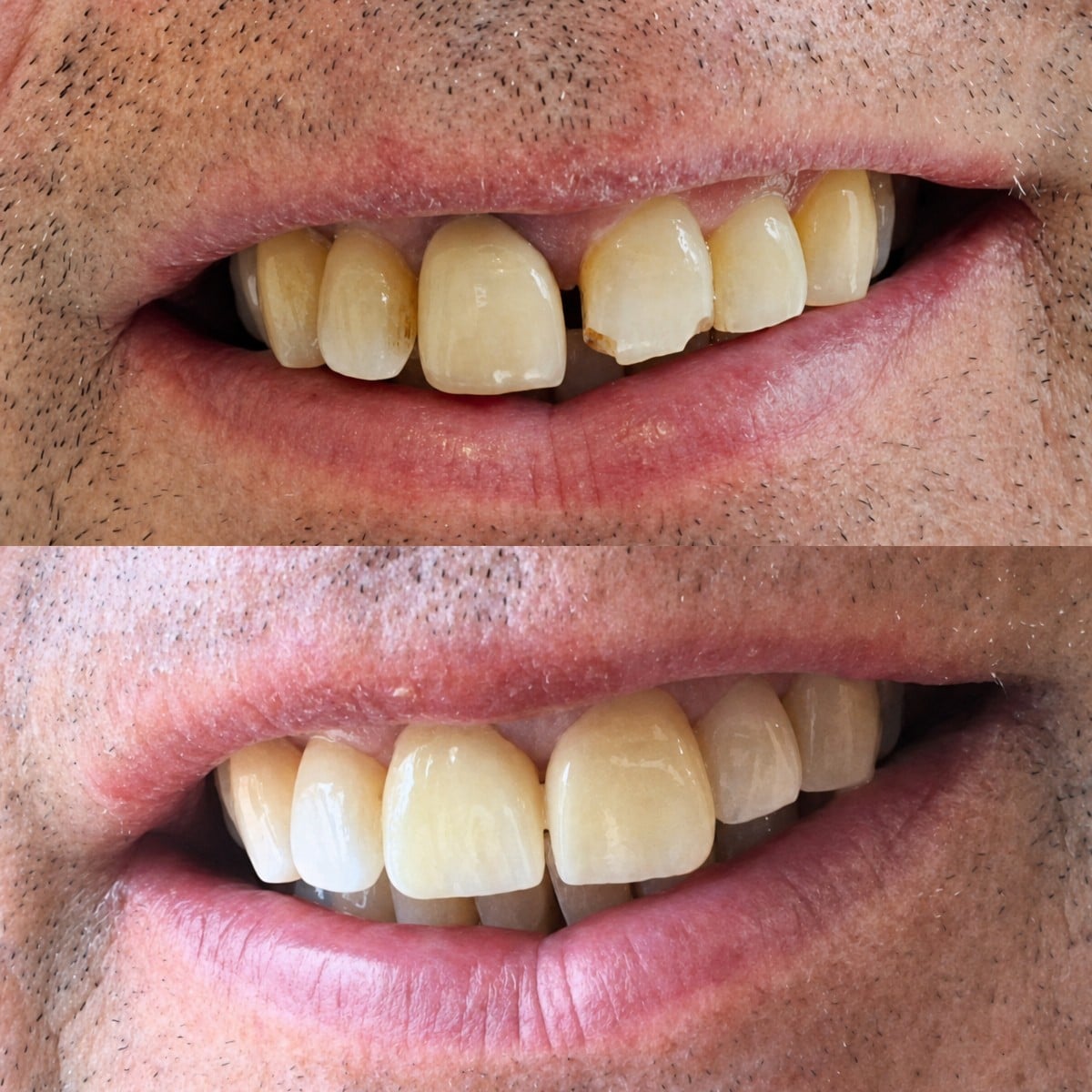
يتضمن الإجراء تركيب غطاء من الخزف المصهور على المعدن لتحسين مظهر الأسنان التالفة ووظيفتها.
يعيد هذا الإجراء الأسنان التالفة باستخدام أغطية خزفية ، مما يوفر المتانة والمظهر الطبيعي وصحة الفم المحسنة.
يعيد هذا العلاج بنية الأسنان بغطاء مصمم خصيصًا من البورسلين أو السيراميك. يوفر المتانة والمظهر الطبيعي.
يستبدل هذا العلاج الأسنان التالفة بأغطية زركونيا متينة ذات مظهر طبيعي ، مما يحسن جماليات الفم ووظائفه.
يعيد الإجراء تشكيل الأسنان التالفة ، ويقدم التعزيز بأغطية مصممة خصيصًا ، مما يوفر صحة وجماليات للفم.
يستبدل هذا العلاج أغطية الأسنان التالفة ويحسن المظهر ويعيد القوة من خلال غطاء مصنوع خصيصًا لضمان صحة الأسنان.
يستبدل هذا العلاج بنية الأسنان التالفة بغطاء معدني متين يدوم طويلاً ، مما يعزز وظائف الأسنان وجمالياتها.
يوفر هذا الإجراء تاجًا فوريًا للأسنان ، مع إجراء التصنيع والتركيب في زيارة واحدة ، مما يوفر كفاءة في الوقت والراحة.
اليوم الأول - الوصول
اليوم 2 - ما قبل العملية
اليوم الثالث - تركيب تاج الأسنان
اليوم الرابع - الراحة
اليوم الخامس - وضع التاج
اليوم 6 - بعد العملية
اليوم السابع - المغادرة
الأسبوع الأول - إعادة التأهيل
يرجى ملاحظة أن العملية قد تختلف بناءً على الاحتياجات والمواقف الفردية.
الدكتورة آلاء غزلان طبيبة أسنان بخبرة تزيد على عشر سنوات. عالجت آلاف المرضى في عدة بلدان. حاصلة على تخصص في زراعة الأسنان من جامعة برشلونة، وتواصل تدريبها لتقديم علاجات حديثة.
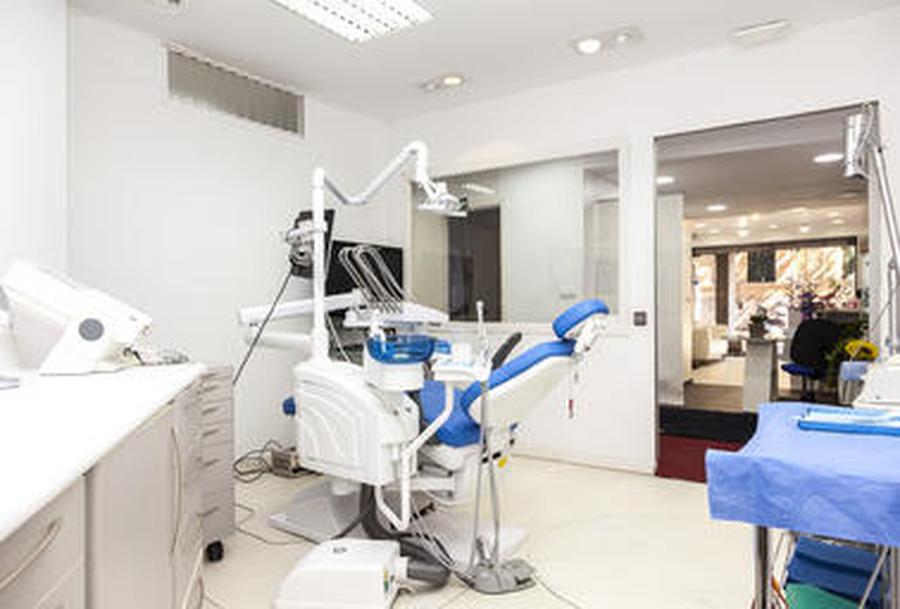
تستخدم عيادتها الأشعة ثنائية وثلاثية الأبعاد وماسح داخل الفم ثلاثي الأبعاد. تُحسّن هذه الأدوات تجربة المريض وتُسهّل سير العمل، كما تُسهم في تقديم الرعاية بسرعة أكبر.
 Anna Leonova
تعتبر رعاية الأسنان في إسبانيا آمنة ومحمية بصرامة بموجب قوانين الاتحاد الأوروبي والتفويضات الصحية الوطنية. يجب على كل طبيب أسنان التسجيل قانونياً في مجلس طب الأسنان الوطني وحمل شهادة جامعية موثقة. تستخدم المرافق مواد تحمل علامة CE وتخضع لعمليات تفتيش إشعاعي سنوية إلزامية لضمان السلامة.
رؤية خبير Bookimed: على الرغم من أن مستوى السلامة مرتفع، إلا أن بياناتنا تظهر اتجاهاً يشير إلى أن أفضل النتائج تأتي من العيادات التي تعطي الأولوية للملاءمة على السرعة. تقدم بعض المرافق تيجان الأسنان في نفس اليوم، لكن العيادات الأعلى تقييماً غالباً ما تتضمن فحصاً حيوياً للعضة بعد التثبيت. هذا التعديل ضروري لنجاح الترميم على المدى الطويل.
إجماع المرضى: يقدر المرضى الطريقة التي تتعامل بها العيادات الإسبانية مع عمل الأسنان كخدمة رعاية صحية جادة. يوصون باختيار العيادات الت
تدوم تيجان الأسنان عادةً من 10 إلى 15 عاماً مع الصيانة القياسية. يمكن للمواد عالية الجودة مثل الزركونيوم أو الذهب أن تدوم من 20 إلى 30 عاماً مع العناية المناسبة بنظافة الفم. يعتمد طول العمر على اختيار المادة، وقوى العض، ودقة التركيب الأولي من قبل طبيب أسنان مؤهل.
رؤية خبير Bookimed: تجذب إسبانيا العديد من مرضى الأسنان لأن عيادات مثل Clínica Dental Raíces تستخدم ماسحات ضوئية داخل الفم ثلاثية الأبعاد للحصول على حواف أكثر دقة. تعمل دقة الحواف الأفضل على إطالة عمر التاج مباشرةً عن طريق تقليل تراكم البكتيريا.
إجماع المرضى: يجد العديد من المرضى أن التيجان تظل فعالة لأكثر من 20 عاماً عندما تظل السن الأساسية سليمة. وغالباً ما يؤكدون أن مهارة طبيب الأسنان الفردي تهم أكثر من المادة المحددة المستخدمة.
تضمن تقنيات التخدير والتهدئة الحديثة أن تركيب تيجان الأسنان في إسبانيا يتم دون ألم فعلياً. يشعر المرضى بالضغط والاهتزازات أثناء تحضير السن ولكن لا يشعرون بأي وخز حاد. يعمل التخدير الموضعي على تخدير موقع العلاج تماماً، بينما يكون الألم بعد الإجراء خفيفاً عادةً ويمكن السيطرة عليه بالأدوية التي لا تستلزم وصفة طبية.
رؤية خبير Bookimed: تستخدم العيادات الإسبانية مثل Clínica Dental Raíces ماسحات ضوئية داخل الفم ثلاثية الأبعاد لضمان ملاءمة مثالية منذ البداية. تشير البيانات إلى أن التيجان المرتفعة هي السبب الرئيسي للألم بعد العملية. يقلل المسح الرقمي بشكل كبير من أخطاء "العضة العالية" هذه مقارنة بالقوالب اليدوية التقليدية.
إجماع المرضى: غالباً ما تكون حقنة التخدير الأولية هي اللحظة الأكثر إزعاجاً، حيث تستمر لثوانٍ فقط. يصف معظم المرضى التجربة بأنها مليئة بالضغط بدلاً من كونها مؤلمة، مع ملاحظة أن التيجان المؤقتة تكون أكثر حساسية من التيجان النهائية.
يستغرق تركيب تاج الأسنان في إسبانيا عادةً من 15 إلى 45 دقيقة للوضع النهائي للترميم. تتضمن هذه الجلسة السريرية التحقق من الملاءمة، وتعديل العضة، وتثبيت التاج. تتطلب العمليات التقليدية التي تتم في المختبر زيارتين منفصلتين على مدار أسبوع إلى أسبوعين.
رؤية خبير Bookimed: تستخدم عيادات مثل Clínica Dental Raíces في تينيريفي ماسحات ضوئية داخل الفم ثلاثية الأبعاد لتجاوز القوالب المادية. غالبًا ما يؤدي هذا النهج الرقمي إلى ملاءمة أولية أكثر دقة. تؤدي الدقة العالية خلال مرحلة الطبعة الرقمية إلى تقليل الوقت المستغرق في تعديلات العضة اليدوية أثناء الجلوس النهائي بشكل كبير.
إجماع المرضى: تبدو الموعد الثاني أسرع بكثير من الأول. يذكر المرضى أن التثبيت الفعلي سريع، لكن التحقق من نقاط التلامس مع الأسنان المحيطة هو ما يستغرق معظم الوقت على كرسي العلاج.
تقدم إسبانيا مواد احترافية لتيجان الأسنان بما في ذلك الزركونيا عالية القوة، وسيراميك E-max الشفاف، والتيجان المعدنية المغطاة بالبورسلين (PFM) المتينة. توفر العيادات في برشلونة ومدريد هذه الخيارات لتلبية الأهداف الجمالية والاحتياجات الوظيفية، حيث تمتلك العديد من المرافق معايير ISO الدولية أو اعتماد اللجنة الدولية المشتركة (Joint Commission International).
رؤية خبير Bookimed: غالبًا ما تستخدم العيادات الإسبانية مثل Nart Clínica Dental ماسحات ضوئية داخل الفم ثلاثية الأبعاد لتناسب المواد بشكل أكثر دقة. في حين أن الزركونيا تحظى بشعبية كبيرة لقوتها، تؤكد المراكز ذات الحجم الكبير في برشلونة على استخدام E-max للأسنان الأمامية. هذا الاختيار المحدد للمواد يحسن بشكل كبير صحة اللثة على المدى الطويل مقارنة بالخيارات التقليدية القائمة على المعدن.
إجماع المرضى: يوصي المرضى بشكل متكرر بالزركونيا للأسنان الخلفية بسبب متانتها. ويشير الكثيرون إلى أن اختيار خيارات الس