عيادات جراحة دمج العمود الفقري بالحد الأدنى من التدخل في إسرائيل


تمت مراجعة المقالة طبيا من قبل
فهد مولود
ما هي تكلفة جراحة دمج العمود الفقري بالحد الأدنى من التدخل في إسرائيل؟ اكتشف الآن
من $25,000. تختلف الأسعار حسب المستشفى، خبرة الجراح، نوع دمج العمود الفقري (قطني، عنقي أو صدري)، وتعقيد الحالة. في ألمانيا، يبلغ متوسط السعر $21,500 (حسب DGNC). هذا يعني أن جراحة الدمج طفيفة التوغل في إسرائيل أقل تكلفة بحوالي 0% مقارنة بألمانيا.
عادةً ما تشمل المستشفيات الإسرائيلية التقييم قبل الجراحة، التصوير المتقدم (MRI/CT)، التخدير العام، استخدام الغرسات عالية الجودة (مثل الأقفاص والتيتانيوم أو البراغي)، الجراحة نفسها، عدة أيام من الإقامة في المستشفى، إدارة الألم، والمتابعة بعد الجراحة. في ألمانيا، غالبًا ما تغطي الأسعار المدرجة أتعاب الجراح فقط، مع فواتير منفصلة للغرسات والتخدير والإقامة في المستشفى. يجب دائمًا التأكد من التفاصيل المشمولة مع العيادة المختارة.
| إسرائيل | تركيا | إسبانيا | |
|---|---|---|---|
| جراحة دمج العمود الفقري بالحد الأدنى من التدخل | من $25,000 | من $8,000 | من $14,600 |
| اندماج الفقرات القطنية عبر الثقبة الفقرية (TLIF) | ≈ $24,000 | من $11,600 | ≈ $15,500 |
مزاياك وضماناتك مع Bookimed
أسعار مباشرة
Bookimed لا يضيف رسوماً إضافية على أسعار جراحة دمج العمود الفقري بالحد الأدنى من التدخل. الأسعار مأخوذة من قوائم الأسعار الرسمية للعيادات. تدفع مباشرة في العيادة مقابل جراحة دمج العمود الفقري بالحد الأدنى من التدخل عند وصولك.
عيادات وأطباء معتمدون فقط
Bookimed ملتزم بسلامتك. نحن نعمل فقط مع المؤسسات الطبية التي تحافظ على معايير دولية عالية في جراحة دمج العمود الفقري بالحد الأدنى من التدخل ولديها التراخيص اللازمة لخدمة المرضى الدوليين في جميع أنحاء العالم.
مساعدة مجانية على مدار الساعة
Bookimed يقدم مساعدة خبراء مجانية. منسق طبي شخصي يدعمك قبل وأثناء وبعد العلاج، ويحل أي مشاكل. لن تكون وحيداً أبداً في رحلة جراحة دمج العمود الفقري بالحد الأدنى من التدخل.

منسقك الطبي الشخصي في Bookimed
- يدعمك في كل مرحلة
- المساعدة في اختيار العيادة الطبية المناسبة والطبيب المناسب
- يضمن الوصول السريع والمريح إلى المعلومات
اكتشف أفضل جراحة دمج العمود الفقري بالحد الأدنى من التدخل العيادات في إسرائيل: 3 خيارات معتمدة والأسعار







نظرة عامة على جراحة دمج العمود الفقري بالحد الأدنى من التدخل في إسرائيل
- جراحة دمج العمود الفقري بالحد الأدنى من التدخل - من $25,000
يدمج هذا العلاج العظام باستخدام شقوق صغيرة ، مما يقلل من الصدمة والألم ووقت الشفاء.
اليوم 1
- الوصول إلى المطار.
- نقل من المطار إلى الفندق.
- استرح وتكيف مع البيئة الجديدة.
اليوم الثاني
- الانتقال من الفندق إلى العيادة.
- التشاور مع جراح العظام.
- إجراء الفحوصات الطبية اللازمة.
يوم 3
- التحضير للجراحة.
- إدارة التخدير.
- إجراء جراحة الدمج طفيفة التوغل.
- رعاية ما بعد الجراحة في العيادة.
يوم 4-7
- رعاية ما بعد الجراحة والمراقبة.
- إدارة الألم والعناية بالجروح.
- الانتقال من العيادة للفندق.
الأسبوع 1-2
- فترة النقاهة الأولية في الفندق.
- فحوصات منتظمة في العيادة.
الأسبوع 3-6
- العودة التدريجية للأنشطة الخفيفة.
- الفحوصات والمتابعة المستمرة.
الأسبوع 6-12
- العودة إلى العمل والأنشطة العادية الأخرى.
- الفحص النهائي والخروج من العيادة.
يرجى ملاحظة أن الجدول الزمني والإجراءات قد تختلف بناءً على الظروف الصحية الفردية وتقييم الطبيب. اتبع دائمًا التعليمات والإرشادات الموضحة لتحقيق انتعاش سلس.
- إيداع Bookimed: 200 دولار أو 200 يورو.
- وديعة العيادة: ادفع نسبة محددة مقدمًا.
بصفتنا المنصة العالمية الرائدة في مجال السياحة العلاجية ، فإننا نتحمل مسؤولية كبيرة أمام عملائنا - المرضى والمراكز الطبية على حد سواء. تستند جميع المعلومات المقدمة على Bookimed.com إلى البحث والاستبصار والخبرة وتفي بالاهتمام الكبير المتعلق بالمنتج وما يلي:
نظام التصنيف التلقائي الذكي
نحن نشكل قوائمنا للعيادات والأطباء مع لوائح صارمة لنظام التصنيف التلقائي الذكي الخاص بنا. يعتمد النظام على معدلات Bookimed الحقيقية للمرضى لتوفير المعلومات الأكثر موضوعية وشفافية حول عيادات جراحة الاندماج الباضع والخدمات الطبية في إسرائيل.
يجمع عالم البيانات ذو الخبرة لدينا البيانات يوميًا ، ويراقب ويحسن نظام التصنيف باستخدام التعلم الآلي والذكاء الاصطناعي لضمان تحديث نظام التصنيف وتقديم نتائج دقيقة.
تجربة الناس الحقيقية فقط
نقوم بجمع آراء عملاء Bookimed فقط بعد الحصول على خبرة طبية مع عيادة جراحة الانصهار ذات التدخل الجراحي في إسرائيل - لذلك يمكن لكل شخص على المنصة الوثوق بالمنشأة التي يختارونها. نحن نسعى جاهدين لجعل المحتوى على منصتنا مفيدًا قدر الإمكان ونضمن حرية التعبير عن الآراء النقدية. وبالتالي ، ننشر مراجعات إيجابية وسلبية ، بهدف أن نكون مصدرًا لاتخاذ قرارات مستنيرة لعملائنا في المستقبل.
مواضيع ذات مستويات عالية من الخبرة والسلطة والجدارة بالثقة
قد تجد على Bookimed.com الاختيار والراحة للعثور على أفضل الحلول الطبية لجراحة الانصهار من كبار مزودي الخدمات الطبية في إسرائيل في مكان واحد فقط ، وغالبًا بأسعار تنافسية. للتأكد من تقديم أحدث المعلومات ، يقوم ممثلو العيادة بتحديث السير الذاتية للأطباء ، وقدرات العيادات ، والصور قبل وبعد ، والأسعار ، والحزم ، والعروض الخاصة بأنفسهم قريبًا. يمكنك مقابلة ممثل العيادة والتحقق من تاريخ المحتوى المحدث في صفحة كل عيادة للتأكد من مصداقيتها.
تم إنشاء مدونتنا والقطع الداعمة من قبل مؤلفين محترفين يتمتعون بخبرة لا تقل عن 3 سنوات في الكتابة الطبية ويتم تحريرها بواسطة متخصصين طبيين يتمتعون بخبرة إكلينيكية وبحثية ذات صلة - تم تعيينهم جميعًا بعناية في الفريق. نحن نسعى جاهدين لتعزيز وصول المريض إلى المعلومات الصحية ، مما يجعلها خبيرة ولكن يسهل فهمها. تتبع جميع القطع إرشادات التحرير الخاصة بـ Bookimed.
القيم المحجوزة
نحن مصنوعون من الناس ومن أجلهم - وهذه هي قيمتنا الأساسية. هذا هو السبب في أن جميع البيانات المقدمة على المنصة يتم جمعها وتحريرها ومراجعتها وتحديثها بانتظام من قبل مرضانا وعياداتنا الشريكة وفريقنا ، بما في ذلك المجلس الاستشاري الطبي Bookimed ، الذي يتكون من أطباء مشهورين عالميًا يتمتعون بخبرة قيمة في أكثر من 20 عاما من الممارسة وسمعة طيبة. تعلم المزيد عنا وعن مهمتنا .
في حال وجدت أي خطأ أو لديك أي أسئلة حول المعلومات المقدمة على Bookimed.com ، فلا تتردد في الاتصال بنا على marketing@bookimed.com .
احصل على تقييم طبي لـ جراحة دمج العمود الفقري بالحد الأدنى من التدخل في إسرائيل. استشر الآن 9 أطباء ذوي الخبرة.
عرض جميع الأطباء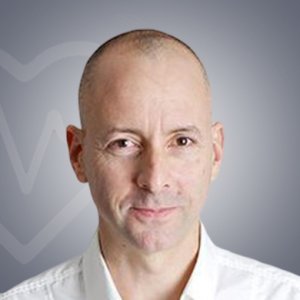
Alon Friedlander
د. ألون فريدلاندر (MD) جرّاح عظام واختصاصي في العمود الفقري والجنف لدى الكبار والأطفال. يشغل منصب مدير قسم جراحة العظام في مركز شيبا الطبي، وهو أستاذ مشارك في جراحة العظام بجامعة تل أبيب. مُدرج ضمن قائمة فوربس لأفضل أطباء إسرائيل.
يعالج اضطرابات العمود الفقري المعقّدة بجراحات طفيفة التوغل وأخرى مفتوحة، وتشمل إجراءاته التثبيت الأمامي والخلفي. تتركز خبرته على الجنف والتشوّهات الأخرى، والأورام، وتضيّق القناة الشوكية وعدم الاستقرار، والانزلاق الغضروفي. التعليم: دكتوراه في الطب، جامعة تل أب
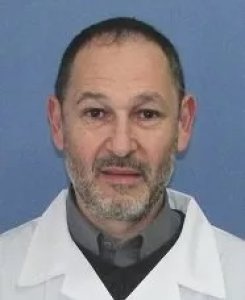
Zvi Cohen
البروفيسور زفي كوهين مدير قسم جراحة الأعصاب ووحدة الأورام العصبية في مركز شيبا الطبي. وهو جرّاح أعصاب وخبير في الأورام العصبية. اختير ضمن قائمة فوربس إسرائيل لأفضل الأطباء لعام 2025. يقود أبحاثًا سريرية حول العلاجات الدوائية لأورام الدماغ الخبيثة. كما أسّس بنك أنسجة أورام الدماغ في شيبا.
حاصل على شهادة البورد في جراحة الأعصاب، وتدرّب في جامعة تل أبيب. أكمل زمالتين: في الأشعة العصبية في بيث إسرائيل، وفي جراحة أورام الأعصاب في مركز إم دي أندرسون. تشمل ممارسته أورام الدماغ المعقّدة والغدة

Zvi Lidar
أجرى الدكتور زفي ليدار الآلاف من جراحات العمود الفقري طفيفة التوغل في مركز سوراسكي الطبي - أحد المستشفيات الرائدة في إسرائيل.
- متخصص في جراحة الأعصاب للبالغين والأطفال
- معتمد للعلاج الجراحي في كل من إسرائيل والولايات المتحدة الأمريكية
- تدرب في مؤسسات كبرى بما في ذلك كلية الطب في ويسكونسن
- نشر أكثر من 30 ورقة علمية حول جراحة العمود الفقري
- عضو في العديد من جمعيات جراحة الأعصاب المرموقة

Professor Shimon Rochkind
47 سنة رائد في جراحة الأعصاب طفيفة التوغل – يقود البروفيسور روتشكيند تطورات تكنولوجيا الأعصاب بالليزر في إسرائيل في مركز سوراسكي الطبي.
- تدرب في جراحة أعصاب الأطفال في مستشفى الأطفال المرضى في كندا
- متخصص في التقنيات المجهرية لاضطرابات العمود الفقري والأعصاب
- يرأس الجمعية الإسرائيلية لتكنولوجيا الأعصاب بالليزر
- يستخدم تقنيات التنظير العصبي للعمليات المعقدة
قصص فيديو من مرضى Bookimed
المراجعات
جميع المراجعاتمشاركة المحتوى
 Anna Leonova
أسئلة متكررة حول جراحة دمج العمود الفقري بالحد الأدنى من التدخل في إسرائيل
ما هي المخاطر المحتملة لجراحة دمج الفقرات طفيفة التوغل؟
تعتبر جراحة دمج الفقرات طفيفة التوغل أكثر أماناً بشكل عام من الإجراءات المفتوحة، ولكنها تنطوي على مخاطر تشمل العدوى، وإصابة الأعصاب، وفشل الدمج حيث لا تلتحم العظام. تشمل المخاطر التقنية الفريدة لهذا النهج تسرب السائل الشوكي أو وضع الأدوات في غير مكانها الصحيح بسبب محدودية الرؤية واستخدام أدوات متخصصة.
- السلامة العصبية: قد يسبب تهيج الأعصاب أو تلفها ألماً موضعياً، أو ضعفاً، أو فقداناً وظيفياً مستمراً.
- فشل الدمج: يحدث المفصل الكاذب (Pseudarthrosis) عندما تفشل العظام في الالتحام، مما قد يتطلب جراحة مراجعة في المستقبل.
- السلامة الهيكلية: قد يحدث فشل في الأدوات مثل كسر البراغي إذا لم تكن العظام مستقرة تماماً.
- القطاعات المجاورة: قد تتعرض الأقراص الشوكية المحيطة لضغط متزايد، مما قد يؤدي إلى مشاكل تنكسية في المستقبل.
رؤية خبير Bookimed: بينما تقدم إسرائيل جراحة دمج بمساعدة الروبوت من الدرجة الأولى، فإن اختيار التكنولوجيا يهم بشكل كبير. تظهر البيانات أن المراكز المعتمدة من قبل JCI مثل "شيبا" و"سوراسكي" تعطي الأولوية للدقة الروبوتية لتقليل وضع الغرسات في غير مكانها. ومع ذلك، يتطلب الدمج الحقيقي تطعيم العظام والضغط. يتم تسويق بعض الفواصل بين الشوكية الأحدث على أنها طفيفة التوغل ولكنها قد لا توفر نفس الاستقرار طويل الأمد مثل إجراءات TLIF التقليدية ذات النهج شبه المتوسط.
إجماع المرضى: يؤكد العديد من المرضى أن "طفيفة التوغل" لا تعني "خالية من المخاطر". تحذر التعليقات الشائعة من رفع الأشياء الثقيلة في وقت مبكر جداً، حيث أن الاستق
من هو المرشح لجراحة دمج الفقرات طفيفة التوغل؟
المرشحون لجراحة دمج الفقرات طفيفة التوغل هم البالغون الذين يعانون من آلام مزمنة في الظهر أو الساق ناتجة عن مرض القرص التنكسي، أو تضيق العمود الفقري، أو انزلاق الفقار. المرضى المثاليون هم الذين فشلوا في الاستجابة للعلاجات التحفظية لمدة 6 أشهر ويحتاجون إلى تثبيت العمود الفقري من خلال أدوات متخصصة مثل المباعدات الأنبوبية أو الأساليب التنظيرية العصبية.
- العلاج التحفظي: فشل العلاج الطبيعي أو الحقن أو الأدوية لمدة 6 أشهر على الأقل.
- علم الأمراض الهيكلي: يجب أن يظهر التصوير بالرنين المغناطيسي أو الأشعة المقطعية عدم استقرار موضعي أو ضغط على الأعصاب.
- الصحة البدنية: مطلوب حالة صحية كافية للخضوع للتخدير العام بأمان.
- حالات محددة: مناسبة للأقراص المنفتقة، والجنف، وأورام العمود الفقري، أو تضيق العمود الفقري.
رؤية خبير Bookimed: غالبًا ما يستخدم جراحو الأعصاب الإسرائيليون مثل الدكتور تسفي ليدار في مركز سوراسكي الطبي تقنيات بمساعدة الروبوت لتعزيز الدقة في الحالات المعقدة. تظهر البيانات أن عيادات مثل مركز شيبا الطبي تدمج الطب الدقيق في رعاية العمود الفقري، مما يساعد في تحديد الهياكل التشريحية الأكثر ملاءمة للشقوق الصغيرة بحجم 1 بوصة مقارنة بالجراحة المفتوحة التقليدية.
إجماع المرضى: يؤكد المرضى على أهمية الحصول على 2-3 آراء جراحية للتأكد مما إذا كان تشريح العمود الفقري الخاص بهم يسمح بنهج الشق الصغير. تحذر التعليقات الواقعية من اعتبار المباعدات البسيطة دمجاً حقيقياً، وتحث الآخرين على إعطاء الأولوية للجراحين الموثقين في التقنيات التن
ما هي جراحة دمج الفقرات طفيفة التوغل؟
جراحة دمج الفقرات طفيفة التوغل هي تقنية جراحية تُستخدم لتثبيت الفقرات من خلال شقوق صغيرة. يستخدم الجراحون مبعدات أنبوبية وتوجيهًا إشعاعيًا لتحريك العضلات جانبًا دون قطعها. يقلل هذا النهج المحدد بشكل كبير من صدمة الأنسجة، ويقلل من فقدان الدم، ويسرع الانتقال إلى التعافي في العيادات الخارجية.
- الدخول الجراحي: يستخدم 2-4 شقوق صغيرة بدلاً من فتحة واحدة كبيرة في خط الوسط.
- الحفاظ على العضلات: يقوم الأطباء بتوسيع العضلات بدلاً من فصلها عن العمود الفقري.
- أدوات التثبيت: يستخدم الجراحون المساعدة الروبوتية والتنظير الفلوري لوضع القضبان والبراغي بدقة.
- لوجستيات التعافي: غالبًا ما يكون المرضى مؤهلين للخروج في غضون ساعات أو بعد قضاء ليلة واحدة في المستشفى.
رؤية خبير Bookimed: يحافظ جراحو الأعصاب الإسرائيليون في مركز سوراسكي الطبي على معدل نجاح يصل إلى 98% من خلال دمج التنظير العصبي مع التوجيه الروبوتي. على الرغم من أن المدخل أصغر، إلا أن الإجراء الداخلي يظل مكثفًا. غالبًا ما يستخدم كبار المتخصصين مثل الدكتور تسفي ليدار والبروفيسور شيمون روشكيند تقنيات الليزر أو الهندسة الحيوية لتعزيز نتائج دمج العظام في عمليات إعادة بناء العمود الفقري المعقدة هذه.
إجماع المرضى: يجد العديد من المرضى أن الشفاء الأولي الأسرع مفيد، لكنهم يؤكدون أن دمج العظام الداخلي لا يزال يتطلب 12-18 شهرًا. غالبًا ما يوصون بالتوضيح ما إذا كان الجراح سيستخدم تقنيات أنبوبية محددة قبل الانتهاء من الإجراء.
ما هي الفوائد الرئيسية لجراحة دمج الفقرات طفيفة التوغل؟
تقلل جراحة دمج الفقرات طفيفة التوغل من صدمة الأنسجة باستخدام أنابيب وأدوات متخصصة من خلال شقوق يقل طولها عن 2 بوصة. يمنع هذا النهج قطع العضلات، مما يؤدي إلى حركة أسرع، ومعدلات عدوى أقل، وتقليل الألم بعد الجراحة مع ضمان استقرار هيكلي مماثل للجراحة المفتوحة التقليدية.
- سرعة التعافي: يبدأ المرضى عادةً في المشي في غضون 24-48 ساعة بعد الإجراء.
- الحفاظ على الأنسجة: يستخدم الجراحون أنابيب لتوسيع العضلات بدلاً من قطعها مباشرة.
- الإقامة في المستشفى: تستمر الإقامات المعتادة من 2-3 أيام، مع إمكانية الخروج في نفس اليوم.
- الندبات: تؤدي الشقوق الصغيرة المتعددة إلى حدوث ندبات طفيفة مقارنة بالشقوق الطولية الكبيرة.
- ملف السلامة: يقلل التعرض المحدود من فقدان الدم ويقلل من خطر الإصابة بعدوى في موقع الجراحة.
رؤية خبير Bookimed: يستخدم جراحو الأعصاب الإسرائيليون مثل الدكتور تسفي ليدار في مركز سوراسكي الطبي أنظمة مساعدة روبوتية وتقنيات الليزر لتعزيز الدقة من خلال هذه المداخل الصغيرة. يتم تعزيز هذه الخبرة الإقليمية من خلال أحجام الجراحات العالية، حيث تجري مراكز مثل شيبا أكثر من 45000 عملية سنوياً.
إجماع المرضى: يشعر الكثيرون بالارتياح لقدرتهم على الوقوف على أقدامهم بعد يوم واحد فقط من الجراحة. ويؤكدون أنه على الر
هل سيختفي ألم الظهر بعد جراحة دمج الفقرات طفيفة التوغل؟
تعمل جراحة دمج الفقرات طفيفة التوغل على تقليل أو القضاء على آلام الظهر لدى 70% إلى 95% من المرضى. في حين أن آلام الساق المرتبطة بالأعصاب غالبًا ما تختفي تمامًا، فقد يستمر بعض التيبس الميكانيكي أو الألم المتبقي في الظهر. يشعر معظم المرضى بتحسن وظيفي كبير في غضون 2 إلى 12 أسبوعًا مع تقدم عملية دمج العظام.
- معدلات النجاح: تظهر النتائج السريرية فعالية تتراوح بين 70% إلى 95% في تقليل آلام العمود الفقري المزمنة.
- فترة التعافي: عادة ما يشعر المرضى بتحسن ملحوظ في غضون 14 يومًا من الإجراء.
- تخفيف آلام الساق: غالبًا ما تختفي الأعراض الجذرية مثل عرق النسا فورًا بعد نجاح تخفيف ضغط العصب.
- الشفاء التام: يتطلب الاندماج العظمي الكامل وأقصى درجات تخفيف الألم عمومًا من 3 إلى 6 أشهر.
رؤية خبراء Bookimed: يحافظ كبار جراحي الأعصاب في إسرائيل، مثل أولئك الموجودين في مركز سوراسكي الطبي (إيخيلوف)، على معدل نجاح يصل إلى 98% في إجراءات العمود الفقري المعقدة. طور متخصصون مثل الدكتور تسفي ليدار تقنيات الوصول المصغرة المستخدمة الآن في المبادئ التوجيهية الأوروبية. إن اختيار المراكز ذات الأحجام السنوية العالية، مثل أسوتا التي تتعامل مع 92,000 عملية، يضمن الوصول إلى جراحين نخبويين يقللون من صدمة الأنسجة ويسرعون الشفاء.
إجماع المرضى: يجد الكثيرون أن ألم الساق الحاد يختفي على الفور تقريبًا، على الرغم من أن الأحاسيس العصبية «الجديدة» المؤقتة شائعة أثناء الشفاء. التركيز على مشاكل ضغط العصب الواضحة قبل الجراحة يؤدي إلى أكثر النتائج إرضاءً على المدى الط
كم تبلغ مدة الإقامة في المستشفى في إسرائيل لجراحة دمج الفقرات طفيفة التوغل؟
عادةً ما يبقى المرضى الذين يخضعون لجراحة دمج الفقرات طفيفة التوغل في إسرائيل في المستشفى لمدة ليلة إلى ليلتين. غالبًا ما تسهل العيادات المتخصصة في تل أبيب الخروج في نفس اليوم في أقل من 24 ساعة للحالات الأقل تعقيدًا التي تتضمن مساعدة روبوتية متقدمة أو طرقًا تنظيرية عصبية.
- الإقامة في المستشفى: يقضي معظم المرضى ليلة إلى ليلتين في المستشفى لمراقبة الألم الأولي.
- إمكانية الخروج: تسمح بعض الحالات طفيفة التوغل بالخروج في نفس اليوم خلال 24 ساعة.
- الإقامة في البلاد: يجب أن تخطط للبقاء لمدة 7 أيام في إسرائيل لإجراء فحوصات المتابعة.
- البروتوكولات السريرية: تستخدم المراكز المتخصصة مثل "سوراسكي" التوجيه الروبوتي لتقصير فترة التعافي بعد الجراحة.
رؤية خبير Bookimed: بينما يتوقع الكثيرون إقامة لعدة أيام، تظهر بياناتنا تحولًا نحو بروتوكولات العيادات الخارجية. يستخدم بعض الجراحين في عيادات مثل مركز سوراسكي الطبي (إيخيلوف) أساليب مصغرة خاصة. تعطي هذه التقنيات الأولوية للتحرك المبكر. يؤدي هذا غالبًا إلى الخروج في صباح اليوم التالي، وهو أسرع بكثير من الطرق التقليدية.
إجماع المرضى: أفاد العديد من المرضى بأنهم مستعدون للخروج في صباح اليوم التالي للجراحة. وأشار البعض إلى أن ليلة ثانية قد تكون مطلوبة إذا تم استخدام تصريف شوكي للمراقبة.
متى يمكنني العودة إلى العمل والقيادة بعد جراحة دمج الفقرات طفيفة التوغل؟
يعود المرضى عادةً إلى العمل المكتبي في غضون أسبوعين إلى 6 أسابيع بعد جراحة دمج الفقرات طفيفة التوغل. عادةً ما يتم استئناف القيادة في غضون أسبوعين إلى 4 أسابيع بمجرد التوقف عن تناول الأدوية الأفيونية. يستغرق التعافي الوظيفي الكامل في العيادات الإسرائيلية عمومًا من 3 إلى 6 أشهر.
- الأدوار المكتبية: العودة إلى العمل المكتبي ممكنة في غضون أسبوعين إلى 4 أسابيع بعد الجراحة.
- العمل البدني: يتطلب العمل اليدوي الذي يتطلب الرفع أو الالتواء انتظارًا لمدة 12 أسبوعًا كحد أدنى.
- سلامة القيادة: تتطلب القيادة التوقف عن تناول المواد الأفيونية والقدرة على الكبح فجأة.
- التصريح الطبي: يقوم الجراحون في المراكز المعتمدة من JCI بإجراء تقييمات رسمية عند علامة 6 أسابيع.
رؤية خبير Bookimed: على الرغم من أن التعافي أسرع من الجراحة المفتوحة، فإن معدلات النجاح بنسبة 98% في مراكز مثل مركز سوراسكي الطبي تعتمد على قيود صارمة على النشاط. تظهر البيانات أن جراحين مثل الدكتور تسفي ليدار غالبًا ما يطلبون فحوصات متابعة في الأسبوع السادس قبل الموافقة على القيادة المهنية. وهذا يؤكد استقرار العظام قبل التأكد من سلامة المريض.
إجماع المرضى: يجد العديد من المرضى أن المشي ضروري للشفاء المبكر لكنهم يحذرون من أن التعافي ليس خطيًا. يوصون بالعودة التدريجية إلى العمل ويقترحون الانتظار لمدة تصل إلى 12 أسبوعًا لعمليات دمج الفقرات المعقدة متعددة المستويات.
لماذا تُعد إسرائيل واحدة من الوجهات الرائدة في جراحة الأعصاب؟
تُعدّ إسرائيل مركزًا رائدًا في جراحة الأعصاب بفضل مزيجها من التطورات الطبية عالية التقنية والخبرات الجراحية المتميزة. وتستخدم مرافق متطورة مثل مركز شيبا الطبي أنظمة ملاحة تعتمد على الذكاء الاصطناعي والتصوير بالرنين المغناطيسي أثناء الجراحة في الوقت الفعلي. وتشير المراكز المتخصصة إلى نسبة نجاح تصل إلى 98% في العمليات الجراحية المعقدة، بما في ذلك جراحة الدماغ مع اليقظة وعلاج اضطرابات الحركة.
- التكنولوجيا المتقدمة: تستخدم العيادات الموجات فوق الصوتية المركزة الموجهة بالرنين المغناطيسي (MRgFUS) والأنظمة الروبوتية لإجراء الشقوق.
- الخبرة الجراحية: يقود جراحون مثل الدكتور تسفي رام جمعيات دولية بخبرة تزيد عن 25 عامًا.
- الوصول السريع: يمكن للمرضى الدوليين عادةً تحديد مواعيد لإجراء عمليات جراحية معقدة في الدماغ أو العمود الفقري في غضون 2-4 أسابيع.
- الرعاية الطبية المعتمدة: المراكز الكبيرة مثل سوراسكي (إيشيلوف) وأسوتا معتمدة من قبل اللجنة الدولية المشتركة، مما يؤكد سلامتها.
رأي خبراء بوكيمد: تُظهر البيانات فرقًا واضحًا بين خيارات العلاج في القطاعين العام والخاص في إسرائيل. تُجري المراكز الخاصة، مثل مركز أسوتا الطبي، أكثر من 92,000 عملية جراحية سنويًا، وتتيح للمرضى اختيار جراح را
ما هي أنواع الأمراض العصبية التي يتم علاجها في إسرائيل؟
يعالج جراحو الأعصاب الإسرائيليون طيفاً واسعاً من الحالات، بدءاً من أورام الدماغ والحبل الشوكي وصولاً إلى الاضطرابات الوظيفية المعقدة. وتستخدم المراكز المتخصصة أحدث التقنيات، مثل جهاز جاما نايف، والتحفيز العميق للدماغ، والتصوير بالرنين المغناطيسي أثناء الجراحة، لتشخيص دقيق للغاية لحالات الصرع، ومرض باركنسون، وأمراض الأوعية الدموية الدماغية.
- الأمراض السرطانية: علاج الأورام الدبقية والأورام السحائية وأورام الغدة النخامية باستخدام استئصال قاعدة الجمجمة.
- الاضطرابات الوظيفية: علاج مرض باركنسون والرعاش الأساسي باستخدام التحفيز العميق للدماغ.
- أمراض العمود الفقري: تصحيح الجنف، وانزلاق الغضروف، وأورام العمود الفقري باستخدام الأنظمة الروبوتية.
- علاج أمراض الأوعية الدموية الدماغية: العلاج الجراحي لتمدد الأوعية الدموية الدماغية والتشوهات الشريانية الوريدية باستخدام التدخلات داخل الأوعية الدموية.
- جراحة الأعصاب للأطفال: رعاية متخصصة لاستسقاء الرأس والتشوهات الخلقية في مراكز طب الأطفال المتخصصة.
رأي خبراء بوكيمد: غالبًا ما تجمع المستشفيات الإسرائيلية بين تخصصات طبية متعددة لمعالجة الحالات المعقدة. ففي مركز سوراسكي ا
ما هي المستشفيات في إسرائيل التي تشتهر بأقسام جراحة الأعصاب فيها؟
تضم إسرائيل مراكز جراحة أعصاب عالمية المستوى، مثل مركز سوراسكي الطبي، ومركز شيبا الطبي، ومركز هداسا الطبي. وتُعدّ هذه المؤسسات رائدة عالميًا في علاج أورام الدماغ المعقدة، وأمراض العمود الفقري، واضطرابات الحركة. وتستخدم أحدث التقنيات، مثل جهاز جاما نايف، والأنظمة الروبوتية، والتصوير بالرنين المغناطيسي أثناء الجراحة.
- سوراسكي (إيخيلوف): يجري أكثر من 2500 عملية جراحية عصبية سنوياً في تل أبيب بنسبة نجاح تبلغ 98%.
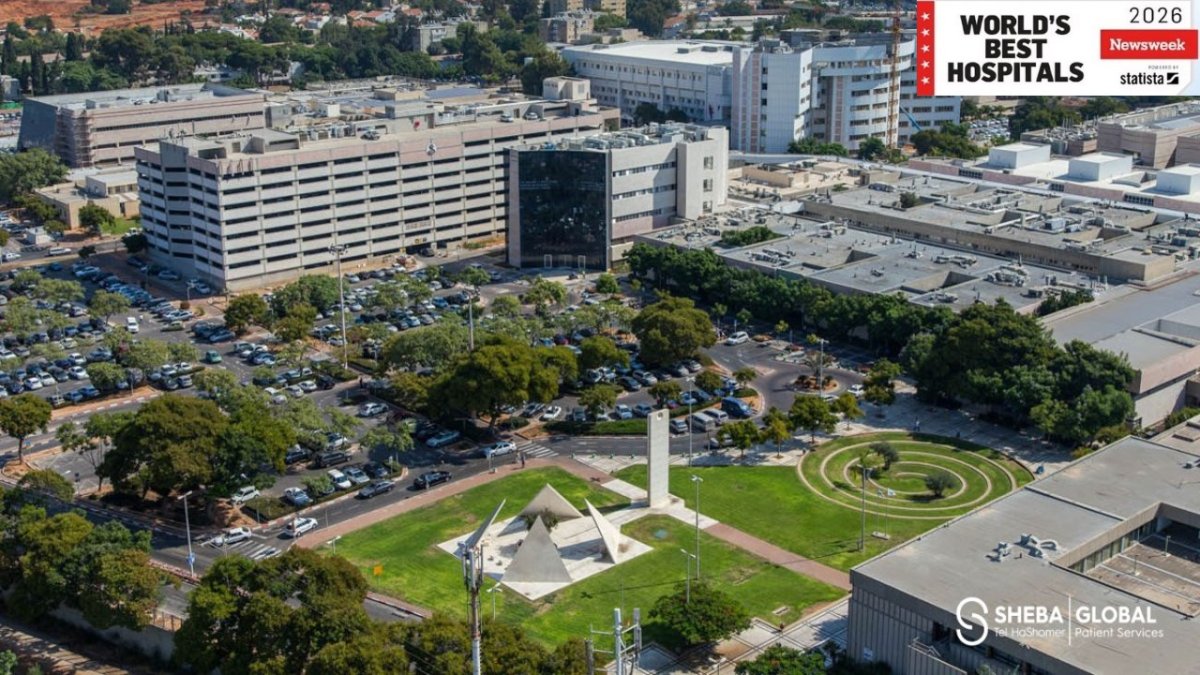
- مركز شيبا الطبي: مصنف ضمن أفضل عشرة مستشفيات في العالم، حيث يعالج 1.9 مليون مريض سنوياً.
- مركز هداسا الطبي: مرشح لجائزة نوبل للسلام. رائد في جراحة الأعصاب للأطفال والعلاج الجيني.
- مركز أسوتا الطبي: أكبر منشأة طبية خاصة في إسرائيل. متخصص في جراحات العمود الفقري والدماغ طفيفة التوغل.
- مستشفى شنايدر للأطفال: مركز رائد في جراحة الأعصاب للأطفال، يعالج 275000 طفل سنوياً.
رأي خبراء بوكيمد: تُظهر بياناتنا أنه بينما يلجأ معظم المرضى للعلاج في تل أبيب، يُقدّم مركز رامبام الطبي في حيفا رعايةً فريدةً لإصابات الدماغ. فهو يضم وحدةً متخصصةً للعناية المركزة العصبية تُعالج ما يقارب مليون مريض سنويًا. وهذا ما يجعله