زراعة الكلى في إسبانيا — احصل على 3 عيادات مطابقة مع التكاليف


تمت مراجعة المقالة طبيا من قبل
فهد مولود
ما هي تكلفة زراعة الكلى في إسبانيا؟ اكتشف الآن
تتراوح تكاليف زراعة الكلى في إسبانيا عادةً بين $68,000 و $95,000. يعتمد السعر النهائي على موقع المستشفى ونوع المانح والتقنية الجراحية. تشمل الباقات الخاصة عادةً التقييمات السابقة للعملية وفحوصات التوافق وجراحة الزراعة ورعاية المتابعة الأولية.
- موقع المستشفى: عادةً ما تكون تكلفة الباقات في برشلونة أو مدريد أعلى منها في مدن إقليمية مثل بامبلونا.
- نوع المانح: غالباً ما تنطوي عمليات زراعة الأعضاء من مانحين أحياء على تكاليف لوجستية أعلى مقارنةً بمانحين متوفين.
- التقنية الجراحية: تضيف الجراحة الروبوتية باستخدام نظام Da Vinci ما بين 20-30% إلى التكلفة الإجمالية.
- مستوى المرفق: تفرض المستشفيات الرائدة الحاصلة على اعتماد JCI رسوماً إضافية مقابل خدمات متميزة للمرضى الدوليين.
رأي خبراء Bookimed: توفر إسبانيا قيمة استثنائية لعمليات الزراعة المعقدة. وتعد عيادة جامعة نافارا خياراً بارزاً في هذا المجال. كانت أول عيادة في إسبانيا تحصل على اعتماد JCI. كما صنفتها نيوزويك ضمن أفضل المستشفيات في العالم. يحصل المرضى هنا على أسعار تنافسية للغاية، تبدأ أحياناً من 18,000 $ إلى 24,500 $ لحالات معينة. وهي أسعار أقل بكثير من المعدلات السائدة في مدريد أو برشلونة.
المزايا الرئيسية
لماذا تختار إسبانيا لزراعة الكلى؟
- العيادات المعتمدة: المستشفيات المعتمدة من JCI في إسبانيا تقدم رعاية عالية الجودة وتولي الأولوية لسلامة المرضى.
- أحدث التقنيات: استخدام تقنيات مثل استئصال الكلية المانحة بالمنظار وأحدث الأدوية المثبطة للمناعة، بما في ذلك تاكروليموس وموفيتيل الميكوفينولات، يعزز نتائج الزراعة.
- معدلات نجاح عالية: يتم الإبلاغ عن فعالية زراعة الكلى بنسبة 95% لعمليات الزراعة من متبرعين أحياء. كما تتميز هذه العمليات بمعدلات بقاء طويلة الأمد ممتازة للطُعم.
- جراحون خبراء: أطباء كلى وجراحو زراعة مشهورون، يمتلك العديد منهم خبرة في أكثر من 500 عملية زراعة كلى، ويحملون شهادات من مؤسسات مرموقة. كما أنهم أعضاء في جمعيات زراعة دولية.
احصل على حلول متقدمة لزراعة الكلى في عيادات موثوقة من $68,000.
| تركيا | إسبانيا | ألمانيا | |
|---|---|---|---|
| زراعة الكلى | من $16,000 | ≈ $68,000 | من $85,000 |
مزاياك وضماناتك مع Bookimed
أسعار مباشرة
Bookimed لا يضيف رسوماً إضافية على أسعار زراعة الكلى. الأسعار مأخوذة من قوائم الأسعار الرسمية للعيادات. تدفع مباشرة في العيادة مقابل زراعة الكلى عند وصولك.
عيادات وأطباء معتمدون فقط
Bookimed ملتزم بسلامتك. نحن نعمل فقط مع المؤسسات الطبية التي تحافظ على معايير دولية عالية في زراعة الكلى ولديها التراخيص اللازمة لخدمة المرضى الدوليين في جميع أنحاء العالم.
مساعدة مجانية على مدار الساعة
Bookimed يقدم مساعدة خبراء مجانية. منسق طبي شخصي يدعمك قبل وأثناء وبعد العلاج، ويحل أي مشاكل. لن تكون وحيداً أبداً في رحلة زراعة الكلى.

منسقك الطبي الشخصي في Bookimed
- يدعمك في كل مرحلة
- المساعدة في اختيار العيادة الطبية المناسبة والطبيب المناسب
- يضمن الوصول السريع والمريح إلى المعلومات
اكتشف أفضل زراعة الكلى العيادات في إسبانيا: 2 خيارات معتمدة والأسعار






نظرة عامة على زراعة الكلى في إسبانيا
- زراعة الكلى - من $68,000
تستبدل العملية الكلية المعيبة بأخرى صحية لاستعادة وظائف الكلى الطبيعية.
اليوم الأول - الوصول
- تصل إلى المطار.
- الانتقال إلى الفندق الذي توفره العيادة.
- المساعدة اللغوية متاحة إذا لزم الأمر.
اليوم 2 - ما قبل العملية
- قابل طبيب أمراض الكلى للاستشارة.
- الخضوع للفحوصات الطبية اللازمة.
- سيقوم فريق الزرع بمراجعة الاختبارات.
اليوم الثالث - زراعة الكلى
- الوصول إلى العيادة لإجراء عملية الزرع.
- الخضوع للتخدير ، وعادة ما يكون التخدير العام.
- العملية التي قد تستمر من 2-4 ساعات.
اليوم 4-6 - بعد العملية
- ابق في المستشفى للمراقبة الدقيقة.
- ابدأ بتناول الأدوية بعد العملية.
- فحوصات دورية من قبل الفريق الطبي.
الأسبوع 2
- نقل من المستشفى إلى الفندق.
- زيارات دورية للعيادة لإجراء الفحوصات.
- اضبط الدواء بناءً على عملية الشفاء.
الأسبوع 3-6 - إعادة التأهيل
- العودة التدريجية للأنشطة الخفيفة.
- متابعة المتابعة في العيادة أو مع الطبيب المحلي.
الأسبوع السابع وما بعده
- العودة إلى العمل حسب الوظيفة.
- العودة التدريجية لممارسة الرياضة والأنشطة القوية الأخرى.
- بحلول الأسبوع 12 ، راجع النتائج النهائية لعملية الزرع.
يرجى ملاحظة أن حالة كل مريض فريدة من نوعها ، لذلك قد تختلف الجداول الزمنية والأنشطة.
- إيداع Bookimed: 200 دولار أو 200 يورو.
- وديعة العيادة: ادفع نسبة محددة مقدمًا.
احصل على تقييم طبي لـ زراعة الكلى في إسبانيا: اختر أخصائيك من بين الأفضل في هذا المجال
عرض جميع الأطباء
Antonio Alcaraz
رئيس قسم المسالك البولية في مركز تيكنون الطبي، أجرى الدكتور ألكاراز أكثر من 500 عملية زراعة كلى وجراحات مسالك بولية باستخدام تقنيات متقدمة طفيفة التوغل.
- 38 سنة من التخصص في المسالك البولية وزراعة الأعضاء
- خبير في الجراحات الروبوتية بمساعدة نظام دافنشي
- عضو في الاتحاد الأمريكي للمسالك البولية والجمعية الأوروبية للمسالك البولية
- يعالج أمراض الكلى لدى البالغين واضطرابات المسالك البولية لدى الأطفال
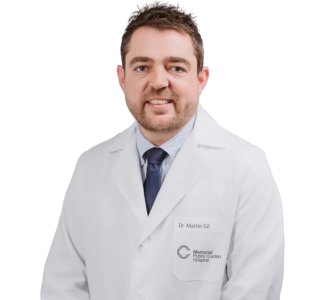
Jorge Martín Gil
الدكتور خورخي مارتين جيل هو جراح متخصص في الجهاز الهضمي والجراحة العامة في مستشفى بوبليو كوردون التذكاري في مدريد. يعالج الدكتور حالات جدار البطن بما في ذلك الفتق الإربي، والسري، والفتق الجراحي. كما يجري الدكتور مارتين جيل عمليات استئصال الغدة الدرقية وزراعة الكلى.
يعمل الدكتور في منشأة معتمدة من قبل اللجنة الدولية المشتركة (JCI). يضم المستشفى أكثر من 100 طبيب وأقسام جراحية متخصصة. كما يتولى الدكتور مارتين جيل إدارة حالات انقطاع النفس النومي ويقدم استشارات جراحية للفحوصات الطبية.
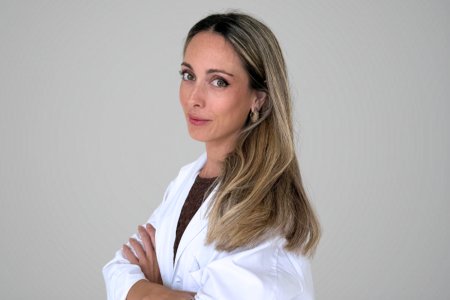
María Isabel Falguera Uceda
الدكتورة ماريا إيزابيل فاليغيرا أوسيدا هي جراحة فم وفكين في مستشفى بوبليو كوردون التذكاري في مدريد. تجري عمليات جراحة تجميل وترميم الوجه، بما في ذلك تجميل الأنف، وشد الوجه، وشفط الدهون. تعمل في منشأة حاصلة على اعتماد اللجنة الدولية المشتركة (JCI).
المستشفى معترف به من قبل الجمعية الأمريكية لجراحي التجميل. تعالج الدكتورة فاليغيرا أوسيدا المرضى الذين يحتاجون إلى تحسينات تجميلية وترميمات وظيفية. وهي جزء من فريق طبي يضم 100 متخصص. تتبع العيادة المعايير الجراحية الأوروبية والأمريكية.
قصص فيديو من مرضى Bookimed
المراجعات
جميع المراجعاتمواد ذات صلة

تكلفة جراحة زرع الكلى المعقولة - من أين تجد وكيف تحصل عليها
كتب بواسطة Ana Hurevska

أفضل 5 مستشفيات لزراعة الكلى في العالم
كتب بواسطة Ana Hurevska
مشاركة المحتوى
 Anna Leonova
أسئلة متكررة حول زراعة الكلى في إسبانيا
ما هو متوسط وقت الانتظار لزراعة الكلى في إسبانيا؟
يبلغ متوسط وقت الانتظار لزراعة الكلى من متبرع متوفى في إسبانيا من 12 إلى 24 شهراً. هذا الجدول الزمني أسرع بكثير من المتوسط العالمي. يمكن للمتبرع الحي تقليل وقت الانتظار إلى 3 إلى 6 أشهر للمرضى المتوافقين.
- نظام التبرع: تستخدم إسبانيا نظاماً عالمياً للموافقة الضمنية تديره المنظمة الوطنية لزراعة الأعضاء (ONT).
- توافر المتبرعين: تسجل البلاد أكثر من 46 متبرعاً متوفى لكل مليون نسمة سنوياً.
- أهلية الأجانب: يجب على غير المواطنين إثبات إقامة قانونية لمدة عامين للانضمام إلى السجل الوطني.
- عوامل الانتظار: فصيلة الدم O والحساسية العالية للأجسام المضادة يمكن أن تزيد من أوقات الانتظار عن المتوسطات.
رؤية خبير Bookimed: أوقات الانتظار في إسبانيا هي الأفضل عالمياً، ويرجع ذلك جزئياً إلى مراكز متخصصة مثل عيادة جامعة نافارا (Clinica Universidad de Navarra) ومستشفى كيرون برشلونة (Hospital Quiron Barcelona). تحمل هذه المرافق اعتماد اللجنة الدولية المشتركة (JCI) وتدير عدداً كبيراً من المرضى. أجرى جراحون خبراء مثل الدكتور أنطونيو ألكاراز في كيرون برشلونة أكثر من 500 عملية زراعة ناجحة. للاستفادة من كفاءة إسبانيا، يجب على المرضى التأكد من تطابق ملفهم الشخصي مع ملفات المتبرعين الإقليمية لتجنب فترات الانتظار الطويلة المعتادة لفصيلة الدم O أو الحالات الحساسة.
إجماع المرضى: النظام هو معيار عالمي، لكن المرضى يؤكدون على ضرورة البقاء متاحين للاتصال في جميع الأوقات بمجرد إدراجهم في القائمة. ويحذرون من أن المتوسطات الوطنية تخفي فترات انتظار أطول لفصا
ما هي معدلات نجاح وبقاء زراعة الكلى على المدى الطويل في إسبانيا؟
تحافظ إسبانيا على معدلات بقاء رائدة عالمياً في زراعة الكلى، حيث تصل نسبة بقاء المتلقي إلى حوالي 86 بالمائة عند 10 سنوات. يظل النجاح مرتفعاً بسبب الأنظمة الوطنية الفعالة، حيث تتجاوز وظيفة العضو المزروع لمدة عام واحد 90 بالمائة، وتظهر الأعضاء المزروعة من متبرعين متوفين معدل بقاء لمدة 10 سنوات يتراوح بين 71 إلى 86 بالمائة.
- طول عمر العضو المزروع: تعمل كلى المتبرعين الأحياء عادةً لمدة 15 إلى 20 عاماً.
- البقاء على المدى الطويل: يمكن أن تصل معدلات بقاء المرضى إلى 81 بالمائة بعد 20 عاماً.
- المعيار العالمي: تبلغ إسبانيا عن معدلات بقاء للعضو المزروع لمدة 5 سنوات تتراوح بين 85 إلى 90 بالمائة.
- نجاح المتبرعين المسنين: تحافظ عمليات الزرع التي تستخدم متبرعين تزيد أعمارهم عن 75 عاماً على معدل بقاء مرتفع لمدة 10 سنوات يقارب 68 بالمائة.
رؤية خبير Bookimed: تنبع ريادة إسبانيا في نتائج عمليات الزرع من فترات انتظار قصيرة بشكل استثنائي تتراوح من 3 إلى 6 أشهر. تستخدم مراكز مثل Clinica Universidad de Navarra هذه السرعة لزراعة الكلى بينما تكون في ذروة وظيفتها. تفسر هذه الكفاءة سبب مواجهة المرضى الإسبان لخطر وفيات يقل بنحو النصف مقارنة بأولئك الموجودين في الولايات المتحدة.
إجماع المرضى: على الرغم من أن النجاح على المدى الطويل مرتفع، يؤكد المرضى أن السنة الأولى هي الفترة الأكثر أهمية. الالتزام المستمر بالأدوية وإجراء الفحوصات المخبرية في الوقت المناسب أمر حيوي لأن وظائف الكلى يمكن أن تتدهور دون أعراض واضحة.
هل يمكن للمرضى الدوليين الحصول على زراعة كلى في إسبانيا؟
يمكن للمرضى الدوليين الخضوع لعملية زراعة كلى في إسبانيا فقط من خلال إجراءات المتبرع الحي. يحظر القانون الإسباني بصرامة على غير المقيمين الوصول إلى قائمة الانتظار الوطنية للمتبرعين المتوفين. يجب على المرضى توفير متبرع متوافق خاص بهم، عادةً ما يكون قريبًا، والذي يتبع عمليات فحص قانونية وطبية صارمة.
- متطلبات المتبرع: يجب على المرضى إحضار متبرع متوافق ومتطوع لإجراء تقييم قانوني مكثف.
- التحقق القانوني: يجب على المتبرعين إعلان نيتهم الطوعية أمام قاضٍ إسباني لمنع الاستغلال.
- المراكز الرائدة: تتوفر رعاية متخصصة في المرافق المعتمدة من قبل اللجنة الدولية المشتركة (JCI) في برشلونة ومدريد.
- التكنولوجيا الروبوتية: يستخدم جراحون ذوو خبرة مثل الدكتور أنطونيو ألكاراز أنظمة دافنشي لعمليات الزراعة طفيفة التوغل.
- فترة التعافي: توقع إقامة محلية من 3 إلى 6 أشهر لتلقي مثبطات المناعة الأساسية والمراقبة.
رؤية خبير Bookimed: على الرغم من أن إسبانيا رائدة عالميًا في حجم عمليات الزراعة، إلا أن الوصول الدولي محدود للغاية. تظهر البيانات أن العيادات رفيعة المستوى مثل عيادة جامعة نافارا تخدم أكثر من 140,000 مريض سنويًا، ومع ذلك تظل عمليات زراعة الكلى منظمة بصرامة. يعتمد النجاح هنا على اجتياز المتبرع لمقابلة قانونية فريدة مع قاضي السجل المدني الإسباني.
إجماع المرضى: يؤكد المرضى أن إسبانيا ليست وجهة سياحة علاجية نموذجية للكلى بسبب قواعد الإقامة الصارمة. يعتمد النجاح كليًا على وجود فرد من العائلة متوافق ومستعد للخضوع لعملية ا
ما هي المتطلبات القانونية للتبرع بالكلى من متبرع حي في إسبانيا؟
يتبع التبرع القانوني بالكلى من متبرع حي في إسبانيا قانون الزرع رقم 30/1979، والذي يتطلب أن يكون عمر المتبرعين 18 عاماً على الأقل مع التمتع بكامل الأهلية العقلية. تتطلب العملية إيثاراً مطلقاً، وتحظر أي تعويض مالي أو إكراه. يجب على المتبرعين اجتياز تقييمات طبية مستقلة، ومراجعات من لجان الأخلاقيات، والحصول على تفويض رسمي أمام قاضٍ.
- الشهادة الطبية المستقلة: يجب على طبيب غير تابع لفريق الزرع التصديق على صحة المتبرع.
- موافقة لجنة الأخلاقيات: يجب أن تصدر لجنة الأخلاقيات في المستشفى تقريراً يؤكد استقلالية المتبرع.
- المثول للحصول على إذن قضائي: يجب على المتبرعين الإدلاء بشهادتهم أمام قاضٍ لتأكيد أن الموافقة حرة وطوعية.
- حق الانسحاب: يمكن للمتبرعين قانوناً سحب موافقتهم في أي لحظة قبل الجراحة.
رؤية خبير Bookimed: تحتل إسبانيا مرتبة عالية في عمليات زراعة الأعضاء لأن إطارها القانوني يعطي الأولوية لحماية المتبرع على السرعة. تستخدم مراكز مثل مستشفى كيرون برشلونة وعيادة جامعة نافارا بروتوكولات سلامة معتمدة من اللجنة الدولية المشتركة (JCI). أشرف الدكتور أنطونيو ألكاراز على أكثر من 500 إجراء، مما يسلط الضوء على كيفية توافق حجم الجراحات المرتفع مع الامتثال القانوني الصارم.
إجماع المرضى: يفيد المرضى بأن عملية الفحص تبدو صارمة وتعتمد على البروتوكولات. يضمن الفحص النفسي والأخلاقي عدم وجود أي ضغوط عائلية قبل المضي قدماً في عملية الزرع.
ماذا يحدث أثناء جراحة الزرع وما هو الجدول الزمني للتعافي؟
تتضمن جراحة زراعة الكلى في إسبانيا وضع عضو متبرع في أسفل البطن مع ترك الكلى الأصلية في مكانها عادةً. يستخدم الجراحون في المراكز المعتمدة من JCI مثل عيادة جامعة نافارا (Clinica Universidad de Navarra) طرقًا طفيفة التوغل بالمنظار أو بمساعدة روبوت دافنشي لتأمين الوصلات الوعائية والمثانة.
- مدة الجراحة: تستغرق الإجراءات عادةً من 3 إلى 12 ساعة تحت التخدير العام.
- الإقامة في المستشفى: يبقى المرضى في وحدة متخصصة لمدة 3 إلى 7 أيام.
- الدقة الروبوتية: يستخدم متخصصون مثل أنطونيو ألكاراز أنظمة روبوتية لتحقيق دقة جراحية أعلى.
- التعافي الفوري: تتضمن الشهرين الأولين مراقبة مخبرية متكررة لوظائف العضو.
- الشفاء طويل الأمد: يحدث التعافي الداخلي الكامل وعودة القدرة على التحمل عادةً في غضون 6 إلى 12 أسبوعًا.
رؤية خبير Bookimed: تصنف إسبانيا من بين أفضل الوجهات العالمية لعمليات الزرع بسبب المراكز ذات الحجم الكبير مثل مستشفى كيرون برشلونة (Hospital Quiron Barcelona). تظهر البيانات أن المرضى غالبًا ما يشعرون بالاستعداد الجسدي للخروج قبل أن يشعروا بالاستعداد العاطفي. يساعد اختيار مركز يتمتع بتنسيق دولي متخصص في إدارة الانتقال من المستشفى إلى المراقبة المنزلية.
إجماع المرضى: يصف الكثيرون التعافي المبكر بأنه ألم بطني عميق وليس ألمًا حادًا. غالبًا ما يختلط الشعور بالراحة والتعب، حيث تتطلب الأسبوعان الأولان في المنزل مساعدة كبيرة في المهام الأساسية.