Centro Médico Teknon
إسبانيا, برشلونة
Gerardo Conesa Bertran
41سنة خبره ١٦ سنة

الاعتمادات : 
العيادة معتمدة من قبل : 





تمت مراجعة المقالة طبيا من قبل
فهد مولود
من $39,300. تعتمد الأسعار على تعقيد الحالة، ونوع الدعامة، ومركز الرعاية المختار. تشمل معظم البرامج السريرية في إسبانيا التصوير العصبي، وأتعاب الجراحة، والتخدير، وإقامة لمدة يوم أو يومين في المستشفى.
رأي خبراء Bookimed: يتيح اختيار برشلونة للرعاية العصبية الوعائية الوصول إلى متخصصين بارزين مثل الدكتور جيراردو كونيسا برتران. يترأس هذا الطبيب معهد جراحة الأعصاب في مركز تكنون الطبي الحاصل على اعتماد JCI. صُنفت هذه العيادة ضمن قائمة نيوزويك لأفضل المستشفيات عالمياً. غالباً ما تؤدي معدلات العمليات المرتفعة التي تتجاوز 23,500 عملية سنوياً إلى كفاءة إجرائية أفضل للمرضى. يفضل العديد من المرضى الدوليين هذا المركز لما يقدمه من خدمات فاخرة وتقنيات متطورة للملاحة الوعائية ثلاثية الأبعاد.
| تركيا | إسبانيا | ألمانيا | |
|---|---|---|---|
| رأب الشريان الفقري والدعامة | من $6,000 | من $39,300 | ≈ $14,500 |
Bookimed لا يضيف رسوماً إضافية على أسعار رأب الشريان الفقري والدعامة. الأسعار مأخوذة من قوائم الأسعار الرسمية للعيادات. تدفع مباشرة في العيادة مقابل رأب الشريان الفقري والدعامة عند وصولك.
Bookimed ملتزم بسلامتك. نحن نعمل فقط مع المؤسسات الطبية التي تحافظ على معايير دولية عالية في رأب الشريان الفقري والدعامة ولديها التراخيص اللازمة لخدمة المرضى الدوليين في جميع أنحاء العالم.
Bookimed يقدم مساعدة خبراء مجانية. منسق طبي شخصي يدعمك قبل وأثناء وبعد العلاج، ويحل أي مشاكل. لن تكون وحيداً أبداً في رحلة رأب الشريان الفقري والدعامة.

يفتح هذا العلاج الأوعية الضيقة عبر أنابيب صغيرة ، مما يساعد على تدفق الدم ويقلل الألم ، ويوفر الشفاء السريع.
يعمل هذا العلاج على توسيع الشرايين الضيقة باستخدام بالون صغير ودعامات لتحسين تدفق الدم بشكل فعال وآمن.
يوسع الإجراء الشرايين الضيقة في الرقبة عن طريق نفخ البالون ووضع الدعامة ، مما يقلل من خطر الإصابة بالسكتة الدماغية.
هذا الإجراء يفتح الشرايين الضيقة بالمخ ويدخل دعامة لمنع السكتة الدماغية ، مما يعزز تدفق الدم بكفاءة.
تتضمن العملية توسيع الشرايين الفقرية الضيقة ووضع دعامة لتحسين تدفق الدم لتقليل مخاطر السكتة الدماغية.
يوسع هذا العلاج الأوعية الدموية الضيقة باستخدام بالون ويضع دعامة للانفتاح المستمر ، مما يحسن تدفق الدم.
يتضمن هذا العلاج إدخال أنبوب شبكي لفتح الشريان الممزق ، وتعزيز التدفق الآمن للدم والوقاية من المضاعفات.
اليوم الأول - الوصول
اليوم 2 - ما قبل العملية
اليوم الثالث - رأب الأوعية الدموية للشريان الفقري والدعامات
اليوم 4 - بعد العملية
الأسبوع الأول - إعادة التأهيل
الأسبوع الثاني - إعادة التأهيل
الأسبوع الثالث - إعادة التأهيل
يرجى ملاحظة أن الجدول الزمني والإجراءات قد تختلف حسب ظروف المريض الفردية وبروتوكولات المستشفى.
يتخصص الدكتور كونيسا في جراحة الأعصاب الوعائية المعقدة، بما في ذلك إجراءات الشريان الفقري، مع أكثر من 41 سنة من الخبرة في أفضل المستشفيات في برشلونة.


 Anna Leonova
تحقق دعامة الشريان الفقري معدلات نجاح تقنية تتراوح بين 95% و100% لاستعادة الدورة الدموية في الجزء الخلفي من الدماغ. تظل معظم الإجراءات آمنة، على الرغم من أن الدعامات داخل الجمجمة تحمل مخاطر أعلى. يركز النجاح السريري على منع السكتات الدماغية المتكررة من خلال الأساليب الجراحية العصبية الوعائية في مراكز متخصصة.
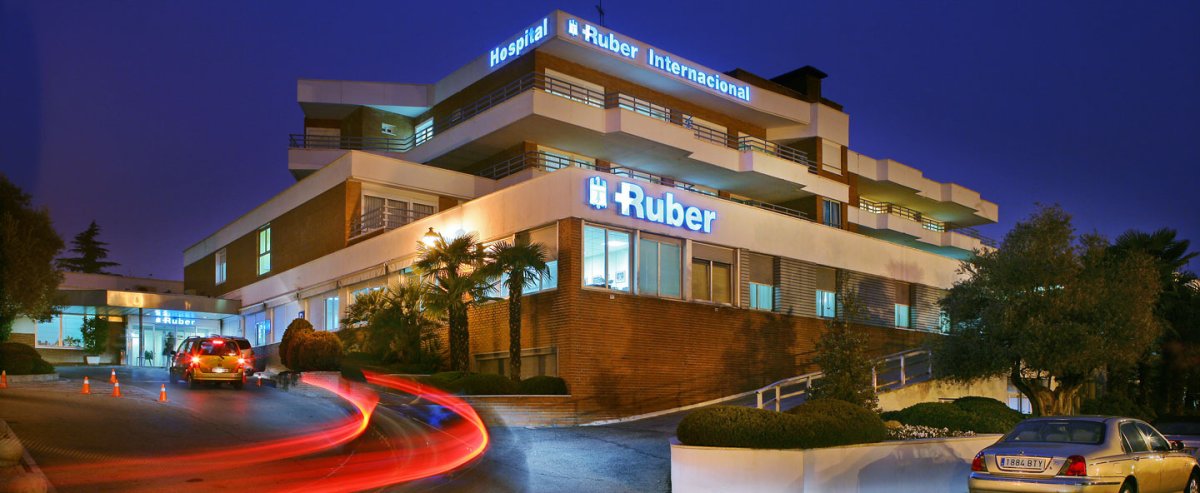
رؤية خبير Bookimed: توفر مراكز جراحة الأعصاب الإسبانية مثل Centro Médico Teknon و Hospital Ruber Internacional مستوى عالٍ من الأمان. كلاهما معتمد من قبل JCI ويستضيفان متخصصين مثل الدكتور جيراردو كونيسا بيرتران. وهو رائد في تخطيط الجراحة بالواقع المعزز. تساعد هذه التكنولوجيا الجراحين على التنقل في الأوعية القحفية الدقيقة بدقة أعلى أثناء التدخلات الوعائية المعقدة.
إجماع المرضى: يظل العلاج الطبي هو العلاج المفضل كخط أول لمعظم المرضى. عادة ما يتم حجز الدعامات المتخصصة للحالات التي تهدد الحياة حيث يفشل العلاج الطبي في منع السكتات الدماغية المتكررة.
لا تعد عملية رأب الشريان الفقري ووضع الدعامة مناسبة لجميع حالات الانسداد. وعادة ما تعالج هذه العملية تضيق الشرايين خارج الجمجمة حيث يحدث التضيق قبل دخول الشريان إلى الجمجمة. يحتفظ الأطباء بهذا النهج داخل الأوعية الدموية للمرضى الذين يعانون من أعراض ويصابون بسكتات دماغية متكررة على الرغم من العلاج الطبي المكثف أو وجود تضيق تشريحي محدد.
رؤية خبير Bookimed: بينما يسعى الكثيرون لإجراء الجراحة على الفور، تعطي العيادات الكبرى في إسبانيا مثل Centro Médico Teknon الأولوية للاستقرار الطبي أولاً. تظهر البيانات أن المراكز ذات الخبرة العالية تجد غالبًا أن التحكم في ضغط الدم ومستويات الكوليسترول الضار (LDL-C) يوفر نتائج طويلة الأمد أفضل من التدخل الجراحي للانسدادات التي تقل عن 70%. إذا كانت الجراحة مطلوبة، فإن اختيار منشأة حاصلة على اعتماد JCI يضمن الوصول إلى تقنيات تصوير متقدمة مثل التصوير بالرنين المغناطيسي بقوة 3 تسلا للتخطيط الدقيق.
إجماع المرضى: غالبًا ما يتوخى المرضى الحذر حيث تشير التجارب السريرية إلى أن وضع الدعامة قد يحمل مخاطر فورية أعلى من الأدوية
عادةً ما يستغرق التعافي بعد دعامة الشريان الفقري في إسبانيا من أسبوعين إلى 4 أسابيع لتحقيق الاستقرار البدني الأولي. بينما يعود المرضى غالبًا إلى العمل غير المجهد في غضون 10 إلى 30 يومًا، يتطلب الشفاء الوعائي الكامل للشريان المعالج من 3 إلى 12 شهرًا من المراقبة وتعديلات نمط الحياة.
رؤية خبير Bookimed: على الرغم من أن التعافي الأساسي يبدو سريعًا، يجب على المرضى الاستعداد لإرهاق مستمر قد يستمر لمدة تصل إلى 6 أشهر. تستخدم المراكز الكبيرة مثل Hospital Ruber Internacional تقنية الرنين المغناطيسي المتقدمة بقوة 3 تسلا للمتابعة الدقيقة. يساعد هذا في اكتشاف أنماط الشفاء الدقيقة التي قد تغفل عنها الفحوصات العامة خلال السنة الأولى.
إجماع المرضى: غالبًا ما يبلغ المرضى عن صداع خفيف خلال الأسبوعين الأولين. يؤكد الكثيرون أن العودة إلى العمل تبدو ممكنة بعد 10 أيام إذا لم تكن الوظيفة تتطلب مجهودًا بدنيًا.
يُعد مركز Centro Medico Teknon في برشلونة ومستشفى Hospital Ruber Internacional في مدريد من أفضل المراكز الطبية الإسبانية لإجراء قسطرة وتركيب دعامات للشريان الفقري. توفر هذه المرافق المعتمدة من قبل اللجنة الدولية المشتركة (JCI) تقنيات متقدمة في جراحة الأعصاب الوعائية والتقنيات داخل الأوعية الدموية باستخدام الملاحة الوعائية ثلاثية الأبعاد لضمان وضع الدعامة بدقة.
رؤية خبير Bookimed: يعطي المرضى الأولوية لمركز Centro Medico Teknon نظراً لحجم العمليات الجراحية الهائل فيه. يجلب الدكتور جيراردو كونيسا بيرتران خبرة من 4 مستشفيات أمريكية مرموقة. هذه الخبرة حيوية للحالات العصبية الوعائية المعقدة. يوفر اختيار مثل هذه المراكز الوصول إلى تقنيات مثل الواقع المعزز للتخطيط الجراحي. يساعد هذا التركيز المتخصص في الحفاظ على مستويات أمان أعلى أثناء الإجراءات داخل الأوعية الدموية.
إجماع المرضى: يعتمد النجاح على مهارة أخصائي الأشعة العصبية الفردي أكثر من سمعة المستشفى. يوصي المرضى بالتحقق مما إذا كانت الم