زرع الأسنان الداخلي في إسبانيا — احصل على 3 عيادات مطابقة مع التكاليف


تمت مراجعة المقالة طبيا من قبل
فهد مولود
ما هي تكلفة زرع الأسنان الداخلي في إسبانيا؟ اكتشف الآن
مزاياك وضماناتك مع Bookimed
أسعار مباشرة
Bookimed لا يضيف رسوماً إضافية على أسعار زرع الأسنان الداخلي. الأسعار مأخوذة من قوائم الأسعار الرسمية للعيادات. تدفع مباشرة في العيادة مقابل زرع الأسنان الداخلي عند وصولك.
عيادات وأطباء معتمدون فقط
Bookimed ملتزم بسلامتك. نحن نعمل فقط مع المؤسسات الطبية التي تحافظ على معايير دولية عالية في زرع الأسنان الداخلي ولديها التراخيص اللازمة لخدمة المرضى الدوليين في جميع أنحاء العالم.
مساعدة مجانية على مدار الساعة
Bookimed يقدم مساعدة خبراء مجانية. منسق طبي شخصي يدعمك قبل وأثناء وبعد العلاج، ويحل أي مشاكل. لن تكون وحيداً أبداً في رحلة زرع الأسنان الداخلي.

منسقك الطبي الشخصي في Bookimed
- يدعمك في كل مرحلة
- المساعدة في اختيار العيادة الطبية المناسبة والطبيب المناسب
- يضمن الوصول السريع والمريح إلى المعلومات
اكتشف أفضل زرع الأسنان الداخلي العيادات في إسبانيا: 1 خيار معتمدة والأسعار
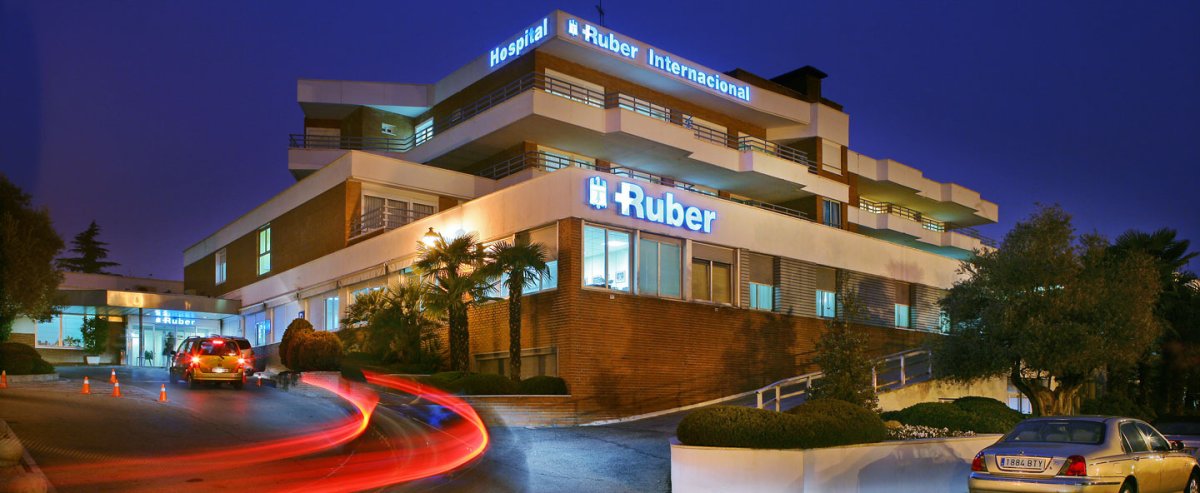


نظرة عامة على زرع الأسنان الداخلي في إسبانيا
- زراعة الأسنان برنامج شامل - 4 - من $6,300
يعيد هذا العلاج مجموعة كاملة من الأسنان باستخدام أربع عمليات زرع في الفك ، مما يوفر المتانة والراحة والمظهر الطبيعي.
- زراعة الأسنان برنامج شامل - 6 - من $8,000
يستبدل هذا العلاج أقواس الأسنان بالكامل باستخدام ستة غرسات فقط ، مما يوفر للمرضى الاستقرار والراحة.
- زراعة الأسنان المصغرة - من $1,700
يستبدل هذا العلاج الأسنان المفقودة باستخدام دعامات معدنية صغيرة ، مما يضمن مظهرًا طبيعيًا وسهل المضغ.
- زرع سن مع التاج - من $2,200
يتضمن هذا العلاج وضع جذر وغطاء للأسنان الاصطناعية لاستعادة السن المفقودة ، وتوفير المتانة والمظهر الطبيعي.
- زرع الأسنان - من $900
يقوم هذا العلاج بتثبيت جذور الأسنان الاصطناعية لاستعادة الوظيفة والمظهر ، مما يوفر المتانة والراحة والشعور الطبيعي.
- زراعة الأسنان مع دعامة الأسنان - من $890
يقوم الإجراء بتثبيت جذر سن اصطناعي وموصل لسن اصطناعي ، مما يعزز صحة الفم والابتسامة.
- زراعة الأسنان الكل على 2 على 2 - من $6,200
يستبدل هذا العلاج الأسنان المفقودة بغرستين وجسر أسنان كامل لتحسين نوعية الحياة.
اليوم الأول - الوصول
- الوصول إلى البلد والتحقق من مكان إقامتك.
- قم بزيارة العيادة للاستشارة الأولية.
- قابل جراح الأسنان وطبيب التخدير.
اليوم 2 - ما قبل العملية
- الخضوع للفحوصات الطبية اللازمة مثل تحاليل الدم.
- إجراء فحص الأسنان والفك.
- الحصول على شرح مفصل للإجراء.
اليوم الثالث - إجراء زراعة الأسنان
- الوصول إلى العيادة في الصباح الباكر.
- تلقي تخدير موضعي أو مهدئ.
- اخضع لعملية زرع Endosteal (2-3 ساعات).
- استرح في غرفة الإنعاش بعد العملية.
اليوم 4 - بعد العملية
- البقاء في العيادة للمراقبة.
- تلقي تعليمات الرعاية بعد العملية.
- ابدأ بتناول المسكنات والمضادات الحيوية الموصوفة لك.
الأسبوع الأول - إعادة التأهيل
- الراحة والتعافي في مكان إقامتك.
- ابدأ نظامًا غذائيًا طريًا.
- اتبع تعليمات نظافة الفم.
الأسبوع 2-3 - إعادة التأهيل
- العودة إلى العمل بحذر.
- استمر في النظام الغذائي الناعم ونظافة الفم.
- قم بزيارة العيادة لمتابعة الفحوصات.
الأسبوع 4-6 - إعادة التأهيل
- استأنف النظام الغذائي العادي.
- العودة إلى الأنشطة البدنية المنتظمة.
- النتيجة النهائية ملحوظة بعد 6 أسابيع بعد العملية.
يرجى ملاحظة أن التجارب الفردية وأوقات الاسترداد قد تختلف.
- إيداع Bookimed: 200 دولار أو 200 يورو.
- وديعة العيادة: ادفع نسبة محددة مقدمًا.
قصص فيديو من مرضى Bookimed
المراجعات
جميع المراجعاتمشاركة المحتوى
 Anna Leonova
أسئلة متكررة حول زرع الأسنان الداخلي في إسبانيا
لماذا تختار إسبانيا لزراعة الأسنان داخل العظم؟
تعد إسبانيا مركزاً رائداً لزراعة الأسنان داخل العظم. فهي توفر معدلات نجاح تتجاوز 95% في العيادات الخاضعة للوائح الاتحاد الأوروبي. يختار المرضى إسبانيا لتوازنها بين التخطيط الرقمي عالي التقنية وتوفير التكاليف الكبير.
- معايير السلامة في الاتحاد الأوروبي: تتبع العيادات لوائح رعاية صحية صارمة وغالباً ما تحمل شهادات الجودة ISO 9001.
- التكنولوجيا المتقدمة: تستخدم مرافق مثل مستشفى روبير الدولي (Hospital Ruber Internacional) التصوير ثلاثي الأبعاد لوضع الغرسات بدقة.
- بيئة التعافي: توفر إسبانيا مناخاً متوسطياً لفترة الشفاء التي تستغرق 3 أشهر بين وضع المسمار وتركيب التاج.
رؤية خبير Bookimed: تحتل إسبانيا موقعاً فريداً في سوق الفئة المتوسطة. فهي تقع بين مراكز سياحة الأسنان ذات المستوى المبتدئ والدول ذات التكاليف المرتفعة للغاية. تدير مستشفيات مدريد الكبرى أكثر من 6000 عملية جراحية سنوياً. يضمن هذا الحجم الكبير احتفاظ الجراحين بأعلى مستويات الكفاءة وسجلات سلامة ممتازة.
إجماع المرضى: توقع فترة شفاء قياسية مدتها 3 أشهر بين وضع المسمار وتثبيت التاج النهائي. يقدر المرضى أن إدارة الألم بعد الجراحة يتم التعامل معها بشكل جيد جداً من قبل المتخصصين الإسبان
ما الذي يجب أن أبحث عنه عند اختيار عيادة في إسبانيا؟
أعطِ الأولوية للعيادات الحاصلة على اعتماد اللجنة الدولية المشتركة (JCI) أو شهادة ISO لضمان معايير سلامة عالية. تأكد من أن الجراح هو جراح فم متخصص وليس طبيب أسنان عام. بالنسبة لزراعة الأسنان داخل العظم، تأكد من أن المنشأة توفر تصوير مقطعي محوسب (3D CT) لتخطيط دقيق للوضع.
- الاعتماد الدولي: ابحث عن شهادات JCI أو ISO التي يحملها كبار مقدمي الخدمات.
- التخصص الجراحي: اختر جراحي الفم المعتمدين بدلاً من أطباء الأسنان العامين لعمليات زراعة الأسنان المعقدة.
- التصوير المتقدم: تحقق من أن العيادة تستخدم التصوير المقطعي ثلاثي الأبعاد لتقييم كثافة العظام وموضع الزرع بدقة.
- دعم اللغة: تأكد من وجود وحدات دولية مخصصة مع موظفين يتحدثون الإنجليزية لضمان تواصل جراحي واضح.
رؤية خبير Bookimed: بينما تقدم إسبانيا رعاية عالية الكفاءة، فإن النمط الشائع بين العيادات الرائدة مثل مستشفى روبر الدولي (Hospital Ruber Internacional) هو التركيز على الفرق متعددة التخصصات. تظهر بياناتنا أن المرافق التي تتعامل مع أكثر من 90,000 استشارة سنوياً غالباً ما توفر تشخيصاً أسرع. بالنسبة للزراعة، يعني هذا إكمال تحاليل الدم وتخطيط القلب في غضون 90 دقيقة خلال زيارتك الأولى.
إجماع المرضى: يؤكد المرضى على ضرورة وجود فترة تعافٍ مدتها 6 أشهر بين وضع الزرعة والتاج النهائي. يوصي المسافرون ذوو الخبرة بالحصول على ضمان مكتوب يغطي كلاً من أجهزة الزرع وتاج التعويضات السنية.
ما هو إجراء زراعة الأسنان داخل العظم في عيادة إسبانية؟
تتبع إجراءات زراعة الأسنان داخل العظم في إسبانيا البروتوكولات الدولية القياسية. تستغرق العملية عادةً من 6 إلى 12 شهرًا. يقوم الجراحون بوضع برغي من التيتانيوم مباشرة في عظم الفك خلال مرحلة جراحية بسيطة. ويتبع ذلك تخطيط مفصل باستخدام التصوير ثلاثي الأبعاد لضمان عزم دوران الزرعة وكثافة العظام الأمثل.
- الوضع الجراحي: يقوم الجراحون بإدخال برغي التيتانيوم في عظم الفك تحت التخدير الموضعي أو التخدير الواعي.
- فترة الاندماج العظمي: تتطلب الزرعة من 3 إلى 4 أشهر للاندماج بشكل آمن مع العظم.
- تركيب الدعامة: يتم ربط قطعة التوصيل بمجرد التأكد سريريًا من التئام العظام.
- الترميم النهائي: يكمل التاج المخصص المثبت بالأسمنت أو البرغي عملية ترميم الأسنان.
رؤية خبير Bookimed: تستخدم العيادات الإسبانية مثل مستشفى روبر الدولي (Hospital Ruber Internacional) التصوير بالرنين المغناطيسي عالي الدقة بقوة 3 تسلا والمسح الرقمي لتحقيق الدقة الجراحية. بينما يسعى بعض المرضى للحصول على نتائج سريعة، يعطي الخبراء المحليون الأولوية للشفاء البيولوجي. لا يمكن تسريع عملية الاندماج العظمي. تعتمد النتائج الناجحة على السماح بفترة كاملة مدتها 4 أشهر للاندماج العظمي.
إجماع المرضى: يؤكد المرضى أن تطعيم العظام غالبًا ما يكون ضروريًا ويطيل الجدول الزمني بشكل كبير. وينصحون بتجنب العيادات التي تعد بنتائج في يوم واحد لتجنب مخاطر مثل تلف الجيوب الأنفية أو فشل الزرعة.
ماذا لو لم يكن لدي ما يكفي من عظم الفك؟
تعد زراعة العظام الحل الأساسي في حالة عدم كفاية عظم الفك قبل إجراء زراعة الأسنان. يستخدم المتخصصون الإسبان تقنيات زيادة العظام، أو رفع الجيوب الأنفية، أو زراعة الوجنة لإعادة بناء الكثافة العظمية. تستخدم هذه الإجراءات فحوصات الأشعة المقطعية ثلاثية الأبعاد (CBCT) لضمان الدقة في التثبيت داخل مرافق معتمدة من قبل اللجنة الدولية المشتركة (JCI) مثل مستشفى روبير الدولي في مدريد.
- زراعة العظام: يقوم الجراحون بإضافة مواد لاستعادة عرض وارتفاع الفك لضمان الاستقرار.
- رفع الجيوب الأنفية: زيادة ارتفاع الفك العلوي عن طريق رفع غشاء الجيب الأنفي.
- زراعة الوجنة: يتم تثبيت الغرسات في عظام الوجنة عندما يكون الفك العلوي رقيقاً جداً.
- الجدول الزمني للشفاء: تتطلب المناطق المزروعة عادةً من 3 إلى 6 أشهر للاندماج مع العظم.
رؤية خبير Bookimed: تدمج المراكز المتقدمة مثل مستشفى روبير الدولي تقنيات التصوير بالرنين المغناطيسي بقوة 3 تسلا والتصوير عالي الدقة لتحديد كثافة العظام. تسمح هذه التكنولوجيا للجراحين بتحديد أكثر المناطق كثافة في عظامك الحالية. غالباً ما يجعل هذا الإجراء زراعة العظام التقليدية غير ضرورية أو يقلل بشكل كبير من فترة التعافي قبل وضع الغرسات.
إجماع المرضى: يؤكد المرضى على ضرورة طلب فحص الأشعة المقطعية ثلاثية الأبعاد (CBCT) في وقت مبكر للحصول على تشخيص دقيق. يوصي معظمهم بالحصول على رأي ثانٍ إذا رفضت العيادة إجراء الجراحة دون مناقشة خيارات زيادة العظام.
كم يستغرق الشفاء التام؟
يستغرق الشفاء التام لغرسة الأسنان داخل العظم في إسبانيا عادةً من 3 إلى 6 أشهر حتى يندمج مسمار التيتانيوم مع عظم الفك. تستغرق العملية السريرية بأكملها، بدءاً من خلع السن الأولي وحتى وضع التاج النهائي، عادةً من 6 إلى 12 شهراً اعتماداً على كثافة العظام.
- شفاء الفك السفلي: تكتمل عملية الاندماج العظمي عادةً في غضون 3 إلى 4 أشهر بسبب كثافة العظام العالية.
- شفاء الفك العلوي: يستغرق التعافي من 4 إلى 6 أشهر لأن عظم الفك العلوي أكثر ليونة بطبيعته.
- مدة العلاج الإجمالية: غالباً ما يتطلب الترميم الكامل من 6 إلى 12 شهراً للبروتوكولات الجراحية المرحلية.
- تأثير تطعيم العظام: يمكن للإجراءات التكميلية مثل رفع الجيوب الأنفية أن تمد الجدول الزمني الإجمالي لأكثر من 12 شهراً.
رؤية خبير Bookimed: بينما يستغرق الشفاء شهوراً، تركز المراكز الكبيرة مثل مستشفى روبر الدولي (Hospital Ruber Internacional) في مدريد على الدقة في وضع الغرسة لضمان الاستقرار. تشير البيانات إلى أن تحقيق عزم دوران أولي مرتفع أثناء الجراحة هو المؤشر الأكثر موثوقية لتحقيق هدف الشفاء في غضون 4 أشهر.
إجماع المرضى: يؤكد المرضى أن محاولة التسرع للحصول على نتيجة في زيارة واحدة غالباً ما تؤدي إلى مضاعفات. ينصح معظمهم بالتخطيط لعدة زيارات إلى إسبانيا للتأكد من اندماج الغرسة تماماً قبل تثبيت التاج النهائي.