زرع الأسنان القاعدية في إسبانيا — احصل على 3 عيادات مطابقة مع التكاليف


تمت مراجعة المقالة طبيا من قبل
فهد مولود
ما هي تكلفة زرع الأسنان القاعدية في إسبانيا؟ اكتشف الآن
عادةً ما تتراوح تكلفة الزرعة القاعدية في إسبانيا من _price_from_ إلى _price_to_. تختلف الأسعار حسب العيادة، وخبرة طبيب الأسنان في الزرعات القاعدية، وعدد الزرعات المطلوبة.
عادةً ما تشمل العيادات الإسبانية الاستشارة الأولية، وفحوصات الدم قبل العملية، والأدوية بعد الجراحة، وزيارات المتابعة، والرعاية الشخصية. كما يتوفر طاقم يتحدث الإنجليزية، ووجبات أثناء زيارات العيادة، ودعم على مدار الساعة. في ألمانيا، غالبًا ما تغطي الأسعار الزرعة والجراحة فقط، بينما يتم احتساب المتابعة والأدوية بشكل منفصل. يجب دائمًا التأكد من التفاصيل المشمولة في كل عيادة.
مزاياك وضماناتك مع Bookimed
أسعار مباشرة
Bookimed لا يضيف رسوماً إضافية على أسعار زرع الأسنان القاعدية. الأسعار مأخوذة من قوائم الأسعار الرسمية للعيادات. تدفع مباشرة في العيادة مقابل زرع الأسنان القاعدية عند وصولك.
عيادات وأطباء معتمدون فقط
Bookimed ملتزم بسلامتك. نحن نعمل فقط مع المؤسسات الطبية التي تحافظ على معايير دولية عالية في زرع الأسنان القاعدية ولديها التراخيص اللازمة لخدمة المرضى الدوليين في جميع أنحاء العالم.
مساعدة مجانية على مدار الساعة
Bookimed يقدم مساعدة خبراء مجانية. منسق طبي شخصي يدعمك قبل وأثناء وبعد العلاج، ويحل أي مشاكل. لن تكون وحيداً أبداً في رحلة زرع الأسنان القاعدية.

منسقك الطبي الشخصي في Bookimed
- يدعمك في كل مرحلة
- المساعدة في اختيار العيادة الطبية المناسبة والطبيب المناسب
- يضمن الوصول السريع والمريح إلى المعلومات
اكتشف أفضل زرع الأسنان القاعدية العيادات في إسبانيا: 1 خيار معتمدة والأسعار


نظرة عامة على زرع الأسنان القاعدية في إسبانيا
- زراعة الأسنان برنامج شامل - 4 - من $6,300
يعيد هذا العلاج مجموعة كاملة من الأسنان باستخدام أربع عمليات زرع في الفك ، مما يوفر المتانة والراحة والمظهر الطبيعي.
- زراعة الأسنان برنامج شامل - 6 - من $8,000
يستبدل هذا العلاج أقواس الأسنان بالكامل باستخدام ستة غرسات فقط ، مما يوفر للمرضى الاستقرار والراحة.
- زراعة الأسنان المصغرة - من $1,700
يستبدل هذا العلاج الأسنان المفقودة باستخدام دعامات معدنية صغيرة ، مما يضمن مظهرًا طبيعيًا وسهل المضغ.
- زرع سن مع التاج - من $2,200
يتضمن هذا العلاج وضع جذر وغطاء للأسنان الاصطناعية لاستعادة السن المفقودة ، وتوفير المتانة والمظهر الطبيعي.
- زرع الأسنان - من $900
يقوم هذا العلاج بتثبيت جذور الأسنان الاصطناعية لاستعادة الوظيفة والمظهر ، مما يوفر المتانة والراحة والشعور الطبيعي.
- زراعة الأسنان مع دعامة الأسنان - من $890
يقوم الإجراء بتثبيت جذر سن اصطناعي وموصل لسن اصطناعي ، مما يعزز صحة الفم والابتسامة.
- زراعة الأسنان الكل على 2 على 2 - من $6,200
يستبدل هذا العلاج الأسنان المفقودة بغرستين وجسر أسنان كامل لتحسين نوعية الحياة.
اليوم الأول: الوصول
- الوصول إلى البلد والتحقق من مكان إقامتك.
- الراحة والتأقلم مع البيئة الجديدة.
اليوم الثاني: ما قبل العملية
- قم بزيارة العيادة للحصول على استشارة أولية.
- قابل أخصائي أسنان لمناقشة الإجراء.
- الخضوع للفحوصات الطبية اللازمة للجاهزية للجراحة.
اليوم الثالث: إجراء زرع البصل
- الوصول إلى العيادة والاستعداد للجراحة.
- تلقي تخدير موضعي لتخدير منطقة العملية.
- عادة ما تستغرق العملية 2-3 ساعات.
اليوم الرابع: ما بعد العملية
- البقاء في العيادة للمراقبة والتعافي.
- تلقي تعليمات إدارة الألم والعناية.
الأسبوع الأول: إعادة التأهيل
- الراحة والتعافي ، وتجنب الأنشطة الشاقة.
- اتبع نظامًا غذائيًا طريًا لتسهيل الشفاء.
- قم بتنظيف منطقة الزرع بانتظام حسب التعليمات.
الأسبوع 2-3: إعادة التأهيل
- استأنف تدريجيًا الأنشطة العادية.
- العودة إلى العمل بعد أسبوعين ، حسب الشفاء.
- مواعيد المتابعة المنتظمة لمراقبة الشفاء.
الشهر 1-3: إعادة التأهيل
- استأنف الأنشطة الرياضية بعد ستة أسابيع.
- يمكن رؤية النتائج النهائية بعد ثلاثة أشهر.
يرجى ملاحظة أن الجدول الزمني للتعافي لكل مريض قد يختلف ويتأثر بصحته العامة والتزامه بتعليمات ما بعد الجراحة.
- إيداع Bookimed: 200 دولار أو 200 يورو.
- وديعة العيادة: ادفع نسبة محددة مقدمًا.
قصص فيديو من مرضى Bookimed
المراجعات
جميع المراجعاتمشاركة المحتوى
 Anna Leonova
أسئلة متكررة حول زرع الأسنان القاعدية في إسبانيا
هل زراعة الأسنان القاعدية في إسبانيا آمنة للمرضى الذين يعانون من فقدان شديد في العظام؟
تعد زراعة الأسنان القاعدية في إسبانيا حلاً آمناً ومدعوماً علمياً للمرضى الذين يعانون من ضمور شديد في العظام. من خلال التثبيت في العظم القشري الكثيف، تتجنب هذه الغرسات الحاجة إلى ترقيع عظمي معقد. تتجاوز معدلات النجاح 95%، مما يوفر بديلاً موثوقاً للمرضى الذين تم رفضهم سابقاً للزراعة التقليدية.
- معدل النجاح: تشير الدراسات السريرية إلى معدلات بقاء تزيد عن 95% لتقنيات التثبيت القشري.
- مقاومة العدوى: يقلل التصميم من التهابات الأنسجة الرخوة، مع معدلات مسجلة منخفضة تصل إلى 0.1%.
- استقرار العظام: تستخدم الغرسات الطبقة القاعدية لعظم الفك، والتي تظل مستقرة وتقاوم الامتصاص.
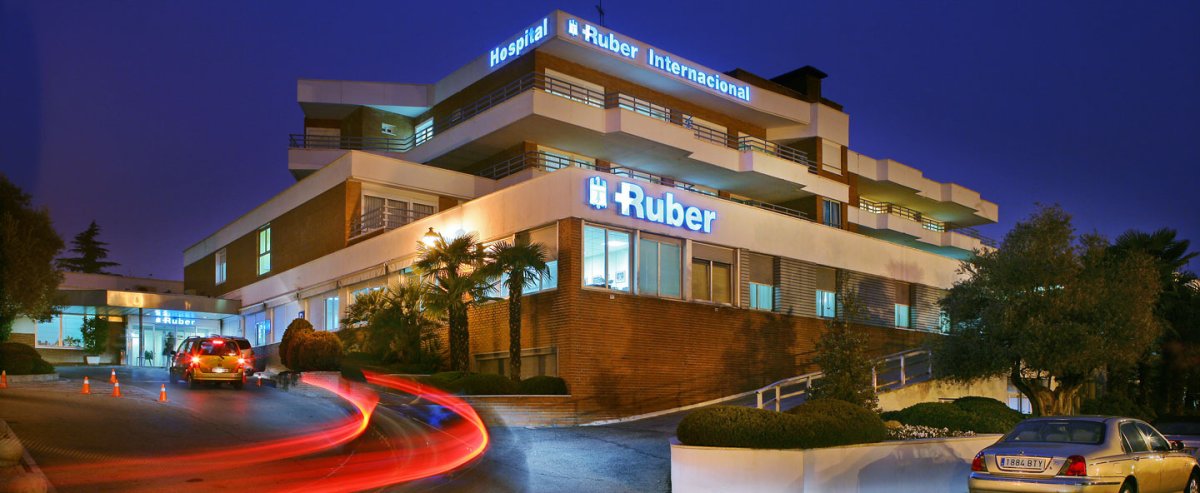
- معايير العيادات: تحافظ المرافق الرائدة في مدريد مثل مستشفى روبير الدولي (Hospital Ruber Internacional) على شهادات السلامة JCI وISO.
رؤية خبير Bookimed: غالباً ما تدمج المستشفيات الإسبانية رفيعة المستوى جراحة الأسنان ضمن مراكز متعددة التخصصات مثل مستشفى روبير الدولي. هذا أمر حيوي للمرضى الذين يعانون من فقدان شديد في العظام ناتج عن حالات جهازية. يضمن الوصول إلى التصوير بالرنين المغناطيسي 3 تسلا وأطباء القلب الخبراء في الموقع سلامة أعلى أثناء إجراءات الترميم المعقدة.
إجماع المرضى: يؤكد المرضى على أهمية استشارة المتخصصين ذوي الخبرة في أنظمة BCS أو Palazzolo. غالباً ما يفوق النجاح السريري المثبت للضمور الشديد راحة التعامل مع أطباء الأسنان العامين المحليين.
هل هناك أي قيود أو مخاطر مرتبطة بالغرسات القاعدية؟
توفر الغرسات القاعدية معدل نجاح أولي مرتفع ولكنها تحمل مخاطر طويلة المدى مثل العدوى، أو تلف الأعصاب، أو رفض الغرسة. تتجاوز هذه الأجهزة المكونة من قطعة واحدة الحاجة إلى ترقيع العظام في حالات الضمور الشديد، ومع ذلك قد يقيد المتخصصون استخدامها لدى المدخنين، أو مرضى السكري غير المنضبط، أو أولئك الذين يتناولون البايفوسفونيت.
- القيود الجهازية: مرض السكري غير المنضبط وعلاجات السرطان النشطة تزيد من خطر الفشل.
- متطلبات العمر: تقتصر الإجراءات عمومًا على المرضى الذين تزيد أعمارهم عن 18-21 عامًا ممن لديهم فكوك مكتملة النمو.
- معدلات النجاح: تصل معدلات النجاح المبلغ عنها إلى 98% في البداية على الرغم من القيود المحتملة على الأطراف الاصطناعية على المدى الطويل.
- تعقيد الإزالة: إزالة الغرسات القاعدية الفاشلة أكثر توغلاً بشكل ملحوظ من الأنواع التقليدية.
رؤية خبير Bookimed: تضم إسبانيا أكثر من 80 عيادة تتعامل مع هذه الحالات المعقدة، بما في ذلك المرافق المعتمدة من JCI مثل مستشفى روبير الدولي (Hospital Ruber Internacional). في حين تسمح الغرسات القاعدية بالتحميل في نفس اليوم، تشير بياناتنا إلى ضرورة مقارنتها بالغرسات التقليدية المائلة. غالبًا ما توصي العيادات الإسبانية ذات الخبرة الواسعة ببدائل حديثة لمرونة أفضل في الأطراف الاصطناعية على المدى الطويل.
إجماع المرضى: يقدر الكثيرون راحة الزيارة الواحدة ولكنهم يعبرون عن قلقهم بشأن نقص البيانات طويلة المدى. تتضمن النصيحة المتكررة الحصول على رأي ثانٍ مستقل قبل الالتزام بهذا النوع المحدد من الغرس
ما هو الزرع القاعدي (Basal implant)، وكيف يختلف عن الزرعات التقليدية؟
الزرعات القاعدية هي أجهزة طبية متخصصة في طب الأسنان يتم تثبيتها في العظم القشري القاعدي الكثيف. على عكس الزرعات التقليدية التي تستخدم العظم السطحي الأكثر ليونة، تعتمد هذه الزرعات على أعمق طبقات الفك. يوفر هذا ثباتاً فورياً للمرضى الذين يعانون من فقدان شديد في العظام أو ضمور دون الحاجة إلى ترقيع عظمي.
- الارتباط بالعظم: يتم تثبيتها في العظم القشري الكثيف بدلاً من طبقات العظم الإسفنجي.
- الجدول الزمني للعلاج: توفر نتائج في نفس اليوم مع تحميل فوري للتيجان الدائمة أو المؤقتة.
- المتطلبات الجراحية: تلغي الحاجة إلى رفع الجيوب الأنفية أو ترقيع العظام في معظم الحالات.
- تصميم قطعة واحدة: تتميز بهيكل مبسط من قطعة واحدة مقارنة بالأنظمة التقليدية المعقدة متعددة الأجزاء.
رؤية خبير Bookimed: بينما تظل الزرعات التقليدية هي المعيار العالمي، تعد الزرعات القاعدية في إسبانيا بديلاً حيوياً للمرضى الذين فشلت لديهم عمليات الترقيع السابقة. في مراكز رائدة مثل مستشفى روبير الدولي (Hospital Ruber Internacional) في مدريد، تضمن اعتمادية JCI معايير سلامة عالية للارتباط العظمي المعقد. يمكن أن يؤدي اختيار الزرعات القاعدية إلى تقليل إجمالي وقت العلاج من ستة أشهر إلى ثلاثة أيام فقط.
إجماع المرضى: يسعى العديد من المرضى لهذا الخيار لتجنب فترات الشفاء الطويلة أو بعد إخبارهم بأنهم لا يملكون عظاماً كافية للزرعات القياسية. على الرغم من أن النتائج غالباً ما تغير الحياة، يوصي المرضى بالتحقق من معدلات النجاح طويلة المدى مع العيادة قبل المضي قدماً.
ما الذي يتضمنه باقة زراعة الأسنان القاعدية في إسبانيا؟
توفر باقات زراعة الأسنان القاعدية في إسبانيا رعاية شاملة لعمليات الترميم ذات التحميل الفوري. تتراوح هذه الباقات عادةً من السعر عند الطلب إلى السعر عند الطلب لكل وحدة. تشمل التغطية القياسية التصوير ثلاثي الأبعاد الأولي، ووضع الغرسة الجراحية، والتخدير الموضعي، والطرف الاصطناعي الثابت النهائي.
- التصوير التشخيصي: يشمل الأشعة السينية البانورامية الأساسية أو فحوصات الأشعة المقطعية ثلاثية الأبعاد (CBCT) لضمان دقة الوضع.
- المكونات الجراحية: تغطي دعامات زراعة الأسنان القاعدية المصنوعة من التيتانيوم والدعامات اللازمة للتحميل الفوري.
- الأطراف الاصطناعية الثابتة: غالبًا ما تشمل كلاً من الأسنان المؤقتة الفورية وجسر الزركونيوم أو البورسلين النهائي.
- رعاية المتابعة: تشمل الباقات القياسية فحوصات ما بعد الجراحة لمراقبة الاندماج العظمي ومحاذاة العضة.
رؤية خبير Bookimed: بينما تستضيف المراكز الرئيسية مثل مدريد مرافق معتمدة من JCI مثل مستشفى روبر الدولي (Hospital Ruber Internacional)، تختلف هياكل الباقات بشكل كبير. تحقق دائمًا مما إذا كانت زراعة العظام مشمولة. بعض العيادات تغفل ذلك لخفض السعر الأولي.
إجماع المرضى: يجد العديد من المرضى أن هذه الغرسات تغير حياتهم في حالات كثافة العظام المنخفضة. يوصون بطلب عرض أسعار مكتوب ومفصل لتأكيد العلامة التجارية المحددة للغرسة المستخدمة.
كم يستغرق العلاج؟
عادةً ما يستغرق علاج زراعة الأسنان القاعدية في إسبانيا يوماً واحداً للجراحة وتركيب الأسنان الفوري. يستخدم الجراحون أنظمة زراعة ثنائية القشرة للتحميل الفوري. تسمح هذه التقنية للمرضى بالحصول على أسنان وظيفية في زيارة واحدة دون الحاجة إلى أشهر الانتظار المطلوبة لزراعة الأسنان التقليدية.
- مدة الجراحة: تسمح تقنيات التحميل الفوري بتركيب الأسنان في نفس اليوم.
- الاندماج الأولي: يبدأ الاندماج العظمي الأولي بعد حوالي 3 أشهر من الزراعة.
- الاندماج الكامل: الاندماج العظمي الكامل هو عملية طويلة الأمد تستغرق ما يصل إلى 7 سنوات.
- التقنية المستخدمة: يستخدم المتخصصون أنظمة ثنائية القشرة مصممة خصيصاً للعظم القاعدي الصلب.
رؤية خبير Bookimed: توفر الغرسات القاعدية حلاً فريداً للمرضى الذين يعانون من فقدان شديد في العظام. تحافظ المراكز ذات الحجم الكبير مثل مستشفى روبر الدولي (Hospital Ruber Internacional) على اعتماد JCI بينما تخدم 25,000 مريض سنوياً. تظهر بياناتنا أن المرضى يفضلون إسبانيا لهذه الطريقة لأن العيادات الأمريكية نادراً ما تقدم هذه الأنظمة ثنائية القشرة المحددة.
إجماع المرضى: يقدر المرضى سرعة الجراحة لكنهم يؤكدون على أهمية العثور على جراحين مدربين خصيصاً على الأنظمة ثنائية القشرة. يشعر معظمهم بالارتياح للحصول على أسنان وظيفية على الفور على الرغم من العملية التي تستغرق سنوات للاندماج العظمي الكامل.
أين يمكنني العثور على أفضل العيادات لزراعة الأسنان القاعدية في إسبانيا؟
تقع أفضل العيادات لزراعة الأسنان القاعدية في إسبانيا في مدريد وفالنسيا وألميريا، وهي متخصصة في الحالات المعقدة التي تعاني من فقدان شديد في العظام. تمتلك المراكز الكبيرة مثل مستشفى روبر الدولي (Hospital Ruber Internacional) في مدريد اعتماد اللجنة الدولية المشتركة (JCI)، وتوفر بروتوكولات التحميل الفوري مثل الغرسات ثنائية القشرة (bicortical implants) والتركيبات القاعدية (basalosthesis).
- مراكز مدريد: يتميز مستشفى روبر الدولي بمعايير ISO ويصنف ضمن أفضل 6 مستشفيات في إسبانيا.
- عيادات فالنسيا: تحافظ عيادات مثل Gnadent وCots على تقييمات تتراوح بين 4.8 و5.0.
- التقنيات المتخصصة: تقدم المرافق غرسات القرص ذات التحميل الفوري والحلول ثنائية القشرة لضمور العظام.
- المواقع الاستراتيجية: تشمل المراكز الرئيسية فالنسيا ومدريد لاستفسارات جراحة الوجه والفكين المعقدة.
رؤية خبير Bookimed: تقدم إسبانيا تقنية التركيبات القاعدية، وهي تقنية غير متاحة حالياً للمرضى في الولايات المتحدة. تأكد من أن القسم يقدم جراحة الوجه والفكين بدلاً من طب الأسنان العام فقط لهذه الإجراءات المعقدة.
إجماع المرضى: يسعى الكثيرون للحصول على هذه الغرسات لأنها تتجاوز الحاجة إلى تطعيم العظام الطويل. يوصي المرضى بطلب بيانات النجاح على المدى الطويل للتقنيات ثنائية القشرة قبل المضي قدماً في الجراحة.