علاج تمزق الكفة المدورة في إسبانيا — احصل على 3 عيادات مختارة خصيصاً لك


تمت مراجعة المقالة طبيا من قبل
فهد مولود
كيف نعمل؟
ما هي تكلفة تمزق الكفة المدورة إجراءات التشخيص والعلاج في إسبانيا؟ اعرف الآن
| تركيا | إسبانيا | ألمانيا | |
| تنظير المفصل | من $2,400 | - | من $5,738 |
اكتشف أفضل تمزق الكفة المدورة العيادات في إسبانيا: 2 خيارات معتمدة والأسعار


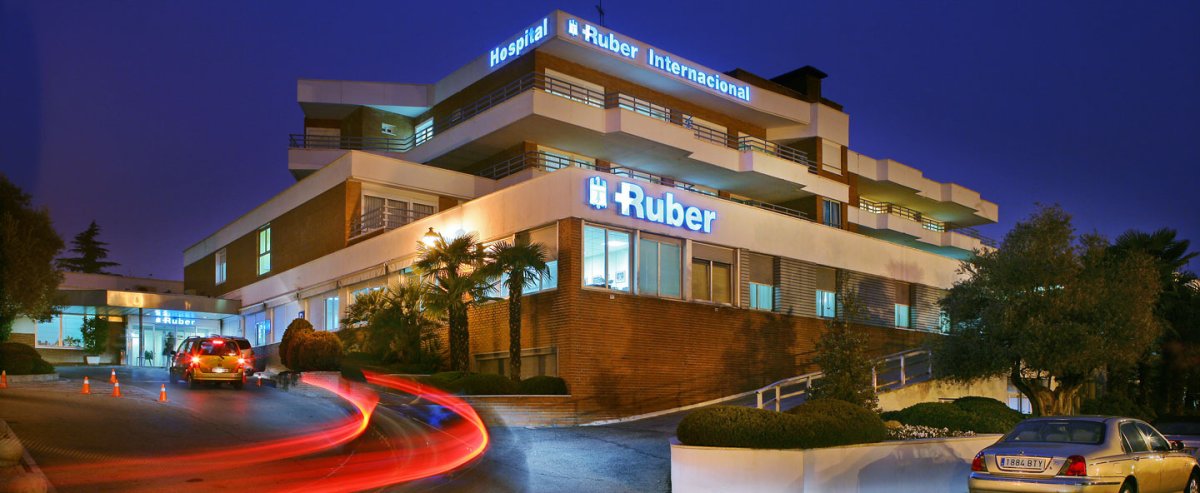


احصلوا على تقييم طبي لـ تمزق الكفة المدورة في إسبانيا: استشيروا أطباء ذوي خبرة الآن
عرض جميع الأطباء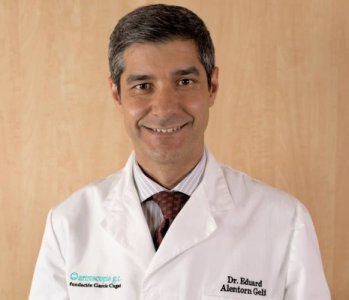
Eduard Alentorn Geli
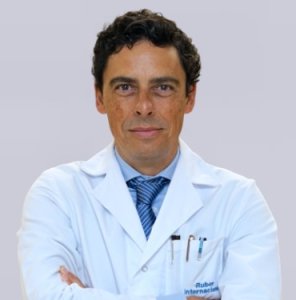
Pablo De La Cuadra
الدكتور بابلو دي لا كوادره (Pablo Cuadra de la Virgili) جرّاح عظام واختصاصي طب الرضوح في مدريد. يختص بإصابات الرياضيين وجراحة الكتف في Hospital Ruber Internacional، حيث يعمل منذ عام 1999. لديه خبرة تفوق 25 عامًا. يقود وحدة متعددة التخصصات ويرأس فريقًا متخصصًا في طب الرضوح. يُعد خبيرًا معترفًا به في اضطرابات الكتف المعقدة. يستخدم تقنيات تنظير مفصلي وترميم متقدمة لعلاج عدم الاستقرار وإصابات الكفة المدورة.
المؤهلات: دكتور في الطب (1993) ودكتوراه في الطب (2001) من جامعة مدريد المستقلة. اخت
مشاركة المحتوى
قصص فيديو من مرضى Bookimed
 Anna Leonova
أسئلة متكررة حول علاج تمزق الكفة المدورة في إسبانيا
ما هي مؤهلات جراحي العظام في إسبانيا لعلاج تمزق الكفة المدورة؟
يجب على جراحي العظام في إسبانيا إكمال درجة الطب لمدة 6 سنوات تليها إقامة تنافسية لمدة 5 سنوات (MIR). يحصلون على شهادة في جراحة العظام والرضوض. غالبًا ما يحمل جراحو الكتف المتخصصون درجة الدكتوراه ويحتفظون بعضوية الجمعية الأوروبية لصدمات الرياضة وجراحة الركبة وتنظير المفاصل.
- الترخيص الطبي: يجب على كل جراح التسجيل في الكلية الرسمية للأطباء (Colegio Oficial de Médicos) في المقاطعة.
- شهادة MIR: تؤكد هذه الإقامة التي تستغرق 5 سنوات الخبرة في كل من جراحة العظام المعقدة والصدمات الحادة.
- المؤهلات الأكاديمية: يحمل كبار المتخصصين مثل الدكتور بابلو دي لا كوادرا درجة الدكتوراه في الطب.
- معايير الجودة: غالبًا ما تحتفظ المراكز المعتمدة في مدريد بشهادات إدارة الجودة JCI أو ISO.
رؤية خبير Bookimed: في حين أن درجة التخصص العام في الرضوض هي المعيار القانوني، يتميز كبار المتخصصين الإسبان من خلال القيادة الأكاديمية. يعمل الدكتور بابلو دي لا كوادرا في مستشفى روبر الدولي كأستاذ مشارك إلى جانب ممارسته السريرية. غالبًا ما يشير هذا الانخراط الأكاديمي إلى عمق الخبرة في التعامل مع التمزقات المنسحبة أو الضخمة التي نادرًا ما يتعامل معها الممارسون العامون.
إجماع المرضى: يؤكد المرضى على أهمية العثور على متخصص فرعي في الكتف بدلاً من جراح عام. يقترحون التحقق من عدد عمليات الإصلاح بالمنظار التي يجريها الجراح سنويًا وتأكيد بروتوكولات إعادة التأهيل الخاصة بهم.
هل يمكن علاج تمزق الكفة المدورة بدون جراحة في إسبانيا؟
يتم علاج تمزق الكفة المدورة بشكل متكرر بدون جراحة في إسبانيا. تبلغ المراكز الطبية عن نجاح يصل إلى 80% مع العلاجات التحفظية للتمزقات الجزئية. يستخدم أطباء الرضوح المتخصصون في مدريد وبرشلونة الحقن الموجه بالموجات فوق الصوتية والميكانيكا الحيوية التجديدية. تستعيد هذه الطرق وظيفة الكتف دون إصلاح جراحي.
- العلاج الطبيعي الموجه: بروتوكولات فردية تعمل على تثبيت حزام الكتف وتقوية العضلات الداعمة.
- الحقن الموجه: يستخدم الأطباء الموجات فوق الصوتية الديناميكية لتوصيل الكورتيكوستيرويدات بدقة للتحكم في الالتهاب.
- تقويم العظام المتقدم: تستخدم العيادات الرياضية الخاصة البلازما الغنية بالصفائح الدموية لتسريع التئام الأنسجة الطبيعي.
- إعادة التأهيل الميكانيكي الحيوي: تعمل المنهجيات الحاصلة على براءة اختراع على تنشيط عمليات التجديد الطبيعية عبر معدات تمارين متخصصة.
رؤية خبير Bookimed: تصنف إسبانيا من بين أفضل الوجهات الأوروبية لرعاية العظام. تدمج مرافق مثل مستشفى روبر الدولي فرقًا متعددة التخصصات. يقود الدكتور بابلو دي لا كوادرا فريقًا ينسق بين أطباء الرضوح وأخصائيي إعادة التأهيل. يضمن هذا النهج المشترك حصول المرضى على خطط تعافي وظيفي محددة غالبًا ما تحل التمزقات بدون جراحة.
إجماع المرضى: يشير المرضى إلى أنه من المهم التأكد مما إذا كان التمزق جزئيًا أو كاملًا قبل اتخاذ القرار. تحسن الكثيرون بشكل كافٍ مع أشهر من التمارين المنظمة لتجنب الخضوع لعملية جراحية تمامًا.
ما هي التقنيات الجراحية المستخدمة في إسبانيا لإصلاح الكفة المدورة؟
يستخدم جراحو العظام الإسبان بشكل أساسي الإصلاح بالمنظار لعلاج تمزقات الكفة المدورة. يستخدم هذا النهج طفيف التوغل شقوقاً تتراوح من 0.5 إلى 1 سم. كما يقوم المتخصصون بإجراء إعادة بناء المحفظة العلوية وتقويم مفصل الكتف العكسي للحالات المعقدة. تركز هذه التقنيات على الحفاظ على وظيفة العضلات وتسريع التعافي.
- الإصلاح بالمنظار: يستخدم الجراحون كاميرات الألياف الضوئية وأدوات مصغرة من خلال شقوق صغيرة.
- التثبيت بصف مزدوج: تستخدم هذه التقنية صفين من المراسي لزيادة التلامس بين الوتر والعظم إلى أقصى حد.
- نهج الجراحة المصغرة (Mini-open): يجمع بين تنظير المفصل وشق من 3 إلى 5 سم للتمزقات المعقدة.
- تقويم المفصل العكسي: يستبدل المفصل للسماح لعضلة الدالية برفع الذراع.
رؤية خبير Bookimed: تحتل إسبانيا المرتبة الثانية عالمياً على Bookimed لطلبات جراحة العظام، ويرجع ذلك جزئياً إلى المراكز ذات الحجم الكبير مثل مستشفى روبر الدولي (Hospital Ruber Internacional). تعالج هذه العيادة 25,000 مريض سنوياً وتضم متخصصين مثل الدكتور بابلو دي لا كوادرا. بفضل خبرة تزيد عن 25 عاماً، يقود فريقاً يركز على إعادة البناء المتقدم بالمنظار لإصابات الكتف المتعلقة بالرياضة.
ما هي المستشفيات الأكثر شهرة لجراحة الكتف في إسبانيا؟
تشمل أفضل المستشفيات لجراحة الكتف في إسبانيا مرافق معتمدة من قبل اللجنة الدولية المشتركة (JCI) مثل مستشفى روبير الدولي (Hospital Ruber Internacional) ومركز تكنون الطبي (Centro Médico Teknon). تتخصص هذه المراكز في تنظير المفاصل المتقدم، وإصلاح الكفة المدورة، واستبدال المفاصل. وهي تضم جراحين خبراء يستخدمون التصوير التشخيصي ثلاثي الأبعاد وتقنيات طفيفة التوغل.
- مستشفى روبير الدولي: يصنف ضمن أفضل 6 مستشفيات في إسبانيا. أجرى أكثر من 6000 عملية جراحية في عام 2022.
- مركز تكنون الطبي: مرفق معتمد من JCI في برشلونة. وهو خيار أول للرياضيين النخبة.
- الخبرة المتخصصة: يتمتع الدكتور بابلو دي لا كوادرا بأكثر من 25 عاماً من الخبرة الجراحية.
- التشخيص المتقدم: تستخدم المرافق التصوير بالرنين المغناطيسي بقوة 3 تسلا لرسم خرائط دقيقة لتمزقات الكفة المدورة المعقدة.
رؤية خبير Bookimed: يحافظ مستشفى روبير الدولي على نطاق واسع مع 800 طبيب و93000 استشارة سنوية. غالباً ما يؤدي هذا الحجم الكبير إلى نتائج أفضل في عمليات إعادة بناء المفاصل المعقدة. يرأس الدكتور بابلو دي لا كوادرا فريقاً متخصصاً في الرضوح هناك. وهو يعمل كأخصائي مرجعي لإصابات الكتف ورضوح الرياضة.
إجماع المرضى: يؤكد المرضى على أهمية العثور على جراح يقوم بإجراء عدد كبير من عمليات الإصلاح بالمنظار تحديداً. يلاحظ الكثيرون أن نجاح التعافي يعتمد بشكل كبير على توفر خدمات العلاج الطبيعي المتكاملة فوراً بعد الجراحة.
كم من الوقت يجب أن يبقى المريض الدولي في إسبانيا بعد جراحة إصلاح الكفة المدورة؟
عادةً ما يبقى المرضى الدوليون في إسبانيا لمدة تتراوح بين 7 إلى 15 يوماً بعد جراحة إصلاح الكفة المدورة. تتطلب معظم العمليات الجراحية إقامة في المستشفى لمدة يوم أو يومين. يسمح الوقت المتبقي للجراحين بمراقبة الشفاء، وإزالة الغرز، وإصدار شهادة اللياقة للطيران الإلزامية.
- الإقامة في المستشفى: توقع قضاء ليلة أو ليلتين للمراقبة في مرافق مثل مستشفى روبر الدولي (Hospital Ruber Internacional).
- العناية بالجروح: يقوم الجراحون بإزالة الغرز وفحص الشقوق الجراحية بين اليوم السابع والعاشر بعد الجراحة.
- سلامة الطيران: يُحظر الطيران قبل اليوم السابع بسبب التورم الناجم عن الارتفاع ومخاطر الإصابة بتجلط الأوردة العميقة (DVT).
- العلاج الطبيعي: غالباً ما تبدأ تمارين الحركة السلبية المبكرة تحت إشراف متخصص خلال الأسبوع الأول.
رؤية خبير Bookimed: توفر إسبانيا ميزة فريدة للتعافي من خلال مراكز متخصصة في الميكانيكا الحيوية وإعادة التأهيل في ماربيا. بينما تسلط بيانات الأورام أو جراحة الأعصاب العامة الضوء غالباً على الحجم، تظهر بياناتنا في تقويم العظام أن العيادات هنا تركز على الرياضيين المحترفين. يساعد اختيار مركز يقدم إعادة تأهيل تخصصية ثانوية، مثل مركز الدكتور بلوم، في الانتقال من الجراحة إلى الحركة بشكل أسرع من التعافي القياسي في الفنادق.
إجماع المرضى: يشير المرضى إلى أن أول 72 ساعة هي الأكثر صعوبة للتعامل مع الألم واستخدام حمالة الذراع. ويؤكدون على أهمية ترتيب المساعدة في المطار لأنك لا تستطيع رفع أو سحب الأمتعة بالذراع التي خضعت للجراحة.
هل إصلاح الكفة المدورة إجراء خارجي في إسبانيا؟
يعد إصلاح الكفة المدورة في إسبانيا إجراءً خارجيًا قياسيًا للحالات التي يتم علاجها بالمنظار. تستخدم مرافق مثل مستشفى روبر الدولي (Hospital Ruber Internacional) ومركز تيكنون الطبي (Centro Médico Teknon) تقنيات طفيفة التوغل. غالبًا ما يخرج المرضى في نفس اليوم. قد تتطلب الإصلاحات المفتوحة المعقدة البقاء لمدة ليلة أو ليلتين للمراقبة أو إدارة الألم.
- التقنية الجراحية: تسمح طرق التنظير بالخروج في نفس اليوم في الحالات الروتينية.
- الإقامة في المستشفى: تخطط العيادات المتخصصة عادةً لمدة 12-24 ساعة من المراقبة.
- التعافي المطلوب: يجب على السياح الطبيين البقاء في إسبانيا لمدة 7-14 يومًا قبل السفر جوًا.
- فرق الخبراء: تتميز مراكز مدريد وبرشلونة بمرافق معتمدة من اللجنة الدولية المشتركة (JCI) مع وحدات متخصصة.
رؤية خبير Bookimed: بينما يبحث الكثيرون عن تقنيات جراحية محددة، فإن الميزة الحقيقية في إسبانيا هي النهج متعدد التخصصات للتعافي. على سبيل المثال، يقود الدكتور بابلو دي لا كوادرا في مستشفى روبر الدولي فريقًا يركز بشكل خاص على التعافي الوظيفي. تخدم هذه العيادة أكثر من 93,000 استشارة سنويًا، مما يشير إلى أن نجاح الجراحة الخارجية يعتمد على بروتوكولات إعادة التأهيل بعد الجراحة بقدر اعتمادها على الإجراء نفسه.
إجماع المرضى: يشير المرضى إلى أنه على الرغم من سرعة الخروج، فإن الساعات الـ 72 الأولى تكون صعبة بمجرد زوال مفعول التخدير العصبي. ويؤكدون على أهمية وجود مرافق للمساعدة في ارتداء الملابس وإدارة حمالة الذراع خلال الليالي الأولى.
ما الذي يتضمنه عملية إعادة التأهيل بعد إصلاح الكفة المدورة في إسبانيا؟
تتبع عملية إعادة التأهيل بعد إصلاح الكفة المدورة في إسبانيا بروتوكولاً مرحلياً يستمر من 6 إلى 12 شهراً. يستخدم المرضى وسادة إبعاد (abduction pillow) لمدة 6 أسابيع لحماية الوتر. يركز التعافي على المعايير المعتمدة من قبل JCI، بدءاً بالحركة السلبية قبل الانتقال إلى التمارين النشطة المساعدة وتقوية العضلات.
- المرحلة 1: ارتداء حمالة الإبعاد لمدة 6 أسابيع لحماية البنية الجراحية.
- المرحلة 2: البدء بتمارين نطاق الحركة السلبية باستخدام الجاذبية والتمدد الموجه من قبل المعالج.
- المرحلة 3: الانتقال إلى الحركات النشطة المساعدة وأشرطة المقاومة الخفيفة بعد الأسبوع الثاني عشر.
- المرحلة 4: العودة إلى الأنشطة الرياضية الكاملة أو العمل اليدوي بعد 6 إلى 12 شهراً.
رؤية خبير Bookimed: تدمج المراكز الإسبانية مثل مستشفى روبير الدولي (Hospital Ruber Internacional) فرقاً متعددة التخصصات. يستخدم الدكتور بابلو دي لا كوادرا أكثر من 25 عاماً من الخبرة في جراحة إصابات الكتف. كما تقدم العيادات المتخصصة في ماربيا، مثل مركز الميكانيكا الحيوية للدكتور بلوم، طرق تعافي خاصة. تركز هذه البرامج على التجديد الوظيفي للرياضيين المحترفين والأفراد ذوي الأداء العالي.
إجماع المرضى: غالباً ما يشعر المرضى بالإحباط بسبب التقدم البطيء في البداية وضرورة ارتداء الحمالة. وتعتبر إدارة المهام اليومية والنوم في وضع شبه مستقيم من أهم التحديات الأولية.