| كوريا الجنوبية | تركيا | إسبانيا | |
| تنظير المفصل | - | من $2,400 | - |
Bookimed لا يضيف رسوماً إضافية على أسعار علاج تمزق الكفة المدورة. الأسعار مأخوذة من قوائم الأسعار الرسمية للعيادات. تدفع مباشرة في العيادة مقابل علاجك عند وصولك إلى البلد.
Bookimed ملتزم بسلامتك. نحن نعمل فقط مع المؤسسات الطبية التي تحافظ على معايير دولية عالية في علاج تمزق الكفة المدورة ولديها التراخيص اللازمة لخدمة المرضى الدوليين في جميع أنحاء العالم.
Bookimed يقدم مساعدة خبراء مجانية. منسق طبي شخصي يدعمك قبل وأثناء وبعد العلاج، ويحل أي مشاكل. لن تكون وحيداً أبداً في رحلة علاج تمزق الكفة المدورة.
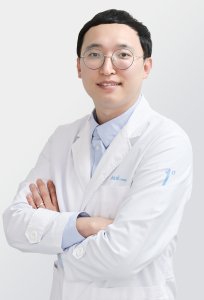
الدكتور وو كيونغ كواك جرّاح عظام يختص بجراحات القدم والكاحل طفيفة التوغل (MICA لعلاج إبهام القدم الأروح). يعالج أيضًا إصابات الرياضيين ويُجري الاستبدال الكلي لمفصل الركبة، إضافةً إلى التنظير المفصلي المتقدّم للكتف والركبة.
حصل على درجتي الطب (MD) والماجستير (MS) من جامعة تشونّام الوطنية، وأكمل زمالة في مستشفى جامعة تشونّام الوطنية. شغل منصب رئيس قسم جراحة العظام في مستشفى القوات المسلحة بدايجون، وكان عضوًا رفيعًا في لجنة التحقيق الطبي بوزارة الدفاع الوطني.
هو عضو عامل في الجمعيات الكورية لجراحة العظام والتنظير المفصلي والركبة والقدم والكاحل والطب الرياضي والكسور، وعضو مدى الحياة في الجمعية الكورية للكتف والمرفق. يعمل محكّمًا لمجلات سبرينغر نيتشر. وقد أتم تدريب آرثريكس المتقدّم، ودورة AO Trauma، وشهادة علاج TPI، ودبلوم فيفا في طب كرة القدم.
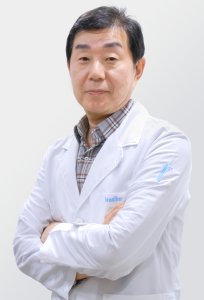
الدكتور جانغ هيو كيم جرّاح عظام يركّز على الحفاظ على المفاصل وإعادة البناء المعقّدة. يختص بمناظير المفاصل للكتف والركبة والكاحل والمرفق والمعصم. يُجري استبدال مفاصل الكتف والركبة والكاحل والمرفق والورك. يشمل عمله في العمود الفقري تثبيت ودمج الفقرات العنقية والقطنية. كما يُجري استئصال القرص، واستئصال الصفيحة الفقرية، وترميم الأعصاب، ورأب الفقرة. وتشمل ممارسته علاج الكسور وإصلاح العضلات والأربطة.
هو أستاذ منتسب في جامعة كيونغ هي، ويشغل منصب مدير مركز المفاصل في مستشفى فيري غود. وشغل سابقًا منصب رئيس أو مدير في مستشفيات يونغغوانغ جنرال، سونغجونغ سارانغ، سيووري–ديجون، سيول وِلفير، وذا بارون. وكان عضوًا استشاريًا في مجلس تعويضات عمال غوانغجو–جونام. وهو عضو عامل في الجمعية الكورية لجراحة العظام (KOA) والجمعيات الكورية لمناظير المفاصل والركبة وطب الرياضة والورك والألم والسمنة. يحمل اعتماد علاج TPI. أتمّ زمالة إليزاروف في كورغان، روسيا، كما أكمل تدريبًا في مناظير الكتف.
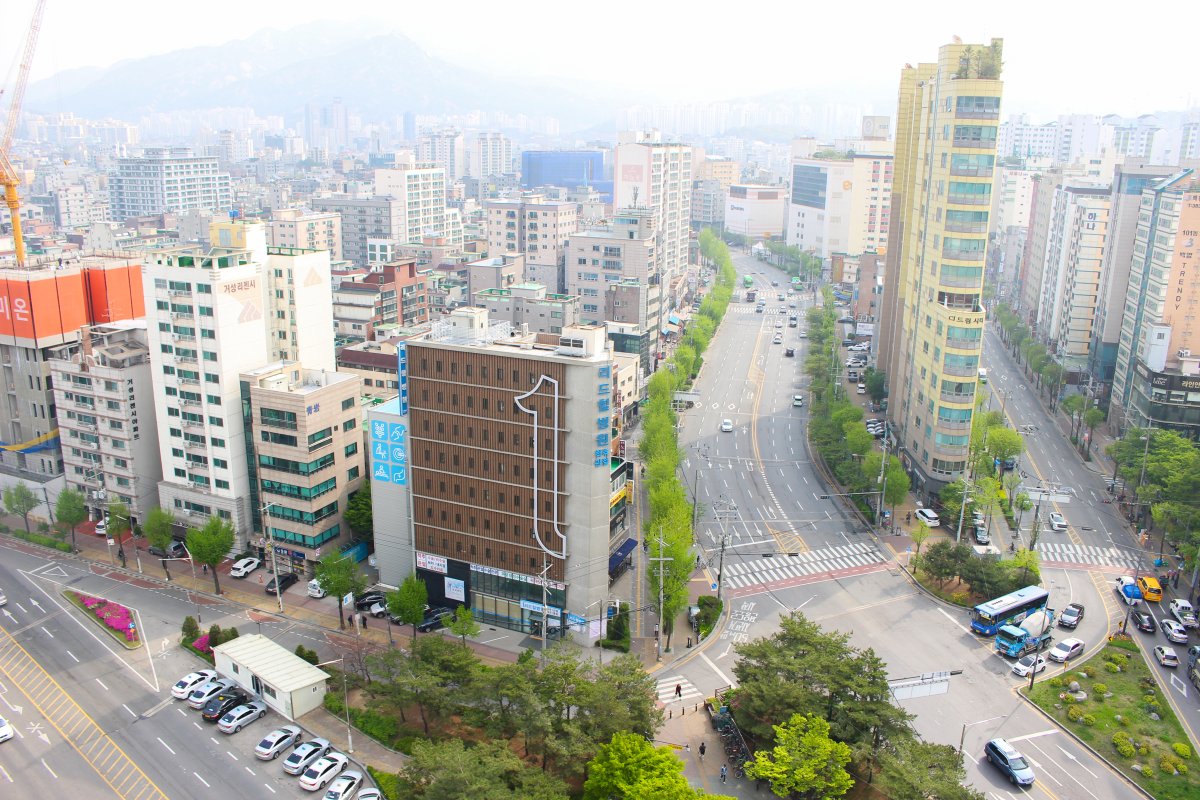
تشمل المستشفيات الرائدة في كوريا الجنوبية لإصلاح الكفة المدورة مركز آسان الطبي (Asan Medical Center)، ومستشفى جامعة سيؤول الوطنية في بوندانغ، ومستشفى سيفيرانس (Severance Hospital). تستخدم هذه المراكز تقنيات المنظار للإصلاح طفيف التوغل. كما توفر مرافق العظام المتخصصة مثل مستشفى Leadheal في سيؤول ومستشفى Na-Eun خبرة جراحية عالية المستوى.
رؤية خبير Bookimed: بينما تقود المستشفيات الجامعية مثل آسان في حجم العمليات، غالباً ما توفر المراكز المتخصصة في سيؤول وصولاً أسرع إلى الرعاية المتخصصة. على سبيل المثال، يدير مستشفى Leadheal أكثر من 44,000 مريض سنوياً بوجود 5 أطباء فقط. يشير هذا الإنتاج المرتفع إلى بروتوكول جراحي وتشخيصي مبسط وعالي الكفاءة لإصلاحات العظام الروتينية.
إجماع المرضى: يؤكد المرضى أن سمعة الجراح الفردي في تنظير الكتف أهم من العلامة التجارية للمستشفى. يعتمد التعافي الفعال بشكل كبير على الالتزام بخطة إعادة تأهيل تحت الإشراف مباشرة بعد الإجراء.
الإصلاح بالمنظار هو التقنية الجراحية القياسية لتمزق الكفة المدورة في كوريا الجنوبية. يستخدم الجراحون شقوقاً جراحية طفيفة التوغل وكاميرات لإعادة ربط الأوتار. يُستخدم هذا النهج في أكثر من 96% من الحالات. فهو يسمح برؤية فائقة وإمكانية الخروج من المستشفى في نفس اليوم.
رؤية خبير Bookimed: تُعزى ريادة كوريا في مجال جراحة العظام إلى التخصص الدقيق للجراحين والأعداد الكبيرة من المرضى. يتمتع الدكتور سيونغ هيون كيم بأكثر من 30 عاماً من الخبرة في الحالات المعقدة. تعالج مرافق مثل مستشفى Leadheal أكثر من 44,000 مريض سنوياً. يتيح هذا النطاق الواسع للجراحين إتقان التقنيات الفرعية المحددة مثل بروتوكولات الطب الرياضي وفق معايير الاتحاد الدولي لكرة القدم (FIFA) بسرعة.
إجماع المرضى: يشير المرضى إلى أنه على الرغم من تميز التكنولوجيا، فإن إعادة التأهيل المنضبطة بعد الجراحة هي العامل الحاسم في النجاح النهائي. يؤكد الكثيرون على أهمية توضيح الجدول الزمني الدقيق لإعادة التأهيل قبل الجراحة لضمان التعافي السليم على المدى الطويل.
تستغرق عملية إعادة تأهيل الكفة المدورة في كوريا الجنوبية عادةً من 3 إلى 6 أشهر، وتتبع بروتوكولاً سريريًا مرحليًا. يركز التعافي الأولي لمدة 6 أسابيع على التثبيت والحركة السلبية. تتطلب العودة الوظيفية الكاملة تقوية مستمرة. تستخدم مراكز العظام الكورية المتخصصة الجراحة بالمنظار والعلاج الطبيعي المخصص.
رؤية خبير Bookimed: يخدم مستشفى ليدهيل (Leadheal Hospital) وحده أكثر من 44,000 مريض سنويًا. تشير الأعداد الكبيرة للمرضى في مستشفيات سيول إلى أن الجراحين يحافظون على كفاءة النخبة. يتمتع الدكتور سيونغ هيون كيم (Dr. Seong Hyun Kim) بخبرة تزيد عن 30 عامًا. غالبًا ما تؤدي هذه الخبرة العميقة إلى إصلاحات بالمنظار أكثر دقة. وعادةً ما تؤدي الدقة الجراحية الأفضل إلى تقصير مرحلة التعافي الأولية المؤلمة.
إجماع المرضى: يشير المرضى إلى أن الأسابيع الـ 12 الأولى هي الأكثر صعوبة بسبب محدودية الحركة. ويؤكدون أن التمارين المنزلية غالبًا ما تكون أكثر أهمية من الجلسات في العيادة نفسها.
يمكن للمرضى في كوريا عادةً استئناف ممارسة الرياضة أو العمل الشاق بعد 6 إلى 12 شهرًا من إصلاح الكفة المدورة. غالبًا ما يحتاج الرياضيون المحترفون أو العاملون في وظائف تتطلب مجهودًا بدنيًا إلى عام كامل من أجل التئام الأوتار بالعظام بيولوجيًا. يعتمد التعافي على حجم التمزق والالتزام ببروتوكولات العلاج الطبيعي المتخصصة.
رؤية خبير Bookimed: تقدم كوريا ميزة متميزة للرياضيين من خلال متخصصين مثل الدكتور وو كيونغ كواك (Dr. Woo Kyung Kwak) في مستشفى ليدهيل (Leadheal Hospital). وهو حاصل على دبلوم الفيفا في طب كرة القدم. تعني هذه الخبرة الرياضية المتخصصة أن خطط إعادة التأهيل غالبًا ما يتم تصميمها لتناسب حركات رياضية معينة بدلاً من الاكتفاء بالتعافي العام. تدير عيادات مثل ليدهيل أكثر من 44,000 مريض سنويًا. يضمن هذا الحجم الكبير عبر أقسام العظام المتعددة أن الجراحين يتمتعون بخبرة عالية في إعادة البناء المعقدة.
إجماع المرضى: يؤكد المرضى أن تخفيف الألم عادة ما يحدث قبل التئام الوتر تمامًا. يلاحظون أنه من الحيوي عدم التسرع في العودة إلى تدريبات النادي الرياضي أو رفع الأثقال فوق الرأس بناءً على الشعور بالتحسن فقط.
South Korean hospitals diagnose rotator cuff tears using a systematic stepwise approach. This includes orthopaedic consultations, X-rays to check for bony issues, and high-resolution MRI or musculoskeletal ultrasound. Specialists often use MR arthrograms with contrast. These scans assess complex intra-articular damage and help plan arthroscopic surgery.
Bookimed Expert Insight: Many patients expect a single hospital visit. However, the South Korean pathway often involves a formal referral system. Local clinics typically handle initial X-rays. In contrast, lead surgeons like Dr Jang Hyo Kim at Leadheal Hospital perform the diagnostic work-up. This hospital serves over 44,000 patients annually. This demonstrates the high volume of complex cases managed by Seoul specialists.
Patient Consensus: Patients note that X-rays often appear normal despite pain. They emphasise that MRI is necessary. It confirms tear size before moving to surgery in South Korea.
Orthopaedic specialists in South Korea treat rotator cuff tears without surgery. They use multimodal rehabilitation, injections, and physical therapy. Non-surgical care suits partial or degenerative tears. Korean centres often trial conservative management for 3 to 6 months before recommending surgical repair.
Bookimed Expert Insight: Leadheal Hospital in Seoul handles over 44,000 patients annually. It has a large focus on non-operative joint care. Specialists like Dr Jang Hyo Kim hold certifications in pain medicine (TPI). This allows them to combine high-volume clinical experience with precise injection techniques. This volume suggests that Korean clinics possess expertise. They manage complex shoulder cases without immediate theatre intervention.
Patient Consensus: Patients find that physical therapy often restores full function. It helps with daily activities and sports, even if the tendon does not biologically reattach. Many noted that recovery takes 7 to 10 months. It requires consistent activity modification and structured rehabilitation.
South Korean specialists recommend surgery for symptomatic full-thickness rotator cuff tears or partial tears exceeding 50% thickness. Intervention is necessary if pain persists after 3–6 months of conservative care. Acute traumatic injuries in active patients often require immediate arthroscopic repair to restore shoulder function.
Bookimed Expert Insight: While age is a factor, South Korean surgical rates peak between 50 and 60. Specialists like Dr Woo Kyung Kwak use fellowship training to assess repairability. Cases involving manual labour or diabetes are prioritised for early repair to prevent tendon retraction. This proactive approach helps avoid fatty muscle infiltration which complicates later recovery.
Patient Consensus: Patients in Republic of Korea highlight that full-thickness tears rarely heal without surgical intervention. Many choose surgery to regain the ability to drive, exercise, and sleep without pain.
Arthroscopic rotator cuff repair is the standard surgical method in South Korea, accounting for approximately 96.8% of cases. Surgeons primarily use the arthroscopic suture bridge technique for full-thickness tears. This minimally invasive approach uses small incisions and specialised cameras to fix the tendon to the bone.
Bookimed Expert Insight: South Korea's surgical landscape is unique. Even smaller regional hospitals maintain exceptionally high arthroscopy standards. Data shows a rapid shift where nearly all repairs are now keyhole surgeries. Specialists like Dr Woo Kyung Kwak often hold advanced sports medicine credentials. The FIFA Diploma, for example, is a significant quality marker for Australian athletes seeking treatment here.
Patient Consensus: Patients note that surgeons in Korea often combine the repair with bone shaving or biceps procedures. This depends on what surgeons find during the operation. Many found that trying physical therapy first was standard practice. Then, anchor-based arthroscopic surgery followed.
Recovery from rotator cuff surgery in South Korea generally takes 6 to 12 months. Most patients regain daily mobility within 4 to 6 months. Full strength often returns by the 1-year mark. Specialists use arthroscopic techniques to accelerate initial healing and reduce hospital stays.
Bookimed Expert Insight: South Korean orthopaedic centres like Leadheal Hospital emphasise early rehabilitation. Surgeons such as Dr Woo Kyung Kwak use arthroscopic skills to minimise tissue damage. This focus on precision allows clinics to serve over 44,000 patients annually with high efficiency. For Australians, this high volume means surgeons handle complex tears routinely, leading to reliable recovery timelines.
Patient Consensus: Patients note the first 8 weeks are most challenging for daily tasks while wearing a sling. Many suggest arranging local physiotherapy in Australia before travelling. This allows a smooth transition after the initial week in South Korea.
South Korea offers high-precision arthroscopic surgery and rapid diagnostics for rotator cuff tears. Specialists use minimally invasive techniques for faster recovery and less pain. High-volume hospitals like Leadheal Hospital treat over 44,000 patients annually. Systems allow for same-day imaging and immediate consultation.
Bookimed Expert Insight: Clinical data shows a high concentration of academic expertise in Seoul. Dr Jang Hyo Kim serves as an Adjunct Professor at Kyung Hee University. Surgeons here often complete international fellowships. These include training in Russia or global football medicine. This academic rigour means patients receive care based on the latest orthopaedic research.
Patient Consensus: Patients value the speed of the Korean system. They often receive MRI scans and specialist reviews within the same day. Staff assist with translation and foreign insurance billing. This makes the logistics simple for Australians.
Patients typically return to sports 4 to 6 months after arthroscopic rotator cuff repair. This is the timeline in South Korea. Clinics report an 88% success rate for resuming athletic activities. Surgeons use minimally invasive techniques and specialised rehabilitation to help patients regain pre-injury performance levels.
Bookimed Expert Insight: Returning to play depends heavily on the surgeon's specific sports medicine background. Dr Seong Hyun Kim is a member of the Korean Society of Sports Medicine. He has over 30 years of experience treating musculoskeletal conditions. With this expertise, the surgical plan matches the physical demands of each patient's sport.
Patient Consensus: Patients in South Korea value the personalised rehabilitation plans that adapt to their lifestyle. Many note that strict adherence to the phased physiotherapy protocol was the most critical factor. It helped them regain full shoulder strength.