علاج مرض مويامويا في إسبانيا — احصل على 3 عيادات مختارة خصيصاً لك


تمت مراجعة المقالة طبيا من قبل
فهد مولود
كيف نعمل؟
ما هي تكلفة مرض مويامويا إجراءات التشخيص والعلاج في إسبانيا؟ اعرف الآن
اكتشف أفضل مرض مويامويا العيادات في إسبانيا: 5 خيارات معتمدة والأسعار





SJD Barcelona Children’s Hospital




احصلوا على تقييم طبي لـ مرض مويامويا في إسبانيا: استشيروا أطباء ذوي خبرة الآن
عرض جميع الأطباء
Gerardo Conesa Bertran
يتخصص الدكتور كونيسا في مرض مويامويا كجزء من خبرته في جراحة الأعصاب الوعائية في مركز تكنون الطبي.
- أكثر من _doctor_1711_عاماً_ من الخبرة كجراح أعصاب ممارس
- شغل دوراً قيادياً رئيسياً في قسم جراحة الأعصاب في مستشفى ديل مار
- أكمل زمالات في مستشفيات أمريكية رائدة مثل مستشفى ماساتشوستس العام
- عضو في الجمعية الأوروبية المرموقة لجمعيات جراحة الأعصاب
- تشمل أبحاثه منصات حاسوبية متقدمة لتخطيط جراحات الدماغ
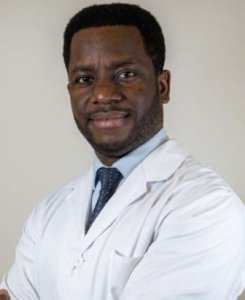
Nnamdi Elenwoke
الدكتور Nnamdi Elenwoke جرّاح أعصاب في Neuroinstitut – Centro Médico Teknon (برشلونة)، وهو مركز رائد في أوروبا. يتخصص في الجراحة العصبية طفيفة التوغل والجراحة العصبية الوظيفية، ويتمتع بخبرة خاصة في تشوه أرنولد-كياري واضطرابات الوصل القحفي الفقري. تعتمد ممارسته على التقنيات المجهرية المتقدمة، وجراحة قاعدة الجمجمة بالمنظار، وجراحة الأعصاب بمساعدة الروبوت.
التعليم والتدريب: دكتوراه في الطب (2007). إقامة اختصاص جراحة الأعصاب (MIR) في مستشفى ميغيل سيرفيت، سرقسطة. تدريب متقدم في جراحة قاعدة
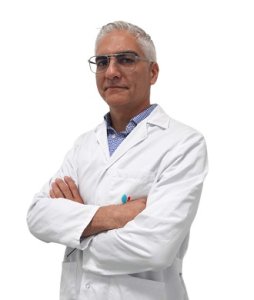
Diego Ferrandez Sempere
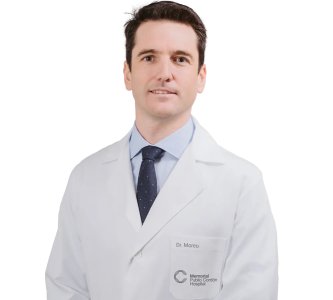
Manuel Moreu Gamazo
الدكتور مانويل مورو جامازو هو جراح أعصاب في مستشفى بوبليو كوردون التذكاري في مدريد. يعالج الحالات الوعائية للدماغ والعمود الفقري. يعمل الدكتور مورو جامازو في منشأة معتمدة من اللجنة الدولية المشتركة (JCI)، وهو اعتماد لسلامة المرضى والجودة السريرية.
يعالج حالات مثل تمدد الأوعية الدموية في الشريان الدماغي ومرض مويامويا. يشمل عمله إصلاح تمدد الأوعية الدموية في الدماغ ورأب الشريان الفقري. يضم المستشفى أكثر من 100 أخصائي. يجري الدكتور مورو جامازو تقنيات تدخلية للتشوهات الشريانية الوريدية.
المراجعات
جميع المراجعاتمشاركة المحتوى
قصص فيديو من مرضى Bookimed
 Anna Leonova
أسئلة متكررة حول علاج مرض مويامويا في إسبانيا
هل مرض مويامويا قابل للشفاء؟
مرض مويامويا غير قابل للشفاء ولكنه قابل للعلاج بشكل كبير. إنه اضطراب وعائي تقدمي يسبب تضيقًا مدى الحياة في شرايين الدماغ. يمكن لجراحة إعادة التوعي المتخصصة تجاوز هذه الانسدادات. يوقف هذا العلاج عادةً الضرر العصبي ويقلل من خطر الإصابة بالسكتة الدماغية لدى الأطفال والبالغين على حد سواء.
- جراحة إعادة التوعي: تقوم التحويلات المباشرة أو غير المباشرة بتوجيه إمدادات الدم الصحية إلى مناطق الدماغ التي تعاني من نقص الأكسجين.
- إدارة الأعراض: تساعد الأدوية مثل الأسبرين أو مميعات الدم في منع الجلطات وإدارة الصداع.
- المراقبة مدى الحياة: تضمن الصور السنوية عبر التصوير بالرنين المغناطيسي أو تصوير الأوعية بقاء الطعوم الجراحية سليمة.
- الخبرة المتخصصة: يعتمد النجاح على جراحي الأعصاب ذوي الخبرة الموثقة في إدارة الاضطرابات الوعائية الدماغية المعقدة.
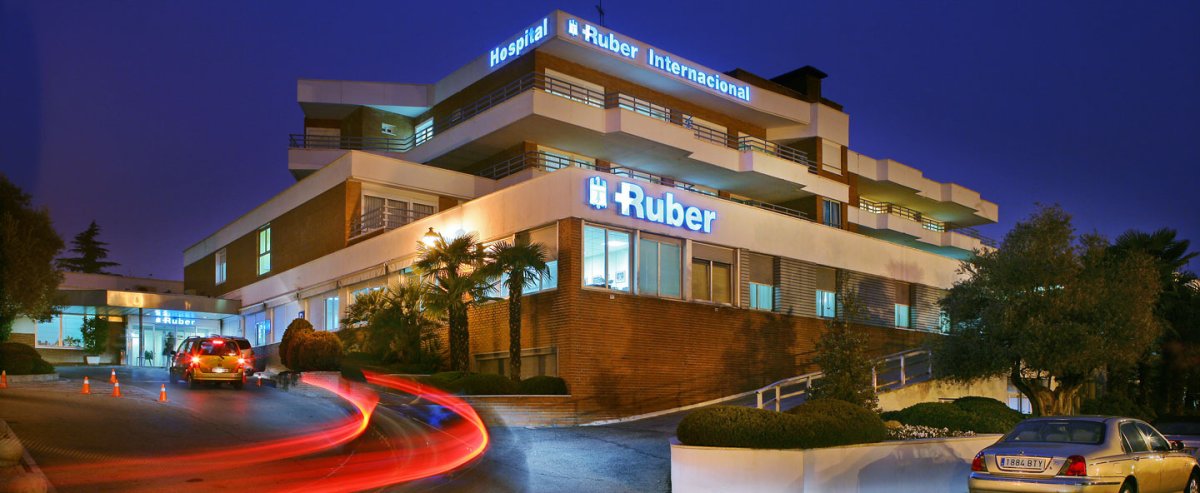
رؤية خبير Bookimed: تُظهر المراكز الإسبانية تخصصًا عاليًا مقسمًا بين رعاية الأطفال والبالغين. يعالج مستشفى SJD للأطفال في برشلونة مرض مويامويا منذ عام 1997. وفي الوقت نفسه، يخدم مستشفى روبير الدولي 25,000 مريض سنويًا باستخدام التصوير بالرنين المغناطيسي 3-تسلا لرسم خرائط وعائية دقيقة. اختيار مركز يتناسب مع عمر المريض أمر حيوي لنجاح الجراحة.
إجماع المرضى: يشير المرضى إلى أنه على الرغم من بقاء نمط الأوعية غير الطبيعي في الفحوصات، إلا أن الجراحة غالبًا ما تكون مغيرة للحياة. ويؤكدون على التركيز على الوقاية من السكتة الدماغية بدلاً من توقع اختفاء المرض تمامًا.
ما هي خيارات العلاج الأساسية لمرض مويامويا في إسبانيا؟
توفر المراكز المتخصصة في إسبانيا إعادة التوعي الجراحي كعلاج أساسي لمرض مويامويا. يقوم الجراحون بإجراء تحويلات STA-MCA المباشرة، أو التآزر غير المباشر، أو تقنيات مدمجة. تستعيد هذه الإجراءات تدفق الدم إلى الدماغ باستخدام نظام الشريان السباتي الخارجي لمنع السكتات الدماغية في المستقبل.
- التحويل المباشر: يقوم الجراحون بربط شريان فروة الرأس جسديًا مباشرة بشريان الدماغ.
- إعادة التوعي غير المباشر: يتم وضع أنسجة وعائية على سطح الدماغ لتحفيز نمو الأوعية الدموية.
- النهج المدمج: يستخدم المتخصصون كلتا التقنيتين لضمان تدفق الدم الفوري وطويل الأمد.
- الإدارة الطبية: تدعم العلاجات المضادة للصفيحات وحاصرات قنوات الكالسيوم الجراحة من خلال تقليل مخاطر الجلطات.
رؤية خبير Bookimed: تحتل إسبانيا المرتبة الرابعة عالميًا في تفضيلات الرعاية الصحية على Bookimed، ويرجع ذلك جزئيًا إلى التخصص العالي لجراحي الأعصاب فيها. يقوم كبار الأطباء مثل الدكتور جيراردو كونيسا بيرتران في مركز تكنون الطبي بدمج منصات الكمبيوتر في الواقع المعزز لجراحات الدماغ الدقيقة. يعد هذا التصوير المتقدم أمرًا بالغ الأهمية لمرض مويامويا لأنه يسمح للجراحين بالتنقل في مناطق الدماغ عالية الوظائف بأقصى درجات الأمان.
إجماع المرضى: يلاحظ آباء المرضى الأطفال أن العيادات الإسبانية هي بديل حيوي عندما تفشل الخيارات المحلية. وغالبًا ما يجدون أن تكاليف العلاج في إسبانيا أقل بحوالي 2 إلى 3 مرات من سويسرا أو اليابان.
ما هي تقنيات المجازة الجراحية التي يستخدمها جراحو الأعصاب الإسبان بشكل روتيني؟
يستخدم جراحو الأعصاب الإسبان المجازة المباشرة خارج الجمجمة وداخلها، وإعادة التوعي غير المباشرة، والتقنيات المدمجة لعلاج مرض مويامويا. تظل مجازة الشريان الصدغي السطحي إلى الشريان المخي الأوسط هي الطريقة المباشرة الأساسية. تقوم مراكز مثل مستشفى SJD برشلونة للأطفال بإجراء هذه الجراحات المجهرية المعقدة بشكل روتيني للمرضى الأطفال.
- المجازة المباشرة: يقوم الجراحون بإجراء مفاغرة الشريان الصدغي السطحي إلى الشريان المخي الأوسط لتدفق فوري.
- إعادة التوعي غير المباشرة: تستخدم تقنيات مثل تثبيت الشريان الصدغي السطحي على الأم الجافية شرايين فروة الرأس لتحفيز نمو الأوعية الدموية الطبيعية.
- الاستراتيجيات المدمجة: غالبًا ما يجمع الفريق بين المجازة المباشرة والسدائل العضلية لضمان التوعي على المدى الطويل.
- التحقق من التدفق: يستخدم المتخصصون تصوير الأوعية بالفيديو باستخدام الأخضر الإندوسيانين لتأكيد سالكية الطعم أثناء العملية.
رؤية خبير Bookimed: برزت إسبانيا كوجهة رائدة لجراحة الأعصاب، حيث تخدم مئات الطلبات الدولية سنويًا. تظهر البيانات أن المراكز الكبرى مثل Centro Médico Teknon وHospital Ruber Internacional تجمع بين حجم جراحي مكثف وتشخيصات متطورة مثل التصوير بالرنين المغناطيسي 3 تسلا. بينما تتصدر تركيا وألمانيا إجمالي الطلبات، تحتل إسبانيا مرتبة عالمية عالية بسبب مراكز الأطفال المتخصصة مثل SJD Barcelona، التي أجرت هذه العمليات الوعائية المحددة منذ عام 1997. يعد اختيار مركز إسباني ذو حجم كبير أمرًا حيويًا لأنهم يحتفظون بوحدات عناية مركزة متخصصة مصممة للتعافي ا
ما هي أفضل المستشفيات في إسبانيا لعلاج مرض مويامويا لدى البالغين والأطفال؟
تضم إسبانيا مراكز علاج من الطراز الأول لمرض مويامويا في برشلونة ومدريد. توفر هذه المرافق المتخصصة إعادة تروية دماغية معقدة للمرضى البالغين والأطفال. تستخدم المؤسسات المعتمدة من قبل JCI مثل Centro Médico Teknon و Hospital Ruber Internacional تقنيات التصوير العصبي المتقدمة ورسم خرائط الواقع المعزز لجراحات المجازة عالية الدقة.
- الخبرة في طب الأطفال: مستشفى SJD Barcelona Children's هو مركز أوروبي رائد للمرضى الذين تقل أعمارهم عن 18 عاماً.
- القيادة الجراحية: الدكتور جيراردو كونيسا بيرتران في Teknon متخصص في جراحة الأعصاب الوعائية المعقدة.
- التكنولوجيا المتقدمة: يقدم مستشفى Ruber Internacional تقنية Gamma Knife والتصوير بالرنين المغناطيسي بقوة 3 تسلا لتشخيص دقيق.
- رعاية البالغين: يوفر HM Sanchinarro و Teknon مجازات شريانية مباشرة وغير مباشرة للبالغين.
رؤية خبير Bookimed: بينما يبحث الكثيرون عن جراحة أعصاب عامة، فإن النتائج الأكثر نجاحاً في إسبانيا توجد في المراكز ذات الأحجام الجراحية العالية. على سبيل المثال، يقوم Centro Médico Teknon و Hospital Ruber Internacional بإجراء أكثر من 30,000 عملية جراحية سنوياً مجتمعين. يضمن هذا الحجم الهائل احتفاظ جراحي الأعصاب بالبراعة اليدوية العالية المطلوبة لخياطة الأوعية المجهرية في مجازات مويامويا.
إجماع المرضى: يؤكد الآباء أن المراكز الإسبانية تقدم مستوى من الخبرة في جراحة الأوعية الدموية الدماغية للأطفال يصعب العثور عليه في أماكن أخرى. وغالباً ما يشيرون إلى أن وجود مترجمين باللغة الأم
من هم كبار جراحي الأعصاب في إسبانيا المعترف بهم لجراحة إعادة التوعية لمرض مويامويا؟
يشمل كبار جراحي الأعصاب في إسبانيا لإعادة التوعية لمرض مويامويا الدكتور جيراردو كونيسا بيرتران والدكتور بارتولومي أوليفر في مركز تكنون الطبي (Centro Médico Teknon). كما يُعد الدكتور فؤاد أريكان والدكتور داريو ف. غاندارا متخصصين معترف بهم. يعمل هؤلاء الخبراء في مرافق معتمدة من اللجنة الدولية المشتركة (JCI) في برشلونة ومدريد.
- الدكتور جيراردو كونيسا: يقود جراحة الأعصاب في تكنون بخبرة تزيد عن 40 عاماً في الأوعية الدموية.
- الدكتور بارتولومي أوليفر: يجري إجراءات جراحية مجهرية معقدة باستخدام منصات متطورة لجراحة الدماغ بمساعدة الروبوت.
- الخبرة في طب الأطفال: مستشفى SJD برشلونة للأطفال متخصص في عمليات التحويل للأطفال دون سن 18 عاماً.
- الحجم السريري: تجري المراكز الرائدة مثل تكنون أكثر من 23,500 عملية جراحية كل عام.
رؤية خبير Bookimed: تُظهر بيانات المرضى انقساماً واضحاً في التخصص بين برشلونة ومدريد. تجذب مراكز برشلونة مثل تكنون وSJD أكبر حجم من حالات مويامويا الدولية. يعالج مستشفى SJD برشلونة للأطفال 450,000 مريض سنوياً ويصنف ضمن المراكز الثلاثة الأولى في أوروبا. يضمن اختيار هذه المراكز ذات الحجم الكبير الوصول إلى وحدات إنعاش الأطفال المتخصصة التي تم افتتاحها في عام 2018.
إجماع المرضى: يشير المرضى إلى أن مرض مويامويا نادر، لذا فإن العثور على جراحين ذوي خبرة محددة منذ عام 1997 أمر حيوي. إنهم يقدرون العيادات التي توفر مترجمين وتنسق الإقامة المحلية، مما يجعل الرحلة الجراحية المعقدة تبدو وكأنها في المنزل.
ما هي فترة التعافي والمتابعة طويلة الأمد المتوقعة بعد جراحة تحويل مسار مويامويا في إسبانيا؟
يتطلب التعافي بعد جراحة تحويل مسار مويامويا في إسبانيا من 3 إلى 5 أيام من الاستشفاء للمراقبة العصبية. يعود المرضى عادةً إلى أنشطتهم اليومية في غضون 6 أسابيع. تشمل المتابعة طويلة الأمد التصوير مدى الحياة والعلاج المضاد للصفيحات للحفاظ على نفاذية الطعم ومنع المضاعفات الوعائية.
- الإقامة في المستشفى: توقع قضاء 24 إلى 48 ساعة في وحدة العناية المركزة للمراقبة.
- الجدول الزمني للنشاط: يستغرق التعافي الكامل من 4 إلى 6 أسابيع. تجنب رياضات التلامس لمدة 3 أشهر.
- بروتوكول الترطيب: يجب على المرضى شرب 2 إلى 3 لترات من الماء يوميًا لمنع النوبات الإقفارية العابرة (TIA).
- المراقبة طويلة الأمد: يلزم إجراء فحوصات التصوير بالرنين المغناطيسي أو تصوير الأوعية بالرنين المغناطيسي سنويًا لمدة 5 سنوات على الأقل.
- الأدوية: يعتبر تناول الأسبرين بجرعة منخفضة مدى الحياة هو المعيار لضمان تدفق الدم المستمر عبر الطعوم.
رؤية خبير Bookimed: إسبانيا هي وجهة رائدة لجراحة الأعصاب الوعائية المعقدة لأن مراكز مثل Sant Joan de Déu متخصصة في مويامويا منذ عام 1997. تظهر البيانات أن مرافق طب الأطفال الإسبانية تقدم قيمة كبيرة. يمكن أن تكون تكلفة علاج هذه الحالة النادرة في برشلونة أقل بمرتين إلى 3 مرات مما هي عليه في سويسرا أو اليابان على الرغم من معايير النجاح المتطابقة.
إجماع المرضى: يلاحظ الآباء أن الجراحين ذوي الخبرة ووحدات العناية المركزة عالية المستوى ضرورية لتعافي الأطفال بسلاسة. ويجدون أن وجود مترجمين محليين وموظفين يتحدثون الإنجلي