مرض مويامويا العلاج في كوريا الجنوبية - التكاليف 2026


تمت مراجعة المقالة طبيا من قبل
فهد مولود
ما هي تكلفة مرض مويامويا إجراءات التشخيص والعلاج في كوريا الجنوبية؟ اعرف الآن
مزاياك وضماناتك مع Bookimed
أسعار مباشرة
Bookimed لا يضيف رسوماً إضافية على أسعار علاج مرض مويامويا. الأسعار مأخوذة من قوائم الأسعار الرسمية للعيادات. تدفع مباشرة في العيادة مقابل علاجك عند وصولك إلى البلد.
عيادات وأطباء معتمدون فقط
Bookimed ملتزم بسلامتك. نحن نعمل فقط مع المؤسسات الطبية التي تحافظ على معايير دولية عالية في علاج مرض مويامويا ولديها التراخيص اللازمة لخدمة المرضى الدوليين في جميع أنحاء العالم.
مساعدة مجانية على مدار الساعة
Bookimed يقدم مساعدة خبراء مجانية. منسق طبي شخصي يدعمك قبل وأثناء وبعد العلاج، ويحل أي مشاكل. لن تكون وحيداً أبداً في رحلة علاج مرض مويامويا.

منسقك الطبي الشخصي في Bookimed
- يدعمك في كل مرحلة
- المساعدة في اختيار العيادة الطبية المناسبة والطبيب المناسب
- يضمن الوصول السريع والمريح إلى المعلومات
اكتشف أفضل مرض مويامويا العيادات في كوريا الجنوبية: 4 خيارات معتمدة والأسعار






احصلوا على تقييم طبي لـ مرض مويامويا في كوريا الجنوبية: استشيروا أطباء ذوي خبرة الآن
عرض جميع الأطباء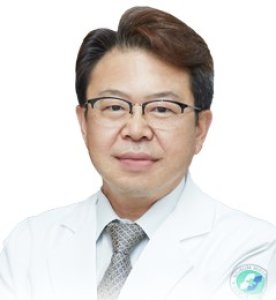
Han Yeongmin
الدكتور هان يونغمين جرّاح أعصاب (MD، PhD). يشغل منصب المدير الطبي ومدير مركز جراحة الأعصاب في مستشفى سانت ماري في إنتشيون. يعالج أمراض الأوعية الدموية الدماغية واضطرابات الأعصاب الطرفية، ويختص أيضًا بأورام الدماغ وجراحة قاعدة الجمجمة. تشمل الحالات السكتة الدماغية والنزف الدماغي والاحتشاء الدماغي ومرض مويا مويا. يجري إجراءات PEN وPNP وSNB. ويقدّم أيضًا الاستئصال المجهري والتنظيري للقرص، واستبدال القرص الصناعي، واندماج العمود الفقري طفيف التوغل/MIS-TLIF، ورأب الفقرة.
نال درجتي الطب والدك
مشاركة المحتوى
قصص فيديو من مرضى Bookimed
 Anna Leonova
أسئلة متكررة حول علاج مرض مويامويا في كوريا الجنوبية
لماذا تعد كوريا الجنوبية وجهة رائدة لعلاج مرض مويامويا؟
تعد كوريا الجنوبية مركزاً رائداً لعلاج مرض مويامويا نظراً لانتشاره الإقليمي المرتفع والبراعة الجراحية التي يتمتع بها الأطباء هناك. يجري جراحو الأعصاب المحليون أعداداً هائلة من إجراءات إعادة التوعية. تمتلك مؤسسات مثل مستشفى سيفيرانس اعتماد اللجنة الدولية المشتركة (JCI). تقدم هذه المراكز رعاية متخصصة ومتعددة التخصصات لحالات الأطفال والبالغين.
- الخبرة الجراحية: يتقن الجراحون تقنيات التحويل المباشر وغير المباشر والمشترك لتدفق الدم الأمثل.
- الحجم السريري: يسمح الانتشار الإقليمي المرتفع للمراكز بمعالجة مويامويا كممارسة قياسية.
- البنية التحتية المتخصصة: تدمج المستشفيات الكبرى جراحة الأعصاب، وطب الأعصاب، وطب الأطفال في أنظمة تشخيص شاملة.
- المؤهلات المتقدمة: تحصل المرافق المتميزة على تصنيفات "أفضل مستشفى في العالم" من مجلة نيوزويك لسنوات متتالية.
رؤية خبير Bookimed: تحتل كوريا المرتبة الثالثة عالمياً من حيث الطلبات الطبية في نظامنا، مما يظهر ارتفاع الطلب عليها. بينما يدير مستشفى سيفيرانس 1.6 مليون مريض خارجي سنوياً، يركز متخصصون مثل الدكتور يانغ سايون بشكل خاص على إعادة توعية مويامويا. يضمن هذا المزيج من الحجم الهائل والخبرة المتخصصة حصول المرضى على رعاية جراحية عالية الجودة.
إجماع المرضى: يقدر المرضى كيف تعامل الفرق الكورية مرض مويامويا كحالة روتينية بدلاً من كونه حالة نادرة. كما يقدرون التفسيرات الواضحة حول الجراحة مقابل الإدارة الطبية والتنسيق الدولي الفعال الذي توفره المراكز الكبيرة في سيول.
ما هو نهج العلاج الرئيسي المستخدم في كوريا لمرض المويا مويا؟
إعادة التوعية الجراحية هي العلاج الأساسي لمرض المويا مويا في جمهورية كوريا. يعطي الجراحون الأولوية لإعادة التوعية المدمجة لاستعادة تدفق الدم الدماغي ومنع السكتات الدماغية. تدمج هذه الطريقة التحويل المباشر مع التسنغ غير المباشر. توفر المرافق الكورية الحديثة هذه الإجراءات المتخصصة للمرضى الذين يعانون من أعراض.
- إعادة التوعية الجراحية: تستعيد تدفق الدم باستخدام نظام الشريان السباتي الخارجي.
- التحويل المدمج: يدمج الوصلة الشريانية المباشرة مع التسنغ الأم الجافي غير المباشر.
- تحويل STA-MCA: يربط الشريان الصدغي مباشرة بالشريان الدماغي الأوسط.
- التركيز الوقائي: يهدف إلى التدخل قبل وقوع سكتات دماغية كبرى لدى الأفراد الذين تظهر عليهم أعراض.
رؤية خبير بوكيميد (Bookimed): تتعامل المراكز ذات الحجم الكبير مثل مستشفى Severance مع أكثر من مليون مريض خارجي سنويًا. يسمح هذا النطاق الضخم لجراحي الأعصاب الكوريين برؤية حالات المويا مويا بشكل متكرر. يركز متخصصون مثل الدكتور يانغ سييون على أمراض الأوعية الدموية بما في ذلك تضيق الشريان السباتي وأمهات الدم (تمدد الأوعية الدموية). تؤدي خبرتهم في المرافق ذات حركة المرور العالية إلى تقنيات جراحية دقيقة للغاية لأمراض الأوعية الدموية النادرة.
إجماع المرضى: يشير المرضى إلى أن التقييم المبكر أمر حيوي قبل تفاقم الأعراض. ويؤكدون على اختيار جراحين لديهم أحجام إجراءات عالية لجراحات التحويل المباشر.
ما هي المستشفيات الأكثر شهرة لجراحة المويا مويا في كوريا الجنوبية؟
تشمل المستشفيات الكورية الجنوبية الرائدة لجراحة المويا مويا مستشفى Gangnam Severance، ومستشفى Severance، ومستشفى جامعة سيول الوطنية في بوندانغ. تتخصص هذه المراكز المعتمدة من قبل اللجنة الدولية المشتركة (JCI) في إعادة التوعية المباشرة وغير المباشرة. وهي تستخدم تقنيات التصوير العصبي المتقدمة لاستعادة تدفق الدم الدماغي ومنع السكتات الدماغية لدى المرضى.
- التقنيات الجراحية: توفر المراكز تحويلات مباشرة، أو تقنيات التسنغ غير المباشرة، أو طرق إعادة التوعية المدمجة.
- اعتمادات المستشفى: تمتلك أفضل المرافق اعتمادات اللجنة الدولية المشتركة (JCI) وتصنيفات مجلة نيوزويك.
- الخبرة في طب الأعصاب: يوفر مركز Gangnam Severance تشخيصات عصبية متخصصة وتدخلات جراحية وعائية دماغية معقدة.
- حجم الأبحاث: يقود مستشفى جامعة سيول الوطنية في بوندانغ الأبحاث الوبائية حول المويا مويا.
رؤية خبير بوكيميد (Bookimed): على الرغم من أهمية المكانة، ابحث عن قيادة محددة في أقسام جراحة الأعصاب. يوضح الدكتور يانغ سييون في مستشفى Naeun هذا الأمر، حيث انتقل من رئاسة جراحة الأعصاب في G-Sam إلى دوره الحالي. غالبًا ما يحدد حجم الحالات الشخصية لرئيس القسم دقة الجراحة أكثر من الحجم العام للمستشفى.
إجماع المرضى: يشير المرضى إلى أن مستشفيات سيول الكبرى هي المراكز الأساسية للعلاج الناجح. وينصحون بالتأكد مما إذا كان جراحك يتعامل شخصيًا مع حجم كبير من حالات التحويل (bypass).
ما هو التشخيص بالتصوير المستخدم بشكل روتيني في كوريا الجنوبية لمرض مويامويا؟
تعطي العيادات في كوريا الجنوبية الأولوية للتصوير بالرنين المغناطيسي (MRI) وتصوير الأوعية بالرنين المغناطيسي (MRA) كأدوات تشخيصية أولية غير جراحية لمرض مويامويا. يظل تصوير الأوعية بالطرح الرقمي (DSA) هو المعيار الذهبي لتحديد مراحل المرض والتخطيط الجراحي. تستخدم المراكز المتخصصة أيضًا مسوحات SPECT أو PET لتقييم تدفق الدم الدماغي وسعة الاحتياطي الوعائي.
- التصوير بالرنين المغناطيسي وتصوير الأوعية بالرنين المغناطيسي: الأدوات الأساسية المستخدمة لتصوير تضيق الشريان السباتي الباطن وفراغات العقد القاعدية.
- تصوير الأوعية بالطرح الرقمي: المعيار الذهبي الأساسي للتشخيص النهائي وتحديد مراحل المرض بدقة وفق تصنيف سوزوكي.
- تصوير التروية: تقييم مسوحات SPECT أو PET للضعف الديناميكي الدموي قبل التفكير في التدخل الجراحي.
- تصوير الأوعية المقطعي (CT Angiography): يوفر تقييمًا وعائيًا سريعًا عندما لا يكون التصوير بالرنين المغناطيسي ممكنًا للمريض.
رؤية خبير Bookimed: في حين أن بروتوكولات التشخيص صارمة، فإن اختيار العيادة يؤثر بشكل كبير على الرعاية المتخصصة. تدير المراكز متعددة التخصصات مثل مستشفى سيفيرانس (Severance Hospital) أكثر من 1.6 مليون مريض خارجي سنويًا مع اعتماد JCI. غالبًا ما يضمن هذا الحجم الكبير الوصول السريع إلى التصوير المعقد مثل SPECT، وهو أمر بالغ الأهمية لرسم خرائط تدفق الدم قبل الجراحة.
إجماع المرضى: يشير المرضى إلى أن الأطباء يبدأون عادةً بالتصوير بالرنين المغناطيسي وتصوير الأوعية بالرنين المغناطيسي قبل الانتقال إلى DSA لل
ما هي النتائج النموذجية وأوقات التعافي بعد جراحة إعادة التروية في كوريا الجنوبية؟
تؤدي جراحة إعادة التروية في كوريا الجنوبية إلى تحسن عصبي مستقر في غضون 6 أشهر. وغالبًا ما يحقق المرضى استقرارًا ديناميكيًا دمويًا على المدى الطويل لأكثر من 5 سنوات. تستخدم المراكز الرائدة المعتمدة من JCI في سيول طرقًا مدمجة للمجازة المباشرة وغير المباشرة. تعمل هذه التقنيات على تعظيم تدفق الدم الدماغي ومنع السكتات الدماغية في المستقبل.
- الإطار الزمني للاستقرار: تظل الحالة السريرية مستقرة عادةً لأكثر من 5 سنوات بعد الجراحة.
- زيادة تدفق الدم: تعمل طرق المجازة المدمجة على تحسين مستويات تدفق الدم الدماغي الإقليمي بشكل كبير.
- الخروج من المستشفى: تخرج معظم المراكز المرضى في غضون أسبوع واحد بعد نجاح المراقبة العصبية الوعائية.
- استئناف النشاط: يستأنف المرضى عادةً أنشطتهم اليومية العادية في غضون 6 إلى 8 أسابيع.
رؤية خبير Bookimed: تشير البيانات إلى أن اختيار المستشفيات الجامعية متعددة التخصصات مثل مستشفى سيفيرانس (Severance Hospital) يوفر أمانًا فائقًا لمرضى مويامويا. تجمع هذه المؤسسات بين جراحة الأعصاب ووحدات الأطفال والقلب والأوعية الدموية المتخصصة تحت سقف واحد. هذا النهج المتكامل حيوي لأن مرض مويامويا غالبًا ما يتطلب مراقبة مدى الحياة لصحة الأوعية الدموية عبر أجهزة الجسم المختلفة.
إجماع المرضى: يؤكد المرضى أنه على الرغم من شعورهم بالاستقرار العصبي بسرعة، إلا أن القوة البدنية والتعب يستغرقان وقتًا أطول بكثير للحل. وينصحون الآخرين بعدم التعجل في العودة إلى المدرسة أو العمل، لأن التعافي العميق يمتد غالبًا إلى ما بعد التئام شق
ما هي الأدوية التي تُعطى عادةً بعد جراحة مرض مويامويا في كوريا؟
يصف جراحو الأعصاب في كوريا الجنوبية عادةً مضادات الصفائح الدموية وأدوية ضغط الدم بعد جراحة مويامويا. يعتبر الأسبرين بجرعات منخفضة هو المعيار للوقاية طويلة الأمد من السكتات الدماغية. يستخدم المتخصصون في المرافق المعتمدة من قبل اللجنة الدولية المشتركة (JCI) أيضاً عقار سيلوستازول (Cilostazol)، الذي يقلل بفعالية من مخاطر الوفاة لدى مجموعات المرضى الكوريين.
- علاج مضاد للصفائح الدموية: يمنع الأسبرين اليومي بجرعة منخفضة حدوث جلطات في طعوم المجازة (bypass grafts).
- سيلوستازول: يحسن هذا الدواء النتائج بشكل فريد بناءً على البيانات الوطنية الكورية.
- ضغط الدم: تدير حاصرات قنوات الكالسيوم الضغط وتمنع تشنجات الأوعية الدموية.
- الوقاية من النوبات: تساعد مضادات الاختلاج الوقائية مثل ليفيتيراسيتام في منع حدوث نوبات ما بعد الجراحة.
رؤية خبير Bookimed: تحتل كوريا المرتبة الثالثة في الطلبات الطبية العالمية على منصتنا. تتعامل المراكز ذات الحجم الكبير مثل مستشفى سيفيرانس مع ملايين المرضى الخارجيين. غالباً ما يقوم أطباؤهم بتعديل مدة العلاج بمضادات الصفائح الدموية بناءً على تقنيات مجازة محددة. قد تتطلب الإجراءات المشتركة دورات دوائية أطول من إعادة التوعي غير المباشر وحده.
إجماع المرضى: يلاحظ المرضى أن الرعاية في المستشفى تتضمن تصويراً طبياً متكرراً لتعديل جرعات الأدوية. يؤكد الكثيرون على أهمية تأكيد نطاق ضغط الدم الدقيق الذي يتوقعه الجراح بعد الخروج من المستشفى.