فتق الحجاب الحاجز العلاج في ألمانيا - التكاليف 2026


تمت مراجعة المقالة طبيا من قبل
فهد مولود
ما هي تكلفة فتق الحجاب الحاجز إجراءات التشخيص والعلاج في ألمانيا؟ اعرف الآن
مزاياك وضماناتك مع Bookimed
أسعار مباشرة
Bookimed لا يضيف رسوماً إضافية على أسعار علاج فتق الحجاب الحاجز. الأسعار مأخوذة من قوائم الأسعار الرسمية للعيادات. تدفع مباشرة في العيادة مقابل علاجك عند وصولك إلى البلد.
عيادات وأطباء معتمدون فقط
Bookimed ملتزم بسلامتك. نحن نعمل فقط مع المؤسسات الطبية التي تحافظ على معايير دولية عالية في علاج فتق الحجاب الحاجز ولديها التراخيص اللازمة لخدمة المرضى الدوليين في جميع أنحاء العالم.
مساعدة مجانية على مدار الساعة
Bookimed يقدم مساعدة خبراء مجانية. منسق طبي شخصي يدعمك قبل وأثناء وبعد العلاج، ويحل أي مشاكل. لن تكون وحيداً أبداً في رحلة علاج فتق الحجاب الحاجز.

منسقك الطبي الشخصي في Bookimed
- يدعمك في كل مرحلة
- المساعدة في اختيار العيادة الطبية المناسبة والطبيب المناسب
- يضمن الوصول السريع والمريح إلى المعلومات
اكتشف أفضل فتق الحجاب الحاجز العيادات في ألمانيا: 1 خيار معتمدة والأسعار


احصلوا على تقييم طبي لـ فتق الحجاب الحاجز في ألمانيا: استشيروا أطباء ذوي خبرة الآن
عرض جميع الأطباء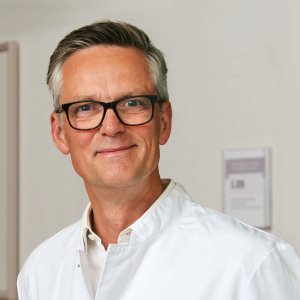
Wolfgang Schröder
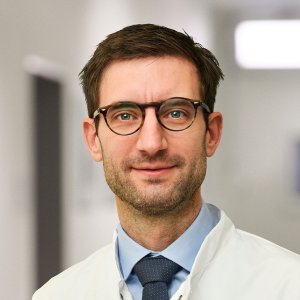
Florian Gebauer Chief Of General And Visceral Surgery
مشاركة المحتوى
قصص فيديو من مرضى Bookimed
 Anna Leonova
أسئلة متكررة حول علاج فتق الحجاب الحاجز في ألمانيا
ما هي الخيارات الجراحية الرئيسية التي تستخدمها العيادات الألمانية لإصلاح الفتق الحجابي؟
تتخصص العيادات الألمانية في الإصلاح بالمنظار عبر البطن للفتق الحجابي. يجمع الجراحون بين تضييق الفتحة الحجابية وإجراءات مضادة للارتجاع لعلاج كل من العيب التشريحي والارتجاع. تُستخدم تقنيات متخصصة مثل تثنية القاع بطريقة نيسن أو توبيه بناءً على حركية المريء لضمان الاستقرار على المدى الطويل.
- تثنية القاع: يقوم الجراحون بإجراء تثنية نيسن بزاوية 360 درجة أو توبيه بزاوية 270 درجة لإعادة بناء الصمام.
- تقنيات رأب الفتحة الحجابية: يتم شد أعمدة الحجاب الحاجز باستخدام خيوط غير قابلة للامتصاص أو تعزيز بشبكة متوافقة حيوياً.
- تثبيت المعدة: يتم تثبيت المعدة جراحياً بجدار البطن لمنع الهجرة المستقبلية.
- الأنظمة المساعدة بالروبوت: تستخدم مراكز مثل المركز الطبي في سولينغن دقة متقدمة للعمليات الجراحية المعقدة.
رؤية خبير Bookimed: تُظهر العيادات الألمانية مستوى عالٍ من التخصص الجراحي من خلال تصميم إجراءات مضادة للارتجاع لتناسب الحركية الفردية. بينما تستخدم العديد من المناطق نهجاً واحداً يناسب الجميع، تعتمد مؤسسات مثل مستشفى هيليوس الجامعي في فوبرتال على متخصصين مثل الدكتور فلوريان جيباور. تُظهر البيانات أن مطابقة درجات التثنية مع نتائج قياس الضغط تحسن بشكل كبير النتائج بعد الجراحة ووظيفة البلع.
إجماع المرضى: يؤكد المرضى على أهمية إجراء فحوصات شاملة قبل الجراحة لاتخاذ قرار بين التثنية الكاملة أو الجزئية. وغالباً ما يشيرون إلى أن اختيار جراح منظار ذو خبرة عالية هو العامل الأكثر أهمية للتعافي السلس.
ما هي المخاطر الرئيسية المرتبطة بجراحة الفتق الحجابي؟
تعتبر جراحة الفتق الحجابي في ألمانيا آمنة. تشمل المخاطر الأولية صعوبة مؤقتة في البلع ومتلازمة انتفاخ الغازات. يتعافى حوالي 95% من المرضى دون مضاعفات كبيرة. تستخدم المراكز الألمانية تقنيات تنظير البطن لتقليل النزيف. تظل احتمالية تكرار الفتق وإصابة الأعضاء العرضية احتمالات نادرة.
- مشاكل البلع: قد يسبب التورم بعد الجراحة عسر بلع مؤقت. عادة ما يزول هذا في غضون أسابيع.
- متلازمة انتفاخ الغازات: قد يشعر المرضى بالانتفاخ أو عدم القدرة على التجشؤ. هذا يؤثر على جودة الحياة.
- تكرار الفتق: الفتق الكبير أو رفع الأشياء الثقيلة قد يؤدي إلى فشل الإصلاح.
- إصابة الأعضاء: توجد مخاطر ضئيلة لتلف المريء أو العصب الحائر.
- استرواح الصدر: يقوم الجراحون بإدارة تسرب الهواء العرضي في تجويف الصدر أثناء الإجراء.
رؤية خبراء Bookimed: تعالج المؤسسات الطبية الألمانية مثل المركز الطبي في سولينغن أكثر من 60,000 مريض سنويًا. غالبًا ما ترتبط أحجام المرضى الكبيرة بنتائج أفضل في جراحة الأحشاء. يقود متخصصون مثل الدكتور فلوريان جيباور أقسامًا تركز على هذه الإصلاحات المعقدة في البطن. قد يؤدي اختيار مركز ذو حجم كبير إلى تقليل خطر حدوث ربط فضفاض أو ضيق للغاية.
إجماع المرضى: غالبًا ما يشير المرضى إلى أن صعوبة البلع هي التحدي الأكثر إلحاحًا. يؤكد الكثيرون أن اتباع قيود غذائية صارمة أثناء التعافي ضروري لمنع الانزعاج على المدى الطويل.
متى يوصي الأطباء الألمان بالجراحة بدلاً من تغيير نمط الحياة؟
يوصي الأطباء الألمان بالجراحة لفتق الحجاب الحاجز عندما تفشل العلاجات التحفظية في السيطرة على الارتجاع. يتم إعطاء الأولوية للجراحة إذا كشف التنظير عن تلف شديد في المريء أو مريء باريت. يُنصح بالتدخل الفوري لفتق الحجاب الحاجز المجاور للمريء بسبب مخاطر اختناق الأعضاء أو الانفتال. تشمل العتبات السريرية فقر الدم المستمر والشفط.
- فشل العلاج: يستمر الارتجاع بعد إكمال بروتوكولات قياسية لمدة 6 أشهر باستخدام مثبطات مضخة البروتون.
- شدة المضاعفات: تآكل المريء الشديد أو آفات كاميرون التي تسبب فقر الدم الناجم عن نقص الحديد.
- المخاطر الهيكلية: تحمل فتق الحجاب الحاجز الكبير مخاطر عالية لانحباس المعدة أو انسدادها.
- إشارات الشفط: يسلط السعال المزمن أو التهابات الرئة الضوء على الارتجاع الخطير إلى المسالك الهوائية.
رؤية خبير Bookimed: غالبًا ما تعطي المراكز الجراحية الألمانية الأولوية للمرافق ذات الحجم الكبير مثل المركز الطبي في سولينغن. تعالج هذه العيادة أكثر من 60,000 مريض كل عام في تخصصات متعددة. يتخصص الدكتور فلوريان جيباور والدكتور فولفغانغ شرودر في مستشفى هيليوس الجامعي في فوبرتال في هذه الإجراءات الحشوية. غالبًا ما تُظهر المراكز ذات الحجم الكبير نتائج أفضل في إصلاحات الحجاب الحاجز المعقدة. يجب على المرضى التأكد من أن جراحهم يقوم بهذه الإجراءات بالمنظار المحددة بشكل متكرر.
إجماع المرضى: يلاحظ المرضى أن الأطباء غالبًا ما يترددون في إجراء الجراحة إذا كانت الأعراض لا تزال قابلة للسيطرة بالأدوية. يؤكد الكثيرون أن الإثبات الموضوعي من اخ
ما هي مدة الإقامة في المستشفى ووقت التعافي الإجمالي بعد جراحة الفتق الحجابي في ألمانيا؟
تستغرق الإقامة في المستشفى في ألمانيا لجراحة الفتق الحجابي عادةً من يوم واحد إلى 3 أيام للإجراءات بالمنظار. يستغرق التعافي الكامل والشفاء الداخلي عمومًا من 4 إلى 6 أسابيع. قد يبقى المرضى الذين يحتاجون إلى جراحة مفتوحة من 5 إلى 7 أيام لضمان الشفاء المناسب لموقع الجراحة.
- العودة إلى المكتب: يعود المرضى الذين يعملون في وظائف مكتبية عادةً إلى العمل في غضون أسبوعين إلى 3 أسابيع.
- العمل البدني: تتطلب الوظائف الشاقة إجازة من 4 إلى 6 أسابيع لحماية البطن.
- الانتقال الغذائي: ينتقل المرضى من السوائل إلى الأطعمة اللينة خلال الأسابيع الأربعة الأولى.
- حدود الرفع: يقيد الجراحون رفع أكثر من 5 كيلوغرامات لمدة تصل إلى 3 أشهر بعد العملية.
رؤية خبير Bookimed: تؤكد المستشفيات الأكاديمية الألمانية مثل المركز الطبي في سولينغن على الحركة كأداة رئيسية للتعافي. بينما يتوقع الكثيرون الراحة في الفراش، يشجع الأطباء هناك على المشي في غضون ساعات من الجراحة. تستهدف هذه الممارسة بشكل خاص آلام الكتف الناتجة عن الغاز الجراحي المستخدم في تنظير البطن. غالبًا ما يقلل اتباع هذا البروتوكول من الحاجة إلى مسكنات الألم القوية قبل الخروج من المستشفى.
إجماع المرضى: يشير المرضى إلى أن التورم الداخلي يمكن أن يجعل شرب السوائل صعبًا بشكل مفاجئ في البداية. يوصي معظمهم بالمشي بشكل متكرر للتحكم في ضغط الغاز بدلاً من الاعتماد فقط على الراحة في المنزل.
هل يمكن أن تعود الفتق الحجابي بعد إصلاحه؟
يمكن أن تعود الفتق الحجابي بعد الإصلاح الجراحي. تشير البيانات الطبية إلى أن ما يصل إلى 50% من الإصلاحات تتكرر في النهاية. العديد من حالات التكرار صغيرة ولا تسبب أي أعراض. غالبًا ما تؤثر عوامل مثل الضغط المزمن، أو رفع الأثقال، أو ضعف الأنسجة الكامن على النتائج طويلة المدى في أقسام الجراحة الحشوية الألمانية.
- معدل التكرار: تظهر البيانات طويلة المدى معدل تكرار يصل إلى 50% لإصلاحات الفتق الحجابي.
- حالة الأعراض: العديد من حالات التكرار تشريحية ولا تسبب ألمًا أو ارتجاعًا.
- محفزات العلاج: عادة ما يتم حجز جراحة المراجعة للأعراض الشديدة أو مخاطر الاختناق.
- الأسباب الرئيسية: السعال المزمن، والسمنة، ورفع الأثقال غالبًا ما تضغط على الإصلاح الأصلي.
رؤية خبير Bookimed: تستقبل العيادات الألمانية مثل المركز الطبي في سولينغن أكثر من 60,000 مريض سنويًا. هذا الحجم ضروري للإجراءات الحشوية المعقدة. يركز متخصصون مثل الدكتور فلوريان جيباور في هيليوس فوبرتال على جراحة الجهاز الهضمي عالية الحجم. غالبًا ما يؤدي اختيار مثل هذه المراكز إلى متانة أفضل على المدى الطويل. اسأل جراحك دائمًا عن معدلات التكرار الشخصية الخاصة بهم قبل الإجراء.
إجماع المرضى: يحذر المرضى من أن عودة الأعراض لا تتطابق دائمًا مع نتائج الفحص. يؤكد الكثيرون على حماية الإصلاح من خلال تجنب الإجهاد أو رفع الأثقال بصرامة خلال أشهر الشفاء الأولى.
ما هو نوع النظام الغذائي المطلوب بعد جراحة الفتق الحجابي؟
يتبع المرضى خطة غذائية متدرجة من أربعة إلى ستة أسابيع بعد جراحة الفتق الحجابي. تبدأ بسوائل صافية وتنتقل إلى الأطعمة اللينة. يسمح هذا التقدم بتراجع التورم الداخلي ويحمي الغلاف الجراحي. تجنب المشروبات الغازية والأطعمة المسببة للغازات ضروري للتعافي الآمن.
- المرحلة الأولى: سوائل مثل المرق الصافي وعصير التفاح تبدأ في اليوم الأول.
- المرحلة الثانية: يتم إدخال الأطعمة المهروسة والحساء الناعم في الأسابيع من 2 إلى 3.
- تغييرات العادات: تناول 5 إلى 6 وجبات صغيرة يمنع ضغط المعدة والألم.
- قيود الطعام: يجب تجنب اللحوم الجافة والخبز الطازج لمنع الانحشار.
رؤية خبير Bookimed: تعالج المستشفيات الأكاديمية الألمانية مثل المركز الطبي في سولينجن أكثر من 60,000 مريض سنويًا بتخصص عالٍ. تظهر البيانات أن كبار الجراحين مثل الدكتور فلوريان جيباور يؤكدون على استهلاك الوجبات ببطء على مدار 45 دقيقة. تحافظ المؤسسات الأكبر على النجاح باستخدام مراقبة ما بعد الجراحة الموحدة للعلامات المبكرة لعسر البلع.
إجماع المرضى: يجد العديد من المرضى أن إضافة المرق أو الزبدة يساعد الطعام على الانزلاق بسهولة أكبر. يؤكد معظمهم أن الشعور بالشبع يحدث بسرعة كبيرة وأن الإفراط في الأكل يسبب انزعاجًا كبيرًا أو رغبة في التقيؤ.
ما هي المستشفيات في ألمانيا التي تحظى بأعلى التقييمات في جراحة الأعصاب؟
تضم ألمانيا بعضًا من أرقى أقسام جراحة الأعصاب في العالم، بقيادة مستشفى شاريتيه الجامعي في برلين ومستشفى جامعة هايدلبرغ. وتتميز هذه المراكز بخبرتها الواسعة في علاج أورام الدماغ المعقدة وأمراض الأوعية الدموية الدماغية. ولتحقيق أقصى قدر من الفعالية في عملياتها، تستخدم هذه المراكز أحدث التقنيات، مثل التصوير بالرنين المغناطيسي أثناء الجراحة والتوجيه العصبي بمساعدة الحاسوب.
- مستشفى شاريتيه برلين: يُجري أكثر من 5000 عملية جراحية سنوياً. ويرأس العيادة جراح الأعصاب الشهير الدكتور بيتر فايكوتشي.
- المركز الطبي في سولينجن: أجرى الدكتور رالف بوهل أكثر من 4000 عملية جراحية، بما في ذلك جراحات العمود الفقري طفيفة التوغل.
- عيادة أسكليبيوس نورد: مجهزة بنظام التصوير بالرنين المغناطيسي الثنائي الوحيد في ألمانيا أثناء الجراحة لضمان الدقة الجراحية في الوقت الحقيقي أثناء إزالة الورم.
- عيادة نوردويست: تم الاعتراف بها من قبل مجلة نيوزويك كمستشفى رائد في مجال الابتكار في تكنولوجيا الموجات فوق الصوتية ثلاثية الأبعاد.
رأي خبراء بوكيمد: تشير البيانات إلى أن اختيار المراكز ذات الحجم الجراحي الكبير غالبًا ما يؤدي إلى توصيات علاجية أكثر تحفظًا. ففي مركز سولينجن الطبي، الذي يعالج أكثر من 60,000 مريض
ما هي نسب نجاح العمليات الجراحية العصبية المعقدة في ألمانيا؟
في ألمانيا، تتميز العمليات الجراحية العصبية بالغة التعقيد بمستوى أمان استثنائي. تصل نسبة نجاح عمليات دمج الفقرات إلى 99%، بينما تبلغ نسبة النجاة بعد استئصال أورام الدماغ الأولية 97%. كما يتمتع المرضى بقدرة عالية على الاعتماد على أنفسهم في أداء وظائفهم اليومية، حيث يغادر أكثر من 82% منهم المستشفى مباشرةً بعد العلاج. وتولي المراكز الألمانية اهتماماً بالغاً بالحفاظ على الوظائف العصبية باستخدام أحدث تقنيات التخطيط العصبي.
- استئصال الورم: يحقق الجراحون استئصالًا كاملاً للورم في 87.2% من حالات النقائل الدماغية.
- النجاح في علاج أمراض الأوعية الدموية: أفادت المستشفيات الألمانية بنسبة نجاة بلغت 98.7% لحالات تمدد الأوعية الدموية غير الممزقة.
- تحسن الحالة العصبية: يشهد ما يقرب من 43% من المرضى تحسناً في المعايير الوظيفية بعد عمليات الاستئصال المعقدة.
- سلامة التدخلات الجراحية: في المراكز الجراحية الكبيرة، تتراوح معدلات بقاء المرضى على قيد الحياة بعد جراحة العمود الفقري بين 98-99%.
رأي خبراء بوكيمد: يُجري جراحون ذوو خبرة، مثل الدكتور أوفه كولر من عيادة أسكليبيوس ألتونا، أكثر من 2000 عملية جراحية سنويًا. تُشير البيانات إلى أن هؤلاء المتخصصين يحافظون على معدلات نجاح تصل إلى 90%، حتى
ما هي التقنيات المتقدمة المتوفرة عادةً في عيادات جراحة الأعصاب الألمانية؟
تُدخل عيادات جراحة الأعصاب الألمانية بانتظام أدوات رقمية عالية الدقة وتقنيات تصوير فوري في الممارسة الجراحية. تشمل التقنيات الرئيسية الملاحة العصبية الحاسوبية لجراحات الدماغ والحبل الشوكي. تستخدم مؤسسات مثل عيادة أسكليبيوس نورد التصوير بالرنين المغناطيسي أثناء الجراحة للتحقق من استئصال الورم في الوقت الفعلي. توفر هذه الأنظمة للجراحين نظام ملاحة ثلاثي الأبعاد.
- الملاحة العصبية: توفر تصورًا ثلاثي الأبعاد وتتبعًا فوريًا للأدوات لتحقيق دقة جراحية تصل إلى مستوى أقل من المليمتر.
- التصوير أثناء العملية: تسمح أنظمة مثل التصوير بالرنين المغناطيسي أثناء العملية (iMRI) والتصوير المقطعي المحوسب ذي الذراع O (O-arm CT) بالتأكيد الفوري على نجاح عملية الاستئصال.
- المراقبة العصبية: تراقب الوظائف الحركية والحسية أثناء الجراحة لحماية الجهاز العصبي.
- التشخيص الفلوري: يتم استخدام صبغة 5-ALA لتسليط الضوء على حدود الورم من أجل إزالته بشكل أكثر اكتمالاً.
- المساعدة الروبوتية: تعمل أنظمة مثل نظام دافنشي على تحسين الدقة في الإجراءات المعقدة ذات التدخل الجراحي البسيط.
رأي خبراء بوكيمد: تُجري مراكز طبية كبيرة، مثل مستشفى شاريتيه الج
ما هي التدريبات المتخصصة التي يتلقاها جراحو الأعصاب الممارسون في ألمانيا؟
في ألمانيا، يتعين على جراحي الأعصاب إكمال برنامج إقامة تخصصي لمدة ست سنوات بعد التخرج من كلية الطب. يشمل هذا البرنامج المنظم العناية المركزة، والتدريب السريري، وكتابة مقالات في مجلة جراحية إلزامية. بعد ذلك، يجتاز المرشحون امتحانًا حكوميًا للحصول على لقب طبيب مقيم (Facharzt für Neurochirurgie).
- الإقامة السريرية: تتطلب من 48 إلى 72 شهرًا من الممارسة المتخصصة في جراحة الأعصاب.
- العناية المركزة: تتضمن فترة تدريب إلزامية لمدة 6 أشهر في وحدة العناية المركزة لجراحة الأعصاب.
- المجلة الجراحية: يوثق الجراحون مئات العمليات الجراحية، بما في ذلك عمليات فتح الجمجمة وجراحات العمود الفقري.
- امتحان الترخيص: يجب على المتقدمين اجتياز امتحان طبي شفوي وعملي تديره الدولة.
رأي خبراء بوكيميد: يركز التدريب الألماني في جراحة الأعصاب على الخبرة الجراحية الواسعة. فعلى سبيل المثال، أجرى الدكتور رالف بول من المركز الطبي في سولينجن أكثر من 4000 عملية جراحية. ويتمتع الدكتور يورغن كيويت من مستشفى ميوكلينيك بخبرة تزيد عن 25 عامًا. يضمن هذا النظام الدقيق أن يتعامل المتخصصون في المراكز الكبرى مع الحالات المعقدة بدقة مثبتة.
آراء المرضى: يشع