عيادات استئصال البروستاتا عبر الاحليل (TURP) في كوريا الجنوبية


تمت مراجعة المقالة طبيا من قبل
فهد مولود
ما هي تكلفة استئصال البروستاتا عبر الاحليل (TURP) في كوريا الجنوبية؟ اكتشف الآن
من $4,500. يعتمد السعر النهائي على تقنية الجراحة المستخدمة، ومستوى المستشفى، ومدة الإقامة المطلوبة. تشمل الباقات القياسية عادة الفحوصات المخبرية قبل الجراحة، والتخدير، والعملية، والإقامة في المشفى لمدة تصل إلى ثلاثة أيام.
- تقنيات الليزر: تزيد تكلفتها غالباً بنسبة 10-15 % عن الاستئصال الكهربائي التقليدي، وذلك لتقليل النزيف.
- موقع المستشفى: تعد سيول وإنشيون وسونغنام مراكز طبية رئيسية تقدم رعاية متطورة في مجال المسالك البولية.
- مستوى المنشأة: قد تكون الأسعار في سيول أعلى قليلاً بسبب تركز الخدمات الطبية التخصصية فيها.
- رسوم التقنية: تضاف تكلفة أنظمة الليزر المتقدمة أو أنظمة ثنائية القطب إلى رسوم الجراحة الأساسية.
رأي خبراء Bookimed: يوفر اختيار مستشفى جامعة سيول الوطنية بوندانغ (SNUBH) الرائد تقنياً مستويات أمان عالية. يعمل نظام BESTcare الخاص بهم بفاعلية على منع الأخطاء الطبية خلال عمليات المسالك البولية المعقدة. أما مركز سامسونج الطبي، فيجري أكثر من 45,000 عملية سنوياً. يتولى خبراء مثل تشوي هان يونغ قيادة قسم المسالك البولية هناك. يضمن هذا الحجم الكبير من العمليات الجراحية نتائج مستقرة للمرضى الدوليين.
| كوريا الجنوبية | تركيا | إسبانيا | |
|---|---|---|---|
| استئصال البروستاتا عبر الاحليل (TURP) | من $4,500 | من $4,000 | من $6,700 |
مزاياك وضماناتك مع Bookimed
أسعار مباشرة
Bookimed لا يضيف رسوماً إضافية على أسعار استئصال البروستاتا عبر الاحليل (TURP). الأسعار مأخوذة من قوائم الأسعار الرسمية للعيادات. تدفع مباشرة في العيادة مقابل استئصال البروستاتا عبر الاحليل (TURP) عند وصولك.
عيادات وأطباء معتمدون فقط
Bookimed ملتزم بسلامتك. نحن نعمل فقط مع المؤسسات الطبية التي تحافظ على معايير دولية عالية في استئصال البروستاتا عبر الاحليل (TURP) ولديها التراخيص اللازمة لخدمة المرضى الدوليين في جميع أنحاء العالم.
مساعدة مجانية على مدار الساعة
Bookimed يقدم مساعدة خبراء مجانية. منسق طبي شخصي يدعمك قبل وأثناء وبعد العلاج، ويحل أي مشاكل. لن تكون وحيداً أبداً في رحلة استئصال البروستاتا عبر الاحليل (TURP).

منسقك الطبي الشخصي في Bookimed
- يدعمك في كل مرحلة
- المساعدة في اختيار العيادة الطبية المناسبة والطبيب المناسب
- يضمن الوصول السريع والمريح إلى المعلومات
اكتشف أفضل استئصال البروستاتا عبر الاحليل (TURP) العيادات في كوريا الجنوبية: 6 خيارات معتمدة والأسعار












نظرة عامة على استئصال البروستاتا عبر الاحليل (TURP) في كوريا الجنوبية
- استئصال البروستاتا - من $12,500
تتضمن العملية استئصال غدة البروستاتا لعلاج سرطان البروستاتا ، مما يؤدي إلى تقليل انتشار الورم.
- استئصال البروستاتا بوساطة روبوت دا فينشي - من $18,000
العملية هي تقنية طفيفة التوغل لإزالة البروستاتا ، باستخدام روبوت للدقة وتقليل وقت الشفاء.
- استئصال البروستاتا عبر الاحليل (TURP) - من $4,500
تزيل العملية أجزاء من البروستاتا عبر مجرى البول ، مما يسهل تدفق البول. إنه أقل توغلًا ويوفر تعافيًا أسرع.
- استئصال البروستاتا بالمنظار - من $11,000
الإجراء يزيل غدة البروستاتا عبر فتحات جراحية صغيرة. إنها عملية طفيفة التوغل ، مما يوفر تعافيًا أسرع.
اليوم 1
- الوصول إلى البلاد والانتقال إلى الفندق.
- استرح وتكيف مع البيئة الجديدة.
اليوم الثاني
- الانتقال من الفندق إلى العيادة.
- التشاور مع طبيب المسالك البولية حول الإجراء.
- استكمال الفحوصات الطبية قبل العملية.
يوم 3
- إجراءات إضافية إذا لزم الأمر بناءً على نتائج الفحوصات الطبية.
- التحضير لإجراء TURP.
اليوم الرابع
- اخضع لعملية استئصال البروستاتا عبر الإحليل تحت تأثير التخدير العام.
- تستغرق العملية حوالي ساعة إلى ساعتين.
يوم 5-7
- الاستشفاء لرعاية ومراقبة ما بعد الجراحة.
- يتم تقديم المساعدة اللغوية طوال فترة الإقامة في المستشفى.
الأسبوع 2
- الخروج من المستشفى والانتقال إلى الفندق.
- استرح وابدأ أنشطة بدنية لطيفة.
الأسبوع 3-4
- العودة التدريجية إلى الأنشطة العادية باستثناء التمارين الرياضية الشاقة.
- استشارة متابعة مع طبيب المسالك البولية.
الأسبوع 5-6
- العودة إلى العمل والأنشطة العادية الأخرى.
- استمر في الامتناع عن التمارين الشاقة.
الأسبوع السابع
- العودة إلى جميع الأنشطة بما في ذلك الرياضة.
- النتيجة النهائية لإجراء TURP مرئية.
ملاحظة: قد يختلف وقت الشفاء لكل مريض حسب الظروف الفردية.
- إيداع Bookimed: 200 دولار أو 200 يورو.
- وديعة العيادة: ادفع نسبة محددة مقدمًا.
احصل على تقييم طبي لـ استئصال البروستاتا عبر الاحليل (TURP) في كوريا الجنوبية: اختر أخصائيك من بين الأفضل في هذا المجال
عرض جميع الأطباء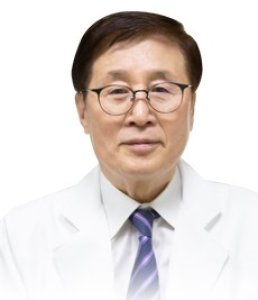
Lee Chunyong
الدكتور لي تشونيونغ طبيب مسالك بولية حاصل على دكتوراه في الطب من كلية الطب بجامعة هانيانغ. يتركز عمله السريري على حصى الكلى والمسالك البولية، بما في ذلك تفتيت الحصى بالموجات الصادمة خارج الجسم (ESWL)، وأمراض البروستات (تضخّم البروستات الحميد BPH، سرطان البروستات، التهاب البروستات)، والضعف الجنسي، وقطع القناة المنوية، والتهاب المثانة، وسلس البول، واضطرابات التبوّل.
شغل منصب مدير مستشفى جامعة هانيانغ. وكان أستاذًا ورئيس قسم المسالك البولية بكلية الطب في جامعة هانيانغ. وتولّى رئاسة الجمعي

Choi Han Yong
رئيس قسم المسالك البولية في سامسونج – الدكتور تشوي متخصص في جراحات المسالك البولية في أحد أفضل المراكز الطبية في كوريا.
- جراح أورام يتمتع بخبرة واسعة في إجراءات البروستاتا
- يرأس قسم مسالك بولية مرموق في مركز سامسونج الطبي
- يركز على الدقة الجراحية ونتائج المرضى
قصص فيديو من مرضى Bookimed
المراجعات
جميع المراجعاتمشاركة المحتوى
 Anna Leonova
حقائق سريعة عن استئصال البروستاتا عبر الاحليل (TURP)
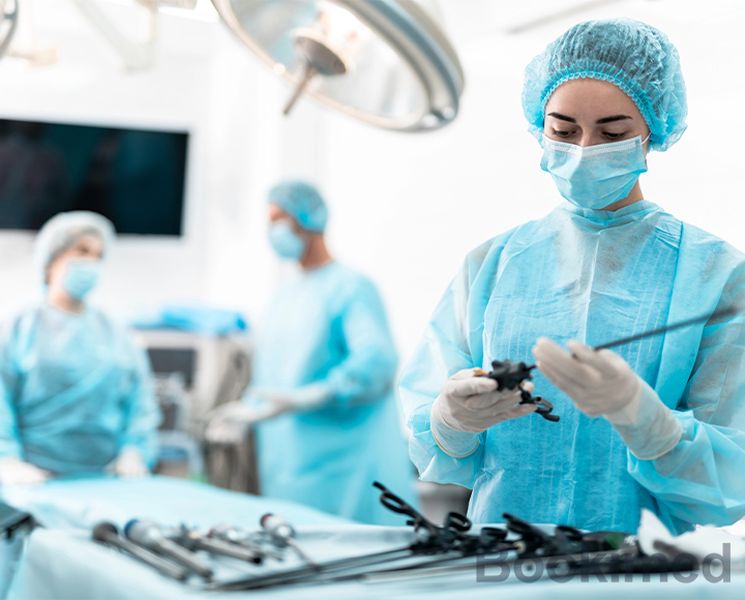
استئصال البروستاتا عبر الإحليل (TURP)
تتضمن جراحة البروستاتا هذه استئصال أجزاء من غدة البروستاتا لعلاج مشاكل التبول الناتجة عن تضخم البروستاتا.
أسئلة متكررة حول استئصال البروستاتا عبر الاحليل (TURP) في كوريا الجنوبية
لماذا تعتبر كوريا الجنوبية واحدة من أفضل الأماكن لإجراء عملية استئصال البروستاتا عبر الإحليل (TURP)؟
تُعدّ كوريا الجنوبية مركزاً رائداً في استئصال البروستاتا عبر الإحليل بفضل تقنية الليزر عالية الدقة وأطباء المسالك البولية ذوي الكفاءة العالية. ويستفيد المرضى من تقنيات الليزر ثنائية القطب المتقدمة التي تُقلّل النزيف وتُقصّر مدة القسطرة في أفضل المرافق الطبية في سيول.
- التكنولوجيا المتقدمة: تستخدم العيادات أنظمة الطاقة ثنائية القطب والليزر، مثل HoLEP، لتسريع عملية الشفاء.
- جراحون ذوو خبرة: يقوم أطباء المسالك البولية الرائدون بإجراء آلاف العمليات الجراحية كل عام، مما يضمن أعلى مستوى من التميز الجراحي.
- الجدولة السريعة: تسمح نماذج التشغيل الفعالة للمستشفيات للمرضى ببدء العلاج في غضون أيام من وصولهم.
- الاعتماد في مجال السلامة: مرافق التصنيع حاصلة على شهادات من اللجنة الدولية المشتركة (JCI) و KOIHA لضمان الجودة.
رأي خبراء بوكيمد: بينما تُقدّم العديد من الدول عملية استئصال البروستاتا عبر الإحليل (TURP) الأساسية، تتخصص مستشفيات سيول، مثل مركز سامسونج الطبي ومستشفى سيفرانس، في إجراء عدد كبير من العمليات الجراحية الروبوتية والرقمية. تُظهر بياناتنا أن هذه العيادات تُعالج ملايين المرضى سنويًا، مما يسمح لها بخفض التكاليف مع الحفاظ على أعلى معايير الجودة. يُمكّنها هذا الحجم من الع
هل توجد أي مستشفيات في كوريا الجنوبية تجري عمليات استئصال البروستاتا عبر الإحليل (TURP) وتتحدث اللغة الإنجليزية؟
تُقدّم مستشفيات رئيسية في كوريا الجنوبية مراكز طبية دولية متخصصة تضمّ منسقين ناطقين باللغة الإنجليزية، وتُوفّر وثائق طبية باللغة الإنجليزية لإجراء عملية استئصال البروستاتا عبر الإحليل (TURP). ويُعتبر كلٌّ من مركز سامسونج الطبي، ومستشفى سيفرانس، ومركز أسان الطبي معتمدين من قِبل اللجنة الدولية المشتركة (JCI) أو المنظمة الدولية للمعايير (ISO)، ويُقدّمون دعمًا متخصصًا للمرضى الدوليين الذين يخضعون لجراحة البروستاتا.
- المكاتب الدولية: يقدم فريق عمل متخصص المساعدة في ترتيبات السفر، وتنسيق التأمين، والوثائق الطبية باللغة الإنجليزية.
- الخبرة الجراحية: يقدم أخصائيون مثل الدكتور تشوي هان يون من مركز سامسونج الطبي رعاية مسالك بولية عالية الجودة.
- اعتماد المستشفيات: المراكز الرائدة حاصلة على شهادة ISO أو KOIHA، مما يضمن الامتثال لمعايير السلامة الدولية.
- الوصول إلى الدعم: تقدم منظمة Global Wings دعمًا هاتفيًا طارئًا على مدار الساعة طوال أيام الأسبوع ومساعدة في الحصول على التأشيرة للأجانب.
رأي خبراء بوكيمد: بينما تخدم المستشفيات الجامعية مثل مستشفى سيفرانس ملايين المرضى، توفر العيادات الصغيرة في منطقة غانغنام عادةً وصولاً أسرع إلى الرعاية الطبية. في المراكز الكبيرة، قد تصل مدة الان