عيادات ربط سني في كوريا الجنوبية


تمت مراجعة المقالة طبيا من قبل
فهد مولود
ما هي تكلفة ربط سني في كوريا الجنوبية؟ اكتشف الآن
من $110. يعتمد السعر الإجمالي على عدد الأسنان المعالجة، وجودة المواد، وموقع العيادة. تشمل معظم العيادات رسوم الاستشارة وتحديد درجة لون الأسنان ضمن سعر الترميم الأولي.
- إصلاح الشقوق البسيطة: تعتمد التكاليف عادةً على مساحة السطح ومدى تعقيد إعادة بناء المينا.
- إغلاق الفراغات (الدياستيما): عادة ما تكون تكلفة ملء الفراغات بين الأسنان أعلى من البوندنج العادي للشقوق الصغيرة.
- المناطق المتميزة: غالباً ما تكون الإجراءات في مراكز سيول مثل جانجام أغلى بنسبة 15-20% مقارنة بالمناطق الأخرى.
- ترقية المواد: يؤدي التحول إلى التركيبات الخزفية بدلاً من الراتنج المركب إلى زيادة المتانة والتكلفة بشكل ملحوظ.
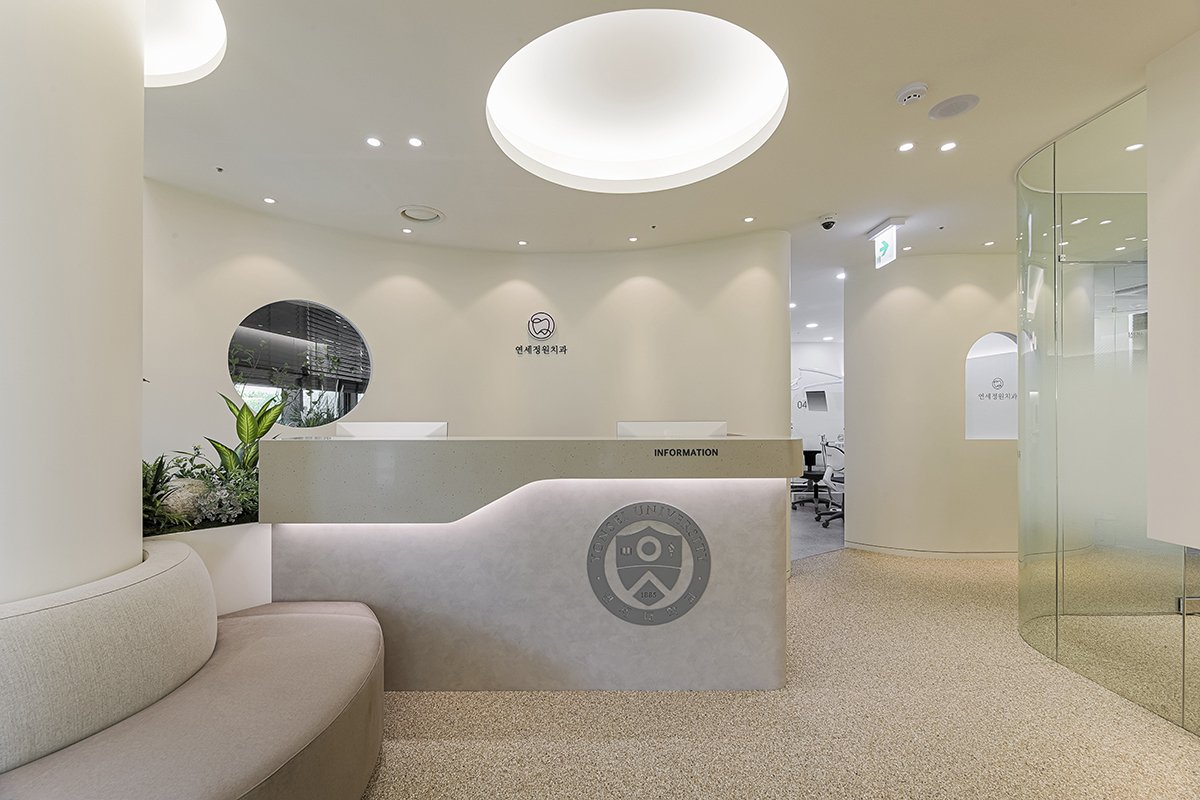
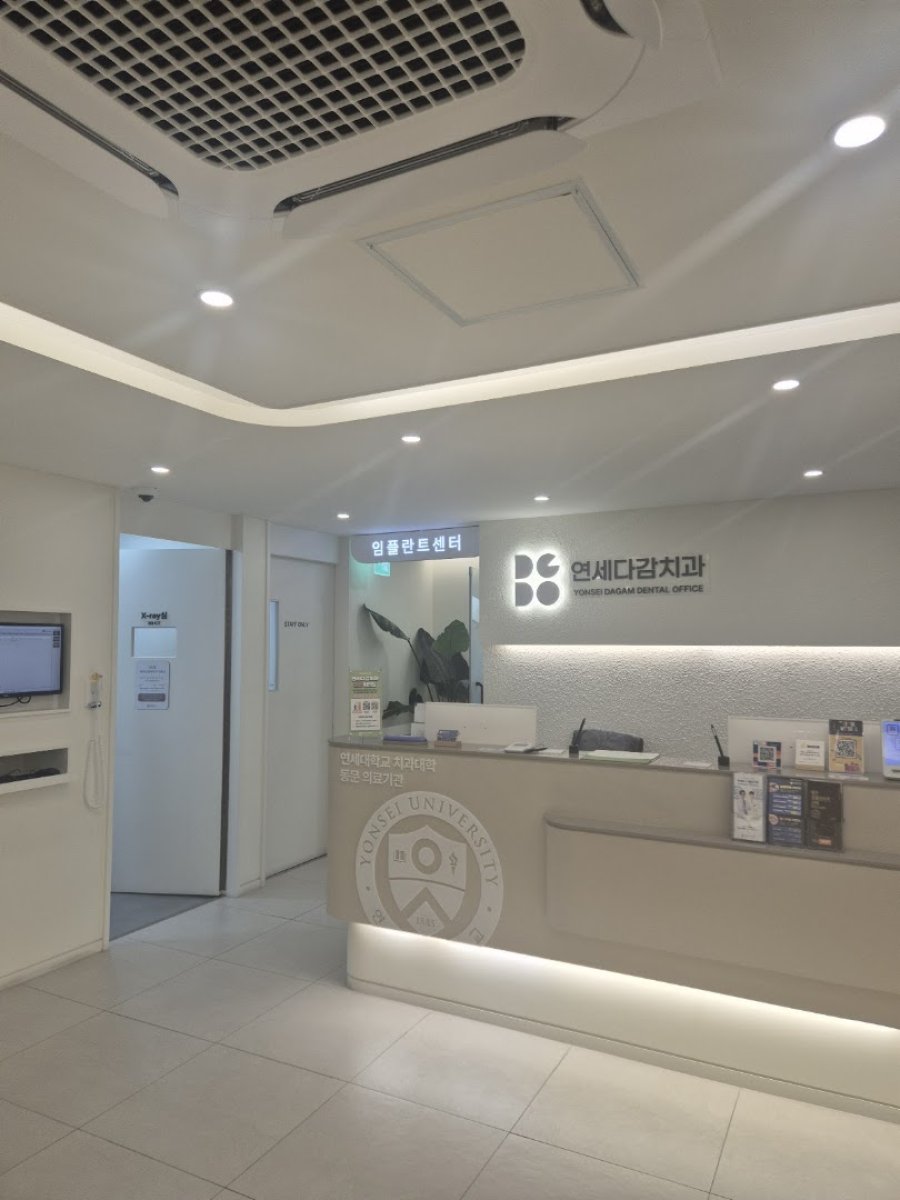
رأي خبراء Bookimed: يتيح اختيار مراكز متخصصة في سيول أو إنتشون الوصول إلى خبراء ذوي خبرة واسعة. أجرى دكتور كانغ إنوون أكثر من 80,000 إجراء، مما يضمن دقة عالية في المظهر الجمالي. وبينما تستخدم العيادات المتميزة مثل مستشفى جامعة سيول الوطنية بوندانغ تصويراً رقمياً متطوراً، تقدم العيادات الأصغر مثل عيادة يونسي جي دبليو لطب الأسنان قيمة تنافسية باستخدام مواد Straumann الأصلية للاحتياجات المختلفة.
مزاياك وضماناتك مع Bookimed
أسعار مباشرة
Bookimed لا يضيف رسوماً إضافية على أسعار ربط سني. الأسعار مأخوذة من قوائم الأسعار الرسمية للعيادات. تدفع مباشرة في العيادة مقابل ربط سني عند وصولك.
عيادات وأطباء معتمدون فقط
Bookimed ملتزم بسلامتك. نحن نعمل فقط مع المؤسسات الطبية التي تحافظ على معايير دولية عالية في ربط سني ولديها التراخيص اللازمة لخدمة المرضى الدوليين في جميع أنحاء العالم.
مساعدة مجانية على مدار الساعة
Bookimed يقدم مساعدة خبراء مجانية. منسق طبي شخصي يدعمك قبل وأثناء وبعد العلاج، ويحل أي مشاكل. لن تكون وحيداً أبداً في رحلة ربط سني.

منسقك الطبي الشخصي في Bookimed
- يدعمك في كل مرحلة
- المساعدة في اختيار العيادة الطبية المناسبة والطبيب المناسب
- يضمن الوصول السريع والمريح إلى المعلومات
اكتشف أفضل ربط سني العيادات في كوريا الجنوبية: 5 خيارات معتمدة والأسعار



نظرة عامة على ربط سني في كوريا الجنوبية
- ربط سني - من $110
يقوم هذا العلاج بإصلاح الأسنان التالفة باستخدام مادة صمغية بلون الأسنان ، مما يعزز المظهر ويمنع المزيد من التسوس.
- إعادة تشكيل الأسنان - من $250
يعيد الإجراء تشكيل الأسنان للحصول على مظهر أفضل وقضم أفضل ، عن طريق إزالة كميات صغيرة من المينا.
- ترابط الأسنان - من $120
يصحح هذا العلاج عيوب الأسنان باستخدام الراتنج ، ويحسن جماليات الابتسامة ، ويوفر حلًا سهلًا وسريعًا.
اليوم 1
- وصوله الى البلاد.
- الانتقال إلى فندق 5 نجوم للإقامة.
اليوم الثاني
- استشارة طبيب أسنان في المستشفى.
- الفحوصات الطبية إذا كانت ضرورية.
يوم 3
- التحضير لعملية ترميم الأسنان.
- إدارة التخدير الموضعي.
اليوم الرابع
- تستغرق عملية ترميم الأسنان (الترابط) حوالي ساعة إلى ساعتين.
- مراقبة ما بعد العملية في العيادة.
يوم 5
- استشارة ما بعد الجراحة مع طبيب الأسنان.
- يتم إعطاء تعليمات حول العناية بالفم والنظام الغذائي.
الأسبوع 1
- الحفاظ على نظافة الفم بانتظام.
- تجنب الأطعمة الصلبة واللزجة والملونة.
الأسبوع 2
- استمر في روتين العناية بالفم الموصى به.
- العودة إلى العمل والأنشطة العادية الأخرى.
يرجى ملاحظة أن كل حالة فردية وقد تختلف التفاصيل المحددة.
ماذا يحب المرضى:
- يكلف. تتراوح تكلفة ترميم الأسنان (الربط) في جمهورية كوريا من 200 دولار إلى 600 دولار. بالمقارنة مع متوسط التكلفة من 500 دولار إلى 1500 دولار في الولايات المتحدة ، فهو ميسور التكلفة للغاية.
- احتراف الأطباء . يقدر المرضى المستوى العالي من الخبرة التي أظهرها أطباء الأسنان الكوريون. العديد منهم أعضاء في جمعية طب الأسنان الكورية ، مما يضمن جودة الرعاية.
- مستوى الخدمة. تمت الإشادة بخدمة العملاء الاستثنائية في عيادات الأسنان الكورية. غالبًا ما يكون الموظفون متعددو اللغات ، ويقدمون خدماتهم للمرضى الدوليين.
- فعالية ترميم الأسنان (الترابط). غالبًا ما تؤدي التقنيات الحديثة والمواد المتقدمة المستخدمة في كوريا إلى ترميمات ناجحة وطويلة الأمد.
- الخدمات اللوجستية. تقع العديد من العيادات بالقرب من المدن الكبرى ، مما يسهل الوصول إليها للمرضى المحليين والدوليين.
ما لا يحبه المرضى:
- يجد المرضى أحيانًا صعوبة في الاتصال ، خاصة في العيادات المحلية الأصغر.
- في حين أن التكلفة أقل بشكل عام ، فقد أبلغ بعض المرضى عن رسوم خفية أو تكاليف غير متوقعة.
- على الرغم من ندرته ، فقد عانى بعض المرضى من فترات انتظار أطول بسبب ارتفاع الطلب على خدمات طب الأسنان في كوريا.
- إيداع Bookimed: 200 دولار أو 200 يورو.
- وديعة العيادة: ادفع نسبة محددة مقدمًا.
احصل على تقييم طبي لـ ربط سني في كوريا الجنوبية. استشر الآن 7 أطباء ذوي الخبرة.
عرض جميع الأطباء
Ji Ho Ahn
الدكتور جي هو آهن هو أخصائي تعويضات سنية في عيادة يونسي جي دبليو للأسنان في سيول. وهو حاصل على درجة الدكتوراه من جامعة سيول الوطنية، وهي المؤسسة الأكثر شهرة في كوريا الجنوبية. تخرج الدكتور آهن من جامعة بنسلفانيا وهو يجيد اللغة الإنجليزية. وهو متخصص في زراعة الأسنان من نوع Straumann وترميم الأسنان التجميلي.
- أكمل إقامة تخصصية في مستشفى الأسنان بجامعة سيول الوطنية.
- يجري عمليات زراعة الأسنان بتقنيتي All-on-4 و All-on-6 بالإضافة إلى عمليات تطعيم العظام المعقدة.
- يقدم علاج
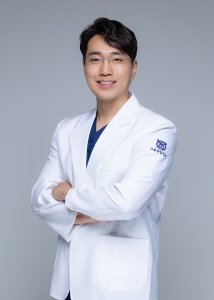
Kim Geun-il
الدكتور كيم غُن-إيل اختصاصي في طب الأسنان المتكامل ومدير عيادة زراعة الأسنان. تخرّج في كلية طب الأسنان بجامعة سيول الوطنية، وأتمّ برنامج الإقامة في مستشفى طب الأسنان التابع للجامعة. يحمل اعتماد وزارة الصحة والرعاية الاجتماعية كاختصاصي في زراعة الأسنان.
هو عضو معتمد في الأكاديمية الكورية لطب زراعة الأسنان، وعضو في جمعية طب الأسنان الكورية، والأكاديمية الكورية لجراحة الفم والوجه والفكين، وجمعية جرّاحي الفم والوجه والفكين الكورية، والأكاديمية الكورية لطب اللثة، والجمعية الكورية لطب الأسنا
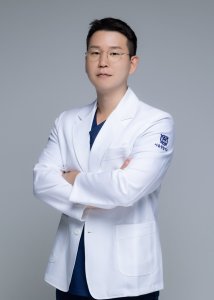
Kwon Jae-won
أخصائي في طب الأسنان المتكامل – يركز الدكتور كوون جاي-وون على التشخيص الشامل والعلاج الضروري دون إجراءات غير ضرورية.
- تخرج بمرتبة الشرف من كلية طب الأسنان بجامعة سيول الوطنية
- أكمل الإقامة في مستشفى طب الأسنان بجامعة سيول الوطنية
- أخصائي في زراعة الأسنان معتمد من وزارة الصحة والرعاية الاجتماعية
- عضو في العديد من جمعيات طب الأسنان الكورية المرموقة
- مقدم معتمد لأنظمة زراعة الأسنان Osstem و MegaGen
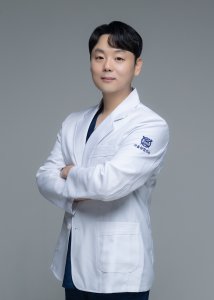
Lim Gi-hyeon
أخصائي معتمد في طب الأسنان المتكامل مع تدريب مكثف في مستشفى طب الأسنان بجامعة يونسي. يجمع الدكتور ليم بين الخبرة في جراحة الفم وتقنيات التجميل الدقيقة.
- خريج كلية طب الأسنان بجامعة يونسي - واحدة من أفضل كليات طب الأسنان في كوريا
- أخصائي معترف به في جراحة الوجه والفكين التجميلية والترميمية
- عضو دائم في الأكاديمية الكورية لطب الأسنان المتكامل
- عضو اللجنة الاستشارية السريرية لشركة Osstem Implant
قصص فيديو من مرضى Bookimed
المراجعات
جميع المراجعاتمشاركة المحتوى
 Anna Leonova
أسئلة متكررة حول ربط سني في كوريا الجنوبية
هل أحتاج إلى تأشيرة لكوريا الجنوبية؟
ما هو مستوى الطب في كوريا الجنوبية؟
الرعاية الصحية هي قطاع التنمية الرئيسي للحكومة الكورية. السلطات الكورية مقتنعة بأن رعاية صحة المواطنين يجب أن تكون أولوية غير مشروطة لسياسة الدولة ، وتنفق سنويًا حوالي مليار دولار لجذب السياح الطبيين.
وفقًا لمارك بريتنيل ، تهيمن المستشفيات على نظام الرعاية الصحية. 94٪ من المستشفيات مملوكة للقطاع الخاص.
ما هي أشهر جراحات التجميل؟
وفقًا لإحصاءات ASPS ، تم إجراء 17.7 مليون عملية تجميل و 5.8 مليون عملية ترميمية في عام 2018. تشمل الإجراءات التجميلية الأكثر شيوعًا ما يلي:
- تكبير الثدي
- شفط الدهون
- عملية تجميل الأنف
- جراحة الجفن
- شد البطن.
تعد إزالة الورم ، والتئام الدموع ، وجراحة الوجه والفكين ، ومراجعة الندبات ، وجراحة اليد من أكثر العمليات شيوعًا في سياق الجراحة الترميمية.
ما هي المستندات المطلوبة لتقديم طلب تأشيرة لكوريا الجنوبية للعلاج؟
تتطلب تأشيرات السفر إلى كوريا الجنوبية عددًا من المستندات . يمكن تقديم الأوراق اللازمة قبل 90 يومًا من المغادرة المخطط لها. قائمة الوثائق تشمل:
- بطاقة الهوية
- تأكيد التسجيل عبر الإنترنت وملء الاستبيان
- شهادة الدخل وتوافر الأموال
- بوليصة تأمين للإقامة في كوريا الجنوبية (أصلية ونسخة)
- صورتان (5x6)
- الحصول على تأشيرة
- حجز الطيران والفنادق
- رأي الطبيب في الحاجة للعلاج.
ما الذي تريد معرفته عن كوريا الجنوبية قبل السفر؟
عملة | وون كوري جنوبي (الدفع مقابل الخدمات ممكن أيضًا بالدولار) |
أفضل فترة للسفر | أبريل ومايو ويونيو أو سبتمبر وأكتوبر ونوفمبر. |
لغة | الكورية (معظم الطاقم الطبي يتحدث الإنجليزية بطلاقة) |
تأشيرة | غير مطلوب للإقامة لمدة تصل إلى 90 يومًا أو أقل |
فارق التوقيت مع أوروبا | الساعة 9 |
فارق التوقيت من الولايات المتحدة الأمريكية | الساعة 9 |
عاصمة | سيول |
في كوريا الجنوبية ، توجد فنادق ذات نطاقات أسعار ومستويات خدمة مختلفة. يختار معظم السياح فنادق 4 و 5 نجوم مع وجبات شاملة كليًا. تحتوي هذه الفنادق على كل شيء لإقامة مريحة: طعام متنوع ، منطقة كبيرة جيدة الإعداد ، رسوم متحركة للأطفال والكبار. تحتوي بعض الفنادق على حديقة مائية خاصة بها ، والتي يمكن للضيوف استخدامها مجانًا. يمكن للمسافرين ذوي الميزانية المحدودة حجز فندق اقتصادي من فئة 3 نجوم مع إقامة مع وجبتي طعام أو بدون وجبات على الإطلاق. |