علاج الشعر بالخلايا الجذعية في كوريا الجنوبية — احصل على 3 عيادات مطابقة مع التكاليف


تمت مراجعة المقالة طبيا من قبل
فهد مولود
ما هي تكلفة علاج الشعر بالخلايا الجذعية في كوريا الجنوبية؟ اكتشف الآن
مزاياك وضماناتك مع Bookimed
أسعار مباشرة
Bookimed لا يضيف رسوماً إضافية على أسعار علاج الشعر بالخلايا الجذعية. الأسعار مأخوذة من قوائم الأسعار الرسمية للعيادات. تدفع مباشرة في العيادة مقابل علاج الشعر بالخلايا الجذعية عند وصولك.
عيادات وأطباء معتمدون فقط
Bookimed ملتزم بسلامتك. نحن نعمل فقط مع المؤسسات الطبية التي تحافظ على معايير دولية عالية في علاج الشعر بالخلايا الجذعية ولديها التراخيص اللازمة لخدمة المرضى الدوليين في جميع أنحاء العالم.
مساعدة مجانية على مدار الساعة
Bookimed يقدم مساعدة خبراء مجانية. منسق طبي شخصي يدعمك قبل وأثناء وبعد العلاج، ويحل أي مشاكل. لن تكون وحيداً أبداً في رحلة علاج الشعر بالخلايا الجذعية.

منسقك الطبي الشخصي في Bookimed
- يدعمك في كل مرحلة
- المساعدة في اختيار العيادة الطبية المناسبة والطبيب المناسب
- يضمن الوصول السريع والمريح إلى المعلومات
اكتشف أفضل علاج الشعر بالخلايا الجذعية العيادات في كوريا الجنوبية: 3 خيارات معتمدة والأسعار
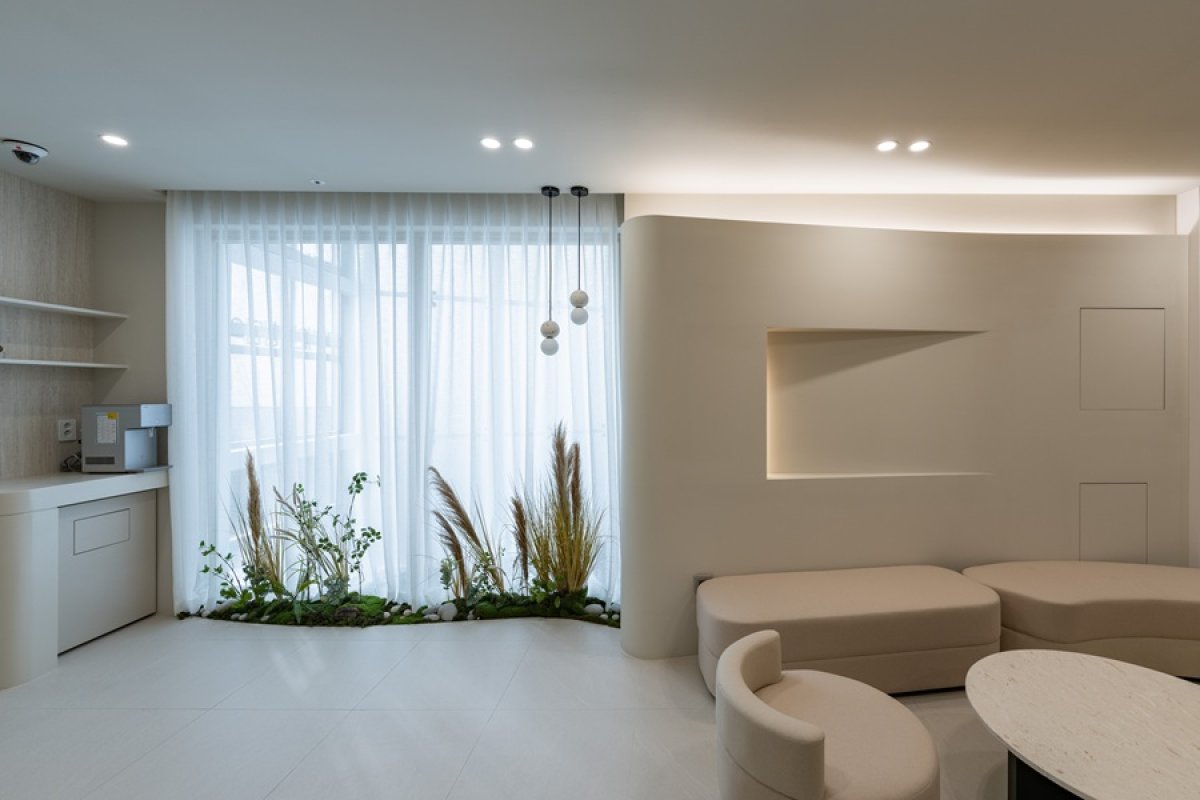
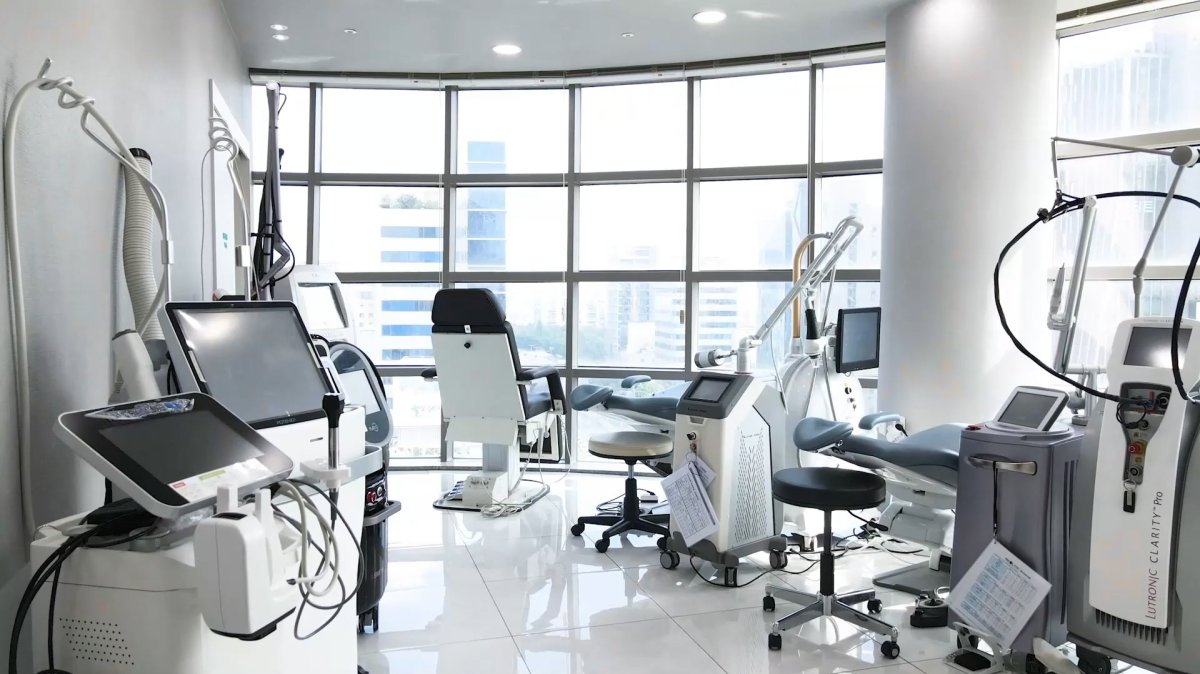
عيادة الطب التجميلي Lalian Cheongdam
نظرة عامة على علاج الشعر بالخلايا الجذعية في كوريا الجنوبية
- العلاج بالخلايا الجذعية - من $3,500
هذا العلاج هو علاج باستخدام خلايا الجسم لإصلاح الأنسجة التالفة. إنه فعال وآمن ومتعدد الاستخدامات.
- العلاج بالخلايا الجذعية لالتهاب المفاصل - من $19,000
يستخدم هذا العلاج خلايا الشخص لإصلاح المفاصل التالفة ، وتقليل الألم والالتهابات المصاحبة لالتهاب المفاصل.
- علاج التوحد بالخلايا الجذعية - من $32,800
يستخدم هذا العلاج خلايا الجسم لإصلاح تلف الدماغ المرتبط بالتوحد ، مما يوفر سلوكًا اجتماعيًا محسنًا.
- علاج الشلل الدماغي بالخلايا الجذعية - من $32,800
يستخدم هذا العلاج الخلايا المتجددة لعلاج تلف الدماغ وتحسين الوظائف الحركية لدى الأشخاص المصابين بالشلل الدماغي.
- علاج مرض باركنسون بالخلايا الجذعية - من $32,800
يستخدم هذا العلاج الخلايا التي يحافظ عليها الجسم لإبطاء تقدم مرض باركنسون ، وتعزيز وظائف المخ وقدرته على الحركة.
- علاج مرض السكري بالخلايا الجذعية - من $18,500
يستخدم هذا العلاج الخلايا الجذعية لإصلاح خلايا البنكرياس التالفة ، والسيطرة على أعراض مرض السكري.
- العلاج بالخلايا الجذعية للركبتين - من $10,000
يعتمد هذا العلاج على إمكانات الشفاء الذاتي ، عن طريق حقن الخلايا المحصودة في مفاصل الركبة لإصلاح الغضروف التالف.
- برنامج علاج بالخلايا الجذعية الخاصة - من $8,000
يستخدم هذا العلاج الخلايا الجذعية لإصلاح الخلايا والأنسجة التالفة وتحسين صحتك.
- إيداع Bookimed: 200 دولار أو 200 يورو.
- وديعة العيادة: ادفع نسبة محددة مقدمًا.
احصل على تقييم طبي لـ علاج الشعر بالخلايا الجذعية في كوريا الجنوبية. استشر الآن 7 أطباء ذوي الخبرة.
عرض جميع الأطباء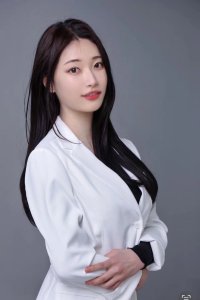
Yeom Jihye
الدكتورة يوم جيهي هي عضو مدى الحياة في الجمعية الكورية للأمراض الجلدية بالليزر واستعادة الشعر، وهي متخصصة في علاجات الشعر المتقدمة في عيادة فورينا.
- عضو كامل في العديد من الجمعيات الكورية المرموقة للتجميل والأمراض الجلدية
- أكملت مراقبة سريرية في جامعة كاليفورنيا، لوس أنجلوس (UCLA)
- مديرة سابقة في العديد من عيادات التجميل الرائدة
- عضو في الأكاديمية الأمريكية للأمراض الجلدية

Jung Young Choon
يقود الدكتور جونغ يونغ تشون (Dr. Jung Young Choon) مركز هيرشي للجراحة التجميلية في كوريا (HERSHE Plastic Surgery Korea) بتقديم علاجات الخلايا الجذعية المُسجَّلة ببراءة اختراع لاستعادة الشعر، والتي تجمع بين الدقة الجراحية والعلوم التجديدية.
- المؤسس وكبير الجراحين في مركز هيرشي للجراحة التجميلية في كوريا
- متخصص في الخلايا الجذعية المشتقة من الأنسجة الدهنية (ADSCs) وبرامج SVF
- جراح تجميل معتمد من البورد (board-certified) وذو خلفية أكاديمية واسعة
- عضو في الجمعية الأمريكية لجراحي التجميل (ASPS)
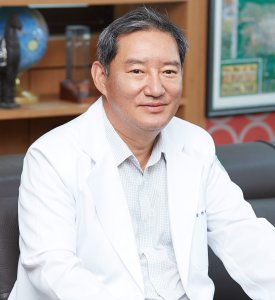
Ha Hunyoung
الدكتور ها هيونيونغ هو مدير مستشفى نايون. وهو اختصاصي طب وقائي يتمتع بـ39 عامًا من الخبرة السريرية.
التعليم: دكتوراه في الطب (MD)، كلية الطب بجامعة هانيانغ. ماجستير ودكتوراه في الطب الوقائي، الدراسات العليا بجامعة هانيانغ.
التركيز السريري: عيادة تساقط الشعر والسمنة للوقاية من تساقط الشعر، إدارة الوزن، شفط الدهون ونقل الدهون. عيادة مكافحة الشيخوخة والعافية للعلاج بالاستخلاب وبرامج مكافحة الشيخوخة. علاج حيوي متقدم باستخدام الجزء الوعائي اللحمي (SVF) لعلاج تساقط الشعر وتعزيز الجهاز
قصص فيديو من مرضى Bookimed
مشاركة المحتوى
 Anna Leonova
أسئلة متكررة حول علاج الشعر بالخلايا الجذعية في كوريا الجنوبية
هل يمكن لعلاج الشعر بالخلايا الجذعية في جمهورية كوريا أن يحل محل زراعة الشعر؟
لا يمكن لعلاج الشعر بالخلايا الجذعية في جمهورية كوريا أن يحل محل زراعة الشعر في حالات الصلع المتقدم. وعلى الرغم من أن العيادات الكورية الجنوبية تستخدم تقنيات تجديدية مثل الخلايا الجذعية المشتقة من الدهون، فإن هذه الطرق تقوي الشعر الخفيف فقط وتعيد تنشيط البصيلات الحية. ولا يزال النقل الجراحي ضرورياً لاستعادة الشعر في المناطق الصلعاء تماماً.
- متطلب البصيلات: يتطلب العلاج وجود بصيلات حية لتحسين كثافة الشعر وصحة فروة الرأس.
- المرشحون المثاليون: الأفضل لحالات ترقق الشعر في مراحله المبكرة أو للمرضى الذين يرغبون في الحفاظ على شعرهم الحالي.
- عدد الجلسات: يحتاج المرضى عادةً إلى جلسات متعددة لتحقيق نتائج مرئية والحفاظ عليها.
- طريقة العلاج: تستخدم العيادات حقنًا غير جراحية بالإكسوسومات أو PRP أو الجزء الوعائي اللحمي.
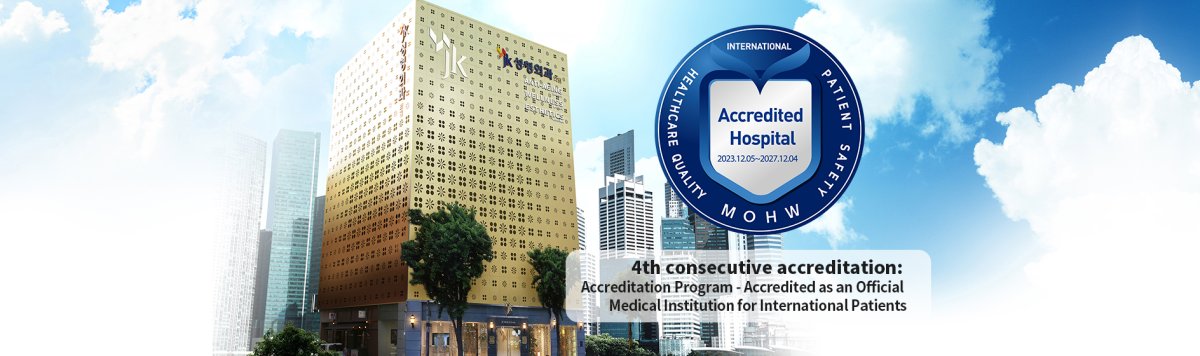
رؤية خبير Bookimed: كوريا هي السوق العالمية الوحيدة التي توافق فيها الحكومة صراحةً على علاجات محددة بالخلايا الجذعية للاستخدام التجميلي، كما في JK Plastic Surgery Center. من $3,500.
إجماع المرضى: ينظر كثيرون إلى هذا باعتباره استراتيجية صيانة لتقليل التساقط وتحسين الكثافة. ويوصي معظم الأشخاص بدمج الحقن مع عمليات الزراعة التقليدية لتغطية المناطق الصلعاء مع تقوية الشعر الطبيعي المحيط.
ما هو علاج الشعر بالخلايا الجذعية، وكيف يُجرى في جمهورية كوريا؟
علاج الشعر بالخلايا الجذعية في كوريا الجنوبية هو إجراء تجديدي غير جراحي يستخدم خلايا ذاتية أو إكسوسومات لتنشيط البصيلات الخاملة. ويُجرى في عيادات متخصصة في سيول، ويتضمن رسم خريطة دقيقة لفروة الرأس يتبعها حقن مجهري لعوامل النمو لتحسين كثافة الشعر وصحة فروة الرأس.
- التقنيات المتاحة: تشمل الخيارات الخلايا الجذعية المشتقة من الدهون، والجزء الوعائي اللحمي، وعلاج الإكسوسومات، وحقن PDRN.
- طرق الإيصال: يستخدم الأطباء الوخز بالإبر الدقيقة أو أنظمة النفث الخالية من الإبر مثل Mirajet لضمان اختراق جلدي موحد.
- مدة العلاج: تستغرق الإجراءات عادة من ساعة إلى ساعة ونصف ولا تتطلب الإقامة في المستشفى.
- بروتوكول التعافي: يجب على المرضى تجنب التعرق والحرارة العالية والتمارين المكثفة لعدة أيام بعد العلاج.
رؤية خبير Bookimed: رغم أن العديد من العيادات تقدم العلاج بالخلايا الجذعية، فإن النتائج الأكثر موثوقية تأتي من مراكز مثل JK Plastic Surgery، التي تحمل الموافقة الحكومية الوحيدة لاستخدام الخلايا الجذعية التجميلية. أجرت الدكتورة يوم جيهي في عيادة Forena أكثر من 14,000 إجراء، مما يبرز أن حجم خبرة الجراح غالبًا ما يحدد دقة هذه البروتوكولات التجديدية.
إجماع المرضى: يعمل هذا العلاج بأفضل شكل كدعم للترقق المبكر وصحة فروة الرأس، وليس كحل للصلع المتقدم. يقترح المرضى توضيح ما إذا كانت الخطة تستخدم خلاياك الخاصة أو منتجات الإكسوسومات، إذ غالبًا ما تخلط العيادات بين هذه المصطلحات.
كم من الوقت يستغرق ظهور نتائج ملحوظة من علاج الشعر بالخلايا الجذعية في جمهورية كوريا؟
تظهر النتائج المرئية لعلاج الشعر بالخلايا الجذعية في جمهورية كوريا عادةً بين 3 و6 أشهر بعد الإجراء. وبينما يقل تساقط الشعر خلال أسابيع، فإن الوصول إلى أعلى كثافة وسماكة يتطلب عادةً من 6 إلى 9 أشهر مع انتقال البصيلات عبر دورات النمو الطبيعية.
- المرحلة المبكرة: غالبًا ما يبدأ انخفاض تساقط الشعر وتحسن ملمس فروة الرأس خلال 4 أسابيع.
- فترة النمو: تظهر زيادة ملحوظة في الكثافة وشعيرات جديدة دقيقة بين الشهرين 3 و6.
- النتائج القصوى: عادةً ما يتم الوصول إلى أقصى سماكة للشعر وتغطية لفروة الرأس بحلول الشهر 9.
- بروتوكولات العيادات: غالبًا ما توصي مراكز مثل عيادة BIOFACE بـ4 إلى 6 جلسات لتحقيق التحفيز الأمثل.
رؤية خبير Bookimed: يمتلك متخصصون كوريون متقدمون مثل الدكتور جونغ يونغ تشون براءات اختراع لعوامل نمو مشتقة من الخلايا الجذعية الدهنية. يفسر هذا التركيز المحدد على الاستنبات الحاصل على براءة اختراع سبب تحقيق العيادات المحلية غالبًا استقرار تساقط الشعر بسرعة أكبر من البروتوكولات العالمية القياسية. عند اختيار عيادة، تحقق مما إذا كانت تستخدم تحليل الجلد ثلاثي الأبعاد لتتبع نشاط البصيلات قبل بدء النمو المرئي.
إجماع المرضى: غالبًا ما يبدو النجاح على شكل شعر أكثر صحة وداكنًا قبل أن يصبح النمو الجديد واضحًا للآخرين. يقترح كثيرون توثيق التقدم بإضاءة ثابتة عند علامة 6 أشهر لملاحظة التحول التدريجي من الشعيرات الدقيقة الجديدة إلى كثافة أكبر.
ما هي فترة التعافي وعملية التعافي بعد علاج الشعر بالخلايا الجذعية في جمهورية كوريا؟
فترة التعافي بعد علاج الشعر بالخلايا الجذعية في كوريا الجنوبية تكاد تكون معدومة، مما يتيح لمعظم المرضى العودة إلى العمل أو السفر في اليوم نفسه. تستخدم هذه الحقن التجديدية غير الجراحية خلايا مشتقة من الأنسجة الدهنية أو الإكسوسومات، ولا تسبب سوى احمرار بسيط أو حساسية خفيفة تزول عادة خلال 48 ساعة.
- التعافي الأولي: غالبًا ما يستطيع المرضى استئناف الجولات الخفيفة أو تناول الطعام خارجًا مباشرة بعد حقن فروة الرأس.
- إدارة الأعراض: يزول التورم الخفيف أو الألم الموضعي عمومًا خلال يومين إلى 3 أيام.
- قيود النشاط: تجنب التمارين الشديدة والساونا والتعرق الغزير لمدة 3 إلى 7 أيام.
- العناية بفروة الرأس: يمكن للمرضى غسل الشعر بلطف بعد 48 ساعة من الإجراء باستخدام شامبوهات لطيفة توصي بها العيادة.
- عملية الالتئام: تلتئم القشور الدقيقة الناتجة عن مواضع الحقن بالكامل عادة خلال 7 إلى 14 يومًا.
رؤية خبير Bookimed: رغم أن التعافي سريع، غالبًا ما يغفل المرضى عن الجدول الزمني البيولوجي. تُظهر بيانات من عيادات سيول مثل BIOFACE وJK Plastic Surgery أن التحسن المرئي في كثافة الشعر يستغرق من 6 إلى 9 أشهر. ويؤكد الأطباء الأكثر خبرة، مثل العاملين في عيادة BIOFACE التي تستقبل 25,000 زائر سنويًا، أن النتائج تعتمد على نضج الخلايا وليس على الالتئام الفوري.
إجماع المرضى: يكون التعافي من الحقن خفيفًا وسريعًا، رغم أن مرحلة تساقط مؤقتة للشعر قرب الشهر الرابع تُعد جزءًا طبيعيًا من الدورة. يساعد النوم في وضعية مستقيمة في البداية على تقل
هل العيادات في جمهورية كوريا مناسبة للمرضى الأجانب الذين يخضعون لعلاج الشعر بالخلايا الجذعية؟
تتميز العيادات الكورية الجنوبية بكونها صديقة للغاية للمرضى الأجانب، إذ توفر منسقين مخصصين يتحدثون الإنجليزية ودعماً للسياحة العلاجية مدعوماً من الحكومة. تقدم المراكز الكبرى في سيول علاجات متخصصة لتجديد فروة الرأس، بما في ذلك الخلايا الجذعية المشتقة من الدهون وعلاجات الإكسوسومات. وتحمل العديد من المنشآت شهادات المعهد الكوري لاعتماد الرعاية الصحية (KOIHA) لضمان معايير السلامة الدولية.
- دعم متخصص: توظف العيادات الكبيرة مترجمين بدوام كامل للمتحدثين بالإنجليزية والصينية واليابانية.
- خيارات تجديدية: يقدم مقدمو الرعاية العلاج بالإكسوسومات، وجزء الأوعية الدموية السدوي (SVF)، والعلاجات المشتقة من الدهون.
- تشخيصات متقدمة: يستخدم جراحون مثل الدكتور جو يونغ بارك تحليلاً رقمياً لفروة الرأس لتقييم كثافة البصيلات.
- مرافق للمرضى: تشمل المراكز الرائدة خدمات النقل من المطار، والصيدليات داخل المنشأة، واسترداد ضريبة القيمة المضافة.
رأي خبير Bookimed: تتميز كوريا بوجود أول علاج بالخلايا الجذعية معتمد من الحكومة للاستخدام التجميلي. وبينما تستخدم دول كثيرة PRP المشتق من الدم، تمتلك عيادات مثل JK Plastic Surgery Center تراخيص متخصصة للخلايا الجذعية المشتقة من الدهون. ويعني هذا الاعتماد التنظيمي أنك تحصل على بروتوكولات بمستوى طبي غالباً ما لا تتوفر في مراكز السياحة العلاجية الأخرى.
إجماع المرضى: يجد المرضى أن عملية الحجز سلسة، لكنهم ينصحون باختيار العيادات التي يقود فيها الأطباء الاستشارة. ويوصي معظمهم بتوضيح عدد الجلسات مبكراً، لأن علاجات ف