العودة إلى الصفحة الرئيسية
820К+ مريضًا حصلوا على المساعدة منذ عام 2014
50 دول
1,500 عيادات
6K+ تقييمات
3K+ طبيب مؤهل

ما هي تكلفة جراحة ورم الغدة النخامية في كوريا الجنوبية؟ اكتشف الآن

تتراوح تكلفة جراحة أورام الغدة النخامية في جمهورية كوريا عادةً بين $19,500 و $32,000. يعتمد السعر النهائي على الأسلوب الجراحي وحجم الورم ومستوى العيادة. يبلغ متوسط التكلفة في المملكة العربية السعودية _price_compare_SA_average_، بينما توفر كوريا الجنوبية وفراً بنسبة تقارب _price_percent_discount_%. تشمل معظم الباقات تصوير الرنين المغناطيسي قبل العملية، والإقامة بالمستشفى لمدة تتراوح بين 5 و 14 يوماً، ورسوم التخدير.

  • الجراحة عبر الوتدي: عادة ما تكون تكلفة هذا الأسلوب التنظيري عبر الأنف أعلى بنسبة تتراوح بين 15% و 25%.
  • بضع القحف: تختلف تكاليف جراحة فتح الجمجمة التقليدية بناءً على تعقيد الحالة ومدة الإقامة في وحدة العناية المركزة.
  • الجراحة الإشعاعية بجاما نايف: غالباً ما تكون تكلفة هذا البديل غير الجراحي أقل بنسبة 30-50% مقارنة بالجراحات المفتوحة التقليدية.
  • أنظمة السلامة المتخصصة: قد يؤدي استخدام المراقبة الجراحية المتقدمة أو الأنظمة القائمة على الذكاء الاصطناعي إلى زيادة الميزانية الإجمالية بشكل ملحوظ.

رأي خبراء Bookimed: يضمن اختيار منشأة حكومية مثل مستشفى جامعة سيول الوطني (SNUH) معايير رعاية فائقة المستوى. وفي حين يستخدم مستشفى جامعة سيول الوطني للطب الباطني (SNUBH) أنظمة BESTcare الرقمية المتقدمة لتعزيز السلامة، يقدم مركز إيهوا الطبي الجامعي تقنيات طفيفة التوغل. ويجد المرضى قيمة ممتازة في مستشفى سيفيرانس، الحاصل على اعتماد اللجنة الدولية المشتركة (JCI) والذي يستقبل 1.6 مليون مريض خارجياً سنوياً.

المزايا الرئيسية

لماذا تختار جمهورية كوريا لإجراء جراحة أورام الغدة النخامية؟

  • العيادات المعتمدة: في كوريا الجنوبية، المستشفيات المعتمدة من JCI تلتزم بمعايير صارمة للجودة وسلامة المرضى.
  • أحدث التقنيات: تُستخدم تقنيات مثل الجراحة التنظيرية عبر الأنف وجراحة غاما نايف الإشعاعية. توفر هذه الأساليب دقة وخيارات طفيفة التوغل للمرضى.
  • نسب نجاح عالية: تتمتع جراحات أورام الغدة النخامية في كوريا بمعدل فعالية يتجاوز 90%. تُعرف بانخفاض معدلات المضاعفات ونتائج التعافي الممتازة.
  • جراحون خبراء: يعتبر جراحو الأعصاب الرائدون، والعديد منهم حاصلون على شهادات دولية وتدريب مكثف، قد أجروا آلاف العمليات الناجحة لأورام الغدة النخامية. خبرتهم وتجربتهم معروفة جيدًا.

احصل على حلول متقدمة لجراحة أورام الغدة النخامية في عيادات موثوقة .

كوريا الجنوبيةتركياإسبانيا
جراحة ورم الغدة النخاميةمن $19,500من $6,800من $25,000
تم التحقق من البيانات بواسطة Bookimed اعتبارًا من July 2026، استنادًا إلى طلبات المرضى والعروض الرسمية من 66 عيادة حول العالم. تستند التكاليف المتوسطة إلى الفواتير الحقيقية (2025–2026) ويتم تحديثها شهريًا. قد تختلف الأسعار الفعلية.

مزاياك وضماناتك مع Bookimed

أسعار مباشرة

Bookimed لا يضيف رسوماً إضافية على أسعار جراحة ورم الغدة النخامية. الأسعار مأخوذة من قوائم الأسعار الرسمية للعيادات. تدفع مباشرة في العيادة مقابل جراحة ورم الغدة النخامية عند وصولك.

عيادات وأطباء معتمدون فقط

Bookimed ملتزم بسلامتك. نحن نعمل فقط مع المؤسسات الطبية التي تحافظ على معايير دولية عالية في جراحة ورم الغدة النخامية ولديها التراخيص اللازمة لخدمة المرضى الدوليين في جميع أنحاء العالم.

مساعدة مجانية على مدار الساعة

Bookimed يقدم مساعدة خبراء مجانية. منسق طبي شخصي يدعمك قبل وأثناء وبعد العلاج، ويحل أي مشاكل. لن تكون وحيداً أبداً في رحلة جراحة ورم الغدة النخامية.

لماذا نحن؟

منسقك الطبي الشخصي في Bookimed

  • يدعمك في كل مرحلة
  • المساعدة في اختيار العيادة الطبية المناسبة والطبيب المناسب
  • يضمن الوصول السريع والمريح إلى المعلومات

اكتشف أفضل جراحة ورم الغدة النخامية العيادات في كوريا الجنوبية: 5 خيارات معتمدة والأسعار

تم تصنيف العيادات بواسطة نظام Bookimed الذكي، باستخدام تحليل علوم البيانات عبر 5 معايير رئيسية.
Samsung Medical Center
Ewha Womans University Medical Center
Seoul National University Bundang Hospital (SNUBH)
Severance Hospital
Seoul National University Hospital (SNUH)

نظرة عامة على جراحة ورم الغدة النخامية في كوريا الجنوبية

الوجبات الجاهزة
الإجراءات والتكاليف ذات الصلة
كيف نعمل؟
ماذا تتوقع
المزايا
دفع
مرضى يوصي -
85%
وقت الجراحة - 4 ساعات
البقاء في البلاد - 10 ايام
إعادة تأهيل - 30 ايام
تخدير - تخدير عام
تمت معالجة الطلبات - 21657
رسوم الحجز - $0

قصص فيديو من مرضى Bookimed

Amanda
لقد عاملونا أنا ومرافقي بلطف شديد — لا أكنّ سوى الإعجاب للفريق بأكمله!
إجراء: إستئصال الثدي
Randolph
ابقَ قويًا، وكن على دراية، ولا تستهين أبدًا بقوة العلاجات المتقدمة ونظام الدعم المتين.
إجراء: التجميع الإشعاعي لسرطان الكبد

المراجعات

جميع المراجعات
Haya • القرص الغضروفي
دولة قطر
١٢ يوليو ٢٠١٩
مراجعة تم التحقق منها.
كل من عماد وفارفارا مفيدان للغاية ويستجيبان لطلبي بسرعة كبيرة
ذهبنا إلى مستشفى سامسونغ للتشاور وكانوا رائعين وكانت الخدمة محترفة أيضًا عماد وفارفارا وكلاهما مفيدان للغاية ويستجيبان لطلبي بسرعة كبيرة
حول خدمة Bookimed
عماد وفارفارا كلاهما مفيدان للغاية ويستجيبان لطلبي بسرعة كبيرة

مشاركة المحتوى

Twitter XLinkedinFacebookWhatsAppEmail
أحصل على الرابط
محدث: 07/12/2019
تأليف
Anna Leonova
Anna Leonova
رئيس فريق تسويق المحتوى
محررة طبية معتمدة لديها خبرة تزيد عن 10 سنوات، طوّرت محتوى Bookimed الموثوق، مدعومة بماجستير في علم اللغة ومقابلات مع خبراء طبيين من جميع أنحاء العالم.
تمت المراجعة من قبل المستشار الطبي في Bookimed
فهد مولود
محرر طبي وعالم بيانات
طبيب عام. حاصل على 4 جوائز علمية. خدم في غرب آسيا. رئيس الفريق الطبي الناطق بالعربية سابقا ومسؤول عن معالجة البيانات ودقة المحتوى الطبي حاليا.
فهد مولود Linkedin
قد تحتوي هذه الصفحة على معلومات تتعلق بمختلف الحالات الطبية والعلاجات وخدمات الرعاية الصحية المتوفرة في بلدان مختلفة. يرجى العلم أن المحتوى مقدم لأغراض إعلامية فقط ولا ينبغي تفسيره على أنه نصيحة أو إرشادات طبية. يرجى استشارة طبيبك أو أخصائي طبي مؤهل قبل البدء أو تغيير العلاج الطبي.

حقائق سريعة عن جراحة ورم الغدة النخامية

جراحة ورم الغدة النخامية

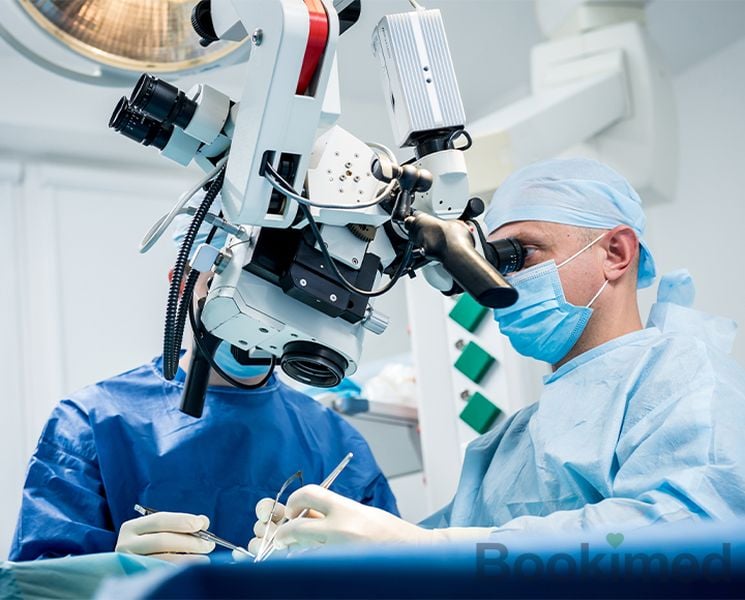
يتضمن هذا الإجراء إزالة ورم من الغدة النخامية، وغالبًا ما يتم إجراؤه باستخدام تقنيات طفيفة التوغل.

أيقونة الإيجابيات
: توفر نسبة نجاح عالية مع تحسن الأعراض بنسبة تزيد عن 90%. تقلل التقنيات طفيفة التوغل من وقت التعافي بشكل كبير.
رمز-سلبيات
السلبيات: قد لا تكون مناسبة لجميع أنواع الأورام، وأقل فعالية للأورام الكبيرة أو الغازية مقارنة بالخيارات الجراحية الأخرى.
رمز-تأثير
الفعالية: معدل نجاح بنسبة 85% إلى 95% في إزالة الورم وتخفيف الأعراض.
رمز-الساعة
المدة: من 2 إلى 4 ساعات
رمز-تشغيل
التعافي من 4 إلى 6 أسابيع
أيقونة-الإبهام
الأفضل لـ أورام الغدة النخامية الصغيرة إلى المتوسطة الحجم التي تسبب اختلالات هرمونية أو مشاكل في الرؤية.
رمز-السعر
الأسعار:

أسئلة متكررة حول جراحة ورم الغدة النخامية في كوريا الجنوبية

هذه الأسئلة الشائعة مأخوذة من مرضى حقيقيين يبحثون عن رعاية طبية عبر Bookimed. يتم تقديم الإجابات من قبل منسقين طبيين ذوي خبرة وممثلين موثوقين من العيادات.

What symptoms should I watch for after pituitary tumour surgery in South Korea?

Watch for a constant drip of clear fluid from the nose or a salty taste. This signals a cerebrospinal fluid leak. Also watch for excessive thirst and urinating every 30–60 minutes. These symptoms, along with vision changes or severe headaches, need immediate assessment by your neurosurgical team in Seoul.

  • Fluid balance: Watch for extreme thirst and urinating more than once per hour.
  • CSF leak: Note any faucet-like clear nasal drip or a metallic throat taste.
  • Visual changes: Track sudden blurring or loss of peripheral vision after the procedure.
  • Infection signs: Contact staff for fevers over 37.8°C or a very stiff neck.
  • Nasal care: Avoid blowing your nose for at least 6 weeks post-surgery.

Bookimed Expert Insight: South Korean hospitals like Seoul National University Hospital (SNUH) often keep patients for longer monitoring periods than Australian clinics. This extra time is critical because specialists can track hormone shifts and potassium levels in real time. We see many patients avoid readmission because the Korean ICU teams catch early signs of adrenal crisis or electrolyte drops before discharge.

Patient Consensus: Expect temporary loss of taste and smell for about three weeks. Prepare for significant fatigue as hormones reset. Walking from day 5 onwards helps recovery, but strictly avoid lifting anything over 7kg or doing strenuous exercise for at least a month.

What type of surgery is commonly used for pituitary tumours in South Korea?

South Korean neurosurgeons primarily use endoscopic transnasal transsphenoidal surgery to remove pituitary tumours. This minimally invasive technique accesses the gland through the nostrils, avoiding visible scarring. Specialists often use high-definition endoscopy and real-time imaging at centres like Samsung Medical Centre to protect surrounding brain tissue.

  • Transsphenoidal approach: Surgeons reach tumours through the nasal cavity rather than opening the skull.
  • Gamma Knife radiosurgery: Non-surgical radiation option used for inoperable cases at Seoul National University Hospital.
  • Hospital stay: Most patients require 1–2 nights in hospital following the 9-hour surgical procedure.
  • Technology access: Major Seoul clinics use integrated digital systems for real-time CT and MRI sharing.

Bookimed Expert Insight: While surgery is the gold standard, South Korean centres like Seoul National University Bundang Hospital have performed 1,000+ Gamma Knife procedures. This high volume is significant. It allows specialists to precisely treat tumours that are too risky for traditional theatre. However, surgery remains the first choice for benign adenomas.

Patient Consensus: Patients in South Korea found the transsphenoidal route efficient. However, they noted significant neck stiffness after the long surgery. Most recommend staying in Seoul for 10–14 days. This allows patients to manage post-operative check-ups and recovery comfortably.

Are pituitary tumours cancerous?

Pituitary tumours are overwhelmingly benign, non-cancerous growths called adenomas. Unlike cancer, they rarely spread to other organs. But their location at the brain base means they can press on optic nerves or disrupt hormones. Malignant pituitary carcinomas are extremely rare.

  • Benign nature: Pituitary adenomas grow slowly and do not metastasise to distant body parts.
  • Aggressive adenomas: Some benign tumours grow faster or return. But they remain technically non-cancerous.
  • Hormonal impact: Functioning tumours secrete excess hormones, while non-functioning ones do not.
  • Rare carcinomas: Cancerous pituitary tumours only occur when cells spread to the spine or lungs.

Bookimed Expert Insight: Patient data shows South Korean centres like Seoul National University Hospital achieve a 90% success rate for tumours using Gamma Knife. This non-invasive approach avoids traditional surgery. These high-volume centres provide significant expertise for Australians. They treat over 700 head and neck tumour cases each year.

Patient Consensus: Focus on medication first for prolactinomas. Surgery carries risks of lifelong hormone dependency. Long-term MRI follow-up is essential because these tumours have a 30% recurrence rate.

What is included in the surgical package for pituitary tumour surgery in South Korea?

Pituitary tumour surgery packages in South Korea provide comprehensive care through high-volume neurosurgery centres. These inclusions typically cover pre-operative MRI imaging, the surgical procedure—often using endoscopic transsphenoidal techniques—specialist surgical fees, anaesthesia, and a hospital stay ranging from 5 to 14 days for recovery.

  • Technological integration: Packages often include neuronavigation and intraoperative imaging for high-precision tumour removal.
  • Multidisciplinary team: Surgical fees cover a neurosurgeon and an otolaryngologist working together during the procedure.
  • Diagnostic protocol: Pre-operative hormonal profiling and high-resolution MRI scans are standard inclusions for planning.
  • Hospital stay: Patients typically receive 5 to 14 days of inpatient care for post-operative monitoring.

Bookimed Expert Insight: Leading Seoul hospitals like Seoul National University Hospital perform 3,800+ neurosurgical interventions annually. This high volume often allows clinics to include digital safety systems, like BESTcare, within the standard package price. Selecting a digital-first hospital means real-time image sharing between surgical and diagnostic teams during the procedure.

Patient Consensus: Surgical packages in South Korea conveniently bundle consultations and blood tests with the procedure. Patients recommend budgeting separately for private caregivers as nursing staff may not provide 24/7 bedside assistance.

How long does recovery after pituitary tumour surgery in South Korea take?

Recovery after pituitary tumour surgery in South Korea generally takes 4 to 6 weeks. Most patients return to light activities within a month. However, fatigue and hormonal stabilisation can last longer. Leading Seoul centres often utilise minimally invasive transsphenoidal techniques to speed healing.

  • Hospital stay: Patients usually stay 3 to 7 days for monitoring and recovery.
  • Initial recovery: Nasal congestion and fatigue typically improve within the first 2 weeks.
  • Activity restrictions: Heavy lifting and bending are restricted for several weeks post-surgery.
  • Hormonal stabilisation: Full chemical balance often takes 6 months to 1 year to resolve.
  • Post-op timeline: Patients should stay in Korea for 10 to 14 days for scans.

Bookimed Expert Insight: Seoul National University Hospital performs over 3,800 neurosurgical interventions annually. Their high volume suggests surgeons handle complex pituitary cases frequently. Digital systems like BESTcare at SNUBH further enhance safety during these delicate intracranial procedures.

Patient Consensus: Patients can expect nasal congestion and no sense of taste. This typically lasts roughly 3 weeks in South Korea. The hormonal adjustment is often tiring. So they should plan for 6 to 8 weeks off work. Saline rinses help manage congestion, but patients should confirm the timing with their neurosurgeon first.

Why do patients choose South Korea for pituitary tumour surgery?

Patients choose South Korea for pituitary tumour surgery because of highly specialised neurosurgical centres and technology like Gamma Knife radiosurgery. Leading hospitals in Seoul offer 90% success rates for non-invasive tumour removal. Treatment costs range from $19,500 to $32,000, saving Australians up to 83% compared to local private healthcare.

  • Technology: Clinics use Proton beam therapy and Gamma Knife systems for precise tumour targeting.
  • Global accreditation: Top facilities like Severance Hospital hold JCI and Newsweek World Best Hospital rankings.
  • High surgical volume: Seoul National University Hospital performs 3,800+ neurosurgical interventions every year.
  • International infrastructure: Major centres provide 24/7 interpreters and dedicated global healthcare services for overseas patients.

Bookimed Expert Insight: While initial surgery is the focus, South Korean digital hospitals like Samsung Medical Center use integrated imaging systems. These systems share real-time MRI and CT data across departments instantaneously. This level of digital integration often results in faster diagnostic cycles for complex pituitary cases compared to traditional paper-heavy systems.

Patient Consensus: Travellers avoid long Australian wait times by accessing high-volume centres. Surgeons there possess vast specialised expertise. Successful outcomes require planning for a 10-week recovery. Local follow-up with an Australian neurologist should be coordinated before departure.

احصل على استشارة مجانية

حدد أفضل طريقة للاتصال بك