عيادات استئصال سرطان البنكرياس في كوريا الجنوبية


تمت مراجعة المقالة طبيا من قبل
فهد مولود
كيف نعمل؟
ما هي تكلفة استئصال سرطان البنكرياس في كوريا الجنوبية؟ اكتشف الآن
من $25,000. تعتمد الأسعار بشكل أساسي على التقنية الجراحية، مثل نظام دافينشي الروبوتي، وفئة المستشفى. تشمل التغطية عادةً التشخيصات، والعملية الجراحية، والتخدير، وإقامة طويلة في المستشفى.
- جراحة ويبل: بين $28,000 و $40,000 للحالات المعقدة لاستئصال رأس البنكرياس.
- الجراحة بمساعدة الروبوت: تزيد عادة بنسبة 20-30 % عن الجراحة المفتوحة لضمان دقة أعلى.
- استئصال البنكرياس البعيد: غالباً ما تكون تكلفتها أقل بنسبة 15-20 % من عملية ويبل الكاملة.
- الموقع: تتركز المراكز الطبية الرئيسية في سيول وإنشيون.
رأي خبراء Bookimed: يتيح اختيار سيول لجراحات البنكرياس الوصول إلى بنية تحتية رقمية عالمية المستوى. يحمل كل من مستشفى جامعة سيول الوطنية ومستشفى سامسونج الطبي تصنيفات متعددة ضمن قائمة نيوزويك لأفضل المستشفيات عالمياً. تستقبل هذه المرافق أعداداً ضخمة من المرضى، حيث يعالج مستشفى جامعة سيول الوطنية أكثر من 10,000 مريض يومياً. يضمن هذا الحجم الكبير امتلاك الفرق الجراحية خبرات عميقة في حالات الأورام المعقدة. يوفر هذا المستوى من التخصص قيمة استثنائية مقارنة بنظيراتها في الدول الغربية.
| كوريا الجنوبية | تركيا | إسبانيا | |
|---|---|---|---|
| استئصال سرطان البنكرياس | من $25,000 | من $12,000 | من $28,000 |
| استئصال الورم على البنكرياس | ≈ $9,500 | من $15,000 | ≈ $11,500 |
| استئصال البنكرياس البعيد | ≈ $14,000 | من $14,800 | ≈ $19,500 |
| إجراء ويبل | ≈ $28,000 | من $15,900 | من $27,000 |
اكتشف أفضل استئصال سرطان البنكرياس العيادات في كوريا الجنوبية: 11 خيارات معتمدة والأسعار












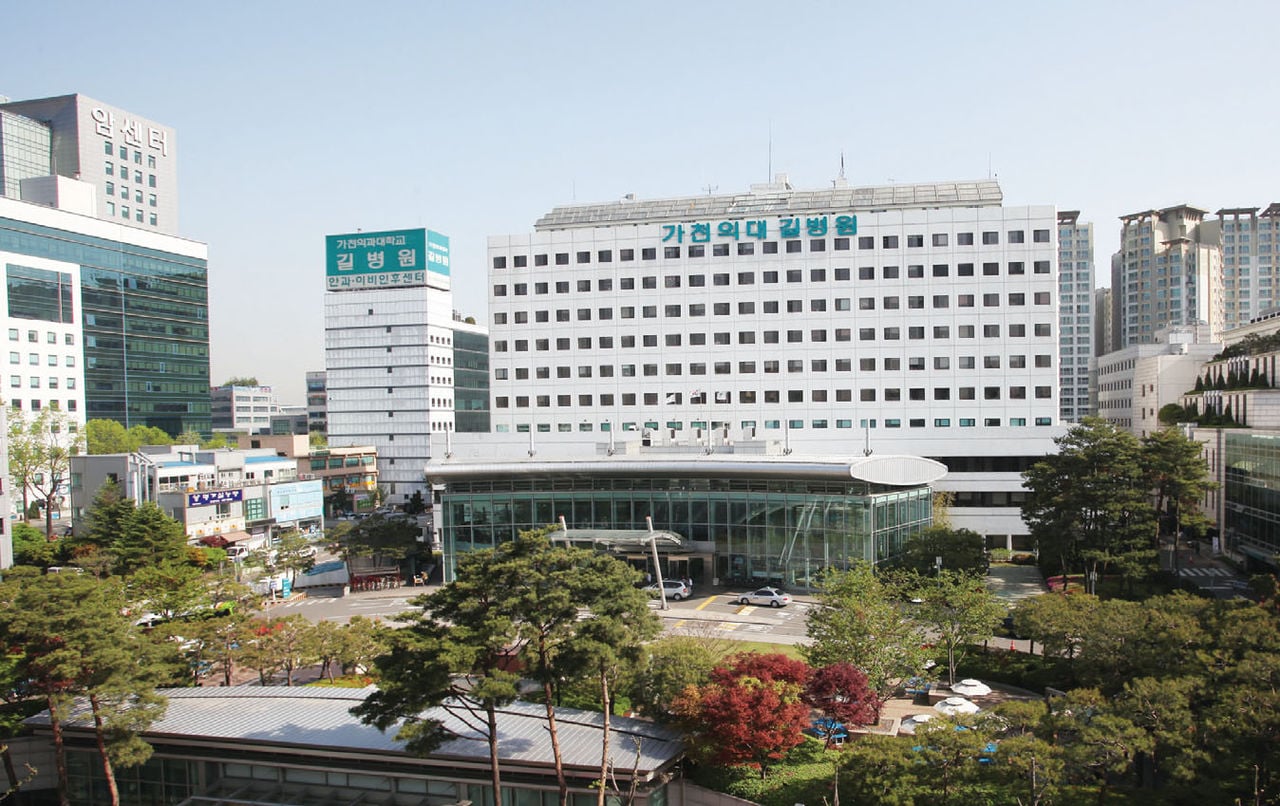


نظرة عامة على استئصال سرطان البنكرياس في كوريا الجنوبية
- إجراء ويبل - من $28,000
تقوم العملية بإزالة أجزاء من البنكرياس والمعدة والقنوات الصفراوية لعلاج سرطان البنكرياس.
- استئصال البنكرياس البعيد - من $14,000
يتضمن الإجراء إزالة نهاية البنكرياس ، لعلاج أمراض مثل السرطان ، ومنع المزيد من الانتشار.
- استئصال الورم على البنكرياس - من $9,500
يتضمن الإجراء إزالة أورام البنكرياس جراحيًا ، والحفاظ على وظائف الأعضاء ، وتقديم تعافي أسرع.
- استئصال سرطان البنكرياس - من $25,000
يزيل هذا الإجراء الخلايا الخبيثة بهدف تخفيف الأعراض وتحسين نوعية الحياة وزيادة معدلات البقاء على قيد الحياة.
اليوم الأول - الوصول
- الوصول إلى المستشفى للقبول.
- استكمال الأوراق اللازمة والتسجيل.
اليوم 2 - ما قبل العملية
- التشاور مع أخصائي جراحة الأورام.
- التشاور مع طبيب التخدير.
- تشمل الاختبارات السابقة للعملية اختبارات الدم والأشعة السينية للصدر وتخطيط القلب.
- قد تتضمن الاختبارات الإضافية التصوير بالرنين المغناطيسي أو التصوير المقطعي المحوسب إذا لزم الأمر.
اليوم الثالث - جراحة سرطان البنكرياس
- يبدأ الإجراء في الصباح الباكر.
- سوف يتم تخديرك باستخدام التخدير العام.
- قد تستغرق الجراحة ما بين 2 إلى 6 ساعات.
- بعد الجراحة ، سيتم نقلك إلى غرفة الإنعاش.
يوم 4 إلى 7 - بعد العملية
- ستتم مراقبتك في وحدة العناية المركزة (ICU).
- سيتم توفير إدارة الألم والعناية بالجروح.
- سيتم تقديم المشورة الغذائية من قبل اختصاصي تغذية.
الأسبوع الأول إلى الثالث - إعادة التأهيل
- سيبدأ العلاج الطبيعي في الأسبوع الأول.
- يمكن استئناف الأنشطة الخفيفة بحلول الأسبوع الثاني.
- موعد متابعة مع الجراح في الأسبوع الثالث.
الأسبوع 4 إلى 6 - العودة إلى الأنشطة العادية
- العودة التدريجية إلى العمل ممكنة بحلول الأسبوع الخامس.
- العودة إلى الرياضة أو الأنشطة الشاقة بحلول الأسبوع السادس.
- قد يستغرق الشفاء التام والنتائج النهائية عدة أشهر.
يرجى ملاحظة أن تجربة كل مريض مع جراحة سرطان البنكرياس قد تختلف بناءً على حالتهم الصحية الفردية ومدى تعقيد الجراحة. اتبع دائمًا نصيحة مقدم الرعاية الصحية الخاص بك.
- إيداع Bookimed: 200 دولار أو 200 يورو.
- وديعة العيادة: ادفع نسبة محددة مقدمًا.
احصل على تقييم طبي لـ استئصال سرطان البنكرياس في كوريا الجنوبية: اختر أخصائيك من بين الأفضل في هذا المجال
عرض جميع الأطباء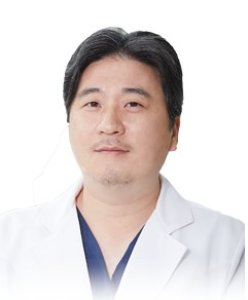
Park Sundo
الدكتور بارك سوندو اختصاصي في جراحة الجهاز الهضمي والجراحة العامة في مستشفى نايون. تشمل خبرته جراحة القولون والمستقيم، وجراحة الشرج والمستقيم، وجراحة الثدي، والغدة الدرقية، والجراحة بالمنظار، وجراحة الجهاز الصفراوي، والبنكرياس، وجراحة الأطفال.
تشمل العلاجات الرئيسية جراحة الشرج والمستقيم مثل استئصال البواسير وعلاج البواسير والناسور الشرجي. يجري جراحات بالمنظار لحصوات المرارة (تحصّي المرارة) والتهاب الزائدة الدودية. يشمل علاجه الأورامي سرطان المعدة والقولون والمستقيم. كما يجري إصلاح الف
قصص فيديو من مرضى Bookimed
المراجعات
جميع المراجعاتمشاركة المحتوى
 Anna Leonova
أسئلة متكررة حول استئصال سرطان البنكرياس في كوريا الجنوبية
ما هي معدلات البقاء على قيد الحياة ونتائج جراحة سرطان البنكرياس في كوريا؟
تحقق جراحة سرطان البنكرياس في كوريا نتائج عالمية المستوى، حيث تبلغ معدلات الوفيات المحيطة بالجراحة في المراكز الرائدة ما يصل إلى 0.2 بالمائة. ارتفع معدل البقاء على قيد الحياة الإجمالي لمدة 5 سنوات إلى حوالي 16.5 بالمائة، بينما يصل متوسط البقاء على قيد الحياة للمرضى الذين خضعوا لاستئصال جراحي ناجح إلى 32.2 شهرًا.
- البقاء على قيد الحياة بعد الاستئصال: تظهر الدراسات الحديثة أن معدل البقاء على قيد الحياة لمدة 5 سنوات يصل إلى 30 بالمائة للمرضى بعد إزالة الورم بنجاح.
- السلامة الجراحية: تتفوق المراكز الكبرى مثل مستشفى جامعة سيول الوطنية على المعايير العالمية في إجراءات ويبل المعقدة.
- التقنيات المتقدمة: تستخدم العيادات أنظمة دافنشي الروبوتية وتنظير البطن لتقليل المضاعفات ووقت التعافي.
- حجم العلاج: يجري مركز سامسونج الطبي ومركز آسان الطبي أكثر من 45,000 إلى 65,000 عملية جراحية سنويًا.
رأي خبير Bookimed: يعود النجاح الجراحي في كوريا إلى التخصص الدقيق وحجم العمليات الكبير. تتعامل عيادات مثل مركز آسان الطبي ومركز سامسونج الطبي مع أعداد هائلة من المرضى، وهو ما يرتبط ارتباطًا مباشرًا بمعدلات الوفيات لديهم البالغة 0.2 بالمائة. يعد اختيار مركز ذو حجم عمليات كبير في سيول أو إنتشون العامل الأكثر أهمية لتقليل المخاطر الجراحية.
إجماع المرضى: يُنظر إلى الجراحة على أنها الخطوة الأولى الحيوية، لكن المرضى يؤكدون أن إكمال العلاج الكيميائي بعد الجراحة ضروري لمكافحة معدلات الانتكاس المرتفعة. النتائج الواقعية لأولئك الذين خضعوا لاستئصال ناجح مع
ما هي المخاطر والمضاعفات الرئيسية لجراحة سرطان البنكرياس؟
تنطوي جراحة سرطان البنكرياس في جمهورية كوريا على مخاطر مثل الناسور البنكرياسي، حيث تتسرب العصارة الهضمية من الوصلات الجراحية. قد يواجه المرضى أيضًا تأخرًا في إفراغ المعدة، ونزيفًا داخليًا، وتغيرات أيضية طويلة الأمد بما في ذلك الإصابة بمرض السكري أو قصور الإنزيمات الهضمية الذي يتطلب علاجًا تعويضيًا مدى الحياة.
- الناسور البنكرياسي: تسرب السوائل من المفاغرة مما يسبب تهيجًا موضعيًا أو خراجات أو عدوى شديدة.
- تأخر إفراغ المعدة: تتعافى المعدة ببطء، وغالبًا ما يتطلب ذلك استخدام أنابيب أنفية معدية مؤقتة أو تغذية وريدية.
- التأثير الأيضي: يمكن أن تؤدي إزالة جزء من البنكرياس إلى تحفيز مرض السكري المعتمد على الأنسولين أو تفاقم التحكم في نسبة السكر في الدم.
- القصور الهضمي: يؤدي انخفاض إنتاج الإنزيمات إلى سوء الامتصاص، والإسهال المزمن، وفقدان الوزن الكبير بعد الجراحة.
رؤية خبراء Bookimed: تجري المراكز الطبية الكبرى في كوريا الجنوبية، مثل مركز أسان الطبي ومركز سامسونج الطبي، أكثر من 45,000 عملية جراحية سنويًا. يخلق هذا النطاق الواسع ميزة أمان. تظهر البيانات أن المستشفيات التي تتعامل مع هذه الأحجام تحافظ على معدلات نجاح فائقة في إجراءات ويبل المعقدة. يجب على المرضى إعطاء الأولوية للعيادات الحاصلة على اعتماد KOIHA لمعايير السلامة الجراحية المعتمدة.
إجماع المرضى: التعافي عملية جراحية للغاية وغالبًا ما يستغرق عدة أشهر. كثيرًا ما يذكر المرضى أن مراقبة مخرجات التصريف وإدارة تقلبات السكر في الدم هي المهام اليومية الأكثر صعوبة خلال فترة الش
ما هي التقنيات الجراحية المستخدمة لعلاج سرطان البنكرياس في كوريا؟
يتخصص الجراحون في كوريا الجنوبية في عمليات استئصال سرطان البنكرياس المعقدة، باستخدام أنظمة روبوتية متقدمة وتقنيات تنظير البطن طفيفة التوغل في مراكز الأورام ذات الحجم الكبير. تعطي هذه المرافق الأولوية لعمليات إعادة البناء التي تحافظ على الأوعية الدموية وتقنيات الدقة مثل NanoKnife لتحسين النتائج للأورام القابلة للاستئصال الحدودي في المستشفيات المتخصصة المعتمدة من JCI.
- جراحة ويبل: المعيار القياسي لأورام رأس البنكرياس، وغالباً ما يتم إجراؤها عبر نهج بمساعدة الروبوت أو بالمنظار بالكامل.
- استئصال البنكرياس البعيد: يُستخدم لأورام الجسم أو الذيل، وغالباً ما يستخدم طرق تنظير البطن التي تحافظ على الطحال.
- الجراحة بمساعدة الروبوت: يستخدم الجراحون أنظمة da Vinci لإجراء مفاغرات دقيقة وإعادة بناء القنوات بتصور ثلاثي الأبعاد.
- تقنيات الاستئصال: تستهدف تقنية NanoKnife (IRE) والاستئصال بالترددات الراديوية الأورام التي لا تعتبر مرشحة بوضوح للاستئصال الجراحي.
رأي خبير Bookimed: يرتبط حجم العمليات الجراحية ارتباطاً مباشراً بالسلامة في كوريا. يجري كل من مركز أسان الطبي ومركز سامسونج الطبي أكثر من 45,000 عملية جراحية سنوياً. يسمح هذا النطاق الهائل للجراحين بإتقان تقنيات الروبوت أحادية المنفذ التي تقلل من صدمات البطن بشكل أكثر فعالية من المراكز ذات الحجم الأقل في جميع أنحاء العالم.
إجماع المرضى: يؤكد المرضى أن النهج الروبوتية ونهج ثقب المفتاح تقصر بشكل كبير من فترات الإقامة في المستشفى مقارنة بالجراحة المفتوحة التقليدية. اطلب رأياً ثانياً
من هو المرشح لجراحة سرطان البنكرياس؟
عادة ما يكون المرشحون لجراحة سرطان البنكرياس هم المرضى الذين يعانون من أورام موضعية لم تنتشر إلى أعضاء بعيدة مثل الكبد أو الرئتين. تتطلب الأهلية مرحلة قابلة للاستئصال أو قابلة للاستئصال بحدود، مؤكدة بواسطة فحوصات التصوير المقطعي المحوسب عالية الدقة التي تظهر حداً أدنى من تورط الشرايين والأوردة الرئيسية.
- الحالة التشريحية: يجب أن يكون الورم محصوراً دون أن يحيط بالشريان المساريقي العلوي.
- اللياقة البدنية: يحتاج المرضى إلى حالة أداء عالية لتحمل جراحة استئصال البنكرياس البعيد أو جراحة ويبل الكبرى.
- العلامات البيولوجية: تشير مستويات CA 19-9 المستقرة إلى عدم وجود انتشار مجهري عدواني للمرض.
- الاستجابة للعلاج: المرضى الذين يستجيبون جيداً للعلاج الكيميائي المساعد قد يتأهلون لإعادة تقييم الجراحة.
رؤية خبير Bookimed: تجري المراكز الكورية الرائدة مثل مركز سامسونج الطبي ومركز أسان الطبي أكثر من 45,000 عملية جراحية سنوياً، مما يخلق فجوة خبرة كبيرة. تظهر البيانات أن العيادات هنا غالباً ما تستخدم أنظمة روبوتية لتوفير خيارات جراحة بدون دم، وهو أمر قد يكون حاسماً للمرضى الذين يعانون من تورط وعائي معقد.
إجماع المرضى: غالباً ما يؤكد المرضى أن قابلية الاستئصال الأولية ليست نهائية. يقترح الكثيرون طلب آراء ثانية في مراكز ذات حجم عمليات كبير، حيث قد ينجح الجراحون المتخصصون في إجراء عمليات لحالات كانت تعتبر سابقاً غير قابلة للاستئصال.
ما هو الجدول الزمني للتعافي بعد جراحة سرطان البنكرياس؟
يتضمن التعافي من سرطان البنكرياس في كوريا الجنوبية عادةً إقامة في المستشفى تتراوح من 5 إلى 14 يومًا، مع تحقيق التعافي الوظيفي في غضون 4 إلى 8 أسابيع. غالبًا ما يتطلب الاستعادة الكاملة للهضم والقدرة على التحمل من 6 أشهر إلى سنتين، اعتمادًا على ما إذا تم استخدام تقنيات جراحية طفيفة التوغل بالروبوت أو بالمنظار.
- الإقامة في المستشفى: يبقى المرضى عادةً في المستشفى لمدة 8 أيام للمراقبة القياسية وتصريف السوائل.
- قيود النشاط: يجب تجنب رفع الأثقال والتمارين الشاقة لمدة 4 إلى 6 أسابيع.
- تعديل النظام الغذائي: ينتقل المرضى إلى تناول 6 إلى 8 وجبات صغيرة يوميًا خلال الشهرين الأولين.
- التخطيط للسفر: يجب على المرضى الدوليين البقاء في كوريا لمدة 2 إلى 3 أسابيع بعد الجراحة.
رؤية خبير Bookimed: تحافظ المراكز الكورية الجنوبية مثل مركز سامسونج الطبي ومركز أسان الطبي على معدلات نجاح عالية من خلال دمج التصوير الرقمي والأنظمة الروبوتية. تشير البيانات إلى أن المرضى الذين يختارون هذه العيادات ذات الحجم الكبير يستفيدون من بروتوكولات تعافي مبسطة، وغالبًا ما يبدأون العلاج المساعد بعد 6 إلى 8 أسابيع بالضبط من الإجراء.
إجماع المرضى: توقع أن يتأخر الشهية والهضم عن التئام الجرح الجسدي خلال الأسابيع الثمانية الأولى. الحركة المبكرة أمر حيوي، حيث يتم تشجيع معظم المرضى على الجلوس في غضون 12 ساعة لمنع حدوث مضاعفات.
ما هي المؤهلات التي يجب أن أبحث عنها في جراح البنكرياس في كوريا؟
اختر جراحاً معتمداً من الجمعية الجراحية الكورية مع تدريب تخصصي دقيق في جراحة الكبد والقنوات الصفراوية والبنكرياس. أعط الأولوية للمتخصصين في المراكز الجامعية ذات الحجم الكبير مثل مركز سامسونج الطبي أو مركز أسان الطبي، حيث يتم إجراء مئات عمليات الاستئصال سنوياً باستخدام أنظمة دا فينشي الروبوتية أو بالمنظار.
- شهادة البورد: يجب أن يحمل شهادة الجمعية الجراحية الكورية ومؤهلات تخصصية في جراحة الكبد والقنوات الصفراوية والبنكرياس.
- حجم العمليات في المؤسسة: اختر العيادات التي تجري أكثر من 45,000 عملية جراحية سنوياً لضمان انخفاض معدلات المضاعفات.
- الخبرة التقنية: تحقق من الخبرة في إجراءات ويبل بمساعدة الروبوت واستئصال البنكرياس البعيد طفيف التوغل.
- الدعم متعدد التخصصات: تأكد من الوصول إلى فرق متكاملة في أمراض الجهاز الهضمي، وعلاج الأورام بالإشعاع، ورعاية العناية المركزة المتخصصة.
رؤية خبير Bookimed: تظهر البيانات وجود تدرج واضح في الجودة بين مستشفيات سيول الكبرى. تدير عيادات مثل مركز سامسونج الطبي ومركز أسان الطبي أكثر من 55,000 عملية جراحية سنوياً. هذا الحجم الهائل يسمح للجراحين بالحفاظ على ذروة الكفاءة التقنية. غالباً ما يمنح اختيار هذه المراكز الوصول إلى معايير بمستوى عيادة مايو وأكبر مرافق السرطان المتخصصة في آسيا.
إجماع المرضى: يؤكد المرضى على أهمية سؤال الجراحين عن عدد عملياتهم السنوي المحدد بدلاً من الاعتماد على تسويق المستشفى. ركز على جودة رعاية ما بعد الجراحة في الأجنحة ودعم العناية المركزة بقدر تركيزك على المهارة التق
ما هي التحضيرات قبل الجراحة المطلوبة لعملية سرطان البنكرياس؟
تتطلب التحضيرات قبل الجراحة لسرطان البنكرياس في كوريا الجنوبية فحصاً طبياً شاملاً، وتحسين التغذية، والتأهيل البدني. يخضع المرضى لاختبارات وظائف الرئة، وتخطيط القلب، وتصريف القنوات الصفراوية للسيطرة على اليرقان. يقوم المتخصصون في المراكز المعتمدة من JCI مثل مستشفى سيفيرانس بتنسيق بروتوكولات العلاج الكيميائي لضمان قابلية استئصال الأورام قبل الجراحة.
- التقييم الطبي: اختبارات القلب والرئة بما في ذلك تخطيط القلب، والأشعة السينية للصدر، واختبارات وظائف الرئة لضمان اللياقة للجراحة.
- الدعم الغذائي: الأنظمة الغذائية الغنية بالبروتين والمكملات الغذائية لمكافحة سوء الامتصاص وفقدان الوزن الشائع في الأورام.
- إدارة القنوات الصفراوية: يعمل وضع الدعامة عبر التصريف بالمنظار على حل اليرقان الانسدادي لاستقرار حالة المرضى قبل الاستئصال.
- بروتوكول الأدوية: يجب التوقف عن تناول مميعات الدم مثل الأسبرين أو الوارفارين قبل أيام من بدء التخدير العام.
رأي خبير Bookimed: تتخصص كوريا الجنوبية في التحضير الرقمي، حيث تستخدم عيادات مثل مستشفى جامعة سيول الوطنية في بوندان أنظمة أمان متكاملة. تظهر البيانات أن المراكز الرائدة مثل مركز أسان الطبي تجري أكثر من 65,000 عملية سنوياً. اختيار منشأة ذات حجم عمليات كبير يعني غالباً وصولاً أسرع إلى فرق متعددة التخصصات تدير بروتوكولات ما قبل الجراحة المعقدة بكفاءة.
إجماع المرضى: يؤكد المرضى على أهمية إعطاء الأولوية للمشي اليومي لبناء القدرة على التحمل واستخدام مشروبات البروتين عالية السعرات الحرارية لمنع فقدان ال