BGN Eye Hospital
كوريا الجنوبية, بوسان


تمت مراجعة المقالة طبيا من قبل
فهد مولود
تتراوح تكلفة علاج ضمور البقعة الصفراء في جمهورية كوريا بين $2,500 و $5,500. يعتمد السعر النهائي على العلاج المختار، مثل الحقن داخل الجسم الزجاجي، أو العلاج بالليزر، أو الجراحة المتقدمة. تشمل التكاليف الأساسية فحوصات التشخيص قبل الجراحة، واختبارات العين المكونة من 50 خطوة، وخدمات دعم المرضى الدوليين.
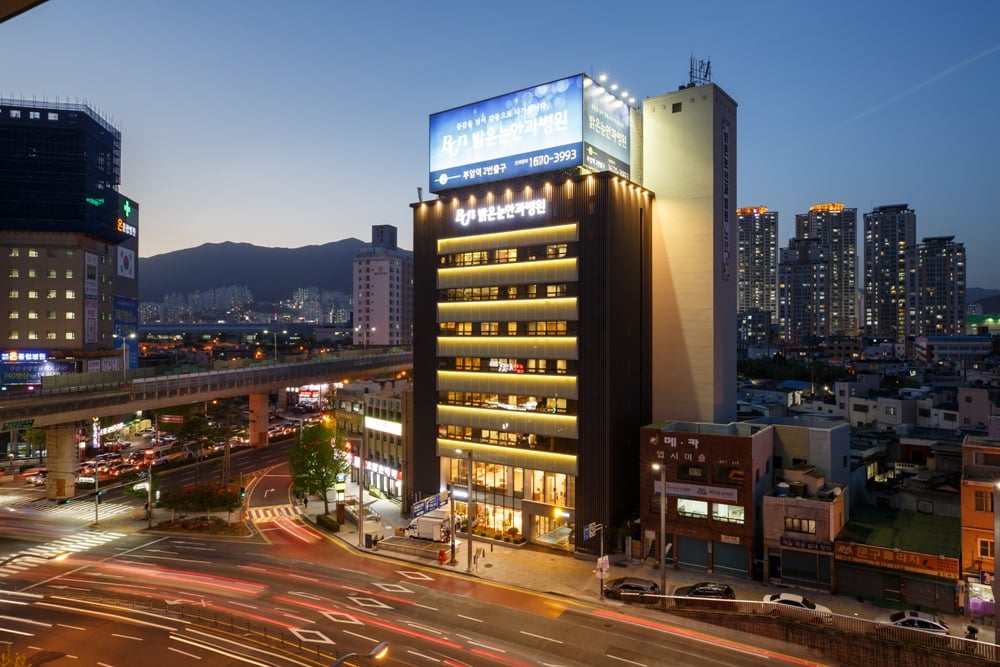
رأي خبراء Bookimed: يضمن اختيار مستشفى رقمي مثل مستشفى جامعة سيول الوطنية في بوندانغ (SNUBH) مستوى أمان عالياً عبر الأنظمة المحوسبة. بالنسبة لرعاية العيون المتخصصة، يعد مستشفى BGN في بوسان مركزاً عالي الكفاءة، حيث أجرى أكثر من 346,000 جراحة لتصحيح الإبصار. يمكن للمرضى الحصول على رعاية فائقة الجودة في مركز أسون الطبي، المصنف ضمن أفضل مستشفيات العالم وفقاً لمجلة نيوزويك. تجمع هذه المؤسسات بين معايير اعتماد JCI وأسعار أقل بكثير من البدائل الغربية.
Bookimed لا يضيف رسوماً إضافية على أسعار علاج الضمور البقعي. الأسعار مأخوذة من قوائم الأسعار الرسمية للعيادات. تدفع مباشرة في العيادة مقابل علاج الضمور البقعي عند وصولك.
Bookimed ملتزم بسلامتك. نحن نعمل فقط مع المؤسسات الطبية التي تحافظ على معايير دولية عالية في علاج الضمور البقعي ولديها التراخيص اللازمة لخدمة المرضى الدوليين في جميع أنحاء العالم.
Bookimed يقدم مساعدة خبراء مجانية. منسق طبي شخصي يدعمك قبل وأثناء وبعد العلاج، ويحل أي مشاكل. لن تكون وحيداً أبداً في رحلة علاج الضمور البقعي.

يصحح الإجراء الرؤية عن طريق إعادة تشكيل القرنية باستخدام الليزر ، مما يوفر نتائج سريعة ودائمة وغير مؤلمة.
تعمل العملية على تصحيح أخطاء الرؤية باستخدام الليزر ، مما يؤدي إلى إحداث شق صغير ، وبالتالي ضمان التعافي بشكل أسرع.
يستخدم الإجراء أشعة ليزر فائقة الدقة لتصحيح الرؤية ، مما يوفر نحتًا عالي الدقة للقرنية بدون شفرات.
يصحح الإجراء الرؤية عن طريق إعادة تشكيل القرنية ، وتعزيز الانتعاش السريع والنتائج الدائمة بدقة الليزر.
يهدف هذا العلاج إلى إبطاء فقدان البصر ، ويتضمن تعديلات غذائية ، وفيتامينات ، وربما حقن في العين.
هذا الإجراء يعيد تشكيل القرنية لتحسين الرؤية ، باستخدام الليزر ، طريقة غير جراحية وسريعة وغير مؤلمة مع شفاء سريع.
تعيد هذه العملية تشكيل القرنية باستخدام الليزر لتحسين الرؤية ، مع الحد الأدنى من الألم والتعافي السريع.
يستخدم هذا العلاج ضوء نابض فائق السرعة لتشكيل القرنية بدقة ، وتحسين الرؤية بأقصى درجات الدقة.
اليوم الأول - الوصول
اليوم 2 - ما قبل العملية
اليوم الثالث - علاج الحثل البقعي
اليوم 4 - بعد العملية
الأسبوع الأول إلى الأسبوع الرابع - إعادة التأهيل
يرجى ملاحظة أن هذا دليل عام وقد تختلف الحالات الفردية. تتوفر المساعدة اللغوية ولكن خدمات النقل غير مشمولة.


 Anna Leonova
الرعاية الصحية هي قطاع التنمية الرئيسي للحكومة الكورية. السلطات الكورية مقتنعة بأن رعاية صحة المواطنين يجب أن تكون أولوية غير مشروطة لسياسة الدولة ، وتنفق سنويًا حوالي مليار دولار لجذب السياح الطبيين.
وفقًا لمارك بريتنيل ، تهيمن المستشفيات على نظام الرعاية الصحية. 94٪ من المستشفيات مملوكة للقطاع الخاص.
وفقًا لإحصاءات ASPS ، تم إجراء 17.7 مليون عملية تجميل و 5.8 مليون عملية ترميمية في عام 2018. تشمل الإجراءات التجميلية الأكثر شيوعًا ما يلي:
تعد إزالة الورم ، والتئام الدموع ، وجراحة الوجه والفكين ، ومراجعة الندبات ، وجراحة اليد من أكثر العمليات شيوعًا في سياق الجراحة الترميمية.
تتطلب تأشيرات السفر إلى كوريا الجنوبية عددًا من المستندات . يمكن تقديم الأوراق اللازمة قبل 90 يومًا من المغادرة المخطط لها. قائمة الوثائق تشمل:
عملة | وون كوري جنوبي (الدفع مقابل الخدمات ممكن أيضًا بالدولار) |
أفضل فترة للسفر | أبريل ومايو ويونيو أو سبتمبر وأكتوبر ونوفمبر. |
لغة | الكورية (معظم الطاقم الطبي يتحدث الإنجليزية بطلاقة) |
تأشيرة | غير مطلوب للإقامة لمدة تصل إلى 90 يومًا أو أقل |
فارق التوقيت مع أوروبا | الساعة 9 |
فارق التوقيت من الولايات المتحدة الأمريكية | الساعة 9 |
عاصمة | سيول |
في كوريا الجنوبية ، توجد فنادق ذات نطاقات أسعار ومستويات خدمة مختلفة. يختار معظم السياح فنادق 4 و 5 نجوم مع وجبات شاملة كليًا. تحتوي هذه الفنادق على كل شيء لإقامة مريحة: طعام متنوع ، منطقة كبيرة جيدة الإعداد ، رسوم متحركة للأطفال والكبار. تحتوي بعض الفنادق على حديقة مائية خاصة بها ، والتي يمكن للضيوف استخدامها مجانًا. يمكن للمسافرين ذوي الميزانية المحدودة حجز فندق اقتصادي من فئة 3 نجوم مع إقامة مع وجبتي طعام أو بدون وجبات على الإطلاق. |