العودة إلى الصفحة الرئيسية

كيف نعمل؟

لقد قمنا بتحويل عملية البحث عن العيادة، وجعلناها بسيطة وسريعة وشخصية.
أجب عن بعض الأسئلةقم بإجراء اختبار قصير لمشاركة أهدافك إصلاح الفتق الإربي بالمنظار الخاصة بك.
احصل على عروض مخصصة٣ عيادات تم اختيارها بعناية بناءً على إجاباتك، ستقدّم خطط علاج وتقديرات تكلفة مخصصة لك.
اختر الخيار الأفضلقارن بين العروض واختر العيادة الأنسب لك.
يمكنك أيضًا تصفح 2 عيادة أدناه.
820К+ مريضًا حصلوا على المساعدة منذ عام 2014
50 دول
1,500 عيادات
6K+ تقييمات
3K+ طبيب مؤهل

ما هي تكلفة إصلاح الفتق الإربي بالمنظار في كوريا الجنوبية؟ اكتشف الآن

السعر المتوسط ل في كوريا الجنوبية هو $6,000. الحد الأدنى للسعر هو $5,000 والحد الأقصى $7,000.
كوريا الجنوبيةتركياإسبانيا
إصلاح الفتق الإربي بالمنظارمن $5,000من $2,100من $3,200
تم التحقق من البيانات بواسطة Bookimed اعتبارًا من August 2026، استنادًا إلى طلبات المرضى والعروض الرسمية من 19 عيادة حول العالم. تستند التكاليف المتوسطة إلى الفواتير الحقيقية (2025–2026) ويتم تحديثها شهريًا. قد تختلف الأسعار الفعلية.

اكتشف أفضل إصلاح الفتق الإربي بالمنظار العيادات في كوريا الجنوبية: 2 خيارات معتمدة والأسعار
تم تصنيف العيادات بواسطة نظام Bookimed الذكي، باستخدام تحليل علوم البيانات عبر 5 معايير رئيسية.

نظرة عامة على إصلاح الفتق الإربي بالمنظار في كوريا الجنوبية

الوجبات الجاهزة
الإجراءات والتكاليف ذات الصلة
كيف نعمل؟
المزايا
دفع
مرضى يوصي -
85%
تمت معالجة الطلبات - 7852
رسوم الحجز - $0

احصل على تقييم طبي لـ إصلاح الفتق الإربي بالمنظار في كوريا الجنوبية: اختر أخصائيك من بين الأفضل في هذا المجال

عرض جميع الأطباء
يؤكد

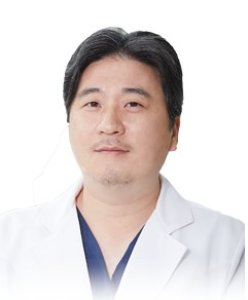
Park Sundo

26سنة خبره ١٦ سنة

الدكتور بارك سوندو اختصاصي في جراحة الجهاز الهضمي والجراحة العامة في مستشفى نايون. تشمل خبرته جراحة القولون والمستقيم، وجراحة الشرج والمستقيم، وجراحة الثدي، والغدة الدرقية، والجراحة بالمنظار، وجراحة الجهاز الصفراوي، والبنكرياس، وجراحة الأطفال.

تشمل العلاجات الرئيسية جراحة الشرج والمستقيم مثل استئصال البواسير وعلاج البواسير والناسور الشرجي. يجري جراحات بالمنظار لحصوات المرارة (تحصّي المرارة) والتهاب الزائدة الدودية. يشمل علاجه الأورامي سرطان المعدة والقولون والمستقيم. كما يجري إصلاح الفتق. ويشمل علاج الثدي والغدة الدرقية معالجة الأورام وخزعة ماموتوم. ويعالج الدوالي والحروق الشديدة. وتشمل جراحة الأطفال إصلاح الفتق والإجراءات الجراحية العامة للأطفال.

قصص فيديو من مرضى Bookimed

Valentina
كانت رحلتي من إسبانيا إلى إسطنبول لإجراء شفط الدهون تجربة غيرت حياتي.
إجراء: شفط الدهون
Randolph
ابقَ قويًا، وكن على دراية، ولا تستهين أبدًا بقوة العلاجات المتقدمة ونظام الدعم المتين.
إجراء: التجميع الإشعاعي لسرطان الكبد

المراجعات

جميع المراجعات
مجهول • جراحة الوجه (انظر. جراحة شد الوجه)
نيوزيلاندا
٢ يونيو ٢٠٢٦
مراجعة تم التحقق منها.
مكان رائع
مكان رائع. فريق العمل ودود ومتعاون. الطاقم الطبي محترف وسريع. أجواء لطيفة، وأثاث مريح.

مشاركة المحتوى

Twitter XLinkedinFacebookWhatsAppEmail
أحصل على الرابط
محدث: 06/02/2026
تأليف
Anna Leonova
Anna Leonova
رئيس فريق تسويق المحتوى
محررة طبية معتمدة لديها خبرة تزيد عن 10 سنوات، طوّرت محتوى Bookimed الموثوق، مدعومة بماجستير في علم اللغة ومقابلات مع خبراء طبيين من جميع أنحاء العالم.
تمت المراجعة من قبل المستشار الطبي في Bookimed
فهد مولود
محرر طبي وعالم بيانات
طبيب عام. حاصل على 4 جوائز علمية. خدم في غرب آسيا. رئيس الفريق الطبي الناطق بالعربية سابقا ومسؤول عن معالجة البيانات ودقة المحتوى الطبي حاليا.
فهد مولود Linkedin
قد تحتوي هذه الصفحة على معلومات تتعلق بمختلف الحالات الطبية والعلاجات وخدمات الرعاية الصحية المتوفرة في بلدان مختلفة. يرجى العلم أن المحتوى مقدم لأغراض إعلامية فقط ولا ينبغي تفسيره على أنه نصيحة أو إرشادات طبية. يرجى استشارة طبيبك أو أخصائي طبي مؤهل قبل البدء أو تغيير العلاج الطبي.

أسئلة متكررة حول إصلاح الفتق الإربي بالمنظار في كوريا الجنوبية

هذه الأسئلة الشائعة مأخوذة من مرضى حقيقيين يبحثون عن رعاية طبية عبر Bookimed. يتم تقديم الإجابات من قبل منسقين طبيين ذوي خبرة وممثلين موثوقين من العيادات.

What is the recurrence rate for laparoscopic inguinal hernia repair in Republic of Korea?

Laparoscopic inguinal hernia repair in the Republic of Korea has a low recurrence rate. Nationwide data shows an overall recurrence rate of 5.5% for all techniques. Specialist laparoscopic TEP cases often reach 0.7%. Paediatric repairs show a minimal recurrence rate of 0.2%.

  • Nationwide average: Overall hernia recurrence across all surgical techniques is roughly 5.5%.
  • Technique specific: Minimal recurrence of 0.7% achieved in targeted laparoscopic TEP adult cases.
  • Paediatric safety: Children undergoing laparoscopic repair show exceptionally low recurrence rates of 0.2%.
  • Surgical volume: NAEUN Hospital in Incheon treats 500,000 patients annually across 27 departments.

Bookimed Expert Insight: Surgeon experience is the primary factor limiting recurrence in Korea. Data shows laparoscopic adoption jumped from 3% to 79% for complex cases. Doctors like Dr Park Sundo at NAEUN Hospital perform thousands of procedures annually. This high volume directly contributes to the lower recurrence rates seen in Korean surgical centres.

Patient Consensus: Patients find the 1% to 2% long-term recurrence rate in Korea provides significant peace of mind. Most note that early post-op swelling often resolves naturally without needing further surgery.

When is laparoscopic inguinal hernia repair in Republic of Korea preferred over open surgery?

Laparoscopic inguinal hernia repair in Republic of Korea is preferred for bilateral cases and recurrent hernias. It is also preferred for active patients who want a fast recovery. Specialists use small incisions to reduce post-operative discomfort. This approach lets surgeons like Dr Park Sundo at NAEUN HOSPITAL assess both groins at once. It avoids large abdominal cuts.

  • Bilateral hernias: Repairs both sides through three small ports in a single operation.
  • Recurrent cases: Accesses the hernia from behind, avoiding previous surgical scar tissue.
  • Recovery speed: Patients typically return to normal daily routines 7 days sooner.
  • Paediatric benefits: Reduces the risk of future hernias on the opposite side in children.

Bookimed Expert Insight: Laparoscopic repair is standard. However, some Korean surgeons specialise in non-mesh tissue repairs. They also use TEP and TAPP techniques. With NAEUN HOSPITAL serving 500,000 patients annually, high-volume centres provide significant experience. Patients should always ask which technique is used. This makes sure the mesh stays clear of the spermatic cord.

Patient Consensus: Patients in Republic of Korea find the early recovery much easier with less pain. They suggest preparing for temporary gas discomfort for two days after the laparoscopic procedure.

What are the TAPP and TEP techniques for laparoscopic inguinal hernia repair in Republic of Korea?

Surgeons in Republic of Korea perform laparoscopic inguinal hernia repair using TAPP and TEP techniques. These are often integrated with robotic-assisted technology. TAPP accesses the hernia through the abdominal cavity. TEP works entirely outside the peritoneum. This minimises the risk of internal adhesions.

  • TAPP procedure: Surgeons enter the peritoneal cavity to place mesh over the hernia defect.
  • TEP procedure: Specialists create a working space above the peritoneum through a navel incision.
  • LA-TAPP modification: Advanced articulating instruments like Artisential allow bilateral repairs through left-side only trocars.
  • Fixation methods: Fibrin glue is frequently used instead of tacks to reduce post-operative pain.

Bookimed Expert Insight: While TAPP and TEP are standard, Korean clinics like NAEUN HOSPITAL provide niche alternatives like non-mesh tissue reconstruction. Data shows these custom repairs appeal to patients avoiding foreign materials. Confirming the technique upfront is vital as costs range from $5,000 to $7,000.

Patient Consensus: Recovery in Korea often feels like it comes in waves. Peak discomfort occurs during days 2–4. Many found long-acting bupivacaine injections helpful for early numbness. Patients suggest trusting the surgeon’s preferred technique over choosing the acronym themselves.

Is robotic laparoscopic inguinal hernia repair available in Republic of Korea?

Robotic-assisted laparoscopic inguinal hernia repair is widely available. Major surgical centres across the Republic of Korea offer it. Specialists use systems like the da Vinci Xi. This approach provides 3D visualisation and wristed instruments. It allows precise R-TAPP reconstructions in complex cases.

  • Robotic availability: High-volume hospitals in Incheon and Seoul offer robotic-assisted transabdominal preperitoneal repairs.
  • Technology: Surgeons use da Vinci Xi systems for enhanced dexterity during mesh placement.
  • Clinical performance: Major centres like NAEUN HOSPITAL treat 500,000 patients annually across 27 specialised departments.
  • Specialist expertise: Experts like Dr Park Sundo specialise in laparoscopic and oncologic general surgery.

Bookimed Expert Insight: Korea stands out because clinics often provide both robotic mesh repairs and specialised tissue-only techniques. While robots assist with complex anatomy, surgeon volume remains the primary success indicator. Leading Korean clinics often staff 90+ doctors to maintain high-frequency robotic theatre sessions.

Patient Consensus: Recovery after robotic repairs in Korea is smooth. Many find the 3D vision helps surgeons work precisely. Patients suggest asking for a surgeon's annual hernia volume before booking. Confirming mesh preferences early helps the chosen surgical approach match personal recovery goals.

How long is the recovery time after laparoscopic inguinal hernia repair in Republic of Korea?

Patients typically return to light activities and desk work within 7 to 14 days. This recovery timeline applies after laparoscopic inguinal hernia repair in Korea. Most individuals achieve full functional recovery by 4 to 6 weeks. Specialists use minimally invasive keyhole techniques to reduce tissue trauma and speed up hospital discharge.

  • Immediate mobility: Walking is encouraged within hours to prevent blood clots and aid bowel function.
  • Hospital stay: Most patients are discharged within 24 hours at facilities like NAEUN Hospital.
  • Work timeline: Office-based roles resume in 4–10 days if pain is managed with mild analgesics.
  • Physical limits: Weight lifting over 10kg is usually restricted for at least 4–6 weeks.
  • Complete healing: Internal tissue repair continues for months after surface incisions have fully healed.

Bookimed Expert Insight: Korean surgical hubs like NAEUN Hospital serve 500,000+ patients annually across 27 specialised departments. This high patient volume often leads to streamlined recovery tracks. Specialist surgeons such as Dr Park Sundo use laparoscopic techniques to achieve faster discharge than traditional open surgery.

Patient Consensus: The first 3 days are often the most uncomfortable before significant improvement occurs. Patients in Korea report feeling substantially more mobile after 1 week. They also report comfortably driving again within 4 days.

What are the common side effects of laparoscopic inguinal hernia repair in Republic of Korea?

Laparoscopic inguinal hernia repair in Republic of Korea typically involves minor side effects. These include fluid collection (seroma), temporary bruising, and shoulder pain from CO2 gas. Studies in Korean centres show low recurrence rates of 0.2%. Chronic pain occurs in under 4.6% of cases.

  • Gas pain: CO2 used during surgery causes bloating and referred pain in the shoulders.
  • Seroma and swelling: Fluid collection occurs in 14–16% of TEP and TAPP approach cases.
  • Urinary retention: Difficulty passing urine is more frequent in elderly patients with pre-existing conditions.
  • Groin discomfort: Temporary bruising or swelling of the scrotum typically resolves within weeks.

Bookimed Expert Insight: Korea’s large-scale hospitals, like Naeun Hospital, often favour the Totally Extraperitoneal (TEP) technique. Naeun Hospital serves 500,000 patients annually. Data indicates TEP reduces surgical time and post-operative pain compared to other methods. This helps patients mobilise faster after their procedure.

Patient Consensus: Bloating and trapped gas pain in the shoulders often feel more noticeable than groin soreness. Most patients find that scrotal swelling and bladder sluggishness clear up quickly with light walking.

What is laparoscopic inguinal hernia repair in Republic of Korea?

Laparoscopic inguinal hernia repair in the Republic of Korea is a minimally invasive surgery. It uses small incisions and a camera. Over 40% of adult groin hernia operations there now use this approach. Specialists like Dr Park Sundo at NAEUN HOSPITAL perform these repairs for faster recovery.

  • Specialised techniques: Surgeons use Transabdominal Preperitoneal (TAPP) or Totally Extraperitoneal (TEP) methods with mesh.
  • Clinical volume: Centres like NAEUN HOSPITAL treat 500,000 patients annually across 27 departments.
  • Recovery timeline: Most patients return to light activity within 1 week after laparoscopic surgery.
  • Lifting restrictions: Specialists recommend avoiding heavy lifting for 6 weeks so the repair heals.

Bookimed Expert Insight: Laparoscopic repair is standard in Incheon and Seoul. However, some Korean clinics also specialise in high-precision non-mesh open repairs. Patients should confirm if their surgeon recommends a mesh-based laparoscopic approach or a suture-only technique. Recovery times for each differ slightly.

Patient Consensus: Recovery in the Republic of Korea is usually smooth. Patients suggest preparing ice packs and managing constipation for the first 3 days. Most feel fully healed after 3 months. Restraint during exercise is vital for the first few weeks.

احصل على استشارة مجانية

حدد أفضل طريقة للاتصال بك