العودة إلى الصفحة الرئيسية
820К+ مريضًا حصلوا على المساعدة منذ عام 2014
50 دول
1,500 عيادات
6K+ تقييمات
3K+ طبيب مؤهل

ما هي تكلفة التنظير البطني الوراثي بالمنظار (ERCP) في كوريا الجنوبية؟ اكتشف الآن

السعر المتوسط ل في كوريا الجنوبية هو $5,500. الحد الأدنى للسعر هو $3,500 والحد الأقصى $7,500.
المزايا الرئيسية

لماذا يختار المرضى جمهورية كوريا لإجراء تصوير البنكرياس والقنوات الصفراوية بالتنظير الداخلي (ERCP)؟

  • العيادات المعتمدة: المستشفيات المعتمدة من JCI تقدم خدمات رعاية صحية استثنائية، مما يضمن السلامة والجودة في إجراءات ERCP.
  • أحدث التقنيات: استخدام الأجهزة المتطورة مثل منظار الاثني عشر Olympus TJF-Q190V ونظام SpyGlass DS من Boston Scientific يحسن دقة التشخيص والنتائج العلاجية.
  • نسب نجاح عالية: إجراءات ERCP في كوريا الجنوبية تتمتع بمعدل فعالية يتراوح بين 85-95%. يختلف هذا المعدل بناءً على تعقيد الحالة التي يتم علاجها.
  • الجراحون الخبراء: يقوم أطباء الجهاز الهضمي الرائدون، المعتمدون من الجمعية الكورية لأمراض الجهاز الهضمي، بإجراء أكثر من 500 حالة ERCP سنويًا. وهذا يدل على خبرتهم وتجربتهم الكبيرة.

احصل على حلول متقدمة لتصوير البنكرياس والقنوات الصفراوية بالتنظير الداخلي (ERCP) في العيادات الموثوقة من $421.

تم التحقق من البيانات بواسطة Bookimed اعتبارًا من August 2026، استنادًا إلى طلبات المرضى والعروض الرسمية من 34 عيادة حول العالم. تستند التكاليف المتوسطة إلى الفواتير الحقيقية (2025–2026) ويتم تحديثها شهريًا. قد تختلف الأسعار الفعلية.

مزاياك وضماناتك مع Bookimed

أسعار مباشرة

Bookimed لا يضيف رسوماً إضافية على أسعار التنظير البطني الوراثي بالمنظار (ERCP). الأسعار مأخوذة من قوائم الأسعار الرسمية للعيادات. تدفع مباشرة في العيادة مقابل التنظير البطني الوراثي بالمنظار (ERCP) عند وصولك.

عيادات وأطباء معتمدون فقط

Bookimed ملتزم بسلامتك. نحن نعمل فقط مع المؤسسات الطبية التي تحافظ على معايير دولية عالية في التنظير البطني الوراثي بالمنظار (ERCP) ولديها التراخيص اللازمة لخدمة المرضى الدوليين في جميع أنحاء العالم.

مساعدة مجانية على مدار الساعة

Bookimed يقدم مساعدة خبراء مجانية. منسق طبي شخصي يدعمك قبل وأثناء وبعد العلاج، ويحل أي مشاكل. لن تكون وحيداً أبداً في رحلة التنظير البطني الوراثي بالمنظار (ERCP).

لماذا نحن؟

منسقك الطبي الشخصي في Bookimed

  • يدعمك في كل مرحلة
  • المساعدة في اختيار العيادة الطبية المناسبة والطبيب المناسب
  • يضمن الوصول السريع والمريح إلى المعلومات

لا تفوت الصفقات الحصرية التنظير البطني الوراثي بالمنظار (ERCP) في كوريا الجنوبية لمدة أغسطس 2026

نوع الإجراء
التنظير الهضمي المتقدم واستئصال الزوائد اللحمية

كوريا الجنوبية, سول

Yoon Sik Kang

36سنة خبره ١٦ سنة
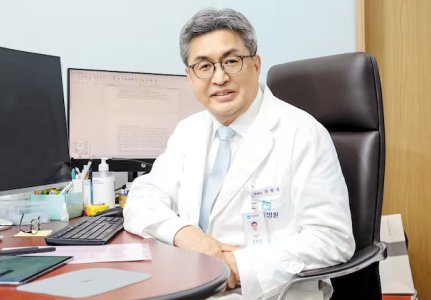
  • يون سيك كانغ هو جراح ذائع الصيت عالميًّا ومبتكر تقنية «كانغ ريبير» (Kang Repair) التي لا تستخدم شبكات.
  • أجرى مستشفى جيبوم العام أكثر من 150,000 عملية تنظير داخلي ويقدم خدماته لمرضى من 56 دولة.
  • الخدمات المشمولة: تنظير القولون.
  • معلومات الإقامة: إقامة لمدة يوم واحد في غرفة المستشفى و14 يومًا في فندق؛ لا تشمل الأسعار تكاليف الإقامة.

نظرة عامة على التنظير البطني الوراثي بالمنظار (ERCP) في كوريا الجنوبية

الوجبات الجاهزة
الإجراءات والتكاليف ذات الصلة
كيف نعمل؟
ماذا تتوقع
المزايا
دفع
مرضى يوصي -
85%
وقت الجراحة - 1 ساعة
البقاء في البلاد - 1 يوم
إعادة تأهيل - 1 يوم
تخدير - تخدير موضعي
تمت معالجة الطلبات - 7852
رسوم الحجز - $0

قصص فيديو من مرضى Bookimed

Valentina
كانت رحلتي من إسبانيا إلى إسطنبول لإجراء شفط الدهون تجربة غيرت حياتي.
إجراء: شفط الدهون
Randolph
ابقَ قويًا، وكن على دراية، ولا تستهين أبدًا بقوة العلاجات المتقدمة ونظام الدعم المتين.
إجراء: التجميع الإشعاعي لسرطان الكبد

المراجعات

جميع المراجعات
مجهول • جراحة الوجه (انظر. جراحة شد الوجه)
نيوزيلاندا
٢ يونيو ٢٠٢٦
مراجعة تم التحقق منها.
مكان رائع
مكان رائع. فريق العمل ودود ومتعاون. الطاقم الطبي محترف وسريع. أجواء لطيفة، وأثاث مريح.

مشاركة المحتوى

Twitter XLinkedinFacebookWhatsAppEmail
أحصل على الرابط
محدث: 06/02/2026
تأليف
Anna Leonova
Anna Leonova
رئيس فريق تسويق المحتوى
محررة طبية معتمدة لديها خبرة تزيد عن 10 سنوات، طوّرت محتوى Bookimed الموثوق، مدعومة بماجستير في علم اللغة ومقابلات مع خبراء طبيين من جميع أنحاء العالم.
تمت المراجعة من قبل المستشار الطبي في Bookimed
فهد مولود
محرر طبي وعالم بيانات
طبيب عام. حاصل على 4 جوائز علمية. خدم في غرب آسيا. رئيس الفريق الطبي الناطق بالعربية سابقا ومسؤول عن معالجة البيانات ودقة المحتوى الطبي حاليا.
فهد مولود Linkedin
قد تحتوي هذه الصفحة على معلومات تتعلق بمختلف الحالات الطبية والعلاجات وخدمات الرعاية الصحية المتوفرة في بلدان مختلفة. يرجى العلم أن المحتوى مقدم لأغراض إعلامية فقط ولا ينبغي تفسيره على أنه نصيحة أو إرشادات طبية. يرجى استشارة طبيبك أو أخصائي طبي مؤهل قبل البدء أو تغيير العلاج الطبي.

حقائق سريعة عن التنظير البطني الوراثي بالمنظار (ERCP)

تصوير البنكرياس والقنوات الصفراوية والبنكرياس بالمنظار بالطريق الراجع (ERCP)

يتضمن هذا الإجراء استخدام منظار داخلي لتشخيص وعلاج حالات القنوات الصفراوية والبنكرياس.

أيقونة الإيجابيات
: يتيح تصوير البنكرياس والقنوات الصفراوية والبنكرياس بالمنظار الكهربائي تشخيص وعلاج كل من التشخيص والعلاج في جلسة واحدة، مما يقلل من الحاجة إلى إجراءات إضافية. تتمتع بنسبة نجاح عالية، حيث ينجح 90% من الحالات في علاج الانسدادات أو الحصوات.
أيقونة-كونز
السلبيات: هناك خطر الإصابة بالتهاب البنكرياس بعد الإجراء، ويحدث في حوالي 5-10% من المرضى. تتطلب تخديراً، وهو ما قد لا يكون مناسباً لجميع المرضى.
رمز-تأثير
الفعالية: نسبة نجاحها 90% في علاج انسداد القنوات أو الحصوات.
رمز-الساعة
المدة: 1-2 ساعة
رمز-الساعة
التعافي: من يوم إلى يومين
أيقونة-إبهام
الأفضل لـ حصوات القنوات الصفراوية والتضيقات ومشاكل القنوات البنكرياسية. مثالي للمرضى الذين يحتاجون إلى تدخل تشخيصي وعلاجي على حد سواء.
رمز-السعر
الأسعار: تكلفة التنظير البطني الوراثي بالمنظار (ERCP) في كوريا الجنوبية من $3,500

أسئلة متكررة حول التنظير البطني الوراثي بالمنظار (ERCP) في كوريا الجنوبية

هذه الأسئلة الشائعة مأخوذة من مرضى حقيقيين يبحثون عن رعاية طبية عبر Bookimed. يتم تقديم الإجابات من قبل منسقين طبيين ذوي خبرة وممثلين موثوقين من العيادات.

What is the success rate of ERCP in Korea?

The success rate for ERCP in the Republic of Korea consistently exceeds 90% for therapeutic procedures. Leading tertiary hospitals report technical success rates as high as 95.3%. These outcomes are supported by major centres such as Gibbeum General Hospital. This hospital has performed 150,000+ endoscopy procedures.

  • Cannulation success: Specialists often achieve 93.5% success in accessing the bile duct during procedures.
  • Bile stone clearance: Specialists successfully clear 70.9% to 85% of stones using endoscopic techniques.
  • Tertiary expertise: High success rates are driven by university-affiliated hospitals and KOIHA-accredited general facilities.
  • Elderly patient safety: Korean specialists maintain high success rates and safety profiles across all age groups.

Bookimed Expert Insight: Success rates in Seoul are linked to massive procedural volumes. Hospitals like Gibbeum General Hospital serve patients from 56 countries. This global experience means specialists have handled almost every anatomical variation. Such volume typically translates into lower risks for post-procedure pancreatitis.

Patient Consensus: Patients find the experience efficient and professional in Korea. Many appreciate the no-stitch techniques. These allow for quicker recovery and showering the very next day.

What are the risks of ERCP?

ERCP carries a 5% to 10% complication rate. The primary risk is post-ERCP pancreatitis (PEP), causing pancreatic inflammation in 3% to 10% of cases. Other serious risks include bile duct infection, bleeding from duct widening, and rare intestinal perforations. Korean centres mitigate these using high-resolution imaging.

  • Post-ERCP pancreatitis: Most common complication causing severe abdominal pain and required hospitalisation.
  • Bile duct infection: Known as cholangitis, this medical emergency requires immediate antibiotic treatment.
  • Procedure-related bleeding: Risk increases during sphincterotomy, where doctors widen the bile duct opening.
  • Intestinal perforation: Rare tear in the duodenum typically requiring emergency surgical repair.
  • Sedation reactions: Potential breathing or heart issues during the medically supervised sedation process.

Bookimed Expert Insight: While ERCP averages A$4,800 to A$10,400 in Seoul, the real value lies in volume. Gibbeum General Hospital has performed 150,000+ endoscopy procedures. This high throughput typically leads to faster detection of PEP. This is because staff manage these specific recovery patterns daily.

Patient Consensus: Patients in Republic of Korea highlight that pancreatitis is a painful possibility. However, untreated bile duct stones often pose a higher sepsis risk. They appreciate that clinics provide overnight monitoring to catch any post-procedure flare-ups immediately.

How does the Korean medical community prevent post-ERCP pancreatitis (PEP)?

The Korean medical community prevents post-ERCP pancreatitis (PEP) through strategic endoscopic stenting. They also use aggressive intravenous hydration and continuous infusion of protease inhibitors. Rectal NSAIDs are less common in South Korea. So, specialists at KOIHA-accredited centres manage patient safety with meticulously refined procedural pathways. Gibbeum General Hospital is one such centre.

  • Protease inhibitors: Doctors continuously infuse nafamostat mesilate or ulinastatin to suppress inflammatory enzymes.
  • Pancreatic stenting: Specialists place temporary 3-French or 5-French plastic stents for proper drainage.
  • Aggressive hydration: Specialists administer Lactated Ringer's solution peri-procedurally to maintain vital pancreatic perfusion.
  • Guidewire cannulation: Surgeons achieve deep biliary access using guidewires to avoid traumatic contrast injections.

Bookimed Expert Insight: Korean clinics differentiate themselves through high-volume procedural expertise. Centres like Gibbeum General Hospital perform over 150,000 endoscopy procedures. This vast experience allows Korean endoscopists to master difficult biliary cannulations. This skill is the most critical factor in preventing pancreatic trauma during ERCP.

Patient Consensus: Patients find that reporting any pain resembling a gallbladder attack immediately helps. Specialists can then manage the risk. Most patients rely on aggressive hydration following the procedure. They drink three litres of clear liquids daily in South Korea.

How does the Korean healthcare environment manage ERCP?

Korea manages ERCP through high-volume specialist centres using standardised quality indicators from the Korean Pancreatobiliary Association. Procedures combine imaging with monitored sedation. Leading Seoul facilities, such as Gibbeum General Hospital, have performed over 150,000 endoscopies. This results in high technical proficiency and patient safety.

  • Sedation protocol: Endoscopists typically monitor moderate-to-deep sedation using propofol or midazolam themselves.
  • Complication prevention: Specialists use aggressive hydration and pancreatic stents to prevent post-procedure pancreatitis.
  • Care teams: Standard theatres involve a multidisciplinary team of endoscopists, GI nurses, and radiographers.
  • Technology: Major centres integrate 3D high-resolution imaging and SpyGlass cholangioscopy for precise diagnosis.

Bookimed Expert Insight: While many Australian patients expect an anaesthetist, Korean hospitals often use endoscopist-led sedation. This efficiency contributes to the high procedure volumes seen at clinics like Gibbeum General Hospital. It is essential to confirm the medical team composition if patients prefer anaesthetist-led care.

Patient Consensus: Patients find Korean specialists highly skilled for complex cases. They should expect to pay costs upfront, as local clinics rarely accept foreign insurance directly. Coordination of follow-up care is vital due to the risk of post-procedure pancreatitis.

What is ERCP and why is it used in Korea?

ERCP is a specialist technique combining endoscopy and X-ray imaging to treat liver, gallbladder, and pancreatic conditions. In South Korea, ERCP is a primary therapeutic tool. Specialists use it to remove bile duct stones, place stents, and treat jaundice caused by tumours.

  • Therapeutic focus: Used primarily to remove stones or clear blocked bile and pancreatic ducts.
  • Clinical volume: Leading Seoul centres like Gibbeum General Hospital perform 150,000+ endoscopy procedures annually.
  • Expertise level: Korean specialists frequently perform 5 to 10 ERCP procedures every week.
  • Preventative care: Specialists use aggressive hydration and stents to reduce post-procedure pancreatitis risks.
  • Hospital stay: Patients typically remain in a hospital clinical room for 1 day post-procedure.

Bookimed Expert Insight: Korean clinics maintain high safety standards with specialised protocols like no-stitch skin closure. This focus on surgical precision helps international patients from 56 countries recover faster. Patients often combine this with same-day screenings to streamline their medical holiday in Seoul.

Patient Consensus: Patients find ERCP essential for managing severe jaundice and preventing infection. Recovery involves managing swollen lips or upper quadrant pain with hydration and bland foods. People recommend discussing sedation levels early as Korean standards differ from Western practice.

Is ERCP common in Korea?

ERCP is a standard medical procedure in the Republic of Korea. It is frequently performed for treating bile duct stones and pancreatic conditions. Specialists at major centres routinely handle 200+ cases annually. This frequency supports a high success rate exceeding 90% across general hospitals.

  • Procedure volume: Over 47,000 ERCP procedures are performed in Korea every year.
  • Clinical focus: Most cases involve therapeutic actions like stone removal or stent insertion.
  • Quality control: The Korean Pancreatobiliary Association (KPBA) enforces strict safety and performance indicators.
  • Medical setting: Procedures mainly occur in tertiary hospitals using high-resolution specialised imaging technology.

Bookimed Expert Insight: The Republic of Korea maintains a robust clinical volume for endoscopy. Facilities like Gibbeum General Hospital in Seoul have performed over 150,000 endoscopy procedures. This high volume allows surgeons to refine techniques that minimise post-procedure complications like pancreatitis.

Patient Consensus: ERCP is a common next step for bile duct stones in Korea. Patients find these minimally invasive sessions last only 30-60 minutes under sedation.

What are the most common reasons for ERCP in Korea?

Specialists in the Republic of Korea primarily perform ERCP to treat pancreatobiliary diseases. The most common reason is choledocholithiasis, which accounts for half of all cases. Other frequent indications are malignant biliary obstructions and acute cholangitis. Gallstone-induced pancreatitis is another indication when urgent decompression or stone extraction is needed.

  • Bile duct stones: Surgeons remove stones stuck in the common bile duct.
  • Malignant obstruction: Doctors insert stents to bypass blockages caused by cancer.
  • Acute cholangitis: Specialists perform urgent drainage to treat severe duct infections.
  • Biliary drainage: Teams restore bile flow by placing stents.
  • Pancreatic issues: Clinicians drain symptomatic pseudocysts or manage gallstone-induced pancreatitis.

Bookimed Expert Insight: Korean clinics demonstrate exceptional efficiency in therapeutic endoscopy. Major centres like Gibbeum General Hospital have performed over 150,000 endoscopy procedures. This high volume lets specialists handle complex stone removals and stent placements. They do so with high precision and minimal downtime.

Patient Consensus: Success in the Republic of Korea relies on quick stone removal. Patients observe that ERCP effectively treats obstructive jaundice and relieves pain. Modern facilities focus on restoring bile flow promptly through therapeutic drainage and stenting.

احصل على استشارة مجانية

حدد أفضل طريقة للاتصال بك