

















جراحة الفك الوظيفية مقابل التجميلية: اختيار المتخصص المناسب
ليست كل عمليات الفك إجراءً واحداً أو يقوم بها نفس النوع من الأطباء. نوع الجراحة التي تحتاجها هو ما يحدد المتخصص الذي يجب أن يجريها.
الوظيفية مقابل التجميلية: ما الفرق؟
تعمل الجراحة الوظيفية على تصحيح كيفية عمل الفك، بينما تعمل جراحة التجميل على إعادة تشكيل مظهره.
| النوع | ما يتم تصحيحه | من يقوم بها |
|---|---|---|
| وظيفية: جراحة الفك المزدوج (جراحة تقويم الفكين لتعديل أو تصحيح وضع الفك) | سوء الإطباق، ألم مفصل الفك، مشاكل التنفس أو المضغ | جراح الفم والوجه والفكين أو جراح تجميل ذو تدريب مناسب |
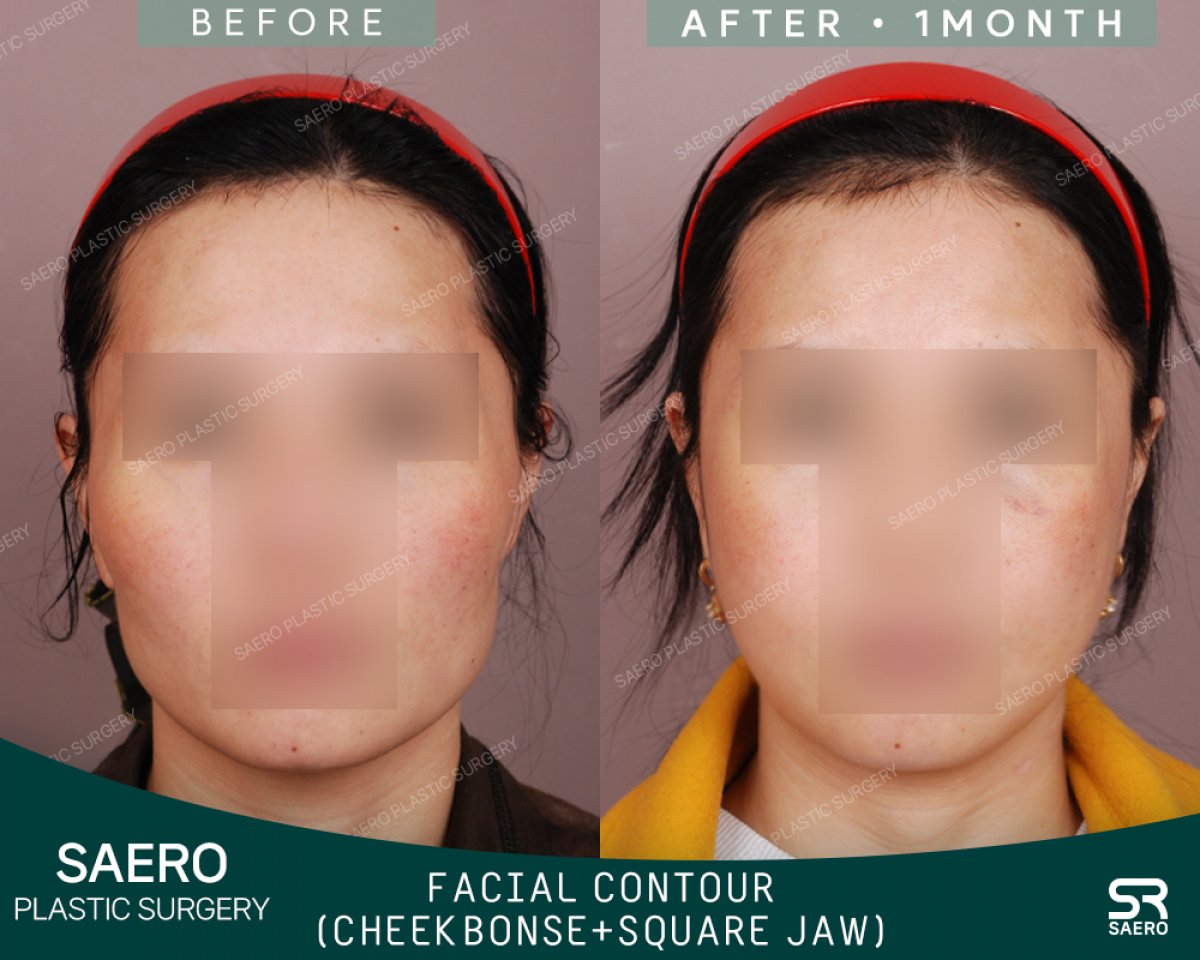
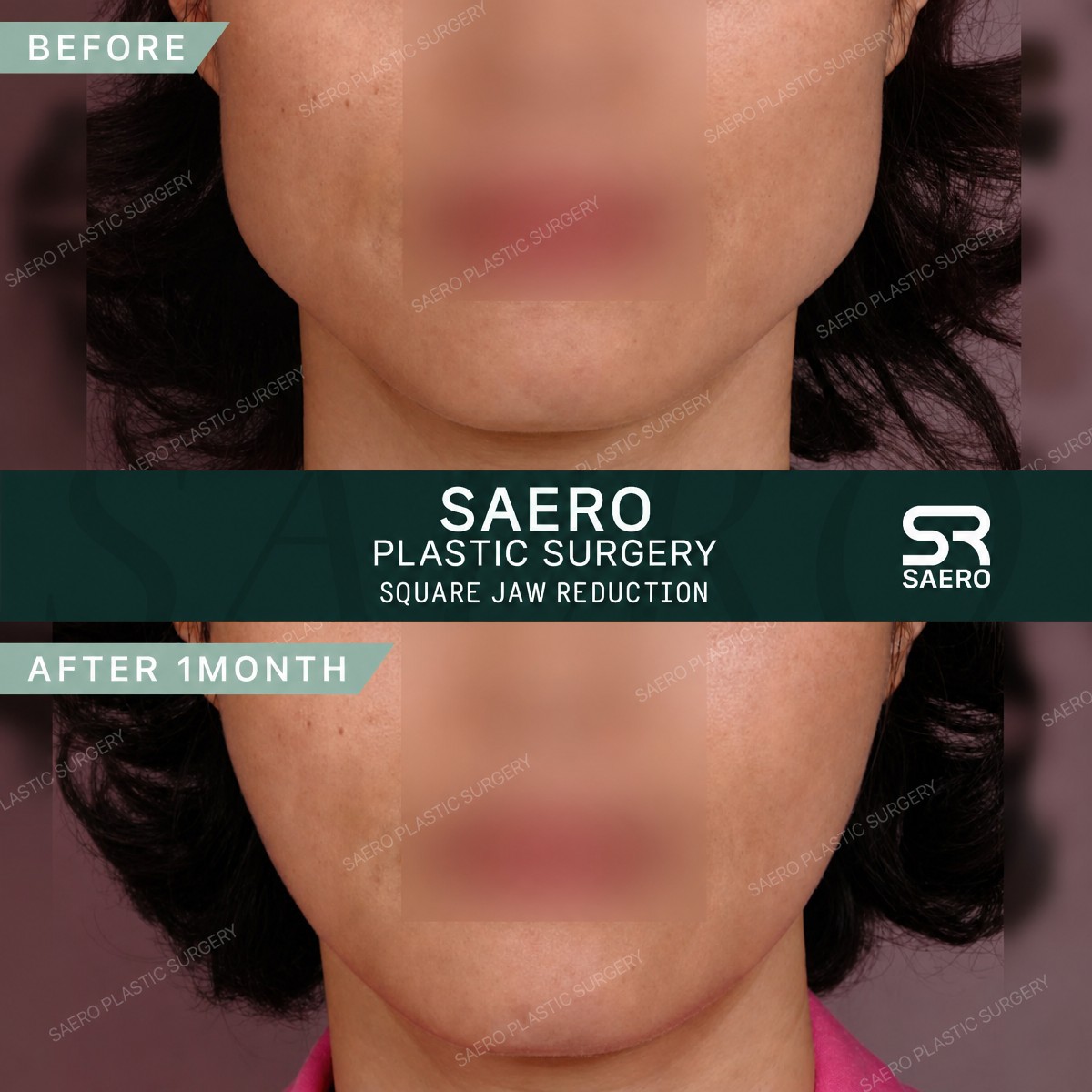
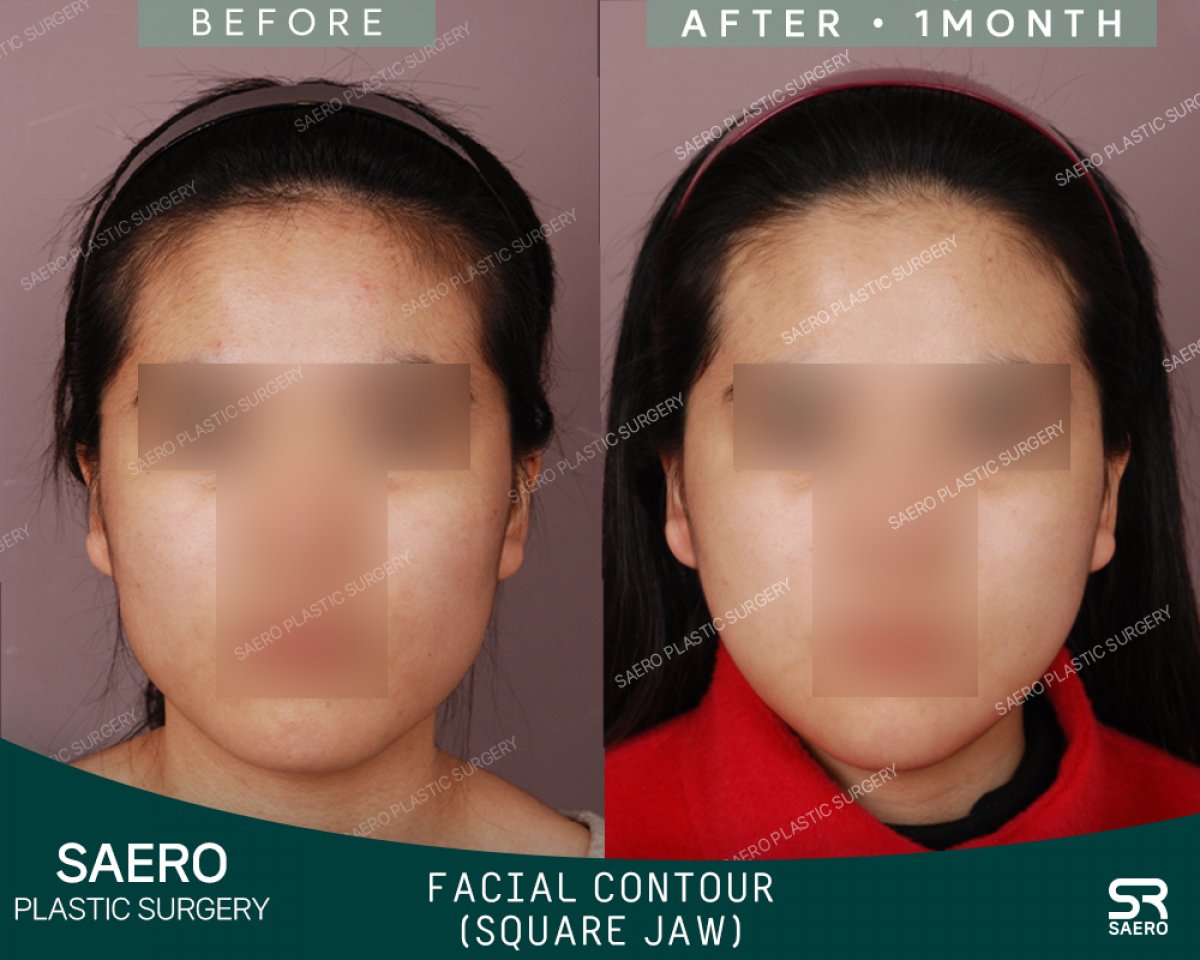
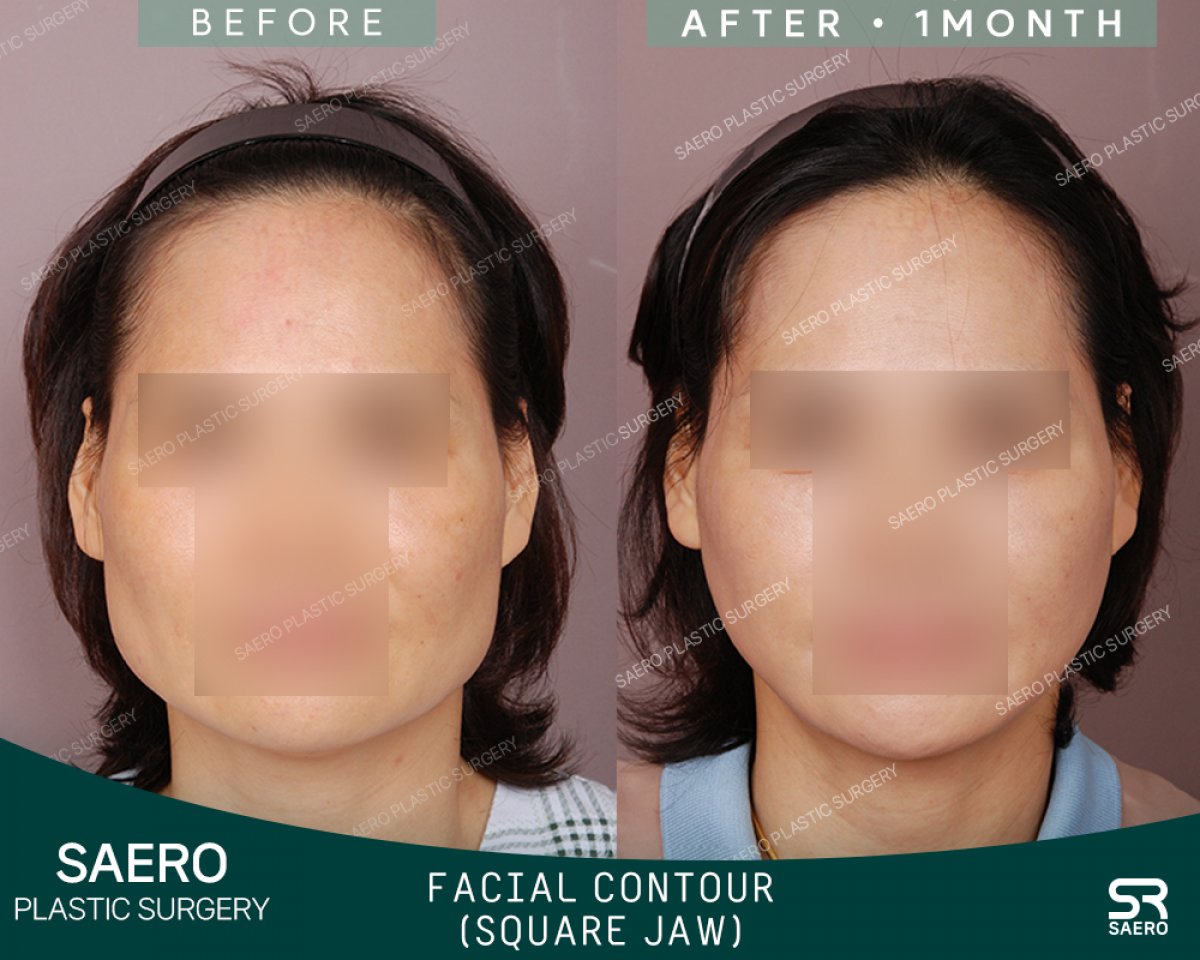
| تجميلية: خط V، تصغير زاوية الفك، إعادة تشكيل الذقن | شكل الجزء السفلي من الوجه | جراح تجميل معتمد من المجلس الطبي |
ما هي الجهة التي تعتمد جراحك؟
يجب أن تُجرى أي جراحة لقطع عظام الفك بواسطة جراح تجميل معتمد أو جراح فم ووجه وفكين، وهو متخصص مدرب على علاج الحالات وإجراء الجراحات التي تشمل الفك والفم والوجه. لا ينبغي أبداً أن يقوم بها طبيب أمراض جلدية أو طبيب تجميل غير جراحي. في كوريا، ابحث عن شهادة من المجلس الوطني لجراحة التجميل (KSPRS) أو مجلس جراحة الفم والوجه والفكين (KAOMS). قد يتعرف المرضى من الولايات المتحدة والمملكة المتحدة أيضاً على شهادات ABPS وABOMS.
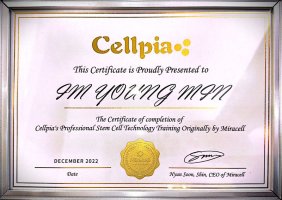
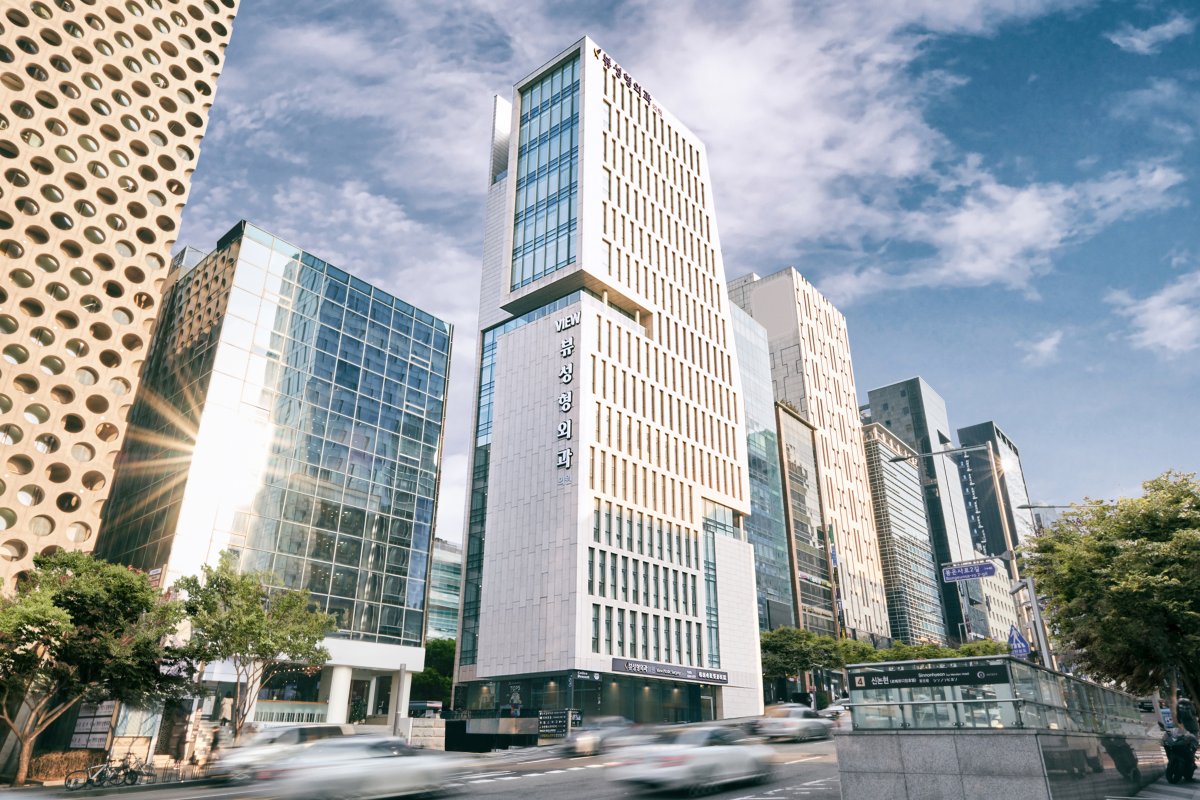
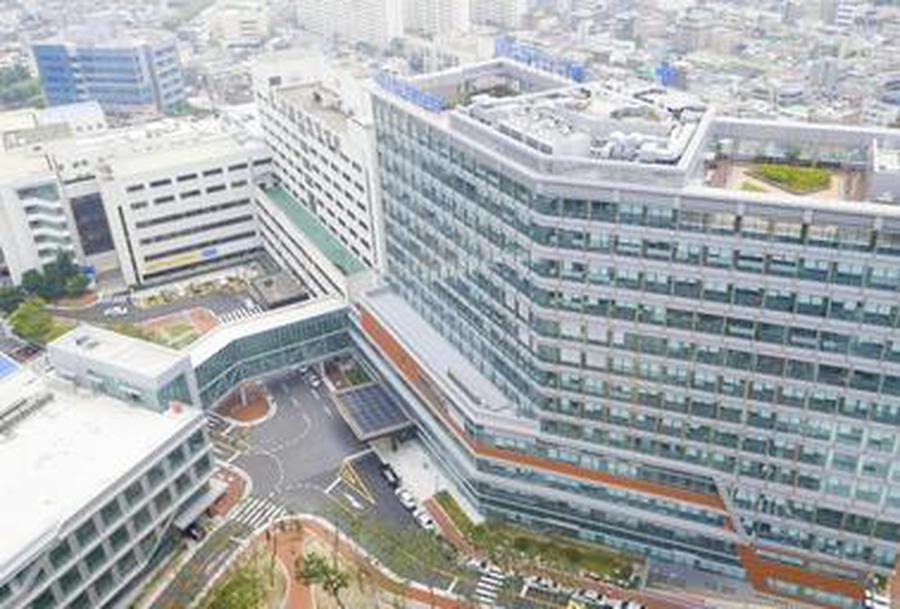
الجراحون الشركاء مثل د. إيم يونغ مين ود. سونغ هيونغ نوه حاصلون على شهادة KSPRS. يشمل العمل الأساسي للدكتور نوه تشكيل الفك. اسأل منسقك عن الجهة التي تعتمد جراحك وتأكد من أنها تتوافق مع إجراءك. للحالات الوظيفية، قارن بين عيادات جراحة تقويم الفكين في كوريا.
انتهى استرداد ضريبة القيمة المضافة للجراحة التجميلية: ماذا يعني ذلك لميزانيتك؟
إذا قرأت أن الأجانب يستردون حوالي 10% من تكاليف الجراحة التجميلية في كوريا، فهذه النصيحة قديمة. خطط للسعر الكامل المعلن.
ما الذي تغير؟
أوقفت كوريا استرداد ضريبة القيمة المضافة الخاص الذي كان يمكن لمرضى الجراحة التجميلية الأجانب استرداده سابقاً. انتهى الاسترداد للإجراءات المدفوعة اعتباراً من 1 يناير 2026. وأُغلقت فترة انتقالية قصيرة في مارس 2026.
ضع ميزانية بالسعر الكامل دون خصم. في كوريا، تتراوح تكلفة إجراءات تشكيل الفك عادةً بين 1,100 و5,500 دولار، على الرغم من أن الأسعار قد تصل إلى 9,000 دولار في بعض العيادات، بناءً على بيانات Bookimed. قارن ذلك بـ 10,000–20,000 دولار في الولايات المتحدة و7,000–13,000 دولار في المملكة المتحدة – غالباً ما يكون حوالي نصف التكلفة المعتادة للإجراء في الولايات المتحدة. أضافت بعض العيادات مكافآت ولاء تعتمد على النقاط لتخفيف حدة التغيير، لذا اسأل كل عيادة عما إذا كانت تقدم ذلك.
وثائق الدخول التي يجب ترتيبها مبكراً
تغيرت أيضاً أوراق الدخول. يمكن للجنسيات المؤهلة السفر بموجب نظام الإعفاء من التأشيرة K-ETA، والذي تم تمديده حتى 31 ديسمبر 2026. أولئك الذين ليس لديهم K-ETA ساري المفعول يجب عليهم تقديم بطاقة وصول إلكترونية قصيرة في غضون ثلاثة أيام قبل الوصول إلى كوريا. يمكن لمنسقك تأكيد الوثيقة المطلوبة لجنسيتك.
ما مدى أمان جراحة الفك الكورية؟ ماذا تظهر بيانات النجاح؟
جراحة الفك الكورية هي إجراء مدروس جيداً، مع أبحاث منشورة توثق سلامتها ونتائجها. إليك ما تقوله الأرقام.
معدلات النجاح والسلامة
تتمتع جراحة الفك التصحيحية بمعدل نجاح إجمالي يقارب 94%، وفقاً لـ كليفلاند كلينك. كما تشير مايو كلينك إلى تحسينات دائمة في الإطباق والتنفس ونوعية الحياة للمرشحين المناسبين. تقدم دراسة استمرت 13 عاماً لأكثر من 650 مريضاً صورة مفصلة عن السلامة على المدى الطويل:
- أكثر من 97% لم يعانوا من مضاعفات جراحية؛
- ما يقرب من 98% تعافوا دون عدوى؛
- أكثر من 99% لم يحتاجوا إلى عملية تكرارية أو إعادة دخول المستشفى؛
- 95.7% تعافوا دون حدث ضار في غضون 30 يوماً.
تعتمد هذه النتائج القوية على كون المرضى مناسبين للإجراء، ولهذا السبب تهم الاستشارة قبل العملية. تشير كليفلاند كلينك إلى أن جراحة الفك تعمل بشكل أفضل بمجرد اكتمال نمو عظام الوجه. ينتظر الجراحون عادةً حتى يكمل المراهقون نمو الفك قبل إجراء العملية. سيتحقق الجراح المعتمد أيضاً من الحالات التي قد تحتاج إلى معالجتها قبل الجراحة:
- عدوى نشطة في اللثة أو الأسنان، والتي يجب علاجها أولاً حتى تلتئم العظام بشكل صحيح؛
- اضطراب نزيف غير منضبط أو حالة جهازية غير مدارة، والتي يجب استقرارها قبل الجراحة؛
- التدخين الشديد، والذي يجب تقليله بشكل مثالي قبل وقت طويل من تاريخ الجراحة.
يساعد أيضاً وجود فكرة واضحة وواقعية عما يمكن أن تغيره الجراحة. شارك تاريخك الطبي الكامل في الاستشارة واسأل عما إذا كان التوقيت مناسباً لك.
إعادة تشكيل الذقن: ماذا تظهر بيانات السلامة؟
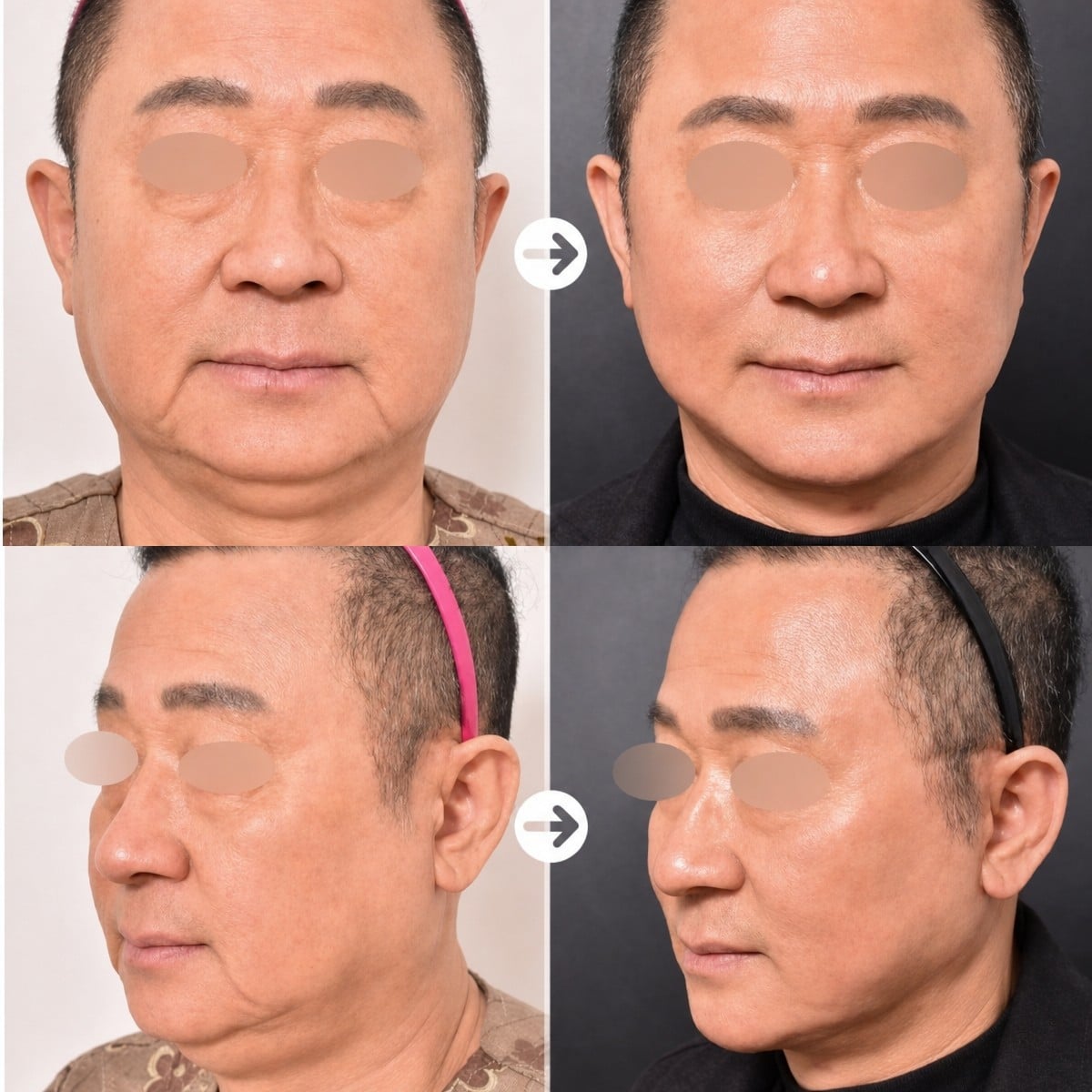
إعادة تشكيل الذقن، المعروفة باسم رأب الذقن، تحمل مخاطر أقل. وجدت مراجعة منهجية لأكثر من 1,400 مريض خضعوا لرأب الذقن أن أكثر من 99% لم يعانوا من أي مضاعفات. أبلغت مجموعة منفصلة تضم أكثر من 200 مريض عن معدلات رضا تزيد عن 96%. قد يحدث خدر مؤقت في الشفة السفلية أو الذقن أثناء تمدد الأعصاب والتئامها. من بين مرضى رأب الذقن الذين تمت متابعتهم للتعافي العصبي، تعافى جميع المرضى البالغ عددهم 1,185 دون ضرر دائم، وعادة ما يكون ذلك في غضون 4-30 أسبوعاً.
ماذا تسأل جراحك؟
سؤالان مفيدان يمكن أن يساعداك في تقييم الخطة الجراحية. أولاً، اطلب رؤية صور الأشعة السينية الرأسية قبل وبعد العملية. تُظهر هذه الأشعة السينية المتخصصة للجمجمة كيفية وضع عظام الفك ومقدار تحركها. ثانياً، اسأل عن المدة التي ستقضيها في المستشفى بعد الجراحة. بالنسبة لجراحة الفك، يسمح البقاء لليلة واحدة أو أكثر لفريق الرعاية بمراقبتك خلال فترة التعافي المبكرة.
مستشفى سيفيرانس، المعتمد من قبل JCI وKOIHA، يوفر رعاية داخلية لمرضى جراحة الفك. عند تنسيق حالات جراحة الفك الكورية، يعتبر فريق Bookimed أيضاً المراقبة بعد الجراحة جزءاً مهماً من اختيار المنشأة. العيادات التي تجيب على هذين السؤالين دون تردد هي عادةً تلك التي تستحق الحجز.
كيف تؤكد هوية جراحك وتتجنب "الجراحة الشبحية" في كوريا
بالنسبة للمرضى المسافرين إلى كوريا، هناك سؤال واحد مهم بشكل خاص: هل الجراح الذي قابلته هو من سيجري جراحتك فعلياً؟ يمكن لخطوتين مساعدتك في حماية نفسك.
قانون كاميرا غرفة العمليات وحدوده
تحدث "الجراحة الشبحية" عندما يستبدل طبيب آخر بهدوء الجراح الذي وافقت عليه بمجرد أن تكون تحت التخدير. منذ 25 سبتمبر 2023، يمكن للمرضى الذين يخضعون لجراحة تحت التخدير العام طلب تسجيل إجراءاتهم كتابياً بواسطة كاميرا غرفة العمليات. التسجيل ليس تلقائياً - يجب عليك طلبه. وجدت دراسة مدعومة من الحكومة أن 50.5% من المرضى الجراحيين ما زالوا غير مدركين لوجود هذا الخيار. قد يتطلب الحصول على نسخة من اللقطات بعد ذلك إجراءً قانونياً رسمياً. تعامل مع التسجيل كإجراء وقائي إضافي، وليس كضمان.
تأكيد هوية جراحك قبل الإجراء
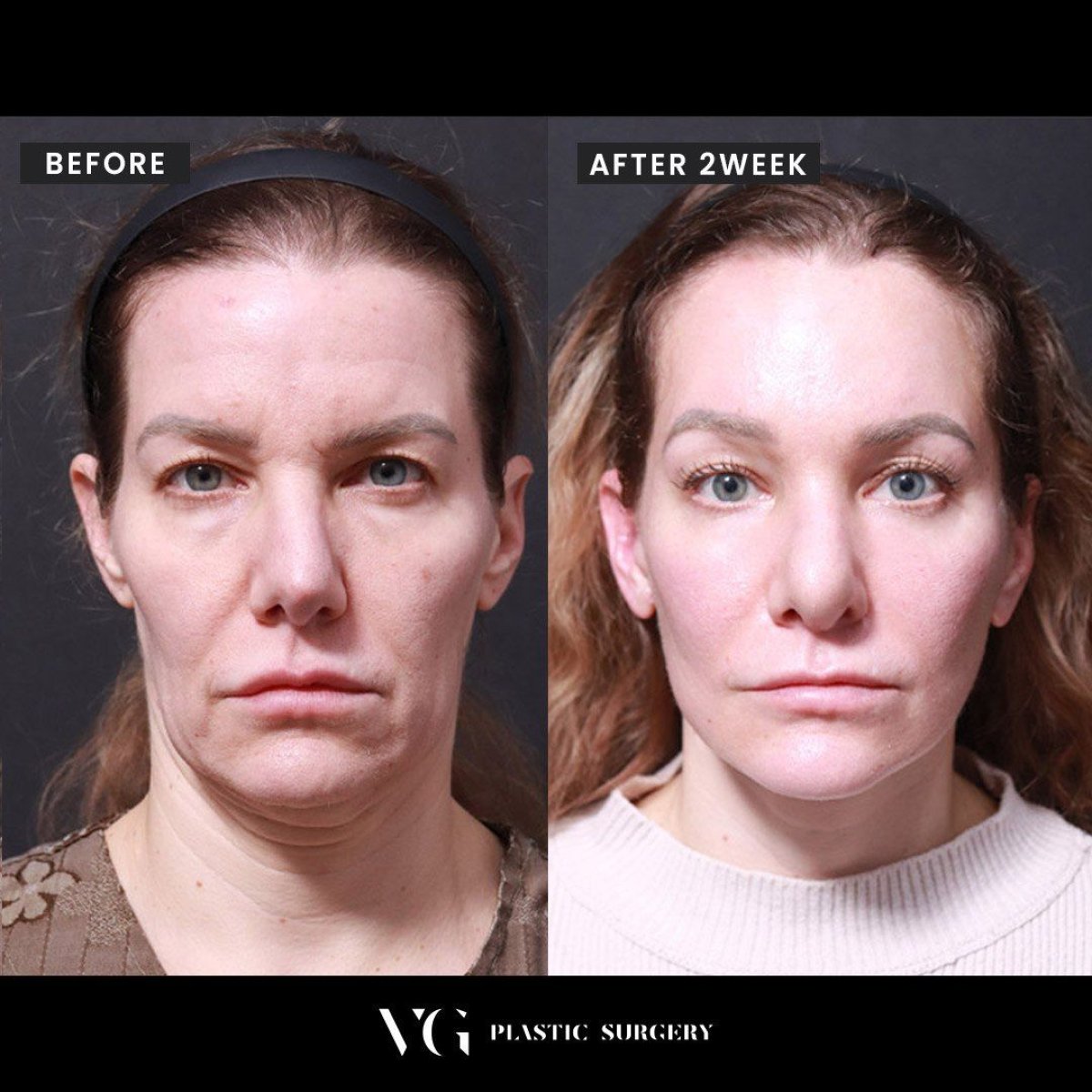
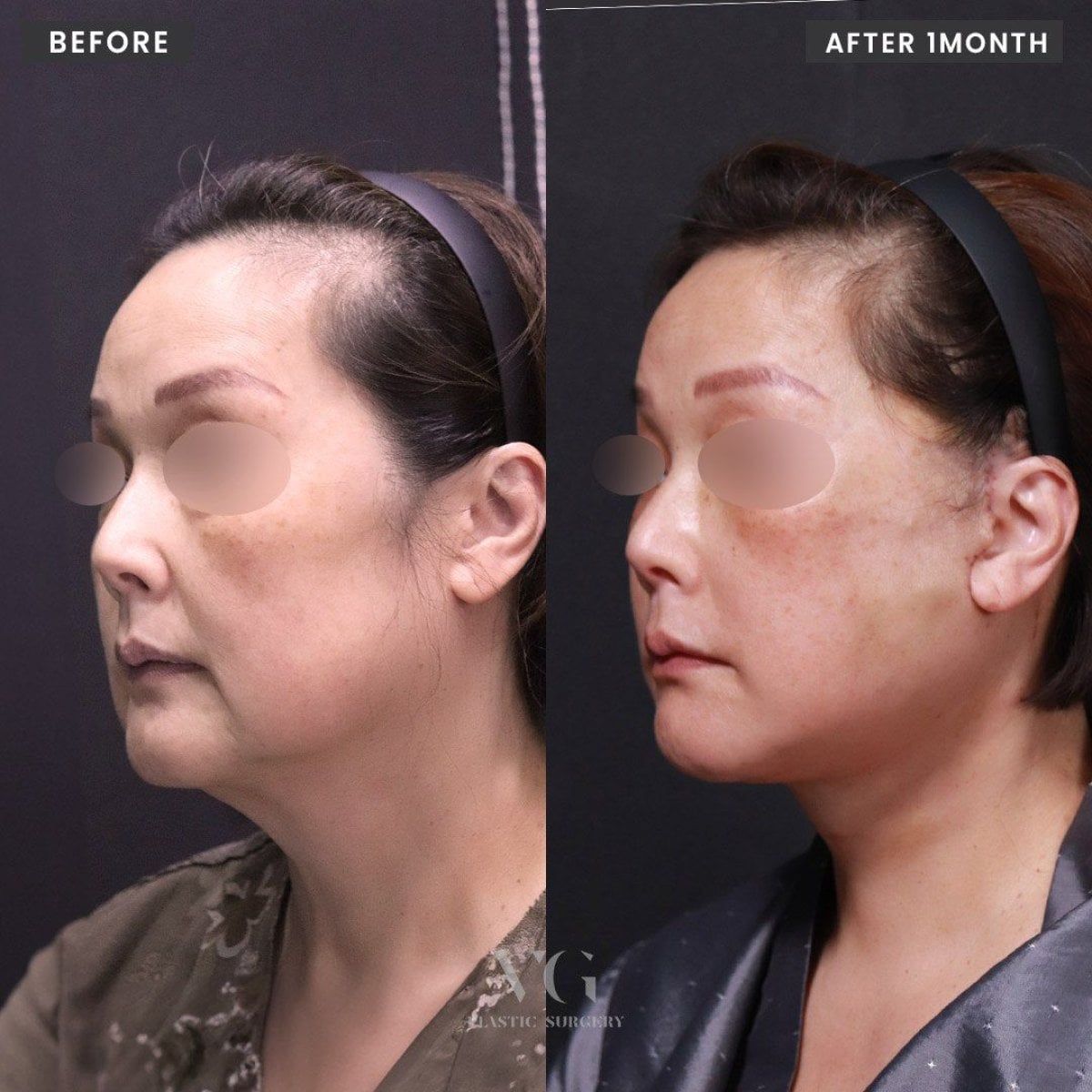
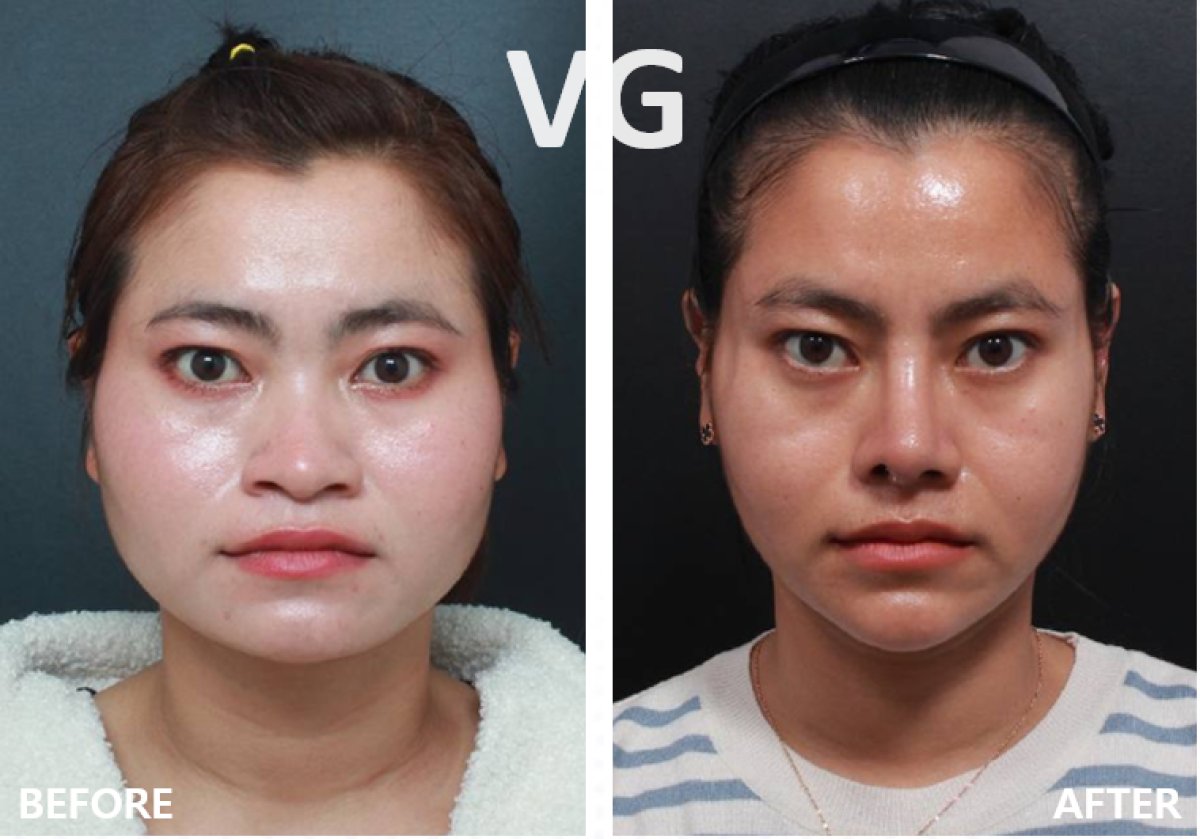
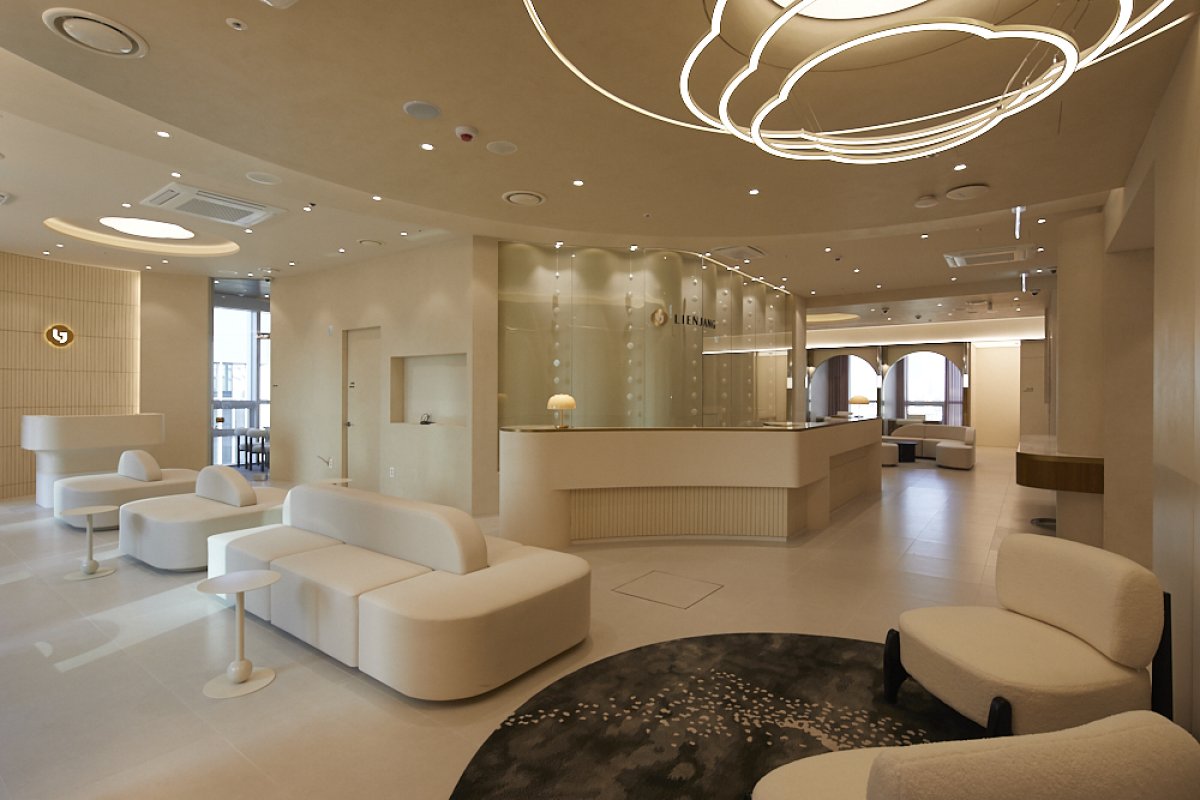
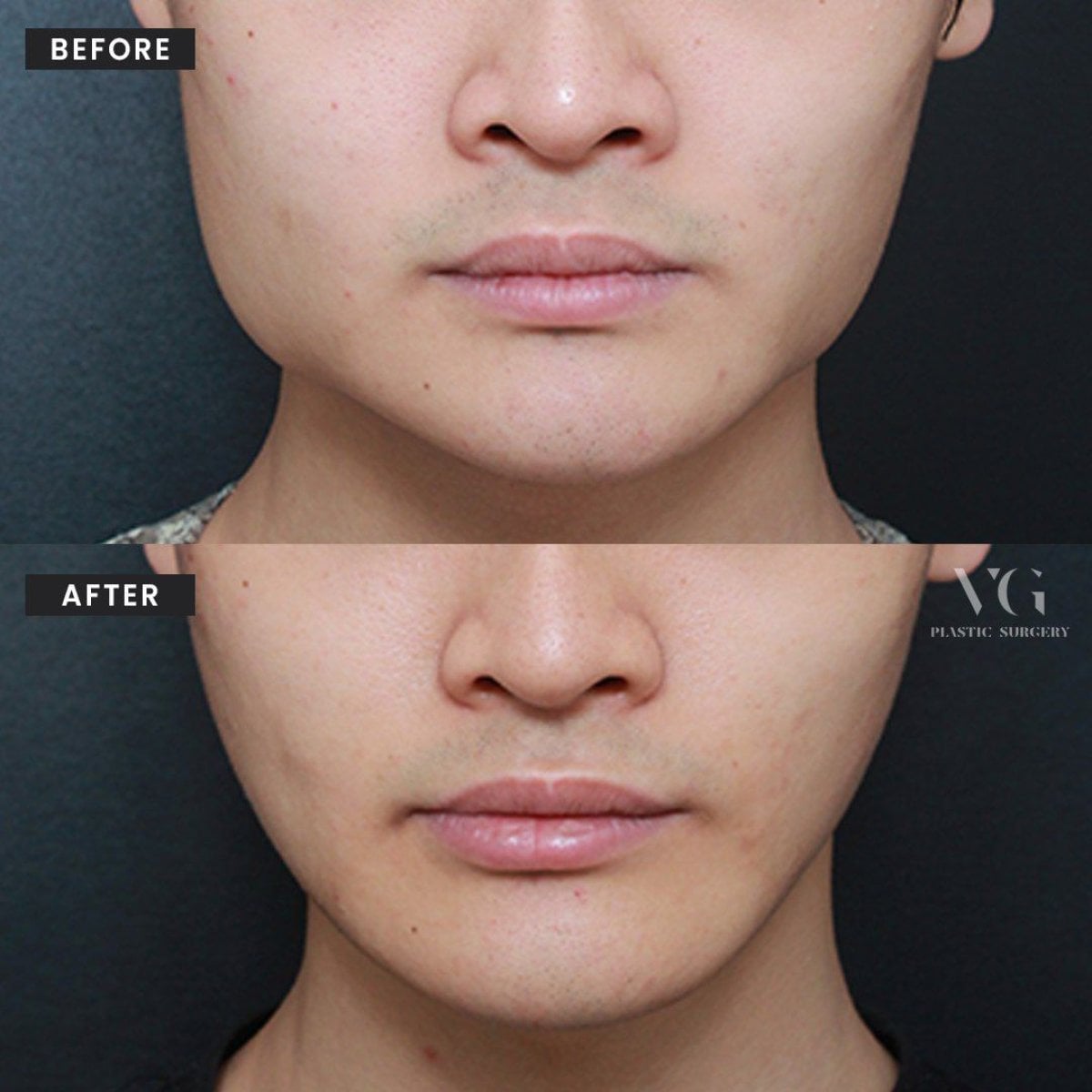
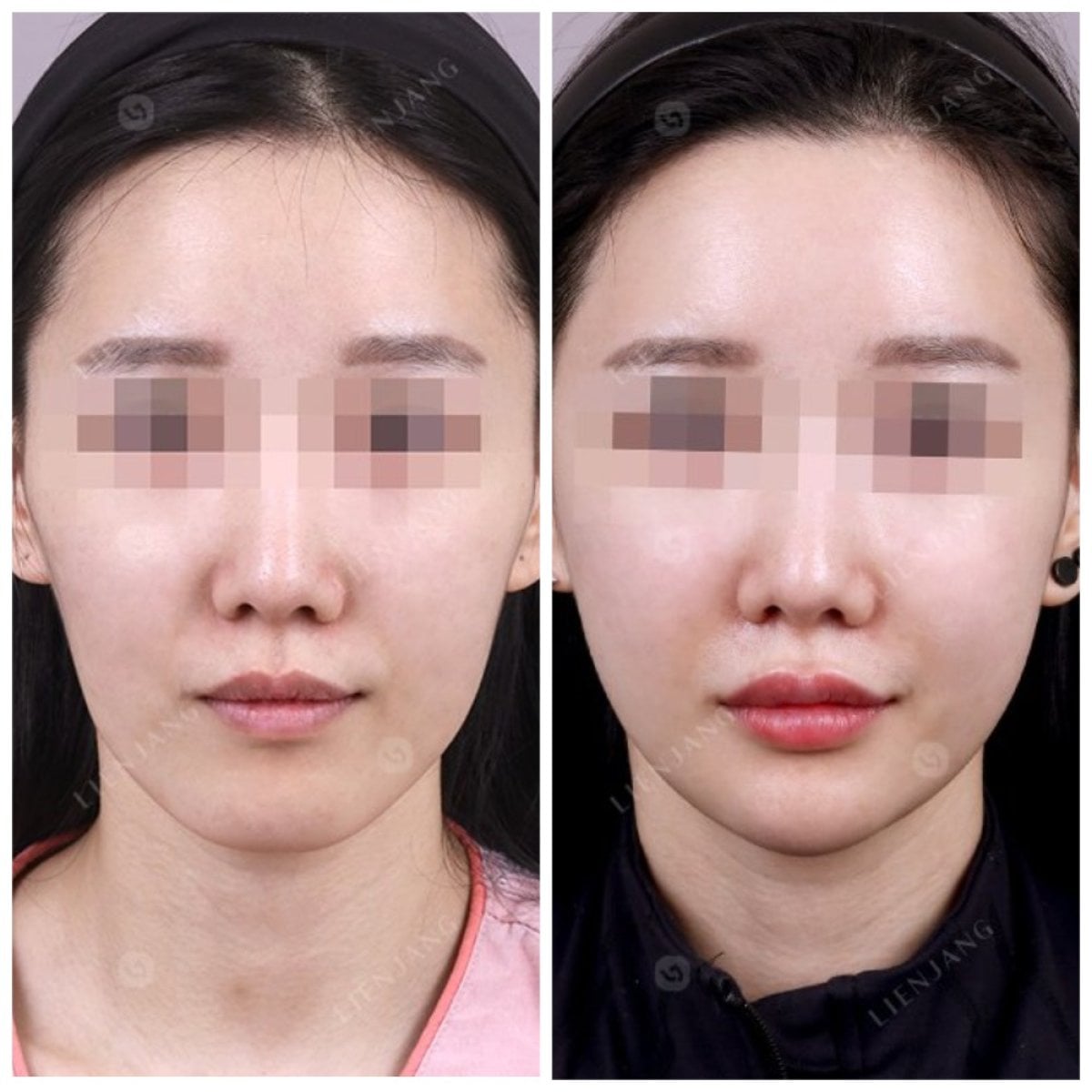
تأكد من أن نموذج الموافقة يذكر اسم جراحك الفردي، وليس "العيادة" أو "الفريق الطبي". كن حذراً من أي عيادة تعرض تسجيل أول وآخر 15 دقيقة فقط من الإجراء. قد يكون من المفيد أيضاً اختيار عيادة تستخدم بالفعل كاميرات المراقبة في غرفة العمليات. تمتلك VG Plastic Surgery أنظمة سلامة على مستوى جامعي مع كاميرات مراقبة في غرفة العمليات. كما استخدمت Lienjang Plastic Surgery كاميرات مراقبة جراحية في الوقت الفعلي، مع صفر حوادث طبية مسجلة منذ عام 2004.
كم من الوقت يجب أن تبقى: فترة التعافي قبل الطيران لجراحة خط V مقابل جراحة الفك المزدوج
الطيران إلى المنزل في وقت مبكر جداً بعد جراحة الفك يمكن أن يشكل مخاطر معينة. يعتمد الانتظار الموصى به على نوع الإجراء الذي خضعت له. قد تؤدي التغيرات في ضغط المقصورة بعد قطع العظام الطازجة إلى حدوث نزيف أو ورم دموي - جيب من الدم المحبوس. لهذا السبب، يحدد الجراحون فحوصات المتابعة حوالي اليوم السادس واليوم الرابع عشر قبل السماح لك بالطيران.
| الإجراء | الحد الأدنى للبقاء قبل الطيران | الإقامة في المستشفى |
|---|---|---|
| خط V، تصغير زاوية الفك، أو إعادة تشكيل الذقن | حوالي 14 يوماً | حوالي ليلة واحدة |
| جراحة الفك المزدوج (ثنائي الفك) | 14–21 يوماً | 2–3 ليالٍ |
غالباً ما يتطلب إجراء التشكيل الأقصر ليلة واحدة فقط في المستشفى، بينما تتضمن جراحة الفك المزدوج عادةً إقامة لمدة ليلتين إلى ثلاث ليالٍ. احجز رحلة عودتك فقط بعد أن يسمح لك جراحك بالطيران. اختر إقامة بالقرب من العيادة حتى تتمكن من حضور فحوصات المتابعة في اليوم السادس واليوم الرابع عشر بسهولة.
التعافي أسبوعاً بأسبوع: التورم، النظام الغذائي، والنشاط
يتبع التعافي نمطاً يمكن التنبؤ به إلى حد ما، مما يسهل التخطيط لوقت إجازتك. يصل التورم إلى ذروته حوالي الأيام 2-5، ويزول 75-80% منه في غضون 3-4 أسابيع. قد يستغرق التورم المتبقي 3-6 أشهر ليختفي. تستمر العظام في إعادة التشكيل لمدة عام تقريباً.
النظام الغذائي حسب الأسبوع
يتقدم نظامك الغذائي في مراحل مع التئام عظام الفك:
- الأسبوعان الأولان: يتم تناول الطعام عن طريق الحقنة بينما يكون الفك مثبتاً.
- الأسابيع 2-4: أطعمة طرية لا تحتاج للمضغ مثل عصيدة الأرز، البيض المسلوق، والنودلز المقطعة بدقة.
- الأسابيع 4-6: تعود الأطعمة الصلبة تدريجياً مع بدء التحام العظام.
العناية بالفم والنشاط
استخدم غسول فم مطهر خلال الأسبوع الأول. من اليوم الثامن، ابدأ بالتنظيف اللطيف بفرشاة أسنان فائقة النعومة بحجم الأطفال، إلى جانب المضمضة بالماء المالح الدافئ بضع مرات في اليوم.
حافظ على معدل ضربات قلبك أقل من 100 نبضة في الدقيقة خلال الشهر الأول. تجنب الرياضات التلامسية وعالية التأثير لمدة ستة أشهر. تجنب التدخين أو النيكوتين لنفس الفترة، حيث يمكن للنيكوتين أن يبطئ التئام العظام. تستغرق الصفائح والبراغي المصنوعة من التيتانيوم التي تثبت كل شيء في مكانه حوالي ثلاثة أشهر للاندماج. إنها آمنة في أجهزة التصوير بالرنين المغناطيسي وعند أمن المطار، ويمكن إزالتها لاحقاً إذا لزم الأمر.
بدون ربط وجراحة أولاً: كيف تغير التقنيات الكورية التعافي
قد يختصر نهجان كوريان بعض أصعب أجزاء التعافي المبكر، وكلاهما يستحق السؤال عنه.
تسلسل الجراحة أولاً
مع جراحة تقويم الفكين التقليدية، غالباً ما يرتدي المرضى تقويماً للأسنان لمدة عام أو أكثر قبل إعادة وضع الفك. يتضمن بروتوكول الجراحة أولاً إعادة وضع الفك قبل علاج تقويم الأسنان ويمكن أن يقصر الجدول الزمني الإجمالي للعلاج بما يصل إلى عام تقريباً. يعتمد تأهلك للإجراء على إطباق أسنانك، لذا اسأل جراحك مباشرة.
التثبيت بدون ربط
في الأساليب القديمة لجراحة الفك المزدوج، كانت الأسنان العلوية والسفلية تُربط معاً لأسابيع. يستخدم التثبيت بدون ربط خرائط مفصلية ثلاثية الأبعاد دقيقة لتجنب ذلك. هذا يسمح لك بالتنفس والتحدث واحتساء السوائل بعد وقت قصير من استيقاظك. اسأل عما إذا كانت عيادتك تجري التثبيت بدون ربط لأنه قد يجعل فترة التعافي المبكرة أسهل.
هل سيكون لدي ندوب؟ شرح تقنية داخل الفم
بالنسبة لمعظم جراحات تشكيل الفك في كوريا، لا توجد ندوب وجهية مرئية. إليك السبب:
- يتم إجراء تصغير خط V، ونحت الفك المربع، وإعادة تشكيل الذقن، وقطع عظام الفك المزدوج من خلال شقوق داخل الفم، لذلك لا توجد ندوب خارجية مرئية على الذقن أو خط الفك أو الرقبة.
- تذوب الغرز داخل الفم عادةً من تلقاء نفسها، لذلك لا يوجد شيء لإزالته بعد ذلك.
- يتسطح خط الالتئام الداخلي ويتلاشى على مدار 3-6 أشهر تقريباً.
هذا النهج داخل الفم هو المعيار لجراحة الوجه والفكين. تأكد من أن جراحك يستخدمه لإجراءك. اسأل عن كيفية تخطيطهم لإعادة وضع الأنسجة الرخوة للحفاظ على خط الفك الجديد ناعماً.