عملية بالون المعدة في إيطاليا — احصل على 3 عيادات مطابقة مع التكاليف


تمت مراجعة المقالة طبيا من قبل
فهد مولود
ما هي تكلفة عملية بالون المعدة في إيطاليا؟ اكتشف الآن
من $6,000. يعتمد السعر النهائي على نوع البالون ومدة العلاج وموقع العيادة. تشمل معظم الباقات الإيطالية الاستشارات الطبية والإجراء التنظيري والإقامة في المشفى.
- موقع العيادة: غالباً ما تكون الأسعار في نابولي أعلى بنسبة 15-20% مقارنة بالمراكز الشمالية مثل ميلانو.
- تنوع التقنية: تزيد تقنيات الجراحة الروبوتية أو بالمنظار تكلفة الإجراء التنظيري القياسي بنسبة 20-30%.
- المدة: تزيد تكلفة برامج البالون لمدة 12 شهراً عن خيارات 6 أشهر نظراً لمتطلبات المتابعة الطبية الممتدة.
- محتويات البرنامج: تشمل الباقات المتقدمة غالباً تخطيط القلب قبل الجراحة، والمتابعة الغذائية، وخدمات الترجمة.
رأي خبراء Bookimed: يوفر اختيار ميلانو لهذا الإجراء توازناً فريداً بين كثرة الحالات والتخصص الطبي. يقدم مستشفى IRCCS Ospedale Galeazzi - Sant'Ambrogio باقات تبدأ من 6,200 $ تقريباً شاملة الاستشارات وتخطيط القلب. صنفت مجلة نيوزويك هذه العيادة ضمن أفضل المرافق التخصصية عالمياً. يُعد اختيار مستشفى يُجري أكثر من 5,000 عملية سنوياً خطوة موفقة للمرضى.
| إيطاليا | تركيا | تايلاند | |
|---|---|---|---|
| عملية بالون المعدة | من $6,000 | من $1,800 | من $3,800 |
مزاياك وضماناتك مع Bookimed
أسعار مباشرة
Bookimed لا يضيف رسوماً إضافية على أسعار عملية بالون المعدة. الأسعار مأخوذة من قوائم الأسعار الرسمية للعيادات. تدفع مباشرة في العيادة مقابل عملية بالون المعدة عند وصولك.
عيادات وأطباء معتمدون فقط
Bookimed ملتزم بسلامتك. نحن نعمل فقط مع المؤسسات الطبية التي تحافظ على معايير دولية عالية في عملية بالون المعدة ولديها التراخيص اللازمة لخدمة المرضى الدوليين في جميع أنحاء العالم.
مساعدة مجانية على مدار الساعة
Bookimed يقدم مساعدة خبراء مجانية. منسق طبي شخصي يدعمك قبل وأثناء وبعد العلاج، ويحل أي مشاكل. لن تكون وحيداً أبداً في رحلة عملية بالون المعدة.

منسقك الطبي الشخصي في Bookimed
- يدعمك في كل مرحلة
- المساعدة في اختيار العيادة الطبية المناسبة والطبيب المناسب
- يضمن الوصول السريع والمريح إلى المعلومات
اكتشف أفضل عملية بالون المعدة العيادات في إيطاليا: 6 خيارات معتمدة والأسعار















Ruesch Clinic
عملية بالون المعدة في إيطاليا: جدول زمني يومي
اليوم 1: الوصول إلى إيطاليا
- يجب أن تصل إلى المطار المحدد في إيطاليا. تأكد من حصولك على جميع المستندات اللازمة، بما في ذلك جواز سفرك وأي تقارير طبية سبق تقديمها إلى العيادة.
- قم بتسجيل الوصول إلى مكان إقامتك المرتب مسبقاً. يُنصح بأخذ قسط من الراحة والتأقلم مع المنطقة الزمنية المحلية.
- اتصل بالعيادة لتأكيد وصولك والجدول الزمني للأيام القادمة. يمكنك القيام بذلك عبر الهاتف أو البريد الإلكتروني.
- جهز أي أسئلة قد تكون لديك للاستشارة الأولية في اليوم التالي.
اليوم 2: الاستشارة الأولية وتقييمات ما قبل الجراحة
- يجب أن تحضر استشارتك المقررة مع الأخصائي، مثل الدكتور أليساندرو جيوفانيلي أو الدكتور ماركو أنسيلمينو، في المستشفى. وهذا أمر بالغ الأهمية لإجراء التقييم النهائي قبل إجراء بالون المعدة.
- الخضوع لأي تقييمات ضرورية قبل الإجراء. قد تشمل اختبارات الدم أو دراسات التصوير أو التنظير للتأكد من أنك مرشح مناسب لبالون المعدة.
- مناقشة نوع بالون المعدة الذي سيتم استخدامه، مثل بالون المعدة ORBERA أو Spatz3. فهم الفوائد والمخاطر المحتملة المرتبطة بكل منهما.
- مراجعة تاريخك الطبي وأي أدوية حالية مع الأخصائي لتجنب أي موانع.
- احصل على تعليمات مفصلة حول القيود الغذائية قبل الإجراء أو أي أدوية قد تحتاج إلى بدء تناولها أو إيقافها.
اليوم 3: يوم الإجراء
- يجب أن تصل إلى العيادة أو المستشفى في الوقت المحدد لإدخال بالون المعدة. احرص على اتباع أي تعليمات خاصة بالصيام.
- يتضمن الإجراء عادةً وضع البالون بالمنظار في المعدة، ثم يتم ملؤه بمحلول ملحي. يستغرق ذلك عادةً حوالي 20-30 دقيقة.
- بعد الإجراء، ستتم مراقبتك في منطقة الإفاقة لبضع ساعات لضمان عدم حدوث مضاعفات فورية.
- احصل على تعليمات الرعاية بعد الإجراء، بما في ذلك الإرشادات الغذائية والأعراض التي يجب مراقبتها والتي قد تتطلب عناية طبية.
- قم بالترتيب للنقل إلى مكان إقامتك حيث قد تشعر بالنعاس بسبب التخدير.
اليوم 4: الراحة والتكيف بعد الإجراء الجراحي
- اقضِ اليوم في الراحة والسماح لجسمك بالتأقلم مع بالون المعدة. من الطبيعي أن تشعر ببعض الانزعاج أو الغثيان أو القيء في البداية.
- اتبع الخطة الغذائية التي يقدمها لك فريق الرعاية الصحية الخاص بك، والتي تبدأ عادةً بالسوائل وتتدرج إلى الأطعمة اللينة.
- حافظ على رطوبة جسمك وتجنب الأنشطة المرهقة للسماح لجسمك بالتعافي.
- ابقَ على اتصال بالعيادة في حال شعرت بأي أعراض شديدة أو كانت لديك مخاوف بشأن تعافيك.
اليوم 5-6: المتابعة والمراقبة
- يجب أن تحضر موعداً للمتابعة في العيادة لتقييم تقدمك ومعالجة أي مخاوف قد تكون لديك.
- استمر في الالتزام بالخطة الغذائية وتغييرات نمط الحياة التي أوصى بها مقدم الرعاية الصحية الخاص بك.
- المشاركة في أي مجموعات دعم أو جلسات استشارية موصى بها للمساعدة في الجوانب النفسية لفقدان الوزن.
- حافظ على التواصل المفتوح مع العيادة للحصول على الدعم والتوجيه المستمر.
اليوم 7: الاستعداد للمغادرة
- تأكد من حصولك على جميع الوثائق اللازمة لرحلة عودتك، بما في ذلك أي تقارير طبية أو تعليمات لمتابعة الرعاية.
- ناقش أي أسئلة أو مخاوف أخيرة مع العيادة قبل مغادرتك.
- اتخذ الترتيبات اللازمة لمواصلة الرعاية أو استشارات المتابعة، إما محلياً أو عن بُعد، لمراقبة تقدم حالتك.
- احزم أمتعتك وتأكد من ترتيبات السفر للعودة إلى بلدك.
اليوم 8: مغادرة إيطاليا
- غادر مكان إقامتك وسافر إلى المطار لرحلة العودة إلى الوطن.
- استمر في اتباع توصيات النظام الغذائي ونمط الحياة التي يقدمها لك فريق الرعاية الصحية الخاص بك لتعظيم فوائد بالون المعدة.
- ابق على اتصال بالعيادة للحصول على أي نصائح أخرى أو استشارات متابعة حسب الحاجة.
احصل على تقييم طبي لـ عملية بالون المعدة في إيطاليا: اختر أخصائيك من بين الأفضل في هذا المجال
عرض جميع الأطباء
Antonio Braun
أكثر من 500 عملية ناجحة لطي المعدة بطريقة نيسن وتوبيه – الدكتور براون متخصص في جراحة الجهاز الهضمي طفيفة التوغل في مستشفى ماريا سيسيليا.
- _doctor_7234_عاماً_ من الخبرة في جراحة الجهاز الهضمي
- جراح عام معتمد مع خبرة متخصصة في الارتجاع المعدي المريئي (GERD)
- تدرب في جامعة جونز هوبكنز في جراحة الكبد والقنوات الصفراوية
- عضو في الجمعيات المهنية SICOB و ACOI
- يركز على تقليل المضاعفات بعد الجراحة
مشاركة المحتوى
قصص فيديو من مرضى Bookimed
 Anna Leonova
حقائق سريعة عن عملية بالون المعدة
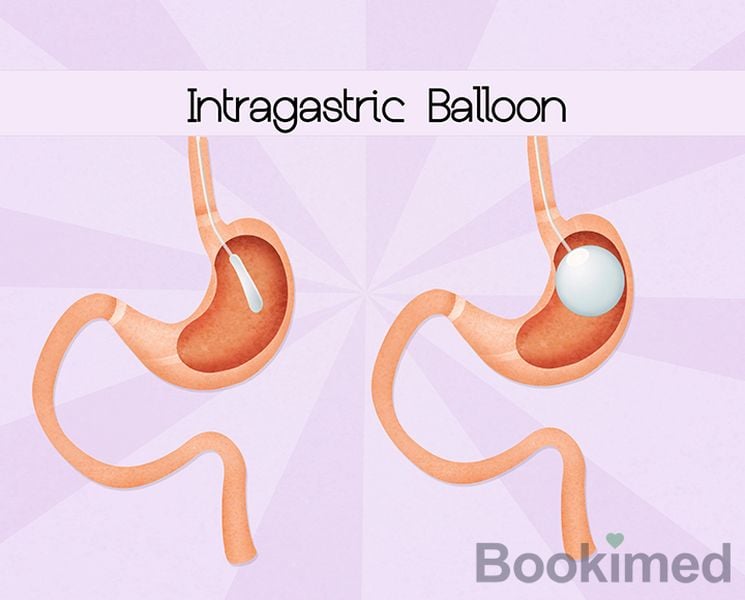
بالون المعدة
بالون المعدة هو خيار لفقدان الوزن غير الجراحي يتضمن إدخال بالون في المعدة لتقليل تناول الطعام.
أسئلة متكررة حول عملية بالون المعدة في إيطاليا
هل إجراء بالون المعدة في إيطاليا آمن، وما هي المخاطر الرئيسية؟
يعد إجراء بالون المعدة في إيطاليا آمناً، حيث تحدث مضاعفات خطيرة في أقل من 3% من الحالات. تحافظ المستشفيات الرائدة في ميلانو وروما على معايير سلامة عالية من خلال اعتماد أبحاث IRCCS وإرشادات الجمعية الإيطالية لجراحة السمنة لتقليل المخاطر مثل ثقب المعدة.
- عدم التحمل المبكر: يحتاج حوالي 3% من المرضى إلى إزالة البالون مبكراً بسبب القيء المستمر.
- المعايير الجراحية: تتبع العديد من المراكز الإيطالية مثل IRCCS Ospedale Galeazzi بروتوكولات سلامة ISO الصارمة.
- آثار جانبية طفيفة: يعاني معظم المرضى من الغثيان أو تقلصات البطن خلال الأيام الخمسة الأولى.
- سلامة الجهاز: يحدث انكماش البالون في أقل من 1.5% من الحالات السريرية الإيطالية الموثقة.
رؤية خبير Bookimed: غالباً ما تجمع مراكز السمنة الإيطالية بين البحث السريري والعلاج. أجرى الدكتور أنطونيو براون في مستشفى ماريا سيسيليا أكثر من 12,000 تدخل في الجهاز الهضمي. يرتبط هذا الحجم الكبير غالباً بتحسين إدارة ارتجاع الحمض، الذي يؤثر على 18% من مرضى البالون.
إجماع المرضى: يصف العديد من المرضى الأسبوع الأول بأنه مكثف، يشبه التسمم الغذائي الشديد. تعتمد النتائج الناجحة على توفير أدوية مضادة للغثيان والالتزام الصارم بنظام غذائي سائل خلال مرحلة التكيف الأولية.
من هو المرشح المناسب لبالون المعدة في إيطاليا؟
المرشحون المثاليون لبالون المعدة في إيطاليا هم البالغون الذين يتراوح مؤشر كتلة الجسم (BMI) لديهم بين 30 و40 والذين لم يحققوا فقدانًا مستدامًا للوزن من خلال النظام الغذائي أو ممارسة الرياضة. قد يشمل المرضى المؤهلون أولئك الذين لديهم مؤشر كتلة جسم منخفض يصل إلى 27 إذا كانوا يعانون من أمراض مصاحبة مرتبطة بالوزن.
- متطلبات الوزن: يتراوح مؤشر كتلة الجسم النموذجي بين 30-40، ولكن يتم توسيعه إلى 27 للمرضى المعرضين لمخاطر عالية.
- الضرورة الطبية: غالبًا ما يعاني المرضى من حالات مثل مرض السكري من النوع 2، أو ارتفاع ضغط الدم، أو انقطاع التنفس أثناء النوم.
- التقييم السريري: تتطلب المراكز الإيطالية إجراء تنظير داخلي وتقييمات متعددة التخصصات لضمان صحة المعدة.
- مستوى الالتزام: يجب على المرشحين اتباع برنامج خاضع للإشراف لمدة 12 شهرًا يتضمن تغييرات في النظام الغذائي والسلوك.
رؤية خبير Bookimed: بينما ينظر الكثيرون إلى هذا كعلاج مستقل، غالبًا ما تستخدم المراكز الإيطالية مثل مستشفى Galeazzi - Sant'Ambrogio البالون كعلاج مساعد. تقلل هذه الاستراتيجية من المخاطر الجراحية للمرضى الذين لديهم مؤشر كتلة جسم يزيد عن 50 قبل خضوعهم لإجراءات دائمة مثل تحويل مسار المعدة. يعطي هذا النهج السريري الأولوية للسلامة من خلال تثبيت العلامات الحيوية من خلال فقدان الوزن الأولي.
إجماع المرضى: يقدر المرضى كيف تساعد هذه الأداة غير الجراحية في إعادة ضبط عاداتهم الغذائية دون ديمومة الجراحة. يسلط الكثيرون الضوء على أهمية الموعد النهائي للإزالة لمدة 6 أشهر للحفاظ عل
ما مقدار الوزن الزائد الذي يمكنني توقع فقدانه، وهل سيبقى الوزن منخفضاً؟
يفقد المرضى عادةً من 10% إلى 25% من إجمالي وزن أجسامهم في غضون 6 أشهر. يعمل هذا الإجراء غير الجراحي في إيطاليا كإعادة ضبط لعملية التمثيل الغذائي. يعتمد النجاح على المدى الطويل على تغييرات نمط الحياة. بدون تغييرات دائمة في النظام الغذائي، يستعيد العديد من المرضى الوزن في غضون عامين من إزالة البالون.
- فقدان الوزن المتوقع: يفقد معظم المرضى ما بين 20 إلى 50 رطلاً (حوالي 9 إلى 23 كجم) خلال فترة العلاج التي تبلغ 6 أشهر.
- التقدم الأولي: توقع فقدان سريع يتراوح بين 10 إلى 15 رطلاً (حوالي 4.5 إلى 7 كجم) في الشهر الأول.
- خطر استعادة الوزن: قد يعود حوالي 50% إلى 100% من الوزن المفقود بدون خطة صيانة.
- استراتيجية النجاح: المرضى الذين يحافظون على 40% من فقدان الوزن عادة ما يجمعون بين العلاج والتدريب المهني.
رؤية خبراء Bookimed: تدمج المراكز الإيطالية مثل IRCCS Ospedale Galeazzi - Sant'Ambrogio تشخيص السمنة مع التكنولوجيا الجراحية المتقدمة. تظهر البيانات أن المراكز ذات الحجم الكبير التي تجري أكثر من 5000 عملية سنوياً توفر مراقبة أفضل على المدى الطويل. اختيار عيادة بها وحدة مخصصة للسمنة أكثر أهمية للحفاظ على الوزن من العلامة التجارية للبالون نفسها.
إجماع المرضى: يرى الكثيرون أن البالون بمثابة بداية لمدة 6 أشهر بدلاً من كونه حلاً دائماً. يؤكد المرضى الناجحون على أهمية التخطيط ليوم الإزالة من خلال الالتزام بتناول كميات عالية من البروتين والنشاط اليومي منذ البداية.
ما الذي تتضمنه عملية الإدخال/الإزالة، وهل سأصاب بندوب؟
يعد وضع بالون المعدة في إيطاليا إجراءً غير جراحي ولا يتطلب شقوقاً جراحية، ولا يترك أي ندوب خارجية. يتم إدخال معظم البالونات بالمنظار تحت تخدير خفيف في غضون 20 إلى 30 دقيقة. بعض الخيارات المتقدمة، مثل بالون أليوريون (Allurion)، يتم بلعها ببساطة ككبسولة دون الحاجة إلى منظار أو تخدير.
- تقنية الإدخال: يقوم الأطباء بتوجيه البالون المفرغ من الهواء عبر الفم إلى المعدة باستخدام منظار داخلي.
- عملية الإزالة: بعد 4 إلى 6 أشهر، يقوم الجراحون بتفريغ البالون وإزالته بالمنظار.
- صفر ندوب: نظراً لأن الإجراء يستخدم الفتحات الطبيعية للجسم، فلا توجد شقوق جلدية أو علامات.
- تعافي سريع: يعود معظم المرضى إلى أنشطتهم الطبيعية في غضون 24 إلى 48 ساعة بعد الخروج من المستشفى.
رؤية خبير Bookimed: بينما تستخدم معظم المراكز الإيطالية مثل سان رافاييل (San Raffaele) الإدخال بالمنظار، غالباً ما يؤكد الجراحون ذوو الخبرة مثل الدكتور أنطونيو براون على اختيار البالون المناسب لكل حالة. إذا كنت تفضل تجنب التخدير تماماً، فامنح الأولوية للعيادات التي تقدم الكبسولة القابلة للبلع، والتي تخرج بشكل طبيعي بعد 16 أسبوعاً دون الحاجة إلى إجراء استخراج.
إجماع المرضى: توقع أن تشعر عند الإدخال وكأنك تخضع لمنظار معدة روتيني مع شعور طفيف بالتهاب الحلق. يقترح المرضى تخزين أدوية مضادة للغثيان ومشروب الزنجبيل (Ginger Ale) للتعامل مع فترة التكيف الأولية بعد الإدخال.
كم من الوقت أحتاج للبقاء في إيطاليا لبرنامج بالون المعدة؟
عادةً ما يبقى المرضى في إيطاليا لمدة تتراوح بين 4 إلى 7 أيام لإكمال برنامج شامل لبالون المعدة. على الرغم من أن إجراء الإدخال يستغرق من 30 إلى 45 دقيقة، إلا أن الفرق الطبية توصي بـ 48 إلى 72 ساعة من المراقبة المحلية للتعامل مع الغثيان الأولي وضمان الترطيب الناجح.
- مدة الإجراء: يقوم الأطباء بإجراء الإدخال بالمنظار في غضون 30 إلى 45 دقيقة تحت التخدير.
- المراقبة في المستشفى: تتطلب معظم المرافق من 4 إلى 6 ساعات من المراقبة أو المبيت لليلة واحدة.
- فترة التعافي: توقع 3 أيام من الراحة بينما تتكيف المعدة مع الجهاز.
- المتابعة السريرية: تشمل أفضل العيادات في ميلانو جلسات تغذية ونفسية ضمن إقامة مدتها 7 أيام.
رؤية خبير Bookimed: تعطي مستشفيات الأبحاث الإيطالية مثل IRCCS Ospedale Galeazzi - Sant'Ambrogio الأولوية لنهج متعدد التخصصات. تظهر البيانات أن البرامج هنا تمتد غالبًا إلى 5 أيام لتشمل فحوصات تشخيصية واختبارات التمثيل الغذائي. يضمن هذا الوقت الإضافي تحمل البالون جيدًا قبل عودتك إلى المنزل.
إجماع المرضى: يؤكد المرضى أنه على الرغم من سرعة الإجراء، فإن أول 48 ساعة هي الأكثر تحديًا. يقترحون البقاء بالقرب من العيادة في ميلانو أو روما للوصول إلى دعم فوري في حال حدوث غثيان في وقت مبكر.
هل يغطي التأمين الصحي أو هيئة الخدمات الصحية الوطنية الإيطالية (NHS) بالون المعدة؟
تغطي هيئة الخدمات الصحية الوطنية الإيطالية (SSN) بالونات المعدة فقط للحالات التي تستدعي جراحة السمنة طبياً، والتي تتطلب عادةً مؤشر كتلة جسم يزيد عن 40. نادراً ما يوفر التأمين الخاص تغطية، حيث يصنف العديد من مقدمي الخدمة الإجراء على أنه اختياري. يدفع معظم المرضى التكاليف من مالهم الخاص في المستشفيات الخاصة المعتمدة.
- أهلية هيئة الخدمات الصحية الوطنية الإيطالية: تتطلب مؤشر كتلة جسم يزيد عن 40 أو 35 مع وجود أمراض مصاحبة شديدة.
- قاعدة العلاج المسبق: يجب على المرضى إثبات فشل برامج النظام الغذائي والتمارين الرياضية الخاضعة للإشراف أولاً.
- أوقات الانتظار العامة: غالباً ما تستغرق التقييمات والإجراءات في المستشفيات العامة من 12 إلى 24 شهراً.
- حدود التأمين الخاص: تستبعد السياسات القياسية عادةً مساعدات جراحة السمنة ما لم تكن الحالة مهددة للحياة.
رؤية خبير Bookimed: في حين أنه من الصعب تأمين تغطية عامة، فإن اختيار مراكز ذات حجم كبير مثل IRCCS Ospedale Galeazzi - Sant'Ambrogio يضمن نتائج أكثر أماناً. تخدم هذه العيادة أكثر من 343,500 مريض سنوياً وهي متخصصة في إدارة السمنة. يساعد اختيار جراحين ذوي خبرة مثل الدكتور أنطونيو براون، الذي أجرى 12,000 إجراء، في منع المضاعفات الشائعة.
إجماع المرضى: أفاد المرضى أن تأمين التغطية العامة يتطلب الكثير من الأوراق والتقييمات النفسية. يختار الكثيرون دفع 3,500 إلى 5,500 دولار بشكل خاص لتجنب انتظار عامين للحصول على تقييم.
ما هي المدن في إيطاليا الأكثر خبرة في إجراءات وضع بالون المعدة؟
ميلانو وروما وبولونيا ونابولي هي المدن الأكثر خبرة في إيطاليا في إجراءات وضع بالون المعدة. تستضيف هذه المراكز الطبية مستشفيات بحثية معتمدة من قبل JCI وعيادات خاصة. تبلغ المراكز المتخصصة في ميلانو وبولونيا عن أحجام كبيرة، حيث يقوم كبار الجراحين بإجراء أكثر من 9,000 إلى 12,000 تدخل في الجهاز الهضمي.
- المركز الطبي في ميلانو: يقوم مستشفى سان رافاييل و IRCCS Galeazzi بإجراء أكثر من 52,000 عملية جراحية سنويًا.
- الخبرة الجراحية في روما: تتميز المؤسسات العريقة بوجود متخصصين لديهم خبرة تزيد عن 37 عامًا.
- الحجم السريري في بولونيا: أكمل جراحو مستشفى ماريا سيسيليا أكثر من 12,000 إجراء في الجهاز الهضمي.
- التكنولوجيا في نابولي: توفر العيادات المحلية حلولاً طفيفة التوغل باستخدام نظام دافنشي.
رؤية خبير Bookimed: تظهر البيانات تمييزًا واضحًا بين المراكز في شمال وجنوب إيطاليا. بينما تقدم نابولي وبولونيا أسعارًا تنافسية تبدأ من $6,000، تدمج مراكز ميلانو مثل IRCCS Galeazzi نشاطًا بحثيًا مكثفًا. غالبًا ما تبلغ هذه العيادات الشمالية عن عدد أقل من زيارات الطوارئ بعد الإجراء بسبب بروتوكولات المتابعة الأكثر قوة المدرجة في معاييرها.
إجماع المرضى: يعطي المرضى الأولوية للعيادات التي أجرى فيها طبيب التنظير الرئيسي أكثر من 500 إجراء. يوصي الكثيرون بالتنسيق مع الموظفين الناطقين بالإنجليزية في مراكز ميلانو لضمان التواصل السلس أثناء التعافي.