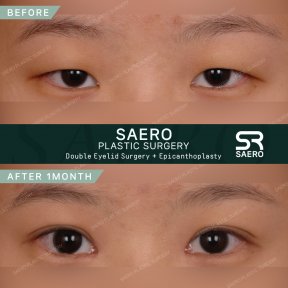
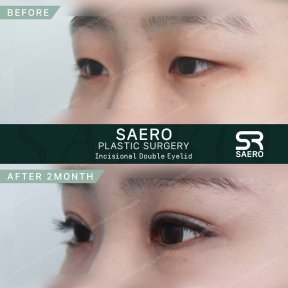
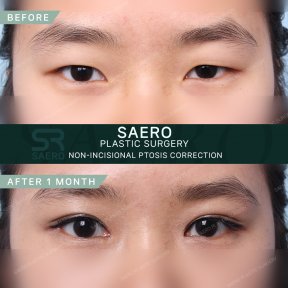
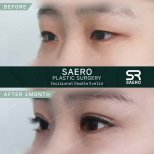
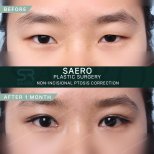
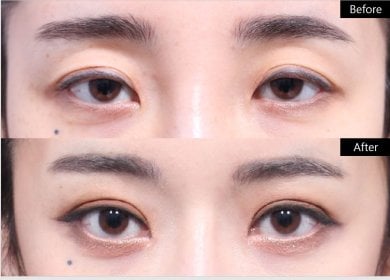
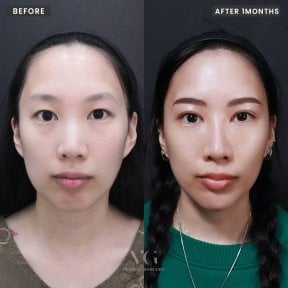
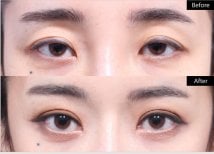
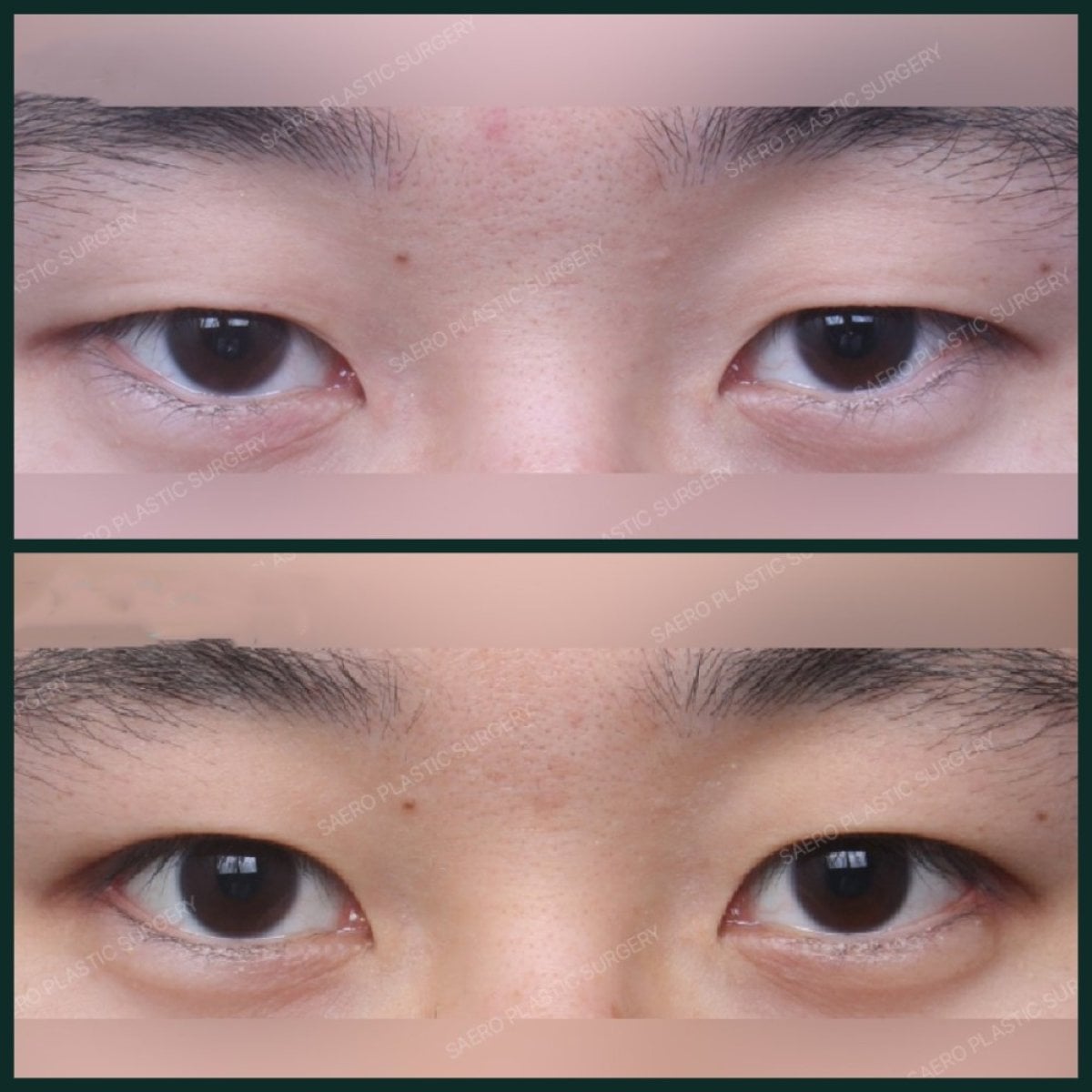
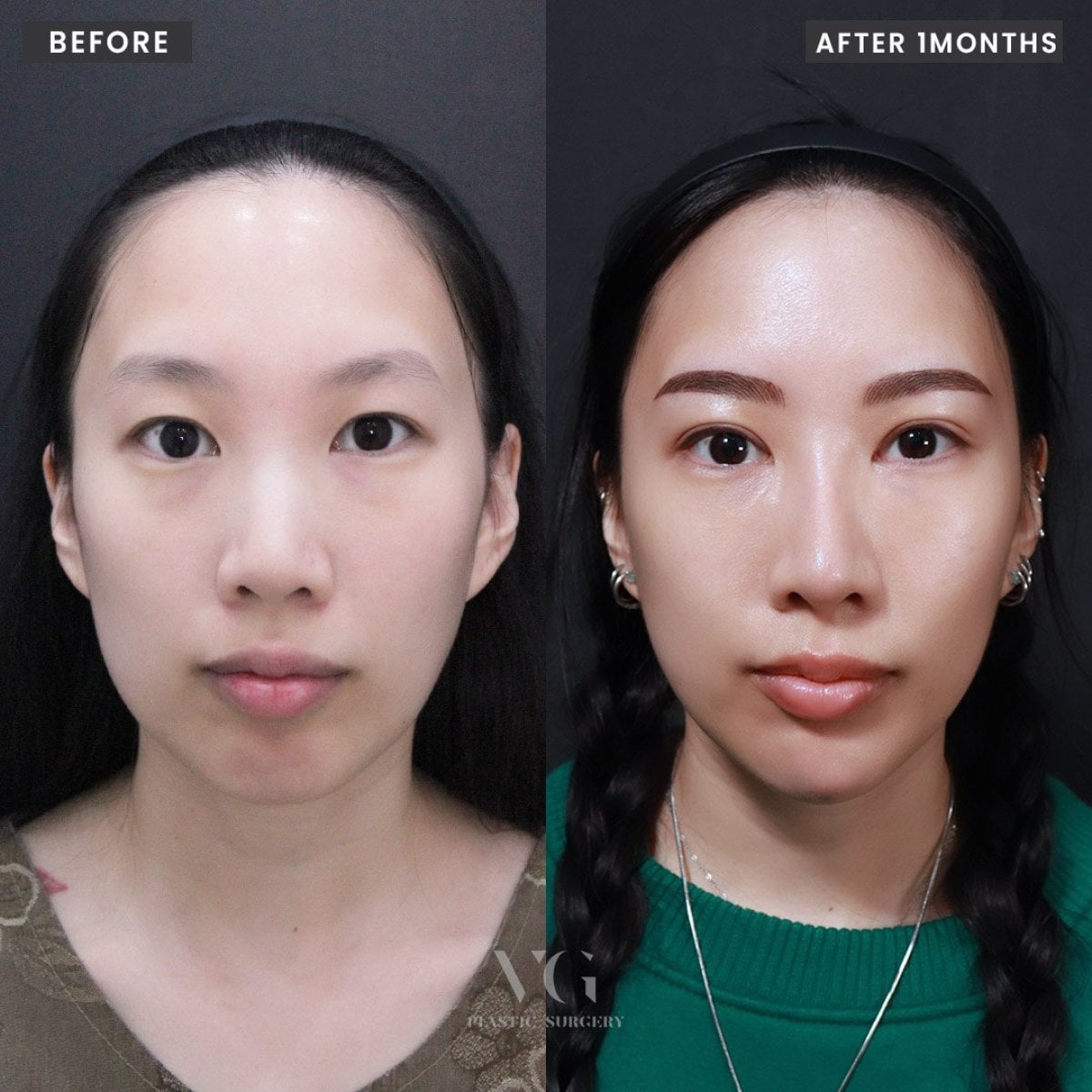
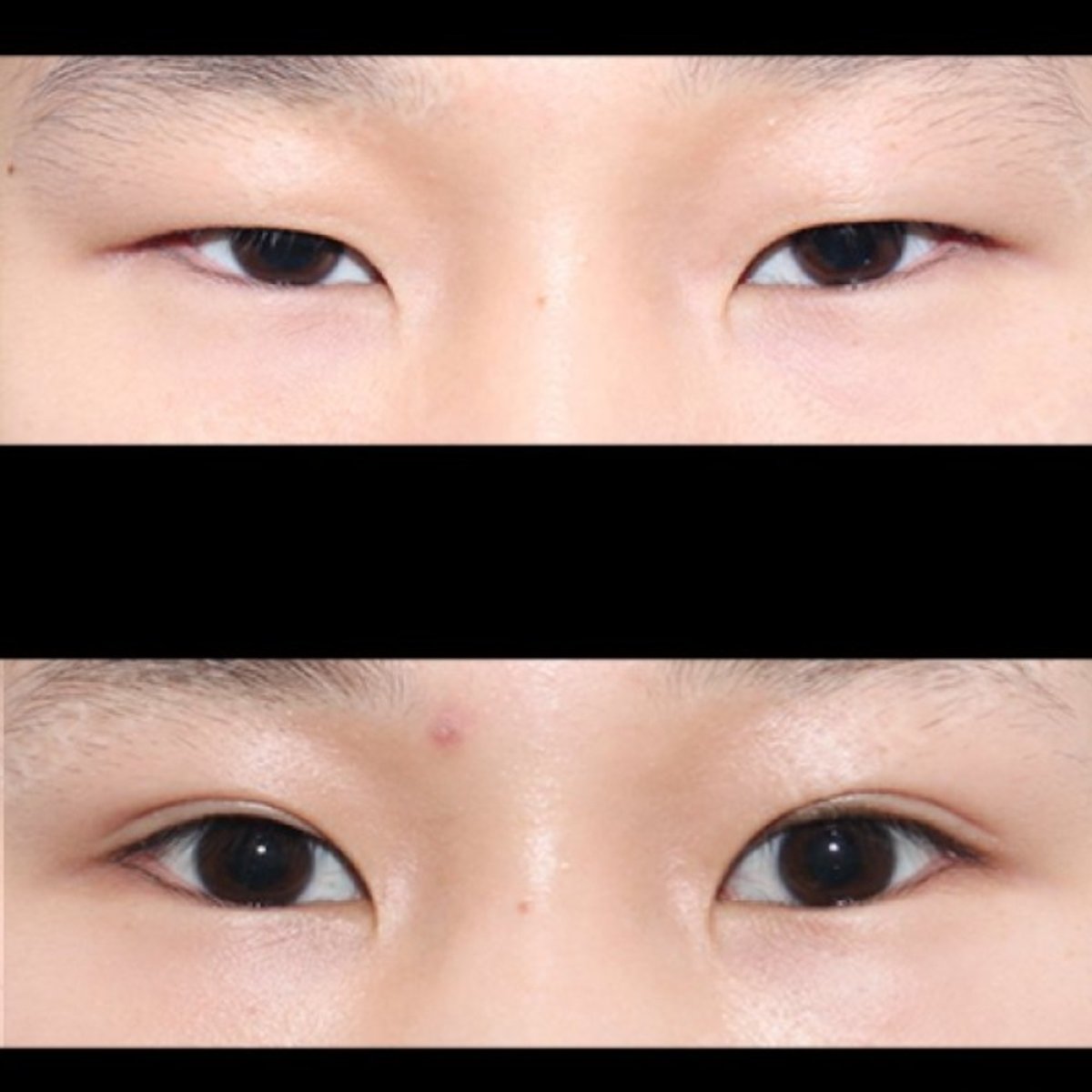
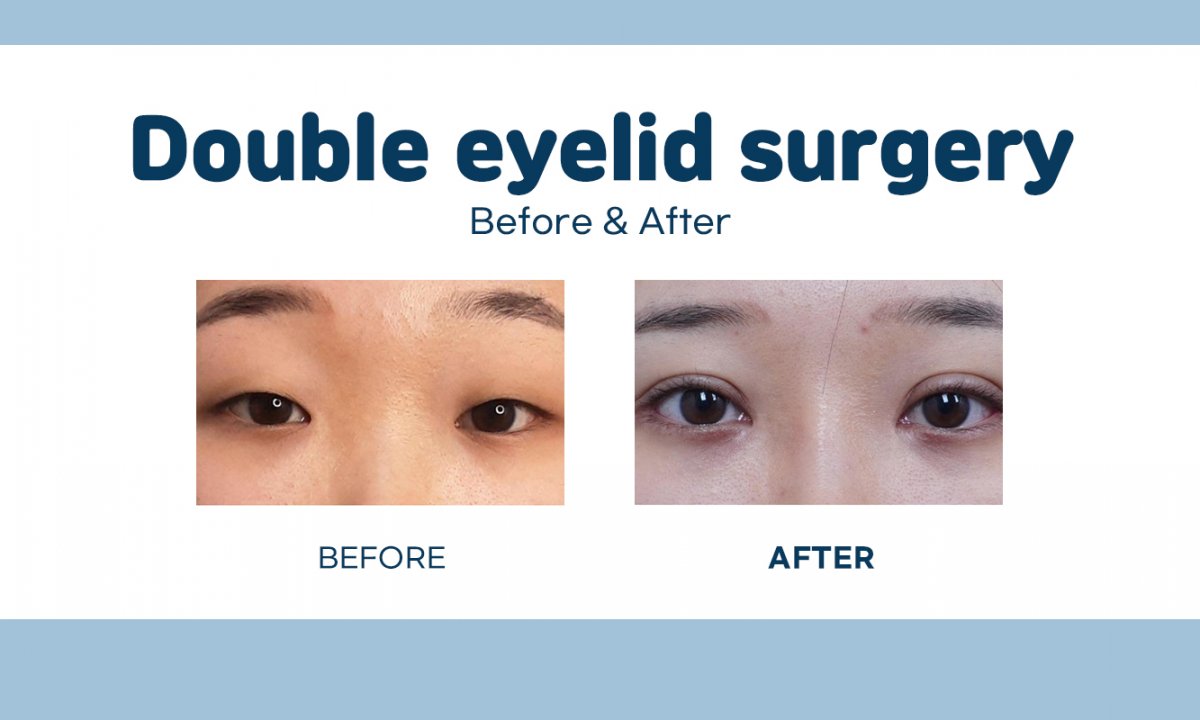
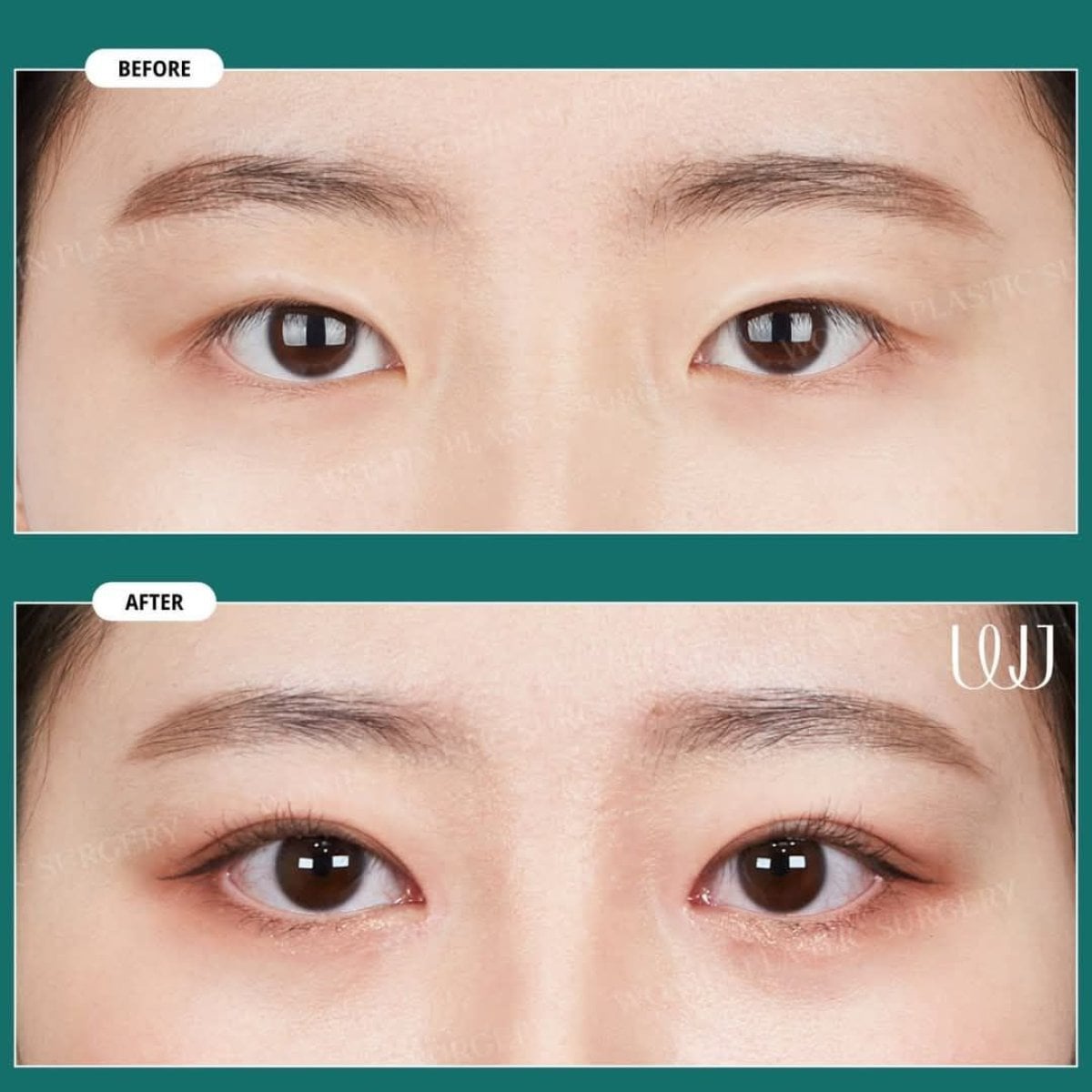
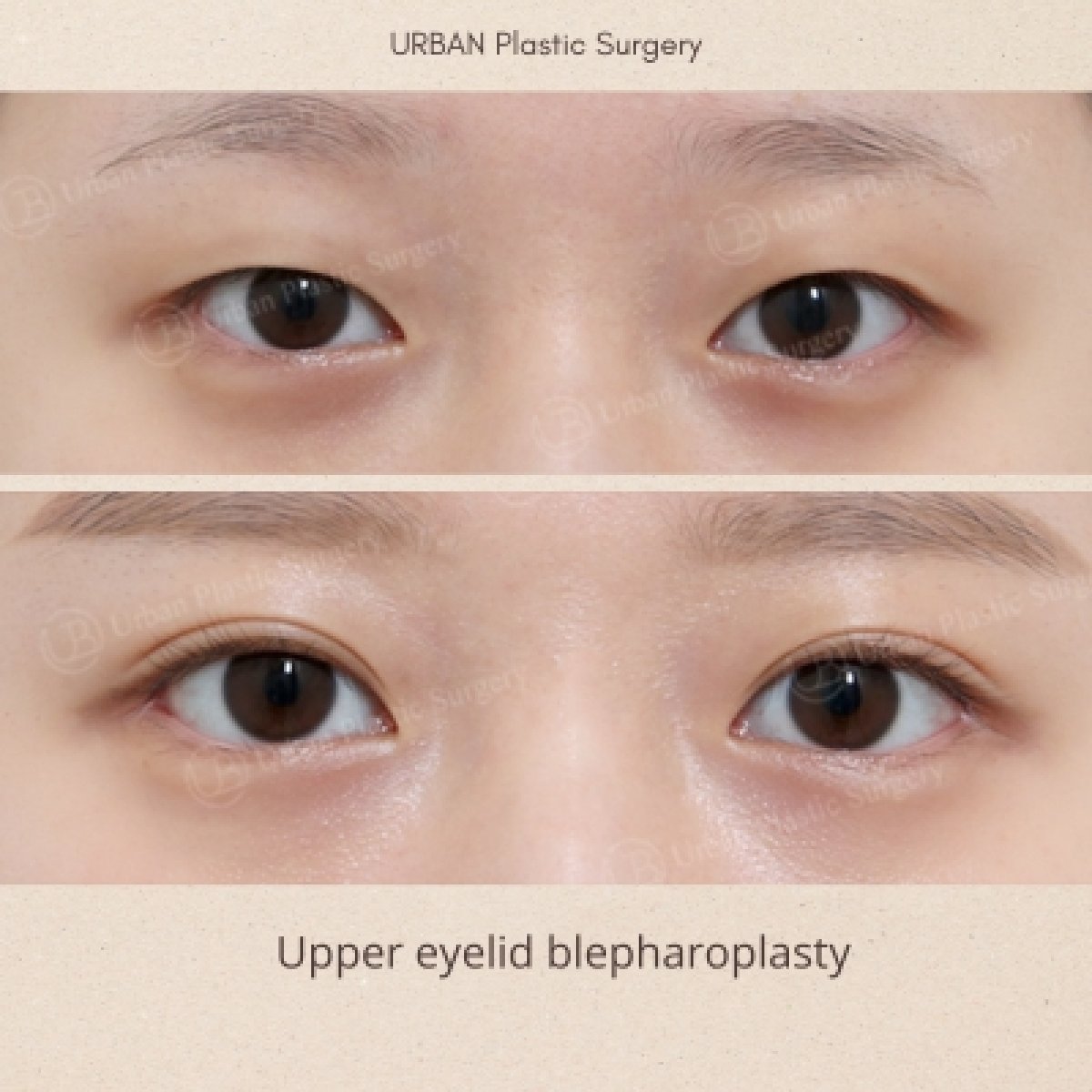
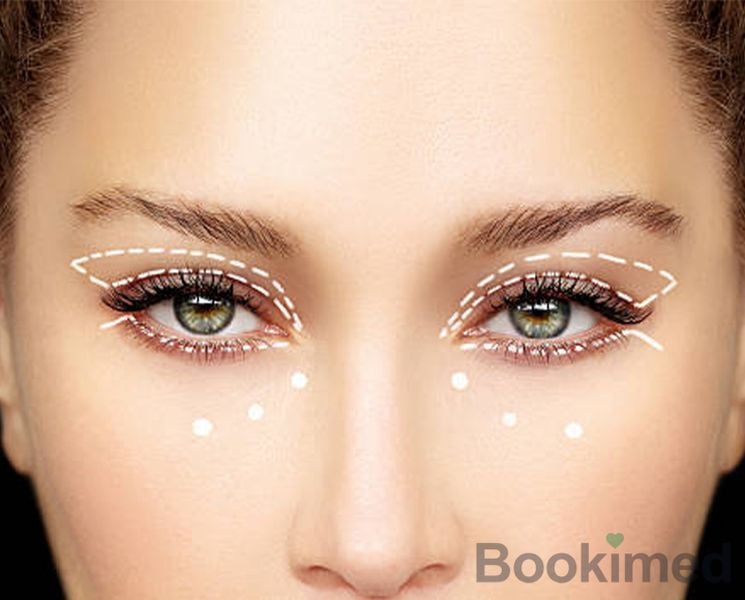
تتراوح تكلفة عملية جفن العين المزدوج في كوريا الجنوبية عادةً بين $1,200 و $2,100. يعتمد السعر النهائي على الأسلوب الجراحي، وتعقيد الحالة، وموقع العيادة في سيول أو إنتشون. تشمل الأسعار القياسية أتعاب الجراح، والتخدير، والرعاية الأساسية بعد الجراحة.
- طريقة بدون شق جراحي: تُعد هذه التقنية المعتمدة على الخيوط الخيار الأكثر اقتصاداً للحصول على ثنية طبيعية.
- الشق الجراحي الكامل: عادة ما تكون أعلى تكلفة لنظراً لتعقيدها ونتائجها الدائمة للجلد السميك.
- تصحيح تدلي الجفون: تؤدي إضافة هذا الإجراء العضلي إلى زيادة تكلفة العملية الأساسية بنسبة 15 إلى 25 %.
- جراحة المراجعة: يُعد تصحيح العمليات السابقة أمراً معقداً وقد يرفع السعر بنسبة 50 % أو أكثر.
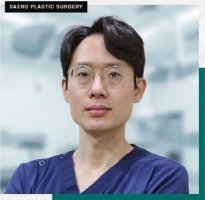
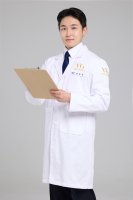
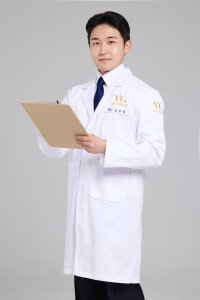
رأي خبراء Bookimed: يضمن اختيار متخصص مثل دكتور كيم جو بونغ أو دكتورة بايك هي وون الوصول إلى معدلات نجاح عالية. على سبيل المثال، تسجل عيادة هيرشي للكاي الجراحي في كوريا معدل نجاح 94.3 % لجراحات تجميل الجفون. بينما تبدأ الإجراءات الأساسية بسعر يقارب 850 $، توفر مراكز رائدة مثل جي كيه بلاستيك سيرجري سنتر معايير أمان معتمدة من KAHF. غالباً ما توفر الباقات التي تبلغ حوالي 1,900 $ قيمة أفضل عبر تضمين الأدوية الضرورية وعلاجات تقليل التورم المتخصصة.