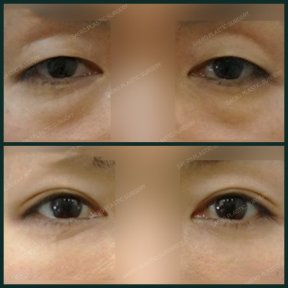
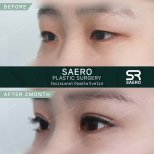
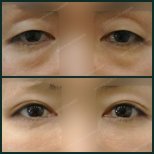
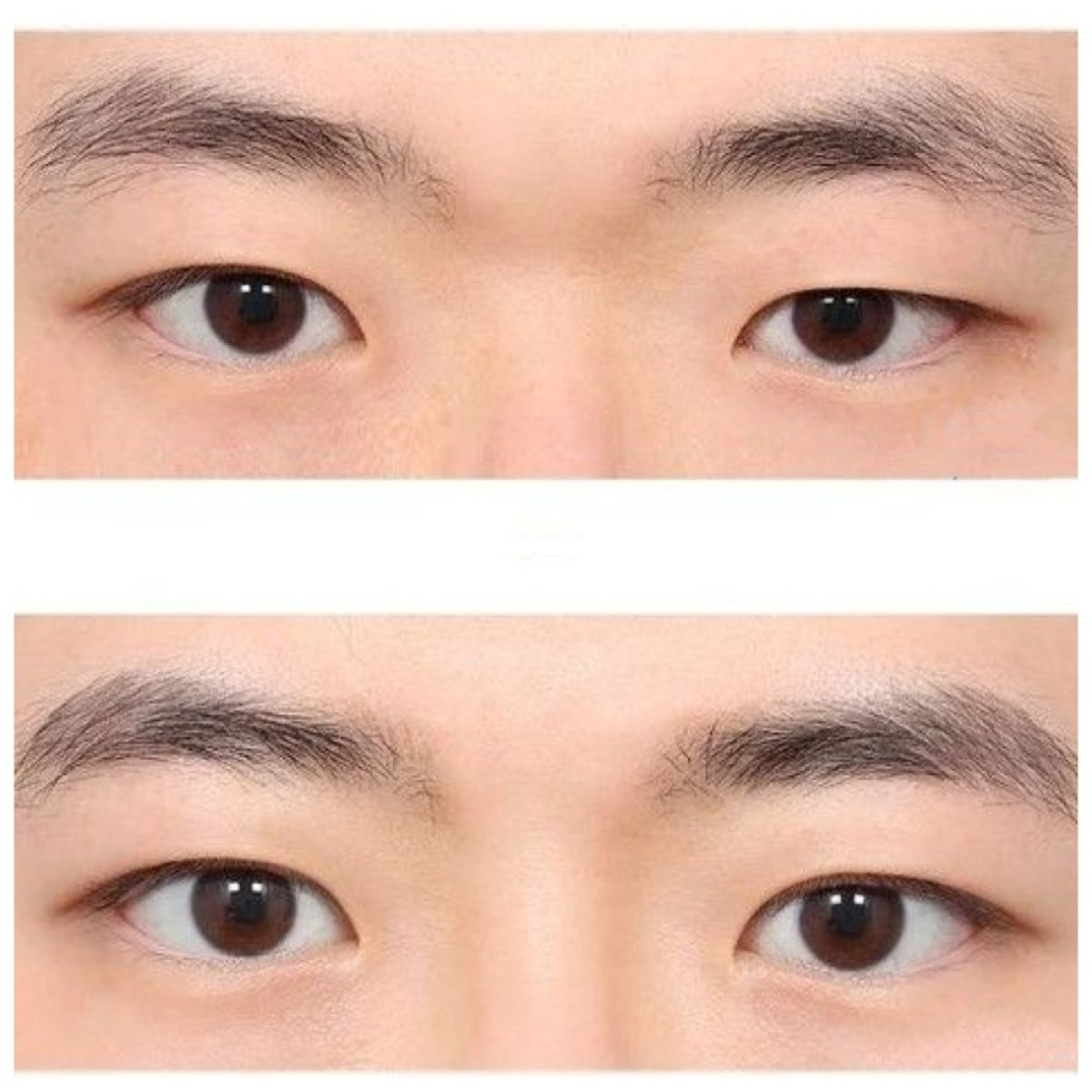
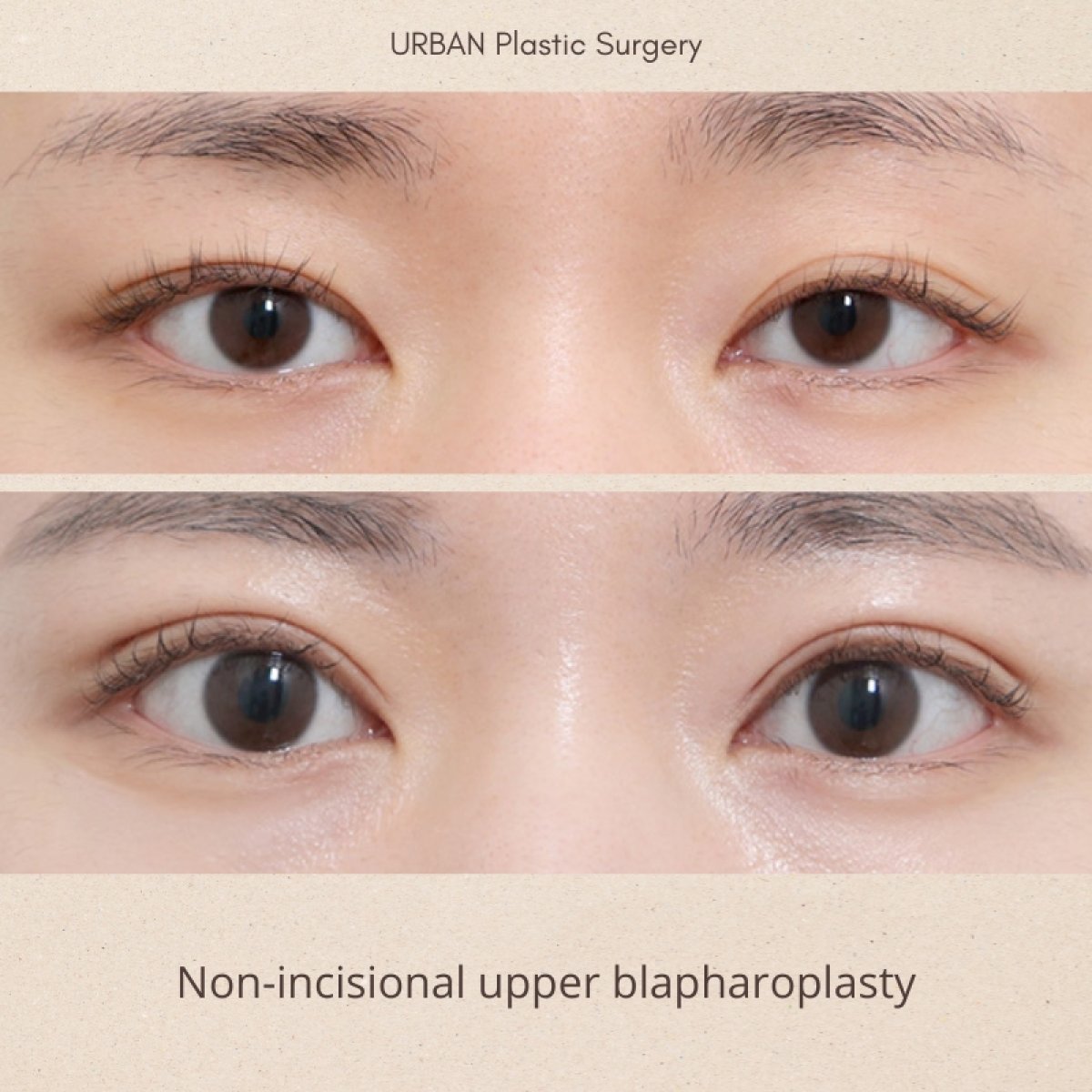
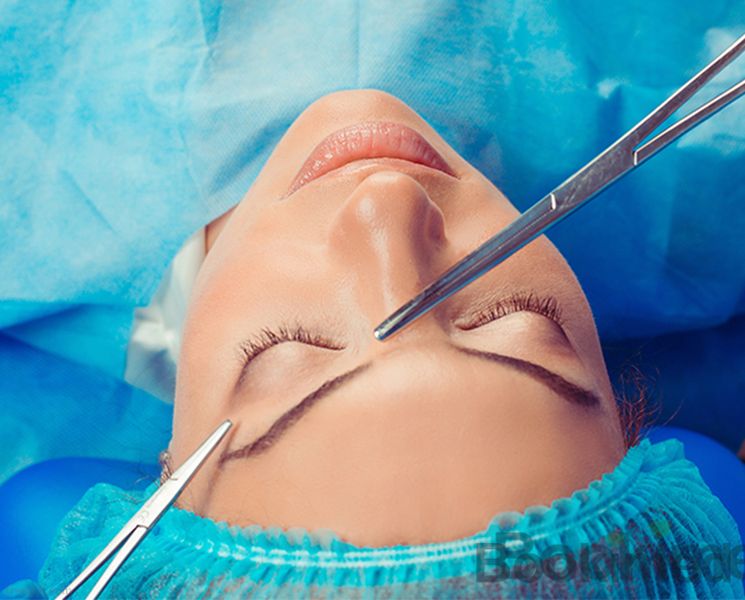
A good upper-eyelid result depends on your eyelid structure, specifically how much loose skin hangs over your lashes and whether the muscle lifting the lid functions properly. That is why two people of the same age often require different surgical approaches. Upper eyelid surgery (upper blepharoplasty) in Korea costs significantly less than in the US or UK, making it a popular choice for international patients.
Stitch or Incision: Choosing the Double-Eyelid Method That Fits Your Eyes
The right approach depends on your eyelid skin and desired crease stability. Thin skin and a minor adjustment suit the stitch method, while thicker or looser skin usually calls for the incision method. Korean surgeons typically aim for a low, natural-looking crease that opens the eye while preserving your natural features. More than 15 Bookimed partner clinics in Korea offer double-eyelid surgery, making both methods readily available.
The stitch method
With the stitch method, the surgeon forms the crease through a few tiny punctures without making a full incision. Swelling remains mild and settles within several days. The crease can loosen or soften over the years, which is why this technique suits younger patients with thin skin and minimal excess tissue.
The incision method
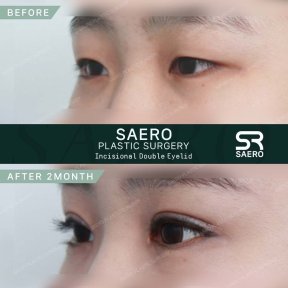
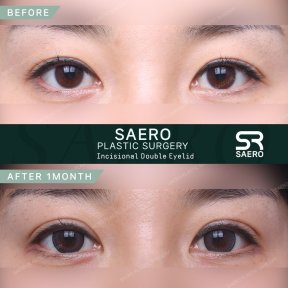
The incision method uses a fine cut along the natural fold to remove a thin strip of excess skin, creating a firm, long-lasting crease. Swelling is more noticeable for 1–2 weeks, and the stitches are removed during a clinic visit around days 5–7. Because of this follow-up appointment, the incision method requires a longer stay than a quick stitch procedure, so plan your trip accordingly. This approach is ideal for thicker skin or heavier, sagging upper lids.
Widening the inner corner
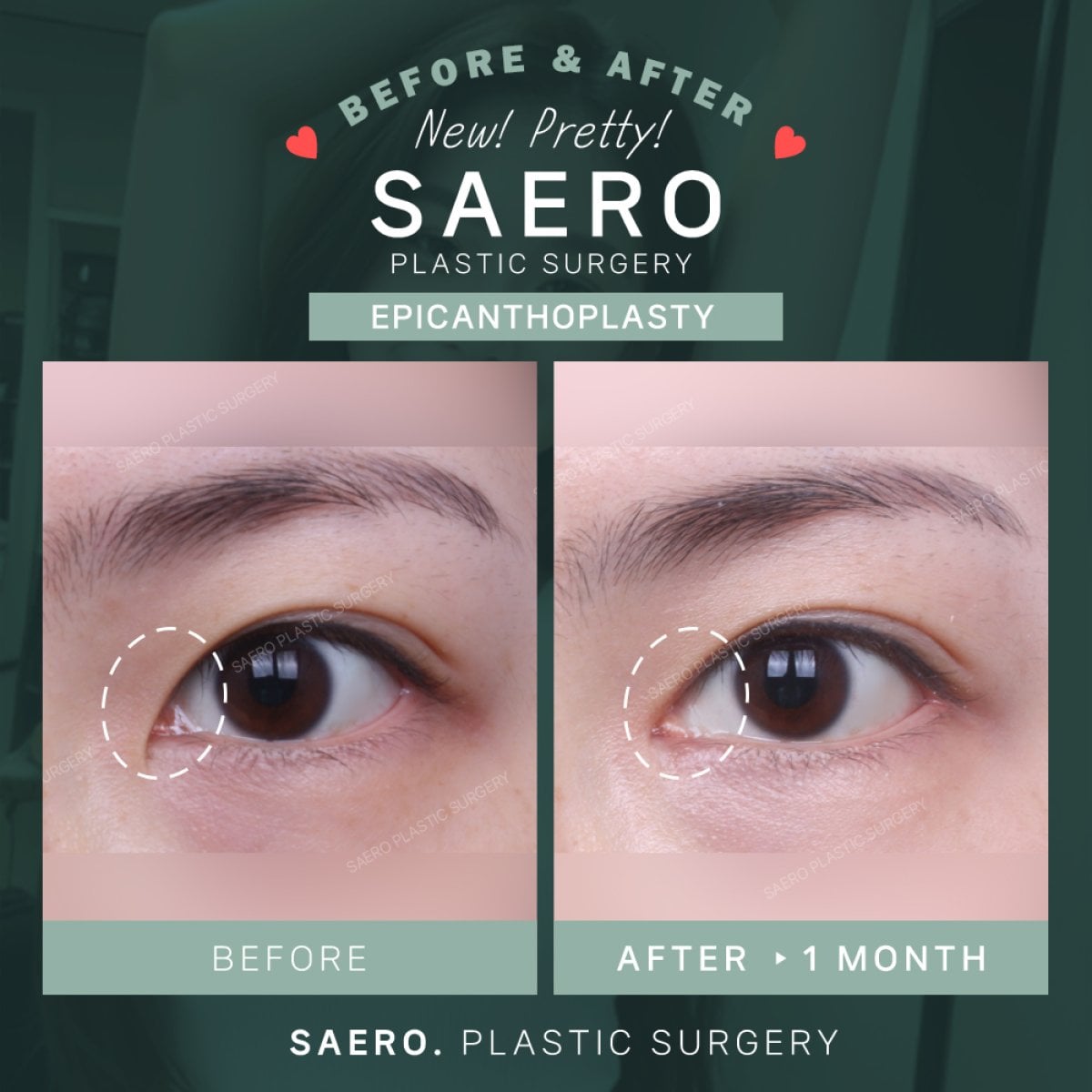
Some patients also ask about opening the small fold of skin at the inner corner of the eye (a procedure called epicanthoplasty) to make the eye look wider. Surgeons offer this selectively for patients who want more horizontal length. Because the inner-corner skin can heal unpredictably and is more prone to visible scarring, discuss this thoroughly with your surgeon before deciding.
Weak Eyelid Muscle or Just Loose Skin? How to Tell
Heavy, tired-looking eyes usually result from one of two causes: extra skin on the upper lid (called dermatochalasis) or a weak lifting muscle that allows the lid to sit low. Surgeons refer to this muscle weakness as ptosis, which requires surgical muscle correction rather than a simple skin removal. Identifying the underlying cause is essential. If a surgeon forms a crease without correcting a weak lifting muscle, the eye may still look sleepy, and the crease can turn out uneven.
Many patients choosing this operation are doing it for the first time. Among patients who recently asked Bookimed about upper-eyelid surgery, 42 of the 59 who answered had never had plastic surgery before. So it helps to know what your surgeon is actually assessing. A few signs suggest the cause is a weak lifting muscle:
- You lift your eyebrows or forehead to open your eyes, especially by the end of the day.
- Constant lifting leaves horizontal forehead lines or a tired ache.
- The eyelid covers part of your iris even when your forehead is relaxed.
If you notice these symptoms, mention them at your consultation so the surgeon can evaluate both the muscle and the skin.
Heavy upper-lid skin can affect more than your appearance. When it hangs low enough to block your upper field of vision, it can make driving and reading harder. Removing this excess tissue can widen your line of sight.
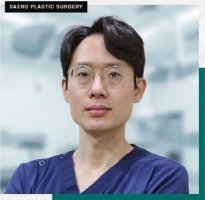
Because the right treatment plan depends on the root cause, ask for a thorough eyelid assessment at your consultation. An eyelid specialist – for example, Dr. Paik Hye-won, a Seoul surgeon who works on eyelid surgery and ptosis correction – checks the skin, lifting muscle, and the brow position together before recommending a technique.
How to Check a Seoul Clinic's Safety
A reputable Seoul clinic will clearly answer a few plain questions about who operates and how the room is staffed. When Bookimed asked patients considering upper-eyelid surgery what matters most in a clinic, the top answer was the surgeon's experience and reputation – 33 of 63 respondents chose it, ahead of price. Follow these steps to verify your clinic’s standards:
- Confirm that the board-certified surgeon from your consultation performs your procedure and specializes in eyelid surgery.
- Ensure your chosen surgeon personally performs the key parts of the operation.
- Check whether a full-time, board-certified anesthesiologist stays with you from the start of surgery until you wake.
- You can also ask the clinic to record your operation under general anesthesia on written request, then check how to get a copy.
Some of our Seoul partners already implement these safety protocols. For example, AB Plastic Surgery in Gangnam maintains an anesthesiology specialist ratio double the industry average and runs 24-hour cameras in all of its operating rooms. URBAN Plastic Surgery, also in Seoul, provides operating room monitoring and conducts pre-operative screenings, including blood tests, an EKG, and a chest X-ray. Ask each clinic what safety measures they maintain.
The same verification steps apply to all plastic surgery procedures in Korea. A Bookimed coordinator can submit these questions to the clinic on your behalf and share their responses.
Getting Ready to Travel: Medication, Paperwork, and Recovery
Start your preparations a few weeks before travel, because some tasks require advance planning. Certain common medicines must be paused before surgery, some paperwork takes time to process, and the first days of recovery go more smoothly with a little planning.
About 1–2 weeks before the procedure, surgeons usually ask you to stop medicines and supplements that thin the blood. Eyelid tissue has a rich blood supply, so pausing them reduces bleeding and swelling. Confirm the exact list and timing with your surgeon based on your medical history. The common examples include:
- Aspirin and ibuprofen
- Prescription blood thinners
- Vitamin E and fish oil
- Herbal supplements such as ginseng and ginkgo
Pausing these medications on schedule is one of the simplest ways to help the result settle cleanly. Additionally, prepare your documentation and travel logistics early. Korea regulates incoming prescription painkillers, so leave strong medications at home and let the clinic prescribe pain relief locally. Also check Korea's entry requirements as you plan the trip, since a travel authorization or arrival form may be needed and the rules change.
Plan for downtime during the first few days. Most people feel comfortable appearing in public about 10–14 days after surgery, though full healing takes a few months. Temporary eye dryness typically resolves within two weeks, according to the Cleveland Clinic.
Preservative-free eye drops, cold compresses, and keeping your head elevated help you through the first days – advice often shared by patients who have had upper-eyelid surgery. A Bookimed coordinator can help you line these steps up with your clinic before you fly.