العلاج المحافظ لحالات الجنف في كوريا الجنوبية — احصل على 3 عيادات مطابقة مع التكاليف


تمت مراجعة المقالة طبيا من قبل
فهد مولود
ما هي تكلفة العلاج المحافظ لحالات الجنف في كوريا الجنوبية؟ اكتشف الآن
من $500. تعتمد التكاليف الإجمالية على مدة العلاج، ومتطلبات المشدات المخصصة، وتقنيات العلاج الطبيعي المتخصصة. تشمل البرامج القياسية عادةً المشدات التقويمية، والعلاج الطبيعي، والتصوير التشخيصي الدوري لمراقبة انحناء العمود الفقري.
- المشدات الفقارية المخصصة: تضيف قيمة كبيرة، حيث يبلغ متوسط تكلفة المشدات الفاخرة المصممة خصيصاً حوالي 2,500 $.
- جلسات العلاج الطبيعي: تتراوح تكلفة الجلسات الفردية المتخصصة بين 50 $ و 100 $ تقريباً في الساعة.
- التصوير التشخيصي: تتراوح تكلفة الأشعة السينية لمراقبة زاوية كوب عادةً بين 100 $ و 200 $.
- مراكز العلاج: تكون الأسعار ثابتة بشكل عام في المراكز الطبية الكبرى في سول، وإنتشون، وبوسان.
رأي خبراء Bookimed: يضمن اختيار منشأة رقمية رائدة مثل مستشفى جامعة سول الوطنية بوندانغ (SNUBH) متابعة دقيقة للغاية. يخدم هذا المستشفى 1.5 مليون مريض سنوياً باستخدام نظام BESTcare المتطور. وللحصول على رعاية متخصصة، يُعد مستشفى نانوري مستشفى متخصصاً في العمود الفقري ومعتمداً من الوزارة. تقدم هذه المرافق المتميزة نهجاً علاجياً يجمع بين الطب الغربي والتقليدي. يستفيد المرضى من الخبرة الواسعة، حيث يجري مستشفى SNUBH أكثر من 32,500 عملية سنوياً. تضمن هذه الخبرة العميقة دقة عالية في الإدارة غير الجراحية لحالات العمود الفقري المعقدة.
المزايا الرئيسية
لماذا يختار المرضى جمهورية كوريا للعلاج التحفظي للجنف؟
- عيادات معتمدة: المستشفيات المعتمدة من JCI تقدم ضمانًا للرعاية عالية الجودة والالتزام بالمعايير الدولية.
- أحدث التقنيات: تُعتبر طريقة شروث، ودعامة SpineCor، ودعامة Cheneau من بين أكثر التقنيات والأجهزة فعالية في إدارة الجنف بدون جراحة.
- نسب نجاح عالية: يُظهر العلاج التحفظي للجنف في كوريا معدل فعالية يتراوح بين 70-80% في تحسين انحناء العمود الفقري وتقليل الألم.
- ممارسون خبراء: يعمل في كوريا أخصائيون رائدون في تقويم العظام، معتمدون في تقنيات إدارة الجنف، وقد عالجوا أكثر من 2,000 حالة. هذا يضمن الرعاية الخبيرة والمعرفة.
احصل على حلول متقدمة للعلاج التحفظي للجنف في عيادات موثوقة من $500.
| كوريا الجنوبية | تركيا | إسبانيا | |
|---|---|---|---|
| العلاج المحافظ لحالات الجنف | من $500 | من $2,500 | من $2,000 |
مزاياك وضماناتك مع Bookimed
أسعار مباشرة
Bookimed لا يضيف رسوماً إضافية على أسعار العلاج المحافظ لحالات الجنف. الأسعار مأخوذة من قوائم الأسعار الرسمية للعيادات. تدفع مباشرة في العيادة مقابل العلاج المحافظ لحالات الجنف عند وصولك.
عيادات وأطباء معتمدون فقط
Bookimed ملتزم بسلامتك. نحن نعمل فقط مع المؤسسات الطبية التي تحافظ على معايير دولية عالية في العلاج المحافظ لحالات الجنف ولديها التراخيص اللازمة لخدمة المرضى الدوليين في جميع أنحاء العالم.
مساعدة مجانية على مدار الساعة
Bookimed يقدم مساعدة خبراء مجانية. منسق طبي شخصي يدعمك قبل وأثناء وبعد العلاج، ويحل أي مشاكل. لن تكون وحيداً أبداً في رحلة العلاج المحافظ لحالات الجنف.

منسقك الطبي الشخصي في Bookimed
- يدعمك في كل مرحلة
- المساعدة في اختيار العيادة الطبية المناسبة والطبيب المناسب
- يضمن الوصول السريع والمريح إلى المعلومات
اكتشف أفضل العلاج المحافظ لحالات الجنف العيادات في كوريا الجنوبية: 8 خيارات معتمدة والأسعار






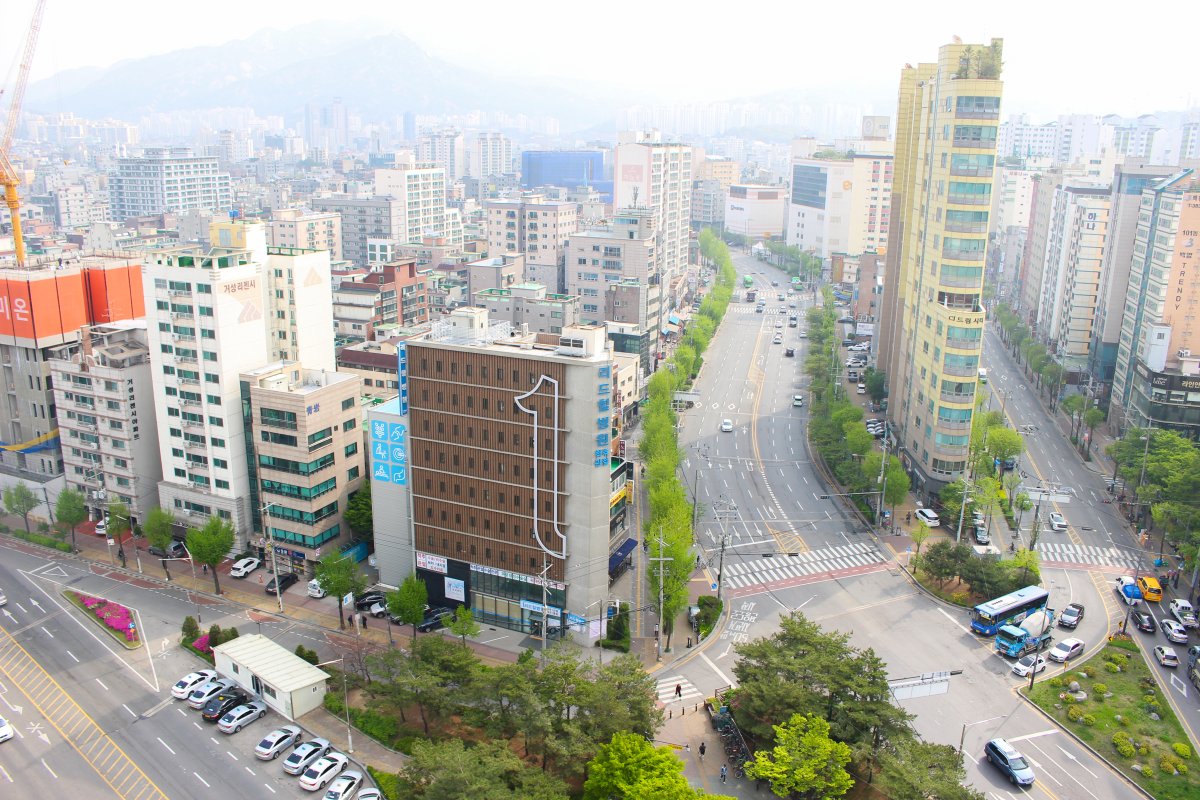
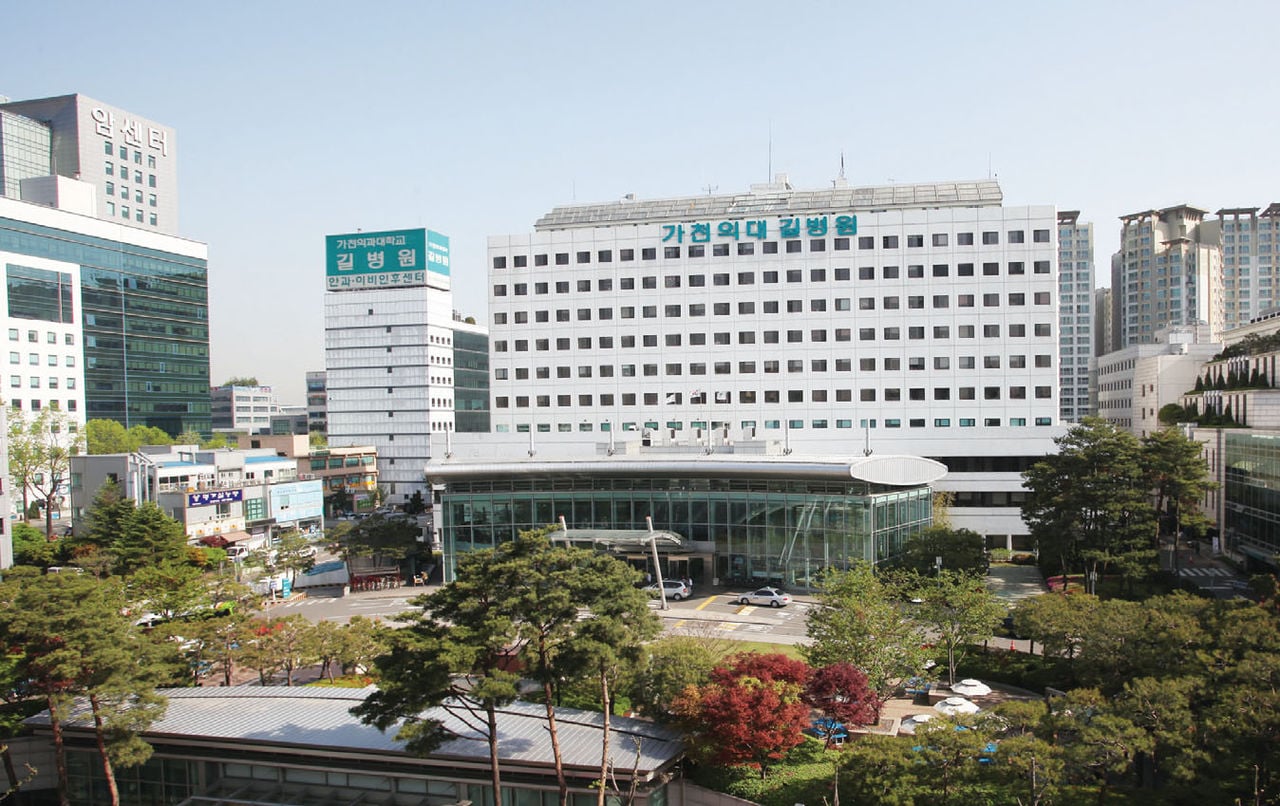
عيادة العمود الفقري والمفاصل Leadheal




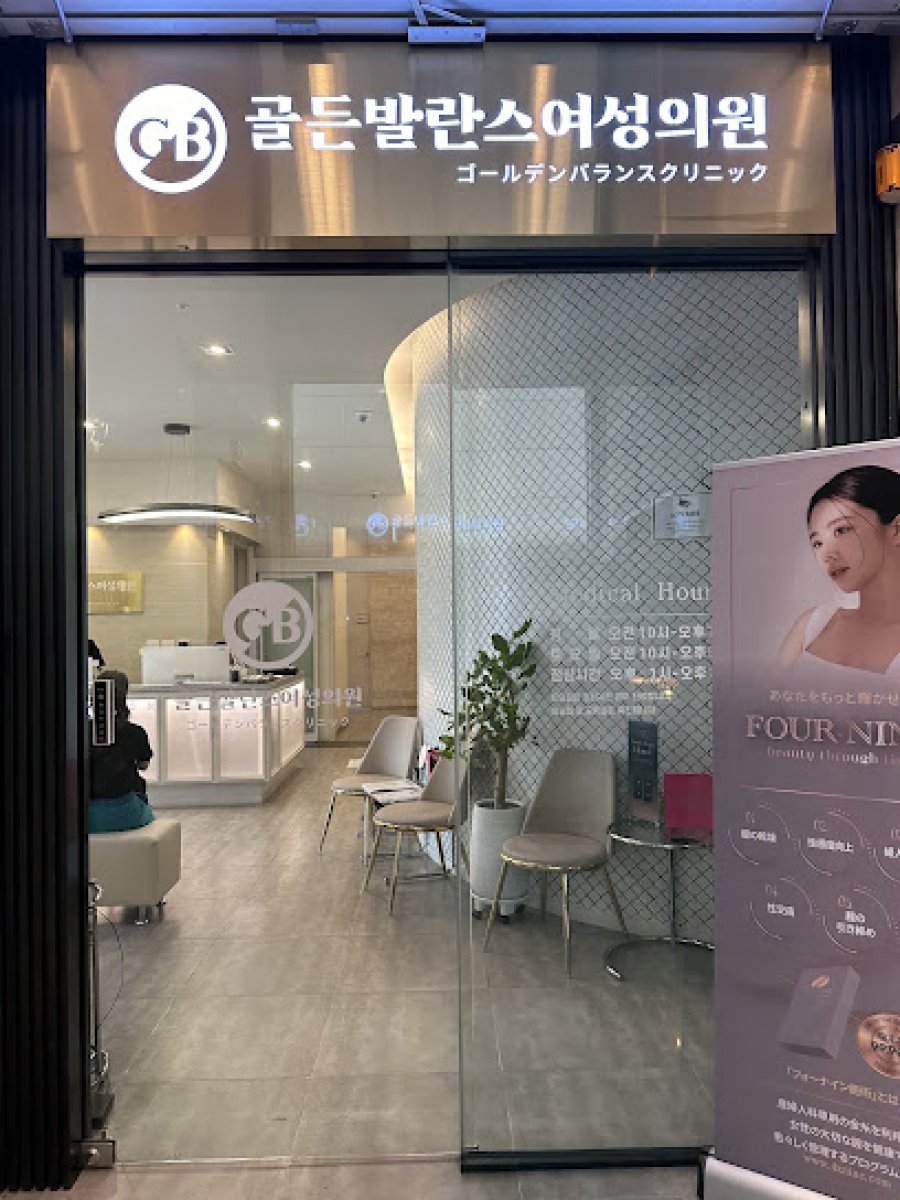
نظرة عامة على العلاج المحافظ لحالات الجنف في كوريا الجنوبية
- العلاج الجراحي للجنف - من $30,000
يصحح هذا العلاج انحناء العمود الفقري ، ويتضمن وضع المسامير والقضبان ويحسن الوضع والتنفس.
- العلاج المحافظ لحالات الجنف - من $500
يهدف هذا العلاج إلى إدارة انحناء العمود الفقري بدون جراحة ، وذلك باستخدام الأقواس والعلاج الطبيعي والتمارين الرياضية. إنها أقل خطورة وخطورة.
- زرع نظام ApiFix - من $14,000
يتضمن الإجراء جراحة طفيفة التوغل لتصحيح انحناء العمود الفقري باستخدام قضيب مرن للحركة الطبيعية.
اليوم الأول - الوصول
- الوصول إلى البلاد والانتقال إلى الفندق.
- الراحة والتأقلم مع البيئة الجديدة.
اليوم 2 - ما قبل العملية
- الانتقال من الفندق إلى العيادة.
- التشاور مع أخصائي العظام.
- الخضوع للفحوصات الطبية اللازمة.
- ناقش خطة العلاج مع الطبيب.
اليوم 3 - العلاج المحافظ
- بدء العلاج التحفظي للجنف.
- يشمل العلاج التمارين والأقواس والعلاج الطبيعي.
- تستمر جلسة العلاج حوالي 2-3 ساعات.
- لا حاجة للتخدير لهذا العلاج.
الأسبوع 1 - بعد العلاج
- تستمر جلسات العلاج اليومية في العيادة.
- مراقبة التقدم من خلال الفحوصات الدورية.
- ابق في البلد طوال الأسبوع.
الأسابيع 2 إلى 6 - إعادة التأهيل
- استمر في العلاج الطبيعي والتمارين في المنزل.
- العودة التدريجية إلى الأنشطة اليومية.
- العودة إلى العمل بعد أسبوعين.
- استأنف الرياضة والأنشطة الشاقة الأخرى بعد 6 أسابيع.
يرجى ملاحظة أن الجدول الزمني وخطة العلاج قد تختلف بناءً على الظروف الفردية والاستجابات للعلاج.
- إيداع Bookimed: 200 دولار أو 200 يورو.
- وديعة العيادة: ادفع نسبة محددة مقدمًا.
احصل على تقييم طبي لـ العلاج المحافظ لحالات الجنف في كوريا الجنوبية: اختر أخصائيك من بين الأفضل في هذا المجال
عرض جميع الأطباء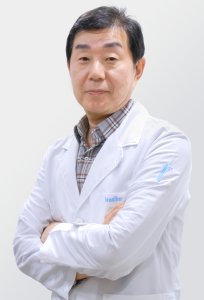
Jang Hyo Kim
الدكتور جانغ هيو كيم جرّاح عظام يركّز على الحفاظ على المفاصل وإعادة البناء المعقّدة. يختص بمناظير المفاصل للكتف والركبة والكاحل والمرفق والمعصم. يُجري استبدال مفاصل الكتف والركبة والكاحل والمرفق والورك. يشمل عمله في العمود الفقري تثبيت ودمج الفقرات العنقية والقطنية. كما يُجري استئصال القرص، واستئصال الصفيحة الفقرية، وترميم الأعصاب، ورأب الفقرة. وتشمل ممارسته علاج الكسور وإصلاح العضلات والأربطة.
هو أستاذ منتسب في جامعة كيونغ هي، ويشغل منصب مدير مركز المفاصل في مستشفى فيري غود. وشغل سابق
المراجعات
جميع المراجعاتمشاركة المحتوى
قصص فيديو من مرضى Bookimed
 Anna Leonova
أسئلة متكررة حول العلاج المحافظ لحالات الجنف في كوريا الجنوبية
ما هي خيارات العلاج غير الجراحي الأساسية المتاحة في كوريا؟
تتركز العلاجات غير الجراحية الأساسية في كوريا على إدارة الجنف (اعوجاج العمود الفقري) المتقدمة للغاية والطب التجميلي. تشمل الخيارات الرئيسية مشدات TLSO المخصصة عبر المسح الضوئي ثلاثي الأبعاد، والعلاج الطبيعي المكثف بطريقة شروث، وعلاجات المفاصل التجديدية. تستخدم عيادات مثل مستشفى نانوري ومستشفى سيفيرانس التصوير الرقمي لتوفير وصول أسرع وتكاليف أقل من المرافق الأمريكية.
- مشدات الجنف: تقنية المسح ثلاثي الأبعاد تنشئ مشدات TLSO مخصصة للانحناءات التي تقل عن 20 درجة.
- العلاج الطبيعي بطريقة شروث: تتضمن البرامج المكثفة لمدة أسبوعين 5-6 ساعات من التمارين التصحيحية المتخصصة يومياً.
- الحقن التجديدية: يعالج العلاج بالخلايا الجذعية والبلازما الغنية بالصفائح الدموية (PRP) آلام المفاصل المزمنة.
- شد البشرة التجميلي: يوفر الموجات فوق الصوتية المركزة عالية الكثافة (HIFU) وأجهزة الترددات الراديوية شدًا غير جراحي للبشرة.
رؤية خبير Bookimed: بينما يسعى الكثيرون إلى كوريا لإجراءات التجميل السريعة، تكمن القيمة الحقيقية في الكفاءة العظمية. يخدم مستشفى نانوري 58,000 مريض سنوياً برعاية متخصصة للعمود الفقري. مستويات الخبرة عالية، وغالباً ما تكون أوقات الانتظار لتركيب المشدات المخصصة أقل من أسبوع واحد. تتفوق هذه السرعة بشكل كبير على المتوسطات في أمريكا الشمالية لرعاية الجنف لدى المراهقين.
إجماع المرضى: يبلغ المرضى عن نجاح تقليل الانحناء من خلال برامج شروث الصارمة. ويؤكدون أنه على الرغم من أن المشدات فعالة من حيث التكلفة، فمن الضروري إعطاء الأولوية
من هو المرشح للعلاج التحفظي؟
عادةً ما يشمل المرشحون لعلاج الجنف التحفظي في كوريا الجنوبية الأطفال والمراهقين الذين ينمون ويعانون من انحناءات مجهولة السبب تتراوح بين 20 و40 درجة. يدير هذا النهج غير الجراحي بشكل فعال تطور العمود الفقري للمرضى الذين لم يكتمل نمو هيكلهم العظمي مع درجات ريسر من 0 إلى 2 باستخدام دعامات متخصصة وتمارين شروث.
- حجم الانحناء: الأفضل لانحناءات الجنف مجهولة السبب التي تتراوح بين 20 و40 درجة.
- نضج الهيكل العظمي: مثالي للمرضى الذين لديهم درجات ريسر من 0 إلى 2 مع وجود نمو متبقي.
- طرق العلاج: تشمل دعامات شينو المخصصة، وعلاج شروث الطبيعي، والمراقبة كل 6 أشهر.
- استثناءات محددة: لا ينصح به للجنف العصبي العضلي أو الانحناءات التي تتجاوز 45 درجة.
رؤية خبير Bookimed: توفر كوريا الجنوبية ميزة فريدة للرعاية التحفظية من خلال بنيتها التحتية الرقمية للغاية. تستخدم مستشفيات مثل نانوري ومستشفى جامعة سيول الوطنية تتبعًا رقميًا متقدمًا ودعامات كورية مخصصة. تشير البيانات إلى أن هذه الدعامات المحلية غالبًا ما توفر راحة أفضل، مما يؤدي إلى امتثال أعلى للمرضى مقارنة بالنماذج العالمية القياسية.
إجماع المرضى: يعتمد النجاح بشكل كبير على ارتداء الدعامات لمدة 16 إلى 23 ساعة يوميًا خلال طفرات النمو. تجد العديد من العائلات أن الكشف المبكر من خلال الفحوصات المدرسية هو العامل الأكثر أهمية لتجنب جراحة الدمج.
ما مدى فعالية العلاج التحفظي في كوريا؟
يعد العلاج التحفظي في كوريا فعالاً للغاية لعلاج الجنف، حيث تبلغ نسبة النجاح حوالي 90.4% في تقليل الألم وتحقيق استقرار كبير في انحناء العمود الفقري. تستخدم المراكز المتخصصة نهجاً تكاملياً، بما في ذلك العلاج الطبيعي بطريقة "شروث" (Schroth) واستخدام المشدات المخصصة، لإدارة زوايا كوب (Cobb) دون الحاجة إلى جراحة لدى كل من المراهقين والبالغين.
- معدل النجاح: تم الإبلاغ عن مستويات رضا عالية للانحناءات التي تقل عن 30 درجة باستخدام الرعاية غير الجراحية.
- التقنيات الأساسية: تستخدم العيادات العلاج الطبيعي بطريقة "شروث"، والمشدات المخصصة، وبرامج متخصصة في البيلاتس أو اليوغا.
- التدخل المبكر: بدء العلاج عند زاوية أقل من 30 درجة يؤدي إلى أفضل النتائج على المدى الطويل.
- بروتوكول المراقبة: يخضع المرضى لتتبع بالأشعة السينية كل 3 إلى 6 أشهر لمراقبة تطور الحالة.
رؤية خبير Bookimed: تتيح البنية التحتية الرقمية للمستشفيات في كوريا، مثل مستشفى جامعة سيول الوطنية في بوندانغ، تتبعاً دقيقاً للغاية لزاوية كوب. من $500. اختيار منشأة معتمدة من اللجنة الدولية المشتركة (JCI) في سيول يضمن الوصول إلى أخصائيي إعادة تأهيل بمعايير دولية.
إجماع المرضى: يؤكد المرضى أن الالتزام الصارم بارتداء المشد يمثل تحدياً ولكنه ضروري لتحقيق الاستقرار. يشير معظمهم إلى أنه
ما هو الالتزام اليومي المطلوب لارتداء مشد الظهر (Bracing)؟
يتراوح الالتزام اليومي القياسي لارتداء مشد الجنف (scoliosis) في جمهورية كوريا من 16 إلى 23 ساعة. تحدث الفعالية القصوى عندما يرتدي المرضى المشد لمدة لا تقل عن 17-18 ساعة يومياً. يستمر العلاج عادةً حتى النضج الهيكلي، وهو ما يحدث في سن 15-19 عاماً تقريباً حسب الجنس.
- جنف المراهقين: تتطلب بروتوكولات الوقت الكامل ارتداء المشد لمدة 16-23 ساعة يومياً للحصول على أفضل النتائج.
- مشد الليل: تتطلب المشدات الليلية الخاصة التزاماً لمدة 8-12 ساعة أثناء النوم.
- فترة التأقلم: يتبع المرضى جدولاً زمنياً مدته 1-3 أسابيع يبدأ بساعتين من الارتداء.
- العلاج الطبيعي: تتضمن معظم البروتوكولات 30 دقيقة من تمارين تقوية الجذع أثناء عدم ارتداء المشد.
رؤية خبير Bookimed: غالباً ما تعمل المراكز الكورية الجنوبية مثل مستشفى جامعة سيول الوطنية ومستشفى سيفيرانس على تثبيت نجاح العلاج من خلال دمج المراقبة الرقمية المتقدمة. من $500.
إجماع المرضى: الاستمرارية أهم من الالتزام المثالي، على الرغم من أن التعامل مع التعرق الليلي ورطوبة الجلد يظل تحدياً عملياً يومياً. يقترح الكثيرون التخطيط لأوقات إزالة غير قابلة للتفاوض للمناسبات الاجتماعية للحفاظ على ا
ما هي الآثار الجانبية الشائعة للعلاج غير الجراحي؟
يسبب علاج الجنف غير الجراحي في جمهورية كوريا، بما في ذلك استخدام المشدات وتمارين شروث، بشكل أساسي تهيجًا جلديًا موضعيًا، وقرح الضغط، وإجهاد العضلات. يمكن التحكم في هذه الآثار عمومًا من خلال العلاج الطبيعي والتعديل المناسب للمشد تحت إشراف متخصصين في المراكز المعتمدة من قبل اللجنة الدولية المشتركة (JCI) في سيول.
- تهيج الجلد: غالبًا ما يسبب ارتداء المشد احمرارًا أو بثورًا أو قرح ضغط بسبب ارتدائه لمدة 23 ساعة يوميًا.
- ضمور العضلات: يؤدي ارتداء المشد لفترات طويلة إلى إضعاف عضلات الجذع، مما يتطلب علاجًا طبيعيًا لاستعادة القوة الأساسية.
- عدم الراحة الجسدية: قد يسبب استخدام المشد ليلاً أو التمارين المكثفة كدمات في الأضلاع وألمًا.
- تغيرات في الجهاز الهضمي: قد يؤدي ضغط المشد المستمر إلى تقليل الشهية أو التسبب في ارتجاع حمضي خفيف.
رؤية خبير Bookimed: في حين أن الرعاية التحفظية الأساسية متاحة عالميًا، تستخدم المستشفيات الرقمية الكورية الجنوبية مثل مستشفى جامعة سيول الوطنية بوندانج (SNUBH) نظام BESTcare لتقليل أخطاء المراقبة. تظهر البيانات أن دمج تتبع الوضعية الرقمي مع استخدام المشد التقليدي يساعد في تحديد مخاطر نقاط الضغط قبل أن تتحول إلى عدوى خطيرة.
إجماع المرضى: يجد العديد من المرضى صعوبة في ارتداء المشد تحت الزي المدرسي بسبب مخاوف تتعلق بصورة الجسم والقلق. تشمل النصائح العملية من أولئك الذين تلقوا العلاج استخدام طبقات أساسية تسمح بمرور الهواء والبحث عن علاج نفسي لإدارة الضغط العاطفي الناتج عن التصحيح طويل الأمد.
هل توجد مراكز متخصصة لهذه العلاجات؟
تستضيف جمهورية كوريا مراكز متخصصة عالمية المستوى لعلاج الجنف التحفظي، بما في ذلك المستشفيات الجامعية المعتمدة من قبل اللجنة الدولية المشتركة (JCI) وعيادات العمود الفقري المتخصصة المعتمدة من قبل وزارة الصحة. تستخدم هذه المرافق فرقاً متعددة التخصصات، وتقنية دعامات ثلاثية الأبعاد، وعلاجاً طبيعياً متخصصاً لإدارة انحناء العمود الفقري دون جراحة غازية.
- المستشفيات الجامعية: يوفر مستشفى سيفيرانس ومستشفى جامعة سيول الوطنية رعاية تقويم عظام شاملة ومتعددة التخصصات.
- مراكز العمود الفقري المتخصصة: مستشفى نانوري معتمد رسمياً من قبل وزارة الصحة كمتخصص في العمود الفقري.
- التشخيص المتقدم: تستخدم مراكز مثل مستشفى جامعة سيول الوطنية في بوندانغ الذكاء الاصطناعي وأنظمة التصوير الرقمي.
- جراحو العظام الخبراء: يجلب متخصصون مثل الدكتور سيونغ هيون كيم 30 عاماً من الخبرة في الجهاز العضلي الهيكلي.
رؤية خبير Bookimed: بينما يبحث العديد من المرضى عن عيادات تقويم العظام العامة، تقوم وزارة الصحة والرعاية الاجتماعية بتصديق `مستشفيات العمود الفقري المتخصصة` مثل مستشفى نانوري بشكل خاص. غالباً ما تتعامل هذه المراكز مع أحجام أكبر من الحالات غير الجراحية مقارنة بالمستشفيات العامة، مما قد يوفر وصولاً أكثر انسيابية إلى الدعامات المخصصة والمعالجين المتخصصين مقارنة بالأنظمة الجامعية الأكبر والأكثر ازدحاماً.
إجماع المرضى: يوصي المرضى بشكل متكرر بمستشفيات سيول الجامعية لتمارين شروث المتكاملة والدعامات المخصصة. يقترحون تأكيد الشهادات المحددة لأخصائيي العلاج الط