زراعة عضلات الربلة في كوريا الجنوبية — احصل على 3 عيادات مطابقة مع التكاليف


تمت مراجعة المقالة طبيا من قبل
فهد مولود
ما هي تكلفة زراعة عضلات الربلة في كوريا الجنوبية؟ اكتشف الآن
تبلغ تكلفة عمليات زراعة الساق في كوريا الجنوبية ما بين $4,200 و $6,500. يعتمد السعر النهائي على نوع الزرعات، سواء كانت سيليكون أو حقن دهون، وموقع العيادة. تغطي الأسعار الأساسية في معظم العيادات الكورية رسوم الجراح، والتخدير، وتكاليف المرافق.
- المراكز الطبية الرئيسية: تُعد عيادات سول، وتحديداً في منطقة جانجنام، الوجهات الأولى لهذه الجراحات.
- تكبير الساق بحقن الدهون: تستخدم دهوناً مستخلصة من جسم المريض للحصول على مظهر طبيعي بدلاً من السيليكون.
- تصغير الساق الهجين: تجمع بين أساليب متعددة للتعامل مع العضلات والدهون لإعادة تشكيل الجزء السفلي من الساق.
- شفط دهون الساق: تركز على إزالة ترسبات الدهون الموضعية لتنحيف وتحديد منطقة الساق.
رأي خبراء Bookimed: يتيح اختيار عيادة في سول الحصول على خبرات معترف بها عالمياً وتقنيات متطورة. تتميز مراكز طبية مرموقة مثل مستشفى جامعة سول الوطنية في بوندانج (SNUBH) بتصنيفها في قائمة نيوزويك واعتماد JCI. يعطي جراحون مثل دكتور سونج هيونج نو، الذي تدرب في جامعة كولومبيا، الأولوية للتدخلات الجراحية المحدودة. هذا التركيز على الدقة غالباً ما يحقق قيمة أفضل للمرضى عبر تقليل الحاجة إلى عمليات تصحيحية مستقبلاً.
| تركيا | تايلاند | كوريا الجنوبية | |
|---|---|---|---|
| زراعة عضلات الربلة | من $2,900 | من $6,300 | ≈ $4,200 |
| زراعة ربلة القدم الحنفاء | ≈ $2,300 | ≈ $2,300 | ≈ $3,800 |
| زراعة ربلة الساق للساق النحيلة | من $4,300 | من $5,600 | ≈ $4,500 |
| زراعة ربلة الساق للرجال | من $4,000 | من $5,600 | ≈ $3,800 |
مزاياك وضماناتك مع Bookimed
أسعار مباشرة
Bookimed لا يضيف رسوماً إضافية على أسعار زراعة عضلات الربلة. الأسعار مأخوذة من قوائم الأسعار الرسمية للعيادات. تدفع مباشرة في العيادة مقابل زراعة عضلات الربلة عند وصولك.
عيادات وأطباء معتمدون فقط
Bookimed ملتزم بسلامتك. نحن نعمل فقط مع المؤسسات الطبية التي تحافظ على معايير دولية عالية في زراعة عضلات الربلة ولديها التراخيص اللازمة لخدمة المرضى الدوليين في جميع أنحاء العالم.
مساعدة مجانية على مدار الساعة
Bookimed يقدم مساعدة خبراء مجانية. منسق طبي شخصي يدعمك قبل وأثناء وبعد العلاج، ويحل أي مشاكل. لن تكون وحيداً أبداً في رحلة زراعة عضلات الربلة.

منسقك الطبي الشخصي في Bookimed
- يدعمك في كل مرحلة
- المساعدة في اختيار العيادة الطبية المناسبة والطبيب المناسب
- يضمن الوصول السريع والمريح إلى المعلومات
اكتشف أفضل زراعة عضلات الربلة العيادات في كوريا الجنوبية: 3 خيارات معتمدة والأسعار
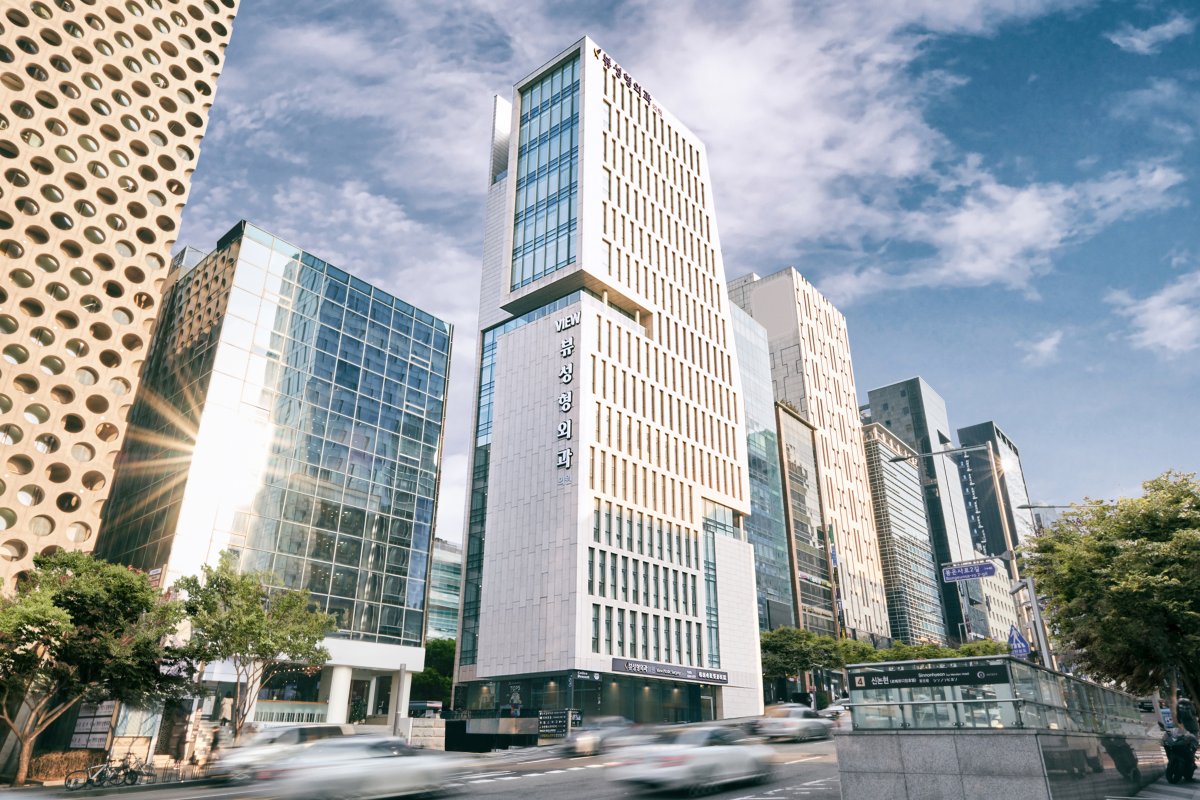





Banobagi Clinic
نظرة عامة على زراعة عضلات الربلة في كوريا الجنوبية
- زراعة عضلات الربلة - من $4,200
تعمل العملية على تحسين شكل الجزء السفلي من الساق ، واستخدام غرسات السيليكون ، وتحقيق التوازن بين أبعاد الساق وتعزيز الثقة في صورة الجسم.
- زراعة ربلة الساق للرجال - من $3,800
تعمل العملية على تحسين محيط الساق ، وتتطلب إدخال غرسات سيليكون ، وتعزز الثقة بالنفس لدى الذكور.
- زراعة ربلة الساق للساق النحيلة - من $4,500
يعمل الإجراء على تحسين محيط الساق عن طريق إدخال غرسات ، مما يوفر تحسينات تجميلية للعجول الرفيعة المتخلفة.
- زراعة ربلة القدم الحنفاء - من $3,800
عملية جراحية تُدخل جهازًا في عضلة الربلة لتقويتها لتصحيح التشوه الخلقي للقدم.
اليوم 1
- الوصول والانتقال إلى الفندق من المطار.
- الراحة والتأقلم مع البيئة الجديدة.
اليوم الثاني
- نقل من فندق إلى عيادة.
- استشارة جراح التجميل.
- الخضوع للفحوصات الطبية اللازمة.
يوم 3
- التحضير للجراحة.
- اخضع لعملية زراعة ربلة الساق تحت التخدير العام.
- تستغرق الجراحة حوالي ساعة إلى ساعتين.
اليوم الرابع
- اليوم الأول من فترة النقاهة بعد العملية في العيادة.
- ابدأ العلاج الطبيعي اللطيف إذا أوصى الجراح بذلك.
من اليوم الخامس إلى الأسبوع الأول
- نقل من عيادة إلى فندق للتعافي الممتد.
- اتبع تعليمات الجراح للرعاية بعد الجراحة.
- فحوصات منتظمة في العيادة.
الأسبوع 2
- استمر في الراحة والتعافي.
- زيادة النشاط البدني تدريجيًا حسب نصيحة الجراح.
من الأسبوع الثالث إلى الأسبوع الرابع
- عد إلى العمل إذا لم يتضمن نشاطًا بدنيًا شديدًا.
- متابعة الفحوصات المنتظمة في العيادة.
من الأسبوع الخامس إلى الأسبوع الثامن
- قد يعود إلى المزيد من الأنشطة والرياضات الشاقة.
- استمر في ارتداء الملابس الضاغطة إذا نصح الجراح بذلك.
الأسبوع الثاني عشر
- من المتوقع رؤية النتيجة النهائية لعملية زراعة ربلة الساق.
يرجى ملاحظة أن هذا هو المبدأ التوجيهي العام وقد تختلف أوقات التعافي الفردية.
- إيداع Bookimed: 200 دولار أو 200 يورو.
- وديعة العيادة: ادفع نسبة محددة مقدمًا.
تلتزم Bookimed، وهي منصة عالمية رائدة في مجال السياحة الطبية، بمساعدة العملاء الذين يبحثون عن زراعة ربلة الساق في جمهورية كوريا من خلال تقديم مساعدة الخبراء والحلول الطبية الجديرة بالثقة لكل حالة. يُستخدم نظام التصنيف التلقائي الذكي لإنشاء قوائم عيادات شفافة، ويتم صيانتها بدقة بواسطة عالم بيانات يستخدم الذكاء الاصطناعي للتأكد من دقتها. تضمن المنصة الأصالة من خلال نشر مراجعات من مرضى حقيقيين بعد علاجهم. يقدم Bookimed حلولاً طبية شاملة، مع تحديثات من العيادات لضمان الثقة. المحتوى الخاص بزراعة ربلة الساق في جمهورية كوريا، والذي وضعه مؤلفون طبيون ذوو خبرة ومراجعته من قبل متخصصين، يلتزم بإرشادات Bookimed التحريرية ، مما يعكس التزام المنصة بتقديم معلومات صحية واضحة وعالية الجودة. لمزيد من التفاصيل أو الاستفسارات، لا تتردد في الاتصال بنا على Marketing@bookimed.com أو معرفة المزيد عنا وعن مهمتنا عن Bookimed .
قصص فيديو من مرضى Bookimed
المراجعات
جميع المراجعات




مشاركة المحتوى
 Anna Leonova
أسئلة متكررة حول زراعة عضلات الربلة في كوريا الجنوبية
ما هي مخاطر جراحة زراعة عضلة الساق؟
تعتبر جراحة زراعة عضلة الساق آمنة بشكل عام ولكنها تنطوي على مخاطر مثل إزاحة الزرعة، وانكماش المحفظة، والعدوى. قد يعاني المرضى أيضًا من تلف مؤقت أو دائم في الأعصاب، مما يؤدي إلى التنميل. في حالات نادرة، يحدث متلازمة الحيز، والتي تتطلب تدخلًا طبيًا فوريًا لاستعادة تدفق الدم إلى الساقين.
- عدم التماثل والإزاحة: يمكن أن تتحرك غرسات السيليكون، مما يسبب مظهرًا غير متساوٍ للساقين أو ملامح غير منتظمة.
- تغيرات في الإحساس: قد يسبب تلف الأعصاب تنميلًا دائمًا أو وخزًا أو حرقانًا في القدمين.
- حواف الزرعة المرئية: غالبًا ما يلاحظ المرضى النحفاء الخطوط العريضة للزرعة، خاصة أثناء ثني العضلات.
- انكماش المحفظة: يمكن أن تضيق الأنسجة الندبية حول الغرسات، مما يؤدي إلى الألم أو صلابة غير طبيعية.
رؤية خبير Bookimed: بينما تركز معظم العيادات على الجراحة، تستخدم المراكز الكورية الرائدة مثل مستشفى جامعة سيول الوطنية في بوندانغ أنظمة BESTcare الرقمية لتقليل الأخطاء. يعني الحجم الكبير لحالات المراجعة في كوريا الجنوبية أن جراحين مثل الدكتور سيونغ-هيونغ نوه غالبًا ما يتخصصون في تصحيح الإزاحات الجمالية السابقة. اختيار جراح ذو خبرة في المراجعات يضمن عادةً فهمًا أفضل لمسارات الأعصاب المعقدة.
إجماع المرضى: غالبًا ما يبلغ المرضى أن التعافي يستغرق وقتًا أطول مما توقعوا في البداية. يقترح الكثيرون طلب محاكاة ثلاثية الأبعاد لرؤية كيف تبدو الغرسات أثناء الحركة مقارنة بحالة الراحة.
كم تستغرق فترة التعافي بعد زراعة عضلة الساق؟
تستغرق فترة التعافي بعد جراحة زراعة عضلة الساق في جمهورية كوريا عادةً من 4 إلى 6 أسابيع للأنشطة اليومية الأساسية. يعود معظم المرضى إلى العمل غير الشاق في غضون أسبوعين، بينما يتطلب المجهود البدني الكامل وتمارين الساق المكثفة من 3 إلى 6 أشهر للشفاء التام.
- الحركة الأولية: غالبًا ما يمشي المرضى بمشية متصلبة خلال الأسبوع الأول بعد الجراحة.
- العودة للعمل: يمكن ممارسة الأعمال المكتبية بعد 14 يومًا بمجرد زوال تيبس العضلات الشديد.
- العلاج بالضغط: يساعد ارتداء الملابس الطبية الضاغطة لمدة تتراوح بين 2 إلى 6 أسابيع في تثبيت الغرسات.
- قيود التمارين: يُمنع الجري ورفع الأثقال لمدة شهرين لمنع تحرك الغرسات.
رؤية خبير Bookimed: غالبًا ما تبلغ العيادات الكورية مثل Banobagi عن جداول زمنية أولية أسرع للمشي تصل إلى 3 أسابيع. ومع ذلك، يجب على المرضى الدوليين التخطيط لفترة تعافي أطول تصل إلى 4 أسابيع. تظهر البيانات المستمدة من أكثر من 1200 طلب طبي كوري أن إرهاق السفر يمكن أن يطيل فترة التورم مقارنة بالمرضى المحليين.
إجماع المرضى: توقع أن يكون الألم الليلي أكثر من الانزعاج النهاري خلال الشهر الأول. يُقال إن رفع الساق باستمرار والالتزام الصارم بارتداء الملابس الضاغطة يقلل من وقت التورم المرئي إلى النصف.
متى سأرى النتائج النهائية لعملية زراعة الساق؟
تظهر النتائج النهائية لعملية زراعة الساق في جمهورية كوريا عادةً ما بين 3 إلى 6 أشهر بعد الجراحة. في حين أن تغيرات الكنتور الأولية تكون مرئية على الفور، يستمر التورم المتبقي ونضج الأنسجة لمدة تصل إلى 12 شهرًا قبل أن تصل الغرسات إلى وضعها الدائم والمستقر.
- الشفاء الأولي: يعود معظم المرضى إلى المشي الخفيف والعمل المكتبي في غضون 7-14 يومًا.
- استئناف النشاط: عادة ما يتم تقييد تمارين الساق الشاقة حتى 6-8 أسابيع لمنع الإزاحة.
- استقرار الغرسة: قد تنخفض الأجهزة بمقدار 1-2 سم على مدار 4-9 أشهر مع استرخاء لفافة العضلات.
- نضج الندبة: عادة ما تتلاشى خطوط الشق في الطية المأبضية وتصبح مسطحة بحلول الشهر الثاني عشر.
رؤية خبير Bookimed: تُظهر البيانات الواردة من أفضل العيادات في سيول مثل Banobagi تفضيلًا للوضع تحت اللفافة لتقليل الصدمات. يعطي جراحون مثل الدكتور سيونغ-هيونغ نوه في مستشفى سيول ميز الأولوية للتوازن الطبيعي على الحجم المتطرف. غالبًا ما يؤدي هذا النهج إلى تعافي أولي أسرع مقارنة بالتقنيات تحت العضلية المستخدمة في أماكن أخرى. يجب أن يتوقع المرضى أن يزداد قطر أسفل الساق قليلاً بعد 3 أشهر. يحدث هذا مع استرخاء الأنسجة المحيطة واندماج الغرسة بالكامل.
إجماع المرضى: يبلغ العديد من المرضى أن الغرسات تجلس في البداية أعلى بكثير مما كان متوقعًا بسبب الوذمة. لا يصبح التماثل الحقيقي والمظهر الطبيعي واضحين إلا بعد اكتمال عملية "الهبوط والانتفاخ" حوالي 6 أشهر.
أين يتم وضع شقوق جراحة زراعة الساق؟
يضع الجراحون شقوق زراعة الساق داخل الثنية الأفقية الطبيعية خلف الركبة، والمعروفة باسم الحفرة المأبضية. يضمن هذا التموضع الاستراتيجي بقاء الندبات مخفية داخل ثنية الجلد. تتضمن معظم الإجراءات شقًا واحدًا أو شقين بطول 3-6 سم للوصول إلى الجيوب تحت اللفافة أو تحت العضلة.
- الوضع القياسي: تقع الشقوق مباشرة في ثنية الركبة الخلفية لتحقيق أقصى قدر من التمويه.
- النهج الجراحي: تفضل العيادات الكورية النهج الخلفي لتحقيق تحديد طبيعي للساق.
- استهداف العضلات: تستهدف الشقوق المفردة رأس عضلة واحدة؛ بينما تعمل الشقوق المزدوجة على تكبير جانبي الساق.
- حماية الأعصاب: يتجنب الوضع الدقيق عبور خط المنتصف لحماية العصب الربلي الحساس.
رؤية خبير Bookimed: بينما تقدم العديد من البلدان نقاط دخول مختلفة، تركز مراكز سيول مثل عيادة Banobagi على الدقة الجمالية عالية الحجم. تظهر البيانات أن الجراحين الكوريين يعطون الأولوية للجيب تحت اللفافة من خلال الثنية المأبضية. تقلل هذه التقنية المحددة من صدمة العضلات مقارنة بالوضع تحت العضلة الأعمق المستخدم في أماكن أخرى. غالبًا ما يؤدي هذا النهج إلى تعبئة أسرع وخطوط جمالية أنظف للمرضى الذين يسعون إلى تحديد العضلات.
إجماع المرضى: يفيد المرضى بأن ندبات الحفرة المأبضية تتلاشى عادةً إلى خطوط بيضاء رقيقة في غضون 3 أشهر. يؤكد الكثيرون على استخدام شرائح السيليكون وتجنب القرفصاء المبكر لضمان التئام الثنية بشكل مسطح وبقائها غير مرئية تقريبًا.
ما هو نوع التخدير المستخدم في جراحة زراعة عضلة الساق؟
تُجرى جراحة زراعة عضلة الساق في كوريا الجنوبية بشكل أساسي تحت التخدير العام. وهذا يضمن عدم الحركة تمامًا بينما يستلقي المرضى على وجوههم أثناء الإجراء. كما يقدم الجراحون خيارات إقليمية مثل التخدير النخاعي أو فوق الجافية لتخدير الجزء السفلي من الجسم في حالات معينة.
- التخدير العام: الخيار القياسي للغرسات الثنائية لضمان راحة المريض والتناظر.
- التخدير الوريدي: يُسمى أحيانًا نوم الشفق، وغالبًا ما يتم دمجه مع التخدير الموضعي لإجراء تعديلات بسيطة.
- التخدير الإقليمي: يشمل الكتل النخاعية أو فوق الجافية التي تبقيك مستيقظًا ولكن مخدرًا تمامًا.
- إدارة الألم: قد يستخدم الجراحون مخدرات موضعية طويلة المفعول مثل روبيفاكايين لتقليل الانزعاج بعد الجراحة.
رؤية خبير Bookimed: تعطي العيادات الرائدة في سيول مثل عيادة بانوباجي الأولوية للتخدير العام لأن إنشاء جيوب عضلية عميقة يتطلب دقة مطلقة. في حين أن التخدير النخاعي يسمح بحركة فورية أسرع، يظل التخدير العام هو المعيار الذهبي للتوازن الجمالي المعقد. غالبًا ما يوصي الجراحون الذين تلقوا تدريبًا في جامعة هانيانغ بهذا لضمان الحصول على أكثر النتائج طبيعية.
إجماع المرضى: يتوقع معظم المرضى يومًا أو يومين من الدوار بعد التخدير العام. غالبًا ما يبلغ أولئك الذين يتلقون كتلًا نخاعية عن قدرتهم على المشي في وقت أقرب بكثير في يوم الجراحة.
كم من الوقت يجب أن يبقى المرضى الدوليون في كوريا بعد جراحة زراعة الساق؟
يجب على المرضى الدوليين البقاء في جمهورية كوريا لمدة 10 إلى 14 يوماً بعد جراحة زراعة الساق. تسمح هذه المدة بإزالة الغرز الضرورية في اليوم السابع، وإدارة الوذمة القصوى، والحصول على تصريح نهائي من جراح معتمد قبل الشروع في رحلات الطيران الطويلة.
- الإقامة في المستشفى: تتطلب معظم الإجراءات ليلة واحدة من المراقبة الداخلية للسلامة.
- إزالة الغرز: يقوم الجراحون عادةً بإزالة الغرز بين اليوم السابع واليوم العاشر.
- ذروة التعافي: عادة ما يصل التورم بعد الجراحة إلى ذروته بين اليوم الخامس واليوم العاشر.
- سلامة الطيران: السفر جواً قبل اليوم العاشر يزيد من مخاطر الإصابة بتجلط الأوردة العميقة.
رؤية خبير Bookimed: بينما تقترح العديد من العيادات حداً أدنى قدره 7 أيام، تظهر بياناتنا تحولاً نحو إقامات لمدة 10 أيام. تستقبل عيادات مثل Banobagi في سيول 2000 مريض جراحة تجميل سنوياً. تشير خبرتهم إلى أن الإقامات الأطول تمنع المضاعفات الناتجة عن ضغط المقصورة أثناء رحلات العودة إلى الوطن.
إجماع المرضى: يجد العديد من المرضى صعوبة في المشي حتى اليوم الحادي عشر ويوصون بالبقاء في منطقة جانجنام. يقترحون حجز تواريخ فندق مرنة لاستيعاب الحركة الأولية البطيئة بشكل غير متوقع.
ما الفرق بين زراعة الساق وتصغير الساق؟
تستخدم زراعة الساق حشوات السيليكون لإضافة حجم عضلي للساقين النحيلتين، بينما يعمل تصغير الساق على تنحيف الساقين الضخمتين عن طريق إزالة الدهون أو تقليص الأنسجة العضلية. يقوم الجراحون في جمهورية كوريا بإجراء هذه العمليات من خلال شقوق صغيرة خلف الركبة لتحقيق بنية عضلية رياضية أو مظهر نحيف ومستدق.
- الهدف الأساسي: تزيد الزراعة من تحديد العضلات؛ بينما يخلق التصغير مظهر ساق أنحف وأكثر انسيابية.
- الطرق الجراحية: يستخدم التكبير السيليكون الصلب؛ بينما يستخدم التصغير شفط الدهون، أو استئصال الأعصاب، أو استئصال العضلات.
- ملفات المرشحين: تناسب الزراعة أولئك الذين يعانون من ضمور العضلات؛ بينما يستهدف التصغير الساقين الضخمتين وراثياً.
- طول عمر النتائج: زراعة السيليكون دائمة؛ التصغير الجراحي دائم؛ تصغير البوتوكس يستمر من 4 إلى 6 أشهر.
رؤية خبير Bookimed: بينما يبحث العديد من المرضى عالمياً عن زراعة الساق، تتخصص العيادات في جمهورية كوريا مثل Banobagi بشكل كبير في التصغير بسبب اتجاهات التجميل المحلية. تظهر بياناتنا رضا عالياً عن التصغير غير الجراحي بالترددات الراديوية، والذي يتجنب فترة التعافي التي تستغرق عاماً واحداً والمعهودة في استئصال العضلات الجراحي. بالنسبة للزراعة، يركز جراحون مثل الدكتور سيونغ-هيونغ نوه في مستشفى سيول ميز على التدخل الأدنى لمنع التحرك أو التموج الشائع في عمليات التكبير ذات الحجم الكبير.
إجماع المرضى: يذكر المرضى أن الحشوات تبدو طبيعية بعد 6 أشهر ولكنهم ينصحون بتجنب تمارين القرفصاء الثقيلة خلال فترة التعافي المبك