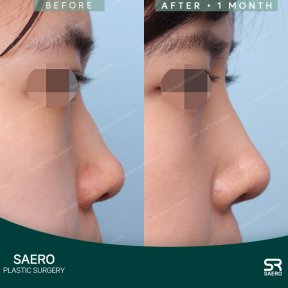
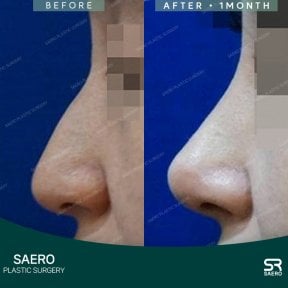
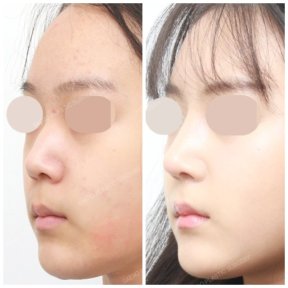
تتراوح تكلفة عملية تجميل الأنف الأرنبي في جمهورية كوريا عادةً بين السعر عند الطلب و السعر عند الطلب. يعتمد السعر النهائي على الأسلوب الجراحي، وخبرة الجراح، وموقع العيادة في سيول أو دايغو. تشمل الباقات القياسية صور أشعة مقطعية ثلاثية الأبعاد، وتحاليل دم، وجرعات فيتامينات بعد العملية.
- الأسلوب الجراحي: تكون جراحة الأنف المفتوحة لتصحيح الطرف المعقد أغلى ثمناً بشكل عام من الجراحة المغلقة.
- مواد الترميم: يُعد استخدام غضاريف الأضلاع الذاتية أكثر تكلفة من استخدام دعامات السيليكون أو غضاريف الأذن.
- موقع العيادة: قد تفرض العيادات في مناطق سيول مثل غانغنام أو أبغوجيونغ رسوماً إضافية بنسبة 20 %.
- جراحة المراجعة: تصحيح الإجراءات السابقة أكثر تكلفة بشكل ملحوظ، وغالباً ما يؤثر ذلك على الميزانية الإجمالية.
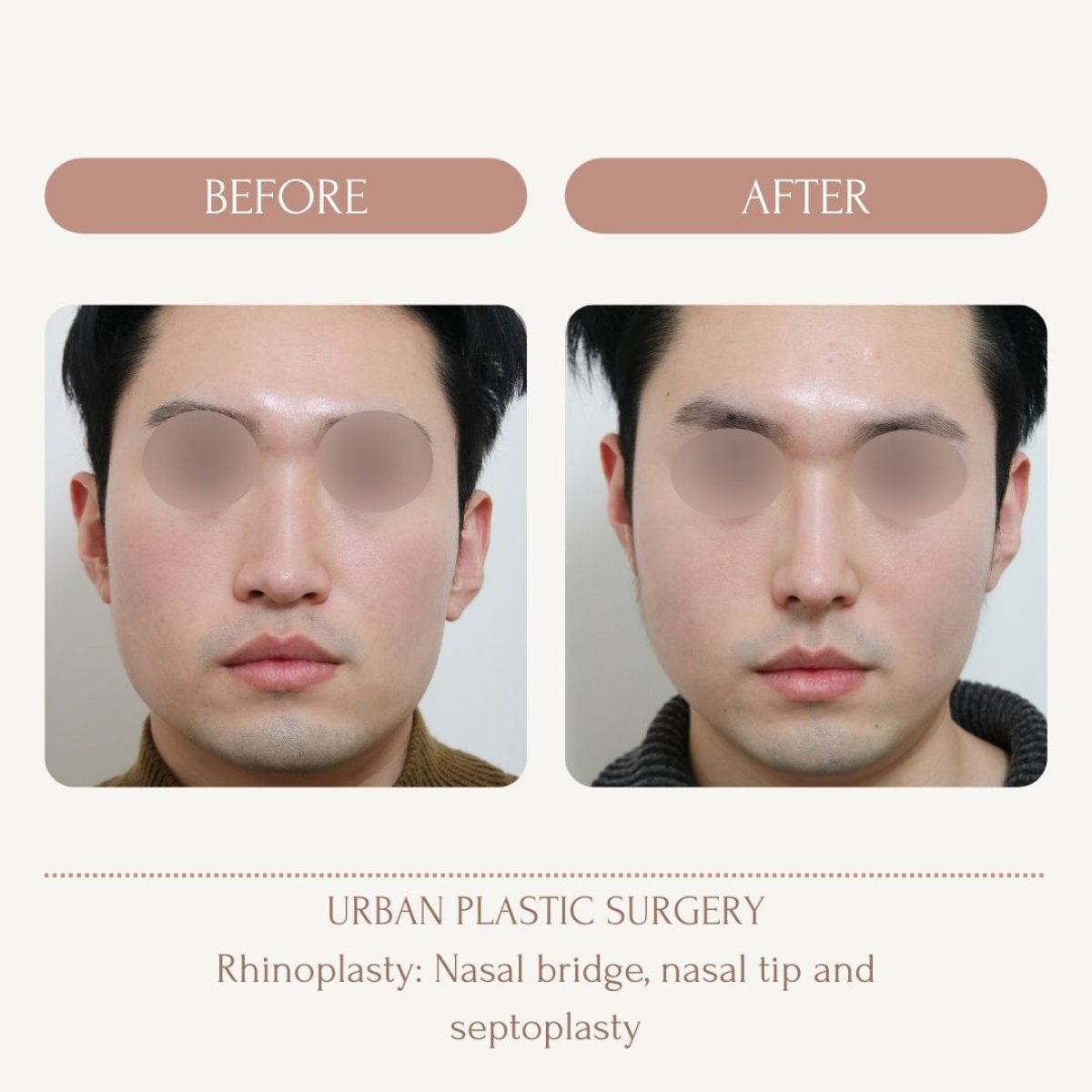
رأي خبراء Bookimed: يُعد اختيار عيادة ذات تدفق دولي كبير خياراً مثالياً لتصحيح طرف الأنف المعقد. أجرى مركز جي كي للجراحة التجميلية أكثر من 85,000 عملية ويحمل اعتماد KAHF للمرضى الأجانب. يقدم مركز أوربان للجراحة التجميلية باقات تنافسية تبدأ من حوالي 1,900 $. تشمل هذه الباقات تصويراً مقطعياً متطوراً ثلاثي الأبعاد لضمان دقة الهيكل. اختيار عيادات بمعايير ISO الدولية يضمن الجودة دون الحاجة لدفع أعلى الأسعار.