عيادات تكبير الثدي مع نقل الدهون في كوريا الجنوبية


تمت مراجعة المقالة طبيا من قبل
فهد مولود
كيف نعمل؟
ما هي تكلفة تكبير الثدي مع نقل الدهون في كوريا الجنوبية؟ اكتشف الآن
من $5,800. يعتمد السعر النهائي على كمية الدهون المستخرجة، وعدد المناطق المانحة، ومكانة العيادة. تشمل التكلفة الأساسية عادةً الفحوصات الطبية، ورسوم التخدير، وتنقية الدهون، وزيارات المتابعة الأولية.
- نقل الدهون في جلسة واحدة: تتوفر عادةً بأسعار أولية لتحسين الحجم بشكل طفيف.
- مناطق مانحة متعددة: ترتفع التكاليف عند استخراج الدهون من البطن والفخذين معاً.
- عيادات سيول المتميزة: قد تكون باقات عيادات منطقة غانغنام أغلى بنسبة 15-20 % من المراكز الإقليمية.
- جلسات التعديل: يتطلب النقل الثانوي للدهون لضمان الحفاظ على الحجم غالباً رسوماً إضافية.
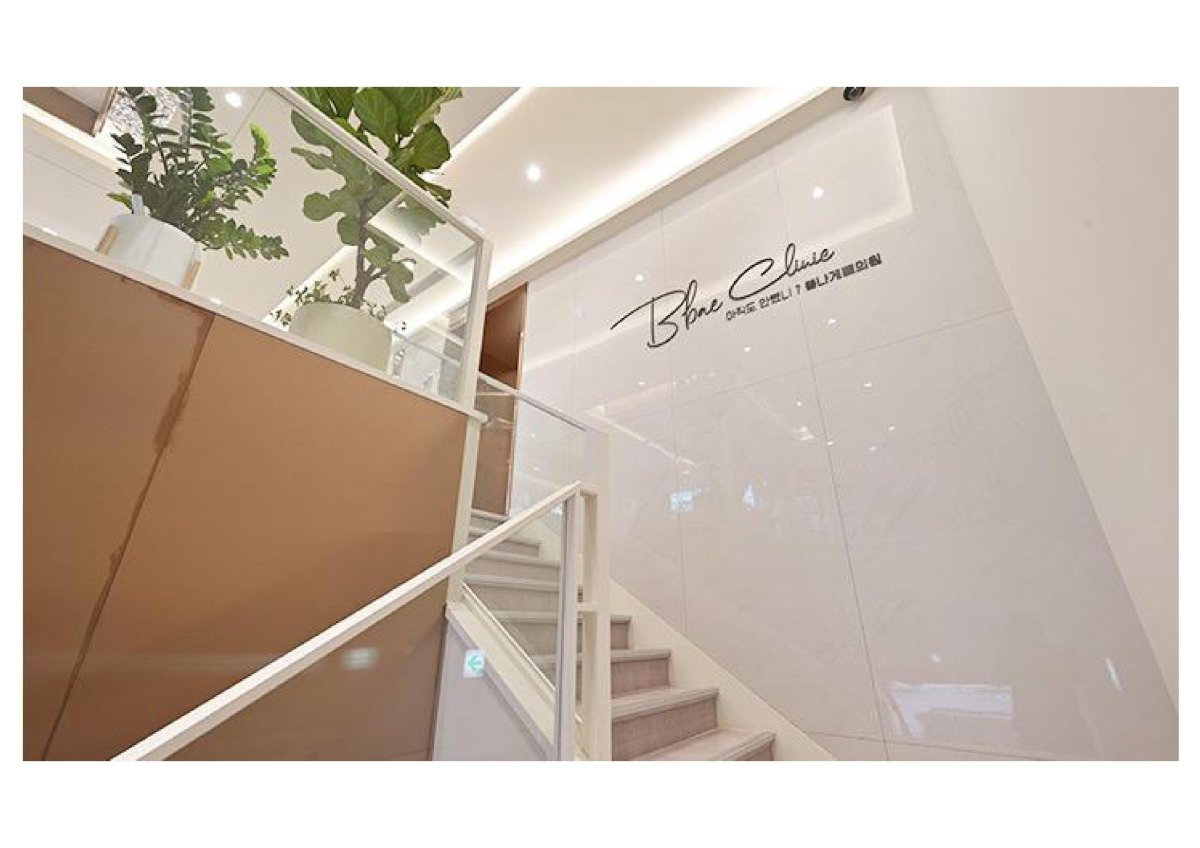
رأي خبراء Bookimed: يضمن اختيار مركز متخصص مثل Bbae Clinic، الذي يجري أكثر من 3,500 عملية سنوياً، الحصول على خبرة واسعة. رغم حصول عيادات سيول المتميزة مثل VG Plastic Surgery على اعتماد KOIHA لضمان السلامة، توجد خيارات قيمة في المراكز المتخصصة حصراً في نقل الدهون. توفر بعض العيادات أماكن إقامة فاخرة، وهي أكثر اقتصادية من حجز فنادق منفصلة في مناطق باهظة مثل غانغنام.
| تركيا | تايلاند | كوريا الجنوبية | |
|---|---|---|---|
| تكبير الثدي مع نقل الدهون | من $3,300 | من $4,000 | من $5,800 |
اكتشف أفضل تكبير الثدي مع نقل الدهون العيادات في كوريا الجنوبية: 6 خيارات معتمدة والأسعار

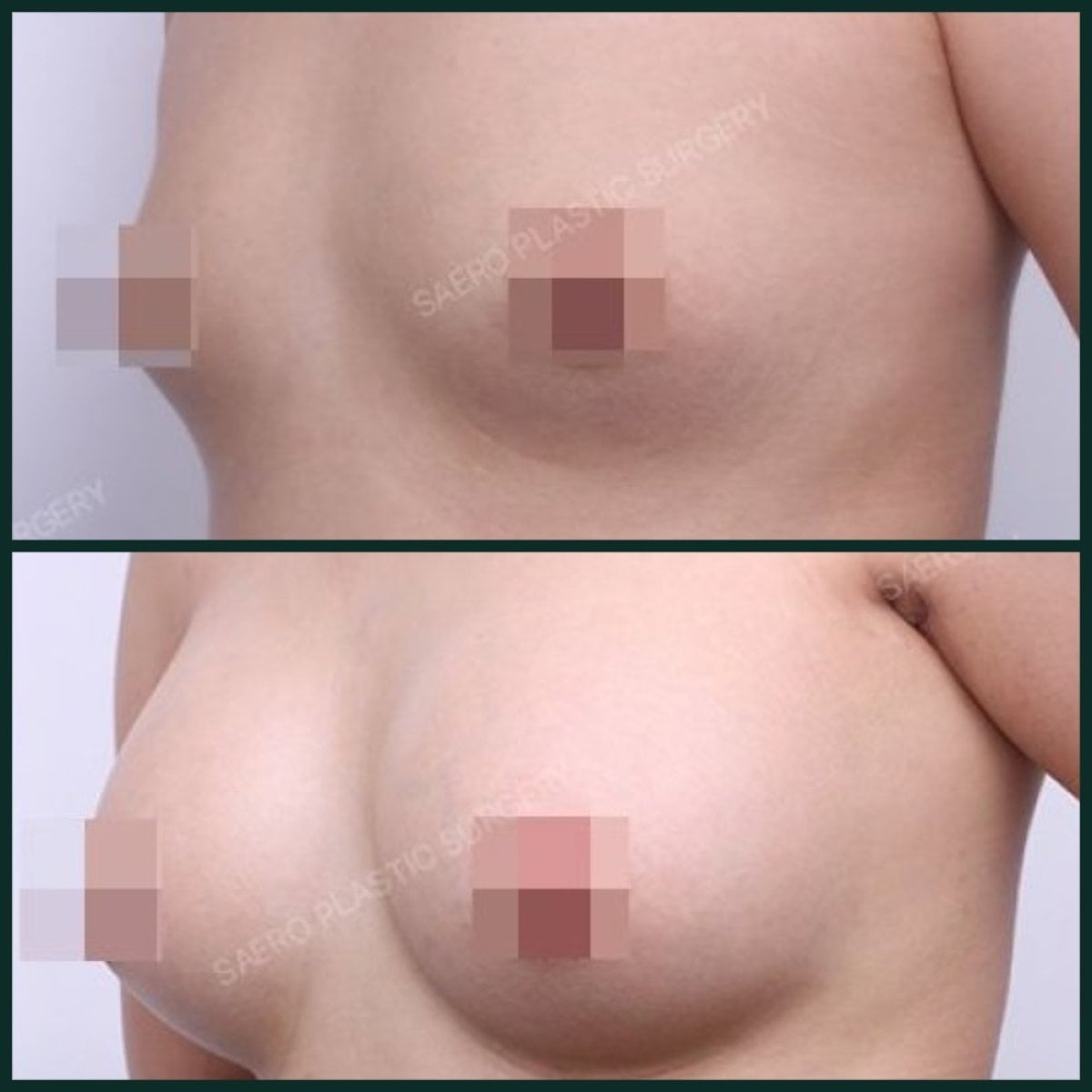
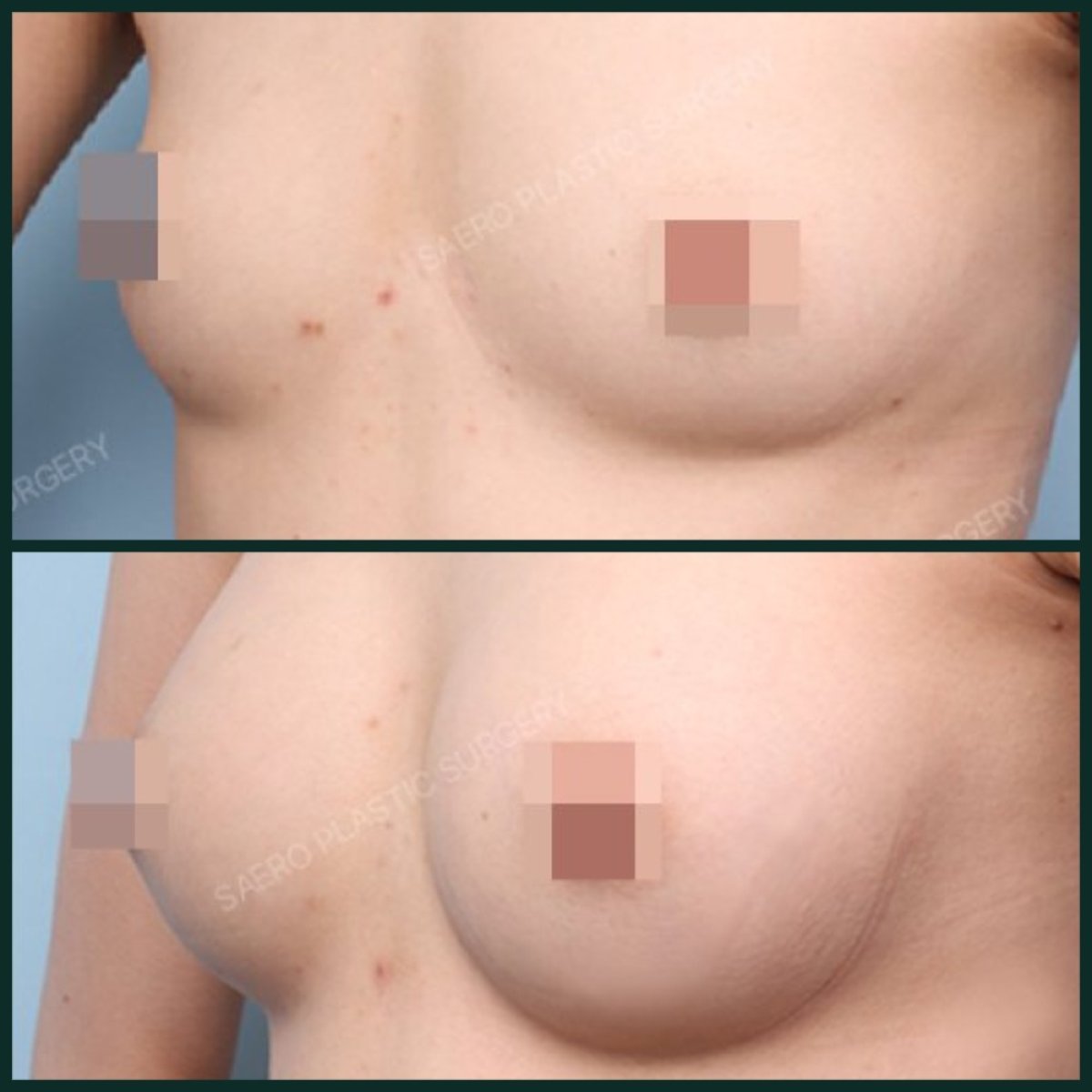
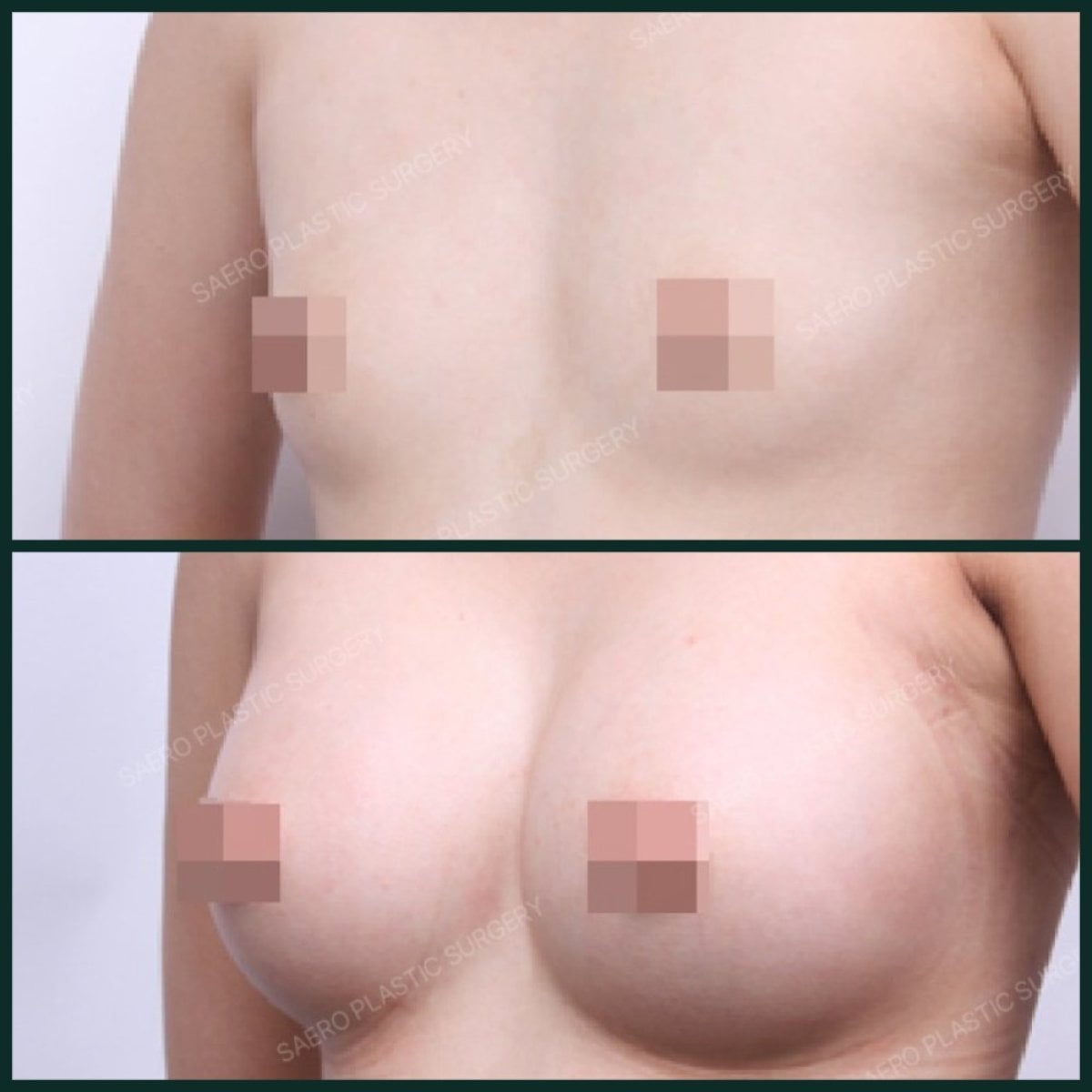
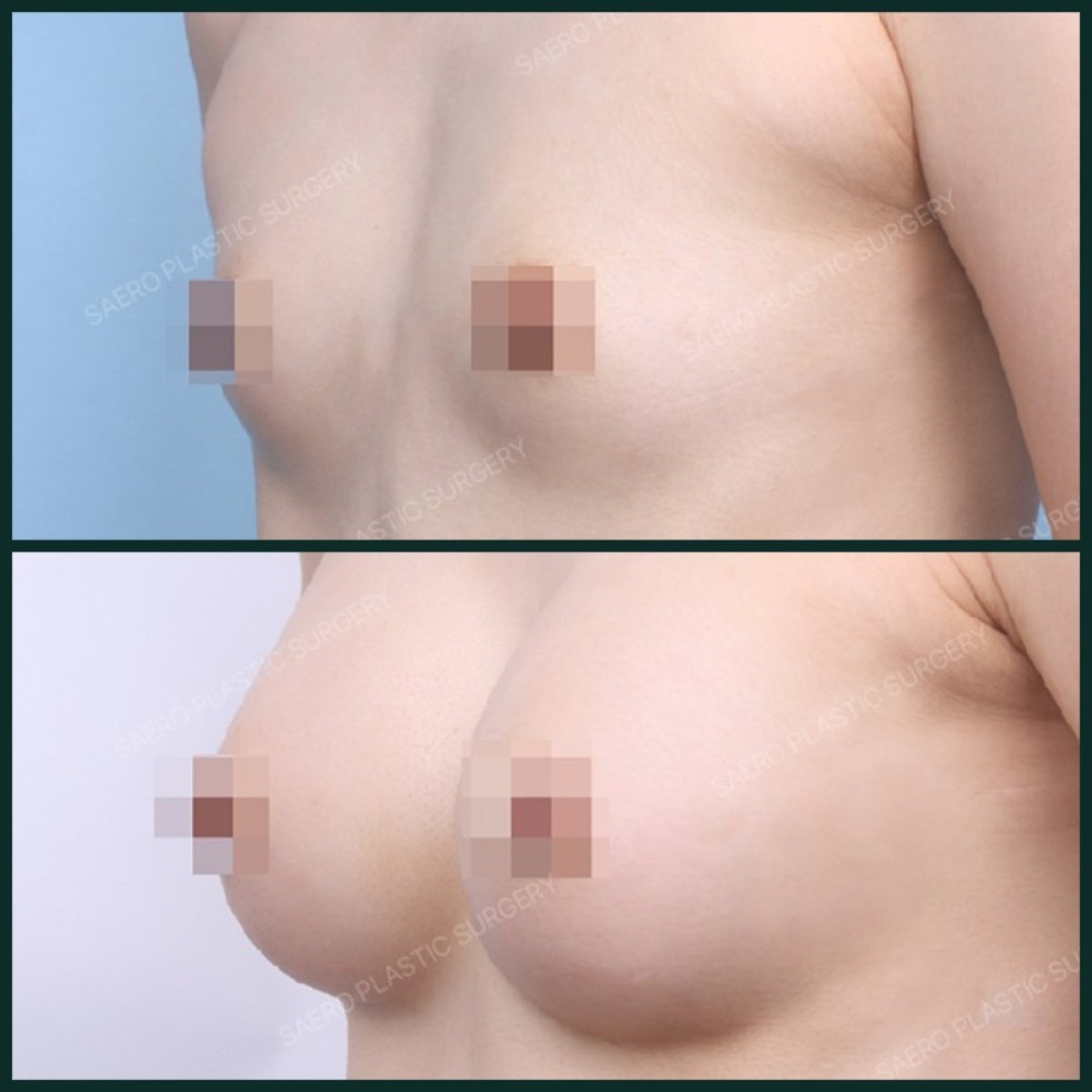


Wooa Plastic Surgery Center
تكبير الثدي مع نقل الدهون في كوريا الجنوبية: جدول زمني يومي
اليوم 1: الوصول إلى جمهورية كوريا
- ستصل إلى مطار إنتشون الدولي وتتابع إجراءات الجمارك والهجرة.
- إذا تم ترتيب ذلك مسبقاً، استخدم خدمة التوصيل من المطار للوصول إلى مكان إقامتك.
- قم بتسجيل الدخول إلى الفندق واسترح بعد رحلتك.
- تأكد من أن لديك جميع المستندات والوثائق اللازمة لإتمام الاستشارة.
اليوم 2: استشارة واختبارات ما قبل الجراحة
- تحتاج إلى زيارة العيادة لإجراء استشارة ما قبل الجراحة مع الجراح، مثل الدكتور بارك يونغ كيو أو الدكتور إن سوك كيونغ.
- ناقشي أهدافك وتوقعاتك وأي مخاوف تتعلق بتكبير الثدي بنقل الدهون.
- الخضوع لاختبارات ما قبل الجراحة، والتي قد تشمل اختبارات الدم والفحص البدني. تكلف هذه الفحوصات حوالي 150,000 وون كوري.
- تلقي تعليمات مفصلة حول الإجراء، بما في ذلك أهمية وجود دهون كافية لنقل الدهون وحدود الإجراء.
- شراء ملابس ضاغطة لمناطق حصاد الدهون، وهي متوفرة في العيادة مقابل 200,000-300,000 وون كوري.
اليوم 3: يوم الجراحة
- يجب أن تصلي إلى العيادة في الوقت المحدد لإجراء عملية تكبير الثدي بنقل الدهون.
- تتضمن العملية جمع الدهون من مناطق مثل البطن والفخذين ونقلها إلى الثديين.
- توقعي ظهور ندوب صغيرة تحت الثدي، عادةً ما تكون من 2-3 بقع، والتي سيتم خياطتها.
- بعد الجراحة، استريحي في منطقة الإفاقة حتى يُسمح لكِ بالعودة إلى مكان إقامتك.
- تلقي تعليمات الرعاية بعد الجراحة، بما في ذلك متطلبات الأدوية واستخدام حمالات الصدر الضاغطة.
اليوم 4: رعاية ما بعد الجراحة
- يجب أن تبدأ في تناول الأدوية الموصوفة لك لمدة 5 أيام للتحكم في الألم والوقاية من العدوى.
- ارتداء حمالة الصدر الضاغطة باستمرار لمدة 7 أيام لدعم شكل الثدي الجديد وتقليل التورم.
- اتباع نظام غذائي متوازن وتجنب فقدان الوزن السريع للحفاظ على معدل بقاء الدهون.
- الراحة وتجنب الأنشطة المجهدة لتعزيز الشفاء.
اليوم 5-6: فترة التعافي
- استمر في اتباع تعليمات الرعاية بعد الجراحة بجدية.
- احضر مواعيد المتابعة كما هو مقرر لمراقبة تقدم تعافيك.
- اتصل بالعيادة إذا واجهت أي أعراض غير عادية أو كانت لديك مخاوف بشأن تعافيك.
- حافظ على نمط حياة صحي لدعم عملية الشفاء وبقاء الدهون.
اليوم 7: إزالة الغرز والفحص النهائي
- ستعود إلى العيادة لإزالة الغرز، وهي خطوة أساسية في عملية التعافي.
- الخضوع لفحص نهائي لضمان الشفاء السليم ومعالجة أي مخاوف متبقية.
- تلقي إرشادات بشأن الرعاية طويلة الأمد والحفاظ على نتائج عملية تكبير الثدي.
- الاستعداد لمغادرة جمهورية كوريا، والتأكد من وضوح جميع تعليمات ما بعد العملية.
اليوم 8: المغادرة
- مغادرة مكان إقامتك والتوجه إلى مطار إنتشون الدولي.
- تأكدي من حصولك على جميع المستندات اللازمة للسفر وأي مستلزمات رعاية ما بعد الجراحة.
- اركب رحلة العودة إلى بلدك، واستمر في اتباع أي تعليمات متبقية للتعافي.
- ابقَ على اتصال بالعيادة للحصول على أي استشارات أو أسئلة للمتابعة بمجرد عودتك إلى المنزل.
احصل على تقييم طبي لـ تكبير الثدي مع نقل الدهون في كوريا الجنوبية. استشر الآن 8 أطباء ذوي الخبرة.
عرض جميع الأطباء
Park Young Kyu
الدكتور بارك يونغ كيو جراح تجميل محترم، متخصص في شد البطن، تجميل الأنف، تجميل الأذن، شد الوجه، شفط الدهون، وجراحة الجفون. تخرج بامتياز مع مرتبة الشرف من جامعة سون تشون هيانغ، ويعمل أستاذاً مساعداً في مستشفى الجامعة.
حصل على جائزة أفضل طبيب مقيم من الجمعية الكورية لجراحي التجميل والترميم. الدكتور بارك عضو في الجمعية الكورية لجراحي التجميل والترميم، والجمعية الدولية لجراحة التجميل، والجمعية الأمريكية لجراحي التجميل. كما يشارك في عدة لجان بحثية وتوجيهية، مما يعكس ريادته في هذا المجال.

Im Young Min
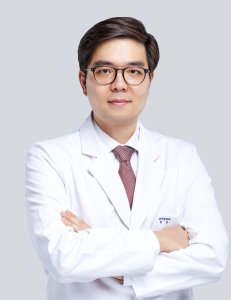
Chung Jae Hyun
الدكتور تشونغ جاي هيون جرّاح تجميل حاصل على البورد. يشغل منصب أستاذ غير متفرغ في المركز الطبي لجامعة كوريا. نال درجة الطب من كلية الطب بجامعة كوريا، وأتمّ تدريب جراحة التجميل في المركز الطبي لجامعة كوريا. يركّز عمله على جراحات ترميم وتجميل الثدي.
أكمل زمالة في مركز ترميم الثدي، قسم جراحة التجميل، بمركز إم دي أندرسون للسرطان في الولايات المتحدة. قدّم عرضاً في اجتماع الجمعية الأمريكية لجراحي التجميل (ASPS) عام 2013 في سان دييغو.
تشمل اعتماداته وعضوياته: الجمعية الطبية الكورية وعضو
قصص فيديو من مرضى Bookimed
المراجعات
جميع المراجعات




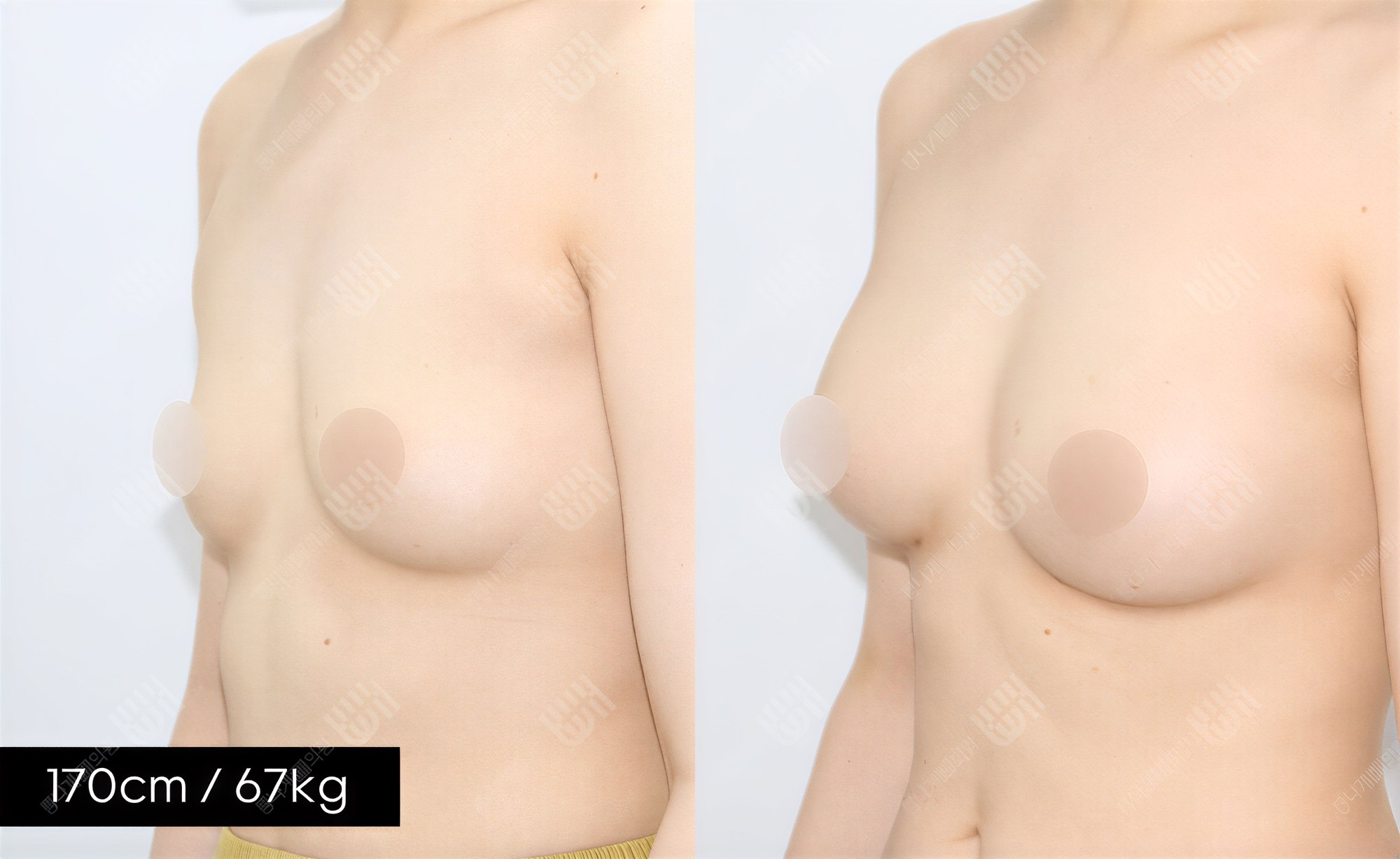
تكبير الثدي مع نقل الدهون: صور قبل/بعد
عرض جميع الصور قبل وبعد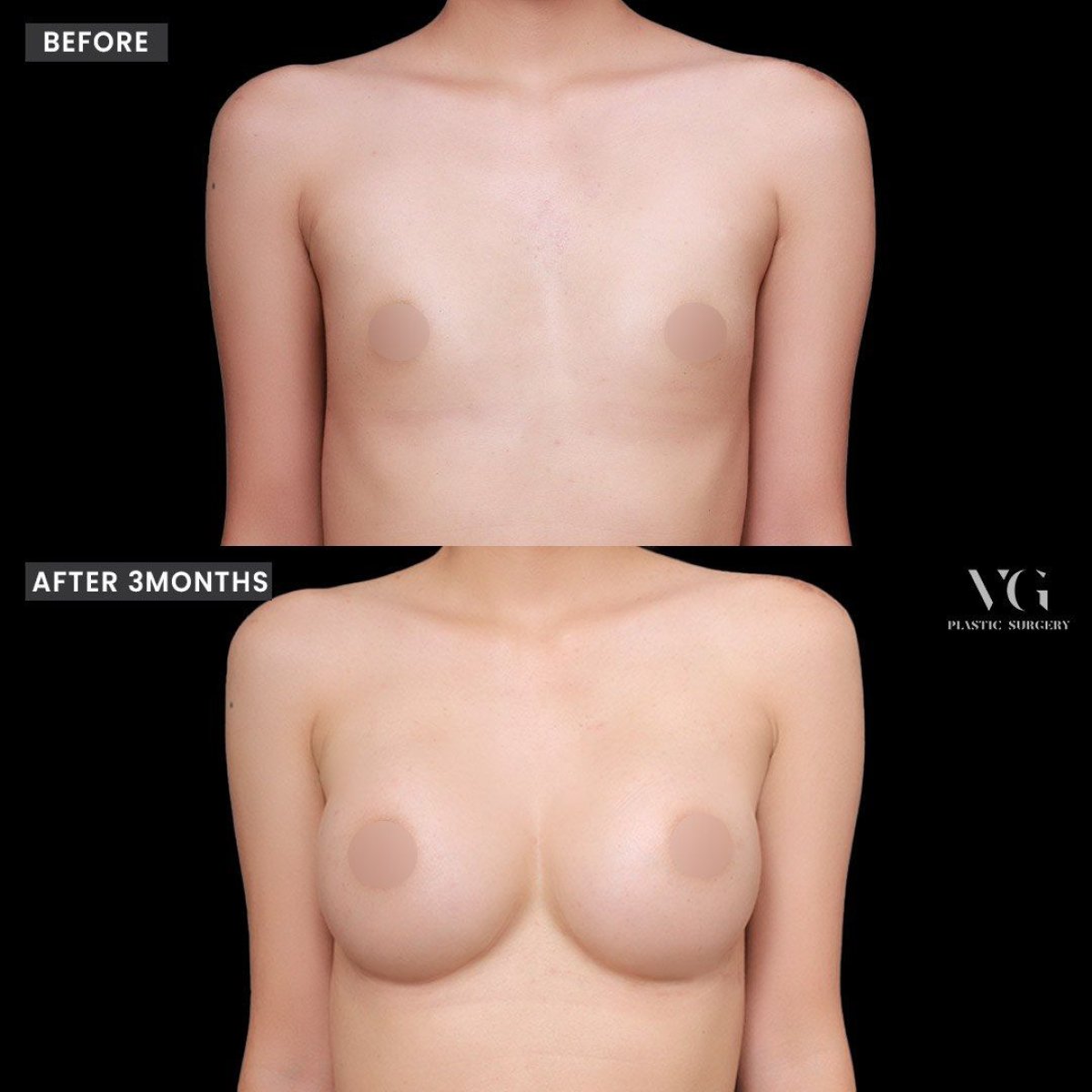
مشاركة المحتوى
 Anna Leonova
حقائق سريعة عن تكبير الثدي مع نقل الدهون
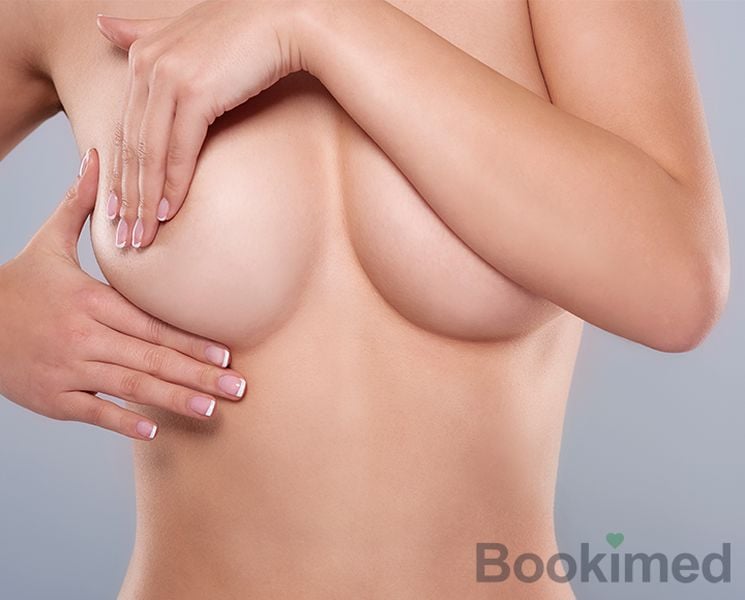
تكبير الثدي باستخدام نقل الدهون
تتضمن هذه الطريقة لتكبير الثدي نقل الدهون من مناطق أخرى من الجسم إلى الثدي لزيادة الحجم.
أسئلة متكررة حول تكبير الثدي مع نقل الدهون في كوريا الجنوبية
هل يزيد تطعيم الدهون في الثدي من خطر الإصابة بسرطان الثدي؟
لا يزيد تطعيم الدهون في الثدي من خطر الإصابة بسرطان الثدي أو تكراره. تؤكد الأدلة السريرية أن الإجراء آمن من الناحية الأورام، حيث يستخدم نقل الدهون الذاتية أنسجة طبيعية بيولوجياً. تدعم المنظمات الكبرى مثل الجمعية الأمريكية لجراحي التجميل (ASPS) سلامته للأغراض التجميلية والترميمية.
- تكرار السرطان: تظهر التحليلات التلوية الكبيرة عدم وجود زيادة في معدلات الانتكاس الموضعي أو الجهازي.
- دقة الفحص: تميز تقنيات التصوير الحديثة بين آثار تطعيم الدهون والأورام الخبيثة بموثوقية عالية.
- التغيرات الحميدة: يصاب حوالي 10% من المرضى بنخر دهني أو أكياس زيتية.
- بروتوكولات السلامة: يوصي الجراحون بإجراء تصوير الثدي بالأشعة السينية (الماموجرام) الأساسي لإنشاء صور واضحة للأنسجة قبل الجراحة.
رؤية خبير Bookimed: أجرت عيادات في سيول مثل عيادة Bbae أكثر من 10,000 حالة، مع التركيز بشكل كبير على سلامة تطعيم الدهون. غالبًا ما تستخدم المراكز ذات الحجم الكبير بروتوكولات معتمدة من KOIHA لضمان الدقة الجراحية. اختيار عيادة بها متخصصون معتمدون، مثل أولئك الموجودين في Wonjin Plastic Surgery، يضمن التنسيق مع خبراء تصوير الثدي لإدارة التكلسات بعد الجراحة بفعالية.
إجماع المرضى: يشعر العديد من المرضى بالاطمئنان لأن الدهون المنقولة طبيعية بيولوجياً ومن غير المرجح أن تتحول إلى سرطانية. النصيحة العملية الرئيسية التي يتم مشاركتها هي الحصول على تصوير بالرنين المغناطيسي أساسي لمنع أي ارتباك تشخيصي في المستقبل.
هل نتائج نقل الدهون دائمة؟
تصبح الخلايا الدهنية المنقولة التي تنشئ بنجاح إمداداً دموياً جديداً جزءاً دائماً من أنسجة الثدي لديك. بينما يعيد جسمك امتصاص 30% إلى 50% من الدهون بشكل طبيعي في غضون 6 أشهر، تظل نسبة الـ 50% إلى 70% المتبقية إلى أجل غير مسمى كأنسجة حية.
- فترة البقاء: تستقر الخلايا الدهنية عادةً في غضون 3 إلى 6 أشهر بعد الإجراء.
- معدل الاحتفاظ: تحتفظ المريضات عادةً بمقدار 1 إلى 2 من مقاسات الكوب بعد الامتصاص الأولي.
- تأثير الوزن: تتوسع الخلايا الدهنية المتبقية أو تتقلص مع تقلبات وزنك الإجمالية.
- التقنية المستخدمة: غالباً ما يقوم الجراحون بالملء الزائد قليلاً للتعويض عن فقدان الدهون الطبيعي والمتوقع.
رؤية خبير Bookimed: تؤكد العيادات ذات الحجم الكبير مثل عيادة Bbae، التي تجري أكثر من 3500 إجراء سنوياً، على الحقن الدقيق متعدد الطبقات بدلاً من الرواسب الكبيرة. هذا النهج المتخصص في مراكز سيول يحسن بشكل كبير من بقاء الطعم من خلال ضمان وصول المزيد من الخلايا إلى الأنسجة الغنية بالدم. إذا كنت تسعى لزيادة كبيرة في الحجم، فتوقع جلسة ثانية كممارسة قياسية.
إجماع المرضى: تلاحظ العديد من المريضات أن ثديهن يبدو أصغر بعد شهرين بمجرد استقرار التورم وإعادة الامتصاص. ويؤكدن أن الحفاظ على وزن مستقر أمر حيوي للحفاظ على النتائج النهائية.
من هو المرشح المثالي لهذه الجراحة؟
المرشحون المثاليون لتكبير الثدي بنقل الدهون هم البالغون الأصحاء الذين يسعون إلى زيادة متواضعة في الحجم بمظهر طبيعي دون غرسات صناعية. يتطلب هذا الإجراء دهونًا كافية من البطن أو الفخذين أو الخاصرتين.
- توفر المتبرع: يتطلب دهونًا قابلة للحصاد من مناطق مثل البطن أو الخاصرتين أو الظهر.
- الجماليات الطبيعية: الأفضل للمرضى الذين يرغبون في تحسين طفيف أو تصحيح عدم تناسق الثدي الخفيف.
- الوزن المستهدف: يجب على المرشحين الحفاظ على وزن مستقر للحفاظ على الخلايا الدهنية المنقولة.
- الحالة الصحية: مثالي لغير المدخنين الذين ليس لديهم تاريخ من أمراض القلب أو الرئة الخطيرة.
رؤية خبير Bookimed: بينما تقدم العديد من العيادات جراحة الثدي، فإن التخصص مهم لبقاء الدهون. أجرت عيادة Bbae في سيول أكثر من 10,000 حالة تطعيم دهني. يشير حجم عملهم الكبير إلى تقنيات حصاد متطورة تزيد من الاحتفاظ طويل الأمد بالدهون المنقولة. اختيار مركز ذو حجم عمل كبير أكثر أهمية من السعر لهذا الإجراء المحدد.
إجماع المرضى: غالبًا ما يختار المرضى هذا لتجنب الغرسات الأجنبية وتحسين نسب الجسم. يؤكدون أن النتائج تبدو أصغر بمجرد زوال التورم الأولي وإعادة امتصاص الجسم لبعض الدهون.
ما هي المخاطر أو الآثار الجانبية الرئيسية؟
ينطوي تكبير الثدي بنقل الدهون في كوريا على مخاطر مثل تنخر الدهون، والتكلس، وإعادة امتصاص الحجم. وعلى الرغم من أنها أكثر أمانًا من الغرسات، إلا أن الآثار الجانبية الشائعة تشمل كتلًا ملموسة، وخدرًا مؤقتًا في مواقع التبرع، وعدم تناسق إذا اختلفت معدلات بقاء الدهون بين الثديين. المضاعفات الخطيرة نادرة في المرافق المعتمدة في سيول.
- إعادة امتصاص الدهون: قد يتقلص الثديان حيث يمتص الجسم بشكل طبيعي بعض الخلايا الدهنية المنقولة.
- تنخر الدهون: يمكن أن تتشكل كتل أو عقيدات صلبة إذا فقدت الخلايا الدهنية إمدادات الدم.
- مشاكل موقع التبرع: غالبًا ما تعاني مناطق شفط الدهون من كدمات وألم أكثر من الثديين.
- التداخل التشخيصي: قد تظهر التكلسات في تصوير الثدي بالأشعة السينية في المستقبل، مما يتطلب مراجعات إضافية من قبل أخصائي الأشعة.
- عدم التناسق: قد يتطلب بقاء الخلايا الدهنية بشكل غير متساوٍ إجراءً تكميليًا ثانويًا.
رؤية خبير Bookimed: أجرت أفضل العيادات في كوريا مثل عيادة Bbae أكثر من 10,000 حالة شفط دهون. غالبًا ما تحقق المراكز ذات الحجم الكبير بقاءً أفضل للدهون من خلال المعالجة المتقدمة. توفر العيادات الحاصلة على أختام المعهد الكوري لاعتماد الرعاية الصحية (KOIHA) عادةً مراقبة أكثر قوة بعد الجراحة للتنخر.
إجماع المرضى: يجد العديد من المرضى أن التعافي في موقع التبرع أكثر كثافة من شفاء الثدي. يذكر معظمهم أن حجم الثدي الأولي ينخفض بشكل كبير بعد ثلاثة أشهر مع انحسار التورم واستقرار الدهون.
كيف يتم إجراء العملية الجراحية؟
تعد عملية تكبير الثدي بنقل الدهون في جمهورية كوريا إجراءً من مرحلتين يستخدم شفط الدهون وحقن القطرات الدقيقة. يقوم الجراحون الكوريون بحصاد الدهون غير المرغوب فيها من المناطق المانحة ثم وضعها في طبقات عبر مستويات متعددة من أنسجة الثدي. تضمن هذه التقنية الجراحية تحديدًا طبيعيًا ومعدلات بقاء عالية للدهون.
- حصاد الدهون: يستخدم الجراحون شفط الدهون لجمع الدهون من البطن أو الفخذين أو الوركين.
- مرحلة المعالجة: يتم تنقية الأنسجة المحصودة لعزل خلايا الدهون السليمة للحقن.
- حقن القطرات الدقيقة: يقوم الأطباء بحقن الدهون بأحجام صغيرة عبر طبقات ومستويات مختلفة من الأنسجة.
- إغلاق الموقع: يتم إغلاق الشقوق الصغيرة في مواقع المانح والثدي باستخدام مواد لاصقة جراحية.
رؤية خبير Bookimed: تمتلك المراكز المتخصصة مثل عيادة Bbae في سيول بيانات هائلة من أكثر من 10,000 حالة. يسمح هذا الحجم الكبير للجراحين بإتقان تقنية المروحة، التي تمنع نخر الدهون. اختيار عيادة بها متخصصون معتمدون يضمن وضع الدهون بدقة لضمان بقائها على المدى الطويل.
إجماع المرضى: غالبًا ما يجد المرضى أن التعافي في مواقع شفط الدهون المانحة أكثر كثافة من منطقة الثدي. يدرك معظمهم أن الحجم الأولي ينخفض قليلاً بمجرد زوال التورم وإعادة امتصاص بعض الدهون بشكل طبيعي.
ما هو الجدول الزمني النموذجي للتعافي؟
يتبع التعافي بعد تكبير الثدي بنقل الدهون في جمهورية كوريا جدولاً زمنياً مرحلياً. تحقق المريضات الوظائف الأساسية في غضون أسبوع إلى أسبوعين ويعودن إلى الحياة اليومية الطبيعية في غضون 6 أسابيع. يستقر حجم وشكل الثدي النهائي بين 3 و 6 أشهر بعد الإجراء.
- التعافي الأولي: يلزم أسبوع إلى أسبوعين للوظائف الأساسية والعمل المكتبي الخفيف.
- النشاط اليومي: من 2 إلى 6 أسابيع لاستئناف معظم الروتين والحياة الاجتماعية القياسية.
- استقرار الدهون: يلزم من 3 إلى 6 أشهر حتى تستقر الخلايا الدهنية الباقية بشكل دائم.
- قيود التمارين: عادة ما يلزم من 4 إلى 6 أسابيع قبل استئناف رفع الأثقال أو الرياضة.
رؤية خبير Bookimed: تركز العديد من المريضات على منطقة الثدي. ومع ذلك، تظهر البيانات من مراكز سيول مثل عيادة Bbae أن التعافي في موقع التبرع غالباً ما يكون أكثر كثافة. مع إجراء أكثر من 10,000 حالة هناك، يؤكد المتخصصون أن مناطق شفط الدهون مثل الفخذين أو البطن تتطلب صيانة أكثر من الثديين أنفسهما.
إجماع المريضات: توقعي أن تشعري بألم في مواقع التبرع أكثر من صدرك خلال الأسبوع الأول. يعد ارتداء ملابس الضغط بإخلاص والنوم على الظهر خطوات حاسمة تقول المريضات إنها تؤثر بشكل مباشر على مقدار الدهون التي تبقى.
هل يمكن للمرضى الدوليين السفر مباشرة بعد الإجراء؟
يجب على المرضى الدوليين الانتظار من 7 إلى 10 أيام قبل السفر جواً بعد عملية تكبير الثدي بنقل الدهون في كوريا الجنوبية. السفر الفوري يزيد بشكل كبير من مخاطر الإصابة بتجلط الأوردة العميقة ومضاعفات الضغط الجوي. يطلب الجراحون هذه الفترة للاستقرار الأولي وفحوصات المتابعة الأساسية بعد الجراحة.
- فترة السفر: انتظر 7 أيام على الأقل لضمان التئام الجروح المستقر والوقاية من الجلطات.
- التصريح الطبي: احصل على تصريح كتابي من جراحك قبل حجز رحلة العودة.
- الوقاية من تجلط الأوردة العميقة: امشِ كل 60 دقيقة أثناء الرحلات الجوية وارتدِ ملابس ضاغطة طبية.
- قيود الأمتعة: تجنب رفع أكثر من 4.5 كجم (10 أرطال)؛ استخدم مساعدة المطار لجميع الأمتعة.
- أولوية التعافي: أعطِ الأولوية للعناية بمواقع التبرع، حيث تعاني مناطق شفط الدهون غالباً من تورم أكثر من الثديين.
رؤية خبير Bookimed: بينما يركز الكثيرون على نتائج الثدي، تظهر بياناتنا من عيادات مثل Bbae Clinic وVG Plastic Surgery أن موقع التبرع يتطلب مزيداً من الاهتمام أثناء السفر. الجلوس لفترات طويلة أثناء الرحلات التي تزيد عن 10 ساعات إلى الولايات المتحدة أو أوروبا يخلق ضغطاً محدداً على مناطق شفط الدهون. نوصي بحجز مقاعد الممر للسماح بالحركة المتكررة دون إزعاج الركاب الآخرين.
إجماع المرضى: غالباً ما يبلغ المرضى أن أول 48 ساعة هي الأكثر إزعاجاً ويوصون بإضافة أيام إضافية للتعامل مع ذروة التورم. كما ينصحون غالباً بترتيب مساعدة الكرسي المتحرك في مطار إنتشون الدولي لتقليل المجهود الب