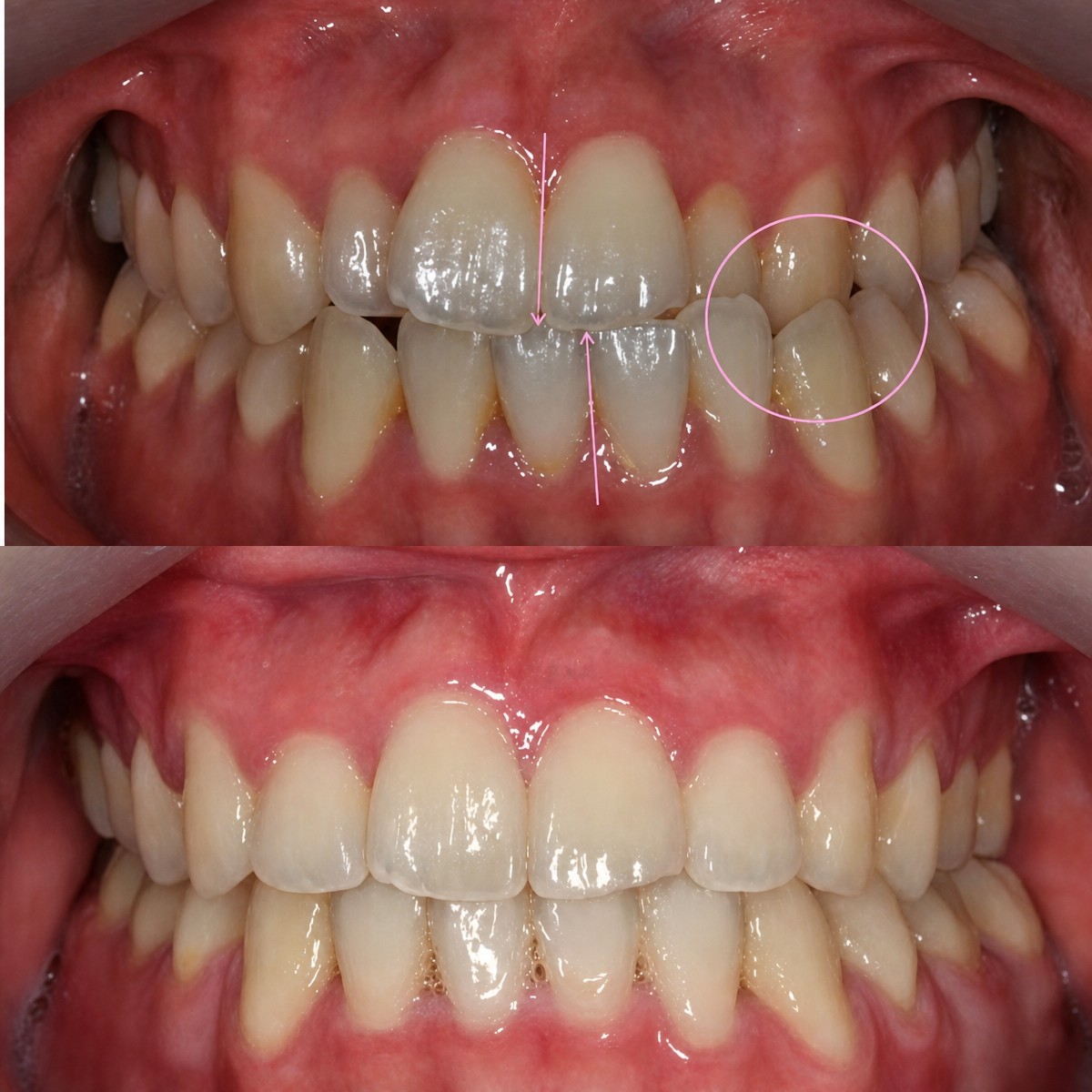
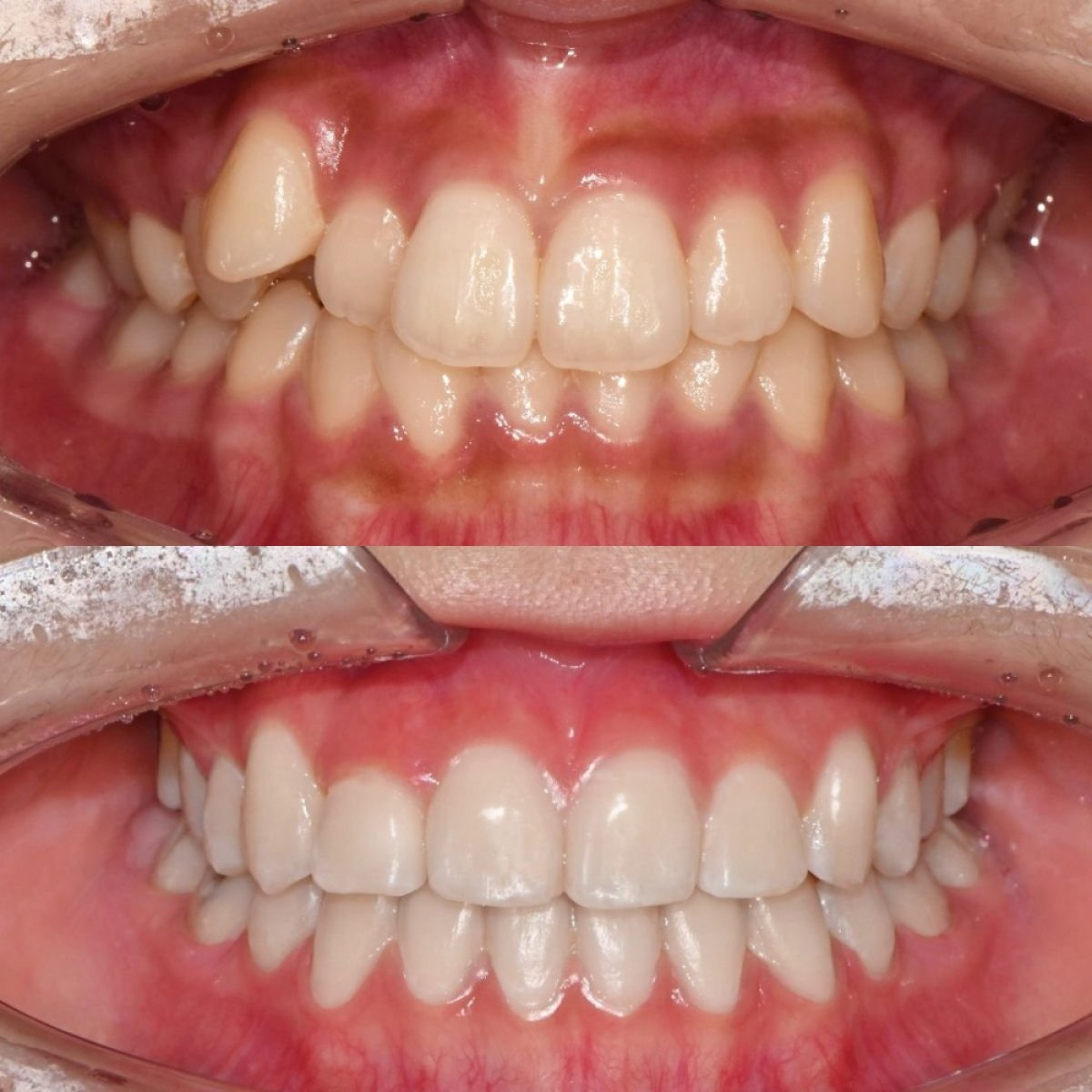
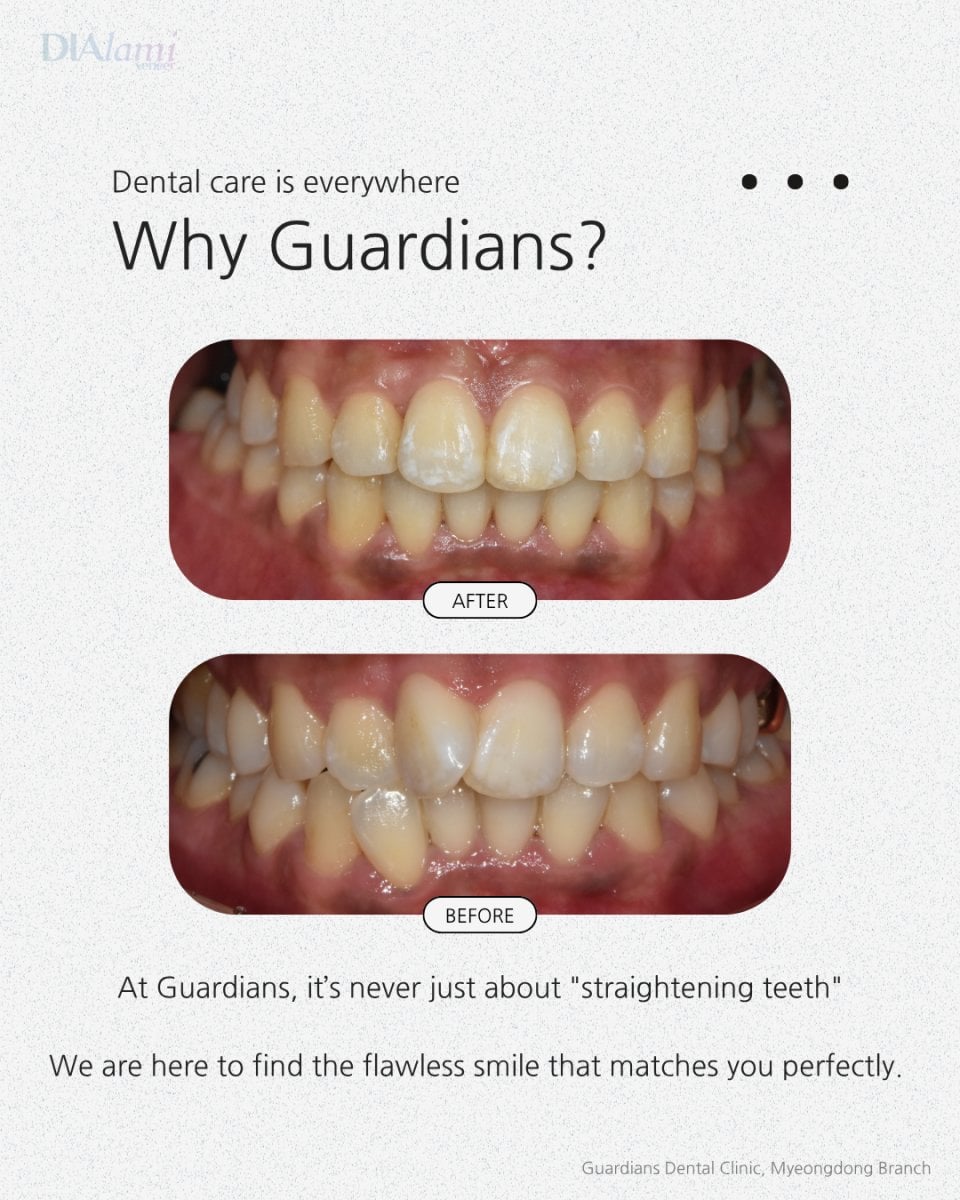
من $2,200. يعتمد إجمالي التكلفة على نوع التقويم المستخدم، وتعقيد الحالة، وموقع العيادة. تشمل الباقات عادةً فحوصات الأسنان ثلاثية الأبعاد، واستشارات تقويم الأسنان، وخطط العلاج الرقمية.
- التقويم الخزفي: من $3,400 إلى $5,900 للحصول على خيار تجميلي غير ظاهر يشبه لون الأسنان.
- تركيب التقويم اللساني: من $4,200 إلى $6,800 للأقواس التي تُثبت خلف الأسنان.
- الأنظمة الذاتية الربط: تكلف عادةً 20-30% أكثر من التقويم المعدني ولكنها تقلل من وتيرة زيارات الضبط.
- التفاوتات الإقليمية: تشهد العيادات في مناطق سيول، مثل جانغنام، أسعاراً تعكس مكانتها المميزة.
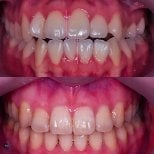
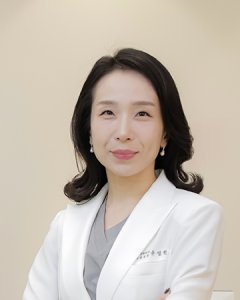
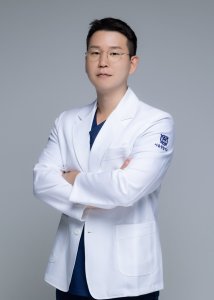
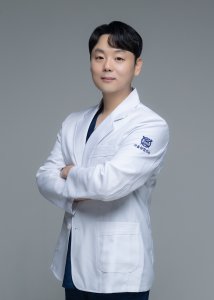
رأي خبراء Bookimed: يضمن اختيار طبيب متخصص ذي خبرة واسعة الحصول على أفضل قيمة لعلاج حالات استقامة الأسنان المعقدة. أجرى الدكتور جيونغ وون يون في عيادة يونسي جي دبليو لطب الأسنان أكثر من 6,000 حالة تقويم. تقدم عيادته تقويم كليبي-سي ذاتي الربط مقابل 4,000 $ تقريباً. يشمل ذلك استخدام تقنيات النمذجة ثلاثية الأبعاد المتقدمة. تضمن هذه المنهجية الرقمية نتائج دقيقة، مما قد يقلل من مدة العلاج الإجمالية للمرضى الدوليين.