إعادة بناء الرباط الصليبي الأمامي في كوريا الجنوبية — احصل على 3 عيادات مطابقة مع التكاليف


تمت مراجعة المقالة طبيا من قبل
فهد مولود
ما هي تكلفة إعادة بناء الرباط الصليبي الأمامي في كوريا الجنوبية؟ اكتشف الآن
من $9,000. يعتمد السعر الإجمالي على نوع التطعيم، واستخدام المساعدة الروبوتية، وموقع العيادة. تشمل الباقات عادةً تصوير الرنين المغناطيسي، والجراحة، والتخدير، وإقامة قصيرة بالمستشفى.
- تصنيف المستشفيات: قد تتقاضى المستشفيات الجامعية الكبرى في سيؤول زيادة بنسبة 15-20 % مقارنة بالمراكز الخاصة المتخصصة.
- التنوع الإقليمي: تشمل مراكز جراحة العظام الرئيسية كلاً من سيؤول، وإنتشون، وبوسان.
- التقنية: تزيد تكلفة الجراحة الروبوتية بنسبة 20-30 % عن تكلفة جراحة المناظير التقليدية.
- محتوى الباقات: تتضمن باقات المرضى الدوليين عادةً العلاج الطبيعي بعد الجراحة وإقامة لعدة أيام في المستشفى.
رأي خبراء Bookimed: يضمن اختيار مركز متخصص كمركز نانوري أو مستشفى جامعة سيؤول الوطني (SNUBH) خبرة فائقة بتكلفة مناسبة. تُجري هذه المراكز آلاف جراحات العظام سنوياً وهي معتمدة من قبل KOIHA أو GHA. غالباً ما يجد المرضى التوازن الأمثل بين التكلفة والجودة في بوسان أو إنتشون، حيث تتسم الخدمات بالسهولة وتضاهي معدلات النجاح كبرى مستشفيات سيؤول.
المزايا الرئيسية
لماذا يختار المرضى جمهورية كوريا لإجراء إعادة بناء الرباط الصليبي الأمامي؟
- العيادات المعتمدة: المستشفيات المعتمدة من JCI تقدم رعاية عالية الجودة وتلتزم بالمعايير الدولية.
- أحدث التقنيات: تُستخدم تقنيات مثل إعادة بناء الرباط الصليبي الأمامي All-Inside وأجهزة مثل Arthrex TightRope RT لتحسين نتائج الجراحة. كما تُستخدم مواد عالية الجودة من علامات تجارية مثل Smith & Nephew لتثبيت الطعوم.
- نسب نجاح عالية: إعادة بناء الرباط الصليبي الأمامي في كوريا الجنوبية تتمتع بمعدل فعالية مثير للإعجاب يتراوح بين 85-95%. هذا يضمن تعافيًا موثوقًا وعودة للنشاط.
- جراحون خبراء: الجراحون الرائدون في جراحة العظام، والعديد منهم يحملون شهادات وزمالات دولية، قد أجروا أكثر من 500 عملية ناجحة لإعادة بناء الرباط الصليبي الأمامي لكل منهم. خبرتهم الواسعة تعزز ثقة المرضى.
احصل على حلول متقدمة لإعادة بناء الرباط الصليبي الأمامي في عيادات موثوقة من $9,000.
| كوريا الجنوبية | تركيا | إسبانيا | |
|---|---|---|---|
| إعادة بناء الرباط الصليبي الأمامي | من $9,000 | من $5,100 | من $9,600 |
| تقويم مفاصل الأوتار | من $10,000 | من $2,000 | من $16,800 |
مزاياك وضماناتك مع Bookimed
أسعار مباشرة
Bookimed لا يضيف رسوماً إضافية على أسعار إعادة بناء الرباط الصليبي الأمامي. الأسعار مأخوذة من قوائم الأسعار الرسمية للعيادات. تدفع مباشرة في العيادة مقابل إعادة بناء الرباط الصليبي الأمامي عند وصولك.
عيادات وأطباء معتمدون فقط
Bookimed ملتزم بسلامتك. نحن نعمل فقط مع المؤسسات الطبية التي تحافظ على معايير دولية عالية في إعادة بناء الرباط الصليبي الأمامي ولديها التراخيص اللازمة لخدمة المرضى الدوليين في جميع أنحاء العالم.
مساعدة مجانية على مدار الساعة
Bookimed يقدم مساعدة خبراء مجانية. منسق طبي شخصي يدعمك قبل وأثناء وبعد العلاج، ويحل أي مشاكل. لن تكون وحيداً أبداً في رحلة إعادة بناء الرباط الصليبي الأمامي.

منسقك الطبي الشخصي في Bookimed
- يدعمك في كل مرحلة
- المساعدة في اختيار العيادة الطبية المناسبة والطبيب المناسب
- يضمن الوصول السريع والمريح إلى المعلومات
اكتشف أفضل إعادة بناء الرباط الصليبي الأمامي العيادات في كوريا الجنوبية: 9 خيارات معتمدة والأسعار
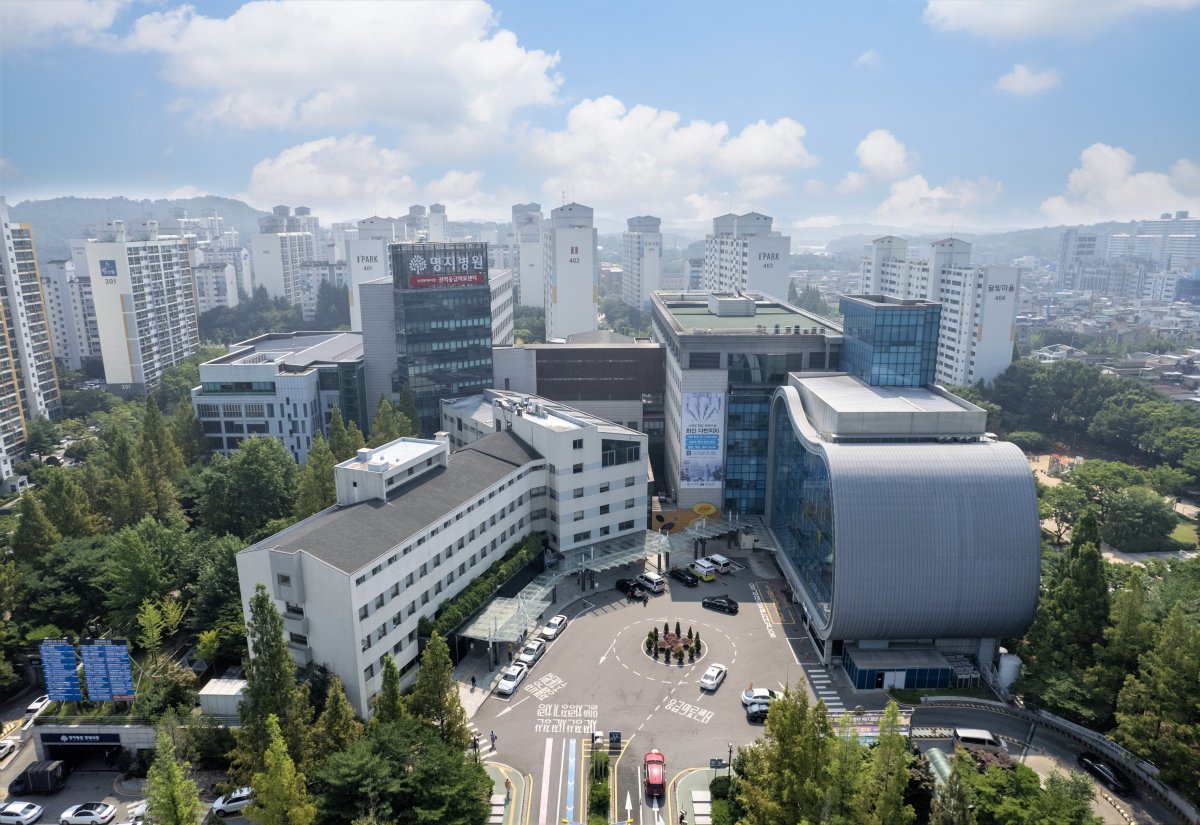





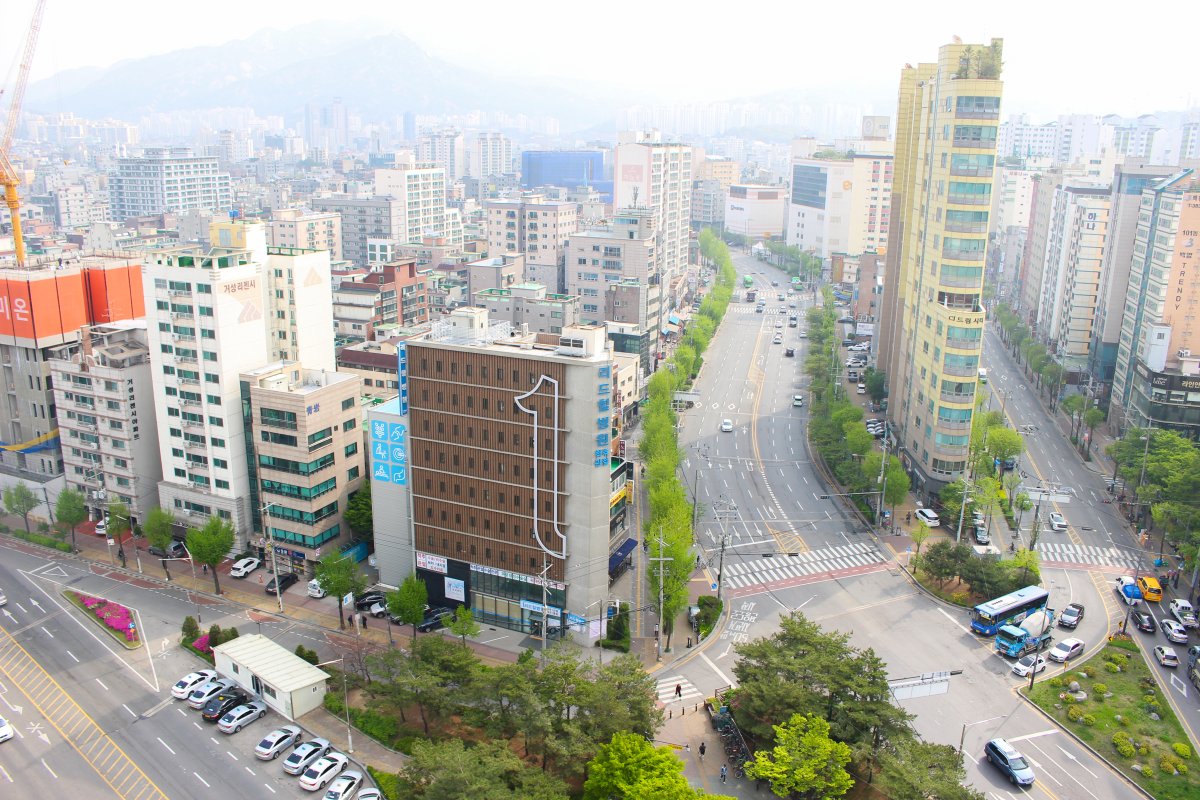
عيادة العمود الفقري والمفاصل Leadheal


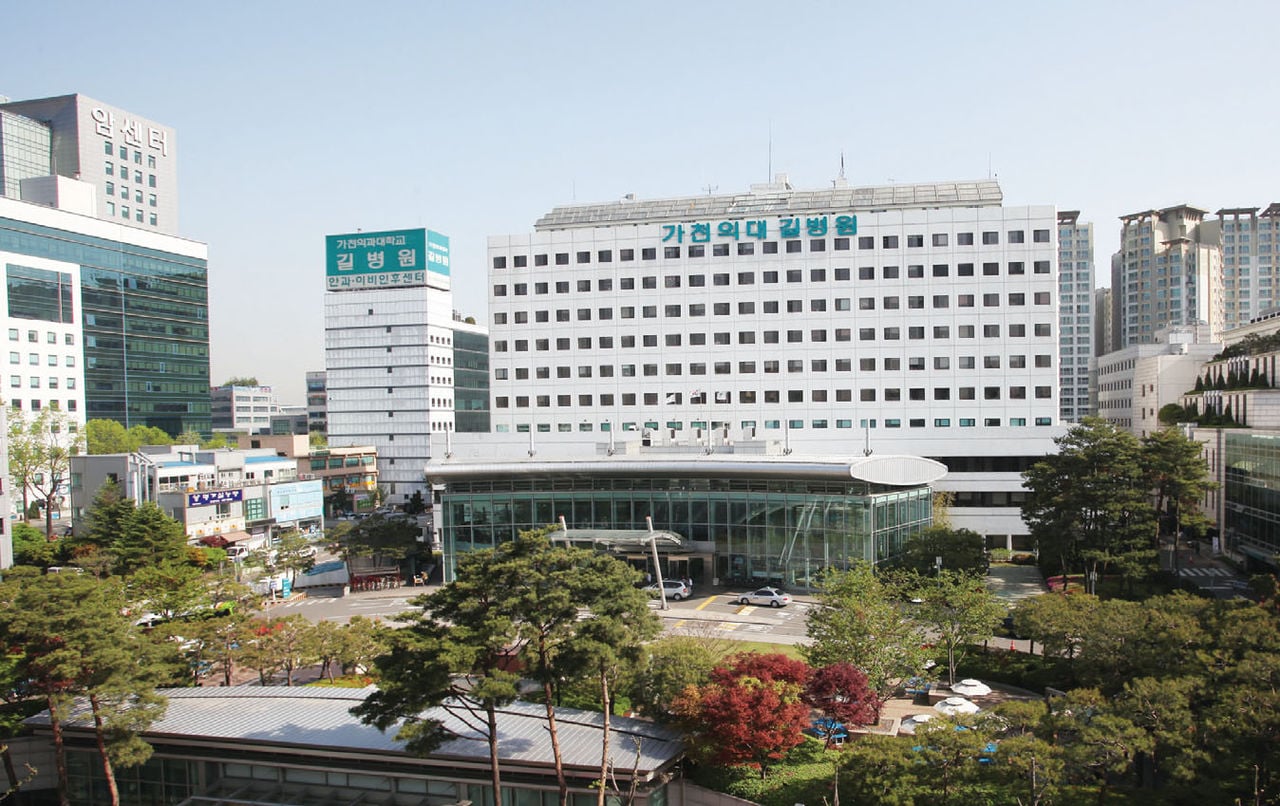







نظرة عامة على إعادة بناء الرباط الصليبي الأمامي في كوريا الجنوبية
- إعادة بناء الرباط الصليبي الأمامي - من $9,000
يقوم الإجراء بإصلاح رباط الركبة الممزق لاستعادة الاستقرار ، ويتضمن استبداله بطعم ، مما يعزز أداء الركبة بشكل أفضل.
- تقويم مفاصل الأوتار - من $10,000
تعيد هذه الجراحة وظيفة وتر العرقوب التالف ، بما في ذلك إصلاح الأوتار والتطعيم في بعض الأحيان ، مما يحسن الحركة.
اليوم الأول - الوصول
- قم بالوصول إلى البلد واستقر في مكان إقامتك.
- استعد للاستشارة الأولية مع الطبيب.
اليوم 2 - ما قبل العملية
- قابل جراح العظام للتشاور.
- اخضع للفحوصات الطبية اللازمة مثل التصوير بالرنين المغناطيسي والأشعة السينية.
- قابل طبيب التخدير لمناقشة نوع التخدير.
اليوم الثالث - ترميم الرباط الصليبي الأمامي
- الوصول إلى العيادة لإجراء الجراحة.
- تستغرق العملية حوالي ساعة إلى ساعتين تحت تأثير التخدير العام.
- بعد الجراحة ، سيتم نقلك إلى الجناح العام للشفاء.
اليوم 4 - بعد العملية
- البقاء في العيادة للملاحظة وإدارة الألم.
- ابدأ العلاج الطبيعي الخفيف تحت الإشراف.
الأسبوع الأول إلى الأسبوع السادس - إعادة التأهيل
- استمر في العلاج الطبيعي لاستعادة مرونة الركبة.
- استخدم العكازات أو دعامة الركبة للدعم.
من الأسبوع السابع إلى الأسبوع الثاني عشر
- زيادة النشاط البدني تدريجيًا.
- العودة إلى العمل ، حسب طبيعة عملك.
من الأسبوع 13 إلى الأسبوع 24
- استئناف الأنشطة الرياضية بشكل تدريجي تحت الإشراف.
- استمر في العلاج الطبيعي لتقوية العضلات.
الأسبوع 25 وما بعده
- انظر النتائج النهائية لإعادة الإعمار.
- استأنف جميع الأنشطة العادية بشكل كامل.
يرجى ملاحظة أن عملية الشفاء لكل مريض فردية وقد تختلف.
- إيداع Bookimed: 200 دولار أو 200 يورو.
- وديعة العيادة: ادفع نسبة محددة مقدمًا.
احصل على تقييم طبي لـ إعادة بناء الرباط الصليبي الأمامي في كوريا الجنوبية. استشر الآن 6 أطباء ذوي الخبرة.
عرض جميع الأطباء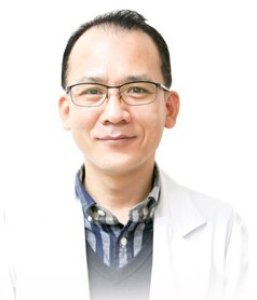
Lee Dongyeop
الدكتور لي دونغيوب جرّاح عظام متخصص في تنظير المفاصل واستبدال المفاصل. يجري جراحة تنظير المفاصل (المنظار المفصلي) واستبدال مفصل الركبة الكلي. ويعالج اضطرابات الكتف والإصابات الرياضية وحالات الركبة المزمنة.
المؤهلات: برنامج مشترك MD-PhD بكلية الدراسات العليا للطب في الجامعة الكاثوليكية في كوريا. سنة الامتياز وبرنامج الإقامة في جراحة العظام بالمركز الطبي الكاثوليكي التابع للجامعة الكاثوليكية في كوريا. مُدرّس سريري (زميل) في مستشفى سانت ماري في سيول، الجامعة الكاثوليكية في كوريا.
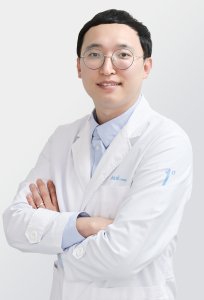
Woo Kyung Kwak
الدكتور وو كيونغ كواك جرّاح عظام يختص بجراحات القدم والكاحل طفيفة التوغل (MICA لعلاج إبهام القدم الأروح). يعالج أيضًا إصابات الرياضيين ويُجري الاستبدال الكلي لمفصل الركبة، إضافةً إلى التنظير المفصلي المتقدّم للكتف والركبة.
حصل على درجتي الطب (MD) والماجستير (MS) من جامعة تشونّام الوطنية، وأكمل زمالة في مستشفى جامعة تشونّام الوطنية. شغل منصب رئيس قسم جراحة العظام في مستشفى القوات المسلحة بدايجون، وكان عضوًا رفيعًا في لجنة التحقيق الطبي بوزارة الدفاع الوطني.
هو عضو عامل في الجمعيا
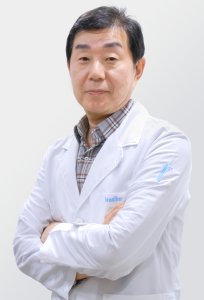
Jang Hyo Kim
الدكتور جانغ هيو كيم جرّاح عظام يركّز على الحفاظ على المفاصل وإعادة البناء المعقّدة. يختص بمناظير المفاصل للكتف والركبة والكاحل والمرفق والمعصم. يُجري استبدال مفاصل الكتف والركبة والكاحل والمرفق والورك. يشمل عمله في العمود الفقري تثبيت ودمج الفقرات العنقية والقطنية. كما يُجري استئصال القرص، واستئصال الصفيحة الفقرية، وترميم الأعصاب، ورأب الفقرة. وتشمل ممارسته علاج الكسور وإصلاح العضلات والأربطة.
هو أستاذ منتسب في جامعة كيونغ هي، ويشغل منصب مدير مركز المفاصل في مستشفى فيري غود. وشغل سابق
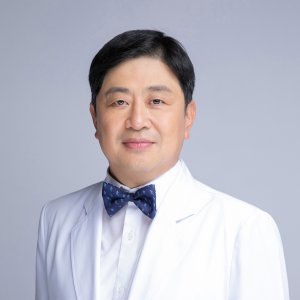
Kim Jin Gu
الدكتور كيم جين غو هو جراح عظام كوري متخصص في جراحة الركبة والطب الرياضي. يشغل منصب المدير الطبي ومدير مركز الطب الرياضي في مستشفى ميونغجي. تشمل مجالات تخصصه الرئيسية إعادة بناء الرباط الصليبي الأمامي (ACL)، وجراحة وزراعة الغضروف المفصلي، وتنظير مفصل الركبة، واستبدال مفصل الركبة. كما يقدم استشارات أولية عبر الإنترنت للمرضى الدوليين.
في عام 2022، تجاوز الدكتور كيم حاجز 3,000 عملية إعادة بناء للرباط الصليبي الأمامي خلال مسيرة مهنية امتدت لأكثر من 25 عاماً. تلقى تدريبه في جامعة بيتسبرغ، و
المراجعات
جميع المراجعاتمشاركة المحتوى
قصص فيديو من مرضى Bookimed
 Anna Leonova
أسئلة متكررة حول إعادة بناء الرباط الصليبي الأمامي في كوريا الجنوبية
لماذا تُعد كوريا الجنوبية وجهة شائعة لجراحة الرباط الصليبي الأمامي؟
تُعدّ كوريا الجنوبية وجهة رائدة لجراحة الرباط الصليبي الأمامي، حيث تصل نسبة نجاحها إلى 95%، وذلك بفضل إدخال تقنيات متطورة مثل تنظير المفاصل الروبوتي والتصوير ثلاثي الأبعاد. ويستفيد المرضى من برامج إعادة تأهيل متطورة في مرافق معتمدة من اللجنة الدولية المشتركة (JCI)، مما يمكّنهم من المشي دون مساعدة في غضون ثلاثة أيام من الجراحة.
- التكنولوجيا المتقدمة: تستخدم العيادات الجراحة الروبوتية والتصوير ثلاثي الأبعاد لزراعة الأعضاء بدقة.
- التكامل البيولوجي: غالباً ما تتضمن العلاجات القياسية استخدام البلازما الغنية بالصفائح الدموية (PRP) لتعزيز التئام الأربطة والأنسجة.
- التعافي السريع: تسمح بروتوكولات خاصة للمرضى بالمشي دون مساعدة في وقت مبكر يصل إلى ثلاثة أيام بعد الجراحة الترميمية.
- مستوى عالٍ من التأهيل: أكمل الجراحون من مستشفى نانوري ومركز أسان الطبي تدريبات دولية في جراحة العظام.
رأي خبراء بوكيمد: تُظهر البيانات أن البنية التحتية الرقمية للمستشفيات في كوريا الجنوبية، مثل نظام BESTcare في مستشفى جامعة سيول الوطنية بوندانغ، تُقلل بشكل ملحوظ من الأخطاء الطبية. بالنسبة للمرضى الذين يعانون من إصابات في الرباط الصليبي الأمامي، توفر هذه البيئة عالية التقنية تتبعًا رقميًا دقيقًا لنتا
ما هو معدل النجاح وبروتوكول العودة إلى ممارسة الرياضة لإعادة بناء الرباط الصليبي الأمامي في كوريا الجنوبية؟
في كوريا الجنوبية، تتراوح معدلات نجاح إعادة بناء الرباط الصليبي الأمامي بين 85% و95%، مع استقرار طويل الأمد يصل إلى 94%. وتعتمد بروتوكولات العودة إلى الرياضة على مراحل قائمة على معايير محددة بدلاً من جداول زمنية صارمة، وعادةً ما تتطلب من 9 إلى 12 شهرًا من إعادة التأهيل المكثف قبل أن يتمكن الرياضيون من استئناف المنافسة الكاملة.
- معدلات النجاح: في مجموعات المرضى المتخصصة، يبلغ معدل التمزق المتكرر باستخدام التقنيات الحديثة 3% فقط.
- العودة إلى الجدول الزمني للتمارين: عادةً ما يبدأ المرضى بالركض بعد 3 أشهر وتمارين الرشاقة بعد 6 أشهر.
- معايير الأهلية: يجب أن يتمتع الجراحون بنسبة 90% من التناظر في الأطراف ومستويات عالية من الجاهزية النفسية قبل المنافسة.
- الاستقرار السريري: تُظهر البيانات طويلة المدى أن استقرار الركبة يظل عند 94٪ لمدة 15-20 عامًا بعد الجراحة.
رأي خبراء بوكيمد: يعود ارتفاع معدل نجاح جراحة العظام في كوريا الجنوبية إلى تخصصها الاستثنائي في مراكز مثل مركز آسان الطبي، حيث تُجرى أكثر من 65,000 عملية جراحية سنويًا. بينما قد يصل معدل تكرار تمزق الأربطة لدى الرياضيين المحترفين في الولايات المتحدة إلى 15%، فإن هذا المعدل بين نخبة الرياضيين الكوريين يتراوح غالبًا بين 5