علاج فصال الورك في كوريا الجنوبية — احصل على 3 عيادات مختارة خصيصاً لك


تمت مراجعة المقالة طبيا من قبل
فهد مولود
كيف نعمل؟
ما هي تكلفة فصال الورك إجراءات التشخيص والعلاج في كوريا الجنوبية؟ اعرف الآن
من $55. وتتراوح تكلفة التدخلات الجراحية الأولية مثل استبدال مفصل الورك من $12,000 إلى $15,000، حيث تعتمد النفقات الإجمالية على الأسلوب الجراحي ومستوى العيادة. يمكن للمرضى توقع توفير ما بين 40-60% مقارنة بالولايات المتحدة. وتعد سيول وبوسان وإنشيون الوجهات الأولى لهذه الإجراءات التقويمية.
تكاليف علاج تآكل مفصل الورك النموذجية في جمهورية كوريا
- استشارة مع طبيب عظام (جراح إصابات): من $55
- العلاج بالخلايا الجذعية: من $3,500
- استبدال مفصل الورك: $12,000 – $15,000
- العلاج بالخلايا الجذعية لالتهاب المفاصل: من $19,000
رؤية خبراء Bookimed: يجب على المرضى الذين يحتاجون إلى جراحة دقيقة متقدمة إعطاء الأولوية للمراكز التي تمتلك قدرات روبوتية. يستخدم مستشفى جامعة سيول الوطنية في بوندانغ نظام BESTcare الرقمي لتقليل الأخطاء الطبية. وبالنسبة للنساء اللواتي يبحثن عن رعاية متخصصة، يقدم المركز الطبي لجامعة إيهوا النسائية تركيزاً جمالياً فريداً على إجراءات استبدال المفاصل. أما أولئك الذين يعانون من حالات معقدة متعددة الأنظمة، فيستفيدون من مركز آسان الطبي، وهو أكبر منشأة متعددة التخصصات في كوريا الجنوبية.
| كوريا الجنوبية | تركيا | إسبانيا | |
|---|---|---|---|
| العلاج بالخلايا الجذعية لالتهاب المفاصل | من $19,000 | من $4,400 | من $15,000 |
| العلاج بالخلايا الجذعية | من $3,500 | من $1,600 | من $33,600 |
| استبدال مفصل الورك بتقنية Makoplasty | ≈ $14,500 | من $14,500 | ≈ $15,500 |
| استبدال مفصل الورك | من $12,000 | من $7,000 | من $23,600 |
اكتشف أفضل فصال الورك العيادات في كوريا الجنوبية: 15 خيارات معتمدة والأسعار




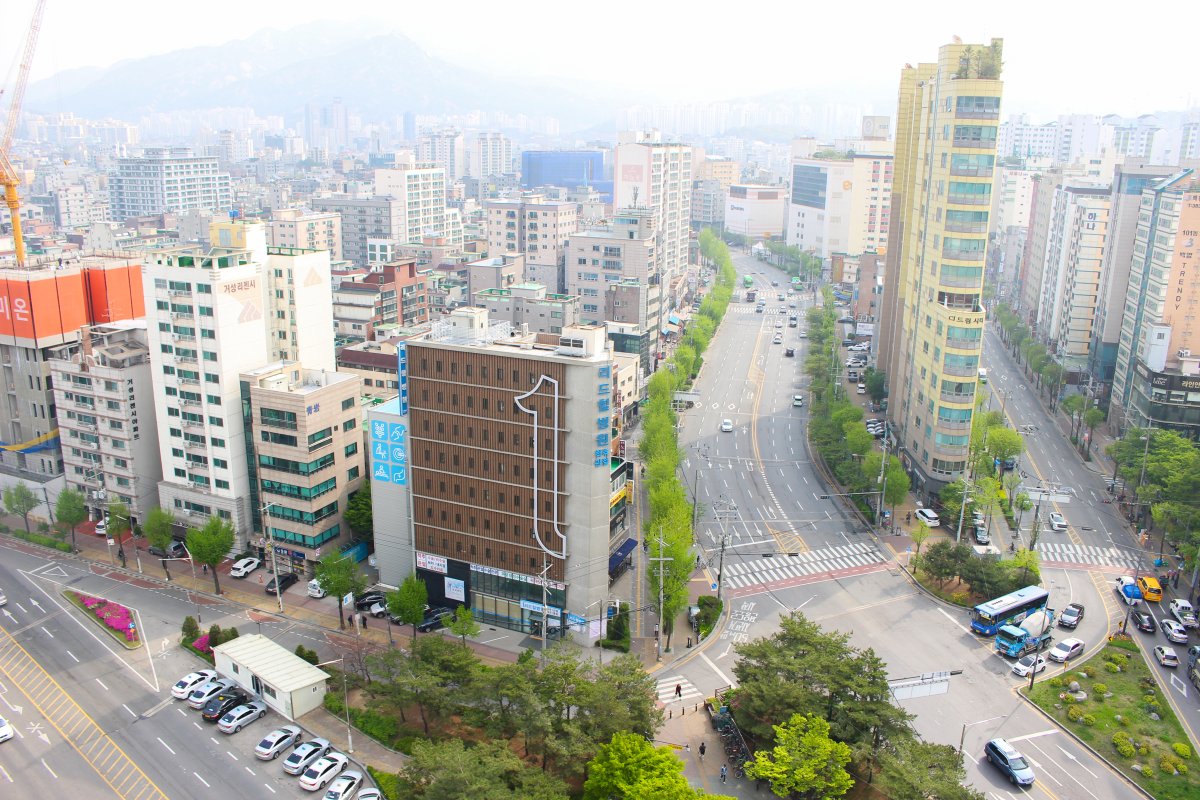
عيادة العمود الفقري والمفاصل Leadheal





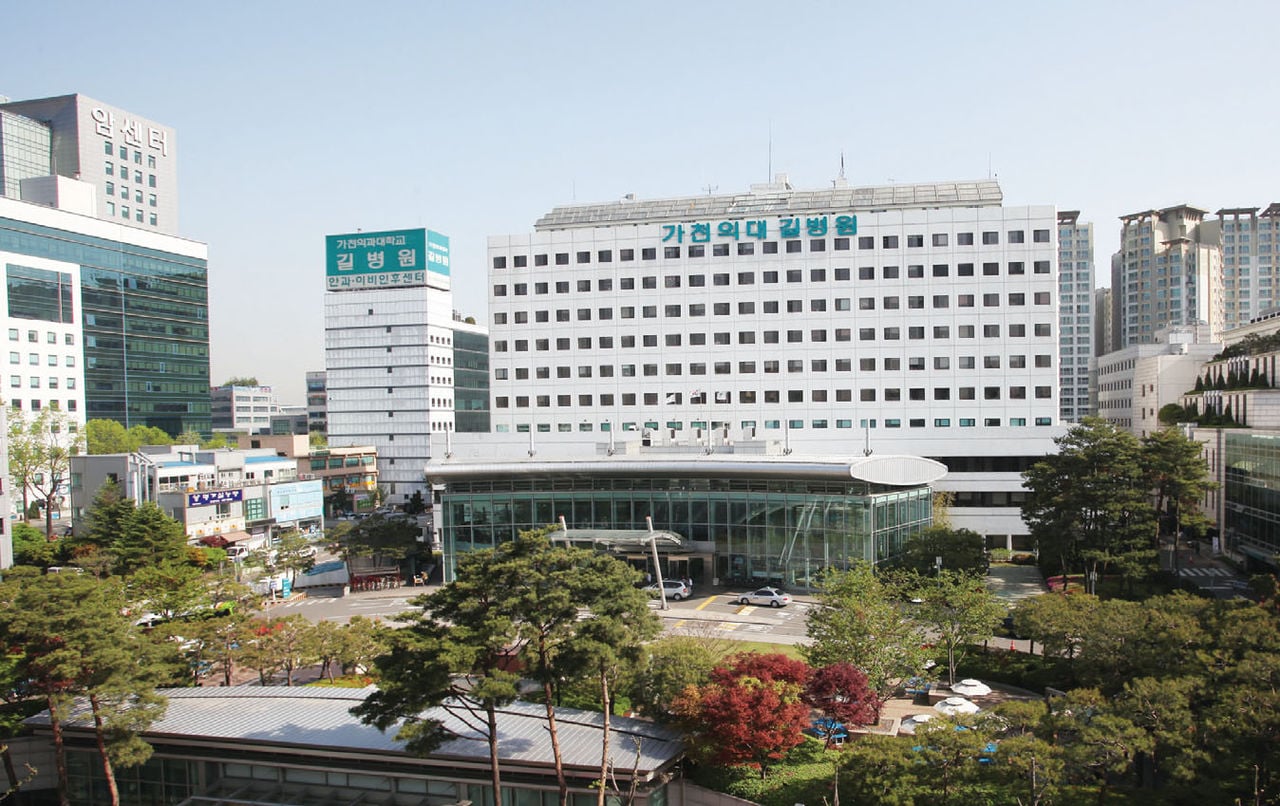




Bumin Hospital Seoul
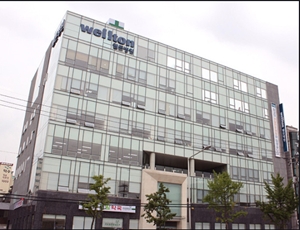
Wellton Hospital
احصلوا على تقييم طبي لـ فصال الورك في كوريا الجنوبية: استشيروا أطباء ذوي خبرة الآن
عرض جميع الأطباء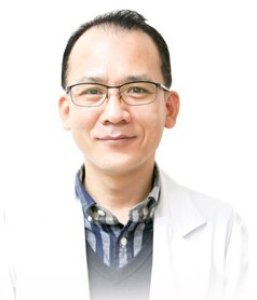
Lee Dongyeop
الدكتور لي دونغيوب جرّاح عظام متخصص في تنظير المفاصل واستبدال المفاصل. يجري جراحة تنظير المفاصل (المنظار المفصلي) واستبدال مفصل الركبة الكلي. ويعالج اضطرابات الكتف والإصابات الرياضية وحالات الركبة المزمنة.
المؤهلات: برنامج مشترك MD-PhD بكلية الدراسات العليا للطب في الجامعة الكاثوليكية في كوريا. سنة الامتياز وبرنامج الإقامة في جراحة العظام بالمركز الطبي الكاثوليكي التابع للجامعة الكاثوليكية في كوريا. مُدرّس سريري (زميل) في مستشفى سانت ماري في سيول، الجامعة الكاثوليكية في كوريا.
Woo Kyung Kwak
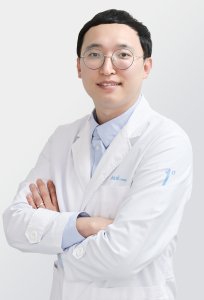
الدكتور وو كيونغ كواك جرّاح عظام يختص بجراحات القدم والكاحل طفيفة التوغل (MICA لعلاج إبهام القدم الأروح). يعالج أيضًا إصابات الرياضيين ويُجري الاستبدال الكلي لمفصل الركبة، إضافةً إلى التنظير المفصلي المتقدّم للكتف والركبة.
حصل على درجتي الطب (MD) والماجستير (MS) من جامعة تشونّام الوطنية، وأكمل زمالة في مستشفى جامعة تشونّام الوطنية. شغل منصب رئيس قسم جراحة العظام في مستشفى القوات المسلحة بدايجون، وكان عضوًا رفيعًا في لجنة التحقيق الطبي بوزارة الدفاع الوطني.
هو عضو عامل في الجمعيا
Jang Hyo Kim
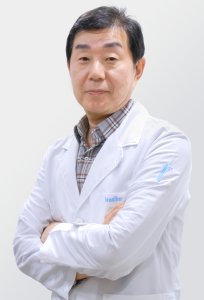
الدكتور جانغ هيو كيم جرّاح عظام يركّز على الحفاظ على المفاصل وإعادة البناء المعقّدة. يختص بمناظير المفاصل للكتف والركبة والكاحل والمرفق والمعصم. يُجري استبدال مفاصل الكتف والركبة والكاحل والمرفق والورك. يشمل عمله في العمود الفقري تثبيت ودمج الفقرات العنقية والقطنية. كما يُجري استئصال القرص، واستئصال الصفيحة الفقرية، وترميم الأعصاب، ورأب الفقرة. وتشمل ممارسته علاج الكسور وإصلاح العضلات والأربطة.
هو أستاذ منتسب في جامعة كيونغ هي، ويشغل منصب مدير مركز المفاصل في مستشفى فيري غود. وشغل سابق

Seongcheol Moon
رئيس قسم جراحة العظام في مستشفى نانوري، الدكتور مون متخصص في طب المفاصل والطب الرياضي مع أبحاث مكثفة في حالات الكتف والمرفق.
- حاصل على زمالة في جراحة الكتف والمرفق من مستشفى جامعة كيونغ هي
- عضو في العديد من جمعيات العظام المرموقة بما في ذلك الجمعية الكورية للركبة
- نشر أكثر من 10 أوراق بحثية في مجلات العظام الرائدة
- أكثر من 18 سنة من الخبرة في جراحة العظام
مشاركة المحتوى
قصص فيديو من مرضى Bookimed
 Anna Leonova
أسئلة متكررة حول علاج فصال الورك في كوريا الجنوبية
ما هي أفضل المستشفيات في كوريا لعلاج تآكل مفصل الورك (Coxarthrosis)؟
تشمل أفضل المستشفيات الكورية لعلاج تآكل مفصل الورك مستشفى سيفيرانس (Severance Hospital)، ومركز آسان الطبي (Asan Medical Center)، ومرافق متخصصة مثل مستشفى ويلتون (Wellton Hospital). تتخصص هذه المراكز في استبدال مفصل الورك بالكامل والعلاج بالخلايا الجذعية. تحافظ المؤسسات الرائدة على اعتماد اللجنة الدولية المشتركة (Joint Commission International) وتستخدم تقنيات طفيفة التوغل لتسريع تعافي المفاصل.
- مركز آسان الطبي: يجري أكثر من 65,000 عملية سنوياً كأكبر مستشفى متعدد التخصصات في كوريا الجنوبية.
- مستشفى سيفيرانس: يتميز باعتماد اللجنة الدولية المشتركة ويخدم أكثر من 4,000,000 مريض خارجي على مستوى العالم.
- مستشفى ويلتون: يتخصص حصرياً في تقويم مفصل الورك بالكامل وإجراءات تنظير المفاصل للحفاظ على المفصل.
- مستشفى ليدهيل (Leadheal Hospital): يعالج أكثر من 44,000 مريض سنوياً باستخدام تقنيات تقويم العظام المتقدمة طفيفة التوغل.
رؤية خبير Bookimed: غالباً ما توفر مراكز المفاصل عالية التخصص مثل مستشفى ويلتون وصولاً أسرع من المستشفيات الجامعية الكبيرة. بينما تتعامل مستشفيات سيفيرانس وآسان مع أحجام ضخمة، تركز المراكز الأصغر بشكل خاص على استبدال الورك. يستخدم مستشفى جامعة سيول الوطنية في بوندانغ (Seoul National University Bundang Hospital) نظامه الرقمي BESTcare لتقليل الأخطاء الطبية بشكل كبير. اختيار منشأة بناءً على حجم المرضى السنوي في قسم العظام يضمن رعاية مخصصة لتآكل المفاصل المعقد.
إجماع المرضى: يشير المرضى إلى أن اختيار جراح يجري عدد
هل يتوفر استبدال مفصل الورك الروبوتي لعلاج داء مفصل الورك في كوريا؟
يتوفر استبدال مفصل الورك الروبوتي لعلاج داء مفصل الورك (coxarthrosis) على نطاق واسع في كوريا الجنوبية في مراكز العظام المتخصصة. تستخدم مستشفيات مثل مستشفى جامعة سيول الوطنية في بوندانغ ومستشفى سيفيرانس أنظمة متقدمة مثل MAKOplasty لاستبدال مفصل الورك بالكامل. تضمن هذه التقنيات تحضيرًا دقيقًا للعظام ووضعًا دقيقًا للغرسة.
- النطاق التكنولوجي: تستخدم المراكز أنظمة MAKO الدولية وابتكارات الجراحة الروبوتية الكورية المحلية.
- معايير الاعتماد: تحمل المؤسسات الكبرى شهادات اللجنة الدولية المشتركة (JCI) والهندسة المعمارية العالمية للرعاية الصحية (GHA).
- الحجم السريري: يدير مستشفى جامعة سيول الوطنية في بوندانغ أكثر من 1,500,000 مريض سنويًا باستخدام أنظمة معززة بالذكاء الاصطناعي.
- المراكز المتخصصة: تركز مرافق مثل مستشفى ويلتون ومستشفى بومين سيول حصريًا على استبدال المفاصل.
رؤية خبير Bookimed: تخلق البنية التحتية في كوريا ميزة دقة فريدة لمرضى الورك. يستخدم مستشفى جامعة سيول الوطنية في بوندانغ نظام BESTcare المتخصص للقضاء على الأخطاء الطبية. يتكامل سير العمل الرقمي هذا مع الأنظمة الروبوتية لضمان تطابق الغرسات تمامًا مع تشريح المريض. عند اختيار عيادة، لاحظ أن مركز آسان الطبي يتعامل مع أحجام هائلة من المرضى الداخليين، حيث يجري أكثر من 65,000 عملية سنويًا. غالبًا ما تترجم هذه الترددات الجراحية العالية إلى بروتوكولات روبوتية محسنة وأوقات تعافي أقصر.
ما هي مدة التعافي بعد جراحة الورك في كوريا؟
يتطلب التعافي بعد جراحة الورك في كوريا عادةً من 5 إلى 7 أيام من الإقامة في المستشفى وحوالي 6 أيام من إعادة التأهيل المكثف. يبدأ معظم المرضى في المشي بمساعدة في غضون 24 ساعة. بينما تعود الأنشطة الخفيفة في غضون 4 إلى 6 أسابيع، يستغرق الاستعادة الكاملة لوظيفة المفصل عادةً من 3 إلى 6 أشهر.
- الإقامة في المستشفى: يبقى المرضى تحت الرعاية السريرية لمدة 5 إلى 7 أيام بعد الإجراء.
- التحريك الأولي: تبدأ المساعدة في المشي عادةً في غضون الـ 24 ساعة الأولى بعد الجراحة.
- إقامة السياحة العلاجية: يجب على المرضى الدوليين التخطيط لإقامة إجمالية مدتها 14 يوماً.
- مراحل النشاط: استئناف المهام اليومية الخفيفة في غضون 6 أسابيع والأنشطة الكاملة في غضون 6 أشهر.
رؤية خبير Bookimed: تتعامل المراكز الكبيرة في كوريا مثل مستشفى جامعة سيول الوطنية في بوندانغ مع أكثر من 30,000 عملية سنوياً. يسمح هذا الحجم الكبير للجراحين بتحسين التقنيات طفيفة التوغل التي تعطي الأولوية للتحريك المبكر. تشير البيانات إلى أن اختيار المراكز التي تستخدم أنظمة صحية رقمية يساعد المرضى الدوليين على تتبع مراحل تعافيهم لمدة 12 أسبوعاً عن بُعد.
إجماع المرضى: يلاحظ المرضى أنه على الرغم من تشجيع الحركة المبكرة، فإن استعادة القدرة البدنية الحقيقية تستغرق شهوراً. ويؤكدون أن التعامل مع وسائل النقل العام في سيول خلال الأسابيع الستة الأولى يمثل تحدياً ويتطلب تخطيطاً دقيقاً.
هل يمكن للطب الكوري التقليدي المساعدة في علاج داء مفصل الورك (Coxarthrosis)؟
يدير الطب الكوري التقليدي أعراض داء مفصل الورك بفعالية من خلال بروتوكولات غير جراحية. تستخدم العيادات المتخصصة العلاج اليدوي "تشونا" (Chuna) إلى جانب الوخز بالإبر الدوائي لتقليل آلام الورك. تعمل هذه العلاجات على تحسين حركة المفاصل واستهداف الالتهاب. يوصي معظم الخبراء بهذه الأساليب لتخفيف الأعراض بدلاً من إعادة بناء المفصل.
- علاج تشونا: تعمل التقنيات اليدوية على إعادة محاذاة هياكل الورك واستعادة حركة المفصل الوظيفية.
- الوخز بالإبر الدوائي: توفر مستخلصات الأعشاب التي يتم حقنها في نقاط الوخز بالإبر تأثيرات مضادة للالتهابات مستهدفة.
- طب الأعشاب: تعمل وصفات "هانياك" (Hanyak) المخصصة على تقوية العظام ودعم صحة الأربطة المحيطة.
- الوخز بالإبر: يعمل العلاج التقليدي بالإبر على استرخاء العضلات المشدودة لتقليل الضغط على المفاصل.
رؤية خبير Bookimed: تقدم كوريا الجنوبية جسراً تكنولوجياً فريداً بين التقاليد والجراحة. تخدم عيادات مثل مستشفى "ليدهيل" (Leadheal) أكثر من 44,000 مريض سنوياً بخطط مخصصة. تظهر البيانات أن المراكز الكبرى مثل مستشفى جامعة سيول الوطنية في بوندانغ تستخدم أنظمة رقمية لمنع الأخطاء. يمكنك العثور على رعاية متخصصة للمفاصل في مستشفى "بومين" (Bumin) في سيول أو الشركات التابعة لجامعة "كيونغ هي" (Kyung Hee). يتيح ذلك للمرضى الوصول إلى رعاية متكاملة تجمع بين إدارة الألم التقليدية والتشخيصات العظمية المتقدمة.
إجماع المرضى: يشير المرضى إلى أن العلاجات التقليدية توفر تخفيفاً كبيراً للألم وتساعد في تأخير الحاجة إلى الجراحة.
هل أحتاج إلى تأشيرة طبية لتلقي العلاج في كوريا؟
يحتاج معظم المرضى الأجانب إلى تأشيرة طبية لعلاج تآكل مفصل الورك (coxarthrosis) في كوريا الجنوبية. تعتمد المتطلبات على جنسيتك ومدة إقامتك. تستخدم الزيارات القصيرة التي تقل عن 90 يوماً تأشيرة C-3-3. تتطلب الإقامات الأطول للتعافي من جراحة استبدال الورك تأشيرة الرعاية طويلة الأجل G-1-10.
- تصريح الدخول: يمكن للمواطنين المؤهلين للحصول على K-ETA استخدام الدخول القياسي للاستشارات قصيرة الأجل.
- وثائق المستشفى: يجب على المرضى تقديم شهادة قبول رسمية من منشأة مسجلة.
- إثبات مالي: يجب على المتقدمين تقديم كشوف حسابات بنكية توضح القدرة على تغطية تكاليف الجراحة الكبرى.
- السجلات السريرية: تقارير التصوير والتشخيص السابقة إلزامية لمعالجة التأشيرة.
رؤية خبراء Bookimed: بينما يختار الكثيرون مراكز كبيرة مثل مركز أسان الطبي (Asan Medical Center)، غالباً ما توفر المستشفيات المتخصصة الأصغر دعماً أسرع للتأشيرات. يخدم مستشفى ليدهيل (Leadheal Hospital) أكثر من 44,000 مريض سنوياً على الرغم من أنه يحتوي على 40 سريراً فقط. غالباً ما تعالج هذه العيادات المتخصصة ذات الحجم الكبير الأوراق بشكل أسرع من المستشفيات الجامعية الكبيرة التي تضم أكثر من 1000 سرير.
إجماع المرضى: يشير المرضى إلى أنه من المهم التأكد مما إذا كانت جراحتك تتطلب تعافياً لعدة أسابيع. تعني إجراءات الورك الكبرى عادةً أنه يجب عليك التقدم بطلب للحصول على أوراق طبية رسمية بدلاً من استخدام تأشيرة سياحية.