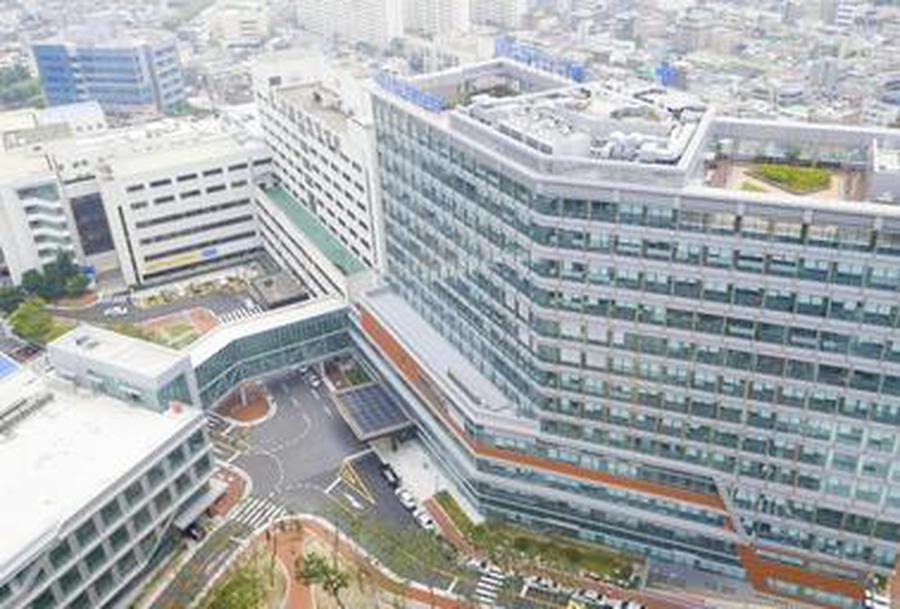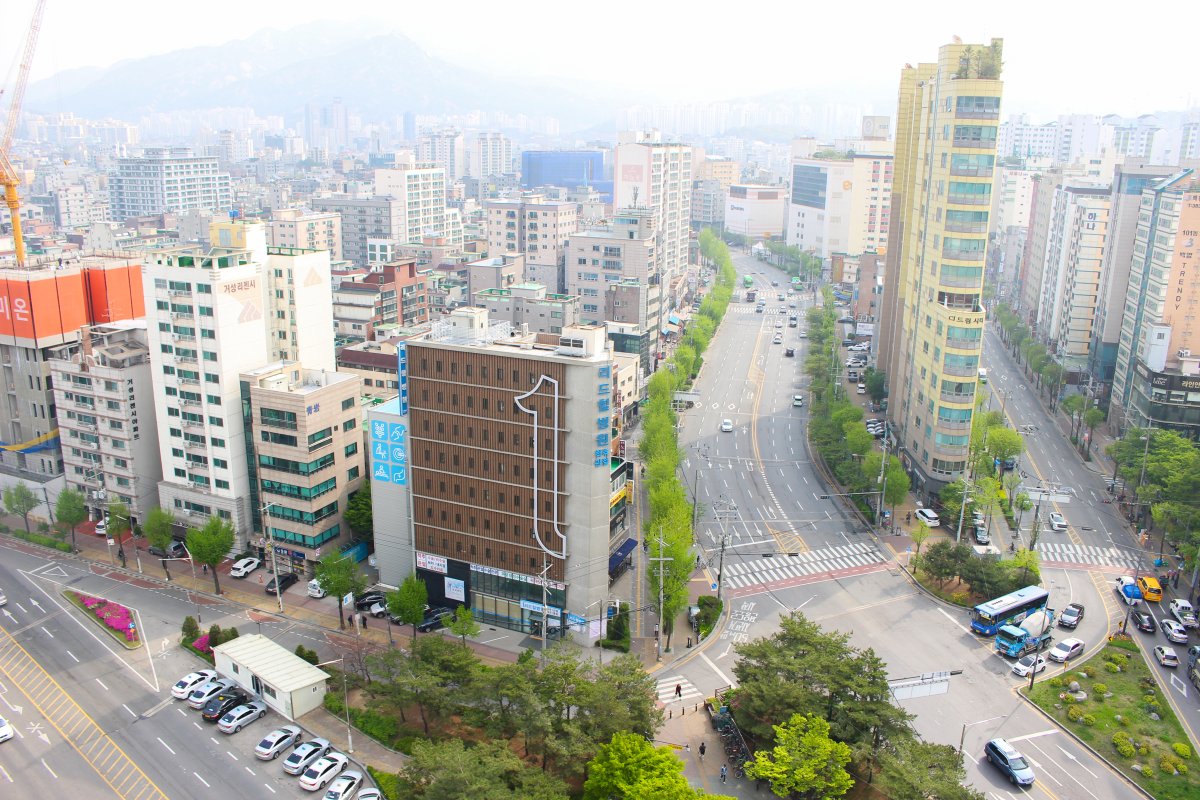
عيادة العمود الفقري والمفاصل Leadheal
كوريا الجنوبية, سول


تمت مراجعة المقالة طبيا من قبل
فهد مولود
| كوريا الجنوبية | تركيا | إسبانيا | |
|---|---|---|---|
| جراحة إعادة بناء اليد | ≈ $4,500 | من $11,700 | ≈ $4,800 |
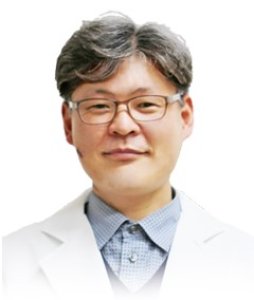
الدكتور يانغ يونغجون جرّاح عظام متخصص في رعاية المفاصل وتنظيرها. يعالج اضطرابات الركبة والكتف، ويُجري الجراحة التنظيرية للمفاصل واستبدال المفاصل (رأب المفصل). كما يعالج الرضوض والحالات المرتبطة بالرياضة، بما في ذلك إصابات الرياضيين، ومشكلات القدم والكاحل، ومتلازمة النفق الرسغي، والكسور.
أكمل برنامج الإقامة في جراحة العظام بالمركز الطبي الكاثوليكي، ثم زمالة في مستشفى سانت بول التابع للمركز نفسه. وهو عضو عامل في جمعية التنظير المفصلي الكورية، وجمعية الركبة الكورية، وجمعية الكتف والمرفق ا
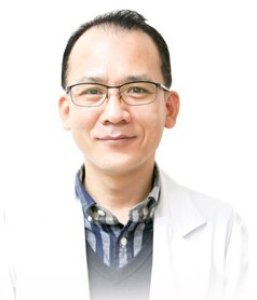
الدكتور لي دونغيوب جرّاح عظام متخصص في تنظير المفاصل واستبدال المفاصل. يجري جراحة تنظير المفاصل (المنظار المفصلي) واستبدال مفصل الركبة الكلي. ويعالج اضطرابات الكتف والإصابات الرياضية وحالات الركبة المزمنة.
المؤهلات: برنامج مشترك MD-PhD بكلية الدراسات العليا للطب في الجامعة الكاثوليكية في كوريا. سنة الامتياز وبرنامج الإقامة في جراحة العظام بالمركز الطبي الكاثوليكي التابع للجامعة الكاثوليكية في كوريا. مُدرّس سريري (زميل) في مستشفى سانت ماري في سيول، الجامعة الكاثوليكية في كوريا.
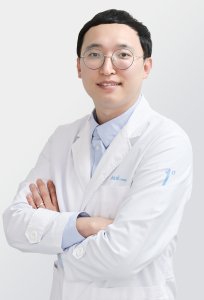
الدكتور وو كيونغ كواك جرّاح عظام يختص بجراحات القدم والكاحل طفيفة التوغل (MICA لعلاج إبهام القدم الأروح). يعالج أيضًا إصابات الرياضيين ويُجري الاستبدال الكلي لمفصل الركبة، إضافةً إلى التنظير المفصلي المتقدّم للكتف والركبة.
حصل على درجتي الطب (MD) والماجستير (MS) من جامعة تشونّام الوطنية، وأكمل زمالة في مستشفى جامعة تشونّام الوطنية. شغل منصب رئيس قسم جراحة العظام في مستشفى القوات المسلحة بدايجون، وكان عضوًا رفيعًا في لجنة التحقيق الطبي بوزارة الدفاع الوطني.
هو عضو عامل في الجمعيا
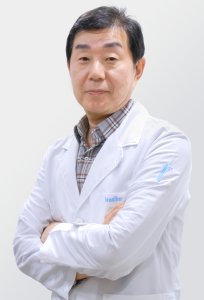
الدكتور جانغ هيو كيم جرّاح عظام يركّز على الحفاظ على المفاصل وإعادة البناء المعقّدة. يختص بمناظير المفاصل للكتف والركبة والكاحل والمرفق والمعصم. يُجري استبدال مفاصل الكتف والركبة والكاحل والمرفق والورك. يشمل عمله في العمود الفقري تثبيت ودمج الفقرات العنقية والقطنية. كما يُجري استئصال القرص، واستئصال الصفيحة الفقرية، وترميم الأعصاب، ورأب الفقرة. وتشمل ممارسته علاج الكسور وإصلاح العضلات والأربطة.
هو أستاذ منتسب في جامعة كيونغ هي، ويشغل منصب مدير مركز المفاصل في مستشفى فيري غود. وشغل سابق
 Anna Leonova
توفر كوريا علاجات متقدمة لمتلازمة النفق الرسغي من خلال الجراحة طفيفة التوغل والرعاية المحافظة المتخصصة. تركز المراكز ذات الحجم الكبير مثل مستشفى Leadheal ومركز Asan الطبي على التحرير بالمنظار والتقنيات الموجهة بالموجات فوق الصوتية. تعطي هذه الطرق الأولوية للشقوق الأصغر وتقليل الألم والعودة السريعة للأنشطة اليومية.
رؤية خبير Bookimed: بينما تتعامل المراكز الكبرى مثل مستشفى Severance مع أحجام هائلة من المرضى، تعالج المستشفيات المتخصصة مثل مستشفى Leadheal أكثر من 44,000 مريض سنويًا. تظهر بياناتنا أن هذه العيادات المتخصصة غالبًا ما تقدم خطط تعافي أكثر تخصيصًا تركز على استعادة نمط الحياة الفورية. يساعد هذا التردد العالي للإجراءات الجراحين في الحفاظ على الدقة في تخفيف ضغط الأعصاب.
إجماع المرضى: يلاحظ المرضى أن استخدام الجبيرة الليلية واختبارات الأعصاب التشخيصية هي خطوات أولى قياسية. يؤكد الكثيرون أن متابعة العلاج المبكر للتنميل المستمر أو ضعف الإبهام يؤدي إلى نتائج تعافي أفضل بكثير.
الجراحة ليست إلزامية لعلاج متلازمة النفق الرسغي في كوريا. يعطي المتخصصون الأولوية في البداية للعلاج التحفظي للحالات الخفيفة أو المتوسطة. يوصي الأطباء بالتدخل الجراحي فقط في حالات الأعراض الشديدة. وتشمل هذه الأعراض التنميل المستمر أو ضعف قبضة اليد الذي يؤثر على المهام اليومية والنوم.
رؤية خبراء Bookimed: يعالج مستشفى ليدهيل أكثر من 44,000 مريض سنويًا باستخدام خطط علاجية مصممة خصيصًا لنمط الحياة. تستخدم المراكز الكورية الكبرى تشخيصات رقمية لتتبع تعافي الأعصاب بدقة. تسمح هذه الخبرة ذات الحجم الكبير للجراحين بتحديد ما إذا كانت الإجراءات طفيفة التوغل ضرورية حقًا.
إجماع المرضى: غالبًا ما يؤكد المرضى على أهمية البدء باختبارات عصبية موضوعية قبل اختيار الجراحة. يشير الكثيرون إلى أنه على الرغم من أن الحقن توفر راحة سريعة، إلا أنها ليست دائمًا حلاً دائمًا.
تُبلغ العيادات الكورية عن معدلات نجاح عالية لجراحة نفق الرسغ تتراوح بين 85% و95%. يستخدم الجراحون تقنيات التنظير ونظام MicroAire SmartRelease لضمان الدقة. تقلل هذه الأساليب المتقدمة من الندوب وتسهل عودة أسرع للأنشطة اليومية للمرضى الدوليين.
رؤية خبراء Bookimed: يعتمد النجاح على حجم العمل والبنية التحتية المتخصصة. يدير مستشفى ليدهيل أكثر من 44,000 مريض سنوياً من خلال خطط جراحة أعصاب وعظام مصممة خصيصاً. اختيار مركز متخصص للمفاصل، مثل المركز الموجود في مستشفى نا-أون بقيادة الدكتور يانغ يونغ جون، يضمن الوصول إلى متخصصين يركزون حصرياً على تنميل اليد وتخفيف ضغط الأعصاب.
إجماع المرضى: يشير المرضى إلى أنه بينما يختفي الألم الليلي على الفور تقريباً، فإن التعافي الحسي الكامل يستغرق وقتاً أطول. تؤكد تحذيرات الخبراء على عدم تأخير الجراحة، حيث أن ضغط العصب لفترة طويلة يمكن أن يبطئ عملية الشفاء.
يعود معظم المرضى إلى العمل المكتبي الخفيف في غضون 7 إلى 14 يوماً بعد جراحة النفق الرسغي. غالباً ما يستخدم الجراحون في جمهورية كوريا تقنيات التنظير لتقليل وقت التعافي. يتطلب العمل اليدوي الذي يتطلب رفع أثقال أو حركات متكررة عادةً فترة تتراوح بين 6 إلى 8 أسابيع.
رؤية خبير Bookimed: تدير مرافق رائدة في سيول مثل مستشفى ليدهيل ومستشفى سيفيرانس أحجاماً كبيرة من المرضى؛ حيث يرى ليدهيل وحده أكثر من 44,000 مريض سنوياً. تشير بياناتنا إلى أن اختيار أخصائي مثل الدكتور سيونغ هيون كيم، الذي يتمتع بخبرة تزيد عن 30 عاماً، يؤدي غالباً إلى جداول تعافي أكثر دقة وخطط إعادة تأهيل مخصصة. تضمن الترددات الجراحية العالية في كوريا الجنوبية في المراكز المعتمدة من اللجنة الدولية المشتركة (JCI) بروتوكولات محسنة تعطي الأولوية للتعبئة المبكرة للمرضى الدوليين.
إجماع المرضى: يشير المرضى إلى أن المهام اليومية مثل ارتداء الملابس أو القيادة غالباً ما تكون أكثر صعوبة مما كان متوقعاً خلال الأسبوع الأول. يقترح الكثيرون التخطيط للكتابة بيد واحدة أو استخدام الإملاء الصوتي خلال الفترة الانتقالية الأولى للعو
عادة لا تكون هناك حاجة للعلاج الطبيعي بعد جراحة النفق الرسغي القياسية في كوريا الجنوبية. يستعيد معظم المرضى وظيفة اليد من خلال تمارين منزلية بسيطة وتحريك الأصابع في وقت مبكر. يتم تخصيص إعادة التأهيل المتخصصة للحالات التي تنطوي على تصلب مستمر، أو ضعف العضلات، أو حساسية كبيرة في الندبة أثناء فترة التعافي.
رؤية خبير Bookimed: يعطي أخصائيو العظام الكوريون الجنوبيون مثل الدكتور سيونغ هيون كيم الأولوية للتعافي الوظيفي الفوري. غالباً ما يستخدم الجراحون ذوو الخبرة التي تزيد عن 30 عاماً تقنيات طفيفة التوغل. يقلل هذا النهج من صدمة الأنسجة ويقلل بشكل كبير من الحاجة إلى العلاج الطبيعي الرسمي مقارنة بالجراحة المفتوحة التقليدية.
إجماع المرضى: يشير المرضى إلى أهمية إبقاء اليد مرتفعة وتحريك الأصابع في وقت مبكر. يجد معظمهم أن اتباع التعليمات المنزلية الأساسية يكفي للعودة إلى الأنشطة اليومية بسرعة.
إذا استمرت الأعراض بعد جراحة النفق الرسغي في كوريا، احجز موعداً للمتابعة فوراً لإجراء تصوير تشخيصي. يؤثر التنميل المستمر على أقل من 5% من الحالات وغالباً ما يتطلب تخطيط كهربية العضل (EMG) أو التصوير بالموجات فوق الصوتية. توفر مراكز اليد المتخصصة في سيول جراحات مراجعة في حالة وجود نسيج ندبي أو عدم اكتمال تحرير الرباط.
رؤية خبير Bookimed: بينما يسعى الكثيرون للحصول على مستشفيات جامعية مرموقة مثل جامعة سيول الوطنية للمراجعات، غالباً ما توفر المراكز المتخصصة الأصغر وصولاً أسرع. تظهر البيانات أن مستشفى ليدهيل يعالج أكثر من 44,000 مريض سنوياً بتركيز جراحي تقويمي. اختيار جراح مثل الدكتور وو كيونغ كواك، الحاصل على دبلوم FIFA، يضمن الخبرة في حالات إجهاد اليد المتعلقة بالرياضة والتي تحاكي عودة أعراض النفق الرسغي.
إجماع المرضى: يشير المرضى إلى أن التنميل المتبقي شائع إذا تضرر العصب بشدة قبل الجراحة. ويؤكدون أن الألم الحارق غالباً ما يشير إلى مشكلة مختلفة، مثل متلازمة النفق المرفقي أو الإجهاد، بدلاً من الفشل الجراحي.
يتضمن الاستعداد الفعال لاستشارة العظام في كوريا الجنوبية جمع دراسات التوصيل العصبي ونتائج تخطيط كهربية العضل (EMG) السابقة. يجب على المرضى توثيق أنماط الأعراض المحددة، مثل التنميل الليلي أو ضعف القبضة. تساعد هذه البيانات المتخصصين في المرافق المعتمدة من قبل اللجنة الدولية المشتركة (JCI) مثل مستشفى سيفيرانس في تحديد مدى إلحاح الجراحة.
رؤية خبير Bookimed: ركز على العيادات مثل مستشفى ليدهيل (Leadheal) الذي يبلغ عن علاج أكثر من 44 ألف مريض سنوياً. غالباً ما يعني حجم المرضى الكبير في سيول أن جراحين مثل الدكتور وو كيونغ كواك يرون مئات حالات النفق الرسغي شهرياً. تسمح لهم هذه الخبرة المحددة بتقديم تقنيات تحرير دقيقة طفيفة التوغل تعطي الأولوية للتنقل على المدى الطويل.
إجماع المرضى: يؤكد المرضى على أهمية إحضار ملخصات مكتوبة باللغتين الإنجليزية والكورية لسد الفجوات اللغوية أثناء المواعيد السريعة. يقترحون أن يكونوا واضحين جداً بشأن العلاجات المحافظة التي لم تساعدهم لمساعدة